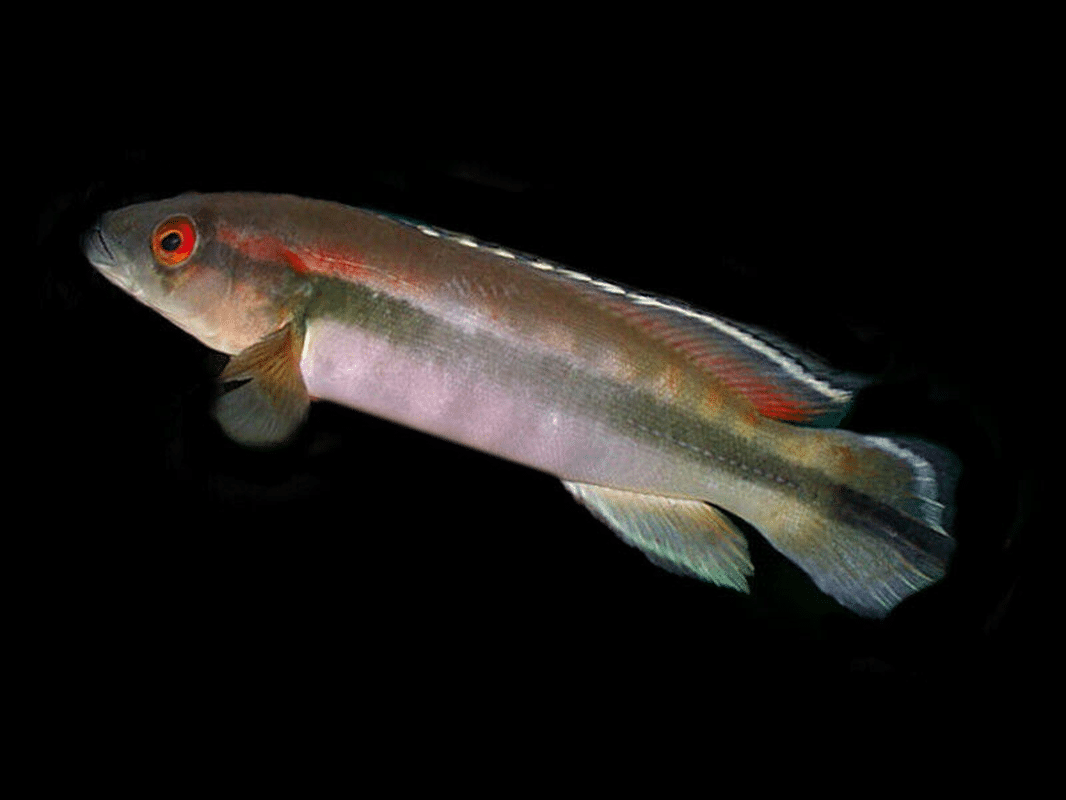
Red-Finned Pike Cichlid – Crenicichla Johanna – South American Cichlid
Original price was: £22.99.£19.35Current price is: £19.35.
Welcome the stunning Red-Finned Pike Cichlid, a vibrant South American Cichlid that adds beauty to your aquarium. With its unique fin patterns and graceful movements, this fish thrives in well-maintained tanks. Perfect for aquarists seeking colorful aquarium fish and peaceful companions.
In stock


Species Introduction
The Red-Finned Pike Cichlid, scientifically known as Crenicichla johanna, is a stunning and captivating species native to the freshwater rivers and streams of South America. This remarkable fish exhibits vibrant colors and unique patterns that make it a prized addition to any aquarium. Typically, these cichlids can reach a maximum length of around 30 cm, depending on their specific environment and care. In their natural habitat, they thrive in areas with ample vegetation and rocky structures, which provide essential hiding spots and breeding grounds. The Red-Finned Pike Cichlid is known for its territorial nature, often establishing dominance within its environment. This species is a part of the larger Crenicichla family, which encompasses various cichlid species, each with its own distinct characteristics and care requirements. Understanding their natural habitat is crucial for replicating their environment in an aquarium setting, ensuring that they remain healthy and vibrant.
Care Requirements Dashboard
| Optimal Living Conditions | |
|---|---|
| Water Temperature | 24-27°C (75-81°F) |
| pH Level | 6.5-7.5 |
| Water Hardness | 4-12 dKH |
| Minimum Tank Size | 80L (20 gal) |
| Salinity | Freshwater |
| Care Level | Beginner Friendly |
✓ Care Level: Moderate
To provide optimal care for your Red-Finned Pike Cichlid, it is essential to create a suitable environment that mimics their natural habitat. The recommended tank size for this species is at least 200 liters to accommodate their swimming needs and territorial behavior. Water parameters should be carefully monitored, with a pH level between 6.5 and 7.5, a temperature range of 24-28°C, and moderate hardness. Regular water changes and filtration are crucial to maintain high water quality, which is vital for the health of your fish. Additionally, providing a varied diet consisting of high-quality cichlid food, along with occasional live or frozen foods, will ensure proper nutrition and enhance their vibrant colors.
Natural Behavior & Temperament
The Red-Finned Pike Cichlid exhibits fascinating natural behaviors that reflect its environment and social structure. These fish are known for their active swimming patterns, often patrolling their territory and exploring the tank. They are generally more aggressive than other cichlid species, especially during breeding periods or when establishing dominance. Social interactions can be quite complex, as they may display territorial aggression towards other fish, particularly those of similar size or shape. It is essential to provide plenty of hiding spots and visual barriers in the aquarium to reduce stress and potential conflicts among tank mates. Observing their interactions can be quite rewarding, as they exhibit a range of behaviors from playful swimming to assertive displays of dominance. Understanding their temperament is crucial for selecting compatible tank mates and ensuring a harmonious aquarium environment.
Tank Setup Guide
Creating an ideal environment for your Red-Finned Pike Cichlid involves careful consideration of tank setup and decorations. These fish thrive in aquariums that replicate their natural habitat, which includes rocky structures and lush vegetation. A sandy or fine gravel substrate is recommended, as it allows for natural digging behavior. Incorporating driftwood, rocks, and caves will not only provide hiding spots but also create territories for your cichlid to claim. Live plants can be added to enhance the aesthetic appeal and provide additional cover, but ensure that they are hardy species that can withstand the cichlid’s digging habits. Proper water circulation is also important, so consider using a filter that provides moderate flow without creating a strong current. Lighting should be moderate to highlight the colors of the fish while promoting plant growth. Regular rearrangement of decorations can stimulate your cichlid’s curiosity and prevent boredom.
Water Quality Management
Maintaining optimal water quality is essential for the health and well-being of your Red-Finned Pike Cichlid. Regular testing of water parameters is crucial to ensure that they remain within the ideal ranges. The pH level should be maintained between 6.5 and 7.5, with a temperature range of 24-28°C. It’s important to monitor water hardness, aiming for a range of 5-15 dGH. Performing regular water changes of 20-30% weekly will help remove toxins and maintain clarity. Invest in a high-quality filtration system to provide efficient mechanical and biological filtration, ensuring that harmful substances such as ammonia and nitrites are kept at bay. Additionally, consider using a water conditioner to remove chlorine and chloramines from tap water before adding it to the tank. Regularly cleaning the substrate and decorations will also contribute to overall water quality, creating a healthy environment for your fish.
Feeding & Nutrition
Proper nutrition is vital for the health and vitality of your Red-Finned Pike Cichlid. These fish are carnivorous and require a varied diet to thrive. High-quality cichlid pellets should form the staple of their diet, providing essential nutrients and promoting growth. Supplementing their diet with live or frozen foods such as bloodworms, brine shrimp, and daphnia will enhance their coloration and overall health. It’s important to feed them small amounts multiple times a day, ensuring that all food is consumed within a few minutes to prevent water quality issues. Observe your fish’s feeding behavior to determine their appetite and adjust feeding quantities accordingly. Additionally, consider incorporating vegetable matter, such as spirulina flakes, to provide a balanced diet. Always ensure that the food is appropriate for their size and age, as this will contribute to their long-term health and vitality.
Compatibility Guide
When selecting tank mates for your Red-Finned Pike Cichlid, it is essential to consider their territorial nature and aggression levels. These cichlids can be quite dominant, especially during breeding periods, and may not tolerate smaller or similarly shaped fish. Ideal tank mates include larger, robust species that can hold their own, such as larger tetras, catfish, or other cichlid species that are not overly aggressive. Avoid keeping them with small fish or those that are overly peaceful, as they may become targets for aggression. It’s also important to consider the size of the tank; a larger aquarium will provide more space for territories and reduce stress among fish. Monitor interactions closely, especially when introducing new tank mates, to ensure a harmonious community. Establishing a well-balanced community tank can enhance the overall experience of caring for these beautiful fish.
Health & Wellness
Maintaining the health and wellness of your Red-Finned Pike Cichlid requires regular observation and proactive care. Common health issues in cichlids include ich, fin rot, and other parasitic infections. To prevent these issues, ensure that water quality is consistently monitored and maintained within the ideal parameters. Quarantine any new fish before introducing them to the main tank to prevent the spread of diseases. Regularly inspect your fish for signs of illness, such as changes in behavior, loss of appetite, or visible lesions. If you notice any signs of distress, it is crucial to act promptly by isolating the affected fish and treating them with appropriate medications. Providing a stress-free environment, adequate hiding spots, and a balanced diet will significantly contribute to their overall health. Additionally, consider consulting with an aquarium professional or veterinarian for guidance on disease prevention and treatment.
Breeding Information
Breeding Red-Finned Pike Cichlids can be a rewarding experience for aquarists who are prepared to provide the necessary conditions. These fish are mouthbrooders, meaning that the female will carry the fertilized eggs in her mouth until they hatch. To encourage breeding, provide a separate breeding tank with suitable hiding spots and a sandy substrate. The ideal temperature for breeding is slightly elevated, around 28-30°C. Once the female lays her eggs, she will guard them fiercely, and it is essential to provide her with a safe environment to raise her fry. After hatching, the fry will remain in the mother’s mouth for several days before becoming free-swimming. During this time, it is crucial to provide infusoria or finely crushed flakes for the fry to ensure proper growth. Once they are large enough, they can be gradually introduced to a larger tank. Breeding can be a complex process, but with patience and the right conditions, you can successfully raise a new generation of these stunning cichlids.
Acclimation Process
Acclimating your Red-Finned Pike Cichlid to its new environment is a critical step in ensuring its health and well-being. When introducing your new fish to the aquarium, it is essential to take your time with the acclimation process to minimize stress. Start by floating the sealed bag containing your fish in the aquarium for about 15-20 minutes, allowing the water temperatures to equalize. After this, gradually introduce small amounts of tank water into the bag over the next hour. This will help your fish adjust to the new water chemistry. Once acclimated, gently release the fish into the tank using a net to avoid adding any transport water that may contain harmful substances. Monitor your fish closely for the first few days to ensure they are settling in well and adapting to their new environment. A smooth acclimation process is crucial for reducing stress and promoting a successful transition into your aquarium.
Long-term Care
Caring for your Red-Finned Pike Cichlid over the long term involves understanding their lifecycle and growth expectations. These fish can live for several years, often reaching maturity around 1-2 years of age. As they grow, their care requirements may change, necessitating adjustments in tank size, diet, and social dynamics. Regular monitoring of their health and behavior is essential, as changes can indicate potential issues. Providing a balanced diet and maintaining stable water parameters will contribute to their longevity and overall health. Additionally, as they reach maturity, you may need to consider tank mates and territorial behaviors, as established cichlids can become more aggressive. Creating a stable and enriching environment will enhance their quality of life and ensure that they thrive for years to come.
Natural Habitat Recreation
Recreating the natural habitat of the Red-Finned Pike Cichlid within your aquarium is essential for their well-being. These fish are found in freshwater environments characterized by rocky substrates, dense vegetation, and slow-moving waters. To replicate this habitat, incorporate a variety of decorations such as rocks, driftwood, and caves that provide hiding spots and territories. Additionally, consider adding live plants that can withstand the cichlid’s digging behavior, as this will enhance the aesthetic appeal and create a more natural environment. Maintaining water quality and parameters that reflect their natural habitat will also contribute to their health. Regularly observing their behavior and interactions within the recreated habitat can provide valuable insights into their needs and preferences, allowing you to make adjustments as necessary.
Seasonal Care Adjustments
Seasonal changes can impact the care of your Red-Finned Pike Cichlid, necessitating adjustments in temperature, lighting, and feeding routines. During warmer months, ensure that the aquarium temperature remains stable, as fluctuations can stress your fish. Consider using a heater with a thermostat to maintain consistent temperatures, especially during colder months. Adjusting the lighting schedule can also benefit plant growth and mimic natural daylight cycles. During breeding seasons, you may need to increase the temperature slightly to encourage spawning behavior. Additionally, monitor feeding habits and adjust portion sizes based on their activity levels, as fish may eat more during warmer months. Being attentive to seasonal changes will help you provide the best care for your aquatic companions.
Expert Tips
For those looking to enhance their experience with Red-Finned Pike Cichlids, here are some expert tips to consider. First, ensure that your aquarium is properly cycled before introducing any fish, as this will establish beneficial bacteria that help maintain water quality. Regular maintenance, including water changes and substrate cleaning, is crucial for a healthy environment. Additionally, consider implementing a varied feeding schedule that includes high-quality pellets, live foods, and plant matter to provide a balanced diet. Observing your fish’s behavior can provide insights into their health and happiness; look for signs of stress or aggression and adjust tank dynamics accordingly. Finally, joining online forums or local aquarium clubs can provide valuable resources and support from experienced aquarists.
Troubleshooting
Encountering issues with your Red-Finned Pike Cichlid can be concerning, but understanding common problems and their solutions can help you address them effectively. If you notice signs of illness such as lethargy, loss of appetite, or abnormal swimming patterns, it’s crucial to check water parameters immediately. High ammonia or nitrite levels can lead to stress and health issues, so regular testing is essential. If aggression becomes a problem, consider rearranging tank decorations to disrupt established territories or providing additional hiding spots. For any health concerns, consult with a veterinarian or aquarium specialist for appropriate treatments. Maintaining a proactive approach to care and being observant of your fish’s behavior will help you troubleshoot and resolve any issues that may arise.
Scientific Background
The Red-Finned Pike Cichlid belongs to the diverse family of cichlids, which are known for their complex behaviors and adaptability. Cichlids are found in various aquatic environments, particularly in Africa and South America, where they have evolved into numerous species with unique characteristics. The Crenicichla genus is particularly notable for its pike-like appearance and predatory behavior. Research into cichlid behavior and ecology has provided valuable insights into their social structures and breeding habits. Conservation efforts are also underway to protect their natural habitats, as many cichlid species face threats from habitat destruction and pollution. Understanding the scientific background of your Red-Finned Pike Cichlid can enhance your appreciation for these remarkable fish and inform your care practices.
Advanced Care Techniques
For experienced aquarists looking to take their care of Red-Finned Pike Cichlids to the next level, advanced techniques can enhance their well-being and enrich their environment. Consider implementing a breeding program to observe their reproductive behaviors and raise fry successfully. Creating a biotope aquarium that closely resembles their natural habitat can also provide a stimulating environment, promoting natural behaviors. Additionally, experimenting with different feeding techniques, such as target feeding or using feeding stations, can encourage natural foraging behaviors. Regularly participating in workshops or advanced courses on cichlid care can also provide new insights and techniques. By continuously expanding your knowledge and skills, you can ensure that your Red-Finned Pike Cichlids thrive in your care.
Frequently Asked Questions
Q: What tank size is required for the Red-Finned Pike Cichlid?
The Red-Finned Pike Cichlid, also known as Crenicichla Johanna, requires a minimum tank size of 100 litres (approximately 26 gallons) to thrive. Given their active nature and territorial behaviour, a larger tank is advisable, ideally around 150 litres (40 gallons) or more. This allows them ample swimming space and helps reduce stress. It is also crucial to provide hiding spots using rocks or driftwood, as this species can be quite shy and benefits from having places to retreat. Regular water changes and proper filtration will also enhance their living conditions, contributing to their overall health and well-being.
✓ Expert Tip
Consider using a tank divider if housing multiple pike cichlids to minimise territorial disputes.
Q: What water parameters do Red-Finned Pike Cichlids require?
Red-Finned Pike Cichlids thrive in water with a pH level between 6.0 and 7.5 and a temperature range of 24-28°C (75-82°F). They prefer slightly soft to moderately hard water, ideally with a hardness of 5-15 dGH. Regular monitoring of these parameters is essential, as fluctuations can lead to stress and health issues. Using a reliable water testing kit can help maintain these conditions. Additionally, consider utilizing a quality filtration system to keep the water clean and well-oxygenated, which is crucial for the health of these beautiful fish.
✓ Expert Tip
Invest in a good quality heater and thermometer to maintain stable temperatures in the tank.
Q: How often should I feed my Red-Finned Pike Cichlid?
Feeding your Red-Finned Pike Cichlid should be done 2-3 times a day, providing only as much food as they can consume within a few minutes. A varied diet is essential for their health; include high-quality pellets, frozen or live foods such as bloodworms, brine shrimp, and insect larvae. This variety not only ensures balanced nutrition but also mimics their natural diet. Be cautious not to overfeed, as this can lead to water quality issues and health problems for your fish. Regularly observe their feeding habits to adjust portions accordingly.
✓ Expert Tip
Consider using a feeding ring to prevent food from floating away and to keep the tank tidy.
Q: What are the best tank mates for Red-Finned Pike Cichlids?
Red-Finned Pike Cichlids can be territorial and aggressive, especially during breeding. Therefore, it is vital to choose tank mates carefully. Suitable companions include larger cichlids and robust fish that can withstand their assertive behaviour, such as larger tetras or catfish. Avoid small or timid species, as they may become targets. It is also advisable to introduce new fish to the tank gradually and monitor interactions closely. Providing plenty of hiding spots can help reduce aggression and give all fish a sense of security.
✓ Expert Tip
Consider keeping them with other South American cichlids that share similar water parameters and temperaments.
Q: How do I properly acclimatise my Red-Finned Pike Cichlid to my aquarium?
Acclimatising your Red-Finned Pike Cichlid is crucial to reduce stress and ensure a smooth transition to their new home. Start by floating the sealed bag in the aquarium for about 15-20 minutes to equalise the temperature. Then, gradually introduce small amounts of tank water into the bag every 5-10 minutes for about an hour. This helps the fish adjust to the water parameters. After the acclimatisation period, gently transfer the fish to the tank using a net to avoid adding store water, which may contain harmful substances. This careful process promotes a healthier start.
✓ Expert Tip
Keep the aquarium lights dim during the first few hours to help reduce stress.
Q: What are the signs of a healthy Red-Finned Pike Cichlid?
Healthy Red-Finned Pike Cichlids exhibit vibrant colours, clear eyes, and active swimming behaviour. They should show curiosity towards their environment and exhibit normal feeding habits. Additionally, their fins should be intact without any signs of fraying or damage. It is essential to regularly check for signs of stress, such as hiding excessively, lethargy, or abnormal swimming patterns, as these may indicate health issues. Maintaining optimal water quality and diet will support their well-being and longevity.
✓ Expert Tip
Regularly observe your fish for any behavioural changes, as early detection of issues can lead to successful treatment.
Q: How do I successfully breed Red-Finned Pike Cichlids?
Breeding Red-Finned Pike Cichlids can be rewarding but requires proper conditions. Begin by ensuring they are well-fed and kept in optimal water parameters. Provide flat surfaces for egg laying, such as smooth rocks. Once the female is ready, she will lay eggs, and the male will fertilise them. After spawning, it is crucial to separate the pair from the rest of the tank to prevent aggression. The parents will guard the eggs until they hatch, usually in 3-7 days. Fry should be fed infusoria or finely crushed flakes until they are large enough for more substantial food.
✓ Expert Tip
Set up a separate breeding tank to increase the chances of successful breeding and fry survival.
Q: What temperature should I maintain for my Red-Finned Pike Cichlid?
The ideal temperature range for Red-Finned Pike Cichlids is between 24-28°C (75-82°F). It is essential to maintain a stable temperature within this range, as fluctuations can cause stress and weaken their immune system. A reliable aquarium heater is necessary to achieve this, along with a thermometer to monitor the temperature accurately. During colder months, ensure that the heater is functioning correctly to prevent drops in temperature. Regular checks will help ensure your aquatic companions remain healthy and active.
✓ Expert Tip
Avoid placing the aquarium near windows or heat sources to prevent temperature fluctuations.
Q: How long do Red-Finned Pike Cichlids typically live in captivity?
In captivity, Red-Finned Pike Cichlids can live anywhere from 8 to 12 years, provided they are given optimal care. Factors such as water quality, diet, tank conditions, and stress levels significantly impact their lifespan. Regular maintenance of the aquarium, including water changes and filtration, is crucial to ensure a healthy environment. Additionally, a balanced diet rich in nutrients will help support their immune system and overall health, contributing to a longer life. Keeping an eye on their behaviour and health will also assist in extending their lifespan.
✓ Expert Tip
Provide a varied diet and maintain consistent water conditions to enhance their lifespan.
Q: What type of substrate is most suitable for Red-Finned Pike Cichlids?
When selecting a substrate for Red-Finned Pike Cichlids, opt for a sandy or fine gravel substrate. This type of substrate mimics their natural habitat, allowing them to dig and forage, which is a natural behaviour of this species. Avoid sharp or rough substrates, as they can injure their delicate skin and fins. A substrate that is easy to clean will also help maintain water quality, reducing the risk of disease. Regular vacuuming during water changes will keep the substrate in good condition and support a healthy environment for your aquatic companions.
✓ Expert Tip
Consider adding natural decorations like rocks or driftwood to enhance their environment further.
Q: What behavioural patterns should I expect from Red-Finned Pike Cichlids?
Red-Finned Pike Cichlids are known for their active and curious nature. They tend to explore their environment, often swimming around and investigating new additions to the tank. However, they can also exhibit territorial behaviour, especially during breeding periods. Males may become aggressive towards each other if not provided with sufficient space. Observing their behaviour can provide insights into their health and comfort level within the tank. It is essential to ensure they have adequate hiding spots to retreat to if they feel threatened, which can help reduce stress and aggression.
✓ Expert Tip
Regularly observe their interactions with tank mates to ensure a harmonious environment.
Q: How can I prevent common diseases in Red-Finned Pike Cichlids?
Preventing diseases in Red-Finned Pike Cichlids involves maintaining optimal water quality and a balanced diet. Regular water changes and using a good filtration system are essential to keep harmful bacteria and toxins at bay. Quarantine new fish before introducing them to your main tank to prevent the spread of illness. Additionally, providing a varied diet rich in nutrients can boost their immune system. Watch for any signs of stress or illness, such as changes in behaviour, loss of appetite, or abnormal swimming patterns. Early detection can significantly improve treatment outcomes.
✓ Expert Tip
Regularly clean the aquarium and monitor water parameters to create a healthy environment.
Q: What lighting conditions do Red-Finned Pike Cichlids prefer?
Red-Finned Pike Cichlids generally prefer subdued lighting that mimics their natural habitat. Bright lights can cause stress, so consider using a combination of ambient lighting and shaded areas within the tank. This can be achieved by strategically placing decorations and plants to create a more natural environment. A timer for the lighting system can help maintain a consistent day-night cycle, which is beneficial for their behaviour and breeding. Observing how your fish respond to the lighting can help you adjust accordingly to ensure their comfort.
✓ Expert Tip
Consider using LED lights with adjustable brightness to create the perfect environment.
Q: How do I recognise stress in my Red-Finned Pike Cichlid?
Recognising stress in Red-Finned Pike Cichlids is vital for their health. Common signs include excessive hiding, erratic swimming patterns, loss of appetite, and faded colours. If your fish are spending too much time in hiding spots or showing aggression towards tank mates, it may indicate stress. Changes in their behaviour or health should prompt immediate investigation into tank conditions, such as water quality, temperature, and compatibility with other fish. Maintaining a stable environment and providing hiding places can help reduce stress levels significantly.
✓ Expert Tip
Regularly check water parameters and observe interactions to ensure a stress-free environment.
Q: What natural habitat conditions should I replicate for Red-Finned Pike Cichlids?
In their natural habitat, Red-Finned Pike Cichlids inhabit rivers and streams with rocky substrates and plenty of hiding spots. To replicate these conditions in your aquarium, use a sandy or fine gravel substrate, along with rocks and driftwood to create caves and territories. Maintaining a gentle water flow mimics their natural environment and encourages natural behaviour. Plants can also be included, but ensure they are hardy, as these fish may dig. Regular water changes and optimal conditions will help replicate their natural habitat, promoting their health and well-being.
✓ Expert Tip
Consider adding a water conditioner to remove harmful chemicals and create a suitable environment.
1 review for Red-Finned Pike Cichlid – Crenicichla Johanna – South American Cichlid
Add a review
Related products



Emily Carter (verified owner) –
I recently added a Red-Finned Pike Cichlid (Crenicichla Johanna) to my aquarium, and I couldn’t be happier! After about two months of observing its behavior, this fish has not only enhanced the visual appeal of my setup but has also become a fascinating character in my aquatic community. I love how it interacts with its environment and the other fish. It’s truly a joy to watch it navigate around the aquarium plants in my tank. This cichlid thrives on a varied diet, and I’ve found that high-quality cichlid food makes a significant difference in its coloration and activity level. Compared to other cichlids I’ve kept, the Red-Finned Pike is so much more engaging and dynamic. One minor concern is that they can be territorial; I recommend providing ample hiding spots with plants and decorations to ease any potential aggression. I’d highly recommend this fish for experienced aquarists looking to add some personality to their tank! It’s an incredible addition that surely brings life to any aquarium.