

Subtotal: £38.71
Sale!
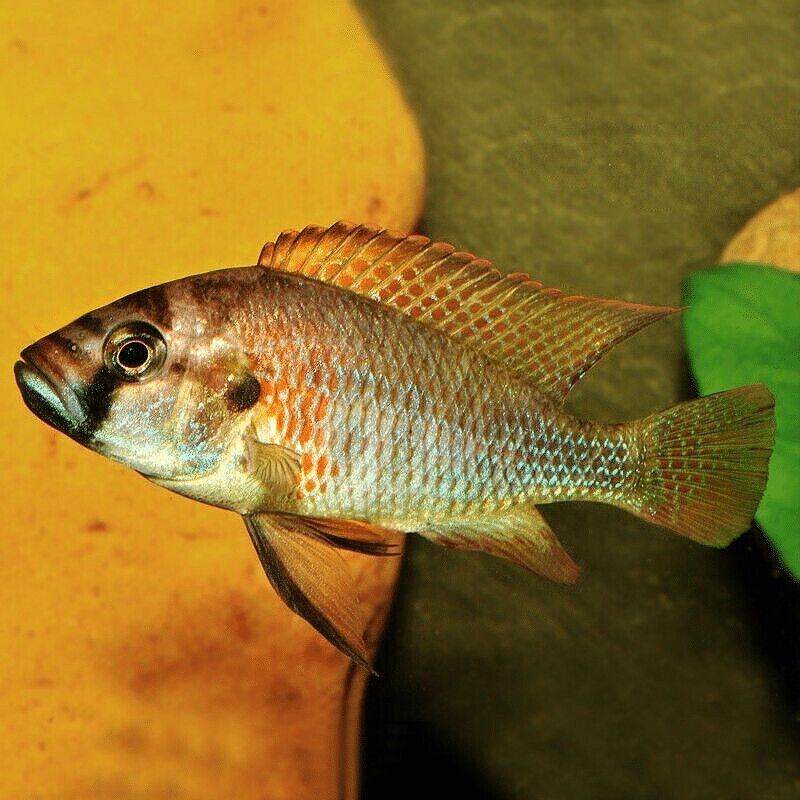
Burton’S Mouthbreeder – Astatotilapia Burtoni – Lake Tanganyika Cichlid
Original price was: £10.49.£8.71Current price is: £8.71.
Welcome the stunning Burton’s Mouthbreeder, Astatotilapia Burtoni, a vibrant Lake Tanganyika Cichlid that thrives in community tanks. Ideal for aquarists seeking beautiful inhabitants, this peaceful cichlid displays unique mouthbrooding behavior, enhancing your aquarium’s allure.
In stock


Species Introduction
The Burton’s Mouthbreeder, scientifically known as Astatotilapia burtoni, is a captivating species of cichlid that hails from the stunning Lake Tanganyika in East Africa. This lake, renowned for its rich biodiversity, provides a unique habitat for these colorful freshwater fish. In their natural environment, Burton’s Mouthbreeders thrive among rocky substrates and dense vegetation, which offer both shelter and breeding grounds. Their vibrant colors and engaging behavior make them a popular choice among aquarists looking to enhance their aquarium with lively and beautiful aquatic companions. These fish are known for their peaceful temperament, making them suitable for community tanks, especially when paired with compatible species like Chalinochromis brichardi. Understanding their natural habitat and behavior is essential for creating an optimal living environment in your aquarium.
Essential Care Guide for Your Burton’S Mouthbreeder – Astatotilapia Burtoni – Lake Tanganyika Cichlid
| Optimal Living Conditions | |
|---|---|
| Water Temperature | 24-26°C (75-79°F) |
| pH Level | 8.1-8.4 |
| Water Hardness | 8-12 dKH |
| Minimum Tank Size | 200L (50 gal) |
| Salinity | 1.020-1.025 SG |
| Care Level | Intermediate |
✓ Care level: Moderate
✓ Beginner friendly with some experience
Natural Behavior & Temperament
Burton’s Mouthbreeders exhibit fascinating natural behaviors that can be observed in a well-maintained aquarium. These fish are known for their territorial nature, especially during breeding periods. Males often display vibrant colors to attract females and establish dominance over their chosen territory. In a community tank, it is essential to provide ample hiding spots and visual barriers to minimize aggression and stress. They are generally peaceful but can become territorial, particularly in smaller spaces. Observing their social interactions can be quite rewarding, as they engage in playful swimming and establish hierarchies within their group. When kept with compatible species, such as other Lake Tanganyika cichlids, they can coexist harmoniously, contributing to a vibrant and dynamic aquarium environment.
Tank Setup Guide
Creating an ideal environment for your Burton’s Mouthbreeder involves careful consideration of tank setup. Begin with a spacious aquarium of at least 75 gallons, as these fish thrive in larger spaces. Utilize a substrate that mimics their natural habitat, such as fine gravel or sand, which allows them to forage and dig. Incorporate rocks and caves to provide hiding spots and territories. Aquatic plants can also enhance the aesthetic appeal of the tank while offering additional shelter. It is important to avoid sharp edges in decorations to ensure the safety of your fish friends. The placement of decorations should create open swimming areas while allowing for natural behaviors to flourish. Additionally, consider the water flow and filtration system, as these fish prefer stable water conditions with minimal current.
Water Quality Management
Maintaining optimal water quality is crucial for the health and well-being of your Burton’s Mouthbreeder. The recommended pH range is between 7.8 and 9.0, which mimics the alkaline waters of Lake Tanganyika. Regular testing of water parameters is essential to ensure stability. The temperature should be maintained between 75°F to 82°F, with a slight increase during breeding periods. Hardness levels should be kept between 10 to 15 dGH to replicate their natural habitat. Regular water changes of 20-30% every two weeks will help maintain water clarity and remove harmful toxins. A high-quality filtration system is necessary to provide adequate circulation and oxygenation. Monitoring ammonia, nitrite, and nitrate levels will help prevent potential health issues, ensuring a thriving environment for your aquatic companions.
Feeding & Nutrition
Burton’s Mouthbreeders are omnivorous and require a balanced diet to thrive. A high-quality cichlid pellet should form the basis of their diet, supplemented with frozen or live foods such as brine shrimp, bloodworms, and daphnia. It is important to provide a varied diet to promote optimal health and coloration. Feeding should occur once or twice a day, with only as much food as they can consume within a few minutes to prevent overfeeding and water quality issues. Additionally, incorporating vegetable matter, such as spirulina flakes or blanched zucchini, can enhance their nutritional intake. Monitoring their feeding behavior will help you adjust portion sizes and ensure they are receiving adequate nutrition without excess waste in the tank.
Important feeding note
Avoid overfeeding to maintain water quality.
Compatibility Guide
When selecting tank mates for your Burton’s Mouthbreeder, it is important to consider their temperament and territorial nature. They are generally peaceful but can be territorial, especially during breeding. Compatible species include other Lake Tanganyika cichlids like Chalinochromis brichardi and various peaceful community fish such as tetras and rasboras. Avoid pairing them with aggressive or overly boisterous species, as this can lead to stress and aggression. It is advisable to introduce new fish gradually and monitor interactions closely to ensure a harmonious community. Providing ample hiding spots and visual barriers will help reduce territorial disputes and promote a peaceful coexistence among your aquatic friends.
Health & Wellness
Monitoring the health of your Burton’s Mouthbreeder is essential for their longevity and well-being. Common health issues include ich, fin rot, and swim bladder disease, often resulting from poor water quality or stress. Regular water testing and maintenance are critical to preventing these issues. Signs of illness may include abnormal swimming patterns, loss of appetite, or visible lesions. Promptly addressing any health concerns is crucial, and quarantining new fish before introducing them to the main tank can help prevent the spread of disease. Providing a stress-free environment, proper nutrition, and regular health checks will contribute to the overall wellness of your fish friends.
Breeding Information
Breeding Burton’s Mouthbreeders can be a rewarding experience for aquarists. These fish are mouthbrooders, meaning that females carry and protect their eggs in their mouths until they hatch. To encourage breeding, provide a separate breeding tank with suitable hiding spots and stable water parameters. Males will display vibrant colors and engage in courtship behaviors to attract females. Once spawning occurs, the female will collect the fertilized eggs and incubate them in her mouth for approximately three weeks. After the fry are released, it is crucial to provide them with appropriate food, such as finely crushed flakes or infusoria, to ensure their healthy growth. Monitoring the fry closely and maintaining optimal water quality will contribute to their successful development.
Acclimation Process
Introducing your Burton’s Mouthbreeder to a new tank requires a careful acclimation process to minimize stress. Begin by floating the sealed bag containing the fish in the aquarium for about 15-20 minutes to equalize the temperature. After this, gradually introduce small amounts of tank water into the bag over the course of an hour. This process helps the fish adapt to the new water parameters. Once acclimated, gently release the fish into the tank, avoiding the introduction of bag water. Observing their behavior during the first few hours in the new environment is important, as they may require time to adjust. Providing a calm and stable environment will facilitate a smoother transition for your aquatic companions.
Long-term Care
Caring for your Burton’s Mouthbreeder over the long term involves regular maintenance and monitoring. These fish can live for several years with proper care, and their growth rate can vary depending on environmental conditions and diet. Maintaining stable water parameters, providing a balanced diet, and ensuring a stress-free environment are key factors in promoting their longevity. Regular water changes and tank cleanings will help maintain optimal conditions. Additionally, observing their behavior and interactions will allow you to identify any potential issues early on. By committing to their care and well-being, you will enjoy the beauty and companionship of these remarkable fish throughout their lives.
Natural Habitat Recreation
Recreating the natural habitat of the Burton’s Mouthbreeder in your aquarium enhances their well-being and allows for natural behaviors to flourish. Mimicking the rocky shores and vegetation of Lake Tanganyika can be achieved through the strategic placement of rocks, caves, and live plants. Using natural materials for decorations will not only provide hiding spots but also create a visually appealing environment. Incorporating driftwood and natural substrates will further enhance the biotope. Additionally, maintaining stable water parameters that reflect their natural habitat is crucial for their health. By creating a biotope that closely resembles their native environment, you will provide your fish friends with a thriving and enriching home.
Seasonal Care Adjustments
Seasonal changes can impact the care of your Burton’s Mouthbreeder. During warmer months, it is essential to monitor water temperature closely, as higher temperatures can stress fish. Consider using a heater with a thermostat to maintain stable temperatures, especially in colder months. Additionally, adjusting lighting duration to mimic natural daylight cycles can promote healthy growth and breeding behaviors. Regularly checking water parameters and making necessary adjustments will help maintain a stable environment. Being proactive about seasonal changes will ensure that your aquatic companions remain healthy and vibrant throughout the year.
Expert Tips
For those looking to enhance their experience with Burton’s Mouthbreeders, consider these expert tips. First, ensure that you provide a varied diet to promote optimal health and coloration. Experimenting with different food types can stimulate their appetite and encourage natural foraging behaviors. Additionally, consider keeping a group of these fish to observe their social interactions and behaviors. Maintaining a stable environment and minimizing stress is crucial for their well-being. Regularly engaging with your fish friends through feeding and observation will deepen your connection and enhance your enjoyment of their captivating presence. Lastly, staying informed about cichlid care and behavior will empower you to provide the best possible environment for your aquatic companions.
Troubleshooting
Encountering challenges in fish care is common, and being prepared to troubleshoot issues is essential for any aquarist. If you notice signs of stress or illness in your Burton’s Mouthbreeder, first assess water quality parameters to identify any potential issues. Common problems include poor water quality, aggression from tank mates, or inadequate hiding spots. If aggression is observed, consider rearranging the tank layout to disrupt established territories. For health issues, prompt treatment is vital; consult with a veterinarian or aquatic specialist for guidance. Maintaining a proactive approach to care and being observant of your fish friends will help you address challenges effectively and ensure a thriving aquarium.
Scientific Background
The scientific classification of Burton’s Mouthbreeder, Astatotilapia burtoni, places it within the family Cichlidae, known for its diverse and colorful species. Research on this species has revealed fascinating insights into their behavior, social structures, and breeding practices. As a mouthbrooder, the female’s unique reproductive strategy highlights the importance of parental care in cichlid behavior. Conservation efforts are vital for preserving the delicate ecosystems of Lake Tanganyika, where these fish originate. Understanding the scientific background of your aquatic companions enhances appreciation for their natural history and the need for responsible care and conservation practices.
Advanced Care Techniques
For experienced aquarists, implementing advanced care techniques can enhance the well-being of your Burton’s Mouthbreeder. Consider establishing a breeding program to observe their reproductive behaviors and contribute to conservation efforts. Additionally, experimenting with aquascaping techniques can create a dynamic and visually appealing environment that mimics their natural habitat. Utilizing live plants not only enhances aesthetics but also improves water quality through natural filtration. Regularly participating in online forums or local aquarist clubs can provide valuable insights and tips from fellow enthusiasts. By continuously learning and adapting your care techniques, you will create a thriving environment that fosters the health and happiness of your aquatic companions.
Frequently Asked Questions
Q: What tank size is required for Burton’s Mouthbreeder?
Burton’s Mouthbreeder, or Astatotilapia burtoni, thrives in a minimum tank size of 200 litres. This spacious environment allows for their natural behaviour and territorial instincts to manifest. Providing ample swimming space is crucial as these cichlids can be quite active. It is advisable to use a longer tank rather than a taller one, as they prefer horizontal swimming space. Additionally, consider incorporating hiding spots made from rocks or caves to create territories, which can help reduce aggression among males during breeding periods.
✓ Expert Tip
Ensure to cycle your tank before introducing these fish to maintain a stable environment.
Q: What water parameters do Burton’s Mouthbreeder require?
Burton’s Mouthbreeder prefers slightly alkaline water with a pH range of 7.8 to 8.6, mimicking its natural habitat in Lake Tanganyika. The water hardness should be in the range of 10-20 dGH, providing essential minerals for their health. Temperature is also critical, with an ideal range of 24-28°C. Regular testing of these parameters is essential to ensure the wellbeing of your fish friends. Implementing a high-quality filtration system is recommended to maintain water clarity and quality, as these cichlids can be sensitive to poor conditions.
✓ Expert Tip
Consider using a reverse osmosis (RO) unit to adjust your water parameters effectively.
Q: How often should I feed Burton’s Mouthbreeder?
Feeding Burton’s Mouthbreeder should occur two to three times per day with a varied diet to ensure optimal health and colouration. A mixture of high-quality pellets, frozen or live foods such as brine shrimp and daphnia, will provide essential nutrients. It’s important to feed only what they can consume within a few minutes to prevent overfeeding, which can lead to water quality issues. Observing their feeding habits can help you adjust portions accordingly, ensuring they remain active and vibrant.
✓ Expert Tip
Incorporate vegetable-based foods occasionally to promote digestive health.
Q: What are the best tank mates for Burton’s Mouthbreeder?
Burton’s Mouthbreeder is best kept with similarly sized, peaceful cichlids from Lake Tanganyika, such as other species of Astatotilapia or Neolamprologus. Avoid aggressive species, as male Mouthbreeders can become territorial, especially during breeding. It is also advisable to keep them in groups to diffuse aggression and ensure that they feel secure. Providing ample hiding spots and territories will help reduce stress and promote harmony within the tank.
✓ Expert Tip
Introduce new tank mates gradually to minimise stress and potential aggression.
Q: How do I properly acclimatise Burton’s Mouthbreeder to my aquarium?
Acclimatising Burton’s Mouthbreeder is crucial for their health. Begin by floating the sealed bag in your aquarium for about 15-20 minutes to equalise the temperature. Following this, gradually introduce small amounts of aquarium water into the bag over the next hour, allowing them to adjust to the water parameters. After this period, gently net the fish into the tank, avoiding adding the bag water to your aquarium. This method helps to reduce stress and the risk of introducing contaminants.
✓ Expert Tip
Monitor your fish closely for signs of stress after acclimatisation.
Q: What are the signs of healthy Burton’s Mouthbreeder?
Healthy Burton’s Mouthbreeder exhibit vibrant colours, clear eyes, and active swimming behaviour. They should not display any signs of stress, such as hiding excessively or exhibiting erratic swimming. Regular feeding and social interaction with other fish are good indicators of their wellbeing. Additionally, healthy fish will maintain a healthy appetite and show no signs of disease, such as lesions or abnormal swimming patterns. Regular observation will help you ensure they remain in peak condition.
✓ Expert Tip
Keep a journal of your fish’s behaviour to spot any changes promptly.
Q: How do I successfully breed Burton’s Mouthbreeder?
Breeding Burton’s Mouthbreeder can be a rewarding experience. To encourage breeding, maintain a stable environment with optimal water conditions and a temperature of about 26-28°C. Providing plenty of hiding spots and flat surfaces for egg-laying will facilitate the breeding process. The female will typically mouthbrood the eggs, carrying them until they hatch. After approximately three weeks, she will release the fry. It is crucial to have a separate nursery tank ready, as adult fish may consume the young if left in the main tank.
✓ Expert Tip
Feed the fry finely crushed flake food or powdered food to support their growth.
Q: What temperature should I maintain for Burton’s Mouthbreeder?
The ideal temperature for Burton’s Mouthbreeder ranges from 24 to 28°C. Maintaining this temperature is crucial for their metabolism, immune system, and overall wellbeing. Sudden fluctuations can lead to stress and susceptibility to diseases. Using a reliable aquarium heater with a thermostat can help keep the temperature stable. Regularly check the temperature with an accurate thermometer to ensure it remains within the optimal range.
✓ Expert Tip
Place the heater near the filter outlet to ensure even water circulation and temperature distribution.
Q: How long do Burton’s Mouthbreeder typically live in captivity?
In captivity, Burton’s Mouthbreeder can live up to 5-8 years with proper care. Factors such as water quality, diet, and tank conditions significantly influence their lifespan. Regular maintenance, including water changes and monitoring of water parameters, can help ensure they live a long and healthy life. Additionally, providing a balanced diet and a stress-free environment will contribute to their overall wellbeing and longevity.
✓ Expert Tip
Keep a close eye on their behaviour as they age to catch any health issues early.
Q: What type of substrate is most suitable for Burton’s Mouthbreeder?
Burton’s Mouthbreeder thrives best in a substrate that mimics their natural habitat. A mix of fine sand and small gravel is ideal, as it allows them to dig and create territories. This type of substrate also helps to maintain water quality by providing a surface for beneficial bacteria to colonise. Avoid sharp substrates that could injure their delicate fins. Regularly cleaning the substrate and performing partial water changes will further ensure a healthy environment.
✓ Expert Tip
Consider layering the substrate with larger stones to provide additional hiding spots.
Q: What behavioural patterns should I expect from Burton’s Mouthbreeder?
Burton’s Mouthbreeder are known for their vibrant colours and active behaviour. They exhibit territorial tendencies, especially males during breeding, and will often claim areas within the tank. This behaviour can lead to skirmishes, so providing ample hiding spots is essential. They are also social fish, often seen swimming in groups or interacting with their tank mates. Observing their interactions can be quite fascinating, as they communicate through body language and colour changes.
✓ Expert Tip
Spend time observing your fish to become familiar with their unique personalities.
Q: How can I prevent common diseases in Burton’s Mouthbreeder?
Preventing diseases in Burton’s Mouthbreeder involves maintaining a clean and stable environment. Regular water changes of 10-15% weekly help to remove waste and toxins. Monitoring water parameters ensures they remain within the ideal range. Quarantining new fish before introducing them to the main tank is vital to avoid introducing pathogens. Additionally, providing a varied and nutritious diet will strengthen their immune systems, making them less susceptible to diseases.
✓ Expert Tip
Look out for any changes in behaviour or appearance, which could indicate illness.
Q: What lighting conditions do Burton’s Mouthbreeder prefer?
Burton’s Mouthbreeder prefer moderate lighting that mimics their natural habitat. Bright lighting can cause stress, so it is beneficial to provide shaded areas using plants or decorations. A combination of LED lights with a timer can help simulate a natural day/night cycle, promoting healthy behaviours. Ensure that the lighting is positioned to avoid direct glare on the tank surface, which can also help reduce stress in your fish friends.
✓ Expert Tip
Consider using floating plants to diffuse light and create natural hiding spots.
Q: How do I recognise stress in Burton’s Mouthbreeder?
Recognising stress in Burton’s Mouthbreeder is essential for their wellbeing. Signs include hiding excessively, a loss of colour vibrancy, erratic swimming patterns, or aggression towards tank mates. Additionally, if they are not feeding or are displaying unusual postures, it may indicate stress. Regular monitoring of their behaviour will help you identify any changes early on, allowing you to adjust their environment or conditions as needed.
✓ Expert Tip
Ensure their environment is enriched with hiding spots and territories to reduce stress levels.
Q: What natural habitat conditions should I replicate for Burton’s Mouthbreeder?
To replicate the natural habitat of Burton’s Mouthbreeder, aim for a sandy substrate with rocky formations and caves. This mimics the rocky shores of Lake Tanganyika, where they originate. Maintaining slightly alkaline water with a stable temperature is vital. Include plants and decorations that provide hiding spots and territories, as these fish are territorial by nature. Regularly maintaining water quality through filtration and water changes will also mimic their natural environment.
✓ Expert Tip
Use natural decorations like driftwood to create a more authentic habitat.
1 review for Burton’S Mouthbreeder – Astatotilapia Burtoni – Lake Tanganyika Cichlid
Add a review
Related products


Price range: £16.45 through £49.34
This product has multiple variants. The options may be chosen on the product page

Price range: £16.45 through £49.34
This product has multiple variants. The options may be chosen on the product page

Price range: £16.45 through £49.34
This product has multiple variants. The options may be chosen on the product page

Emily Carter (verified owner) –
I’ve been an aquarium enthusiast for over a decade, and I recently added the Burton’s Mouthbreeder (Astatotilapia burtoni) to my Lake Tanganyika setup. Within just two weeks, I noticed how vibrant and interactive these beautiful cichlids are! Their colors are stunning, with shades of blue and yellow that pop against the backdrop of my aquascape.
What I love most is their engaging personality; they’re not shy at all and often swim up to greet me during feeding time. Caring for them has been a breeze, but I recommend providing plenty of hiding spots since they can be territorial. Compared to other cichlid species I’ve kept, the Burton’s have a more peaceful demeanor, which makes them easier to integrate into a community tank.
These tropical fish thrive well in a 75-gallon tank with stable water parameters, and I’ve seen such a positive change in their vitality and happiness. If you’re a caring fish parent looking to add a lively yet manageable species to your aquarium, I can’t recommend the Burton’s Mouthbreeder enough. Just be prepared for their charming antics—they’ve stolen my heart!