
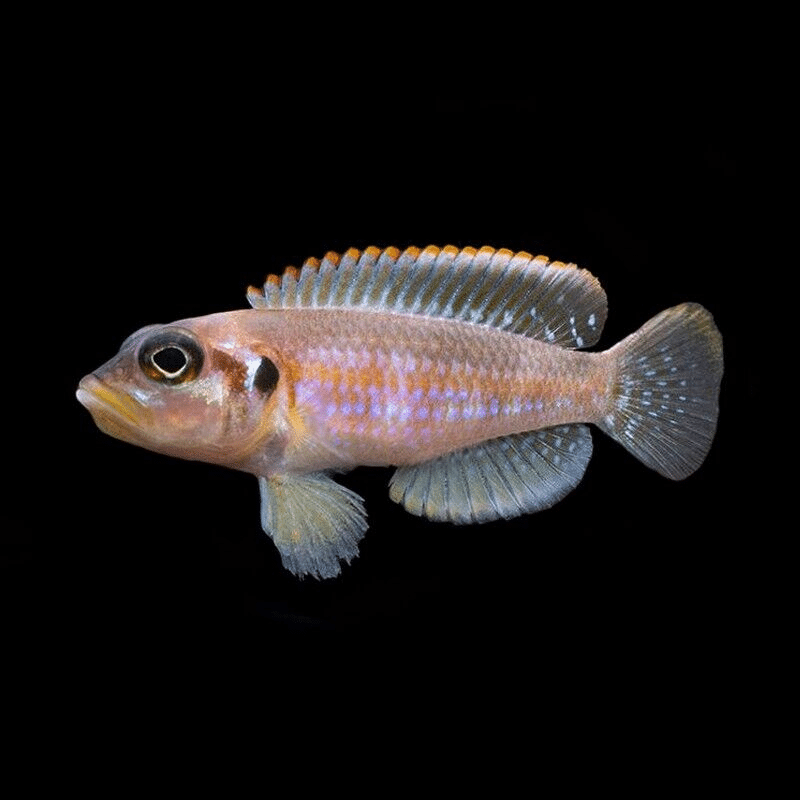
Ocellated Shell-Dweller – Lamprologus Ocellatus – Lake Tanganyika Cichlid

Original price was: £14.99.£12.58Current price is: £12.58.
Welcome the stunning Ocellated Shell-Dweller, Lamprologus Ocellatus, a vibrant Lake Tanganyika Cichlid that adds elegance to your aquarium. With its breathtaking colors and peaceful nature, this beautiful inhabitant thrives in well-maintained environments. Ideal for aquarists seeking unique freshwater fish.
In stock
Species Introduction
The Ocellated Shell-Dweller, scientifically known as Lamprologus Ocellatus, is a captivating member of the Lake Tanganyika Cichlids family. Native to the rocky substrates and sandy bottoms of Lake Tanganyika, this species exhibits remarkable adaptations to its environment, making it a fascinating addition to any freshwater aquarium. These beautiful creatures are known for their unique shell-dwelling behavior, often residing in empty snail shells, which they use for both shelter and breeding. The Ocellated Shell-Dweller is characterized by its striking coloration, featuring vibrant yellows and blues that can brighten any aquarium setup. As a peaceful cichlid, it is an excellent choice for community tanks, provided that the tank mates are compatible. Understanding the natural habitat of the Ocellated Shell-Dweller is crucial for recreating a suitable environment in your aquarium. This species thrives in stable water conditions and requires specific care to ensure their health and well-being.
Care Requirements Dashboard
Essential Care Guide for Your Ocellated Shell-Dweller
| Optimal Living Conditions | |
|---|---|
| Water Temperature | 24-26°C (75-79°F) |
| pH Level | 8.1-8.4 |
| Water Hardness | 8-12 dKH |
| Minimum Tank Size | 200L (50 gal) |
| Salinity | 1.020-1.025 SG |
| Care Level | Intermediate |
✓ Good Water Quality is Essential
pH Level: 7.8-9.0
Temperature: 75-82°F (24-28°C)
Water Hardness: 10-20 dGH
The Ocellated Shell-Dweller is relatively easy to care for, making it suitable for both beginners and experienced aquarists. A minimum tank size of 20 gallons is recommended to provide ample space for swimming and territorial behavior. Maintaining water temperature between 75°F to 82°F is essential for their health, along with a pH level between 7.8 and 9.0, reflecting the alkaline nature of their native habitat. Regular water changes and monitoring of water hardness, ideally between 10 to 20 dGH, will help keep your aquatic companions thriving. Providing a well-maintained environment is crucial for their overall well-being.
Natural Behavior & Temperament
The Ocellated Shell-Dweller exhibits fascinating natural behaviors that reflect its adaptation to the rocky and sandy environments of Lake Tanganyika. These fish are known for their territorial nature, often claiming small areas around their chosen shells. They are not aggressive but can display dominance over their territory, especially during breeding periods. Observing their social interactions can be quite rewarding, as they often engage in playful swimming patterns and display their vibrant colors when feeling secure. Their peaceful temperament makes them suitable for community tanks, but care should be taken to select compatible tank mates. Fish that are too large or aggressive may stress the Ocellated Shell-Dweller, leading to health issues. It is essential to create a harmonious environment where these fish can thrive and showcase their natural behaviors.
Tank Setup Guide
Setting up a tank for the Ocellated Shell-Dweller involves recreating their natural habitat as closely as possible. Begin with a substrate of fine sand to mimic the lakebed of Lake Tanganyika. This allows the fish to dig and explore, which is a natural behavior for them. Incorporate plenty of hiding spots using rocks and caves, as well as several empty snail shells for them to inhabit. Shells are essential for breeding and provide a sense of security for these fish. The layout should allow for open swimming space while also providing areas for retreat. Additionally, consider the use of live plants to enhance the aesthetic appeal of the aquarium while promoting water quality. However, ensure that the plants chosen are compatible with the Ocellated Shell-Dweller, as some species may be uprooted or damaged by their digging behavior. Proper lighting is also important; a moderate level of light will encourage plant growth while allowing the fish to feel secure.
Water Quality Management
✓ Good Water Quality is Essential
pH Level: 7.8-9.0
Temperature: 75-82°F (24-28°C)
Water Hardness: 10-20 dGH
Maintaining excellent water quality is vital for the health of the Ocellated Shell-Dweller. Regular testing of pH levels, temperature, and hardness is necessary to ensure that the water parameters remain stable. The ideal pH for these fish ranges from 7.8 to 9.0, reflecting the alkaline waters of their native habitat. Temperature should be kept between 75°F and 82°F to promote optimal health and activity levels. Water hardness should be maintained between 10 to 20 dGH to mimic their natural environment. Regular water changes, ideally 20% every two weeks, will help to remove toxins and maintain clarity. Using a high-quality filtration system will also aid in keeping the water clean and well-oxygenated, which is essential for the well-being of your fish friends.
Feeding & Nutrition
✓ Balanced Diet for Optimal Growth
Diet: High-quality pellets, frozen or live foods
Feeding Schedule: 2-3 times daily
The Ocellated Shell-Dweller thrives on a balanced diet that includes high-quality pellets specifically formulated for cichlids. These pellets should be rich in protein and essential nutrients to support their growth and coloration. Additionally, supplementing their diet with frozen or live foods such as brine shrimp, daphnia, and bloodworms can enhance their health and vitality. Feeding should occur 2-3 times daily, with small amounts to prevent overfeeding and maintain water quality. Observe your fish during feeding times to ensure they are consuming their food and not leaving excess in the tank, which can lead to water quality issues. A varied diet will not only promote optimal growth but also enhance their natural colors, making them a stunning addition to your aquarium.
Compatibility Guide
When considering tank mates for the Ocellated Shell-Dweller, it is crucial to select peaceful species that will not threaten their well-being. Ideal companions include other Lake Tanganyika cichlids such as Chalinochromis brichardi, which share similar water requirements and temperaments. Avoid aggressive fish or those that may outcompete them for food, as this can lead to stress and health issues. Additionally, smaller species that occupy different levels of the tank can coexist harmoniously with the Ocellated Shell-Dweller, providing a dynamic and diverse community. Always monitor interactions between different species to ensure compatibility and adjust the tank setup as necessary to promote a peaceful environment.
Health & Wellness
✓ Regular Health Monitoring is Key
Common Issues: Ich, fin rot, stress
Signs of Health: Active swimming, bright coloration
Maintaining the health of your Ocellated Shell-Dweller involves regular monitoring for signs of illness and stress. Common health issues include ich, fin rot, and stress-related conditions. Ich can be identified by the appearance of white spots on the fish’s body, while fin rot may present as frayed or discolored fins. Stress can result from poor water quality, aggressive tank mates, or inadequate hiding spots. Signs of a healthy Ocellated Shell-Dweller include active swimming, bright coloration, and a healthy appetite. Regular water testing and maintenance, along with a balanced diet, will help prevent many health issues. If you notice any signs of illness, it is crucial to act quickly, isolating affected fish if necessary and consulting with a veterinarian or aquatic specialist for appropriate treatment.
Breeding Information
Breeding the Ocellated Shell-Dweller can be a rewarding experience for aquarists. These fish are mouthbrooders, meaning the female will carry the fertilized eggs in her mouth until they hatch. To encourage breeding, provide plenty of suitable shells for the female to lay her eggs in. The ideal conditions for breeding include stable water parameters, a well-maintained environment, and a nutritious diet to promote health and vitality. Once the female lays her eggs, she will protect them fiercely, and it is essential to provide a peaceful environment to reduce stress. After hatching, the fry will remain in the mother’s mouth for several days until they are ready to swim independently. During this time, it is crucial to maintain excellent water quality to support the growth of the fry. Once they are free-swimming, consider providing them with finely crushed flakes or specialized fry food to ensure proper nutrition.
Acclimation Process
✓ Proper Acclimation is Essential
Method: Drip acclimation
Duration: 1-2 hours
When introducing your Ocellated Shell-Dweller to a new aquarium, it is vital to acclimate them properly to minimize stress and ensure a smooth transition. The drip acclimation method is highly recommended, as it allows for a gradual adjustment to the new water parameters. Begin by floating the sealed bag containing the fish in the aquarium for about 15 minutes to equalize the temperature. After that, slowly add small amounts of aquarium water to the bag every 5-10 minutes for 1-2 hours. This gradual process helps the fish adjust to differences in pH, hardness, and temperature. Once acclimated, gently transfer the fish into the aquarium using a net to avoid introducing any bag water, which may contain harmful substances. Monitoring the fish closely for the first few days in their new environment is essential to ensure they are adapting well.
Long-term Care
The Ocellated Shell-Dweller can live for several years with proper care, making them a long-term commitment for aquarists. As they grow, it is essential to monitor their growth and adjust their environment accordingly. Regular water changes, consistent feeding schedules, and maintaining water parameters will contribute to their longevity. Additionally, keeping an eye on their social dynamics is vital, as they may establish territories and require adjustments in tank mates as they mature. Providing a stable and enriching environment will ensure that your Ocellated Shell-Dweller thrives throughout its life.
Natural Habitat Recreation
✓ Recreate Their Natural Environment
Substrate: Fine sand
Decor: Rocks, shells, caves
To create a suitable environment for the Ocellated Shell-Dweller, it is essential to replicate the natural habitat of Lake Tanganyika. Begin with a substrate of fine sand, which allows the fish to dig and create their own hiding spots. Incorporate a variety of rocks and caves to provide shelter and breeding sites. Adding several empty snail shells will cater to their natural shell-dwelling behavior, making them feel secure and comfortable. The layout should encourage exploration while providing ample hiding spots to reduce stress. Including live plants can enhance the aesthetic appeal, but ensure that the species chosen are compatible with the Ocellated Shell-Dweller’s behavior. By recreating their natural habitat, you will promote their well-being and allow them to exhibit their natural behaviors.
Seasonal Care Adjustments
As seasons change, so too may the needs of your Ocellated Shell-Dweller. During warmer months, ensure that the tank temperature remains stable, as fluctuations can cause stress. It may be necessary to adjust the heater or use fans to maintain an appropriate temperature. Additionally, monitor water evaporation closely during the summer, as this can lead to increased salinity levels. In colder months, ensure that the heater is functioning correctly to maintain a consistent temperature. Seasonal changes may also affect the growth of live plants, requiring adjustments in lighting and fertilization. Regular observation of your fish friends will help you identify any changes in behavior or health, allowing you to make necessary adjustments to their care routine.
Expert Tips
✓ Professional Advice for Optimal Care
Tip: Regularly test water parameters
Tip: Provide varied diet for health
For optimal care of your Ocellated Shell-Dweller, it is essential to regularly test water parameters to ensure they remain within the ideal ranges. Investing in a reliable water testing kit will help you monitor pH, ammonia, nitrite, and nitrate levels. Additionally, providing a varied diet will not only enhance their health but also promote vibrant coloration. Consider rotating between high-quality pellets, frozen foods, and live foods to keep your fish friends engaged and thriving. Observing their behavior and interactions will provide valuable insights into their well-being, allowing you to make informed decisions regarding their care.
Troubleshooting
If you encounter issues with your Ocellated Shell-Dweller, it is essential to address them promptly. Common problems include stress from aggressive tank mates, poor water quality, and inadequate hiding spots. If your fish are displaying signs of stress, such as hiding excessively or losing color, assess their environment for potential stressors. Ensure that water parameters are within the recommended ranges and consider re-evaluating tank mates. If health issues arise, such as ich or fin rot, prompt treatment is crucial. Isolate affected fish and consult with an aquatic specialist for appropriate medication. Regular maintenance and proactive monitoring will help prevent many issues, ensuring a healthy and thriving aquarium.
Scientific Background
✓ Understanding the Science Behind the Species
Taxonomy: Cichlidae family
Conservation Status: Not endangered
The Ocellated Shell-Dweller belongs to the Cichlidae family, which is renowned for its diverse species and complex behaviors. Research into their natural habitats has provided insights into their social structures and breeding practices. While the Ocellated Shell-Dweller is not currently considered endangered, habitat destruction and pollution pose threats to their populations in the wild. Understanding the scientific background of this species can enhance your appreciation for their unique characteristics and the importance of maintaining their natural habitats. By providing a suitable environment in your aquarium, you contribute to the conservation of these beautiful fish and promote their well-being.
Advanced Care Techniques
For experienced aquarists looking to enhance the care of their Ocellated Shell-Dweller, consider implementing advanced techniques such as breeding pair selection and biotope creation. Selecting a breeding pair involves observing their behavior and ensuring compatibility, which can lead to successful spawning. Creating a biotope that closely resembles their natural habitat will not only improve their quality of life but also promote natural behaviors. Incorporate elements such as specific rock formations and plant species that are native to Lake Tanganyika. Additionally, utilizing advanced filtration systems can help maintain optimal water quality, ensuring a stable environment for your fish friends. Continuous learning and adaptation to their needs will contribute to a thriving aquarium.
Frequently Asked Questions
Q: What tank size is required for the Ocellated Shell-Dweller?
The Ocellated Shell-Dweller, or Lamprologus Ocellatus, thrives best in a tank of at least 75 litres. This size allows for adequate swimming space and the establishment of territories, which is crucial for their behaviour. Providing a larger tank not only enhances their comfort but also reduces stress, as these fish can exhibit territorial disputes if overcrowded. A well-planned aquascape with caves and shells is essential, as they naturally inhabit rocky environments. Ensure that the tank has a secure lid, as these fish are known to be jumpers.
✓ Expert Tip
Consider a tank with a sandy substrate, which mimics their natural habitat and allows them to dig and hide.
Q: What water parameters do Ocellated Shell-Dwellers require?
Ocellated Shell-Dwellers prefer slightly alkaline water with a pH between 7.8 and 9.0. They thrive in water temperatures ranging from 23°C to 28°C. Regular water changes are crucial to maintain excellent water quality, ideally around 20% weekly. Conducting regular tests for ammonia, nitrite, and nitrate levels will help ensure a healthy environment. The hardness should be maintained between 10-20 dGH, reflecting their natural habitat in Lake Tanganyika. Consistency in these parameters is vital for their health and well-being.
✓ Expert Tip
Utilise a reliable aquarium test kit to monitor these parameters regularly, ensuring a stable environment for your fish.
Q: How often should I feed Ocellated Shell-Dwellers?
Ocellated Shell-Dwellers should be fed once or twice a day, depending on their age and size. A varied diet is essential for their health; consider high-quality pellets, flake food, and occasional live or frozen foods like brine shrimp and daphnia. Overfeeding can lead to poor water quality, so serve only what they can consume in a few minutes. Regularly observing their feeding behaviour will help you gauge their appetite and adjust portions as necessary. It is crucial to maintain a balanced diet to enhance their colouration and overall health.
✓ Expert Tip
Introduce new foods gradually to avoid digestive issues and monitor their response to dietary changes.
Q: What are the best tank mates for Ocellated Shell-Dwellers?
When selecting tank mates for Ocellated Shell-Dwellers, it is best to choose species that are similarly sized and non-aggressive. Ideal companions include smaller cichlids from Lake Tanganyika, such as Neolamprologus or Altolamprologus species. Avoid larger or more aggressive fish, as they can stress the Shell-Dwellers and disrupt their territorial behaviours. Providing ample hiding spots and territories through the use of shells and rocks will help reduce aggression and allow all fish to thrive. Always monitor interactions closely, especially when introducing new tank mates.
✓ Expert Tip
It is wise to establish a breeding pair before adding other fish to the tank, ensuring their needs are prioritised.
Q: How do I properly acclimatise Ocellated Shell-Dwellers to my aquarium?
Acclimatising Ocellated Shell-Dwellers is crucial for reducing stress and ensuring a smooth transition to their new environment. Begin by floating the sealed bag containing the fish in your aquarium for about 15-20 minutes to equalise the temperature. Then, gradually introduce small amounts of your aquarium water into the bag over the next hour, allowing the fish to adjust to the new water parameters. After this period, gently transfer the fish into the tank using a net to avoid adding bag water. This careful acclimatisation process will significantly enhance their chances of thriving in your aquarium.
✓ Expert Tip
Always monitor your new fish for signs of stress after acclimatisation, such as hiding or erratic swimming.
Q: What are the signs of healthy Ocellated Shell-Dwellers?
Healthy Ocellated Shell-Dwellers exhibit vibrant colours, clear eyes, and active swimming behaviour. They should be inquisitive and explore their environment rather than hiding excessively. Observe their fins and body for any signs of lesions or discoloration, which may indicate illness. Healthy fish will also display normal feeding behaviour, eagerly consuming food without hesitation. Regularly monitoring these indicators will help you identify any potential health issues early, allowing for prompt intervention if necessary.
✓ Expert Tip
Keep a close eye on their behaviour during feeding times, as a sudden change can indicate stress or health problems.
Q: How do I successfully breed Ocellated Shell-Dwellers?
Breeding Ocellated Shell-Dwellers can be a rewarding experience, as they are known to be excellent parents. To encourage breeding, provide a suitable environment with plenty of shells for nesting. Select a healthy pair and maintain optimal water conditions. The female will lay eggs inside a shell, and the male will fertilise them. After hatching, ensure the fry have ample hiding spots to avoid predation by adults. Feeding the fry with finely crushed flakes or specialised fry food will support their growth. Regular water changes during this period are essential to maintain optimal conditions.
✓ Expert Tip
Consider separating the fry into a different tank once they are free-swimming to prevent stress and competition for food.
Q: What temperature should I maintain for Ocellated Shell-Dwellers?
Ocellated Shell-Dwellers prefer a water temperature between 23°C and 28°C. Maintaining a stable temperature within this range is vital for their health and breeding success. Sudden temperature fluctuations can cause stress and lead to illness. A reliable aquarium heater can help achieve and maintain this temperature, especially in cooler climates. Regularly monitor the temperature with a thermometer to ensure consistency. If you notice any significant changes, take immediate action to rectify the situation.
✓ Expert Tip
Consider using a heater with a built-in thermostat for more precise temperature control.
Q: How long do Ocellated Shell-Dwellers typically live in captivity?
In captivity, Ocellated Shell-Dwellers can live for approximately 5 to 7 years, with proper care and optimal living conditions. Providing a stable environment, maintaining excellent water quality, and a balanced diet are crucial factors that contribute to their longevity. Regular monitoring for signs of stress or illness will also help in extending their lifespan. A well-maintained aquarium with suitable tank mates can significantly enhance their quality of life, allowing them to thrive for many years.
✓ Expert Tip
Consider keeping a journal of their health and behaviour to track any changes over time.
Q: What type of substrate is most suitable for Ocellated Shell-Dwellers?
Ocellated Shell-Dwellers thrive best in a sandy substrate, which closely resembles their natural habitat in Lake Tanganyika. Sand allows them to dig and create hiding spots, promoting natural behaviours and reducing stress. Avoid sharp substrates that can injure their delicate fins and bodies. A depth of 2-5 cm is ideal, enabling them to burrow comfortably. Additionally, incorporating shells and rocks will provide further hiding places and breeding sites, enhancing their overall environment.
✓ Expert Tip
Regularly vacuum the substrate to maintain cleanliness and optimal water quality.
Q: What behavioural patterns should I expect from Ocellated Shell-Dwellers?
Ocellated Shell-Dwellers are known for their unique behaviour, often displaying territoriality and social interactions. They tend to establish and defend their own territories, particularly around shells and hiding spots. These fish are generally peaceful but may show aggression towards others of the same species, especially during breeding. They exhibit interesting behaviours such as digging and rearranging substrate, which is essential for their well-being. Observing their interactions can provide insight into their social structure and health.
✓ Expert Tip
Provide plenty of hiding spots to reduce stress and encourage natural behaviours.
Q: How can I prevent common diseases in Ocellated Shell-Dwellers?
Preventing diseases in Ocellated Shell-Dwellers is essential for their long-term health. Maintaining excellent water quality through regular water changes and monitoring parameters is paramount. Quarantine new fish before introducing them to prevent the spread of pathogens. Providing a varied, nutritious diet will enhance their immune system. Observe your fish regularly for any signs of stress or illness, such as changes in behaviour, appetite, or appearance. Promptly addressing issues will help mitigate disease outbreaks.
✓ Expert Tip
Consider adding aquarium salt in moderation to promote gill health and prevent common ailments.
Q: What lighting conditions do Ocellated Shell-Dwellers prefer?
Ocellated Shell-Dwellers thrive in moderate lighting conditions that mimic their natural habitat. They prefer a dimly lit environment, as this helps them feel secure and reduces stress. Utilising subdued lighting, such as LED lights with adjustable intensity, can create a comfortable atmosphere. Additionally, incorporating plants and decorations can provide shaded areas for these fish. Avoid strong, direct lighting that can cause stress and encourage algae growth, as this can impact water quality.
✓ Expert Tip
Consider using a timer for consistent light cycles, promoting a natural day-night rhythm.
Q: How do I recognise stress in Ocellated Shell-Dwellers?
Recognising stress in Ocellated Shell-Dwellers is crucial for maintaining their well-being. Signs of stress may include hiding excessively, loss of appetite, or erratic swimming behaviour. Additionally, changes in colouration or fin clamping can indicate distress. If your fish are frequently darting around the tank or displaying aggressive behaviour towards tank mates, it may signal underlying issues. Addressing environmental factors such as water quality, tank mates, and hiding spots can help alleviate stress and promote a healthier habitat.
✓ Expert Tip
Regularly assess your aquarium conditions and make necessary adjustments to reduce stressors.
Q: What natural habitat conditions should I replicate for Ocellated Shell-Dwellers?
To provide an optimal environment for Ocellated Shell-Dwellers, replicate their natural habitat found in Lake Tanganyika. This includes maintaining slightly alkaline water with a pH of 7.8 to 9.0 and a temperature range of 23°C to 28°C. Incorporate sandy substrate, along with plenty of shells and rocky caves for hiding and breeding. Additionally, ensure good water circulation and filtration to mimic their natural ecosystem. Regular water changes will help maintain water quality, further supporting their health and behaviour.
✓ Expert Tip
Consider researching Lake Tanganyika’s ecology for deeper insights into creating a more authentic environment.
1 review for Ocellated Shell-Dweller – Lamprologus Ocellatus – Lake Tanganyika Cichlid
Add a review
Related products


Emily Thompson (verified owner) –
I recently added the Ocellated Shell-Dweller to my aquarium, and I couldn’t be happier with my choice! These little Lake Tanganyika Cichlids are not just beautiful with their stunning patterns, but they also have such charming personalities. After about two months of observing them, I’ve seen how they create their own little territories, making the tank so lively. Compared to other freshwater fish I’ve kept, these guys are a delight to watch as they forage for food and interact with each other. I appreciate that they prefer a sandy substrate and shell structures, as it gives them a natural habitat feel.
One minor concern is that they can be a bit shy until they settle in, so providing hiding spots is essential. I recommend this species to anyone looking for tropical fish that are both unique and engaging. If you’re a caring fish parent like me, you’ll love how these cichlids add character to your setup. They’ve quickly become the stars of my aquarium, and I’m so glad I made this purchase!