Black Nkambae – Lepidiolamprol
Original price was: £18.49.£15.48Current price is: £15.48.
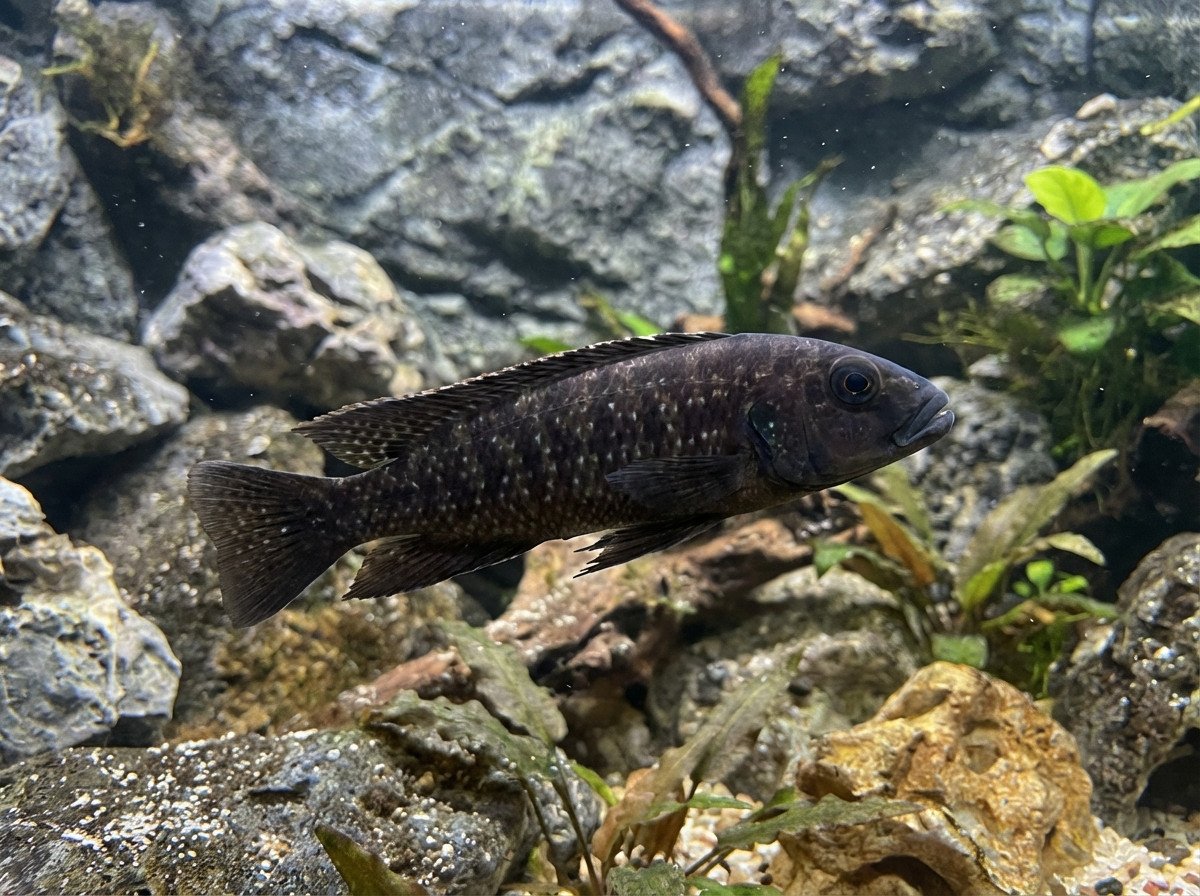
Welcome the stunning Black Nkambae – Lepidiolamprol, a breathtaking Lake Tanganyika Cichlid. With its striking black coloration, this peaceful fish thrives in community tanks. Ideal for aquarists seeking beautiful inhabitants, it flourishes with proper care and adds elegance to your aquarium.
In stock


Species Introduction
Key Features – Black Nkambae – Lepidiolamprologus nkambae
| Specification | Details |
|---|---|
| Benefits | Enhances your aquarium ecosystem |
| Quality | Premium aquarium-grade materials |
| Ease of Use | Simple setup and maintenance |
The Black Nkambae, scientifically known as Lepidiolamprologus nkambae, is a stunning member of the Lake Tanganyika cichlid family, renowned for its striking coloration and unique behaviors. Originating from the rocky shores of Lake Tanganyika in East Africa, this species thrives in the diverse aquatic environments of this ancient lake, which is home to a plethora of endemic fish species. The Black Nkambae is characterized by its elongated body and vibrant hues, which can range from deep blues to striking blacks, often with shimmering highlights that catch the light beautifully. As a peaceful cichlid, it is a wonderful addition to community tanks, provided that the tank mates are compatible. The natural habitat of the Black Nkambae includes rocky substrates and caves, which provide both shelter and breeding grounds, making it essential for aquarists to replicate these conditions in their home aquariums.
Care Requirements Dashboard
✓ Care Level: Moderate
Tank Size: Minimum 75 gallons
Water Temperature: 75°F – 80°F
pH Level: 7.8 – 9.0
Hardness: 10 – 20 dGH
Natural Behavior & Temperament
The Black Nkambae exhibits fascinating natural behaviors that make it a joy to observe in an aquarium setting. Typically, they are peaceful fish, preferring to establish territories rather than engaging in aggressive behaviors. They are known for their unique swimming patterns, often darting between rocks and caves, which mimics their natural habitat. In a community tank, they tend to be more reserved, often hiding among decorations and plants, which provides them with a sense of security. Their social behavior is intriguing; while they can coexist with other species, it is crucial to choose tank mates wisely to avoid stress and aggression. Ideal companions include other peaceful cichlids and various types of freshwater fish that share similar water parameter requirements. Understanding their temperament is key to creating a harmonious aquarium environment.
Tank Setup Guide
Creating an ideal environment for your Black Nkambae involves careful consideration of their natural habitat. A minimum tank size of 75 gallons is recommended to provide ample swimming space and territories. The substrate should consist of fine sand or small gravel to mimic the lakebed of Lake Tanganyika. Incorporating rocks, caves, and driftwood will not only enhance the aesthetic appeal of your aquarium but also provide hiding spots and breeding areas, essential for their comfort and security. Aquatic plants can be added, but they should be hardy species that can withstand the cichlid’s tendency to rearrange their environment. The placement of decorations should allow for open swimming areas while also creating territories to minimize stress and aggression among tank mates.
Water Quality Management
Maintaining optimal water quality is crucial for the health and well-being of your Black Nkambae. The ideal water temperature should range between 75°F and 80°F, with a pH level between 7.8 and 9.0, reflecting the alkaline nature of Lake Tanganyika. Regular testing of water parameters is essential to ensure stability, as fluctuations can lead to stress and health issues. Additionally, the hardness should be maintained between 10 and 20 dGH to replicate their natural environment. Implementing a reliable filtration system will help keep the water clean and clear, while regular water changes of 20-30% weekly will assist in removing toxins and replenishing essential minerals. It is also advisable to use a water conditioner to neutralize harmful chemicals present in tap water.
Feeding & Nutrition
The Black Nkambae thrives on a varied diet that mimics their natural feeding habits in the wild. A high-quality cichlid pellet or flake food should form the basis of their diet, supplemented with live or frozen foods such as brine shrimp, bloodworms, and daphnia. Feeding should occur once or twice a day, with only what they can consume in a few minutes to prevent overfeeding and water quality issues. It’s essential to monitor their feeding habits and adjust portions accordingly to maintain their health and vitality. Providing a balanced diet will not only promote growth but also enhance their coloration and overall well-being. Additionally, incorporating vegetable matter such as spirulina or blanched zucchini can contribute to their nutritional needs.
Compatibility Guide
When selecting tank mates for your Black Nkambae, it is vital to choose species that share similar temperaments and water quality requirements. Ideal companions include other peaceful cichlids, such as Chalinochromis brichardi, as well as various tetras and catfish that can thrive in the same environment. Avoid pairing them with aggressive or territorial species, as this can lead to stress and potential conflict. It is also important to consider the size of the tank, as overcrowding can exacerbate aggression and territorial disputes. A well-planned community tank with compatible species will create a harmonious environment, allowing your Black Nkambae to flourish alongside their aquatic companions.
Health & Wellness
Ensuring the health and wellness of your Black Nkambae involves regular monitoring and proactive care. Common health issues include ich, fin rot, and stress-related diseases, often caused by poor water quality or incompatible tank mates. Observing their behavior and appearance is crucial; signs of distress may include lethargy, loss of appetite, or unusual swimming patterns. Maintaining stable water parameters, providing a balanced diet, and ensuring a stress-free environment are key to preventing health issues. In case of illness, prompt treatment is essential, and quarantining affected fish can prevent the spread of disease. Regular health checks and a clean environment will contribute significantly to their longevity and quality of life.
Breeding Information
Breeding Black Nkambae can be a rewarding experience for aquarists, as they exhibit fascinating reproductive behaviors. To encourage breeding, it is essential to provide a suitable environment with ample hiding spots and caves. The female will typically lay eggs on flat surfaces, and the male will fertilize them shortly after. After spawning, both parents may take turns guarding the eggs and caring for the fry once they hatch. Fry care is crucial; they should be fed fine foods such as powdered flakes or infusoria until they are large enough to consume larger particles. It is important to separate the fry from adult fish to prevent predation. Breeding can be a delicate process, but with the right conditions and care, it can lead to a successful and thriving population of Black Nkambae.
Acclimation Process
Introducing your Black Nkambae to a new tank requires a careful acclimation process to minimize stress and ensure a smooth transition. Begin by floating the sealed bag containing the fish in the aquarium for about 15-20 minutes to equalize the temperature. After this, gradually mix small amounts of tank water into the bag every 5 minutes for approximately 30 minutes. This process allows the fish to adjust to the water parameters of their new environment. Once acclimated, gently release the fish into the tank using a net to avoid adding bag water, which may contain harmful substances. Monitoring their behavior for the first few days is essential to ensure they adapt well to their new home.
Long-term Care
Caring for your Black Nkambae over the long term involves consistent attention to their needs and environment. These fish can live for several years with proper care, so establishing a routine for feeding, water quality checks, and tank maintenance is crucial. Regular water changes, substrate cleaning, and monitoring of water parameters will help maintain a healthy environment. Additionally, observing their behavior and interactions with tank mates will provide insights into their well-being. As they grow, it may be necessary to upgrade their tank size or adjust the aquascaping to accommodate their territorial nature. Providing a stable and nurturing environment will ensure that your Black Nkambae thrive and continue to bring beauty to your aquarium.
Natural Habitat Recreation
To create a biotope that resembles the natural habitat of the Black Nkambae, consider incorporating elements that reflect the unique environment of Lake Tanganyika. This includes using a sandy substrate, rocky structures, and natural driftwood to mimic the lake’s shoreline. The arrangement should provide ample hiding spots and territories for the fish to establish themselves. Additionally, incorporating hardy aquatic plants that can thrive in alkaline conditions will enhance the aesthetic appeal while offering cover for the fish. The goal is to create a balanced ecosystem that not only looks beautiful but also supports the natural behaviors and needs of the Black Nkambae.
Seasonal Care Adjustments
Seasonal changes can impact the care requirements for your Black Nkambae, particularly concerning temperature and lighting. During warmer months, ensure that the water temperature does not exceed 80°F, as higher temperatures can stress the fish and lead to health issues. Conversely, in cooler months, you may need to use a heater to maintain consistent temperatures. Additionally, adjusting the lighting schedule to mimic natural day/night cycles will help regulate their behavior and encourage natural patterns. Monitoring water quality more frequently during seasonal transitions is also advisable, as changes in temperature can affect the balance of the aquarium ecosystem.
Expert Tips
For those looking to provide the best care for their Black Nkambae, consider these expert tips: First, invest in a high-quality filtration system to maintain optimal water quality and clarity. Regularly test water parameters and adjust as needed to keep them within the recommended ranges. Second, provide a varied diet to promote health and coloration; incorporating both dry and live foods will ensure a balanced nutritional intake. Third, be observant of their behavior and interactions with tank mates, as this can provide valuable insights into their well-being. Lastly, don’t hesitate to seek advice from experienced aquarists or local fish clubs for additional support and resources.
Troubleshooting
Despite the best care, issues may arise with your Black Nkambae. Common problems include aggression towards tank mates, which can often be mitigated by ensuring adequate space and hiding spots. If you notice signs of illness, such as spots on the body or changes in appetite, it is crucial to act quickly. Quarantine affected fish to prevent the spread of disease, and consult with a veterinarian or aquatic specialist for treatment options. Additionally, if water quality issues arise, consider implementing a more rigorous maintenance schedule or upgrading your filtration system to restore balance.
Scientific Background
The Black Nkambae belongs to the family Cichlidae, which encompasses a diverse group of freshwater fish known for their complex behaviors and vibrant colors. Lake Tanganyika, where this species is endemic, is one of the oldest and deepest lakes in the world, providing a unique environment that has led to the evolution of many specialized fish species. The study of cichlids, including the Black Nkambae, has contributed significantly to our understanding of evolutionary biology and ecology, particularly regarding adaptive radiation and niche differentiation. Conservation efforts are crucial for preserving the delicate ecosystems of Lake Tanganyika, as habitat destruction and overfishing pose significant threats to these remarkable fish.
Advanced Care Techniques
For experienced aquarists looking to take their care of Black Nkambae to the next level, consider implementing advanced techniques such as breeding programs or biotope aquascaping. Creating a breeding setup that mimics their natural spawning conditions can lead to successful reproduction and fry development. Additionally, experimenting with aquascaping techniques that prioritize natural aesthetics and fish behavior can enhance the overall health of the aquarium. Utilizing advanced filtration systems and automated monitoring tools can also help maintain optimal water quality with minimal effort. Continuous education and engagement with the aquarium community will provide valuable insights and innovations to enhance your fishkeeping experience.
Frequently Asked Questions
Q: What tank size is required for Black Nkambae?
The Black Nkambae, also known as Lepidiolamprologus nkambae, thrives in aquariums that are at least 200 litres in capacity. This size allows ample space for swimming and establishing territories. A larger tank is preferable as it accommodates their active nature and reduces stress. When setting up the aquarium, consider incorporating caves and hiding spots, which are vital for their comfort and security. The addition of a sandy substrate mimics their natural habitat, promoting their well-being. A well-planned tank environment will contribute positively to the health and happiness of your aquatic companions.
✓ Expert Tip
Consider incorporating driftwood and rocks to create a naturalistic environment, which helps in reducing stress.
Q: What water parameters do Black Nkambae require?
For optimal health, Black Nkambae prefer water with a pH level between 7.8 and 8.6, and hardness ranging from 10 to 20 dGH. Temperature should be maintained between 24°C to 28°C. Regular testing of water parameters is essential, as fluctuations can lead to stress and health issues. A well-maintained filtration system will help in keeping the water clean and clear, further enhancing their living conditions. Regular water changes of 10-15% weekly will also help in maintaining stable water quality.
✓ Expert Tip
Invest in a reliable water testing kit to monitor parameters regularly, ensuring a stable environment for your fish friends.
Q: How often should I feed Black Nkambae?
Black Nkambae should be fed twice daily, offering a variety of high-quality pellets, flakes, and occasional frozen or live foods such as brine shrimp and bloodworms. It is vital to provide only what they can consume within a few minutes to avoid overfeeding, which can lead to water quality issues. Diversifying their diet not only keeps them interested but also ensures they receive all the necessary nutrients for their growth and health. Observe their feeding habits to adjust quantities accordingly.
✓ Expert Tip
Consider using feeding rings to keep food in one area, making it easier for your fish to find and consume it.
Q: What are the best tank mates for Black Nkambae?
Black Nkambae are best kept with similarly sized cichlids, such as other Lamprologus species or smaller African cichlids. Avoid aggressive or overly large fish, as they can stress your Nkambae. Providing ample hiding spots will help reduce territorial disputes. It’s also wise to keep them in groups of at least six to spread aggression and ensure they feel secure. Compatibility is key, as peaceful tank mates will promote a harmonious environment.
✓ Expert Tip
Research potential tank mates thoroughly to ensure compatibility and reduce the risk of aggression.
Q: How do I properly acclimatise Black Nkambae to my aquarium?
Acclimatisation is crucial for the health of your Black Nkambae. Begin by floating the sealed bag in your aquarium for about 15-20 minutes to equalise the temperature. Then, gradually introduce small amounts of aquarium water into the bag every 5-10 minutes for around an hour. This process helps them adjust to the water parameters. Finally, gently release the fish into the aquarium using a net, discarding the bag water to prevent introducing contaminants.
✓ Expert Tip
Monitor your fish closely for signs of stress or illness during the first few days after acclimatisation.
Q: What are the signs of healthy Black Nkambae?
Healthy Black Nkambae exhibit vibrant colours, active swimming, and a good appetite. Their fins should be fully extended and free from tears, and they should display normal behaviour rather than hiding excessively. Regular monitoring of their interactions with tank mates is essential, as bullying can lead to stress. Observing their feeding habits will also help identify any potential health issues. If you notice changes in behaviour or physical appearance, it may indicate stress or illness.
✓ Expert Tip
Keep a log of your fish’s behaviour and health to identify any changes over time.
Q: How do I successfully breed Black Nkambae?
Breeding Black Nkambae can be a rewarding experience. To encourage breeding, provide ample caves and hiding spots where they can lay eggs. A separate breeding tank can be beneficial, with similar water parameters to the main tank. Condition the pair with high-quality foods and maintain a slightly higher temperature around 28°C. Once spawning occurs, the female will lay eggs in a sheltered area, and the male will guard the territory. Remove the parents after spawning to prevent them from eating the eggs.
✓ Expert Tip
Observe the breeding pair closely; successful breeding can take several attempts before yielding fry.
Q: What temperature should I maintain for Black Nkambae?
The ideal temperature range for Black Nkambae is between 24°C and 28°C. Maintaining a stable temperature within this range is crucial for their health and well-being. Sudden fluctuations can lead to stress and susceptibility to diseases. A reliable aquarium heater and thermometer are essential tools for ensuring that the water temperature remains consistent. Regular checks will help you to catch any changes before they impact your fish.
✓ Expert Tip
Consider using a temperature controller to maintain the desired range more effectively.
Q: How long do Black Nkambae typically live in captivity?
In captivity, Black Nkambae can live for 8 to 10 years with proper care. Providing a suitable environment, including optimal water conditions, a balanced diet, and stress-free interactions, contributes significantly to their longevity. Regular health checks and a keen eye on their behaviour will help identify any potential issues early, ensuring a longer, healthier life for your aquatic companions.
✓ Expert Tip
Maintain a clean environment and a varied diet to promote longevity in your fish friends.
Q: What type of substrate is most suitable for Black Nkambae?
A sandy substrate is highly recommended for Black Nkambae, as it replicates their natural environment. Sand allows them to exhibit natural behaviours such as digging and foraging, which is essential for their well-being. Additionally, it provides a safe space for spawning. Ensure the sand is clean and free from sharp particles to prevent injury. Consider layering with rocks and caves to create hiding spots, enhancing their comfort and security.
✓ Expert Tip
Rinse the substrate thoroughly before adding it to the aquarium to remove any dust or debris.
Q: What behavioural patterns should I expect from Black Nkambae?
Black Nkambae are known for their territorial nature, often establishing and defending specific areas within the tank. They exhibit interesting behaviours such as digging and hiding, especially in caves or under rocks. These fish are generally social with their species but can show aggression during breeding or when feeling threatened. Observing their interactions will provide insight into their social structure and help you manage their environment effectively.
✓ Expert Tip
Provide ample hiding spots to reduce stress and allow for natural behaviours.
Q: How can I prevent common diseases in Black Nkambae?
Preventing diseases in Black Nkambae involves maintaining high water quality, regular tank maintenance, and a balanced diet. Quarantine new fish before introducing them to the main tank to prevent the spread of illness. Regular water testing and changes are essential to keep parameters stable. Additionally, observe your fish for any signs of stress or illness, such as unusual swimming patterns or loss of appetite, as early detection is crucial for effective treatment.
✓ Expert Tip
Consider adding aquarium salt in moderation to improve gill function and overall health.
Q: What lighting conditions do Black Nkambae prefer?
Black Nkambae thrive in moderate lighting conditions, as bright lights can cause stress and encourage hiding. A combination of ambient lighting and shaded areas is ideal. Consider using LED lights with a timer to create a natural day-night cycle, promoting healthy behaviours and reducing stress. Ensure that there are shaded areas, such as caves or dense plant growth, to provide refuge from bright light.
✓ Expert Tip
Adjust lighting gradually if changing from low to bright conditions to prevent stress.
Q: How do I recognise stress in Black Nkambae?
Signs of stress in Black Nkambae include excessive hiding, erratic swimming patterns, and loss of appetite. They may also display aggressive behaviour towards tank mates or show signs of lethargy. Monitoring their interactions and environment will help you identify stress triggers. If you notice these signs, assess water quality, tank mates, and overall habitat conditions to rectify potential issues and promote a healthier environment.
✓ Expert Tip
Creating a peaceful community tank and providing hiding spots can significantly reduce stress levels.
Q: What natural habitat conditions should I replicate for Black Nkambae?
Replicating the natural habitat of Black Nkambae involves creating a rocky and sandy environment with plenty of hiding spots. They are native to Lake Tanganyika, where they inhabit rocky substrates. Incorporate caves, rocks, and driftwood to mimic their natural surroundings. This setup not only provides security but also encourages natural behaviours. Additionally, maintaining stable water parameters and a proper temperature range is essential to ensure their well-being.
✓ Expert Tip
Using natural decorations can enhance the aesthetic appeal of your tank whilst providing essential hiding spots.
1 review for Black Nkambae – Lepidiolamprol
Add a review
Related products


Emily Carter (verified owner) –
As a passionate aquarist, I recently added a trio of Black Nkambae to my 75-gallon tank, and I couldn’t be happier with my decision! These stunning tropical fish have not only brought vibrant colors to my aquarium but also a captivating personality that adds life to the water. It’s been about two months since I introduced them, and they’ve settled in beautifully. Watching them interact and establish their territory has been a joy!
I’ve had different Lake Tanganyika cichlids in the past, but the Nkambae really stand out with their striking black hues and shimmering patterns. I must say, they are a bit territorial, so I recommend having a larger space if you plan to keep more than a few.
The shipping was quick and the fish arrived healthy with great care taken in packaging. One minor downside is they can be a little shy at first, so give them some time and a few hiding spots to feel secure. If you’re looking to add dynamic and beautiful freshwater fish to your community tank, I highly recommend the Black Nkambae. They definitely bring a unique charm and grace that is simply unmatched in the hobby!