
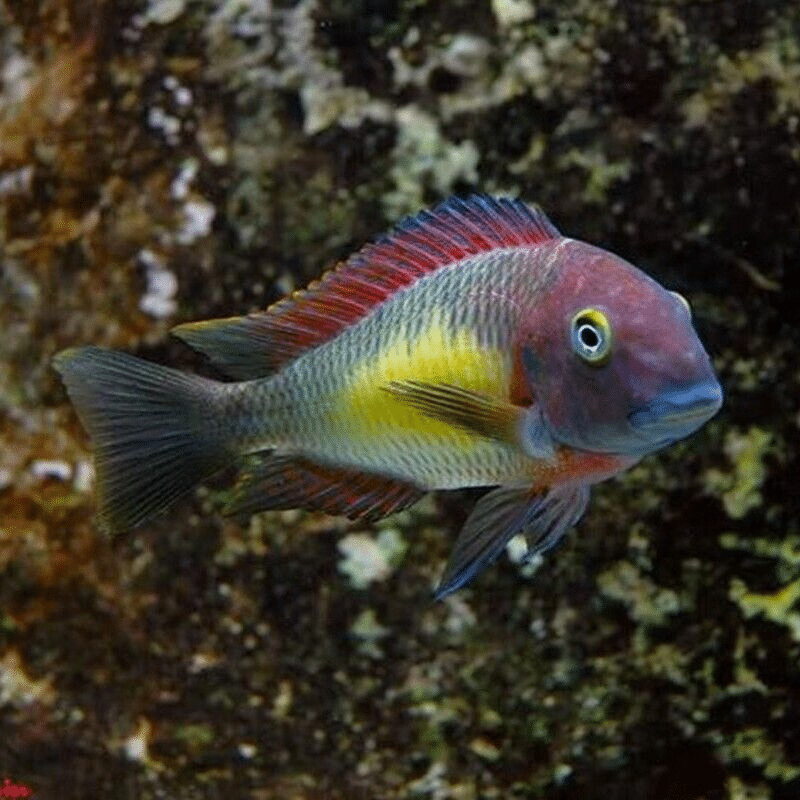
Red Rainbow Blunthead Cichlid – Tropheus Moorii «Red Rainbow» – Tanganyika Lake

Original price was: £105.99.£89.99Current price is: £89.99.
Welcome the stunning Red Rainbow Blunthead Cichlid, scientifically known as Tropheus Moorii «Red Rainbow». This vibrant Lake Tanganyika fish features striking colors and a peaceful nature, making it an ideal choice for community tanks. Care for these beautiful inhabitants and enhance your aquarium’s beauty.
In stock

Species Introduction
The Red Rainbow Blunthead Cichlid, scientifically known as Tropheus Moorii, is a stunning freshwater fish native to the rocky shorelines of Lake Tanganyika in East Africa. This vibrant species is renowned for its striking coloration, which can range from deep reds to bright oranges, making it a sought-after addition to many aquariums. The natural habitat of the Red Rainbow Blunthead Cichlid includes rocky outcrops and caves, where they find shelter and breeding grounds. In the wild, these fish thrive in stable water conditions, which are crucial for their health and well-being. Understanding their natural environment is key to recreating a suitable habitat in your aquarium, ensuring that these beautiful creatures flourish in your care.
Care Requirements Dashboard
Essential Care Guide for Your Red Rainbow Blunthead Cichlid
| Optimal Living Conditions | |
|---|---|
| Water Temperature | 24-26°C (75-79°F) |
| pH Level | 8.1-8.4 |
| Water Hardness | 8-12 dKH |
| Minimum Tank Size | 200L (50 gal) |
| Salinity | 1.020-1.025 SG |
| Care Level | Intermediate |
Natural Behavior & Temperament
The Red Rainbow Blunthead Cichlid exhibits fascinating natural behaviors that make them captivating to observe. In their natural habitat, these fish are known to establish territories and engage in social interactions, particularly during breeding seasons. They are generally peaceful but can display aggression towards other cichlids, especially during mating rituals or when defending their territory. It is essential to provide ample hiding spots and territories within the aquarium to reduce stress and aggression. These fish are also known for their unique swimming patterns, often seen darting in and out of rocks and caves, mimicking their natural behavior in Lake Tanganyika. Understanding their social dynamics is crucial for creating a harmonious community tank.
Tank Setup Guide
Creating an ideal environment for your Red Rainbow Blunthead Cichlid involves careful consideration of tank setup. A minimum tank size of 75 gallons is recommended to provide ample swimming space and territory. The substrate should consist of fine gravel or sand to mimic the lakebed of Lake Tanganyika. Incorporating natural decorations such as rocks, caves, and driftwood will not only enhance the aesthetic appeal of your aquarium but also provide hiding spots and breeding areas. When arranging the tank, ensure that there are plenty of open swimming spaces while also creating secluded areas for the cichlids to retreat to when needed. This balance will help maintain a peaceful environment and reduce stress among your aquatic companions.
Water Quality Management
Maintaining optimal water quality is crucial for the health of your Red Rainbow Blunthead Cichlid. These fish thrive in stable water conditions, with a pH level between 8.0 and 9.0, and a temperature range of 75°F to 82°F. Regular testing of water parameters, including ammonia, nitrite, nitrate, and hardness, is essential to ensure a healthy environment. It is recommended to perform weekly water changes of 10-20% to maintain water quality and remove any accumulated waste. Additionally, using a high-quality aquarium filter designed for cichlid tanks will help maintain clarity and reduce toxins. Monitoring water conditions closely will help you identify any changes that could affect the well-being of your fish friends.
Feeding & Nutrition
The diet of the Red Rainbow Blunthead Cichlid should be varied to ensure optimal health and vibrant coloration. These fish are primarily herbivorous, requiring a diet rich in spirulina and other vegetable-based foods. High-quality cichlid pellets, flakes, and frozen foods can also be included in their diet. Feeding should occur 2-3 times a day, with portions that can be consumed within a few minutes to prevent overfeeding and maintain water quality. It’s essential to monitor their feeding habits and adjust portions accordingly, as overfeeding can lead to health issues. Providing a balanced diet will not only enhance their coloration but also support their overall health and vitality.
Compatibility Guide
When considering tank mates for your Red Rainbow Blunthead Cichlid, it’s important to choose species that can coexist peacefully. Ideal companions include other Lake Tanganyika cichlids, such as Chalinochromis brichardi, which share similar water requirements and temperaments. However, caution should be exercised to avoid overly aggressive species that may stress your cichlids. It is recommended to keep them in groups of at least six to reduce aggression and establish a pecking order. Monitoring interactions closely during the initial introduction phase will help ensure a harmonious community tank.
Health & Wellness
Maintaining the health and wellness of your Red Rainbow Blunthead Cichlid involves regular monitoring and preventive care. Common health issues include ich, fin rot, and bloat, which can be exacerbated by poor water quality or stress. Signs of illness may include lethargy, loss of appetite, or abnormal swimming patterns. To prevent these issues, ensure that water parameters are stable and perform regular tank maintenance. Quarantining new arrivals before introducing them to the main tank is also advisable to prevent the spread of disease. Providing a stress-free environment with plenty of hiding spots will help your fish friends thrive.
Breeding Information
Breeding the Red Rainbow Blunthead Cichlid can be a rewarding experience for aquarists. These fish are mouthbrooders, meaning that the female will carry the fertilized eggs in her mouth until they hatch. To encourage breeding, maintain optimal water conditions and provide suitable hiding spots for the female to lay her eggs. After spawning, the female will incubate the eggs for about three weeks before releasing the fry. It’s essential to provide high-quality fry food, such as crushed flakes or specialized fry food, to support their growth. Monitoring the fry closely and providing them with a safe environment will increase their chances of survival.
Acclimation Process
Introducing your Red Rainbow Blunthead Cichlid to a new tank requires a careful acclimation process to minimize stress. Begin by floating the sealed bag containing the fish in the aquarium for about 15-20 minutes to equalize the temperature. After this, gradually introduce small amounts of tank water into the bag over the course of an hour. This slow acclimation helps the fish adjust to the new water parameters. Once acclimated, gently release the fish into the tank, avoiding sudden movements that could startle them. Monitoring their behavior closely after introduction will help ensure a smooth transition.
Long-term Care
Caring for your Red Rainbow Blunthead Cichlid over the long term involves regular maintenance and attention to their needs. These fish can live for over a decade with proper care, making them a long-term commitment. Regular water changes, monitoring of water parameters, and a balanced diet are essential components of their care. As they grow, you may need to upgrade their tank size to accommodate their increasing size and territorial behavior. Keeping a close eye on their health and behavior will help you identify any issues early on, ensuring that your aquatic companions remain vibrant and healthy throughout their lives.
Natural Habitat Recreation
Recreating the natural habitat of the Red Rainbow Blunthead Cichlid in your aquarium is essential for their well-being. Mimicking the rocky shores of Lake Tanganyika involves using natural decorations such as rocks, caves, and driftwood to create a biotope that resembles their native environment. The substrate should be sandy or gravelly, allowing for natural foraging behavior. Incorporating live plants can also enhance the aesthetic appeal while providing additional hiding spots. Ensuring that the tank layout allows for open swimming areas and secluded spots will help your fish feel secure and promote natural behaviors.
Seasonal Care Adjustments
As seasons change, so too can the needs of your Red Rainbow Blunthead Cichlid. During warmer months, it’s crucial to monitor the water temperature closely, as higher temperatures can lead to stress and health issues. Using a reliable aquarium heater will help maintain stable conditions. In winter, ensure that the tank is adequately heated to prevent temperature fluctuations. Additionally, adjusting lighting schedules to mimic natural daylight cycles can promote healthy growth and breeding behaviors. Observing your fish closely during seasonal changes will help you provide the best care possible.
Expert Tips
For those looking to provide the best care for their Red Rainbow Blunthead Cichlid, consider these expert tips. First, invest in a high-quality filtration system that can handle the bioload of cichlids, as they produce more waste than many other fish species. Regularly test water parameters to ensure stability, and be proactive in addressing any changes. Additionally, consider keeping a journal of your fish’s behavior and health, which can help you identify patterns and potential issues over time. Engaging with fellow aquarists through forums or local clubs can also provide valuable insights and support.
Troubleshooting
If you encounter issues while caring for your Red Rainbow Blunthead Cichlid, addressing them promptly is essential. Common problems include aggression towards tank mates, which can often be mitigated by ensuring adequate space and hiding spots. If you notice signs of illness, such as lethargy or abnormal behavior, check water quality immediately and perform necessary adjustments. Quarantine any new fish before introducing them to the main tank to prevent the spread of disease. Keeping a close eye on your cichlids will help you catch any problems early, allowing for timely intervention.
Scientific Background
The Red Rainbow Blunthead Cichlid belongs to the family Cichlidae, which encompasses a diverse range of freshwater fish species. As part of the Lake Tanganyika cichlids, these fish are known for their unique adaptations to their environment, including their mouthbrooding behavior and territorial nature. Research into their natural habitats and behaviors has provided valuable insights into their care in captivity. Conservation efforts are crucial for preserving the delicate ecosystems of Lake Tanganyika, where these fish are native. Understanding their scientific background can enhance your appreciation for these remarkable creatures and inform your care practices.
Advanced Care Techniques
For experienced aquarists looking to elevate their care for the Red Rainbow Blunthead Cichlid, consider implementing advanced techniques. Utilizing a breeding setup with specific water conditions can encourage spawning, while providing a varied diet can enhance coloration and health. Experimenting with tank layouts and aquascaping can also promote natural behaviors and reduce stress. Engaging in regular monitoring and adjustments to water quality will ensure a thriving environment. Additionally, participating in breeding programs or conservation efforts can contribute to the preservation of this stunning species.
Frequently Asked Questions
Q: What tank size is required for the Red Rainbow Blunthead Cichlid?
The Red Rainbow Blunthead Cichlid, also known as Tropheus Moorii, requires a minimum tank size of 200 litres. These fish are quite active and need ample swimming space. A larger tank is preferable as it allows for better territorial behaviour and reduces stress. The setup should also include hiding spots and territories, which can be created using rocks and caves to mimic their natural habitat in Lake Tanganyika. This not only provides comfort but also promotes natural behaviours.
✓ Expert Tip
Consider a larger tank if you plan to keep multiple cichlids, as they can be territorial.
Q: What water parameters do Red Rainbow Blunthead Cichlids require?
Red Rainbow Blunthead Cichlids thrive in specific water conditions that closely resemble their natural habitat. The ideal temperature range is between 24°C to 28°C, with a pH level of 7.8 to 9.0. Water hardness should be maintained between 10-20 dGH. Regular water changes, approximately 10-15% weekly, are essential to maintain optimal water quality. Using a quality filtration system will help keep the water clean and clear, which is vital for the health of your fish.
✓ Expert Tip
Invest in a reliable test kit to monitor water parameters regularly.
Q: How often should I feed Red Rainbow Blunthead Cichlids?
Feeding your Red Rainbow Blunthead Cichlids should occur 2-3 times per day. A varied diet is essential for their health and colour enhancement. High-quality cichlid pellets, spirulina flakes, and occasional frozen or live foods like brine shrimp or daphnia can be included. Ensure to provide only what they can consume within a few minutes to prevent overfeeding, which can lead to water quality issues and health problems.
✓ Expert Tip
Incorporate a high-quality spirulina-based diet to enhance their natural colours.
Q: What are the best tank mates for Red Rainbow Blunthead Cichlids?
When selecting tank mates for your Red Rainbow Blunthead Cichlids, it is vital to choose species that share similar water requirements and temperaments. Suitable companions include other cichlids from Lake Tanganyika, such as Julidochromis and Neolamprologus species. Avoid smaller fish, as they may become targets for aggression. Always monitor interactions initially to ensure compatibility and reduce stress among your aquatic companions.
✓ Expert Tip
Consider a larger community tank to help diffuse aggression.
Q: How do I properly acclimatise Red Rainbow Blunthead Cichlids to my aquarium?
Acclimatising your Red Rainbow Blunthead Cichlid is crucial to reduce stress and prevent shock. Start by floating the sealed bag with the fish in your aquarium for about 15-20 minutes to equalise the temperature. Then, gradually add small amounts of your aquarium water to the bag over an hour. After this, gently transfer the fish into the tank using a net, discarding the bag water to avoid introducing contaminants.
✓ Expert Tip
Avoid adding the bag water to your aquarium to maintain water quality.
Q: What are the signs of healthy Red Rainbow Blunthead Cichlids?
Healthy Red Rainbow Blunthead Cichlids exhibit vibrant colours, clear eyes, and active swimming patterns. They should be inquisitive and readily explore their environment. Look for normal feeding behaviour and the absence of any lesions, white spots, or abnormal swimming patterns like floating or sinking. Regular observation will help you detect any changes in behaviour that might indicate health issues.
✓ Expert Tip
Keep a journal of your fish’s behaviour to spot changes early.
Q: How do I successfully breed Red Rainbow Blunthead Cichlids?
Breeding Red Rainbow Blunthead Cichlids can be a rewarding experience. To encourage breeding, maintain stable water conditions and provide ample hiding spots. A ratio of one male to several females is advisable to reduce aggression. Once the female lays eggs, she will incubate them in her mouth until they hatch, which can take about three to four days. After the fry are free-swimming, ensure they have suitable food such as powdered fry food or finely crushed flakes.
✓ Expert Tip
Consider a separate breeding tank to protect the fry from adult fish.
Q: What temperature should I maintain for Red Rainbow Blunthead Cichlids?
The optimal temperature for Red Rainbow Blunthead Cichlids is between 24°C and 28°C. Maintaining a stable temperature within this range is crucial, as fluctuations can stress the fish and lead to health issues. A reliable aquarium heater with a thermostat is recommended to ensure consistent temperatures. Regularly check the temperature with a quality thermometer to avoid any sudden changes.
✓ Expert Tip
Avoid placing the tank in direct sunlight to prevent temperature spikes.
Q: How long do Red Rainbow Blunthead Cichlids typically live in captivity?
In a well-maintained aquarium, Red Rainbow Blunthead Cichlids can live for 10 to 15 years. Their longevity is significantly influenced by the quality of care, including proper feeding, water conditions, and tank mates. Providing a stress-free environment with adequate space and hiding spots will enhance their overall well-being and lifespan. Regular health checks and prompt attention to any issues will also contribute to a longer, healthier life.
✓ Expert Tip
Keep a consistent care routine to promote health and longevity.
Q: What type of substrate is most suitable for Red Rainbow Blunthead Cichlids?
For Red Rainbow Blunthead Cichlids, a sandy substrate is highly recommended. This closely mimics their natural habitat and allows them to exhibit natural digging behaviours without risking injury. Sand also helps to maintain water quality by preventing detritus buildup. Ensure the substrate is clean and free of sharp edges. Layering with larger rocks can also create hiding spots and territories, which are essential for their comfort.
✓ Expert Tip
Rinse the substrate thoroughly before adding it to your aquarium to remove any impurities.
Q: What behavioural patterns should I expect from Red Rainbow Blunthead Cichlids?
Red Rainbow Blunthead Cichlids are known for their curious and social nature, often interacting with tank mates and exploring their surroundings. They can exhibit territorial behaviours, especially males, during breeding or when establishing dominance. It is common to see them engaging in displays of colour and fin flaring as part of their social interactions. Providing ample hiding spots and territories will help reduce aggression and promote natural behaviour.
✓ Expert Tip
Observe their behaviour regularly to understand their social dynamics and health.
Q: How can I prevent common diseases in Red Rainbow Blunthead Cichlids?
Preventing diseases in Red Rainbow Blunthead Cichlids involves maintaining optimal water quality, a balanced diet, and a stress-free environment. Regular water changes and tank maintenance are critical. Quarantine new arrivals for at least two weeks to prevent introducing pathogens. Observe your fish for any signs of distress, such as unusual swimming patterns or changes in appetite, and respond promptly. Maintaining a stable temperature and avoiding overcrowding will also help reduce disease risk.
✓ Expert Tip
Regularly check water parameters to catch issues before they escalate.
Q: What lighting conditions do Red Rainbow Blunthead Cichlids prefer?
Red Rainbow Blunthead Cichlids thrive under moderate lighting conditions that mimic their natural habitat. A combination of ambient and direct lighting is ideal, with the option for hiding spots to provide shade. Consider using LED lights with a timer to simulate a natural day/night cycle, which is beneficial for their well-being. Avoid excessive brightness, as this can cause stress and lead to hiding behaviours.
✓ Expert Tip
Use plants and decorations to create shaded areas within the tank.
Q: How do I recognise stress in Red Rainbow Blunthead Cichlids?
Recognising stress in Red Rainbow Blunthead Cichlids involves observing changes in behaviour and appearance. Signs include hiding, erratic swimming, loss of colour vibrancy, and decreased appetite. Additionally, they may exhibit aggressive behaviour towards tank mates or frequent fin rubbing against surfaces. If you notice these signs, assess water quality, tank conditions, and interactions with other fish to identify and address potential stressors.
✓ Expert Tip
Create a calm environment to help reduce stress levels in your fish.
Q: What natural habitat conditions should I replicate for Red Rainbow Blunthead Cichlids?
To create a suitable environment for Red Rainbow Blunthead Cichlids, replicate their natural habitat from Lake Tanganyika. This involves providing a rocky substrate with plenty of hiding spots and caves. The water should be clean and well-filtered, with a slightly alkaline pH. Incorporating driftwood and aquatic plants can enhance the aesthetics and provide additional shelter. Aim to maintain stable temperature and water parameters to ensure their health and happiness.
✓ Expert Tip
Research the natural behaviour of these cichlids to better understand their needs.
1 review for Red Rainbow Blunthead Cichlid – Tropheus Moorii «Red Rainbow» – Tanganyika Lake
Add a review
Related products




Emily Carter (verified owner) –
As an avid fish enthusiast, I recently added the Red Rainbow Blunthead Cichlid to my 75-gallon aquarium, and I couldn’t be more thrilled! These tropical fish are not just visually stunning with their vibrant colors and unique patterns, but they also exhibit such fascinating behaviors. After about two months in my tank, they’ve settled in beautifully and have become the centerpiece of my aquatic community.
From my experience, they thrive best in a well-maintained environment, so I’ve ensured proper filtration and a sandy substrate that mimics their natural habitat in Lake Tanganyika. The guidance provided for their care was spot on. They do require some space to swim and explore, so I recommend a larger tank if possible.
Compared to other cichlids I’ve kept, their social nature and less aggressive demeanor make them ideal for a mixed tank setup. Plus, their health seems excellent; I’ve noticed them consistently eating well and interacting positively with other fish.
If you’re considering adding these beauties to your collection, I highly recommend them for any freshwater fish lover looking to create a lively and colorful aquarium. Just be mindful to pair them with compatible tank mates. Overall, a fantastic addition to my aquarium, and I plan to get more soon!