Kigoma Humphead Cichlid – Cyphotilapia Frontosa – Lake Tanganyika Cichlid
Original price was: £29.99.£25.16Current price is: £25.16.
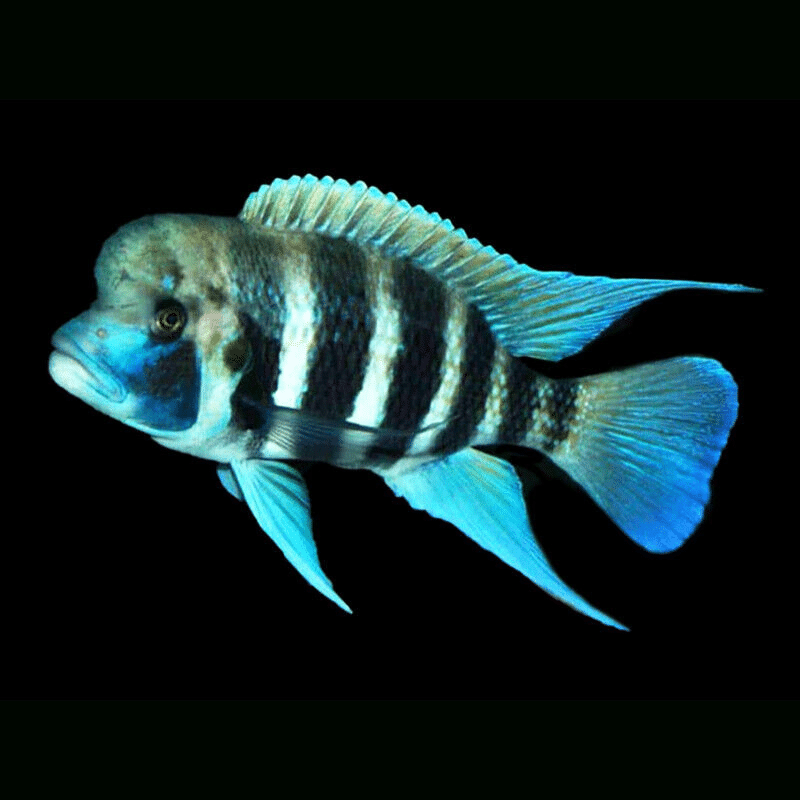
Welcome the Kigoma Humphead Cichlid, a stunning Cyphotilapia Frontosa from Lake Tanganyika. With its vibrant colors and unique hump, this peaceful cichlid makes a beautiful addition to your aquarium. Ideal for aquarists seeking graceful, community-friendly fish. Enhance your aquatic environment today!
In stock

Species Introduction
The Kigoma Humphead Cichlid, scientifically known as Cyphotilapia Frontosa, is a captivating species native to the stunning waters of Lake Tanganyika in East Africa. This lake, renowned for its rich biodiversity, provides a natural habitat for these magnificent cichlids. The Kigoma Humphead Cichlid is particularly admired for its striking appearance, characterized by a prominent forehead and vibrant coloration that can vary from deep blues to shimmering yellows. These fish can grow to impressive lengths, often reaching up to 12 inches or more in a well-maintained aquarium. Their natural habitat consists of rocky substrates and caves, which they utilize for shelter and breeding. This species thrives in stable environments, making them a popular choice among aquarium enthusiasts who are looking to provide a home for these beautiful aquatic companions.
Care Requirements Dashboard
Essential Care Guide for Your Kigoma Humphead Cichlid
| Optimal Living Conditions | |
|---|---|
| Water Temperature | 24-26°C (75-79°F) |
| pH Level | 8.1-8.4 |
| Water Hardness | 8-12 dKH |
| Minimum Tank Size | 200L (50 gal) |
| Salinity | 1.020-1.025 SG |
| Care Level | Intermediate |
✓ Care Level: Moderate
Tank Size: Minimum 75 gallons
Water Temperature: 75-82°F (24-28°C)
pH Level: 7.8-9.0
Hardness: 10-20 dGH
Caring for the Kigoma Humphead Cichlid requires a commitment to maintaining optimal water conditions and a suitable environment. A minimum tank size of 75 gallons is recommended to allow these fish ample space to swim and establish territories. The water temperature should be kept between 75 and 82 degrees Fahrenheit, with a pH level ranging from 7.8 to 9.0, reflecting their natural habitat. Regular water changes and monitoring of water parameters are essential to ensure the health and vitality of your cichlids. Additionally, providing a well-filtered environment will help maintain water quality, which is crucial for their overall well-being.
Natural Behavior & Temperament
The Kigoma Humphead Cichlid exhibits fascinating natural behaviors that reflect its origins in Lake Tanganyika. These fish are known for their peaceful temperament, making them suitable for community tanks with other compatible species. They are generally social but can display territorial behaviors, especially during breeding periods. Observing their swimming patterns can be a rewarding experience, as they often glide gracefully through the water, showcasing their vibrant colors and unique body structure. In their natural habitat, they often inhabit rocky crevices, where they feel secure and can establish territories. When kept in an aquarium, it is essential to provide plenty of hiding spots and caves to mimic their natural environment, allowing them to express their natural behaviors and reduce stress.
Tank Setup Guide
Creating an ideal environment for your Kigoma Humphead Cichlid involves careful planning and consideration of their natural habitat. Begin with a spacious aquarium of at least 75 gallons to provide sufficient swimming space. The substrate should consist of fine sand or small gravel, allowing for easy digging and burrowing, which these cichlids enjoy. Incorporate plenty of rock formations and caves to create hiding spots and territories. This not only enhances their comfort but also encourages natural behaviors. Live plants can be included, but be mindful that the cichlids may uproot them. Instead, consider using hardy plants that can withstand their activity. Additionally, ensure that the aquarium is equipped with a reliable filtration system to maintain water quality, as these fish are sensitive to changes in their environment.
Water Quality Management
⚠ Important Water Parameter Notice
pH: 7.8-9.0
Temperature: 75-82°F (24-28°C)
Hardness: 10-20 dGH
Maintaining water quality is paramount for the health of your Kigoma Humphead Cichlid. Regular testing of pH, temperature, and hardness is essential to ensure that the water conditions remain stable. A pH level between 7.8 and 9.0 is ideal, as this mimics their natural environment in Lake Tanganyika. The temperature should be kept within the range of 75 to 82 degrees Fahrenheit, and the hardness should be maintained between 10 to 20 dGH. Frequent water changes, ideally 20-30% weekly, will help to remove toxins and maintain clarity. Additionally, a high-quality filtration system is crucial for keeping the water clean and oxygenated. Monitoring these parameters closely will contribute to the overall well-being of your cichlids and help prevent stress-related health issues.
Feeding & Nutrition
The diet of the Kigoma Humphead Cichlid should closely resemble their natural feeding habits to ensure optimal health and growth. These fish are primarily carnivorous, thriving on a diet rich in protein. High-quality cichlid pellets, frozen or live foods such as brine shrimp, bloodworms, and daphnia are excellent choices. It is recommended to feed them once or twice daily, providing only as much food as they can consume in a few minutes to prevent overfeeding and maintain water quality. Additionally, incorporating vegetable matter, such as spirulina flakes or blanched vegetables, can enhance their diet and promote overall health. Regularly varying their diet will not only keep them healthy but also enhance their coloration and vitality.
Compatibility Guide
✓ Suitable Tank Mates
Chalinochromis brichardi, other Lake Tanganyika cichlids, peaceful community fish.
When considering tank mates for your Kigoma Humphead Cichlid, it is essential to select species that share similar water requirements and temperament. They are generally peaceful but can become territorial, especially during breeding. Ideal companions include other Lake Tanganyika cichlids such as Chalinochromis brichardi, as well as other peaceful community fish that can thrive in similar conditions. Avoid aggressive species that may provoke stress or conflict. Providing ample space and hiding spots will help reduce territorial disputes and promote a harmonious community tank. Observing interactions among species is crucial to ensure that all fish coexist peacefully.
Health & Wellness
The health and wellness of your Kigoma Humphead Cichlid are paramount to their longevity and quality of life. Regular monitoring for signs of stress or illness is essential. Common issues include ich, fin rot, and swim bladder disease. Maintaining optimal water quality, as previously discussed, is the first step in preventing health issues. Additionally, providing a balanced diet and minimizing stress through proper tank conditions will contribute to their overall health. Observing their behavior can provide valuable insights; any changes in swimming patterns, appetite, or coloration should be noted and addressed promptly. In the event of illness, consulting with an aquatic veterinarian or experienced aquarist can provide guidance on treatment options.
Breeding Information
Breeding the Kigoma Humphead Cichlid can be a rewarding experience for dedicated aquarists. These fish are mouthbrooders, meaning that the female will carry the fertilized eggs in her mouth until they hatch. To encourage breeding, provide a separate breeding tank with similar water parameters and plenty of hiding spots. The male will display courtship behaviors, which include showing off his colors and performing a dance to attract the female. Once the female is ready, she will lay eggs in a safe location, and the male will fertilize them. After a few days, the eggs will hatch, and the female will care for the fry in her mouth for several weeks. It is essential to provide a separate tank for the fry once they are ready to swim freely, as they will require finely crushed food or specialized fry food to ensure proper growth.
Acclimation Process
Acclimating your Kigoma Humphead Cichlid to their new environment is a critical step in ensuring their successful transition. Begin by floating the sealed bag containing the fish in the aquarium for about 15-20 minutes to equalize the temperature. After this, gradually introduce small amounts of aquarium water into the bag over the next hour. This process helps the fish adjust to the water parameters of their new home. Once acclimated, gently release the fish into the tank using a net to avoid adding any transport water that may contain contaminants. Monitoring the fish closely for the first few days will help you ensure they are adapting well to their new environment.
Long-term Care
Long-term care for the Kigoma Humphead Cichlid involves ongoing attention to their environment, diet, and health. These fish can live for several years with proper care, often reaching maturity around 3-4 years of age. Regular maintenance of water quality, along with a balanced diet, will help them thrive. As they grow, it is crucial to monitor their size and adjust tank conditions accordingly. Keeping an eye on their behavior and interactions with other fish will also provide insights into their well-being. Regular water changes and tank cleanings will prevent the buildup of harmful substances, ensuring a healthy living space for your aquatic companions.
Natural Habitat Recreation
Recreating the natural habitat of the Kigoma Humphead Cichlid in your aquarium is essential for their comfort and well-being. Mimicking the rocky substrates and caves found in Lake Tanganyika will provide them with a sense of security. Utilizing natural materials such as slate, lava rock, or driftwood can create an aesthetically pleasing environment while offering hiding spots. Additionally, incorporating live plants can enhance the biotope, though it is important to choose hardy species that can withstand the activities of these cichlids. Maintaining stable water conditions that reflect their natural habitat will further promote their health and happiness.
Seasonal Care Adjustments
Seasonal changes can impact the care requirements of your Kigoma Humphead Cichlid. During warmer months, it is important to monitor the water temperature closely, as they prefer a stable environment. If temperatures rise, consider using fans or chillers to maintain optimal conditions. In colder months, ensure that the aquarium heater is functioning properly to keep the water within the desired range. Additionally, adjusting the lighting schedule can mimic natural day and night cycles, promoting healthy behaviors and reducing stress. Regularly assessing the tank conditions throughout the year will help ensure the ongoing health and happiness of your cichlids.
Expert Tips
For those looking to provide the best care for their Kigoma Humphead Cichlid, consider the following expert tips. First, invest in a high-quality filtration system to maintain excellent water quality, as these fish are sensitive to poor conditions. Additionally, consider keeping a larger group of cichlids to reduce aggression and territorial disputes. Providing plenty of hiding spots and visual barriers can help create a more peaceful environment. Regularly rotating decorations and plants can also stimulate their curiosity and reduce boredom. Lastly, stay informed about the latest research and best practices in cichlid care to continually enhance your fish-keeping experience.
Troubleshooting
Encountering challenges with your Kigoma Humphead Cichlid is not uncommon, but being prepared can make all the difference. Common issues include stress from aggressive tank mates, poor water quality, and dietary deficiencies. If your cichlid is exhibiting signs of stress, such as hiding excessively or displaying faded colors, assess the tank environment and consider adjusting the tank mates or providing more hiding spots. If health issues arise, such as lesions or abnormal swimming behavior, consult with a knowledgeable aquarist or veterinarian for guidance on treatment options. Maintaining a proactive approach to care will help you address any problems before they escalate.
Scientific Background
The Kigoma Humphead Cichlid belongs to the diverse family of cichlids, which are known for their remarkable adaptability and variety. Research on Lake Tanganyika has revealed the intricate ecosystems that support these fish, highlighting the importance of conservation efforts in preserving their natural habitats. Understanding the scientific background of these fish can enhance your appreciation for their unique behaviors and environmental needs. Engaging with local conservation initiatives can also contribute to the ongoing efforts to protect these beautiful creatures and their ecosystems.
Advanced Care Techniques
For experienced aquarists seeking to elevate their care for Kigoma Humphead Cichlids, consider implementing advanced techniques such as breeding programs or biotope aquariums. Creating a breeding program requires careful selection of healthy specimens and monitoring of water conditions to encourage successful spawning. Additionally, setting up a biotope aquarium that closely resembles Lake Tanganyika can provide an enriching environment for your cichlids. This involves sourcing authentic materials and plants from the region, as well as maintaining water parameters that reflect their natural habitat. Engaging in these advanced practices can deepen your connection to these fish and enhance your overall fish-keeping experience.
Frequently Asked Questions
Q: What tank size is required for the Kigoma Humphead Cichlid?
The Kigoma Humphead Cichlid, known for its striking appearance and unique behaviour, requires a spacious tank of at least 200 litres. This size accommodates their territorial nature and need for swimming space. A larger tank is always preferable, as these fish can grow quite large, reaching lengths of up to 30 cm. Additionally, a well-planned layout with hiding spots and open swimming areas will help reduce stress and encourage natural behaviours. Ensure that the tank is properly cycled before introducing your new aquatic companions, as a stable environment is crucial for their well-being.
✓ Expert Tip
Consider adding a sand substrate, as it mimics their natural habitat, and provides a comfortable environment for digging and foraging.
Q: What water parameters do Kigoma Humphead Cichlids require?
Kigoma Humphead Cichlids thrive in specific water conditions that closely resemble their natural habitat in Lake Tanganyika. They prefer a pH range of 8.0 to 9.0, with a hardness of 10-20 dGH. The ideal temperature range is between 24°C to 28°C. Regular testing of these parameters is essential, as fluctuations can lead to stress and health issues. It is beneficial to use a high-quality aquarium filter to maintain water quality and perform regular partial water changes to keep the environment stable and clean.
✓ Expert Tip
Invest in a reliable water testing kit to monitor pH, ammonia, nitrites, and nitrates, ensuring optimal conditions for your fish friends.
Q: How often should I feed my Kigoma Humphead Cichlid?
Feeding your Kigoma Humphead Cichlid should be done 2-3 times per day, with small portions that they can consume within a few minutes. A varied diet is crucial for their health, including high-quality pellets, frozen or live foods such as brine shrimp and bloodworms, and occasional plant matter. Overfeeding can lead to water quality issues and obesity, so it is essential to monitor their intake. Ensure that food is suitable for cichlids, as this will aid in their growth and vibrant colouration.
✓ Expert Tip
Consider using a feeding schedule to keep track of their meals and adjust quantities based on their activity level and growth.
Q: What are the best tank mates for Kigoma Humphead Cichlids?
Kigoma Humphead Cichlids are generally peaceful but territorial, making it essential to choose their tank mates carefully. Suitable companions include other larger cichlids from Lake Tanganyika, such as the Neolamprologus species, and certain catfish like Synodontis. Avoid smaller or overly aggressive species, as they may either be bullied or stressed. It is advisable to introduce new fish gradually and provide ample hiding spots to minimise territorial disputes, allowing your aquatic companions to establish their hierarchy peacefully.
✓ Expert Tip
Observe your cichlids’ behaviour during the initial introductions to ensure compatibility and reduce stress for all fish involved.
Q: How do I properly acclimatise Kigoma Humphead Cichlids to my aquarium?
Acclimatising your Kigoma Humphead Cichlid is crucial for their health and well-being. Begin by floating the sealed bag in your aquarium for 15-20 minutes to equalise the temperature. After this, gradually introduce aquarium water into the bag over the course of one hour, using a method like the drip acclimation technique. This allows the fish to adjust to the water parameters slowly. Once acclimatised, gently transfer them into the tank using a net, avoiding the transport water, which may contain harmful substances.
✓ Expert Tip
Always monitor your fish for signs of stress or illness during the first few days after introduction to ensure they have adapted well.
Q: What are the signs of healthy Kigoma Humphead Cichlids?
Healthy Kigoma Humphead Cichlids exhibit vibrant colours, active swimming patterns, and a strong appetite. Their fins should be fully extended and free from tears or other damage. Look for clear, bright eyes and a well-rounded body shape, indicating they are not underweight. Regular behaviour, such as exploring their environment, is a good sign of their well-being. Should you notice lethargy, loss of colour, or abnormal swimming behaviour, it may indicate stress or illness, requiring immediate attention.
✓ Expert Tip
Keep a close eye on your fish, especially after any changes in their environment, to catch potential issues early.
Q: How do I successfully breed Kigoma Humphead Cichlids?
Breeding Kigoma Humphead Cichlids can be a rewarding experience, requiring proper conditions and care. First, ensure you have a compatible pair, as they are monogamous. Create a breeding environment with flat surfaces, such as rocks, where the female can lay eggs. Maintain stable water parameters and a temperature of approximately 26°C to encourage breeding behaviour. Once the eggs are laid, the female will guard them diligently. After hatching, fry should be fed small, nutritious foods to support their growth. Ensure that the parents are not overly aggressive towards the fry.
✓ Expert Tip
Consider separating the fry into a different tank once they are free-swimming to prevent them from being eaten.
Q: What temperature should I maintain for Kigoma Humphead Cichlids?
The optimal temperature range for Kigoma Humphead Cichlids is between 24°C to 28°C. Maintaining this temperature is crucial for their health, growth, and breeding behaviours. A reliable aquarium heater can help to achieve and maintain the desired temperature, and it is advisable to use a thermometer to regularly check the water temperature. Sudden fluctuations can stress these fish, so it is important to keep the heater in a stable condition and avoid rapid changes.
✓ Expert Tip
Consider using a heater with a thermostat to ensure consistent temperature control, which is vital for your cichlids’ well-being.
Q: How long do Kigoma Humphead Cichlids typically live in captivity?
Kigoma Humphead Cichlids can live for 15 years or more in a well-maintained aquarium. Providing optimal water conditions, a balanced diet, and a stress-free environment can significantly contribute to their longevity. Regular health checks and monitoring for signs of disease are also crucial for their well-being. A good quality filtration system and routine water changes will help maintain a healthy habitat, ensuring your aquatic companions thrive for many years.
✓ Expert Tip
Keep a log of your fish’s health and care routines to help track their condition and any changes over their lifespan.
Q: What type of substrate is most suitable for Kigoma Humphead Cichlids?
For Kigoma Humphead Cichlids, a sandy substrate is ideal as it mimics their natural habitat in Lake Tanganyika. Sand allows these cichlids to exhibit natural behaviours such as digging and foraging. It is also gentle on their delicate fins. Additionally, incorporating rocks and caves into the aquarium setup provides hiding spots and territories for the fish, which can help reduce stress and aggression. Avoid sharp substrates that could injure your fish friends.
✓ Expert Tip
Regularly vacuum the substrate to remove waste and uneaten food, ensuring a clean environment for your cichlids.
Q: What behavioural patterns should I expect from Kigoma Humphead Cichlids?
Kigoma Humphead Cichlids are known for their unique behaviours, which include territorial displays and a tendency to form bonds with their mates. They are generally peaceful but can become aggressive when defending their territory or during breeding. During the day, you will observe them swimming actively, exploring their environment, and interacting with tank mates. Providing hiding spots and ample swimming space will promote natural behaviours and reduce stress, allowing these beautiful cichlids to thrive.
✓ Expert Tip
Observe your fish regularly to understand their individual personalities and behaviour patterns, helping you identify any changes that may indicate stress or illness.
Q: How can I prevent common diseases in Kigoma Humphead Cichlids?
Preventing diseases in Kigoma Humphead Cichlids involves maintaining excellent water quality, providing a varied diet, and ensuring a stress-free environment. Regular water changes, along with monitoring parameters such as pH, ammonia, and nitrates, are essential. Quarantining new fish before introducing them to the main tank can help prevent the spread of diseases. Additionally, observing your fish for any signs of illness, including changes in behaviour or appearance, allows for early intervention and treatment.
✓ Expert Tip
Consider adding aquarium salt in moderation to prevent stress-related diseases, but ensure it is suitable for your tank’s inhabitants.
Q: What lighting conditions do Kigoma Humphead Cichlids prefer?
Kigoma Humphead Cichlids thrive under moderate lighting conditions that mimic their natural environment. Bright lights can cause stress and disorientation, so it is advisable to use subdued lighting, particularly during the day. Adding floating plants or decorations can help diffuse light and create shaded areas. A consistent light cycle of 10-12 hours per day will help regulate their natural behaviour and encourage healthy activity levels. Ensure that any lighting used is suitable for both fish and any live plants in the aquarium.
✓ Expert Tip
Use a timer to maintain a consistent light schedule, promoting a stable environment and supporting your fish’s natural behaviours.
Q: How do I recognise stress in Kigoma Humphead Cichlids?
Recognising stress in Kigoma Humphead Cichlids is vital for their health. Signs of stress may include erratic swimming, hiding excessively, or displaying aggressive behaviour towards tank mates. Additionally, you may notice a loss of colour or clamped fins. Stress can arise from poor water quality, overcrowding, or unsuitable tank mates. If you observe these signs, it is crucial to assess the aquarium conditions and make necessary adjustments to reduce stress and promote a healthy environment for your fish friends.
✓ Expert Tip
Maintain a calm environment and minimise disturbances to help reduce stress levels in your cichlids.
Q: What natural habitat conditions should I replicate for Kigoma Humphead Cichlids?
To provide optimal living conditions for Kigoma Humphead Cichlids, replicate their natural habitat found in Lake Tanganyika. This includes a sandy substrate, rocky structures for hiding and breeding, and moderately alkaline water with a pH of 8.0 to 9.0. Natural lighting conditions should also be simulated, with areas of shade created through plants or decorations. Regular water changes and maintaining stable temperatures will contribute to a healthy environment that supports their natural behaviours and overall well-being.
✓ Expert Tip
Research their natural behaviours and habitat to create a more enriching environment that supports their health and happiness.
1 review for Kigoma Humphead Cichlid – Cyphotilapia Frontosa – Lake Tanganyika Cichlid
Add a review
Related products




Emily Parker (verified owner) –
I recently added a Kigoma Humphead Cichlid to my aquarium, and I couldn’t be happier! After about two months of observing his behavior, I can genuinely say this fish adds a unique charm to my setup. His shimmering blue and yellow hues are a sight to behold, and he has such a fascinating personality.
I appreciate that the Frontosa is a peaceful yet assertive species, making him a perfect fit alongside my other Lake Tanganyika cichlids. Unlike some other cichlids I’ve kept, he doesn’t instigate aggression, which contributes to a harmonious aquarium environment. His impressive size—he’s grown to about 5 inches since I got him—has made a noticeable impact in terms of presence!
One thing to note is that he appreciates plenty of hiding spots, so I recommend adding some caves or decorations that mimic his natural habitat. I also make sure to maintain optimal water conditions, as these freshwater fish thrive in well-filtered, clean tanks.
For anyone looking to elevate their aquarium experience with a captivating tropical fish, I wholeheartedly recommend the Kigoma Humphead Cichlid. Just be ready to provide him with the space and environment he deserves!