-
×

-
×
Subtotal: £22.26


Subtotal: £22.26
Original price was: £29.99.£25.16Current price is: £25.16.
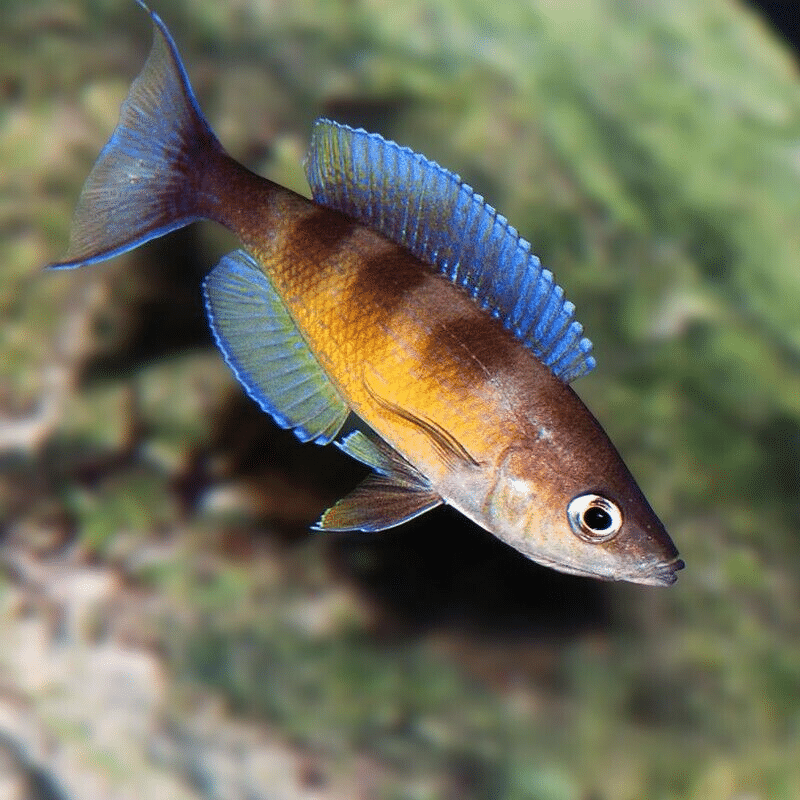
Welcome these stunning Zonatus Cichlids, known scientifically as Cyprichromis Zonatus, to your aquarium. Their vibrant colors and graceful movements make them a striking addition. Ideal for aquarists seeking beautiful inhabitants, these Lake Tanganyika Cichlids thrive in a well-maintained environment.
In stock
The Zonatus Cichlid, scientifically known as Cyprichromis zonatus, is a captivating member of the Lake Tanganyika cichlid family. Originating from the pristine waters of Lake Tanganyika in East Africa, this species thrives in rocky environments, where it finds shelter and breeding grounds. Known for their vibrant colors and dynamic behaviors, Zonatus Cichlids are a popular choice among aquarists looking to enhance their freshwater aquarium with exotic fish. These fish are not only visually striking but also exhibit fascinating social behaviors, making them a delight to observe in a well-maintained aquarium environment.
Positive Information
Zonatus Cichlids are known for their peaceful nature and adaptability, making them suitable for community tanks.
To provide optimal care for your Zonatus Cichlid, it is essential to understand their specific needs. These fish require a minimum tank size of 75 gallons to thrive, as they are active swimmers and need ample space to establish territories. The water parameters should be carefully monitored, with a pH level between 7.8 and 9.0, a temperature range of 75°F to 82°F, and hardness levels between 10-20 dGH. Regular water changes and filtration are crucial to maintain water quality, as these fish are sensitive to poor water conditions. The care level for Zonatus Cichlids is generally considered moderate, requiring attentive aquarists who can meet their environmental and dietary needs.
Zonatus Cichlids are known for their lively and engaging behavior. In their natural habitat, they exhibit a unique swimming pattern, often seen darting between rocks and caves. This behavior not only serves as a means of foraging for food but also plays a crucial role in their social interactions. These fish are typically peaceful but can display territorial aggression, especially during breeding periods. It is essential to provide ample hiding spots and territories within the aquarium to reduce stress and aggression among tank mates. Observing their interactions can be a rewarding experience, as they communicate through body language and color changes.
Creating an ideal environment for your Zonatus Cichlid is crucial for their well-being. Start with a spacious aquarium, ideally 75 gallons or larger, and use a sandy substrate to mimic their natural lakebed habitat. Incorporate plenty of rocks, caves, and driftwood to provide hiding spots and territories. Live plants can also be added, but be cautious as some cichlids may uproot them. Ensure that the layout allows for open swimming space while also providing secure areas for the fish to retreat when needed. The use of a high-quality filtration system is essential to maintain water clarity and quality, as Zonatus Cichlids are sensitive to pollutants.
Maintaining optimal water quality is vital for the health of your Zonatus Cichlid. Regular testing of water parameters is essential, focusing on pH, temperature, and hardness. The ideal pH range for these fish is between 7.8 and 9.0, with temperatures maintained between 75°F and 82°F. Hardness should be kept within 10-20 dGH. Regular water changes of 20-30% every two weeks will help to keep the water clean and free of toxins. It is also advisable to use a high-quality aquarium filter to ensure proper circulation and oxygenation of the water, which is crucial for the overall health of your aquatic companions.
Feeding your Zonatus Cichlid a balanced diet is essential for their growth and health. These fish are omnivorous and thrive on a varied diet that includes high-quality pellets, flakes, and frozen or live foods such as brine shrimp and bloodworms. A feeding schedule of 2-3 times a day is recommended, with only what they can consume in a few minutes to prevent overfeeding and water quality issues. It is important to observe their eating habits and adjust the diet accordingly, ensuring they receive the necessary nutrients for optimal health and vibrant coloration. Providing a varied diet will also help prevent nutritional deficiencies and promote overall well-being.
When selecting tank mates for your Zonatus Cichlid, it is crucial to consider their temperament and social behavior. These fish can be territorial, especially during breeding, so it is best to house them with other peaceful species that can coexist in a community tank. Suitable tank mates include other Lake Tanganyika cichlids, such as the Julidochromis and Neolamprologus species, as well as peaceful fish like tetras and barbs. Avoid housing them with aggressive or overly large fish that may bully or harm your Zonatus Cichlid. Providing ample space and hiding spots will help reduce territorial disputes and promote a harmonious aquarium environment.
Ensuring the health and wellness of your Zonatus Cichlid involves regular monitoring and preventive care. Common health issues include ich, fin rot, and other parasitic infections. Signs of illness may include lethargy, loss of appetite, or unusual swimming patterns. Maintaining optimal water quality and providing a balanced diet are key to preventing diseases. In the event of an outbreak, it is essential to act quickly by isolating affected fish and treating the aquarium with appropriate medications. Regular observation and prompt action can help maintain a healthy and thriving aquarium ecosystem.
Breeding Zonatus Cichlids can be a rewarding experience for aquarists. These fish are mouthbrooders, meaning that the female will carry the fertilized eggs in her mouth until they hatch. To encourage breeding, it is recommended to provide a separate breeding tank with suitable hiding spots and stable water conditions. The female will lay eggs on flat surfaces, and after fertilization, she will collect the eggs in her mouth for protection. Once the fry are free-swimming, they can be fed infusoria or finely crushed flakes. Careful monitoring of the fry is essential to ensure their growth and development.
Acclimating your Zonatus Cichlid to a new aquarium is a critical step to ensure their health and reduce stress. Begin by floating the sealed bag containing the fish in the aquarium for about 15-20 minutes to equalize the temperature. After this, gradually introduce small amounts of aquarium water into the bag every 5-10 minutes for about an hour. This process helps the fish adjust to the new water parameters. Once acclimated, gently release the fish into the aquarium without adding the bag water. This method minimizes shock and increases the chances of a successful transition to their new home.
Zonatus Cichlids have a lifespan of around 10-15 years when provided with proper care. As they grow, it is essential to monitor their growth rate and adjust tank size and environment accordingly. Regular maintenance, including water changes and tank cleaning, is crucial to prevent the buildup of toxins and maintain a healthy habitat. Observing their behavior and health regularly will help detect any issues early on. Additionally, providing a varied diet and ensuring a stress-free environment will contribute to their longevity and well-being.
Creating a biotope that mimics the natural habitat of the Zonatus Cichlid can enhance their well-being and promote natural behaviors. In a natural setting, these fish inhabit rocky areas with plenty of hiding spots. To recreate this environment, use a sandy substrate, rocks, and caves to provide shelter. Incorporating plants that thrive in similar conditions can also add to the aesthetic appeal while offering additional hiding spots. Proper lighting can enhance the colors of the fish and create a more natural ambiance. This setup not only benefits the fish but also creates a visually stunning aquarium display.
As seasons change, so do the care requirements for your Zonatus Cichlid. During warmer months, ensure that the water temperature remains stable, as fluctuations can stress the fish. Consider using a heater with a thermostat to maintain consistent temperatures. In colder months, monitor the temperature closely and adjust as necessary. Additionally, lighting duration may need to be adjusted to mimic natural daylight patterns, which can influence breeding behaviors and overall health. Regularly assessing the aquarium environment will help ensure that your Zonatus Cichlid remains healthy and thriving throughout the year.
For those looking to provide the best care for their Zonatus Cichlid, consider the following expert tips. First, invest in a high-quality filtration system to maintain water clarity and quality. Regularly test water parameters to ensure they remain within the ideal range. Additionally, observe your fish closely to detect any signs of stress or illness early. Providing a varied diet will not only enhance their coloration but also support their overall health. Lastly, consider joining an aquarium community or forum to share experiences and gain insights from other cichlid enthusiasts.
In the event of common issues arising with your Zonatus Cichlid, it is important to have a troubleshooting plan in place. If you notice signs of illness, such as lethargy or loss of appetite, check water quality immediately. Poor water conditions are often the root cause of health problems in fish. If aggression arises between tank mates, consider adding more hiding spots or rearranging the tank layout to reduce territorial disputes. In cases of disease outbreaks, quarantine affected fish and treat the entire tank as necessary. Being proactive and observant will help maintain a healthy aquarium environment.
Zonatus Cichlids belong to the family of cichlids, which are known for their diverse behaviors and adaptability. They are part of the unique ecosystem of Lake Tanganyika, one of the oldest and deepest freshwater lakes in the world. This lake is home to a variety of endemic species, making it a hotspot for biodiversity. Understanding the scientific background of your Zonatus Cichlid can enhance your appreciation for these beautiful creatures and inform your care practices. Conservation efforts are also crucial, as many species face threats from habitat loss and pollution.
For advanced aquarists, implementing specialized care techniques can further enhance the health and vitality of your Zonatus Cichlid. Consider utilizing a breeding setup to encourage natural spawning behaviors. Additionally, experimenting with different food types, such as freeze-dried or live foods, can promote vibrant coloration and health. Maintaining a detailed log of water parameters and fish behavior can help identify trends and potential issues early on. Engaging in regular research and staying updated on the latest cichlid care practices will ensure that you provide the best possible environment for your aquatic companions.
Zonatus Cichlids, native to Lake Tanganyika, thrive in a spacious environment. A minimum tank size of 200 litres (53 gallons) is recommended for a small group. This allows ample swimming space, which is essential for their active nature. These fish prefer to establish territories, so providing a larger tank helps reduce territorial disputes. Additionally, a well-planted tank with hiding spots will create a more natural habitat, promoting their well-being. Remember, the larger the tank, the happier your aquatic companions will be.
✓ Expert Tip
Consider a tank of at least 300 litres if you plan to keep multiple cichlids together, as this will help maintain peace among them.
Zonatus Cichlids prefer specific water conditions to thrive. Ideally, the water should have a pH level between 8.0 and 9.0, mimicking the alkaline conditions of Lake Tanganyika. The hardness should be kept between 10-20 dGH, and the temperature should range from 24°C to 28°C (75°F to 82°F). Regular testing of water parameters is essential to ensure a stable environment. Sudden changes can stress these fish, leading to health issues. A high-quality filtration system is also crucial for maintaining water clarity and quality.
✓ Expert Tip
Utilise a buffer to maintain stable pH levels, and perform regular water changes of 20-30% weekly to ensure optimal conditions.
Feeding Zonatus Cichlids should occur 2-3 times a day, with portions that they can consume within a few minutes. A varied diet is essential for their health, comprising high-quality pellets, frozen or live foods such as brine shrimp, and vegetable matter. Overfeeding can lead to water quality issues and health problems, so it is vital to monitor their intake. Incorporating a mix of foods not only enhances their colouration but also supports their overall growth and vitality.
✓ Expert Tip
Consider using a feeding ring to prevent food from spreading too quickly, ensuring they have time to eat without competition.
Zonatus Cichlids can be territorial, so choosing suitable tank mates is crucial. Ideal companions include other Lake Tanganyika cichlids, such as Cyprichromis and Neolamprologus species, which can handle similar water conditions. Avoid smaller fish that may be seen as prey, and steer clear of overly aggressive species that could stress your cichlids. A well-planned community tank with plenty of hiding spots will help mitigate aggression and provide a more harmonious environment.
✓ Expert Tip
Introduce new tank mates gradually and observe their interactions closely to ensure compatibility.
Acclimatising your Zonatus Cichlids is vital for reducing stress and ensuring a smooth transition. Begin by floating the sealed bag in the aquarium for about 15 minutes to equalise the temperature. Then, gradually introduce small amounts of your tank water into the bag every 5-10 minutes for about an hour. This process helps them adjust to the water parameters. After this, gently place the fish into the tank, avoiding adding the bag water to prevent contamination.
✓ Expert Tip
Monitor the fish closely for the first few days, watching for signs of stress or illness.
Healthy Zonatus Cichlids exhibit vibrant colours, clear eyes, and active behaviour. They should swim confidently throughout the tank, displaying curiosity rather than hiding excessively. Look for signs of good appetite, as they should eagerly consume food. Additionally, their fins should be intact and free from tears or signs of disease. Regular monitoring of their behaviour and physical condition will help you catch potential issues early, ensuring a thriving aquarium.
✓ Expert Tip
Keep a journal of your fish’s behaviour and health to better identify any changes that may indicate distress.
Breeding Zonatus Cichlids requires careful preparation. Provide a separate breeding tank with similar water conditions and plenty of hiding spots. Males can be quite territorial, so having multiple females per male can help distribute aggression. Once the female lays eggs, she will typically guard them until they hatch, which can take about 3-5 days. After hatching, the fry will require infusoria or finely crushed food until they are large enough to eat regular flakes. Keep the breeding environment stable to ensure success.
✓ Expert Tip
Consider using a sponge filter to maintain water quality without risking the fry getting sucked in.
The ideal temperature for Zonatus Cichlids is between 24°C and 28°C (75°F to 82°F). Maintaining a stable temperature is crucial, as fluctuations can stress these fish and make them susceptible to disease. Use a reliable aquarium heater and thermometer to monitor the water temperature accurately. Regular checks will help ensure that the conditions remain optimal, promoting the health and well-being of your cichlids.
✓ Expert Tip
Avoid placing the tank in direct sunlight or near heat sources to prevent temperature fluctuations.
With proper care, Zonatus Cichlids can live up to 10-15 years in captivity. Their lifespan can be significantly influenced by tank conditions, diet, and overall health management. Maintaining stable water parameters, providing a varied diet, and preventing stress are key factors in promoting longevity. Regular health checks and prompt attention to any signs of illness will also contribute to a longer, healthier life for your aquatic companions.
✓ Expert Tip
Keep a consistent care routine to help your cichlids thrive for many years.
Zonatus Cichlids prefer a substrate that mimics their natural habitat. A fine to medium-grained sand substrate is ideal, as it allows for easier digging and foraging behaviour. They enjoy sifting through the substrate for food, so avoid sharp-edged gravel that could injure their delicate mouths. Additionally, including larger rocks or caves can provide hiding spots and territories, which are essential for their comfort and wellbeing.
✓ Expert Tip
Consider creating a layered substrate with larger rocks at the bottom and finer sand on top for a natural look.
Zonatus Cichlids exhibit a range of fascinating behaviours. They are known for their territorial nature, particularly males, who will establish and defend their areas. You may observe them swimming actively throughout the tank, displaying courtship behaviours during breeding. These fish also enjoy digging and rearranging substrate and decorations. It’s important to provide ample hiding spots, as they may retreat when feeling threatened or stressed.
✓ Expert Tip
Spend time observing their behaviour; this can help you spot any signs of stress or illness early.
Preventing diseases in Zonatus Cichlids involves maintaining optimal water quality and a stable environment. Regular water changes and testing are essential to avoid toxic build-up. Quarantine new fish before introducing them to your main tank to prevent introducing pathogens. Additionally, a varied diet rich in nutrients can bolster their immune system. Keeping the aquarium clean and ensuring proper filtration will also significantly reduce the risk of disease.
✓ Expert Tip
Regularly observe your fish for any unusual behaviour, as early detection is key to effective treatment.
Zonatus Cichlids thrive under moderate lighting conditions. They prefer a natural light cycle that mimics their habitat. Using a combination of LED lights can provide adequate brightness while allowing for shaded areas in the tank. This can be achieved through the use of floating plants or decorations that create contrast. Too much direct light may stress them, so it’s beneficial to have a schedule of about 10-12 hours of light per day to promote a healthy environment.
✓ Expert Tip
Consider using a timer for your lights to maintain a consistent day/night cycle, which can help reduce stress.
Recognising stress in Zonatus Cichlids involves observing their behaviour and physical appearance. Signs of stress may include hiding excessively, loss of appetite, and abnormal swimming patterns such as darting or lethargy. Additionally, look for changes in colouration, as stressed fish may become dull. Environmental factors such as poor water quality, aggressive tank mates, or sudden changes in temperature can contribute to stress, so addressing these issues promptly is crucial.
✓ Expert Tip
Improving tank conditions and providing plenty of hiding spots can help reduce stress levels significantly.
To create a suitable environment for Zonatus Cichlids, replicate the rocky substrate and clear water conditions of Lake Tanganyika. Incorporate smooth rocks, caves, and sandy substrate to mimic their natural habitat. The tank should also have stable water parameters, including a slightly alkaline pH and proper temperature. Providing plenty of hiding spots will help your cichlids feel secure and reduce stress, promoting a more natural behaviour.
✓ Expert Tip
Use natural decorations and plants that are compatible with cichlids to enhance the aesthetic and comfort of their environment.



Emily Carter (verified owner) –
I recently added a Zonatus Cichlid to my aquarium, and I couldn’t be happier! As a passionate fish parent, I prioritize the health and happiness of my aquatic friends. Since bringing him home two weeks ago, I’ve noticed his vibrant colors and spirited behavior truly bring life to my tank. He swims gracefully, exploring every nook and cranny, which is a joy to watch.
I’ve kept other cichlids before, but the Zonatus has a unique charm that sets him apart. His personality shines, and he’s surprisingly sociable with my other tropical fish. I feed him a high-quality, varied diet, including pellets designed for cichlids, which I believe contributes to his stunning appearance and vitality.
One minor concern I had was his initial shyness, but that quickly disappeared as he settled in—this is something to keep in mind for new owners. I highly recommend the Zonatus Cichlid for anyone looking to add a dynamic and beautiful fish to their aquarium. This fish is perfect for both beginners and seasoned hobbyists alike! It’s been a rewarding experience so far, and I look forward to watching him thrive.
Overall, I would definitely buy again and encourage others to consider this lovely species for their tanks!