
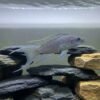
Gombi Masked Julie – Julidochromis Transcriptus «Gombi» – Tanganyika Lake

Original price was: £17.49.£14.52Current price is: £14.52.
Welcome the Gombi Masked Julie, a stunning Lake Tanganyika Cichlid known for its unique mask-like pattern. Ideal for aquarists seeking beautiful inhabitants, this peaceful companion thrives in community tanks and is perfect for beginners and experienced fishkeepers alike.
In stock

Species Introduction
The Gombi Masked Julie, scientifically known as Julidochromis transcriptus, is a captivating species of cichlid that hails from the pristine waters of Lake Tanganyika in East Africa. This lake is renowned for its unique biodiversity and is home to a plethora of vibrant fish species, making it a hotspot for aquarists and fish enthusiasts alike. The Gombi Masked Julie is particularly admired for its striking coloration and distinctive markings, which can vary among individuals. These fish typically exhibit a mix of yellow and blue hues, adorned with intricate patterns that enhance their visual appeal. In their natural habitat, they thrive in rocky environments, often found among crevices and caves, which provide them with both shelter and breeding sites. Understanding their natural habitat is crucial for recreating a suitable environment in your aquarium, ensuring that these beautiful creatures feel at home.
Key Features – Gombi Masked Julie – Julidochromis Transcriptus «Gombi» – Tanganyika Lake
| Specification | Details |
|---|---|
| Benefits | Enhances your aquarium ecosystem |
| Quality | Premium aquarium-grade materials |
| Ease of Use | Simple setup and maintenance |
Care Requirements Dashboard
✓ Care Level: Moderate
Tank Size: Minimum 30 gallons
Water Temperature: 24-28°C (75-82°F)
pH Level: 7.8-9.0
Hardness: 10-20 dGH
To provide optimal care for your Gombi Masked Julie, it is essential to maintain a well-established aquarium with stable water parameters. A minimum tank size of 30 gallons is recommended to accommodate their territorial nature and to allow them to swim freely. The water temperature should be kept between 24-28°C (75-82°F), and the pH level should range from 7.8 to 9.0, reflecting their natural alkaline environment. Regular water changes and proper filtration are crucial to ensure the health and well-being of these fish. Additionally, monitoring water hardness is important, as they thrive in moderately hard water with a range of 10-20 dGH. By adhering to these care requirements, you can create a thriving environment for your Gombi Masked Julie.
Natural Behavior & Temperament
The Gombi Masked Julie is known for its intriguing behavior and social dynamics. In the wild, these cichlids are typically found in pairs or small groups, exhibiting a fascinating social structure. They are generally peaceful but can display territorial behavior, especially during breeding periods. Males are particularly known for their vibrant colors and aggressive displays to attract females and ward off other males. In an aquarium setting, it is advisable to provide plenty of hiding spots and territories using rocks and caves, as this will help reduce aggression and allow for natural behaviors to flourish. Observing their interactions can be quite rewarding, as they engage in playful swimming patterns and establish hierarchies within their groups. It is essential to monitor their behavior closely, especially when introducing new tank mates, to ensure a harmonious community.
Tank Setup Guide
Creating an ideal environment for your Gombi Masked Julie involves careful consideration of tank setup. Start with a spacious aquarium of at least 30 gallons, as this will provide ample swimming space and allow for the establishment of territories. The substrate should consist of fine gravel or sand, mimicking their natural habitat and allowing for burrowing behavior. Incorporate plenty of rocks and caves, as these structures serve as hiding spots and breeding sites. Arrange the decorations to create multiple territories, which will help minimize aggression among tank mates. Additionally, consider adding live plants to enhance the aesthetic appeal of the tank and provide additional cover. Plants such as Anubias or Java Fern are excellent choices, as they thrive in similar water conditions and can withstand the cichlids’ activity. Proper lighting is also crucial; a moderate light level will help promote plant growth while allowing the vibrant colors of the Gombi Masked Julie to shine.
Water Quality Management
Maintaining optimal water quality is paramount for the health and longevity of your Gombi Masked Julie. Regular testing of water parameters is essential to ensure they remain within the recommended ranges. The pH level should be maintained between 7.8 and 9.0, reflecting their natural alkaline habitat. Utilize high-quality water conditioners and buffers to stabilize pH and hardness levels. Temperature should be kept consistent between 24-28°C (75-82°F), as fluctuations can stress the fish and lead to health issues. Regular water changes of 20-30% every two weeks will help remove toxins and replenish essential minerals. Additionally, invest in a good filtration system to maintain water clarity and quality. A sponge filter is often recommended, as it provides gentle water movement and is safe for fry. By prioritizing water quality management, you can create a thriving environment for your aquatic companions.
Feeding & Nutrition
✓ Diet: Omnivorous
Feeding Frequency: 2-3 times daily
Food Types: High-quality pellets, frozen or live foods
The Gombi Masked Julie is an omnivorous fish, requiring a balanced diet to thrive. A high-quality cichlid pellet should form the basis of their diet, supplemented with frozen or live foods such as brine shrimp, daphnia, and bloodworms. These protein-rich foods not only enhance their coloration but also promote healthy growth and vitality. It is recommended to feed them 2-3 times daily, offering only what they can consume within a few minutes to prevent overfeeding and maintain water quality. Incorporating vegetable matter, such as spirulina flakes or blanched zucchini, can also be beneficial for their overall health. By providing a varied diet, you can ensure that your Gombi Masked Julie remains vibrant and healthy.
Compatibility Guide
✓ Suitable Tank Mates: Other Lake Tanganyika cichlids
Avoid: Aggressive species, smaller fish
When selecting tank mates for your Gombi Masked Julie, it is crucial to consider their temperament and territorial nature. They generally coexist well with other Lake Tanganyika cichlids, such as Cyprichromis and Neolamprologus species, which share similar water requirements and behavioral traits. However, it is advisable to avoid aggressive species or those that may be perceived as threats, as this can lead to stress and aggression. Additionally, smaller fish are not suitable tank mates, as they may be seen as prey. Providing ample hiding spots and territories will help reduce aggression and promote a harmonious community. Observing their interactions during the initial introduction phase is key to ensuring compatibility and a peaceful coexistence.
Health & Wellness
✓ Common Issues: Ich, fin rot
Prevention: Regular water changes, quarantine new fish
Maintaining the health and wellness of your Gombi Masked Julie is essential for their longevity. Common health issues include ich and fin rot, which can occur due to poor water quality or stress. To prevent these issues, it is crucial to perform regular water changes and maintain stable water parameters. Quarantining new fish before introducing them to the main tank can also help prevent the spread of diseases. Observing your fish for any signs of distress, such as changes in behavior or physical appearance, is vital for early detection of health problems. If any issues arise, prompt treatment with appropriate medications is necessary. Additionally, providing a balanced diet and minimizing stress through proper tank setup will contribute to their overall well-being.
Breeding Information
Breeding Gombi Masked Julies can be a rewarding experience for aquarists. These cichlids are mouthbrooders, meaning that the female will carry the fertilized eggs in her mouth until they hatch. To encourage breeding, it is essential to provide a suitable environment with plenty of hiding spots and flat surfaces for egg-laying. A separate breeding tank can be beneficial to reduce stress and protect the fry. The male will display courtship behaviors, including color displays and fin flaring, to attract the female. Once the female lays her eggs, she will collect them in her mouth for incubation, which typically lasts about 3 weeks. After hatching, the fry will remain in the mother’s mouth for protection until they are large enough to swim freely. During this time, it is crucial to provide finely crushed food or specialized fry food to ensure their healthy growth.
Acclimation Process
Acclimating your Gombi Masked Julie to a new environment is a critical step in ensuring their health and comfort. Upon bringing your new fish home, it is important to avoid introducing them directly into the aquarium. Instead, float the sealed bag in the tank for about 15-20 minutes to equalize the temperature. After this, gradually mix small amounts of your aquarium water into the bag over the course of an hour, allowing the fish to acclimate to the water parameters. Once acclimated, gently release the fish into the aquarium using a net to avoid adding bag water, which may contain harmful substances. This gradual acclimation process helps reduce stress and increases the likelihood of a successful transition to their new home.
Long-term Care
The Gombi Masked Julie can live for several years with proper care, making them a long-term commitment for any aquarist. It is essential to monitor their growth and adjust tank conditions as needed. As they mature, their territorial behavior may become more pronounced, necessitating additional hiding spots and territories within the aquarium. Regular health checks and water quality assessments are crucial to ensure their continued well-being. Additionally, keeping a close eye on their diet and providing a balanced nutrition plan will contribute to their longevity. By prioritizing their care and creating a suitable environment, you can enjoy the beauty and companionship of your Gombi Masked Julie for many years to come.
Natural Habitat Recreation
Recreating the natural habitat of the Gombi Masked Julie is essential for their overall health and well-being. In Lake Tanganyika, these fish inhabit rocky environments with plenty of hiding spots and caves. To mimic this setting in your aquarium, use a combination of rocks, caves, and driftwood to create a complex aquascape. Ensure that the rocks are stable and securely placed to prevent any accidents. Incorporating live plants can also enhance the aesthetic appeal and provide additional cover. Consider using species that thrive in similar conditions, such as Anubias or Java Fern. By carefully designing the tank layout to reflect their natural habitat, you can promote natural behaviors and create a stimulating environment for your Gombi Masked Julie.
Seasonal Care Adjustments
Seasonal changes can impact the care requirements of your Gombi Masked Julie. During warmer months, it is important to monitor the water temperature closely, as higher temperatures can lead to stress and health issues. Ensure that the tank is not exposed to direct sunlight, which can cause overheating. In cooler months, consider using a heater to maintain a consistent temperature within the recommended range. Additionally, adjusting the lighting schedule to mimic natural daylight cycles can help regulate their behavior and promote healthy growth. By being attentive to seasonal changes and making necessary adjustments, you can provide optimal care for your Gombi Masked Julie throughout the year.
Expert Tips
✓ Professional Advice: Maintain stable parameters
Consider using a sponge filter for gentle water movement
Monitor for signs of aggression during breeding
To ensure the best care for your Gombi Masked Julie, consider the following expert tips. First and foremost, maintaining stable water parameters is crucial for their health. Fluctuations in pH, temperature, and hardness can lead to stress and health issues. A sponge filter is an excellent choice for providing gentle water movement while ensuring adequate filtration. This is particularly important for fry, as strong currents can be harmful. Additionally, be vigilant during breeding periods, as males may become aggressive towards other tank mates. Providing ample hiding spots and territories can help mitigate aggression and create a more peaceful environment. By following these expert tips, you can enhance the care of your Gombi Masked Julie and enjoy their beauty for years to come.
Troubleshooting
⚠ Common Problems: Aggression, health issues
Solution: Provide additional hiding spots
Monitor water quality regularly
If you encounter issues with your Gombi Masked Julie, such as aggression or health problems, it is essential to address them promptly. Aggression can often be mitigated by providing additional hiding spots and territories within the aquarium. This allows fish to establish their own space and reduces the likelihood of confrontations. Regular monitoring of water quality is also crucial, as poor water conditions can lead to stress and health issues. If you notice any signs of illness, such as changes in behavior or physical appearance, take immediate action by isolating affected fish and treating them as needed. By being proactive and attentive to their needs, you can ensure a healthy and harmonious environment for your Gombi Masked Julie.
Scientific Background
The Gombi Masked Julie belongs to the family of cichlids, which are known for their diverse range of species and behaviors. Cichlids are characterized by their complex social structures and unique reproductive strategies, making them a fascinating group for study and observation. Research has shown that cichlids, including the Gombi Masked Julie, exhibit remarkable adaptability to their environments, which has allowed them to thrive in the diverse ecosystems of Lake Tanganyika. Conservation efforts are ongoing to protect these unique fish and their habitats, as they face threats from pollution and habitat degradation. Understanding the scientific background of the Gombi Masked Julie not only enhances our appreciation for these beautiful creatures but also emphasizes the importance of responsible aquarist practices.
Advanced Care Techniques
For experienced aquarists looking to provide the best care for their Gombi Masked Julie, consider implementing advanced care techniques. One effective method is to create a breeding colony, which involves keeping multiple females with one male. This setup can help reduce aggression and increase the chances of successful breeding. Additionally, maintaining a stable and well-cycled aquarium is crucial for the health of your fish. Regularly testing water parameters and making necessary adjustments will help create a thriving environment. Utilizing live foods as part of their diet can also enhance their health and coloration. Furthermore, keeping detailed records of water quality, feeding schedules, and fish behavior can provide valuable insights into their care and help identify any potential issues early on. By adopting these advanced care techniques, you can ensure the long-term health and happiness of your Gombi Masked Julie.
Frequently Asked Questions
Q: What tank size is required for the Gombi Masked Julie?
The Gombi Masked Julie, being a cichlid from Lake Tanganyika, requires a minimum tank size of 100 litres (approximately 26 gallons). This size ensures they have ample space to establish territories and exhibit natural behaviours. A larger tank is preferable, as it allows for more stable water parameters and reduces stress among fish. It is essential to provide plenty of hiding spots and territories, which can be achieved using rocks, caves, and driftwood. This environment mimics their natural habitat and promotes their well-being.
✓ Expert Tip
Consider using a 150-litre tank if you plan to keep multiple Gombi Masked Julies to reduce aggression and territorial disputes.
Q: What water parameters do Gombi Masked Julies require?
Gombi Masked Julies thrive in specific water parameters that closely resemble their natural environment. They prefer a pH level between 7.8 and 9.0 and a hardness of around 10-20 dGH. The temperature should be maintained between 24°C and 28°C (75°F to 82°F). Regular water changes of 15-20% weekly are crucial to maintain these conditions, as they are sensitive to fluctuations. A high-quality filtration system is also recommended to ensure optimal water quality.
✓ Expert Tip
Utilise a water testing kit regularly to monitor pH, hardness, and ammonia levels to prevent any sudden changes that could stress your fish.
Q: How often should I feed Gombi Masked Julies?
Gombi Masked Julies should be fed twice daily, with small portions that can be consumed within a few minutes. A varied diet is essential for their health, including high-quality pellets, frozen or live foods such as brine shrimp and bloodworms, and vegetable matter like spirulina. This diversity ensures they receive all necessary nutrients and supports their vibrant colours and overall well-being. Overfeeding can lead to water quality issues, so it’s crucial to monitor their intake.
✓ Expert Tip
Consider using feeding rings to prevent food from dispersing quickly, ensuring your fish can consume it without much competition.
Q: What are the best tank mates for Gombi Masked Julies?
Gombi Masked Julies are best kept with other Tanganyika cichlids that are of a similar size and temperament. Ideal tank mates include smaller species such as Neolamprologus and other Julidochromis. Avoid larger, aggressive fish that may bully them or compete for territory. It’s also advisable to keep them in groups to reduce aggression and establish a social hierarchy, which can help mitigate stress. Always monitor interactions closely to ensure compatibility.
✓ Expert Tip
Introduce new tank mates gradually to allow established fish to acclimatise without feeling threatened.
Q: How do I properly acclimatise Gombi Masked Julies to my aquarium?
Acclimatising Gombi Masked Julies is crucial to their survival and well-being. Start by floating the sealed bag in your aquarium for 15-20 minutes to equalise the temperature. Then, gradually introduce aquarium water into the bag over the next hour, about a quarter of the bag volume every 15 minutes. After this, gently transfer the fish into the tank using a net, discarding the bag water to prevent contamination. This slow acclimatisation process helps them adjust to the new environment.
✓ Expert Tip
Keep the lights dimmed during the acclimatisation process to reduce stress and allow them to explore their new surroundings comfortably.
Q: What are the signs of healthy Gombi Masked Julies?
Healthy Gombi Masked Julies exhibit vibrant colours, active swimming behaviour, and a strong appetite. Their fins should be intact and free from tears or fraying, and they should not display any signs of stress, such as hiding excessively or showing aggression towards tank mates. Regular observation is essential to catch any early signs of illness, such as lethargy, loss of colour, or unusual swimming patterns. Maintaining optimal water quality and diet is vital for their health.
✓ Expert Tip
Perform regular health checks to monitor for any abnormalities and ensure your fish friends remain in peak condition.
Q: How do I successfully breed Gombi Masked Julies?
Breeding Gombi Masked Julies can be a rewarding experience. To encourage breeding, ensure the tank is well-established with plenty of hiding spots and territories. A slightly higher temperature of around 28°C (82°F) can stimulate breeding behaviour. The female will lay eggs on flat surfaces, which the male will then fertilise. After spawning, the female will typically guard the eggs, so it’s best to provide her with a safe space. Fry will hatch in about 3-5 days and should be fed infusoria or finely crushed flakes.
✓ Expert Tip
Separate the fry into a different tank once they are free-swimming to prevent overcrowding and improve survival rates.
Q: What temperature should I maintain for Gombi Masked Julies?
The ideal temperature range for Gombi Masked Julies is between 24°C and 28°C (75°F to 82°F). Maintaining a stable temperature within this range is crucial, as fluctuations can lead to stress and health issues. Using a reliable aquarium heater with a thermometer can help achieve and monitor the desired temperature. It is advisable to avoid placing the aquarium in direct sunlight or near heating vents, as these can cause temperature spikes.
✓ Expert Tip
Consider using a temperature controller to maintain consistent heat, especially in fluctuating climates.
Q: How long do Gombi Masked Julies typically live in captivity?
In captivity, Gombi Masked Julies can live for up to 10 years with proper care and optimal conditions. Factors influencing their lifespan include water quality, diet, and tank mates. Regular water changes, a balanced diet, and a stress-free environment contribute significantly to their longevity. Keeping an eye on their health and promptly addressing any issues can also help ensure they reach their full lifespan.
✓ Expert Tip
Maintain a regular check-up routine with your aquatic companions to monitor their health and environment.
Q: What type of substrate is most suitable for Gombi Masked Julies?
Gombi Masked Julies prefer a sandy substrate that mimics their natural environment in Lake Tanganyika. Sand allows them to engage in natural behaviours such as digging and foraging. Avoid sharp substrates that could injure their delicate fins. A depth of around 3-5 cm is ideal, as it provides enough space for them to create small burrows or territories. Additionally, incorporating rocks and caves will enhance their habitat and provide hiding spaces.
✓ Expert Tip
Rinse the substrate thoroughly before adding it to the tank to remove any dust or contaminants that could impact water quality.
Q: What behavioural patterns should I expect from Gombi Masked Julies?
Gombi Masked Julies are known for their active and curious behaviour. They enjoy exploring their environment and are often seen swimming in pairs or small groups. Territorial disputes may occur, especially among males, but these are typically resolved through displays rather than aggression. They may also exhibit hiding behaviour, particularly when feeling threatened. Providing ample hiding spots and territories will help reduce stress and allow them to express their natural behaviours.
✓ Expert Tip
Observe their interactions and behaviours regularly to ensure they are comfortable and healthy within their environment.
Q: How can I prevent common diseases in Gombi Masked Julies?
Preventing diseases in Gombi Masked Julies involves maintaining optimal water quality, a balanced diet, and a stress-free environment. Regular water testing and changes will help keep harmful toxins at bay. Quarantining new fish before introducing them to the main tank can prevent the spread of diseases. Observe your fish carefully for any signs of illness, such as changes in behaviour, appetite, or appearance. Promptly addressing any issues and consulting a veterinarian if necessary can help ensure the health of your aquatic companions.
✓ Expert Tip
Incorporate garlic into their diet, as it may boost their immune system and help ward off parasites.
Q: What lighting conditions do Gombi Masked Julies prefer?
Gombi Masked Julies prefer moderate lighting that mimics their natural habitat, which is often dimly lit due to the rocky structures and vegetation in Lake Tanganyika. Using a combination of LED lights can create a natural feel while allowing plants and decorations to thrive. It is advisable to provide a photoperiod of around 10-12 hours of light daily, with a gradual dimming and brightening to simulate dawn and dusk. This lighting routine helps maintain their natural behaviours and reduces stress.
✓ Expert Tip
Use floating plants to provide shaded areas in the tank, which can help create a more comfortable environment for your fish friends.
Q: How do I recognise stress in Gombi Masked Julies?
Recognising stress in Gombi Masked Julies is vital for their health. Signs of stress may include excessive hiding, erratic swimming patterns, loss of appetite, or aggression towards tank mates. Additionally, they may exhibit clamped fins or faded colours. If you observe any of these behaviours, assess your tank conditions, including water quality, temperature, and compatibility with other fish. Providing ample hiding spots and reducing disturbances can help alleviate stress.
✓ Expert Tip
Create a peaceful environment by limiting loud noises and sudden movements around the aquarium.
Q: What natural habitat conditions should I replicate for Gombi Masked Julies?
To replicate the natural habitat of Gombi Masked Julies, focus on creating a rocky environment with plenty of hiding spots. Incorporate smooth rocks and caves, as they are known to inhabit rocky crevices in Lake Tanganyika. A sandy substrate is ideal, allowing them to exhibit natural digging behaviours. Additionally, maintaining stable water parameters and temperature, along with moderate lighting, will further enhance their comfort and mimic their natural surroundings.
✓ Expert Tip
Regularly rearranging decorations can stimulate their curiosity and encourage natural behaviours.
1 review for Gombi Masked Julie – Julidochromis Transcriptus «Gombi» – Tanganyika Lake
Add a review
Related products


Emily Carter (verified owner) –
I recently added the Gombi Masked Julie (Julidochromis Transcriptus) to my Lake Tanganyika setup, and I couldn’t be happier! These little guys are not only stunning with their vibrant patterns, but they also have such unique personalities. After just two weeks, I’ve noticed them exploring every nook and cranny of the tank, bringing life and activity that’s just mesmerizing to watch.
What really stands out is their peaceful nature, which makes them perfect for a community tank filled with other Tanganyika cichlids. I’ve found them to be hardy and adaptable, thriving well with quality fish nutrition that I provide. Compared to other cichlids I’ve kept, these little beauties have been much easier to integrate due to their calm demeanor.
One minor concern is that they can be a bit shy at times, so providing plenty of hiding spots helped build their confidence. Overall, I highly recommend the Gombi Masked Julie to anyone looking to enhance their aquarium with a captivating and charming fish. Whether you’re new to the hobby or a seasoned aquarist, these guys are a joy to have!