
-
×

Subtotal: £12.00
Original price was: £20.49.£17.42Current price is: £17.42.
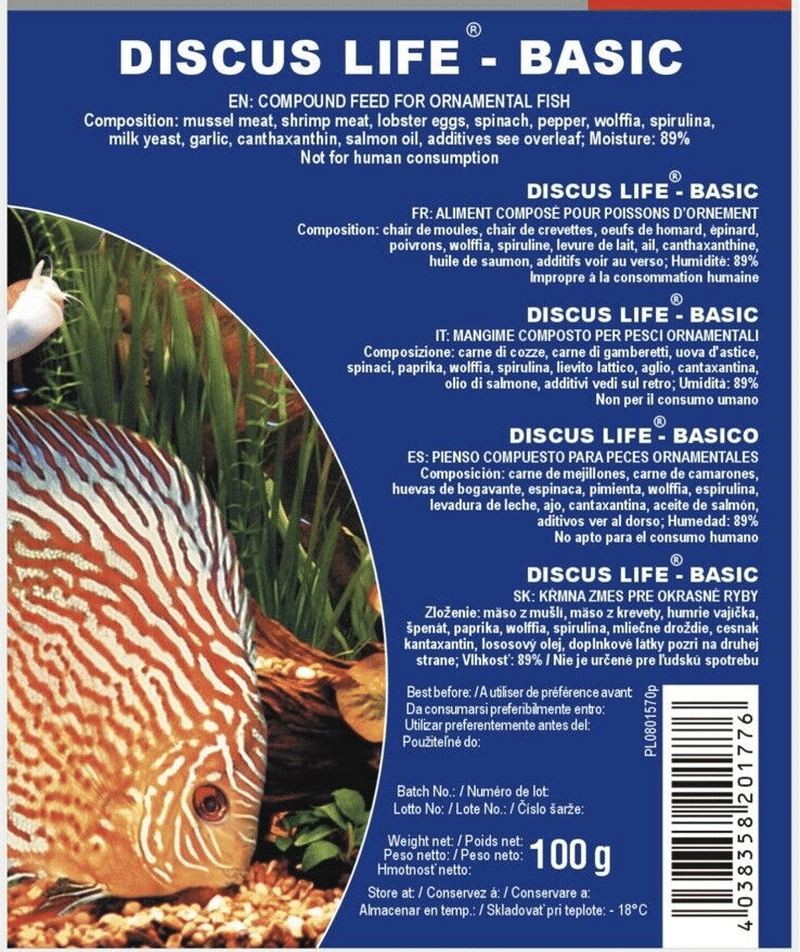
Welcome these beautiful creatures into your aquarium with our 6 X Discus Food 100 Gram Blister Packs. This premium frozen fish food enhances the colors and behavior of your discus fish, ensuring they thrive in a peaceful community tank. Perfect for aquarists seeking vibrant companions.
In stock
The discus fish, scientifically known as Symphysodon, is a stunning freshwater species native to the Amazon River basin in South America. These beautiful creatures are renowned for their vibrant colors and unique disc-like shape, making them a favorite among aquarists. Discus fish thrive in the warm, soft waters of their natural habitat, which is rich in organic matter and has a variety of submerged vegetation. They are social fish that prefer to live in groups, often forming schools in the wild. Their natural behavior includes gentle swimming patterns and a peaceful demeanor, which makes them ideal for community aquariums. As you welcome these aquatic companions into your home, it is essential to understand their specific needs and natural behaviors to ensure their health and happiness.
| Optimal Living Conditions | |
|---|---|
| Water Temperature | 24-27°C (75-81°F) |
| pH Level | 6.5-7.5 |
| Water Hardness | 4-12 dKH |
| Minimum Tank Size | 80L (20 gal) |
| Salinity | Freshwater |
| Care Level | Beginner Friendly |
✓ Care level: Moderate
Discus fish require a well-maintained aquarium with stable water conditions to thrive.
Discus fish are known for their calm and gentle nature, making them a joy to observe in a community aquarium. They exhibit a variety of social behaviors, often forming strong bonds with their tank mates. In their natural habitat, they display schooling behavior, which is essential for their well-being. Discus fish are also known to establish territories, especially during breeding season. It’s important to provide them with plenty of hiding spots and open swimming areas in the tank to mimic their natural environment. Their swimming patterns are graceful and fluid, often gliding through the water with ease. Understanding their natural behavior will help you create a harmonious environment that promotes their health and happiness.
Setting up a discus fish tank requires careful consideration of their specific needs. The ideal environment for discus fish includes a spacious aquarium of at least 50 gallons, as they thrive in larger groups. The substrate should be soft and sandy, allowing them to forage naturally. Incorporating live plants, driftwood, and rocks can create a natural biotope that mimics their native habitat. Plants such as Amazon swords and Java ferns are excellent choices, providing hiding spots and helping to maintain water quality. Ensure that the tank is equipped with a high-quality filtration system to keep the water clean and well-oxygenated. Additionally, maintaining stable water parameters is crucial for their health, so regular water changes and monitoring are essential.
Maintaining optimal water quality is vital for the health of discus fish. They thrive in soft, acidic water, with a pH range of 6.0 to 7.5. The temperature should be kept between 82°F and 86°F, as they prefer warm waters. Regular water testing is essential to monitor parameters such as ammonia, nitrite, and nitrate levels. A well-maintained filtration system will help keep the water clean and clear, reducing stress on your fish friends. It’s also important to perform regular water changes, approximately 25% weekly, to maintain water quality and remove waste. Using a dechlorinator is recommended when adding new water to the tank to ensure the safety of your aquatic companions.
Discus fish are omnivorous and require a varied diet to thrive. High-quality discus food, such as premium frozen fish food, is essential for enhancing their colors and behavior. A balanced diet should include high-protein options like bloodworms, brine shrimp, and specially formulated discus pellets. Feeding should occur 2-3 times a day, with only what they can consume in a few minutes to prevent overfeeding and maintain water quality. It’s also beneficial to include vegetable matter in their diet, such as spirulina flakes, to ensure they receive all necessary nutrients. Observing their feeding habits can help you adjust their diet according to their preferences and health needs.
Discus fish are generally peaceful and can coexist with a variety of tank mates, but careful selection is crucial. Ideal companions include other peaceful fish such as tetras, rasboras, and certain types of catfish. However, it is important to avoid aggressive species that may stress your discus fish. A compatibility chart can help you determine suitable tank mates based on their temperament and size. Always introduce new fish gradually and monitor their interactions to ensure a harmonious community. Creating a peaceful environment will enhance the overall well-being of your discus fish and their companions.
Compatibility Note: Always research specific species requirements and observe fish behavior when introducing new tank mates. Individual fish personalities can vary!
Maintaining the health and wellness of your discus fish is paramount. Regular observations for signs of illness, such as changes in behavior, loss of appetite, or visible abnormalities, are crucial for early detection. Common health issues include ich, fin rot, and bacterial infections. Preventive measures include maintaining water quality, providing a balanced diet, and ensuring a stress-free environment. Quarantine new fish before introducing them to the main tank to prevent the spread of diseases. If health issues arise, prompt treatment is essential. Consulting with an aquarist or veterinarian experienced in fish care can provide valuable insights and treatment options.
Breeding discus fish can be a rewarding experience for dedicated aquarists. To encourage spawning, it’s important to provide a suitable environment with stable water parameters and plenty of hiding spots. Discus fish typically form monogamous pairs during breeding. The female will lay eggs on flat surfaces, such as leaves or spawning cones, while the male fertilizes them. After hatching, the fry require special care, including infusoria or powdered food until they are large enough to consume larger particles. Monitoring the parents’ behavior is essential, as they often protect and care for their young. Successful breeding requires patience and attention to detail, but the joy of raising fry can be immensely satisfying.
Acclimating your new discus fish to their tank is a crucial step in ensuring their health and well-being. Begin by floating the sealed bag containing the fish in the aquarium for about 15-20 minutes to equalize the temperature. After this, gradually introduce small amounts of tank water into the bag every 5 minutes, allowing the fish to adjust to the new water conditions. This process should take about an hour. Once acclimated, gently release the fish into the tank using a net to avoid adding any transport water that may contain harmful substances. Proper acclimation minimizes stress and helps your discus fish adapt to their new home.
Caring for discus fish is a long-term commitment that requires attention to their evolving needs. As they grow, their dietary requirements may change, and it’s essential to adjust their food accordingly. Regular water changes and monitoring of water parameters are crucial for maintaining a healthy environment. Additionally, keeping an eye on their social dynamics within the tank will help prevent stress and aggression. Understanding their growth patterns and lifespan, which can reach up to 10 years or more with proper care, will help you provide the best possible living conditions for your aquatic companions.
Recreating the natural habitat of discus fish in your aquarium is essential for their well-being. This involves creating a biotope that mimics the soft, acidic waters of the Amazon River. Use natural materials such as driftwood, rocks, and live plants to provide hiding spots and create a sense of security. The substrate should be soft and sandy, allowing for natural foraging behavior. Maintaining a low light level can also help replicate their natural environment, as discus fish prefer dimly lit areas. By carefully designing their habitat, you can enhance their natural behaviors and overall quality of life.
As seasons change, so do the needs of your discus fish. During warmer months, ensure that the water temperature remains stable, as fluctuations can stress your fish. In colder months, consider using a heater to maintain the desired temperature range. Additionally, lighting adjustments may be necessary to simulate natural day/night cycles. Regular monitoring of water parameters is crucial, as changes in temperature and humidity can affect water quality. Being aware of these seasonal adjustments will help you provide the best care for your discus fish throughout the year.
For those looking to deepen their understanding of discus fish care, expert tips can provide valuable insights. Consider joining forums or local aquarist clubs to exchange knowledge and experiences with fellow fish enthusiasts. Regularly researching and staying updated on the latest care techniques and advancements in fish nutrition can enhance your ability to provide optimal care. Additionally, maintaining a detailed journal of your discus fish’s behavior, feeding habits, and health can help you identify patterns and make informed decisions regarding their care. These expert tips can significantly contribute to the long-term success of your discus fish aquarium.
Even with the best care, issues may arise in your discus fish aquarium. Common problems include water quality issues, aggression among tank mates, and health concerns. If you notice any signs of stress or illness, such as lethargy or changes in appetite, it’s essential to act quickly. Testing water parameters can help identify any imbalances that need addressing. If aggression occurs, consider rearranging the tank layout or adding more hiding spots to reduce territorial disputes. Troubleshooting these issues promptly will help ensure a healthy and harmonious environment for your discus fish.
The discus fish belongs to the family Cichlidae and is part of the genus Symphysodon. They are closely related to other cichlids but are distinct due to their unique shape and coloration. Research on discus fish has revealed much about their social structures and breeding behaviors, contributing to a better understanding of their care in captivity. Conservation efforts are also crucial, as habitat destruction threatens their natural populations. By supporting responsible aquarist practices and educating others about discus fish, you can contribute to their preservation and appreciation.
For experienced aquarists, advanced care techniques can enhance the health and well-being of your discus fish. Consider implementing a breeding program to raise fry, which requires specialized care and attention. Additionally, experimenting with different diets, including live and frozen foods, can improve coloration and vitality. Monitoring and adjusting water parameters regularly can prevent health issues and promote optimal growth. Engaging in continuous learning and applying advanced techniques can lead to a thriving discus fish community in your aquarium.
Monitoring Tip: Test water parameters weekly and perform regular water changes to maintain optimal conditions for your aquatic friends!
When feeding your Discus fish, it is essential to provide an appropriate quantity to avoid overfeeding, which can lead to water quality issues. A good rule of thumb is to offer an amount that your fish can consume within 5 to 10 minutes. This typically amounts to 2-3 small cubes of frozen food per feeding for adult Discus. Younger or growing fish may require more frequent feedings, up to 3-4 times daily. Always monitor their behaviour and adjust accordingly to ensure they are not left hungry or overly full, which can affect their health.
✓ Expert Tip
Consider varying their diet with high-quality pellets or flakes to ensure balanced nutrition.
Discus fish thrive on a regular feeding schedule, ideally 2-3 times a day for adults. Young or juvenile Discus, however, may require more frequent meals, up to 4-5 times daily, to support their rapid growth. Ensure that each feeding session provides a quantity that can be consumed within a short period, generally 5 to 10 minutes, to prevent uneaten food from polluting the water. Consistency in feeding times can also help maintain their health and behaviour.
✓ Expert Tip
Incorporating a variety of foods can enhance colouration and overall health.
Discus Food is specifically formulated for Discus fish, but it can also be suitable for other gentle community fish that share similar dietary needs. Species such as Angelfish, Tetras, and some Cichlids can benefit from the high-quality ingredients found in this food. However, ensure that the size of the food is appropriate for the tank mates you have, as larger fish may require different types or sizes of food. Always observe your fish to ensure they are comfortably consuming the food provided.
✓ Expert Tip
Introduce new foods gradually to prevent digestive issues among your aquatic companions.
To maintain the freshness and nutritional value of your Discus Food, proper storage is crucial. After opening, ensure the food is kept in a cool, dry place, ideally in the freezer if it is frozen food. Always seal the packaging tightly to prevent exposure to air and moisture, which can degrade the quality. If using blister packs, only thaw what you need for each feeding to avoid repeated freeze-thaw cycles, which can diminish the food’s nutritional benefits.
✓ Expert Tip
Label the packs with the date of opening to track freshness.
Discus Food is designed to meet the dietary needs of Discus fish, providing essential nutrients that promote vibrant colours and healthy growth. It typically contains high-quality proteins, vitamins, and minerals that support muscle development and immune function. The inclusion of natural colour enhancers helps to bring out the stunning hues of your fish, while balanced fats contribute to energy levels. This specialised diet can also improve reproductive health, making it beneficial for breeding pairs.
✓ Expert Tip
Consider supplementing with live or freeze-dried foods for added variety and nutrition.
While high-quality Discus Food is designed to be easily digestible, overfeeding can lead to water quality issues. Uneaten food decomposes and contributes to ammonia spikes, which can be harmful to your fish. To mitigate this, ensure you feed only what your fish can consume in a short period. Regular water testing and maintenance, including weekly water changes, are essential to keeping your aquarium’s environment stable and healthy.
✓ Expert Tip
Use a good quality filter to help manage waste and maintain water clarity.
Yes, Discus Food is an excellent choice for breeding pairs, as it provides the necessary nutrients that enhance reproductive health and promote successful spawning. The high protein content is particularly beneficial for developing eggs and fry. During breeding, it may be advantageous to supplement their diet with live foods such as brine shrimp or daphnia to encourage breeding behaviour and ensure the health of both the parents and the young.
✓ Expert Tip
Ensure a stress-free environment during breeding to increase the chances of success.
Transitioning your fish to a new food should be done gradually to avoid digestive upset. Start by mixing a small amount of Discus Food with their current diet, slowly increasing the proportion of the new food over several days. This gradual approach allows your fish to become accustomed to the new taste and texture. Monitor their feeding behaviour to ensure they are accepting the new food without stress.
✓ Expert Tip
Observe your fish closely during the transition to identify any signs of reluctance or stress.
Discus Food typically contains a blend of high-quality proteins, vitamins, and essential fatty acids. Common ingredients may include fish meal, shrimp, spirulina, and various vitamins and minerals designed to enhance colour and health. Always check the packaging for specific ingredient details, as formulations can vary. Understanding the ingredients will help you make informed decisions about your fish’s diet and overall well-being.
✓ Expert Tip
Look for foods that contain natural ingredients without artificial additives for optimal health.
When feeding a community tank with a variety of fish sizes, it is important to tailor the feeding amount and frequency to accommodate the smaller fish. For smaller fish, consider breaking the frozen food into smaller pieces or using a fine mesh net to release the food at varying levels within the tank. Larger fish may require larger portions, but always ensure that the total amount fed does not exceed what can be consumed in a short period to maintain water quality.
✓ Expert Tip
Consider using feeding rings to help contain food at the surface for smaller fish.
Yes, Discus Food is formulated with specific ingredients known to enhance the colouration of your fish. The inclusion of natural colour enhancers, such as spirulina and carotenoids, can help bring out the vibrant hues of your Discus and other compatible species. Regular feeding with this specialised food can contribute to a more visually appealing aquarium, showcasing the natural beauty of your aquatic companions.
✓ Expert Tip
Ensure proper lighting conditions to enhance the visual impact of your fish’s colours.
Feeding techniques can greatly influence how well your Discus fish accept their food. For frozen foods, consider using a feeding ring to keep the food contained in one area, making it easier for your fish to find and consume. You may also want to thaw the food slightly before introducing it to the tank, allowing it to disperse more naturally. Observe your fish’s feeding behaviour and adjust the feeding technique as necessary to ensure they are actively engaging with their food.
✓ Expert Tip
Try varying the feeding location in the tank to stimulate natural foraging behaviour.
Discus Food is formulated to provide essential nutrients that support the health and growth of your fish. The high protein content aids in muscle development, while vitamins and minerals support immune function and overall vitality. Regular feeding with this specialised diet can enhance growth rates, improve colour vibrancy, and promote reproductive success. Additionally, a well-balanced diet contributes to the long-term well-being of your fish, making them more resilient to stress and disease.
✓ Expert Tip
Combine with regular water changes and tank maintenance for optimal health.




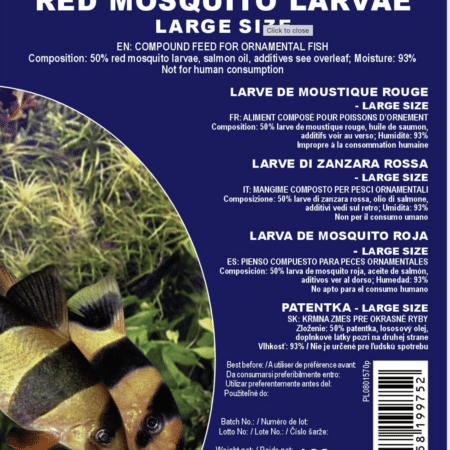
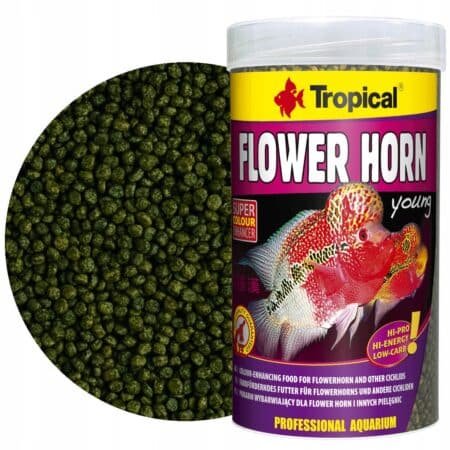
Lisa Harper (verified owner) –
As a caring fish parent, I understand the importance of high-quality nutrition for my discus fish, and the 6 X Discus Food 100 Gram Blister Packs have truly impressed me. After using this product for about two months, I can confidently say it has significantly improved the health and vibrancy of my fish. I love that it’s packed with essential nutrients and is specifically formulated for hybrid discus. My fish are noticeably more active and their colors have become more vibrant. I’ve even noticed less waste in the tank, which is a plus!
Compared to the pellets I used before, this frozen food is a game-changer, as my discus are more eager to eat and seem to enjoy it much more. The blister packs make it super convenient to use, and I appreciate that I can easily thaw only what I need. The only minor concern I had was that the food could be a bit messy when thawing, but it’s a small trade-off for the benefits my fish are receiving.
I highly recommend this product to anyone looking to keep discus or even betta fish happy and healthy. You won’t be disappointed!