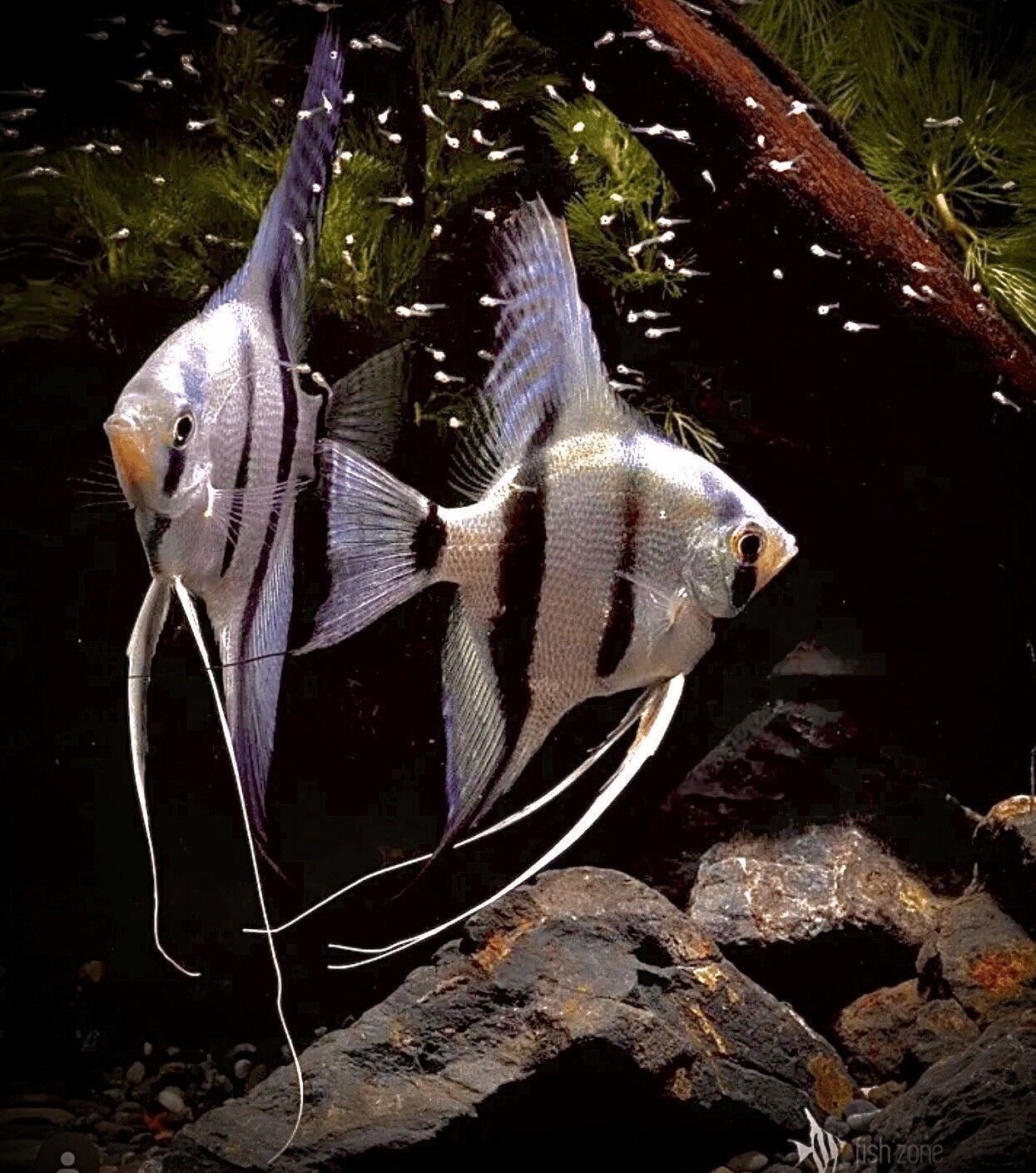
3 X Common Angelfish (3-4cm) – Pterophyllum Scalare
Original price was: £17.49.£14.52Current price is: £14.52.
Welcome these beautiful Common Angelfish (3X Pterophyllum) into your aquarium. Their stunning colors and graceful movements enhance any peaceful tank. Ideal for aquarists seeking beautiful companions, they thrive in well-maintained environments, adding elegance to your aquatic display.
In stock


Species Introduction
The Common Angelfish, scientifically known as Pterophyllum scalare, belongs to the family Cichlidae. This species is native to the freshwater rivers and streams of the Amazon Basin in South America, where they thrive in slow-moving waters that are rich in vegetation. With their graceful swimming patterns and striking appearance, these beautiful fish have become a popular choice among aquarium enthusiasts. Their unique shape and vibrant coloration not only enhance the aesthetic appeal of any tank but also make them a fascinating subject for observation. As a peaceful species, Common Angelfish can coexist with a variety of other fish, making them ideal companions in a community tank setup. Understanding their natural habitat and behavior is essential for providing the best care and ensuring their health and happiness in your aquarium.
Care Requirements Dashboard
Essential Care Guide for Your Common Angelfish
| Optimal Living Conditions | |
|---|---|
| Water Temperature | 24-27°C (75-81°F) |
| pH Level | 6.5-7.5 |
| Water Hardness | 4-12 dKH |
| Minimum Tank Size | 80L (20 gal) |
| Salinity | Freshwater |
| Care Level | Beginner Friendly |
✓ Care Level: Easy
| Parameter | Ideal Range |
|---|---|
| Tank Size | Minimum 75 liters |
| pH Level | 6.5 – 7.5 |
| Temperature | 24 – 28°C |
| Hardness | 3 – 10 dGH |
Natural Behavior & Temperament
Common Angelfish are known for their serene and peaceful nature, which makes them excellent additions to community tanks. They exhibit a unique swimming behavior, often gliding gracefully through the water column, which adds a dynamic visual element to your aquarium. While they are generally non-aggressive, they can display territorial behavior, especially during breeding periods or when they are establishing their space within the tank. It is important to provide plenty of hiding spots and open swimming areas to accommodate their natural behavior. These fish thrive in groups and form social bonds, so keeping them in pairs or small groups can enhance their well-being. Observing their interactions can be a delightful experience, as they communicate through body language and subtle movements, showcasing their intelligence and social nature.
Tank Setup Guide
Creating an ideal environment for your Common Angelfish is crucial for their health and happiness. A well-planned aquarium setup should mimic their natural habitat, featuring a spacious tank with plenty of plants and decorations. Use a fine substrate to allow for easy digging and planting of live aquatic plants, which provide shelter and foraging opportunities. Incorporate driftwood and rocks to create hiding spots and territories, as these elements not only enhance the aesthetic appeal of the tank but also promote the fish’s natural behavior. When choosing plants, opt for hardy species such as Java Fern, Anubias, or Amazon Swords, which can thrive in the water conditions preferred by angelfish. Ensure that the tank has good filtration to maintain water quality, and consider using a gentle water current to simulate their natural environment. Lighting should be moderate, allowing for plant growth while providing a comfortable environment for the fish. A well-maintained tank setup will not only keep your angelfish healthy but also create a stunning visual display.
Water Quality Management
Maintaining optimal water quality is essential for the health of your Common Angelfish. These fish are sensitive to changes in their environment, so regular monitoring of water parameters is crucial. Aim for a pH level between 6.5 and 7.5, as this range closely resembles their natural habitat. Temperature should be kept between 24°C and 28°C, with a stable environment being preferable to sudden fluctuations. Water hardness should be maintained between 3 and 10 dGH, ensuring that the fish are comfortable and can thrive. Regular water changes, approximately 25% every two weeks, will help keep the water clean and reduce the buildup of harmful substances. Additionally, using a high-quality water conditioner can help to neutralize chlorine and chloramine, making tap water safe for your fish. Investing in a reliable water testing kit will allow you to keep track of these parameters and ensure that your aquatic companions are living in a healthy environment.
Feeding & Nutrition
Providing a balanced diet is vital for the health and vitality of your Common Angelfish. These fish are omnivorous, which means they thrive on a varied diet that includes both plant and animal-based foods. High-quality flake food formulated for tropical fish should be the staple of their diet, supplemented with frozen or live foods such as brine shrimp, bloodworms, and daphnia. Additionally, incorporating blanched vegetables like zucchini, spinach, or peas can provide essential nutrients and fiber. Feeding should occur 2-3 times a day, with only as much food as the fish can consume in a few minutes to prevent overfeeding and maintain water quality. It’s important to monitor their feeding habits and adjust portions accordingly, ensuring that all fish receive adequate nutrition. Regularly varying their diet will not only keep them healthy but also enhance their coloration and overall well-being.
Compatibility Guide
Common Angelfish are generally peaceful fish, making them suitable for community tanks with other compatible species. However, it is essential to choose tank mates wisely to avoid aggression and territorial disputes. Ideal companions include small to medium-sized fish that share similar water requirements, such as Tetras, Corydoras, and Rasboras. Avoid pairing them with overly aggressive species or those that may nip at their fins, such as certain types of barbs or cichlids.
Tank Mate Compatibility Guide
Great Tank Mates
- Similar sized peaceful fish
- Bottom dwellers
- Robust community fish
Avoid These Tank Mates
- Very small fish
- Long-finned fish
- Aggressive species
Compatibility Note: Always research specific species requirements and observe fish behavior when introducing new tank mates. Individual fish personalities can vary!
Health & Wellness
Maintaining the health of your Common Angelfish involves regular observation and preventive measures. Common health issues include ich, fin rot, and swim bladder disease, which can be caused by poor water quality, stress, or overcrowding. Signs of illness may include changes in behavior, such as lethargy, loss of appetite, or abnormal swimming patterns. To prevent these issues, ensure that water parameters are stable and within the ideal range, and avoid overstocking the tank. Quarantine new fish before introducing them to your main tank to minimize the risk of disease transmission. If you notice any signs of illness, prompt treatment is essential. Many health issues can be treated with over-the-counter medications designed for freshwater fish, but it’s crucial to follow the instructions carefully. Regular tank maintenance, including water changes and substrate cleaning, will also contribute to a healthier environment for your angelfish.
Breeding Information
Breeding Common Angelfish can be a rewarding experience for aquarium enthusiasts. These fish are known to form monogamous pairs, and once a pair has formed, they will exhibit specific behaviors indicating readiness to spawn. To encourage breeding, provide a flat surface, such as a smooth rock or a breeding cone, where the female can lay her eggs. The ideal conditions for breeding include slightly elevated temperatures (around 28°C) and stable water parameters. After spawning, the male will fertilize the eggs, and both parents will typically guard the eggs until they hatch, which usually occurs within 2-3 days. Once the fry are free-swimming, they can be fed with infusoria or finely crushed flake food. It’s important to ensure that the fry are not overcrowded and that water quality is maintained throughout their growth stages. Breeding can be an intricate process, but with the right conditions and care, you can successfully raise a new generation of these beautiful fish.
Acclimation Process
Introducing your Common Angelfish to a new aquarium requires careful acclimation to reduce stress and ensure their successful transition. Begin by floating the sealed bag containing the fish in the aquarium for about 15-20 minutes to equalize the temperature. After this, gradually introduce small amounts of tank water into the bag over the next hour, allowing the fish to adjust to the new water conditions. This slow acclimation process is crucial, as it helps the fish adapt to differences in pH, hardness, and temperature. Once acclimated, gently release the fish into the tank using a net to avoid adding excess bag water, which may contain contaminants. Monitor the fish closely for the first few days to ensure they are adjusting well to their new environment. Providing a stress-free introduction will help your angelfish thrive in their new home.
Long-term Care
Understanding the long-term care requirements of Common Angelfish is essential for their health and well-being. These fish can live for up to 10 years or more with proper care, so establishing a routine is vital. Regular water testing and maintenance, including water changes and substrate cleaning, should be part of your aquarium care regimen. Monitor their growth and adjust feeding portions accordingly, as angelfish can grow up to 15 cm in length. As they mature, they may require more space and larger tank mates, so be prepared to adapt your aquarium setup as needed. Additionally, keeping an eye on their behavior and health will help you identify any potential issues early on. By providing consistent care and a stable environment, you can enjoy the beauty and companionship of your Common Angelfish for many years.
Natural Habitat Recreation
Creating a biotope that replicates the natural habitat of Common Angelfish can enhance their well-being and provide a more enriching environment. In the wild, these fish inhabit slow-moving waters with dense vegetation, providing ample hiding spots and foraging opportunities. To recreate this environment in your aquarium, incorporate a variety of live plants, such as Java Moss, Hornwort, and Amazon Swords, which not only provide shelter but also contribute to water quality. Adding driftwood and rocks will create natural territories and hiding spots, allowing the fish to exhibit their natural behaviors. Use a dark substrate to mimic the riverbed, and ensure that the lighting is moderate to promote plant growth while providing a comfortable atmosphere for the fish. By replicating their natural habitat, you can help your Common Angelfish thrive and enjoy a more fulfilling life in your aquarium.
Seasonal Care Adjustments
As seasons change, so do the care requirements for your Common Angelfish. During the warmer months, it’s essential to monitor the water temperature closely, as higher temperatures can lead to stress and health issues. Ensure that the tank is not exposed to direct sunlight, which can cause overheating. Conversely, in the colder months, consider using an aquarium heater to maintain a stable temperature within the ideal range of 24°C to 28°C. Additionally, lighting conditions may need to be adjusted throughout the year to accommodate plant growth and the fish’s natural behaviors. Regular maintenance, including water changes and substrate cleaning, should also be adapted to the seasonal changes, as fish metabolism may vary with temperature fluctuations. By being attentive to these seasonal adjustments, you can ensure that your Common Angelfish remain healthy and comfortable year-round.
Expert Tips
For those looking to provide the best care for their Common Angelfish, consider these expert tips. First, always quarantine new fish before introducing them to your main tank to prevent the spread of disease. Second, maintain a varied diet to enhance their coloration and vitality; incorporating live or frozen foods can stimulate their natural hunting instincts. Third, be mindful of their territorial nature during breeding; providing ample space and hiding spots will reduce stress and aggression. Additionally, regular observation of your fish can help you catch any potential health issues early. Lastly, consider joining an aquarium community or forum where you can share experiences and gain insights from other enthusiasts. By implementing these expert tips, you can ensure a thriving environment for your Common Angelfish.
Troubleshooting
Despite your best efforts, you may encounter challenges while caring for your Common Angelfish. Common issues include stress due to aggressive tank mates, poor water quality, and diseases such as ich or fin rot. If you notice signs of stress, such as hiding or erratic swimming, assess the tank environment and consider re-evaluating tank mates. For water quality issues, conduct a water test and perform necessary changes to bring parameters back to the ideal range. If your fish exhibit symptoms of disease, such as white spots or frayed fins, immediate treatment is essential. Many over-the-counter medications are available for common fish ailments, but always follow the manufacturer’s instructions carefully. By being proactive and addressing issues promptly, you can maintain a healthy and thriving aquarium.
Scientific Background
The Common Angelfish, or Pterophyllum scalare, is a fascinating species within the Cichlidae family. This family is known for its diverse range of species, many of which are popular in the aquarium trade. Angelfish are characterized by their unique triangular shape and long fins, which contribute to their graceful swimming style. Research into their behavior and ecology has revealed much about their social structures and breeding habits, highlighting the importance of environmental factors in their development. Conservation efforts are also crucial, as habitat destruction and pollution threaten their natural populations. Understanding the scientific background of Common Angelfish not only enriches your knowledge but also emphasizes the importance of responsible care and conservation practices in the aquarium hobby.
Advanced Care Techniques
For experienced aquarists looking to take their care of Common Angelfish to the next level, consider implementing advanced techniques. One method is to create a breeding setup that mimics their natural spawning conditions, including specific water parameters and breeding surfaces. Additionally, experimenting with different food types, such as high-quality pellets and live foods, can enhance their coloration and health. Implementing a regular schedule for water testing and maintenance will ensure that the environment remains stable and conducive to their well-being. Furthermore, engaging in selective breeding can help you achieve specific traits, such as coloration or fin shape, contributing to the diversity of the species in the aquarium trade. By applying these advanced care techniques, you can provide a high standard of care for your Common Angelfish and contribute to their long-term health and happiness.
Water Quality Parameters
Optimal Range
24-27°C
6.5-7.5
0 ppm
Caution Zone
22-24°C or 27-29°C
6.0-6.5 or 7.5-8.0
0.25-0.5 ppm
Danger Zone
<22°C or >29°C
<6.0 or >8.0
>0.5 ppm
Monitoring Tip: Test water parameters weekly and perform regular water changes to maintain optimal conditions for your aquatic friends!
Frequently Asked Questions
Q: What tank size is required for Common Angelfish?
Common Angelfish thrive best in a tank of at least 200 litres. This size allows ample space for swimming and helps maintain stable water parameters. Additionally, a larger tank can help mitigate territorial behaviour, which is common in angelfish, particularly during breeding. If you are considering keeping multiple angelfish or other tank mates, a larger aquarium can significantly enhance their quality of life. Regular maintenance, including water changes and filtration, is essential to keep the tank clean and the fish healthy. Remember, the more space you provide, the more natural their behaviour will be, allowing them to flourish in your aquarium.
✓ Expert Tip
Consider adding plants and decorations to create hiding spots, which can help reduce stress and promote natural behaviours.
Q: What water parameters do Common Angelfish require?
Common Angelfish prefer slightly acidic to neutral water conditions, ideally with a pH range of 6.5 to 7.5. The water temperature should be maintained between 24°C to 28°C. It is crucial to keep the water well-filtered and oxygenated while performing regular water changes of approximately 25% weekly. Ammonia and nitrite levels should be kept at 0 ppm, while nitrates should ideally remain below 20 ppm. Keeping these parameters stable is essential for the health and well-being of your angelfish. Sudden changes can lead to stress or illness, so it is advisable to monitor the water quality regularly using reliable test kits.
✓ Expert Tip
Invest in a quality water testing kit to ensure your aquatic environment remains optimal for your fish friends.
Q: How often should I feed Common Angelfish?
Common Angelfish should be fed 2 to 3 times a day, with only as much food as they can consume within 2 to 3 minutes. A varied diet is vital for their health; consider offering high-quality flake foods, pellets, and occasional live or frozen foods such as brine shrimp or bloodworms. Ensuring they receive a balanced diet will promote vibrant colouration and overall vitality. Overfeeding can lead to water quality issues, so it is essential to monitor their intake closely. Additionally, consider fasting your fish one day a week to aid in digestion.
✓ Expert Tip
Mixing different types of food can help ensure they receive all necessary nutrients and prevent boredom.
Q: What are the best tank mates for Common Angelfish?
Common Angelfish are generally peaceful but can be territorial, particularly during breeding. Suitable tank mates include other peaceful cichlids, tetras, and catfish. Avoid aggressive species that may provoke stress or injuries. It is best to introduce new tank mates gradually, observing interactions closely. Ideally, fish of similar size should be selected to prevent smaller species from being bullied. Additionally, providing ample hiding spots with plants and decorations can help create a harmonious environment. Remember, compatibility varies among individual fish, so always monitor their behaviour.
✓ Expert Tip
Consider keeping a group of angelfish together, as they are social creatures that thrive in the company of their own kind.
Q: How do I properly acclimatise Common Angelfish to my aquarium?
Acclimatising Common Angelfish is crucial to ensure their health and reduce stress. Begin by floating the sealed bag containing the fish in your aquarium for about 15-20 minutes to equalise the temperature. Next, gradually introduce aquarium water into the bag by adding small amounts every 5-10 minutes for about an hour. This process helps them adjust to the new water parameters. After acclimatisation, gently net the fish from the bag and place them in the aquarium, discarding the water from the bag to avoid introducing any contaminants. This method promotes a smooth transition to their new environment.
✓ Expert Tip
Keep the lights dimmed during acclimatisation to help reduce stress and allow them to adjust more comfortably.
Q: What are the signs of healthy Common Angelfish?
Healthy Common Angelfish exhibit vibrant colours, clear eyes, and smooth, unblemished fins and scales. They should be active swimmers, showcasing curiosity and interaction with their environment. Observe their feeding behaviour; a healthy fish will readily accept food and display no signs of distress or reluctance. Additionally, check for signs of stress, such as hiding excessively or displaying erratic swimming patterns. Regular health checks can help catch any potential issues early, ensuring your aquatic companions remain in optimal condition.
✓ Expert Tip
Keep a record of their behaviour and appearance; this will help you quickly identify any changes that may indicate health issues.
Q: How do I successfully breed Common Angelfish?
Breeding Common Angelfish can be a rewarding endeavour. First, ensure you have a pair of healthy, mature fish, ideally around 6 months old. Create a breeding environment by providing flat surfaces, such as slate or broad leaves, where they can lay eggs. Maintain stable water parameters, with a slightly higher temperature of around 28°C, and perform regular water changes to ensure cleanliness. The female will lay eggs, which the male will fertilise. Both parents typically guard the eggs until they hatch, usually within 48 hours. It is essential to remove any other fish from the breeding tank to prevent egg predation.
✓ Expert Tip
Consider using a separate breeding tank to ensure the fry are safe and can be raised without competition.
Q: What temperature should I maintain for Common Angelfish?
Common Angelfish thrive best in a temperature range of 24°C to 28°C. Maintaining a consistent temperature is crucial, as fluctuations can lead to stress and health issues. A reliable aquarium heater is essential for keeping the water temperature stable. Regularly check the temperature using a thermometer, and make adjustments as necessary. During colder months, ensure the heater is functioning efficiently, as drops in temperature can negatively impact your fish friends. A stable environment promotes optimal health and behaviour among your angelfish.
✓ Expert Tip
Consider having a backup heater in case of failure, ensuring your aquatic companions remain comfortable at all times.
Q: How long do Common Angelfish typically live in captivity?
In captivity, Common Angelfish can live for approximately 10 to 15 years with proper care. Factors such as water quality, diet, and tank environment play a significant role in their longevity. Providing a stable and clean environment, along with a balanced diet, can greatly enhance their lifespan. Regular health checks and prompt attention to any issues can also contribute positively. It is vital to maintain optimal living conditions to ensure your aquatic companions thrive for many years.
✓ Expert Tip
Keep a detailed care log to monitor their health and behaviour over the years.
Q: What type of substrate is most suitable for Common Angelfish?
Common Angelfish thrive in soft substrates such as fine gravel or sand, which allows for natural behaviour and promotes a healthy environment. A substrate that is too coarse can harm their delicate fins. Additionally, a soft substrate provides an excellent base for planting live plants, which can enhance the aquarium’s aesthetic and improve water quality. Ensure the substrate is clean and free from sharp edges to prevent injury. Regular cleaning of the substrate is also necessary to maintain a healthy environment.
✓ Expert Tip
Consider using a vacuum during water changes to keep the substrate clean and free from detritus.
Q: What behavioural patterns should I expect from Common Angelfish?
Common Angelfish are known for their graceful swimming patterns and curious nature. They often explore their surroundings, making them quite entertaining to observe. In a peaceful environment, they exhibit social behaviour, interacting with both tank mates and their reflections. During breeding seasons, males may become territorial and display more pronounced behaviours, such as chasing away other fish. It is essential to provide plenty of space and hiding spots to accommodate these behaviours. Regular observation can help you understand their unique personalities and ensure they are comfortable.
✓ Expert Tip
Observe their interactions closely; recognising normal behaviour can help you spot any signs of stress or illness.
Q: How can I prevent common diseases in Common Angelfish?
Preventing diseases in Common Angelfish involves maintaining optimal water quality and a stress-free environment. Regular water changes and proper filtration are crucial. Quarantine new fish before introducing them to the main tank to prevent the spread of potential diseases. Monitoring food quality and ensuring a balanced diet can also enhance their immune system. Observe your fish for any behavioural or physical changes, as early detection can lead to more effective treatment. Additionally, keeping the tank clean and well-maintained will significantly reduce the risk of disease.
✓ Expert Tip
Consider adding aquarium salt during stressful situations to help bolster their defences against illness.
Q: What lighting conditions do Common Angelfish prefer?
Common Angelfish prefer moderate lighting that mimics their natural habitat. Ideally, provide a combination of ambient and directed light to highlight their colours without overwhelming them. Bright lights can cause stress and lead to hiding behaviour. Consider using a timer to maintain a consistent light schedule, typically around 10 to 12 hours per day. Adding floating plants can also help diffuse strong light, creating a more comfortable environment for your fish friends. Observing their behaviour in different lighting conditions can help you determine their preferences.
✓ Expert Tip
Experiment with different light intensities and durations to find the optimal conditions for your angelfish.
Q: How do I recognise stress in Common Angelfish?
Recognising stress in Common Angelfish can be crucial for their well-being. Signs of stress may include erratic swimming, hiding excessively, or displaying aggressive behaviour towards tank mates. Additionally, changes in appetite or colour fading can indicate distress. Observe their interactions; if they are constantly hiding or avoiding other fish, it may suggest they are feeling threatened. Proper tank conditions, including water quality and appropriate tank mates, can help mitigate stress. If you notice persistent signs of stress, consider reassessing your setup and making necessary adjustments to ensure a comfortable environment.
✓ Expert Tip
Regularly observe your fish behaviour; familiarity with their normal patterns allows for quicker identification of stress.
Q: What natural habitat conditions should I replicate for Common Angelfish?
Common Angelfish are native to slow-moving rivers and streams in the Amazon Basin, where they inhabit areas with plenty of vegetation and submerged structures. To replicate their natural habitat, provide a well-planted aquarium with plenty of hiding spots and open swimming areas. Incorporate driftwood and rocks to create a more natural layout. Aim for slightly acidic to neutral water conditions, along with stable temperatures. Additionally, consider adding leaf litter or similar substrates to mimic their environment. Creating a biotope can enhance their comfort and encourage natural behaviours.
✓ Expert Tip
Research the specific conditions of their natural habitat to enhance your aquarium setup and fish welfare.
2 reviews for 3 X Common Angelfish (3-4cm) – Pterophyllum Scalare
Add a review
Related products


Emily Carter (verified owner) –
I recently ordered 3 common angelfish (Pterophyllum) for my 55-gallon community tank, and I couldn’t be happier! After about two weeks of observing them, they have really settled in beautifully. Their vibrant colors and graceful movements add so much life to my aquarium. I appreciate the careful packaging and swift shipping; they arrived in perfect health with no signs of stress, which is a testament to their quality. Compared to other fish I’ve purchased online, these angelfish are healthier and more active. I was a bit concerned about potential compatibility with other tank mates, but they’ve been quite peaceful. For anyone looking to add some striking tropical fish to their setup, I wholeheartedly recommend these angelfish. They’re ideal for both beginners and experienced aquarists who want a low-maintenance yet stunning fish. Just be mindful of their need for space as they grow; they thrive in a well-planted aquarium with plenty of room to swim. I would absolutely buy these again!
Emily Carter (verified owner) –
I recently added three Common Angelfish (Pterophyllum) to my peaceful community tank, and I couldn’t be happier! These tropical fish are not only stunning with their graceful fins and vibrant colors, but they have also adapted wonderfully in just a week. I was a bit concerned about introducing new fish to my tank, but they settled in quickly and interact beautifully with my other species. I noticed they’re quite social, often swimming together and exploring the different levels of the tank.
What I appreciate the most is their peaceful nature; they are excellent companions for my neons and guppies, without any aggression. Compared to other species I’ve had in the past, like bettas who tend to be more territorial, these angelfish are much more harmonious.
If you’re looking to enhance your aquarium’s visual appeal with fish that thrive in a calm environment, I highly recommend these angels! Just keep in mind they do appreciate a bit of space to swim, so a larger tank is ideal. Overall, I’m thrilled with my purchase and will definitely consider more in the future!