Hypostomus plecostomus ‘Gold’ – Gold Suckermouth Catfish


Original price was: £20.49.£17.42Current price is: £17.42.
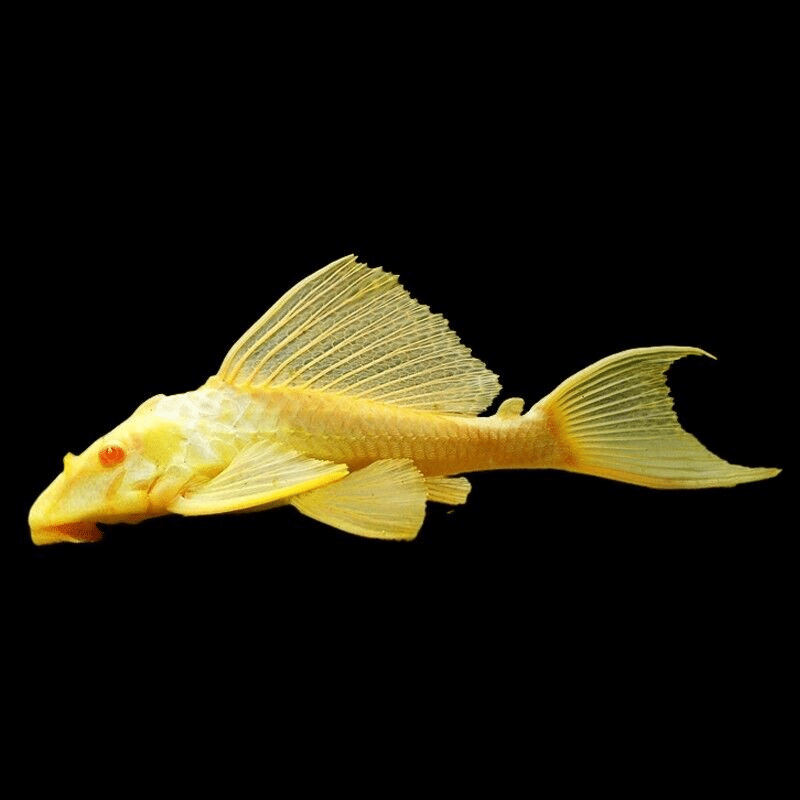
Welcome the stunning Gold Suckermouth Catfish, a beautiful freshwater inhabitant from South America. Known for its elegant golden hue, this peaceful community fish thrives in vibrant aquariums. Perfect for aquarists seeking easy-care companions to enhance their aquatic environment.
In stock


Gold Suckermouth Catfish – Hypostomus Plecostomus «Gold»
Welcome these beautiful creatures into your aquarium as they are elegant companions with peaceful behavior, ideal for vibrant freshwater environments. Native to South America, the Gold Suckermouth Catfish is known for its striking golden coloration and plays a vital role in maintaining ecological balance by controlling algae growth.
Care Requirements Dashboard
Essential Care Guide
| Optimal Living Conditions | |
|---|---|
| Water Temperature | 22-28°C (72-82°F) |
| pH Level | 6.0-7.5 |
| Water Hardness | 2-15 dKH |
| Minimum Tank Size | 120L (30 gal) |
| Salinity | Freshwater |
| Care Level | Beginner to Intermediate |
Natural Behavior & Temperament
Gold Suckermouth Catfish are gentle and peaceful, making them ideal community members. They are primarily nocturnal and enjoy foraging during the night while seeking hiding spots during the day. Their social nature allows them to coexist with many peaceful species, but care should be taken to avoid aggressive tank mates that may cause stress.
Tank Setup Guide
To create a suitable habitat, start with a spacious aquarium of at least 75 liters (20 gallons). Use a substrate of fine gravel or sand to allow for comfortable foraging. Incorporate rocks, caves, and driftwood to mimic their natural environment and provide security. Live plants can enhance the aesthetic and offer additional cover. Ensure proper filtration and gentle water flow to maintain a clean environment.
Water Quality Management
Good Water Quality is Essential
Regular water changes of 20-30% weekly are recommended to keep ammonia and nitrate levels low. Monitor pH, temperature, and hardness regularly to prevent fluctuations that can stress your fish. A reliable filtration system and aeration will support a stable environment, promoting the overall health of your Gold Suckermouth Catfish.
Feeding & Nutrition
These fish are primarily herbivorous, thriving on a diet of algae and detritus. In captivity, provide high-quality sinking pellets and supplement with blanched vegetables like zucchini and spinach. Feeding should occur once or twice daily, ensuring only enough food is offered that can be consumed in a few minutes to maintain water quality.
Compatibility Guide
Peaceful Tank Mates
| Fish Species | Compatibility |
|---|---|
| Tetra Species | Compatible |
| Guppies | Compatible |
| Corydoras Catfish | Compatible |
| Angelfish | Generally Compatible |
| Betta Fish | Not Recommended |
Health & Wellness
Regular monitoring of your fish’s appearance and behavior is essential for early detection of illness. Common issues include ich, fin rot, and bacterial infections. Maintaining a clean aquarium and stable water parameters will help prevent these conditions. Quarantine new fish to avoid disease transmission, and consult an aquatic veterinarian if you notice unusual behavior.
Breeding Information
Breeding in captivity requires specific conditions, including a high-quality diet rich in protein and a breeding cave for egg laying. The male fertilizes and guards the eggs until they hatch, which typically occurs within 4-7 days. Maintaining excellent water quality is crucial for fry survival.
Acclimation Process
Acclimating your Gold Suckermouth Catfish involves floating the sealed bag in the aquarium for 15-20 minutes to equalize temperature, followed by gradually introducing tank water into the bag. This process helps the fish adjust to new water chemistry, minimizing stress.
Long-term Care
These fish can live up to 10-15 years with proper care. Monitor their growth and ensure the tank is spacious enough. Regular maintenance, water changes, and dietary adjustments will support their health and longevity.
Natural Habitat Recreation
Recreate their natural habitat using a sandy or gravel substrate, driftwood, and rocks for hiding spots. Incorporate live plants to enhance their environment and provide cover. Ensure a gentle filter mimicking their natural slow current.
Seasonal Care Adjustments
Adjust care routines with seasonal changes, ensuring stable water temperatures and monitoring for algae growth during warmer months. In winter, check heater functionality to maintain optimal conditions.
Expert Tips
Professional Advice for Care
Consider quarantining new fish, investing in high-quality filtration, and regularly monitoring water parameters. A varied diet will promote optimal growth and coloration. Observing your fish for signs of stress is essential for proactive care.
Troubleshooting
If issues arise, check water quality first. Regular testing and maintenance can prevent stress and illness. Consult an aquatic veterinarian for disease symptoms and address environmental stressors promptly.
Scientific Background
The Gold Suckermouth Catfish belongs to the family Callichthyidae and is classified under the genus Hypostomus. Understanding their ecological significance emphasizes the importance of responsible fishkeeping practices to protect their natural habitats.
Advanced Care Techniques
For advanced care, consider creating breeding setups that mimic natural conditions and engaging with aquarium communities for shared insights. Experimenting with diet can enhance health and contribute to a better understanding of this species.
Frequently Asked Questions
Q: What tank size is required for Gold Suckermouth Catfish?
Gold Suckermouth Catfish, also known as Hypostomus Plecostomus, require a minimum tank size of 75 litres to thrive. As they grow, they can reach lengths of up to 30 cm, necessitating ample space for swimming and foraging. A larger tank not only provides more room but also helps maintain stable water parameters, which is crucial for their health. Additionally, incorporating hiding spots such as caves or driftwood will make them feel more secure and reduce stress. It is advisable to avoid overcrowding to ensure that each fish has enough space to establish its own territory.
✓ Expert Tip
Regularly monitor tank size as your Gold Suckermouth Catfish grows, and consider upgrading to a larger aquarium if necessary.
Q: What water parameters do Gold Suckermouth Catfish require?
Gold Suckermouth Catfish thrive in water with a pH of 6.5 to 7.5, a temperature range of 24°C to 28°C, and a hardness level of 5 to 15 dGH. Regular water testing is essential to maintain these parameters, as fluctuations can lead to stress and health issues. It is also important to ensure that ammonia and nitrite levels remain at zero, whilst keeping nitrates below 20 mg/L. Utilizing a high-quality filtration system will aid in maintaining optimal water conditions, ensuring a healthy environment for your aquatic companions.
✓ Expert Tip
Consider performing partial water changes weekly to help maintain stable water quality.
Q: How often should I feed Gold Suckermouth Catfish?
Gold Suckermouth Catfish should be fed once or twice daily, with a quantity that they can consume within 2-3 minutes. A varied diet is essential for their health; thus, offering high-quality sinking pellets, algae wafers, and occasional fresh vegetables such as zucchini or cucumber will promote optimal nutrition. It is crucial to avoid overfeeding, as uneaten food can deteriorate water quality and lead to health issues. Regularly observe your fish to ensure they are eating adequately and adjust feeding amounts as necessary.
✓ Expert Tip
Introduce new foods gradually to avoid digestive upset in your Gold Suckermouth Catfish.
Q: What are the best tank mates for Gold Suckermouth Catfish?
Gold Suckermouth Catfish are generally peaceful and can coexist with a variety of tank mates. Suitable companions include tetras, guppies, and other small to medium-sized freshwater fish. It is advisable to avoid aggressive species or those that may nip at their fins. Additionally, ensure there is enough space and hiding spots to reduce territorial disputes. Keeping a balanced community will help maintain harmony in your aquarium, allowing all fish to thrive together.
✓ Expert Tip
Introduce new fish gradually and monitor interactions closely until you are confident they can coexist peacefully.
Q: How do I properly acclimatise Gold Suckermouth Catfish to my aquarium?
Acclimatisation is crucial for the health of your Gold Suckermouth Catfish. Begin by floating the sealed bag in your aquarium for about 15-20 minutes to equalise the temperature. After this, gradually introduce small amounts of aquarium water into the bag every 5-10 minutes for about an hour. This helps the fish adjust to the water chemistry in your tank. Once acclimatised, gently release the fish into the aquarium without adding the bag water, reducing the risk of introducing contaminants.
✓ Expert Tip
Always acclimatise new fish slowly to prevent shock and ensure a smooth transition to their new environment.
Q: What are the signs of healthy Gold Suckermouth Catfish?
Healthy Gold Suckermouth Catfish exhibit vibrant colouration, clear eyes, and active behaviour. They should swim freely and explore their environment, showing curiosity. Healthy fish will also have smooth skin without any lesions or abnormalities. Regular feeding and a good appetite are also indicators of health. If you notice lethargy, loss of appetite, or any change in colour, these may be signs of stress or illness, necessitating immediate attention.
✓ Expert Tip
Maintain a stress-free environment by keeping water conditions stable and providing adequate hiding spots.
Q: What temperature should I maintain for Gold Suckermouth Catfish?
Gold Suckermouth Catfish thrive in a temperature range of 24°C to 28°C. It is essential to maintain a stable temperature within this range, as fluctuations can lead to stress and health issues. A reliable aquarium heater can help achieve and maintain the desired temperature. Regular monitoring with a quality thermometer will ensure that conditions remain optimal for your fish, promoting their overall well-being.
✓ Expert Tip
Avoid placing your aquarium in direct sunlight, as this can cause temperature spikes and affect water quality.
Q: How long do Gold Suckermouth Catfish typically live in captivity?
With proper care, Gold Suckermouth Catfish can live around 10 to 15 years in captivity. Their lifespan is heavily influenced by water quality, diet, and overall care. Regular maintenance, including water changes and monitoring of water parameters, will significantly contribute to their longevity. Providing a balanced diet and ensuring a stress-free environment will also enhance their well-being, allowing your aquatic companions to thrive for many years.
✓ Expert Tip
Keep records of water parameters and fish health to track and optimise their living conditions over time.
Q: What type of substrate is most suitable for Gold Suckermouth Catfish?
Gold Suckermouth Catfish prefer a soft substrate, such as sand or fine gravel, as this mimics their natural habitat. A softer substrate prevents injury to their sensitive barbels and allows them to forage comfortably. It is also advisable to avoid sharp or rough materials that could harm them. Additionally, incorporating smooth rocks and decorations can create hiding spots and enrich their environment, enhancing their overall well-being.
✓ Expert Tip
Regularly clean the substrate to prevent the buildup of waste and maintain a healthy environment.
Q: What behavioural patterns should I expect from Gold Suckermouth Catfish?
Gold Suckermouth Catfish are generally nocturnal, displaying most of their activity during the evening and night. They are known for their algae-eating habits, often seen grazing on the tank surfaces. During the day, they prefer to hide amongst decorations or in caves. It is essential to provide plenty of hiding spots to reduce stress and encourage natural behaviours. When comfortable, they may become more sociable, occasionally venturing out during daylight hours.
✓ Expert Tip
Observe their behaviour regularly; any significant changes can indicate stress or health issues that require attention.
Q: How can I prevent common diseases in Gold Suckermouth Catfish?
Preventing diseases in Gold Suckermouth Catfish involves maintaining excellent water quality through regular testing and water changes. Quarantine new fish before introducing them to your main tank to avoid potential disease transmission. A balanced diet rich in nutrients will also enhance their immune system. Additionally, ensure that the tank is not overcrowded, as stress can weaken their health. Regularly monitor for any signs of illness, such as changes in behaviour or appearance, and address issues promptly.
✓ Expert Tip
Consider adding aquarium salt to the water, as it can help prevent certain diseases and promote overall health.
Q: What lighting conditions do Gold Suckermouth Catfish prefer?
Gold Suckermouth Catfish thrive in low to moderate lighting. Bright lights can cause stress and discomfort, as they prefer dimly lit environments that mimic their natural habitat. Using floating plants or decorations can help diffuse harsh lighting and create shaded areas in the tank. If you do use bright lighting, consider providing areas where your fish can retreat to feel secure. Timers can be beneficial in establishing a consistent day/night cycle, promoting a healthy routine for your aquatic companions.
✓ Expert Tip
Observe your fish’s behaviour during different lighting conditions to determine what makes them most comfortable.
Q: How do I recognise stress in Gold Suckermouth Catfish?
Signs of stress in Gold Suckermouth Catfish can include lethargy, loss of appetite, and excessive hiding. If you notice your fish staying hidden for prolonged periods or swimming erratically, it may indicate stress. Changes in colour, such as fading or darkening, can also be a sign of distress. Additionally, if they are frequently rubbing against surfaces, this could indicate irritation or illness. It is important to assess the environment and water conditions to identify potential stressors and make necessary adjustments.
✓ Expert Tip
Regularly check water parameters and provide plenty of hiding spots to create a stress-free environment.
Q: What natural habitat conditions should I replicate for Gold Suckermouth Catfish?
To replicate the natural habitat of Gold Suckermouth Catfish, aim for a warm and slightly acidic environment with plenty of hiding spots. They are typically found in slow-moving rivers and streams with sandy substrates, so incorporating fine gravel or sand, along with driftwood and rocks, will enhance their comfort. Additionally, maintaining a well-planted aquarium can provide shelter and mimic their natural surroundings. Regular water changes will help keep the environment clean and healthy, reflecting the conditions they thrive in.
✓ Expert Tip
Aim for a balanced ecosystem within the tank; this will not only support your Gold Suckermouth Catfish but also enhance the overall beauty of your aquarium.
2 reviews for Hypostomus plecostomus ‘Gold’ – Gold Suckermouth Catfish
Add a review
Related products


Emily Carter (verified owner) –
I recently added a Gold Suckermouth Catfish (Hypostomus Plecostomus) to my 55-gallon aquarium, and I couldn’t be happier with the decision! I’ve been keeping freshwater fish for over five years, and this little guy has quickly become one of my favorites. He arrived healthy and lively, and after just a week, he’s already started to thrive in the environment I’ve created.
His vibrant gold hue adds a wonderful splash of color to the tank, and he’s been fantastic at keeping the algae in check—much better than my previous snail attempts! I’ve noticed that he enjoys hiding in the caves I’ve built, which is a sign of his comfort and well-being, something I prioritize in my aquarium.
One small concern is that they can get quite large, so planning for a bigger tank in the future is essential. However, I highly recommend the Gold Suckermouth Catfish for anyone looking for an engaging and effective algae eater. If you have a community tank, he will fit right in and bring so much life to your aquarium. I’m already thinking of getting a second one soon!
Emily Carter (verified owner) –
I’ve been an aquarium enthusiast for over five years, and I recently added a Gold Suckermouth Catfish (Hypostomus Plecostomus) to my 75-gallon freshwater tank. From the moment I introduced him to the tank two weeks ago, he has brought such a vibrant energy to my aquarium! His peaceful behavior makes him a fantastic companion for my tetras and guppies, and I’ve noticed that he’s doing a wonderful job keeping the algae in check, which is a huge plus!
What I appreciate most about these gold fish is their unique coloration and size—he’s already growing and has quickly become the centerpiece of the tank. Compared to my previous experiences with regular plecos, the gold variant really stands out, not just visually but also in temperament.
One thing to note is that while they can be quite sociable, they also need plenty of hiding spots, so I made sure to add some driftwood and caves for him to retreat into when he wants some solitude. Overall, I would highly recommend the Gold Suckermouth Catfish to anyone looking to enhance their aquarium’s ecosystem, especially if you have a community tank. You won’t regret this beautiful addition!