-
×
 Gold Compressiceps – Altolamprologu
1 × £15.48
Gold Compressiceps – Altolamprologu
1 × £15.48
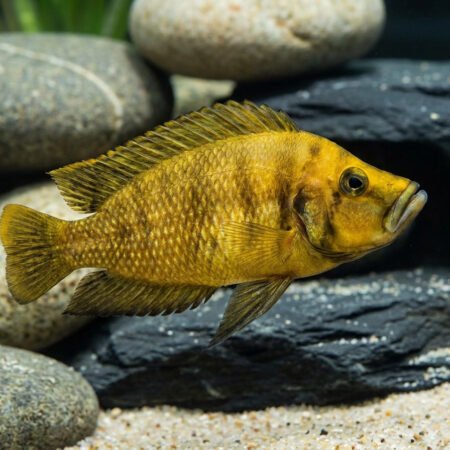 Gold Compressiceps – Altolamprologu
 Subtotal: £15.48
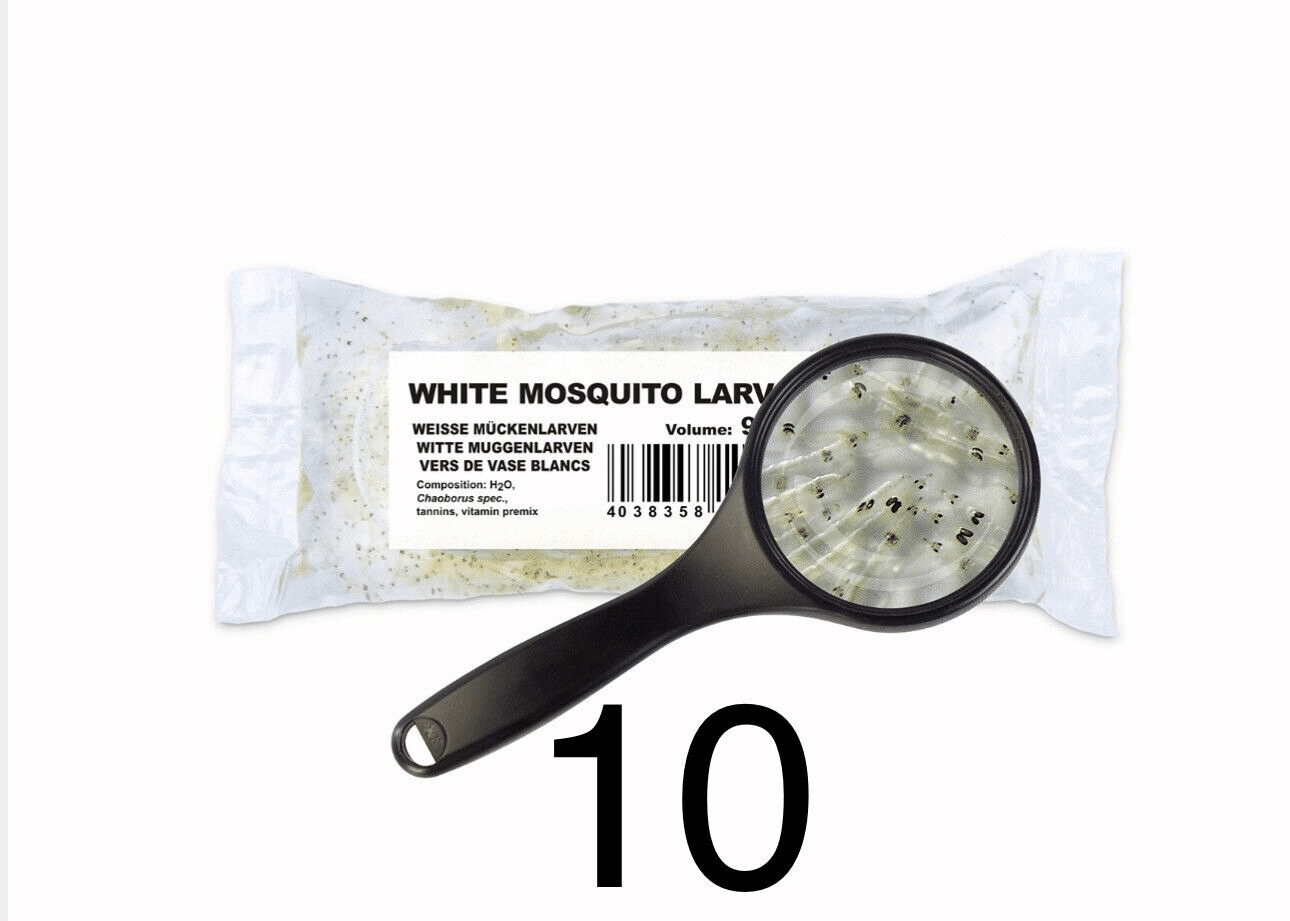
Original price was: £20.49.£17.42Current price is: £17.42.
Welcome these beautiful creatures into your aquarium with our 10 X 90 ML LIVE WHITE MOSQUITO LARVAE. Perfect for guppies and bettas, this high-quality fish food offers optimal nutrition for freshwater and marine fish. Each 900ml pack features 10 individual portions for easy feeding.
In stock
| Optimal Living Conditions | |
|---|---|
| Water Temperature | 24-27°C (75-81°F) |
| pH Level | 6.5-7.5 |
| Water Hardness | 4-12 dKH |
| Minimum Tank Size | 80L (20 gal) |
| Salinity | Freshwater |
| Care Level | Beginner Friendly |
✓ Care Level: Easy
Tank Size: Minimum 10 gallons
Water Temperature: 75°F – 82°F (24°C – 28°C)
pH Level: 6.5 – 7.5
Water Hardness: 5 – 15 dGH
The Live White Mosquito Larvae exhibit a natural swimming behavior that is enticing to fish, mimicking the movement of natural prey in the wild. This behavior encourages hunting instincts in fish, promoting active feeding and stimulating their natural predatory instincts. Bettas, known for their vibrant colors and dynamic personalities, respond particularly well to this live food source, showcasing their natural hunting skills. Guppies, on the other hand, display a more social feeding behavior, often schooling together as they chase after the larvae. This not only enhances their physical health but also contributes to their social well-being, as they engage in natural behaviors that are essential for their mental stimulation and overall happiness.
Creating an ideal environment for your fish friends is crucial for their health and well-being. When setting up a tank for guppies and bettas, it is important to consider the substrate, decorations, and overall layout. A fine gravel substrate is recommended, as it allows for easy cleaning and provides a natural look. Incorporating live plants not only enhances the aesthetic appeal of the aquarium but also provides hiding spots and breeding areas for your fish. Decorations like caves and driftwood can create territories, which is particularly important for bettas, as they can be territorial. Ensure that the tank is well-cycled and that water parameters are stable before introducing your aquatic companions to their new home.
Maintaining optimal water quality is essential for the health of your fish friends. The pH level should ideally be between 6.5 and 7.5, with a temperature range of 75°F to 82°F (24°C to 28°C). Regular water testing is crucial to monitor these parameters, along with water hardness, which should be maintained between 5 to 15 dGH. Regular water changes of 10-20% weekly help to keep the environment clean and reduce the buildup of harmful toxins. Utilizing a high-quality filtration system will also aid in maintaining water clarity and quality, ensuring a healthy habitat for your guppies and bettas.
The Live White Mosquito Larvae is an exceptional source of nutrition for guppies and bettas, providing essential proteins and nutrients that promote healthy growth and vibrant coloration. It is recommended to feed your fish these larvae 2-3 times a week, ensuring that they are given only what they can consume in a few minutes to prevent overfeeding. This live food can be supplemented with high-quality flake or pellet food to ensure a balanced diet. The protein-rich content of the mosquito larvae supports muscle development and overall health, making it an ideal choice for those looking to enhance their fish’s diet.
✓ Compatible Tank Mates
– Guppies
– Tetras
– Corydoras
– Neon Tetras
While guppies and bettas can coexist in the same tank, it is crucial to monitor their interactions closely. Bettas can be territorial, especially males, so providing ample hiding spots and space is essential. Community fish like tetras and corydoras can thrive alongside guppies, creating a vibrant and dynamic aquarium environment. However, avoid keeping aggressive species or larger fish that may view your guppies as prey.
Monitoring the health of your fish is a vital aspect of responsible fish care. Common health issues for guppies and bettas include fin rot, ich, and swim bladder disease. Regular observation of your fish’s behavior and physical appearance can help identify early signs of distress. Providing a high-quality diet, maintaining excellent water quality, and ensuring a stress-free environment are key factors in disease prevention. If any health issues arise, it is essential to act quickly and consult with a knowledgeable aquarium professional for appropriate treatment options.
Breeding guppies and bettas can be a rewarding experience for aquarists. Guppies are livebearers, meaning they give birth to live fry rather than laying eggs. To breed guppies, provide a separate breeding tank with plenty of vegetation for the fry to hide in. Males can be identified by their colorful tails and smaller size, while females are larger and have a gravid spot indicating pregnancy. Bettas, on the other hand, require specific conditions for breeding, including a separate breeding tank with a bubble nest. After spawning, it is crucial to remove the female to prevent aggression. Fry care involves providing finely crushed food and ensuring a stable environment for growth.
Introducing new fish to your aquarium requires a careful acclimation process to reduce stress and ensure a smooth transition. Begin by floating the sealed bag containing the fish in the aquarium for about 15-20 minutes to equalize the temperature. After that, gradually mix small amounts of aquarium water into the bag over the next hour. This method helps the fish adjust to the new water parameters. Once acclimated, gently release the fish into the tank using a net to avoid adding bag water, which may contain harmful substances.
Caring for guppies and bettas involves understanding their lifecycle and growth expectations. Guppies typically live for 2-3 years, while bettas can live up to 5 years or more with proper care. Regular maintenance, including water changes, tank cleaning, and monitoring for signs of stress or illness, is essential for their longevity. Providing a varied diet and a stimulating environment will enhance their quality of life and promote healthy aging. Remember that each fish is unique, and understanding their individual needs will lead to a thriving aquarium.
Recreating the natural habitat of guppies and bettas can enhance their well-being and reduce stress. Incorporate live plants, such as Java moss and Anubias, to mimic their natural environment. Create hiding spots with driftwood and rocks, allowing fish to establish territories and feel secure. Maintain a gentle water flow to simulate their natural habitat, as stagnant water can lead to health issues. By focusing on biotope setup, you can create a thriving ecosystem that reflects their natural surroundings.
Seasonal changes can affect the care of your fish friends. During warmer months, ensure that the water temperature does not exceed 82°F (28°C) by using fans or air conditioning. In colder months, consider using an aquarium heater to maintain a stable temperature. Additionally, adjust the lighting duration to mimic natural day and night cycles, promoting healthy behaviors and breeding. Regularly check water parameters to ensure they remain stable throughout the seasons.
For those looking to enhance their fish care experience, consider the following expert tips: 1) Invest in a high-quality water testing kit to monitor parameters accurately. 2) Regularly rotate the diet of your fish to include various food types, ensuring they receive balanced nutrition. 3) Observe your fish’s behavior closely; any changes can indicate health issues. 4) Maintain a consistent cleaning schedule to prevent algae buildup and maintain water clarity. 5) Engage with local aquarist communities for shared knowledge and support.
Common problems in aquariums can often be resolved with careful observation and quick action. If you notice signs of stress, such as rapid gill movement or hiding, check water parameters immediately. If fish are not eating, consider the possibility of illness or stress from tank mates. In cases of disease, isolate affected fish and consult with an aquarium professional for treatment options. Maintaining a clean environment and stable water conditions will significantly reduce the likelihood of issues arising.
Understanding the scientific background of your fish friends can enhance your care techniques. Guppies (Poecilia reticulata) are known for their adaptability and are one of the most popular freshwater fish. Bettas (Betta splendens), originating from Southeast Asia, are recognized for their vibrant colors and unique behaviors. Research into their dietary needs emphasizes the importance of live foods like mosquito larvae, which provide essential nutrients for growth and vitality. Conservation efforts for both species focus on habitat preservation and responsible breeding practices to ensure their continued availability in the aquarium trade.
For experienced aquarists, advanced care techniques can further enhance the health and beauty of your fish friends. Consider implementing a breeding program to selectively breed for desired traits in guppies, focusing on color and fin shape. Utilize a variety of feeding methods, including live and frozen foods, to provide a well-rounded diet. Experiment with aquascaping techniques to create visually stunning environments that mimic natural habitats. Regularly participate in aquarium shows or competitions to gain insights and share knowledge with fellow enthusiasts.
Monitoring Tip: Test water parameters weekly and perform regular water changes to maintain optimal conditions for your aquatic friends!
Feeding quantities can vary depending on the size and species of your fish. Generally, a good rule of thumb is to offer an amount that can be consumed within 2-3 minutes. For smaller fish, a few larvae may suffice, whilst larger species may require several more. Overfeeding can lead to water quality issues, so it’s essential to observe your fish and adjust accordingly. Regularly monitor how quickly they consume the larvae to establish a suitable feeding quantity tailored to your aquatic companions’ needs.
✓ Expert Tip
Consider using a feeding ring to keep the larvae in one area, making it easier for your fish to find and consume them.
It is advisable to feed your fish live white mosquito larvae 2-3 times a week as part of a varied diet. This frequency allows your fish to benefit from the high protein content without overwhelming their digestive system. Ensure that you also incorporate other food types, such as flakes or pellets, to provide a balanced diet. Adjust feeding frequency based on your fish’s activity levels, growth stages, and specific dietary needs to optimise their health and vitality.
✓ Expert Tip
Always observe your fish post-feeding to ensure they are thriving and not exhibiting signs of stress or overfeeding.
Live white mosquito larvae are excellent for a variety of freshwater fish, especially carnivorous and omnivorous species. Popular choices include bettas, guppies, tetras, and cichlids. It’s essential to ensure that the size of the larvae is appropriate for your fish; smaller species may struggle with larger larvae. Always consider the dietary requirements of your specific fish to optimise their health and growth.
✓ Expert Tip
Introduce new food gradually to avoid shocking your fish, especially if they are not accustomed to live food.
To maintain the freshness of live white mosquito larvae, store them in a cool, dark place, ideally in a refrigerator. Use a breathable container, such as a mesh bag or a container with small holes, to allow for airflow. Avoid submerging them in water, as this can lead to rapid spoilage. Ensure to use them within a week for optimal nutrition. Regularly check for any signs of decay and dispose of any larvae that appear unhealthy.
✓ Expert Tip
Consider portioning the larvae into smaller amounts before refrigerating to minimise exposure to air and moisture.
Yes, feeding live white mosquito larvae can impact water quality, particularly if overfed. Uneaten larvae can decompose, leading to ammonia spikes and deteriorating water conditions. To mitigate this, ensure you feed appropriate quantities and remove any uneaten food promptly. Regular water testing and maintenance, including partial water changes, are crucial to maintaining a healthy environment for your fish.
✓ Expert Tip
Utilise a high-quality aquarium filter to assist in maintaining water quality and clarity.
Yes, live white mosquito larvae can be an excellent food source for breeding fish, as they are high in protein and can help promote growth in fry. When breeding, providing a varied diet that includes live food can enhance the health and vitality of both the parents and their offspring. Ensure that the larvae are appropriately sized for the fry to avoid any feeding difficulties.
✓ Expert Tip
Consider supplementing with other nutritious foods to ensure a well-rounded diet for your breeding fish.
To transition your fish to live white mosquito larvae, start by offering small quantities alongside their usual food. Gradually increase the amount of larvae while decreasing their regular feed over a week. Monitoring your fish’s response during this period is vital; if they exhibit signs of stress or refuse to eat, slow the transition. This gradual approach helps prevent digestive issues and allows your fish to become accustomed to the new food type.
✓ Expert Tip
Observe your fish closely, and be patient; some may take longer to adapt than others.
Live white mosquito larvae are primarily composed of protein, making them an excellent source of nutrition for your fish. They also contain essential fatty acids, vitamins, and minerals that support overall health and growth. This natural food source mimics the dietary habits of many fish species in the wild and can enhance their colouration and vitality.
✓ Expert Tip
Incorporate a variety of food types in your fish’s diet to ensure they receive a comprehensive range of nutrients.
Live white mosquito larvae provide essential nutrients that promote healthy growth, enhance immune function, and improve overall vitality. Their high protein content is crucial for muscle development and energy, while the presence of fatty acids supports brain function and reproductive health. Regular consumption of live food can lead to more vibrant colours and improved behaviour patterns in your fish, making them more active and engaging companions.
✓ Expert Tip
Monitoring your fish’s growth and activity levels can help you determine if their diet is meeting their nutritional needs.






Emily Carter (verified owner) –
I recently purchased the 10 X 90 ML Live White Mosquito Larvae for my aquarium, and I couldn’t be happier with my decision! As a caring fish parent, I prioritize the health and happiness of my little aquatic friends. After using this product for about two weeks, I’ve noticed my guppies and bettas are more vibrant and active than ever. They absolutely love the larvae and eagerly chase them around the tank, which brings me so much joy to see! Compared to freeze-dried options I’ve tried before, this live food is definitely fresher and more enticing for my freshwater fish. One minor concern is that the packaging could be slightly more eco-friendly, but the quality of the food far outweighs that. I highly recommend this product for anyone looking to enhance their fish’s diet. It’s perfect for both novice and experienced aquarists who want to provide the best nutrition for their pets. Plus, the shipping was speedy, and it arrived in excellent condition!