
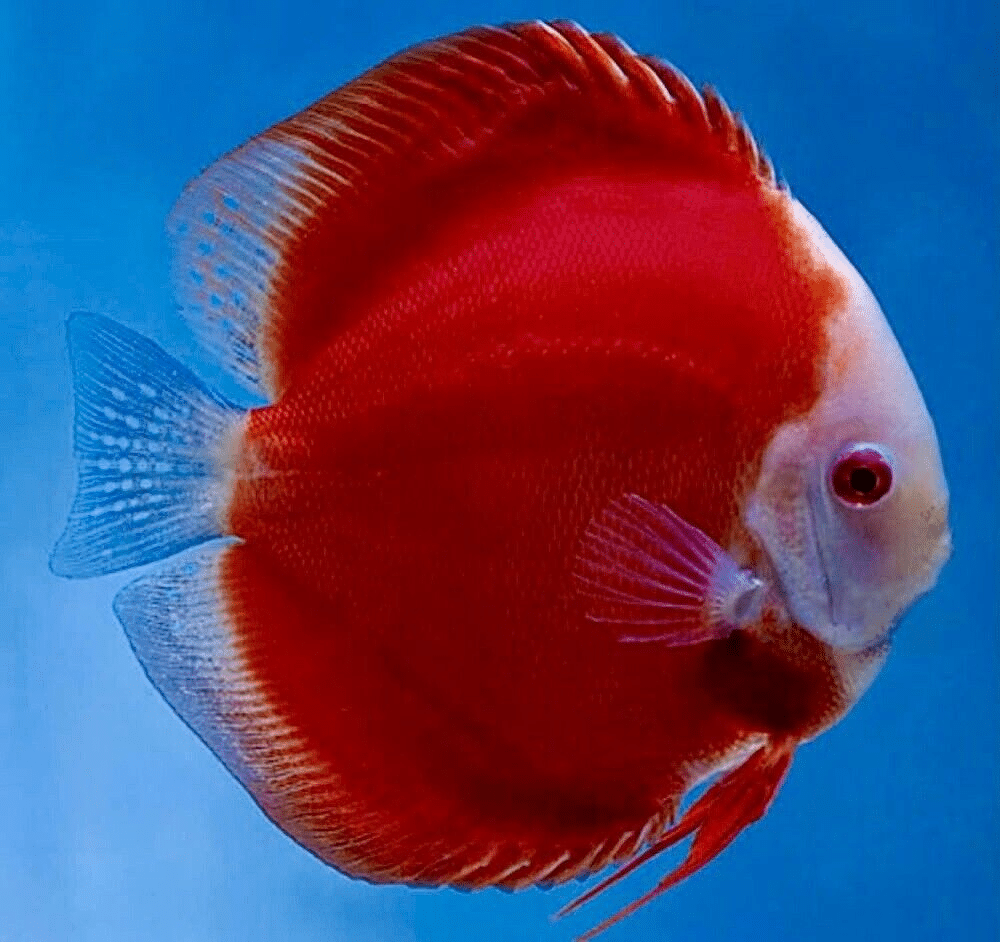
Red Melon Discus (5cm) – Symphysodon Aequifasciatus


Original price was: £50.49.£42.58Current price is: £42.58.
Welcome these beautiful Discus Fish Red Melon Symphysodon Aequifasciatus into your tropical aquarium! Their stunning red melon pattern and elegant movements make them captivating inhabitants. Perfect for aquarists seeking vibrant, peaceful community members to thrive in a well-planted tank.
In stock


Species Introduction
The Discus Fish, scientifically known as Symphysodon aequifasciatus, is a member of the Cichlidae family and is renowned for its vibrant colors and unique shape. Originating from the Amazon River Basin in South America, these elegant fish are often considered the “king of the aquarium” due to their stunning appearance and graceful swimming. The Red Melon variant is particularly admired for its striking red and orange hues, which can add a splash of color to any tropical aquarium. Discus fish thrive in well-maintained freshwater environments, making them a popular choice among aquarists who are passionate about creating beautiful aquatic displays.
Essential Care Guide for Your Discus Fish Red Melon Symphysodon Aequifasciatus 5Cm 2”
| Optimal Living Conditions | |
|---|---|
| Water Temperature | 24-27°C (75-81°F) |
| pH Level | 6.5-7.5 |
| Water Hardness | 4-12 dKH |
| Minimum Tank Size | 80L (20 gal) |
| Salinity | Freshwater |
| Care Level | Beginner Friendly |
Natural Behavior & Temperament
Discus fish are known for their calm and peaceful demeanor, making them excellent additions to community tanks with compatible species. They exhibit fascinating social behaviors, often forming strong bonds with their tank mates. In the wild, Discus are typically found in groups, which is why it is advisable to keep them in schools of at least six individuals in captivity. This social structure helps reduce stress and encourages natural behaviors, such as swimming together and establishing hierarchies. Their graceful swimming patterns and vibrant colors make them a joy to observe, adding life and movement to your aquarium.
Tank Setup Guide
Creating an ideal environment for your Discus Fish involves careful planning and consideration of their natural habitat. A well-planted aquarium with soft, sandy substrate mimics their native waters, providing both aesthetic appeal and comfort. Incorporating live plants such as Amazon swords and Java ferns can offer hiding spots and reduce stress. Additionally, driftwood and rocks can be used to create natural structures within the tank, enhancing the overall design while providing territories for the fish. Ensure that the tank has ample swimming space, as Discus are active swimmers. A cover is also recommended to prevent jumping, as these fish can be quite agile.
Water Quality Management
✓ Water Quality: Essential for Health
pH Level: 6.0-7.5
Temperature: 26-30°C (79-86°F)
Hardness: 1-10 dGH
Maintaining optimal water quality is crucial for the health of your Discus Fish. Regular testing of pH, temperature, and hardness is recommended to ensure a stable environment. Discus prefer slightly acidic to neutral water, and fluctuations can lead to stress and illness. A high-quality filtration system is essential to keep the water clean and free from harmful toxins. Regular water changes of 25-50% every week will help maintain water quality and provide a healthy environment for your fish friends. Additionally, consider using a water conditioner to remove chlorine and chloramine from tap water before adding it to the tank.
Feeding & Nutrition
✓ Diet: Balanced Nutrition is Key
Recommended Foods: High-quality pellets, frozen or live foods
Feeding Frequency: 2-3 times daily
Discus Fish require a varied diet to thrive. High-quality pellets specifically formulated for Cichlids are an excellent staple, but supplementing with frozen or live foods such as bloodworms, brine shrimp, and daphnia can enhance their coloration and overall health. Feeding should occur 2-3 times daily, with small amounts being offered to prevent overfeeding and maintain water quality. Monitor their eating habits closely; any changes can indicate health issues. It is essential to provide a balanced diet to ensure their growth and vitality, as well as to promote their vibrant colors.
Compatibility Guide
✓ Ideal Tank Mates: Peaceful Community Fish
Compatible Species: Tetras, Corydoras, and other peaceful Cichlids
Avoid: Aggressive or fin-nipping species
When selecting tank mates for your Discus Fish, it is crucial to choose peaceful species that will not stress or harm them. Ideal companions include Tetras, such as Neon Tetras and Rummy Nose Tetras, as well as Corydoras catfish. These fish share similar water parameter requirements and can coexist harmoniously. Avoid aggressive species or those known for fin-nipping, as they can cause stress and injury to your Discus. Maintaining a peaceful community tank will ensure your Discus thrive and display their natural beauty.
Health & Wellness
✓ Common Issues: Prevention is Better
Signs of Illness: Lethargy, loss of appetite, discoloration
Prevention: Maintain water quality, regular feeding, and tank maintenance
Keeping your Discus Fish healthy requires vigilance and proactive care. Common health issues include stress-related diseases, such as ich and fin rot, often caused by poor water quality or overcrowding. Signs of illness can include lethargy, loss of appetite, and discoloration. Regular monitoring of water parameters, maintaining a clean environment, and providing a balanced diet are essential preventive measures. Additionally, quarantine new fish before introducing them to your main tank to prevent the spread of diseases.
Breeding Information
✓ Breeding Discus: A Rewarding Experience
Breeding Conditions: Stable water parameters, suitable spawning sites
Fry Care: Special feeding and tank setup
Breeding Discus Fish can be a rewarding experience for dedicated aquarists. To encourage breeding, ensure stable water parameters and provide suitable spawning sites, such as flat surfaces or spawning cones. Once the eggs are laid, both parents will typically guard and care for the fry. It is essential to provide special feeding for the fry, such as infusoria or finely crushed flakes, to support their growth. A separate breeding tank can help protect the young from potential threats in a community setting.
Acclimation Process
✓ Acclimation: Essential for New Arrivals
Method: Drip acclimation recommended
Duration: 1-2 hours
When introducing new Discus Fish to your aquarium, a proper acclimation process is crucial to reduce stress and ensure a smooth transition. The drip acclimation method is highly recommended, as it allows the fish to gradually adjust to the new water conditions. This process typically takes 1-2 hours, during which you can slowly mix the water from the transport bag with the aquarium water. This careful introduction helps prevent shock and increases the chances of successful integration into your aquatic community.
Long-term Care
✓ Lifespan: Up to 10 years with proper care
Growth Expectations: Regular monitoring needed
Discus Fish can live up to 10 years or more when provided with the right care and environment. Regular monitoring of their growth and health is essential to ensure they reach their full potential. As they grow, adjustments may need to be made regarding tank size, water quality, and feeding practices. Keeping a close eye on their behavior and physical condition will help you identify any potential issues early, allowing you to take action to maintain their health and well-being.
Natural Habitat Recreation
✓ Biotope Setup: Mimicking the Amazon Basin
Plants: Amazon swords, floating plants
Substrate: Soft sand or fine gravel
Recreating the natural habitat of Discus Fish can enhance their well-being and promote natural behaviors. Use soft sand or fine gravel as substrate, and incorporate a variety of live plants such as Amazon swords and floating plants to mimic the lush vegetation found in the Amazon River Basin. This setup not only provides hiding spots and territories for the fish but also contributes to the overall aesthetic of the aquarium. Additionally, maintaining slightly dim lighting can help replicate their natural environment, as Discus prefer shaded areas in the wild.
Seasonal Care Adjustments
✓ Seasonal Changes: Adapt Care Accordingly
Temperature Adjustments: Monitor during seasonal shifts
Lighting: Adjust for seasonal variations
As seasons change, so too should your care routine for your Discus Fish. Monitor the temperature closely, especially during seasonal shifts, as fluctuations can stress the fish. Adjust your heater settings to maintain a stable environment within the recommended temperature range of 26-30°C (79-86°F). Additionally, consider adjusting your lighting schedule to mimic natural day and night cycles, which can help regulate their behavior and promote overall health. Keeping a consistent routine will ensure your aquatic companions remain happy and healthy year-round.
Expert Tips
✓ Professional Advice: Enhance Your Experience
Tip: Invest in a quality filtration system
Tip: Regularly monitor water parameters
To enhance your experience with Discus Fish, consider investing in a high-quality filtration system that can handle the bioload of these beautiful creatures. Regular monitoring of water parameters is essential to ensure a stable environment, so keep a reliable test kit on hand. Additionally, consider joining online forums or local aquarium clubs to connect with other enthusiasts who can share valuable insights and tips. Engaging with the aquarium community can provide support and enhance your knowledge, making your journey with Discus Fish even more rewarding.
Troubleshooting
✓ Common Problems: Solutions at Hand
Issue: Cloudy water
Solution: Check filtration and perform water changes
If you encounter issues such as cloudy water in your aquarium, it is essential to address the problem promptly. Cloudiness can indicate a bacterial bloom or inadequate filtration. Check your filtration system to ensure it is functioning correctly and perform a partial water change to help clear the water. Regular maintenance, including cleaning the filter and substrate, can prevent such issues from arising. Staying proactive in your aquarium care will help you maintain a healthy environment for your Discus Fish.
Scientific Background
✓ Taxonomy: Understanding Their Place in Nature
Family: Cichlidae
Order: Perciformes
Understanding the scientific classification of Discus Fish helps appreciate their place in the aquatic ecosystem. Belonging to the family Cichlidae and the order Perciformes, these fish are closely related to other popular aquarium species. Research into their behavior, habitat, and conservation status is essential for responsible fish keeping. As enthusiasts, it is our responsibility to ensure the well-being of these beautiful creatures and to promote sustainable practices in the aquarium trade.
Advanced Care Techniques
✓ Expert-Level Husbandry: Going Beyond Basics
Technique: Use of RO water for optimal parameters
Technique: Regular monitoring of nitrate levels
For those looking to take their care of Discus Fish to the next level, consider using reverse osmosis (RO) water to achieve optimal water parameters. This method allows for precise control over pH and hardness, creating an ideal environment for your fish. Additionally, regularly monitoring nitrate levels is crucial, as high levels can lead to health issues. Implementing advanced filtration systems and regular testing will help you maintain a pristine environment, ensuring the long-term health and happiness of your aquatic companions.
Frequently Asked Questions
Q: What tank size is required for Discus Fish Red Melon?
Discus fish are sociable and thrive in groups, so a minimum tank size of 200 litres is recommended for a small school of 5-6 fish. This ensures ample swimming space and helps reduce stress, as these fish can be quite sensitive. If you plan to keep a larger group or mix with other species, consider a larger aquarium, ideally over 300 litres. Additionally, the tank should be well-filtered and equipped with a heater to maintain stable temperatures, as these fish prefer warm water conditions.
✓ Expert Tip
Ensure your tank has plenty of hiding spots and plants, as this mimics their natural habitats and promotes a sense of security.
Q: What water parameters do Discus Fish require?
Discus fish thrive in soft, slightly acidic water. Ideally, the pH should be maintained between 6.0 and 7.5 with a hardness of 1-10 dGH. Temperature is crucial; maintain it between 26°C to 30°C. Regular water changes of 25-50% weekly are essential to maintain water quality, as these fish are sensitive to pollutants. Use a reliable water testing kit to monitor these parameters regularly, ensuring a stable and healthy environment for your aquatic companions.
✓ Expert Tip
Consider using a reverse osmosis (RO) system to achieve the desired water softness and clarity.
Q: How often should I feed Discus Fish?
Discus fish should be fed 2-3 times daily with a diet rich in high-quality pellets, frozen foods, and live foods. It’s important to provide a varied diet to ensure they receive all necessary nutrients. Each feeding should consist of only what they can consume in 5-10 minutes to prevent overfeeding, which can lead to water quality issues. Regularly adjust their diet based on growth stages and health, ensuring they remain vibrant and healthy.
✓ Expert Tip
Incorporate high-protein foods to support growth, especially for younger discus.
Q: What are the best tank mates for Discus Fish?
Discus fish are generally peaceful and do well in community tanks, but it’s vital to choose compatible tank mates. Ideal companions include peaceful species like tetras, gouramis, and certain types of catfish. Avoid aggressive or nippy fish, as these can stress your discus. Additionally, ensure all fish are of a similar size to prevent bullying. Always introduce new fish gradually to minimise stress and monitor interactions closely.
✓ Expert Tip
Consider keeping a species-only tank if you are new to fish-keeping, as this simplifies care and reduces stress.
Q: How do I properly acclimatise Discus Fish to my aquarium?
Acclimatisation is crucial for the health of your discus fish. Begin by floating the sealed bag in your aquarium for about 15-20 minutes to equalise temperature. After this, gradually mix small amounts of aquarium water into the bag every 5 minutes over the next hour. Finally, gently place the fish into the tank using a net to avoid transferring bag water. This process helps reduce stress and ensures a smoother transition to their new environment.
✓ Expert Tip
Avoid adding the fish to a tank that has recently undergone chemical treatments or high fluctuations in parameters.
Q: What are the signs of healthy Discus Fish?
Healthy discus fish display vibrant colours, clear eyes, and active swimming patterns. They should show interest in food and engage positively with their environment. Look for smooth, unblemished skin without signs of lesions or parasites. Additionally, healthy discus maintain a steady posture in the water rather than floating or sinking. Regular observation will help you spot any changes in behaviour or appearance, allowing for early intervention if health issues arise.
✓ Expert Tip
Keep a close eye on their feeding habits; any sudden changes can indicate stress or illness.
Q: How do I successfully breed Discus Fish?
Breeding discus fish requires careful preparation. First, ensure a breeding pair is established, as they form strong bonds. Provide a separate breeding tank with soft, acidic water and a flat surface for spawning. Maintain stable water parameters and temperature between 28°C to 30°C. After spawning, both parents will guard the eggs, which typically hatch within 48 hours. Feed the fry with specially formulated foods until they are strong enough to handle regular diets. Breeding can be challenging, so patience and observation are key.
✓ Expert Tip
Consider adding a sponge filter to the breeding tank to maintain water quality without risking fry getting sucked in.
Q: What temperature should I maintain for Discus Fish?
Discus fish thrive in warm waters, with an ideal temperature range between 26°C to 30°C. Consistency is crucial, as sudden temperature fluctuations can lead to stress and health issues. Use a reliable aquarium heater and thermometer to monitor the temperature accurately. Regularly check for any fluctuations, especially during seasonal changes or equipment maintenance. Maintaining a stable environment is vital for the overall well-being of your discus.
✓ Expert Tip
Consider using a heater with a built-in thermostat for optimal temperature control.
Q: How long do Discus Fish typically live in captivity?
In optimal conditions, discus fish can live for 10-15 years in captivity, with some reports of individuals living even longer. Their lifespan is heavily influenced by water quality, diet, and overall tank conditions. Regular maintenance, including water changes and parameter checks, is essential to ensure a long and healthy life for these beautiful fish. Proper care and attention to their environment can significantly enhance their longevity.
✓ Expert Tip
Document your fish’s growth and health changes; this can help spot potential issues early.
Q: What type of substrate is most suitable for Discus Fish?
Discus fish prefer a soft substrate, such as fine sand or small, smooth gravel. This type of substrate mimics their natural habitat and provides a comfortable environment for foraging. It is essential to avoid sharp or coarse substrates, which could injure their delicate bodies. Additionally, a soft substrate helps maintain water quality by allowing beneficial bacteria to establish, aiding in the breakdown of waste products.
✓ Expert Tip
Consider adding live plants to your substrate; they enhance water quality and provide hiding spots.
Q: What behavioural patterns should I expect from Discus Fish?
Discus fish are known for their calm and peaceful behaviour. They often swim gracefully and tend to form schools, exhibiting social interactions. It is common to see them establish a hierarchy within their group, which can involve gentle displays of dominance. They may also exhibit territorial behaviour during breeding. Observing their behaviour can provide insights into their well-being; changes may indicate stress or health issues.
✓ Expert Tip
Spend time observing your discus; familiarising yourself with their behaviour can help you spot any issues early.
Q: How can I prevent common diseases in Discus Fish?
Preventing diseases in discus fish involves maintaining optimal water quality, providing a balanced diet, and avoiding overcrowding. Regular water changes and monitoring parameters are essential. Quarantine any new fish before introducing them to the main tank to avoid introducing pathogens. Keeping the tank clean and providing ample hiding spots also helps reduce stress, which can make fish more susceptible to illness. Early detection and treatment of any signs of disease are crucial for their health.
✓ Expert Tip
Consider using a UV steriliser to help keep water clear and reduce pathogen loads.
Q: What lighting conditions do Discus Fish prefer?
Discus fish prefer subdued lighting that mimics their natural habitat in the Amazon River basin. Bright lighting can cause stress, so consider using LED lights with a dimming feature or placing floating plants to create shaded areas. A light cycle of 10-12 hours a day is sufficient, promoting a healthy environment for both fish and plants. Adjust the intensity of the lighting based on the presence of live plants and the overall aesthetics of your aquarium.
✓ Expert Tip
Use a timer to maintain a consistent light schedule, which helps regulate the fish’s natural behaviour.
Q: How do I recognise stress in Discus Fish?
Recognising stress in discus fish is vital for their health. Signs include erratic swimming, hiding excessively, or displaying unusual aggression. Changes in colour, such as fading or darkening, can also indicate stress. Additionally, a loss of appetite or lethargy are common indicators. If you observe these behaviours, assess tank conditions, including water quality, temperature, and tank mates, to identify any potential stressors and rectify the situation promptly.
✓ Expert Tip
Minimise disturbances during feeding or maintenance to help reduce stress levels.
Q: What natural habitat conditions should I replicate for Discus Fish?
To create a suitable habitat for discus fish, replicate the warm, slow-moving waters of the Amazon River. This includes maintaining a slightly acidic pH, soft water, and a temperature range of 26°C to 30°C. Incorporate plenty of plants, driftwood, and hiding spots to mimic their natural environment. Adding leaf litter can also help create a more natural feel, while maintaining good water filtration to keep the environment clean and healthy.
✓ Expert Tip
Regularly research and adjust your setup to ensure it remains optimal as your fish grow.
1 review for Red Melon Discus (5cm) – Symphysodon Aequifasciatus
Add a review
Related products




Emily Carter (verified owner) –
I recently added a Red Melon Discus to my aquarium, and I couldn’t be more thrilled! This beautiful 5 cm tropical fish arrived within a week, and the shipping was fantastic—everything was packed with care. After acclimating him to my tank, which is well-planted and has stable water conditions, I noticed how he immediately brightened up the environment. The rich colors and patterns are even more vibrant than I expected!
As a caring fish parent, I prioritize the health and happiness of my aquatic friends, and so far, this discus has shown no signs of stress. Keep in mind, however, discus fish are sensitive, so it’s crucial to maintain clean water and monitor their diet. I feed him high-quality flakes and occasional bloodworms, and he devours them! Compared to other fish I’ve kept, the discus truly has a personality of its own, often swimming up to greet me when I approach the tank.
I highly recommend the Red Melon Discus to anyone who has a bit of experience with freshwater fish. They’re stunning and rewarding to keep, and they do well in a peaceful community tank. Just remember to provide them with the right conditions for optimal health. I wouldn’t hesitate to buy more in the future!