Species Introduction
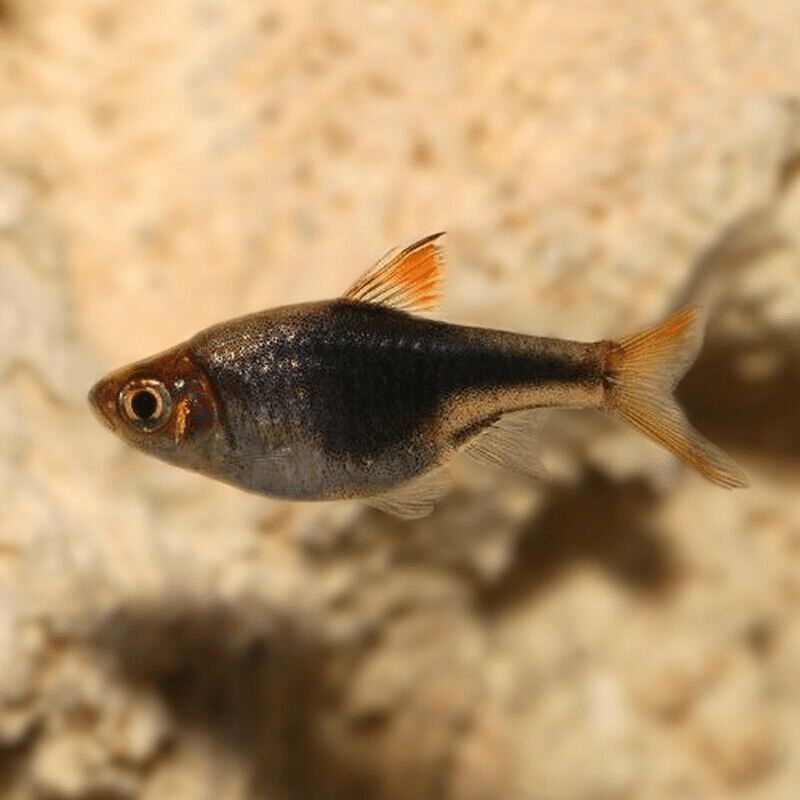
The Black Harlequin Rasbora, scientifically known as Trigonostigma heteromorpha, is a captivating freshwater fish belonging to the Cyprinid family. Originating from the lush waters of Southeast Asia, particularly in regions such as Thailand and Malaysia, these stunning aquatic companions thrive in slow-moving streams and densely vegetated habitats. The Black Harlequin Rasbora is recognized for its distinctive coloration, featuring a striking black triangular patch on its body, which contrasts beautifully with its iridescent scales. These fish are not only visually appealing but also exhibit peaceful behavior, making them ideal for community tanks. Their small size and tranquil nature allow them to coexist harmoniously with a variety of other species, adding vibrancy and life to any aquarium setup.
Care Requirements Dashboard
Essential Care Guide for Your 10 X Black Harlequin Rasboras
| Optimal Living Conditions | |
|---|---|
| Water Temperature | 24-27°C (75-81°F) |
| pH Level | 6.5-7.5 |
| Water Hardness | 4-12 dKH |
| Minimum Tank Size | 80L (20 gal) |
| Salinity | Freshwater |
| Care Level | Beginner Friendly |
Water Quality Parameters
Optimal Range
24-27°C
6.5-7.5
0 ppm
Caution Zone
22-24°C or 27-29°C
6.0-6.5 or 7.5-8.0
0.25-0.5 ppm
Danger Zone
<22°C or >29°C
<6.0 or >8.0
>0.5 ppm
Monitoring Tip: Test water parameters weekly and perform regular water changes to maintain optimal conditions for your aquatic friends!
Natural Behavior & Temperament
The Black Harlequin Rasbora is known for its lively and sociable nature. These fish are naturally found in schools, which means they thrive when welcomed in groups of at least six or more. Their swimming patterns are characterized by graceful movements as they dart through the water, often displaying a playful demeanor. In a community tank, these fish exhibit a peaceful temperament, making them compatible with a variety of other species, including other rasboras, tetras, and small peaceful fish. However, it’s essential to avoid aggressive species that might intimidate or harm them. Observing their social interactions can be quite rewarding, as they often engage in playful chasing and schooling behaviors, creating a dynamic and engaging aquarium environment.
Tank Setup Guide
Creating an ideal environment for your Black Harlequin Rasboras is crucial for their health and happiness. A well-planted aquarium with plenty of hiding spots will mimic their natural habitat and provide them with a sense of security. Use a soft substrate, such as fine gravel or sand, to allow them to forage naturally. Incorporating live plants, driftwood, and rocks can enhance the aesthetic appeal of the tank while providing essential cover. Ensure that the tank is well-cycled and stable before introducing these fish, as they are sensitive to sudden changes in water quality. A gentle filter will help maintain water clarity without creating strong currents, allowing these fish to swim comfortably.
Water Quality Management
Good Water Quality is Essential
Maintaining optimal water conditions is vital for the well-being of Black Harlequin Rasboras. Aim for a pH level between 6.0 and 7.5, with a temperature range of 22-28°C (72-82°F). Regular water changes of 25% every two weeks will help keep nitrate levels low and ensure a clean environment. Test the water parameters regularly using a reliable aquarium test kit to monitor ammonia, nitrite, and nitrate levels. Additionally, consider using a high-quality water conditioner to remove harmful chemicals and chlorine from tap water before adding it to the aquarium.
Feeding & Nutrition
Feeding Black Harlequin Rasboras is a straightforward process, as they are not particularly picky eaters. Their diet should consist of high-quality flake foods, micro-pellets, and live or frozen foods such as daphnia, brine shrimp, and bloodworms. A varied diet will help enhance their coloration and overall health. Feed them small amounts two to three times a day, ensuring they consume all the food within a few minutes to prevent water quality issues. It’s essential to monitor their feeding habits and adjust portions accordingly, as overfeeding can lead to health problems.
Compatibility Guide
Peaceful Community Fish
Black Harlequin Rasboras are known for their peaceful nature, making them excellent additions to community tanks. They can coexist with various species, including other small rasboras, tetras, guppies, and peaceful bottom dwellers like Corydoras. However, it’s crucial to avoid aggressive fish that may harass or bully them. When selecting tank mates, consider the size and temperament of potential companions to ensure a harmonious environment. A well-balanced community tank will not only enhance the beauty of your aquarium but also provide a stress-free habitat for all inhabitants.
Health & Wellness
Maintaining the health and wellness of your Black Harlequin Rasboras involves regular monitoring and preventive care. Common health issues include ich, fin rot, and swim bladder disease. To prevent these conditions, ensure that water quality is consistently high and that the tank is not overcrowded. Regularly observe your fish for signs of illness, such as changes in behavior, loss of appetite, or visible abnormalities. If any health issues arise, prompt treatment is crucial. Quarantine any new fish before introducing them to the main tank to prevent the spread of diseases.
Breeding Information
Breeding Tips
Breeding Black Harlequin Rasboras can be a rewarding experience for aquarists. To encourage spawning, provide a separate breeding tank with soft, slightly acidic water and plenty of fine-leaved plants for the eggs to adhere to. The ideal temperature for breeding is around 26-28°C (78-82°F). Once the female lays eggs, remove the parents to prevent them from eating the eggs. The eggs will hatch in about 24-36 hours, and the fry should be fed infusoria or finely crushed flakes until they are large enough to consume larger foods. Proper care during this stage is essential for ensuring a healthy population of young rasboras.
Acclimation Process
Acclimating your Black Harlequin Rasboras to their new environment is a vital step in ensuring their health and well-being. Upon receiving the fish, float the sealed bag in the aquarium for about 15-20 minutes to equalize the temperature. After this, gradually introduce small amounts of tank water into the bag over the course of an hour. This slow acclimation process helps the fish adjust to the water parameters of their new home. Once acclimated, gently release them into the tank using a net to avoid adding any transport water that may contain harmful substances.
Long-term Care
Caring for your Black Harlequin Rasboras over the long term involves regular maintenance and monitoring of their environment. These fish can live up to 5-7 years with proper care, so establishing a routine for water changes, feeding, and health checks is essential. Keep an eye on their growth and behavior, and be prepared to adjust tank conditions as needed. Regularly test water parameters and maintain a stable environment to promote longevity and health. Engaging with your fish friends daily will also help you notice any changes in behavior or health, allowing for prompt action if needed.
Natural Habitat Recreation
Biotope Setup
To recreate the natural habitat of Black Harlequin Rasboras, focus on creating a densely planted aquarium with plenty of hiding spots. Use driftwood and rocks to simulate their natural environment, and ensure the substrate is soft to allow for natural foraging behaviors. Incorporating floating plants can provide shade and cover, mimicking the conditions found in their native waters. Maintaining a gentle water flow will also help replicate their natural habitat, allowing them to feel secure and comfortable.
Seasonal Care Adjustments
As seasons change, so too may the needs of your Black Harlequin Rasboras. During warmer months, ensure that the water temperature does not exceed 28°C (82°F) to prevent stress. Consider using a fan or air conditioning to maintain a stable environment. In cooler months, monitor the temperature closely and use a heater if necessary. Additionally, adjusting the lighting duration can help mimic natural seasonal changes, promoting healthy growth and behavior. Regularly check water parameters to ensure optimal conditions throughout the year.
Expert Tips
Professional Advice
To enhance the care of your Black Harlequin Rasboras, consider keeping a larger school of them to encourage natural schooling behavior. This not only benefits their mental well-being but also creates a stunning visual display in your aquarium. Additionally, providing a varied diet will help maintain their vibrant colors and overall health. Regularly engage with your fish to observe their behavior and ensure they are thriving in their environment.
Troubleshooting
If you encounter issues with your Black Harlequin Rasboras, such as changes in behavior or health, it’s essential to address them promptly. Common problems include stress from poor water quality or incompatible tank mates. Conduct regular water tests to monitor parameters and make necessary adjustments. If you notice signs of illness, such as loss of appetite or abnormal swimming patterns, consider isolating the affected fish and consulting with an aquatic veterinarian for guidance on treatment options. Maintaining a stable and clean environment is key to preventing many health issues.
Scientific Background
Taxonomy and Conservation
The Black Harlequin Rasbora belongs to the family Cyprinidae, which includes a wide variety of freshwater fish. While specific scientific data on their population status is limited, habitat destruction and pollution pose potential threats to their natural environment. As responsible aquarists, it’s essential to source these fish from reputable breeders who practice sustainable collection methods. By providing a suitable home for these fish, you contribute to their conservation and well-being.
Advanced Care Techniques
For experienced aquarists looking to enhance their care for Black Harlequin Rasboras, consider implementing advanced techniques such as live food cultures to promote optimal health and vitality. Cultivating your own live food, such as brine shrimp or daphnia, can provide essential nutrients and stimulate natural hunting behaviors. Additionally, experimenting with different plant species and aquascaping designs can create a more dynamic environment that encourages natural behaviors and enhances the overall aesthetic of your aquarium.
Frequently Asked Questions
Q: What tank size is required for Black Harlequin Rasboras?
Black Harlequin Rasboras thrive in tanks that are at least 60 litres (15 gallons) in size. This size allows for adequate swimming space and helps maintain stable water parameters. A larger tank is preferable, especially if you plan to keep a school of at least six individuals, as they are social fish. Ensure the tank is well-planted with open swimming areas, as this mimics their natural habitat and provides security. Additionally, a tank height of at least 30 cm (12 inches) is recommended to allow for their natural behaviour of swimming at various levels.
✓ Expert Tip
Consider creating a densely planted area with floating plants to provide shade and reduce stress.
Q: What water parameters do Black Harlequin Rasboras require?
Black Harlequin Rasboras prefer slightly acidic to neutral water conditions, with a pH range of 6.0 to 7.5. The ideal temperature range is between 24°C to 28°C (75°F to 82°F). It is crucial to maintain water hardness between 5 to 15 dGH. Regular water changes of at least 25% weekly will help maintain these parameters and ensure a healthy environment. Use a reliable water testing kit to monitor these conditions, as fluctuations can lead to stress and health issues in your fish friends.
✓ Expert Tip
Consider using a high-quality water conditioner to remove harmful chemicals from tap water.
Q: How often should I feed Black Harlequin Rasboras?
Feed your Black Harlequin Rasboras small amounts of food two to three times daily. A varied diet is essential for their health, including high-quality flake food, micro-pellets, and occasional live or frozen foods such as brine shrimp or daphnia. Be cautious not to overfeed, as this can lead to poor water quality and health issues. Observe your fish during feeding; they should consume the food within a few minutes. If any food remains after this time, reduce the quantity in future feedings to maintain water quality.
✓ Expert Tip
Consider incorporating a feeding schedule to ensure your fish friends receive proper nutrition consistently.
Q: What are the best tank mates for Black Harlequin Rasboras?
Black Harlequin Rasboras are peaceful fish that thrive in community tanks. Suitable tank mates include other small, non-aggressive species such as Tetras, Corydoras, and small Gouramis. Avoid larger or aggressive fish, as they may stress or harm your Rasboras. Keeping them in schools of six or more will encourage natural schooling behaviour and reduce stress. Always observe interactions when introducing new tank mates, and be prepared to separate them if any aggression occurs.
✓ Expert Tip
Consider adding plants and hiding spots to create a more harmonious environment.
Q: How do I properly acclimatise Black Harlequin Rasboras to my aquarium?
Acclimatisation is crucial to ensure the health of your Black Harlequin Rasboras. Start by floating the sealed bag in your aquarium for about 15-20 minutes to equalise the temperature. Then, gradually add small amounts of aquarium water to the bag every 5-10 minutes for about an hour. This process helps your fish adjust to the water parameters of their new home. After acclimatisation, gently net the fish into the aquarium without adding the bag water, as it may contain harmful substances.
✓ Expert Tip
Avoid adding too many fish at once; introduce them gradually to reduce stress on your aquarium’s ecosystem.
Q: What are the signs of healthy Black Harlequin Rasboras?
Healthy Black Harlequin Rasboras exhibit vibrant colours, active swimming behaviour, and a keen interest in their environment. They should have smooth scales without any lesions, and their fins should be intact and not frayed. Additionally, observe their social interactions; they should be schooling and not isolated. If your fish are hiding excessively or displaying signs of stress, such as rapid gill movement or clamped fins, it may indicate underlying health issues or unsuitable tank conditions.
✓ Expert Tip
Regularly monitor water parameters and conduct routine health checks to ensure your fish friends remain in optimal condition.
Q: How do I successfully breed Black Harlequin Rasboras?
Breeding Black Harlequin Rasboras can be a rewarding endeavour. To encourage spawning, provide a separate breeding tank with a gentle sponge filter and fine-leaved plants or spawning mops for the eggs. Maintain slightly softer water with a pH of around 6.0 and a temperature of 26°C (79°F). Once conditioned, the female will lay eggs, which the male will fertilise. After spawning, remove the adults to prevent them from eating the eggs. The eggs should hatch within 24-36 hours, and the fry can be fed infusoria or finely crushed flake food until they are large enough for baby brine shrimp.
✓ Expert Tip
Keep the breeding tank well-lit to encourage the spawning behaviour of your Rasboras.
Q: What temperature should I maintain for Black Harlequin Rasboras?
The ideal temperature range for Black Harlequin Rasboras is between 24°C and 28°C (75°F to 82°F). Maintaining a stable temperature within this range is crucial for their health and wellbeing. Sudden temperature fluctuations can lead to stress and susceptibility to disease. Using a reliable aquarium heater with a thermometer will help you keep the temperature consistent. Regularly check the temperature, especially during seasonal changes, to ensure your fish friends remain comfortable and healthy.
✓ Expert Tip
Consider using a programmable heater to automate temperature control.
Q: How long do Black Harlequin Rasboras typically live in captivity?
With proper care, Black Harlequin Rasboras can live for 5 to 8 years in captivity. Providing a suitable environment with stable water parameters, a balanced diet, and regular maintenance will contribute to their longevity. Regular health checks and prompt action at the first signs of illness will also help ensure a longer life. Remember that stress and poor water quality can significantly reduce their lifespan, so create a peaceful and enriching habitat for your fish friends.
✓ Expert Tip
Consider documenting any changes in behaviour or health to identify patterns that may affect their wellbeing.
Q: What type of substrate is most suitable for Black Harlequin Rasboras?
A fine substrate is ideal for Black Harlequin Rasboras, as it allows for easy digging and creates a more natural environment. Options such as sand or small gravel are both suitable. Avoid sharp substrates that could injure their delicate bodies. Additionally, incorporating live plants and hiding spots will enhance the aesthetic of the tank while providing security for the fish. Regularly vacuum the substrate during water changes to prevent detritus build-up and maintain water quality.
✓ Expert Tip
Consider using a substrate with natural colours to enhance the visual appeal of your aquarium.
Q: What behavioural patterns should I expect from Black Harlequin Rasboras?
Black Harlequin Rasboras are known for their peaceful and social behaviour. They prefer to swim in schools, which helps them feel secure and reduces stress. You will often observe them foraging for food in the mid to upper levels of the tank, showcasing their lively nature. They may display playful interactions with one another, especially during feeding times. It is essential to provide them with a well-planted tank with open swimming spaces to encourage their natural behaviour and reduce any signs of stress.
✓ Expert Tip
Observe their behaviour regularly to spot any signs of stress or illness early.
Q: How can I prevent common diseases in Black Harlequin Rasboras?
Preventing diseases in Black Harlequin Rasboras starts with maintaining excellent water quality. Regular water changes and monitoring water parameters are essential. Avoid overfeeding, as this can lead to poor water conditions. Quarantine any new fish before introducing them to your tank to prevent the spread of diseases. Additionally, providing a varied diet rich in nutrients supports their immune system. Observe your fish regularly for any signs of illness, such as changes in behaviour or appearance, and address any issues promptly.
✓ Expert Tip
Consider using a high-quality aquarium salt to support gill health and reduce stress during treatment.
Q: What lighting conditions do Black Harlequin Rasboras prefer?
Black Harlequin Rasboras thrive in moderate lighting conditions. They prefer a well-lit tank that is not overly bright, as excessive light can cause stress. Using a combination of LED lights with a timer can help create a natural day-night cycle. Consider adding floating plants or taller plants to provide shaded areas where your fish can retreat if they feel overwhelmed. This balance in lighting will also promote healthy plant growth, enhancing your aquarium’s overall aesthetic.
✓ Expert Tip
Adjust the lighting duration to approximately 10-12 hours a day for optimal plant health and fish comfort.
Q: How do I recognise stress in Black Harlequin Rasboras?
Recognising stress in Black Harlequin Rasboras is crucial for their wellbeing. Signs of stress may include erratic swimming patterns, hiding excessively, or staying near the surface of the water. Their colour may also fade, and they may exhibit clamped fins or rapid gill movements. If you observe these behaviours, assess the water parameters and overall tank environment. It might be necessary to reduce tank mates, improve hiding spots, or enhance water quality to alleviate stressors.
✓ Expert Tip
Implement gradual changes to the tank environment to avoid shocking your fish friends.
Q: What natural habitat conditions should I replicate for Black Harlequin Rasboras?
In their natural habitat, Black Harlequin Rasboras are typically found in slow-moving waters with plenty of vegetation. To replicate these conditions, provide a well-planted tank with hiding spots using driftwood, rocks, and dense foliage. The substrate should be soft and fine, mimicking their natural environment. Maintaining slightly acidic to neutral pH and stable temperatures will further enhance their comfort and reduce stress. This setup not only benefits the fish but also creates a visually appealing aquarium.
✓ Expert Tip
Consider adding floating plants to diffuse light and create a more natural environment.
Emily Carter (verified owner) –
I recently added 10 Black Harlequin Rasboras to my community tank, and I couldn’t be happier! These little guys, also known as mosquito rasboras, are not only stunning with their vibrant colors, but they also have such delightful personalities. I purchased them about three weeks ago, and they’ve acclimated beautifully. They swim actively in the mid-level of the tank, often schooling together, which is just a joy to watch.
Their diet has been easy to manage too; they readily accept high-quality flakes and frozen foods, which is essential for their health. I’ve noticed they are particularly fond of daphnia, which I’ve started offering as a treat. Compared to other similar fish I’ve kept, the Harlequin Rasboras seem to be more resilient and less stressed in a community setting.
One minor observation is that they can be a bit skittish at first, but that’s typical for new fish. A well-planted tank helps them feel safe. I highly recommend these fish for beginners and experienced hobbyists alike, particularly if you’re looking for peaceful additions to your aquarium. Overall, I would definitely buy them again and encourage others to give them a try! They bring such life and color to my tank, and knowing they’re thriving makes me a proud fish parent.