

10 X Red-Bellied Pacu – Piaractus Brachypomus – South American Tetras

Original price was: £50.49.£42.58Current price is: £42.58.
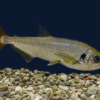
Welcome these beautiful Red-Bellied Pacu, a stunning addition to your aquarium. This listing includes 10 individual Piaractus Brachypomus, known for their vibrant red bellies and graceful swimming. Perfect for community tanks, they thrive in groups and bring life to your aquatic environment.
In stock
Species Introduction
The Red-Bellied Pacu, scientifically known as Piaractus Brachypomus, is a fascinating species of freshwater fish originating from the rivers and streams of South America, particularly in the Amazon Basin. These beautiful creatures are part of the Characidae family, which includes a variety of other popular aquarium fish such as tetras and piranhas. The Red-Bellied Pacu is known for its striking appearance, characterized by a deep, laterally compressed body and a vibrant red or orange belly that becomes more pronounced as they mature. In their natural habitat, these fish thrive in warm, slow-moving waters filled with aquatic vegetation, where they can forage for fruits, seeds, and plant matter. As a schooling fish, they are often found in groups, exhibiting a friendly and social demeanor that makes them a delightful addition to any community tank.
Care Requirements Dashboard
Essential Care Guide for Your 10 X Red-Bellied Pacu – Piaractus Brachypomus – South American Tetras
| Optimal Living Conditions | |
|---|---|
| Water Temperature | 24-27°C (75-81°F) |
| pH Level | 6.5-7.5 |
| Water Hardness | 4-12 dKH |
| Minimum Tank Size | 80L (20 gal) |
| Salinity | Freshwater |
| Care Level | Beginner Friendly |
When considering the care requirements for the Red-Bellied Pacu, it is essential to provide a spacious and well-maintained environment. A minimum tank size of 200 liters is recommended to accommodate their size and active swimming behavior. The water parameters should be carefully monitored, with a pH level between 6.0 and 7.5, a temperature range of 24 to 28 degrees Celsius, and a hardness level of 5 to 15 dGH. Regular water changes and the use of high-quality filtration systems are crucial in maintaining optimal water quality, which is vital for the health and well-being of these aquatic companions.
Natural Behavior & Temperament
The Red-Bellied Pacu is known for its peaceful and sociable nature, making it an excellent choice for community tanks. These fish exhibit schooling behavior, preferring to swim in groups of at least five or more individuals. In a well-planted aquarium, they will display natural behaviors such as foraging and exploring their environment. Their friendly disposition allows them to coexist harmoniously with a variety of other species, including tetras, barbs, and peaceful cichlids. However, due to their size, it is important to avoid housing them with smaller fish that may be seen as prey. Observing their interactions can be a rewarding experience, as they often engage in playful swimming and social displays.
Tank Setup Guide
Creating an ideal environment for your Red-Bellied Pacu involves careful consideration of tank setup. Start with a spacious aquarium that allows for ample swimming space. The substrate should be soft, such as fine gravel or sand, to prevent injury to their delicate bodies. Incorporate plenty of hiding spots and decorations, such as driftwood, rocks, and live plants, to mimic their natural habitat. Floating plants can provide shade and reduce light intensity, which is beneficial for their comfort. Ensure that the tank is well-aerated and filtered to maintain water quality. Regularly check for any signs of stress or discomfort, as a well-maintained environment is crucial for their health.
Water Quality Management
Maintaining optimal water quality is essential for the health of your Red-Bellied Pacu. Regular testing of water parameters, including pH, temperature, and hardness, should be conducted to ensure they remain within the recommended ranges. The ideal pH level for these fish is between 6.0 and 7.5, while the water temperature should be maintained between 24 and 28 degrees Celsius. Hardness levels should range from 5 to 15 dGH. Implementing a reliable filtration system and performing regular water changes of 20-30% weekly will help to keep the water clean and free from harmful toxins. Additionally, consider using a water conditioner to remove chlorine and chloramine from tap water before adding it to the tank.
Feeding & Nutrition
Diet: Omnivorous
Feeding Schedule: 2-3 times daily
Food Types: High-quality pellets, flakes, fresh vegetables
The Red-Bellied Pacu is an omnivorous fish, which means they require a balanced diet consisting of both plant and animal matter. A high-quality pellet or flake food formulated for tropical fish should be the staple of their diet. Supplementing their diet with fresh vegetables, such as peas, zucchini, and spinach, will provide essential nutrients and promote healthy digestion. It is recommended to feed them 2-3 times daily, offering only what they can consume within a few minutes to prevent overfeeding and maintain water quality. Observing their feeding behavior can also provide insights into their health, as they are typically enthusiastic eaters.
Compatibility Guide
When selecting tank mates for your Red-Bellied Pacu, it is important to consider their size and temperament. These fish are generally peaceful and can coexist with a variety of community fish, provided they are of a similar size. Suitable tank mates include other tetras, barbs, and peaceful cichlids. However, avoid housing them with smaller fish that may be perceived as prey, as well as aggressive species that could stress them. A well-planned community tank will not only enhance the visual appeal of your aquarium but also create a harmonious environment for all inhabitants. Regular monitoring of interactions between species is essential to ensure compatibility and prevent any potential conflicts.
Tank Mate Compatibility Guide
Great Tank Mates
- Other peaceful community fish
- Corydoras catfish
- Small tetras
- Peaceful dwarf shrimp
Avoid These Tank Mates
- Aggressive cichlids
- Large predatory fish
- Fin nippers
Compatibility Note: Always research specific species requirements and observe fish behavior when introducing new tank mates. Individual fish personalities can vary!
Health & Wellness
Common Issues: Ich, fin rot
Prevention: Regular water changes, proper diet
Signs of Health: Active swimming, bright coloration
Maintaining the health and wellness of your Red-Bellied Pacu involves regular monitoring and proactive care. Common health issues include ich, a parasitic infection that manifests as white spots on the skin, and fin rot, which can occur due to poor water quality or injury. To prevent these issues, ensure that your aquarium is well-maintained with regular water changes and a balanced diet. Signs of a healthy Red-Bellied Pacu include active swimming behavior, bright coloration, and a healthy appetite. If any signs of illness are observed, it is crucial to act quickly by isolating the affected fish and seeking appropriate treatment.
Breeding Information
Breeding Red-Bellied Pacu in captivity can be a rewarding experience, although it requires specific conditions to encourage spawning. These fish are known to be egg scatterers, meaning they will release their eggs into the water column during breeding. To create the ideal conditions for breeding, provide a separate breeding tank with a soft substrate and plenty of hiding spots. The water temperature should be slightly elevated, around 28 degrees Celsius, and the pH should be kept neutral. Once the eggs are laid, they should hatch within 24 to 48 hours. After hatching, it is important to provide appropriate food for the fry, such as infusoria or finely crushed flakes, until they are large enough to consume larger foods.
Acclimation Process
Introducing your Red-Bellied Pacu to a new tank requires a careful acclimation process to minimize stress and ensure a smooth transition. Begin by floating the sealed bag containing the fish in the aquarium for about 15-20 minutes to equalize the temperature. After that, gradually introduce small amounts of tank water into the bag over the course of an hour. This process will help the fish adjust to the new water parameters. Once acclimated, gently release the fish into the tank using a net to avoid adding any transport water. Monitor their behavior closely for the first few days to ensure they are adjusting well to their new environment.
Long-term Care
Caring for your Red-Bellied Pacu over the long term involves understanding their growth expectations and providing an environment that meets their needs. These fish can grow quite large, reaching lengths of up to 30 cm in captivity, so it is essential to plan for their future needs, including a larger tank if necessary. Regular monitoring of water quality and health, along with a balanced diet, will promote healthy growth and longevity. Be prepared to adjust tank conditions as they mature, ensuring that they continue to thrive in a suitable environment throughout their life.
Natural Habitat Recreation
Recreating the natural habitat of the Red-Bellied Pacu in your aquarium can enhance their well-being and encourage natural behaviors. Consider incorporating elements such as driftwood, rocks, and dense vegetation to mimic the slow-moving waters of their native rivers. Using a dark substrate can help to create a more natural appearance and provide contrast to the vibrant colors of your fish. Additionally, incorporating floating plants can provide shade and reduce light intensity, which is beneficial for their comfort. A well-planned aquascape not only enhances the aesthetic appeal of your tank but also contributes to the overall health and happiness of your aquatic companions.
Seasonal Care Adjustments
As seasons change, it is important to make adjustments to the care of your Red-Bellied Pacu to ensure their continued health and comfort. During warmer months, monitor the water temperature closely, as higher temperatures can lead to stress and health issues. Consider using a heater with a thermostat to maintain stable temperatures within the recommended range. In colder months, ensure that the tank is adequately heated to prevent temperature fluctuations. Additionally, adjust the lighting schedule to mimic natural daylight cycles, which can help regulate their behavior and promote overall well-being.
Expert Tips
Professional Advice: Regular monitoring is key
Advanced Techniques: Consider using live plants for better water quality
For those looking to provide the best care for their Red-Bellied Pacu, regular monitoring of water parameters and fish behavior is essential. Consider implementing a routine for water testing and maintenance to ensure optimal conditions. Additionally, incorporating live plants into your aquarium can enhance water quality by absorbing excess nutrients and providing hiding spots for your fish. Engaging with your aquatic companions through observation and interaction can also enrich their lives and strengthen the bond between you and your fish friends.
Troubleshooting
Despite your best efforts, you may encounter challenges while caring for your Red-Bellied Pacu. Common problems include stress from aggressive tank mates, poor water quality, or inadequate diet. If you notice signs of stress, such as hiding or erratic swimming, reassess the tank environment and consider adjusting tank mates or improving water conditions. In cases of illness, prompt action is essential. Isolate affected fish and seek advice from a qualified aquarist or veterinarian to determine the best course of action. Keeping a detailed log of water parameters and fish behavior can also help identify patterns and prevent future issues.
Scientific Background
The Red-Bellied Pacu belongs to the family Characidae, which encompasses a wide variety of freshwater fish species. This family is notable for its diversity and includes well-known species such as tetras and piranhas. The scientific classification of the Red-Bellied Pacu is as follows: Kingdom: Animalia, Phylum: Chordata, Class: Actinopterygii, Order: Characiformes, Family: Characidae, Genus: Piaractus, Species: Brachypomus. Understanding their scientific background can provide valuable insights into their natural behaviors and needs, allowing for more effective care and management in an aquarium setting.
Advanced Care Techniques
For experienced aquarists, advanced care techniques can enhance the health and well-being of your Red-Bellied Pacu. Consider implementing a robust filtration system that includes biological, mechanical, and chemical filtration to maintain pristine water quality. Additionally, utilizing a UV sterilizer can help reduce harmful pathogens and improve overall tank health. Regularly introducing live foods can also provide enrichment and stimulate natural hunting behaviors. Engaging in regular observation and interaction with your fish will help you understand their needs and preferences, allowing for a more fulfilling aquarium experience.
Water Quality Parameters
Optimal Range
24-27°C
6.5-7.5
0 ppm
Caution Zone
22-24°C or 27-29°C
6.0-6.5 or 7.5-8.0
0.25-0.5 ppm
Danger Zone
<22°C or >29°C
<6.0 or >8.0
>0.5 ppm
Monitoring Tip: Test water parameters weekly and perform regular water changes to maintain optimal conditions for your aquatic friends!
Frequently Asked Questions
Q: What tank size is required for Red-Bellied Pacu?
Red-Bellied Pacu are large fish that require ample space to thrive. A minimum tank size of 500 litres (around 132 gallons) is recommended for a small group. As they can grow up to 60 cm (24 inches) in length, larger aquariums are preferable to prevent stunted growth and ensure their well-being. Additionally, these fish are social creatures and should ideally be kept in groups of at least 5-6 individuals to promote natural behaviour and reduce stress. When establishing your aquarium, ensure it is well-filtered and provides sufficient swimming space, as they are active swimmers.
✓ Expert Tip
Consider the adult size of your Pacu when selecting a tank. A larger aquarium will also help maintain stable water parameters, providing a healthier environment.
Q: What water parameters do Red-Bellied Pacu require?
Maintaining optimal water parameters is crucial for the health of Red-Bellied Pacu. They thrive in water temperatures between 24°C to 28°C (75°F to 82°F) and prefer slightly acidic to neutral pH levels, ideally between 6.5 and 7.5. Regular water changes of 20-30% weekly can help to maintain water quality. Additionally, ensure that ammonia and nitrite levels remain at 0 ppm, whilst nitrate levels should be kept below 40 ppm. Monitoring these parameters regularly with a reliable test kit will help prevent stress and disease in your fish.
✓ Expert Tip
Consider investing in a high-quality filtration system to help maintain water quality, as Pacu produce a significant amount of waste.
Q: How often should I feed Red-Bellied Pacu?
Feeding Red-Bellied Pacu involves offering a balanced diet to support their growth and health. It is advisable to feed them 2-3 times per day, providing only as much food as they can consume in about 5-10 minutes. Their diet should consist of high-quality pellets, fresh vegetables, and occasional protein sources like shrimp or fish. Be cautious of overfeeding, as uneaten food can pollute the water and lead to health issues. Regularly varying their diet will also ensure they receive all necessary nutrients.
✓ Expert Tip
Introduce vegetables like courgette or spinach to their diet to replicate their natural herbivorous tendencies and promote digestive health.
Q: What are the best tank mates for Red-Bellied Pacu?
Red-Bellied Pacu are generally peaceful but can be territorial, especially as they mature. Ideal tank mates include similarly-sized, non-aggressive fish such as larger tetras, barbs, and catfish. Avoid small fish, as Pacu may see them as food. It is important to consider the swimming space and the size of your aquarium, as overcrowding can lead to stress and aggression. Always monitor the interactions between your fish and be prepared to separate them if any signs of bullying occur.
✓ Expert Tip
Introduce new tank mates gradually to allow the Pacu to adjust and minimise territorial disputes.
Q: How do I properly acclimatise Red-Bellied Pacu to my aquarium?
Acclimatisation is crucial to ensure the health and well-being of your Red-Bellied Pacu. Start by floating the sealed bag in your aquarium for about 15-20 minutes to equalise the water temperatures. After this, gradually introduce small amounts of tank water into the bag every 5-10 minutes. This process should continue for at least an hour to allow the fish to adjust to the water parameters. Finally, gently release the Pacu into the tank, avoiding adding bag water, which may contain harmful substances.
✓ Expert Tip
Monitor the fish closely for the first few days to ensure they are settling in without stress or aggression.
Q: What are the signs of healthy Red-Bellied Pacu?
Healthy Red-Bellied Pacu exhibit vibrant colouration, active swimming behaviour, and a good appetite. Their fins should be fully extended and intact, without any signs of tears or damage. Additionally, observe their body; it should be free from lesions, swelling, or other abnormalities. Regularly monitoring their behaviour during feeding and swimming can help you identify any potential health issues early. If you notice lethargy, loss of appetite, or unusual swimming patterns, it may indicate stress or illness.
✓ Expert Tip
Regular health checks and water quality monitoring can help maintain the well-being of your Pacu.
Q: How do I successfully breed Red-Bellied Pacu?
Breeding Red-Bellied Pacu can be challenging, as they require specific conditions. First, ensure that your aquarium is spacious and well-planted, providing hiding spots for the females. Breeding typically occurs in pairs, and the water temperature should be raised to 28°C (82°F). Feed the breeding pair a high-protein diet to promote spawning. After spawning, remove the adults to prevent them from eating the eggs. The eggs will hatch in approximately 24-48 hours, and the fry should be fed infusoria or finely crushed flakes until they grow large enough for small pellets.
✓ Expert Tip
Breeding can be more successful if you have a separate breeding tank prepared in advance.
Q: What temperature should I maintain for Red-Bellied Pacu?
The optimal temperature range for Red-Bellied Pacu is between 24°C to 28°C (75°F to 82°F). Maintaining this temperature range is essential for their metabolism, appetite, and overall health. Sudden fluctuations can lead to stress and illness. A reliable aquarium heater, combined with a thermometer, will help you maintain a stable temperature. Regularly check the temperature, particularly during seasonal changes, to ensure your aquatic companions remain comfortable.
✓ Expert Tip
Consider using a heater with a built-in thermostat for added convenience and accuracy.
Q: How long do Red-Bellied Pacu typically live in captivity?
In captivity, Red-Bellied Pacu can enjoy a lifespan of 15 to 20 years, provided they are given proper care and optimal living conditions. Factors such as diet, water quality, and tank size greatly influence their longevity. Regular health checks, appropriate feeding, and maintaining stable water parameters will contribute to their overall well-being. It is essential to be prepared for their long lifespan when welcoming these beautiful creatures into your home.
✓ Expert Tip
Consider documenting their growth and changes over the years; it can be a rewarding experience!
Q: What type of substrate is most suitable for Red-Bellied Pacu?
For Red-Bellied Pacu, a soft, sandy substrate is recommended. This type of substrate mimics their natural habitat, providing comfort and safety for their delicate bodies. Avoid sharp or rough substrates, as these can injure their skin and fins. A sandy substrate also allows for easy digging and helps maintain water quality by preventing debris accumulation. Additionally, consider adding smooth rocks and driftwood to your aquarium, as they provide hiding spots and enrichment for your fish.
✓ Expert Tip
Regularly clean the substrate to prevent waste build-up and maintain a healthy environment for your aquatic companions.
Q: What behavioural patterns should I expect from Red-Bellied Pacu?
Red-Bellied Pacu are generally peaceful and social fish. They exhibit curious behaviours, often exploring their environment and interacting with other fish. You may observe them swimming in schools, which is a natural behaviour that helps reduce stress. They can also display playful antics, such as chasing each other or playing with decorations. However, as they mature, some individuals may become more territorial, particularly during breeding. Providing ample space and hiding spots can help mitigate aggressive behaviour.
✓ Expert Tip
Ensure your tank is enriched with plants and hiding spots to promote natural behaviours and reduce potential aggression.
Q: How can I prevent common diseases in Red-Bellied Pacu?
Preventing diseases in Red-Bellied Pacu involves maintaining optimal water quality and a stress-free environment. Regular water changes, consistent monitoring of water parameters, and a balanced diet are essential. Quarantine any new fish before adding them to your main tank to minimise the risk of introducing diseases. Additionally, observe your fish closely for any signs of illness, such as changes in behaviour, appetite, or physical appearance. If you notice any issues, consult a veterinarian or experienced aquarist for advice on treatment.
✓ Expert Tip
Investing in a good-quality water testing kit can help you stay on top of water quality and prevent potential health issues.
Q: What lighting conditions do Red-Bellied Pacu prefer?
Red-Bellied Pacu thrive in moderate lighting conditions. Bright lighting can cause stress, so it is advisable to provide shaded areas within the aquarium using plants and decorations. LED lights with a timer can help simulate a natural day/night cycle, which is beneficial for their well-being. Additionally, consider using floating plants to diffuse light and create a more comfortable environment for your fish. Ensuring a balanced light cycle will also promote plant growth if you have live plants in your aquarium.
✓ Expert Tip
Adjust the lighting intensity to observe how your Pacu respond, ensuring they remain active and comfortable.
Q: How do I recognise stress in Red-Bellied Pacu?
Recognising stress in Red-Bellied Pacu involves observing their behaviour and physical appearance. Signs of stress can include erratic swimming, hiding more than usual, and loss of appetite. Additionally, watch for colour fading or clamped fins, which may indicate discomfort. If your Pacu are displaying these behaviours, it may be necessary to assess their environment, including water quality, tank mates, and overall habitat conditions. Addressing any potential stressors promptly will help maintain their health and well-being.
✓ Expert Tip
Regular monitoring and quick intervention can prevent stress from escalating into more serious health issues.
Q: What natural habitat conditions should I replicate for Red-Bellied Pacu?
In their natural habitat, Red-Bellied Pacu inhabit slow-moving rivers and floodplains, often surrounded by dense vegetation. To replicate these conditions, provide plenty of hiding spots using plants, driftwood, and rocks. A sandy substrate mimics their natural environment and allows them to forage naturally. Additionally, maintaining slightly acidic to neutral pH and warm temperatures will help create a comfortable habitat. Regular water changes and filtration will ensure clean, stable conditions, promoting their health and happiness.
✓ Expert Tip
Research their natural behaviours to create a more enriching environment, helping your Pacu thrive in captivity.
1 review for 10 X Red-Bellied Pacu – Piaractus Brachypomus – South American Tetras
Add a review
Related products




Emily Roberts (verified owner) –
I recently added 10 Red-Bellied Pacu to my aquarium, and I couldn’t be happier! These freshwater fish have such vibrant personalities and are absolutely stunning to watch. After about two weeks, I’ve seen them settling in well, swimming around confidently and interacting with each other in ways that bring my tank to life. Their playful nature is a joy to observe! Compared to my experience with neon tetras, the Pacu are not only larger but also more engaging in their behaviors. One minor concern is that they do require a bit more space as they grow, so make sure you have a roomy setup. I’d recommend these beauties for anyone looking to enhance their aquarium with lively fish that bring character and charm. Just ensure you’re prepared for their growth! Overall, I highly recommend the Red-Bellied Pacu for dedicated aquarists who want vibrant and active freshwater fish. They truly make a wonderful addition to any tank!