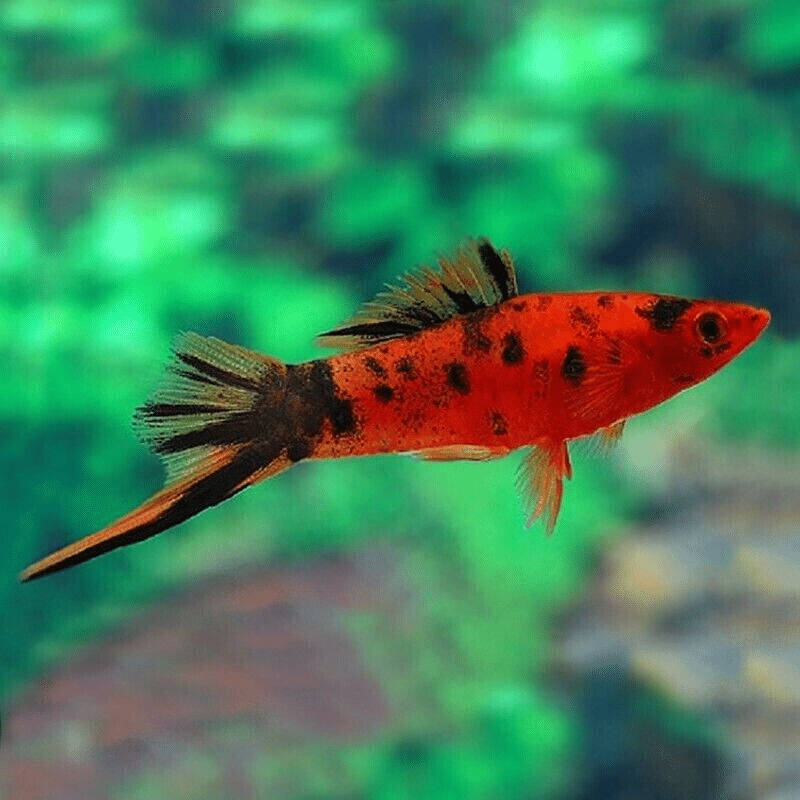
10 X Red Marble Swordtail – Xiphophorus Hellerii – Livebearer

Original price was: £30.99.£26.13Current price is: £26.13.
Welcome these beautiful 10 X Red Marble Swordtails – Xiphophorus Hellerii – into your aquarium. These stunning tropical fish are perfect for planted tanks, showcasing vibrant colors and graceful movements. Ideal for beginners, they thrive in peaceful communities, adding elegance to your space.
In stock


Species Introduction
The Red Marble Swordtail, scientifically known as Xiphophorus hellerii, is a captivating freshwater fish that originates from the warm waters of Central America, particularly in Mexico and Belize. These beautiful tropical fish are part of the livebearer family, meaning they give birth to live young rather than laying eggs. This fascinating reproductive trait, along with their vibrant coloration and peaceful nature, makes them a popular choice for aquarists of all levels.
The Red Marble Swordtail exhibits a stunning blend of red and orange hues, with characteristic marble patterns that add an artistic touch to any aquarium. Their striking appearance, combined with their ease of care, makes them an ideal choice for both beginners and experienced aquarists alike. In their natural habitat, these fish thrive in shallow waters, often found among dense vegetation, which provides them with both shelter and breeding grounds. By recreating a similar environment in your aquarium, you can ensure that these aquatic companions feel at home and flourish in your care.
Care Requirements Dashboard
Essential Care Guide for Your Red Marble Swordtails
| Optimal Living Conditions | |
|---|---|
| Water Temperature | 24-27°C (75-81°F) |
| pH Level | 6.5-7.5 |
| Water Hardness | 4-12 dKH |
| Minimum Tank Size | 80L (20 gal) |
| Salinity | Freshwater |
| Care Level | Beginner Friendly |
Natural Behavior & Temperament
The Red Marble Swordtail is known for its lively and friendly demeanor, making it an excellent addition to community tanks. These fish are active swimmers, often seen darting around the tank, exploring their environment and interacting with their tank mates. Their social nature means they thrive in groups, so it is recommended to keep them in schools of at least five or more. This not only helps reduce stress but also enhances their natural behaviors.
Swordtails are generally peaceful fish, but like any species, they can exhibit territorial behavior, especially during breeding. It’s essential to provide ample space and hiding spots in the aquarium to accommodate their social dynamics. Observing their interactions can be a delightful experience, as they often engage in playful displays and establish hierarchies within their groups. Their vibrant colors and active behavior make them a joy to watch, bringing life and energy to any aquarium setup.
Tank Setup Guide
Creating an ideal environment for your Red Marble Swordtails involves replicating their natural habitat as closely as possible. Start with a spacious tank of at least 20 gallons, as this will provide enough room for swimming and exploring. Substrate choices can include fine gravel or sand, which not only offers a comfortable bottom for the fish but also allows for the growth of beneficial plants.
Incorporating live plants such as Java Fern, Anubias, or Vallisneria can enhance the aesthetic appeal of the aquarium while providing hiding spots and breeding grounds for the fish. Additionally, consider adding driftwood and rocks to create a more natural landscape. These elements not only serve as decorations but also help establish territories and reduce stress among the fish. Ensure that the lighting is moderate, as swordtails prefer a well-lit environment that promotes plant growth but also provides shaded areas for retreat. A well-maintained tank with ample swimming space and hiding spots will encourage your Red Marble Swordtails to thrive and exhibit their natural behaviors.
Water Quality Management
Maintaining optimal water quality is crucial for the health and well-being of your Red Marble Swordtails. Regular water changes are essential to keep the tank environment stable and free from harmful toxins. Aim for a weekly water change of 20-30% to ensure that waste products and excess nutrients are removed from the aquarium.
Monitor the water parameters closely, including pH, temperature, and hardness, to ensure they remain within the recommended ranges. Use a reliable water testing kit to check for ammonia, nitrite, and nitrate levels, as these can significantly impact the health of your fish. Swordtails are sensitive to poor water conditions, so it is vital to address any issues promptly. Additionally, consider using a high-quality filtration system to maintain clear, clean water and promote beneficial bacteria growth. Regularly clean the filter and replace filter media as needed to ensure optimal performance. By prioritizing water quality management, you will create a healthy environment where your Red Marble Swordtails can thrive and flourish.
Feeding & Nutrition
Feeding your Red Marble Swordtails a balanced diet is essential for their growth, health, and vibrant coloration. These fish are omnivorous, meaning they thrive on a varied diet that includes both plant and animal matter. High-quality flake food or pellets specifically formulated for tropical fish should form the basis of their diet.
Supplement their diet with frozen or live foods such as brine shrimp, daphnia, and bloodworms to provide essential nutrients and encourage natural hunting behaviors. It’s important to feed them small amounts 2-3 times a day, ensuring that all food is consumed within a few minutes to prevent water quality issues. Additionally, incorporating vegetable-based foods, such as spirulina or blanched vegetables like zucchini and spinach, can enhance their overall health and coloration. During breeding periods, providing high-protein foods can support the health of both the parents and their fry. By offering a diverse diet, you will ensure that your Red Marble Swordtails receive the nutrition they need to thrive and display their beautiful colors.
Compatibility Guide
The Red Marble Swordtail is known for its peaceful nature, making it an excellent choice for community tanks. These fish can coexist harmoniously with a variety of other species, provided that the tank mates are similarly peaceful and of comparable size. Ideal companions include other livebearers, such as guppies and platies, as well as tetras, rasboras, and corydoras catfish.
However, it is important to avoid pairing them with aggressive or fin-nipping species, as this can lead to stress and injury. When introducing new tank mates, it is advisable to do so gradually, allowing the fish to acclimate to their new environment and each other. Monitor their interactions closely during the initial introduction phase to ensure compatibility. Providing ample hiding spots and territories can help reduce aggression and promote a peaceful community dynamic.
Tank Mate Compatibility Guide
Great Tank Mates
- Guppies
- Platies
- Tetras
- Rasboras
- Corydoras Catfish
Avoid These Tank Mates
- Aggressive species
- Fin-nipping fish
Compatibility Note: Always research specific species requirements and observe fish behavior when introducing new tank mates. Individual fish personalities can vary!
Health & Wellness
Ensuring the health and wellness of your Red Marble Swordtails involves regular monitoring and proactive care. These fish are generally hardy, but they can be susceptible to common freshwater fish diseases, such as ich, fin rot, and velvet disease. Signs of illness may include changes in behavior, loss of appetite, or visible lesions on the body.
To prevent health issues, maintain optimal water quality and avoid overcrowding in the tank. Quarantine new fish before introducing them to your main aquarium to prevent the spread of diseases. In case of illness, prompt treatment is essential. Use appropriate medications based on the specific condition, and ensure that you follow the manufacturer’s instructions carefully. Additionally, providing a stress-free environment with plenty of hiding spots and stable water conditions can significantly enhance the well-being of your fish. Regularly observe your Red Marble Swordtails for any signs of distress or illness, and take immediate action to address any concerns. By prioritizing their health and wellness, you will ensure that your aquatic companions live long and vibrant lives.
Breeding Information
Breeding Red Marble Swordtails can be a rewarding experience for aquarists looking to expand their aquatic family. These livebearers are known for their prolific breeding habits, and with the right conditions, you can expect to see fry in your aquarium within a few weeks. To encourage breeding, provide a separate breeding tank with plenty of hiding spots, such as dense plants or breeding mops, where the female can give birth safely.
The ideal water parameters for breeding include slightly warmer temperatures (around 78°F or 26°C) and slightly acidic to neutral pH levels. When the female is ready to spawn, she will display a swollen abdomen and seek out secluded areas in the tank. After giving birth, the fry should be separated from the adults to prevent them from being eaten. Feed the fry with finely crushed flake food or specialized fry food to ensure proper growth and development. With attentive care and the right environment, you can successfully breed Red Marble Swordtails and enjoy watching the next generation of these beautiful fish thrive.
Acclimation Process
Introducing your new Red Marble Swordtails to their new home requires a careful acclimation process to minimize stress and ensure a smooth transition. Begin by floating the sealed bag containing the fish in the aquarium for about 15-20 minutes. This allows the water temperature in the bag to gradually equalize with that of the tank.
After this, open the bag and slowly add small amounts of tank water to the bag every 5-10 minutes for approximately an hour. This gradual mixing of water helps the fish adjust to the new water chemistry. Once the acclimation period is complete, gently net the fish from the bag and place them into the aquarium, discarding the water from the bag to prevent introducing any contaminants. It is essential to avoid adding bag water to the tank, as it may contain harmful substances. After introducing your Red Marble Swordtails, monitor them closely for signs of stress or distress. Providing a calm and stable environment during this transition period is crucial for their well-being.
Long-term Care
Caring for your Red Marble Swordtails over the long term involves maintaining optimal living conditions and monitoring their health and behavior regularly. These fish can live for several years with proper care, so establishing a routine is essential. Regular water changes, consistent feeding schedules, and routine tank maintenance will help ensure a stable environment.
Keep an eye on their growth and behavior, as changes may indicate health issues or stress. Regularly check water parameters and adjust as necessary to keep them within the recommended ranges. Additionally, providing a varied diet will support their health and vibrant coloration. As they mature, you may notice changes in their appearance, especially during breeding seasons when males become more colorful and display their fins prominently. By being attentive to their needs and creating a nurturing environment, you can enjoy the beauty and companionship of your Red Marble Swordtails for years to come.
Natural Habitat Recreation
Recreating the natural habitat of Red Marble Swordtails in your aquarium can significantly enhance their well-being and encourage natural behaviors. In the wild, these fish inhabit shallow waters with abundant vegetation, which provides both shelter and breeding grounds. To mimic this environment, consider incorporating a variety of live plants, such as Java Moss, Hornwort, and Amazon Sword, which can create a lush, green landscape in your tank.
Additionally, adding driftwood and smooth rocks can provide hiding spots and territories for the fish. Ensure that the lighting is moderate to promote plant growth while also providing shaded areas for the fish to retreat. Maintaining a stable temperature and water quality that closely resembles their natural habitat will help your Red Marble Swordtails thrive. By creating a biotope that reflects their natural environment, you will not only enhance the aesthetic appeal of your aquarium but also contribute to the overall health and happiness of your aquatic companions.
Seasonal Care Adjustments
As seasons change, it is important to adjust your care routine for your Red Marble Swordtails to accommodate fluctuations in temperature, lighting, and tank conditions. During warmer months, ensure that the tank temperature remains stable, as higher temperatures can lead to stress and health issues. Consider using a fan or air conditioning to keep the tank cool if necessary.
In contrast, during colder months, you may need to use a reliable aquarium heater to maintain the appropriate temperature range. Additionally, adjust the lighting duration to mimic natural daylight cycles, which can affect the fish’s behavior and well-being. Regularly monitor water parameters, as seasonal changes can impact pH and hardness levels. By being proactive and adjusting your care routine according to seasonal changes, you can ensure that your Red Marble Swordtails remain healthy and vibrant throughout the year.
Expert Tips
For aquarists looking to enhance their experience with Red Marble Swordtails, here are some expert tips to consider. First, ensure that you provide a varied diet to promote optimal health and coloration. Incorporating high-quality pellets, frozen foods, and fresh vegetables will keep your fish vibrant and active.
Second, consider adding a few more peaceful tank mates to create a more dynamic community. Species such as tetras and rasboras can add color and activity to the tank, enhancing the overall aesthetic. Third, regularly observe your fish for any signs of stress or illness, as early detection is key to successful treatment. Lastly, consider joining an online community or local aquarium club to share experiences and gather advice from fellow aquarists. By implementing these expert tips, you can create a thriving environment for your Red Marble Swordtails and enjoy their beauty for years to come.
Troubleshooting
Despite your best efforts, you may encounter challenges while caring for your Red Marble Swordtails. Common issues include poor water quality, aggression among tank mates, and signs of illness. If you notice any changes in behavior, such as lethargy or loss of appetite, check your water parameters immediately. High levels of ammonia or nitrite can be detrimental to your fish’s health, so regular testing is essential.
If aggression arises, consider rearranging the tank layout to disrupt established territories and reduce stress. Additionally, if you observe any signs of illness, such as white spots or frayed fins, promptly isolate the affected fish and treat them with appropriate medications. Keeping a close eye on your tank’s dynamics and being proactive in addressing issues will help ensure a healthy and harmonious environment for your Red Marble Swordtails.
Scientific Background
The Red Marble Swordtail belongs to the family Poeciliidae, which includes a diverse group of freshwater fish known as livebearers. This family is characterized by their unique reproductive strategy, where females give birth to live young instead of laying eggs. The scientific classification of the Red Marble Swordtail is as follows: Kingdom Animalia, Phylum Chordata, Class Actinopterygii, Order Cyprinodontiformes, and Family Poeciliidae.
Within this family, the genus Xiphophorus encompasses several species, including the popular swordtail fish. The conservation status of swordtails varies by species, but habitat destruction and pollution pose significant threats to their populations in the wild. By keeping and breeding these fish in captivity, aquarists can contribute to their conservation and promote awareness of their ecological importance. Understanding the scientific background of your Red Marble Swordtails can enhance your appreciation for these remarkable creatures and their role in aquatic ecosystems.
Advanced Care Techniques
For experienced aquarists looking to take their care of Red Marble Swordtails to the next level, consider implementing advanced techniques to enhance their living conditions. One approach is to establish a breeding program to selectively breed for desired traits, such as color variations or fin shapes. This process involves carefully selecting parent fish based on their genetic backgrounds and monitoring the health of the fry.
Additionally, consider creating a species-specific tank that focuses on the natural behaviors and interactions of Red Marble Swordtails. This can involve providing a larger tank with more complex aquascaping, allowing for natural swimming patterns and social interactions. Implementing a robust filtration system can also improve water quality and provide a stable environment. Lastly, stay informed about the latest research and advancements in aquaculture to continuously improve your husbandry practices. By adopting these advanced care techniques, you can provide an exceptional environment for your Red Marble Swordtails and contribute to their long-term health and happiness.
Frequently Asked Questions
Q: What tank size is required for Red Marble Swordtails?
Red Marble Swordtails thrive best in a tank that holds at least 75 litres. This size allows ample swimming space and helps maintain stable water parameters. A larger tank can help reduce aggression and territorial disputes, especially in male swordtails. If you plan to keep a group, consider a tank of 100 litres or more. It is also advisable to provide plenty of hiding spots and plants, as this will create a more natural environment and reduce stress amongst your aquatic companions.
✓ Expert Tip
Consider using a larger tank if you wish to keep them alongside other species to prevent overcrowding.
Q: What water parameters do Red Marble Swordtails require?
Red Marble Swordtails prefer slightly alkaline water with a pH of 7.0 to 8.0. The water hardness should range from 10 to 30 dGH. Ideal temperature settings are between 24°C to 27°C, which mimics their natural habitat in Central America. Regular testing of water parameters is essential to ensure a healthy environment. Conduct partial water changes weekly to maintain water quality and reduce harmful toxins.
✓ Expert Tip
Invest in a reliable water testing kit to monitor these parameters accurately.
Q: How often should I feed Red Marble Swordtails?
Feed your Red Marble Swordtails twice daily, providing only as much food as they can consume within a couple of minutes. A varied diet is crucial for their health; consider high-quality flakes, pellets, and occasional live or frozen foods like brine shrimp or daphnia. Overfeeding can lead to water quality issues, so ensure to remove any uneaten food promptly. Monitor their condition, as a well-fed fish will exhibit vibrant colours and active behaviour.
✓ Expert Tip
Incorporate spirulina and veggies for a balanced diet that supports their overall health.
Q: What are the best tank mates for Red Marble Swordtails?
Red Marble Swordtails are peaceful fish and can coexist well with many species, including guppies, platies, and other livebearers. Avoid aggressive or territorial fish, as they can stress your swordtails. When introducing new tank mates, ensure they are of similar size and temperament to prevent bullying. A well-planned community tank with adequate swimming space and hiding spots will promote harmony amongst your aquatic companions.
✓ Expert Tip
Consider adding plants to provide cover and reduce stress for all fish in the tank.
Q: How do I properly acclimatise Red Marble Swordtails to my aquarium?
Acclimatisation is vital for the health of your Red Marble Swordtails. Begin by floating the sealed bag in the aquarium for about 15 minutes to equalise the temperature. Next, gradually introduce the tank water into the bag over the next 30 minutes. This can be done by adding small amounts of water every few minutes. Finally, gently transfer the swordtails into the aquarium using a net, discarding the water from the bag to avoid introducing any contaminants.
✓ Expert Tip
Ensure the aquarium is fully cycled and stable before introducing any new fish.
Q: What are the signs of healthy Red Marble Swordtails?
Healthy Red Marble Swordtails exhibit vibrant colours, active swimming behaviour, and clear eyes. They should be social and interact with their environment and tank mates. Look out for signs of distress such as lethargy, faded colours, or unusual swimming patterns, which may indicate stress or illness. Regular observation will help you quickly identify any health issues and take appropriate action to ensure their well-being.
✓ Expert Tip
Keep a journal of their behaviour to notice any changes over time.
Q: How do I successfully breed Red Marble Swordtails?
Breeding Red Marble Swordtails is relatively straightforward. Ensure you have a male-to-female ratio of 1:2 to reduce stress on the males. Provide a breeding tank with plenty of plants for cover, as females will seek refuge during birthing. The gestation period lasts about 4 to 6 weeks, after which the female will give birth to live fry. It’s crucial to separate the fry from adults to prevent them from being eaten. Feed the fry with finely crushed flakes or specialised fry food.
✓ Expert Tip
Consider setting up a separate fry tank for better growth conditions.
Q: What temperature should I maintain for Red Marble Swordtails?
Maintain a water temperature of 24°C to 27°C for optimal health of your Red Marble Swordtails. Sudden temperature fluctuations can cause stress and health issues, so it is prudent to use a reliable aquarium heater and thermometer. Regularly check the temperature to ensure it remains stable. If you notice any significant changes, take immediate action to rectify the situation, as swordtails are sensitive to extreme conditions.
✓ Expert Tip
Consider using a heater with a built-in thermostat for consistent temperature management.
Q: How long do Red Marble Swordtails typically live in captivity?
In a well-maintained aquarium, Red Marble Swordtails typically live for 3 to 5 years. Their lifespan can be maximised through optimal living conditions, including stable water parameters, a balanced diet, and a stress-free environment. Regular health checks and prompt treatment of any ailments will also contribute to their longevity. Ensuring proper care will lead to vibrant, healthy fish that can thrive in your aquarium.
✓ Expert Tip
Keep a consistent maintenance routine to promote a healthy environment for your swordtails.
Q: What type of substrate is most suitable for Red Marble Swordtails?
Red Marble Swordtails appreciate a substrate that allows for easy planting and natural behaviour. Fine gravel or sandy substrates are ideal, as they mimic their natural habitat and facilitate the growth of aquarium plants. Avoid sharp or coarse substrates, which can injure their delicate fins. Consider adding live plants to enhance the environment, providing hiding spots and improving water quality through natural filtration.
✓ Expert Tip
Mixing substrate types can create a more natural look and provide varied environments for your fish.
Q: What behavioural patterns should I expect from Red Marble Swordtails?
Red Marble Swordtails are active and social fish, often seen swimming in groups. They exhibit playful behaviour, darting around the tank and exploring their environment. Males may display territorial behaviour, especially during breeding, but this is generally mild. They enjoy swimming at various levels of the tank, so providing vertical space and plants will encourage natural behaviours. Observing their interactions can be quite entertaining and rewarding.
✓ Expert Tip
Introduce a variety of plants and decorations to keep their environment stimulating.
Q: How can I prevent common diseases in Red Marble Swordtails?
Preventing diseases in Red Marble Swordtails starts with maintaining high water quality. Regular water changes, proper filtration, and avoiding overfeeding are essential. Quarantine any new fish before introducing them to your main tank to prevent disease transmission. Moreover, observe your fish regularly for signs of illness, such as changes in behaviour or appearance. Prompt action can significantly reduce the risk of disease spreading.
✓ Expert Tip
Invest in quality medications and treatments to address any issues swiftly.
Q: What lighting conditions do Red Marble Swordtails prefer?
Red Marble Swordtails thrive under moderate lighting conditions. A lighting duration of 10 to 12 hours a day is ideal, as it mimics their natural habitat. Ensure that the lighting is not too intense, as this can cause stress and encourage algae growth. Consider using a combination of LED lights and floating plants to diffuse the light, creating a comfortable environment for your fish friends.
✓ Expert Tip
Use a timer to regulate lighting periods, ensuring consistency in your aquarium.
Q: How do I recognise stress in Red Marble Swordtails?
Signs of stress in Red Marble Swordtails include erratic swimming, hiding excessively, and loss of colour vibrancy. They may also show signs of aggression towards tank mates or display rapid gill movement. If you observe these behaviours, check water parameters and tank conditions immediately. Reducing stressors such as overcrowding and ensuring adequate hiding spots can significantly improve their well-being.
✓ Expert Tip
Maintain a calm environment with minimal disturbances for a happier aquarium.
Q: What natural habitat conditions should I replicate for Red Marble Swordtails?
To replicate the natural habitat of Red Marble Swordtails, create a warm, well-planted environment with plenty of hiding spaces. They are typically found in shallow, slow-moving waters with vegetation. Incorporating live plants, driftwood, and rocks will mimic this setting and promote natural behaviours. Ensure the water parameters are stable and clean, resembling the conditions of their native Central American waters.
✓ Expert Tip
Regularly trim and maintain plants to prevent overcrowding and ensure a healthy ecosystem.
2 reviews for 10 X Red Marble Swordtail – Xiphophorus Hellerii – Livebearer
Add a review
Related products




Emma Richards (verified owner) –
I am absolutely thrilled with my purchase of 10 Red Marble Swordtails! As an experienced hobbyist, I’ve kept various freshwater fish, but these little beauties have stolen my heart. I received them about two weeks ago, and they’ve already settled into my 55-gallon tank beautifully. Their vibrant colors and unique patterns add so much life to my aquarium!
I appreciate that they’re a hardy species, making them perfect for both beginners and seasoned aquarists. They are active swimmers and have such a playful nature, which really brings action to the tank. Initially, I had concerns about their compatibility with my other tropical fish, but these swordtails have proven to be friendly and social.
The fish arrived healthy and well-packaged, which is always a plus! One minor note is that they can be a bit nippy during feeding time, but it’s nothing I can’t manage. I highly recommend these as they are not only stunning aquarium fish but also easy to care for. If you’re looking to add some color and personality to your setup, look no further than these swordtails! You’ll be so glad you did!
Emily Carter (verified owner) –
I recently purchased the 10 Red Marble Swordtails, and they have quickly become my favorite fish! They arrived in fantastic condition, and within just a week, they were exploring their new environment and thriving in my planted aquarium. The vibrant colors of these freshwater fish are absolutely stunning, and they add so much life to my tank. As a caring fish parent, I truly appreciate that they’re easy to care for and do well in peaceful communities. Compared to other livebearers I’ve kept, the Swordtails are notably more active and social, which is delightful to watch.
I would recommend these to both beginners and seasoned aquarists looking for a vibrant and hardy species. My only minor concern was that a couple of them were a bit shy initially, but that quickly changed as they settled in. Just ensure your tank has plenty of hiding spots and plants to help them feel secure. Overall, I couldn’t be happier with this purchase and will definitely buy again!