

10 X Sunset Platy – Xiphophorus Maculatus – Livebearer
Original price was: £27.49.£23.22Current price is: £23.22.
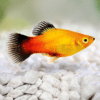
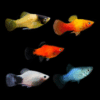
Welcome these beautiful 10 X Sunset Platies, vibrant livebearers known for their stunning colors. Ideal for aquarists seeking peaceful community fish, they thrive in freshwater tanks, enhancing your aquarium setup with their graceful movements and lively personalities.
In stock


Species Introduction
The Sunset Platy, scientifically known as Xiphophorus maculatus, is a vibrant and captivating livebearer fish that originates from the freshwater rivers and streams of Central America. These fish are known for their stunning coloration, which ranges from brilliant oranges and yellows to subtle hints of red, making them a popular choice among aquarists who seek to enhance the aesthetic appeal of their freshwater aquariums. As part of the Poeciliidae family, Sunset Platies are not just visually striking; they also embody a peaceful temperament, making them ideal companions for community tanks. Their natural habitat consists of lush vegetation, where they thrive in warm, soft waters, often found in areas rich in aquatic plants. Understanding their origins helps aquarists recreate a suitable environment that mimics their natural surroundings, ensuring the health and happiness of these beautiful creatures.
Care Requirements Dashboard
Essential Care Guide for Your Sunset Platies
| Optimal Living Conditions | |
|---|---|
| Water Temperature | 24-27°C (75-81°F) |
| pH Level | 6.5-7.5 |
| Water Hardness | 4-12 dKH |
| Minimum Tank Size | 80L (20 gal) |
| Salinity | Freshwater |
| Care Level | Beginner Friendly |
✓ Care Level: Easy
Natural Behavior & Temperament
Sunset Platies exhibit a lively and engaging behavior that is both entertaining and educational for aquarists. They are known for their peaceful disposition, making them excellent additions to community tanks where they can coexist harmoniously with a variety of other species. These fish are social creatures that thrive in groups, often displaying playful interactions with one another. Their swimming patterns are characterized by a gentle darting motion, which allows them to explore their environment and forage for food. Observing their interactions can provide insight into their social structures, as they establish hierarchies within their groups. Additionally, Sunset Platies are curious and will often investigate new objects or decorations introduced into their habitat, showcasing their inquisitive nature. This behavior not only enriches their quality of life but also offers a dynamic viewing experience for aquarists.
Tank Setup Guide
Creating an ideal environment for your Sunset Platies is essential for their well-being and happiness. Start with a tank size of at least 20 gallons to provide ample swimming space for these active fish. The substrate should consist of fine gravel or sand, which mimics their natural habitat and allows for easy planting of aquatic vegetation. Incorporating live plants such as Java Fern, Anubias, and Hornwort not only enhances the aesthetic appeal of the aquarium but also provides hiding spots and breeding grounds for your fish. When designing the layout, consider adding decorations such as driftwood and rocks to create visual barriers and territories, which can help reduce stress among your fish. Additionally, ensure that the tank is equipped with a reliable filtration system to maintain water quality and clarity, as Sunset Platies thrive in clean environments. Regular water changes and monitoring of water parameters will further contribute to a healthy ecosystem.
Water Quality Management
Maintaining optimal water quality is crucial for the health of your Sunset Platies. These fish prefer slightly acidic to neutral pH levels, ideally between 6.8 and 8.5. Regular testing of the water parameters is essential to ensure they remain within this range. Temperature is another critical factor; aim for a stable range between 22-28°C (72-82°F) to mimic their natural habitat. Fluctuations in temperature can stress the fish and lead to health issues. Water hardness should be monitored as well, with a preference for soft to moderately hard water. Implementing a reliable filtration system will help in maintaining clear and clean water, while regular water changes of 10-15% weekly will dilute harmful toxins and replenish essential minerals. Additionally, consider using a water conditioner to remove chlorine and chloramines from tap water before introducing it to the tank. By prioritizing water quality, you can ensure a thriving environment for your Sunset Platies.
Feeding & Nutrition
✓ Diet: Omnivorous
Feeding your Sunset Platies a well-balanced diet is essential for their growth, coloration, and overall health. These fish are omnivorous and thrive on a varied diet that includes high-quality flakes, pellets, and occasional live or frozen foods such as brine shrimp, daphnia, and bloodworms. A feeding schedule of two to three small meals per day is recommended, ensuring that each serving is consumed within a few minutes to prevent overfeeding and maintain water quality. It is important to monitor their feeding habits and adjust portion sizes accordingly. Additionally, incorporating plant-based foods such as spirulina flakes or blanched vegetables like zucchini and spinach can enhance their diet and promote optimal health. Providing a diverse range of food options not only supports their nutritional needs but also encourages natural foraging behavior, enriching their aquarium experience.
Compatibility Guide
Sunset Platies are known for their peaceful nature, making them excellent candidates for community tanks. They can coexist with a variety of other species, including other livebearers like guppies and mollies, as well as tetras, rasboras, and catfish. However, it is essential to avoid aggressive or territorial fish that may harass or harm your platies. When selecting tank mates, consider the size and temperament of the species to ensure a harmonious environment. A compatibility chart can help guide your choices:
| Fish Species | Compatibility |
|---|---|
| Guppies | Compatible |
| Tetras | Compatible |
| Corydoras Catfish | Compatible |
| Betta Fish | Not Compatible |
| Angelfish | Not Recommended |
Health & Wellness
Maintaining the health of your Sunset Platies is paramount to ensuring their longevity and vitality. Regular observation is key; look for signs of stress or illness, such as changes in behavior, appetite, or physical appearance. Common health issues in platies include ich, fin rot, and swim bladder disorders. To prevent these problems, ensure that water quality is consistently monitored and maintained. Quarantine new fish before introducing them to the main tank to minimize the risk of disease transmission. Additionally, providing a balanced diet and reducing stress through appropriate tank conditions will contribute to their overall well-being. In the event of illness, prompt action is crucial. Consult with an aquarium professional or veterinarian for proper diagnosis and treatment options. By prioritizing health and wellness, you can enjoy the vibrant presence of your Sunset Platies for years to come.
Breeding Information
✓ Breeding: Easy
Breeding Sunset Platies is a rewarding experience, as these livebearers are known for their prolific reproduction. To encourage breeding, provide a separate breeding tank with ample hiding spots, such as plants or spawning mops. Female platies can store sperm from males, allowing them to produce multiple batches of fry without needing to mate again. The gestation period typically lasts around 4 to 6 weeks, after which the female will give birth to live fry. It’s important to separate the fry from adult fish immediately after birth to prevent them from being eaten. Fry can be fed specialized fry food or crushed flakes until they are large enough to consume standard fish food. As the fry grow, ensure they have enough space and resources to thrive, and consider rehoming excess fish to maintain a balanced population in your aquarium.
Acclimation Process
Acclimating your new Sunset Platies to their environment is a critical step in ensuring their successful transition to your aquarium. Begin by floating the sealed bag containing the fish in the tank for about 15-20 minutes to equalize the water temperatures. After this, gradually introduce tank water into the bag by adding small amounts every 5-10 minutes. This process allows the fish to adjust to the new water chemistry without causing shock. Once the fish have acclimated, gently transfer them into the tank using a net to avoid introducing any contaminants from the bag. It is advisable to avoid adding the water from the bag into your aquarium to maintain water quality. Proper acclimation minimizes stress and promotes a healthy start for your new aquatic companions.
Long-term Care
The long-term care of your Sunset Platies requires ongoing attention to their environmental needs and health. These fish typically have a lifespan of 3 to 5 years when provided with optimal conditions. Regular maintenance of the aquarium, including water changes, filter cleaning, and substrate vacuuming, is essential to prevent the buildup of harmful substances. Monitoring water parameters and adjusting as necessary will help ensure a stable environment. Additionally, keeping an eye on their social dynamics is important; if aggression or stress is observed, consider rearranging the tank or adding more hiding spots. Regularly observing their behavior and health will allow you to catch any potential issues early, ensuring your Sunset Platies continue to thrive as vibrant members of your aquatic community.
Natural Habitat Recreation
Recreating the natural habitat of Sunset Platies within your aquarium can significantly enhance their quality of life. These fish thrive in environments that mimic their native waters, characterized by plenty of vegetation and gentle water flow. Incorporating live plants such as Vallisneria, Cabomba, and floating plants will not only provide cover and breeding areas but also contribute to the overall health of the aquarium by improving water quality. Additionally, using natural decorations such as driftwood and rocks can create hiding spots and territories, which are important for reducing stress and promoting natural behaviors. Aim for a well-planted tank with open swimming areas, allowing your platies to explore and interact with their environment. By closely mimicking their natural habitat, you can foster a thriving ecosystem that supports the health and happiness of your Sunset Platies.
Seasonal Care Adjustments
As seasons change, so too should the care and conditions provided for your Sunset Platies. During warmer months, be vigilant about temperature fluctuations; ensure that the aquarium does not exceed 28°C (82°F) as elevated temperatures can stress the fish and lead to health issues. Consider using fans or chillers if necessary. In colder months, maintain a stable temperature and monitor for any drafts or cooling from windows. Lighting adjustments may also be beneficial; during shorter days, consider using a timer to provide consistent light exposure to promote plant growth and maintain the fish’s natural rhythms. Additionally, be mindful of feeding habits; fish may be less active in cooler temperatures and may require smaller portions. By making these seasonal adjustments, you can ensure that your Sunset Platies remain healthy and vibrant throughout the year.
Expert Tips
✓ Professional Advice: Regular water testing is key!
To optimize the care of your Sunset Platies, consider implementing the following expert tips. First, invest in a quality water testing kit to regularly monitor pH, ammonia, nitrite, and nitrate levels. This proactive approach allows you to address any potential issues before they escalate. Second, maintain a diverse diet to enhance coloration and vitality; consider supplementing their diet with high-quality spirulina or color-enhancing foods. Third, observe the social dynamics of your fish; if aggression is noted, adding more plants or decorations can help create territories and reduce stress. Finally, engage with the aquarium community online or in local clubs to share experiences and gather advice on best practices. By following these tips, you can ensure a thriving environment for your Sunset Platies.
Troubleshooting
Despite your best efforts, challenges may arise in maintaining a healthy aquarium for your Sunset Platies. Common issues include signs of stress, such as hiding, decreased appetite, or unusual swimming patterns. If you notice these behaviors, first check the water parameters to ensure they are within the optimal range. If water quality is compromised, perform a partial water change and clean the filter. Additionally, observe for signs of disease, such as white spots (ich) or frayed fins (fin rot). In such cases, prompt treatment is essential; consider isolating affected fish and consulting with an aquarium specialist for appropriate medications. By being proactive and attentive to your fish’s needs, you can effectively troubleshoot and resolve common issues, ensuring a healthy and vibrant aquarium.
Scientific Background
The scientific classification of the Sunset Platy, Xiphophorus maculatus, places them in the family Poeciliidae, which encompasses a diverse group of livebearers. This family is known for its unique reproductive strategy, where females give birth to live young rather than laying eggs. The genus Xiphophorus includes several species, many of which are popular in the aquarium trade due to their vibrant colors and ease of care. Research into the natural habitats of these fish has highlighted the importance of maintaining stable environmental conditions to support their health and reproduction. Conservation efforts are also underway to protect their natural habitats from pollution and habitat destruction, ensuring that future generations can enjoy the beauty of these remarkable fish. Understanding the scientific background of Sunset Platies enriches the experience of caring for them, as it emphasizes the importance of replicating their natural conditions.
Advanced Care Techniques
For aquarists looking to take their care of Sunset Platies to the next level, advanced techniques can enhance their health and well-being. Consider implementing a planted tank with a CO2 injection system to promote lush plant growth, which can improve water quality and provide additional hiding spots. Additionally, utilizing a sponge filter can create gentle water movement, mimicking their natural environment while providing biological filtration. Regularly rotating and rearranging decorations can stimulate their curiosity and prevent boredom. Furthermore, engaging in selective breeding can enhance desirable traits such as color and fin shape, contributing to the diversity of your aquarium. By applying these advanced care techniques, you can create a thriving ecosystem that supports the health and happiness of your Sunset Platies.
Frequently Asked Questions
Q: What tank size is required for Sunset Platies?
Sunset Platies thrive best in a tank of at least 75 litres (20 gallons). This size allows ample swimming space and helps maintain stable water parameters, which are crucial for their health. If you plan to keep a group, a larger tank is advisable, as they enjoy being in schools. Additionally, a larger tank can help dilute waste products, improving overall water quality. Ensure the tank is well-filtered and equipped with a heater to maintain a temperature range of 22-27°C (72-81°F), which is optimal for this species.
✓ Expert Tip
A spacious tank not only enhances the well-being of your fish but also allows for the addition of live plants and decorations, creating a more vibrant environment.
Q: What water parameters do Sunset Platies require?
Sunset Platies prefer slightly alkaline water with a pH range of 7.0 to 8.0. The water hardness should be between 10-28 dGH, which mimics their natural habitat. Regular water changes of 10-20% weekly are essential to maintain these parameters and ensure a healthy environment. Ammonia and nitrite levels should be kept at 0 ppm, while nitrate levels should be low, ideally below 20 ppm. Investing in a reliable test kit will help you monitor these parameters effectively.
✓ Expert Tip
Consider using a quality water conditioner to remove harmful chemicals from tap water before adding it to your tank.
Q: How often should I feed Sunset Platies?
Feeding Sunset Platies should be done two to three times a day with small amounts of high-quality flakes or pellets. They are omnivorous, so supplementing their diet with frozen or live foods like brine shrimp or daphnia can enhance their health and colouration. Be careful not to overfeed; only provide what they can consume in a few minutes. Regular feeding routines help maintain their energy levels and ensure proper growth.
✓ Expert Tip
Rotate food types to provide a balanced diet and stimulate their natural foraging instincts.
Q: What are the best tank mates for Sunset Platies?
Sunset Platies are peaceful fish, making them excellent companions for a community tank. Suitable tank mates include other livebearers like guppies and swordtails, as well as tetras, rasboras, and small catfish. Avoid aggressive species that may stress them. Ensure that all tank mates are compatible in terms of size and temperament to create a harmonious environment.
✓ Expert Tip
It’s wise to introduce new fish gradually to avoid stressing your established inhabitants.
Q: How do I properly acclimatise Sunset Platies to my aquarium?
Acclimatising your Sunset Platies is crucial for their health. Begin by floating the sealed bag in your aquarium for about 15-20 minutes to equalise the temperature. After this, gradually add small amounts of your tank water into the bag over the next hour. This process helps them adjust to differences in water chemistry. Finally, gently place the fish into the tank using a net to avoid introducing bag water into your aquarium.
✓ Expert Tip
Avoid adding too many fish at once, as it can lead to spikes in ammonia and affect water quality.
Q: What are the signs of healthy Sunset Platies?
Healthy Sunset Platies exhibit vibrant colours, clear eyes, and active swimming behaviour. They should not exhibit signs of stress, such as hiding excessively or staying at the surface. Regular inspection for signs of disease, such as white spots or fin fraying, is essential. Healthy fish will also have a healthy appetite and respond positively during feeding times.
✓ Expert Tip
Observe your fish regularly to spot any changes in behaviour or appearance early on.
Q: How do I successfully breed Sunset Platies?
Breeding Sunset Platies is relatively straightforward, as they are livebearers. To encourage breeding, maintain a ratio of one male for every two females. Provide plenty of hiding spots in the aquarium, such as plants, to protect fry from adult fish. After mating, females will give birth approximately 28 days later. It is advisable to separate the fry into a nursery tank with softer, warmer water to ensure their survival.
✓ Expert Tip
Feed the fry finely crushed flakes or powdered food to support their growth.
Q: What temperature should I maintain for Sunset Platies?
The ideal temperature range for Sunset Platies is between 22-27°C (72-81°F). Maintaining a stable temperature is crucial, as fluctuations can stress the fish. A reliable aquarium heater and thermometer will help you achieve and monitor the desired temperature. Ensure that the heater is appropriately sized for your tank to provide consistent warmth.
✓ Expert Tip
Avoid placing the tank in direct sunlight, as this can cause temperature fluctuations and promote algae growth.
Q: How long do Sunset Platies typically live in captivity?
Sunset Platies typically live for 3 to 5 years in a well-maintained aquarium. Their lifespan can be influenced by factors such as water quality, diet, and overall care. Regular maintenance, including water changes and monitoring for diseases, can help extend their lifespan. Providing a stable environment with optimal conditions will contribute significantly to their longevity.
✓ Expert Tip
Keep a journal of their care routine to track any changes and identify what works best for your aquatic companions.
Q: What type of substrate is most suitable for Sunset Platies?
Sunset Platies prefer a substrate that is smooth and easy to clean. Fine gravel or sand is ideal, as it allows for easy movement and digging without damaging their delicate fins. Additionally, a darker substrate can enhance their vibrant colours, creating a visually striking display in your aquarium. Ensure that the substrate is deep enough to support plant roots if you intend to include live plants.
✓ Expert Tip
Rinse the substrate thoroughly before adding it to the tank to remove any dust or debris.
Q: What behavioural patterns should I expect from Sunset Platies?
Sunset Platies are known for their friendly and social behaviour. They often swim in groups, displaying lively interactions with one another. You may observe them foraging for food and exploring their environment. They are curious fish and will often investigate changes in their surroundings. However, if stressed or frightened, they may hide or become less active. Providing plenty of plants and hiding spots helps them feel secure and reduces stress.
✓ Expert Tip
Observe their behaviour regularly to ensure they are not being bullied by tank mates.
Q: How can I prevent common diseases in Sunset Platies?
Preventing diseases in Sunset Platies starts with maintaining optimal water quality. Regular water changes, proper filtration, and avoiding overfeeding are key practices. Quarantining new arrivals for at least two weeks can prevent the introduction of diseases. Additionally, ensuring a varied diet with high-quality foods supports their immune system. Regularly monitoring your fish for any signs of illness, such as unusual swimming patterns or discoloration, allows for early intervention.
✓ Expert Tip
Consider adding aquarium salt in moderation to promote gill function and overall health.
Q: What lighting conditions do Sunset Platies prefer?
Sunset Platies thrive in moderate lighting conditions. A light cycle of around 10-12 hours a day is ideal. This not only simulates their natural habitat but also promotes healthy plant growth if you have live plants in your aquarium. Ensure that the light is not too intense, as this can lead to algae growth and stress your fish. Adjustable LED lights are a great option, allowing you to customise the intensity and duration.
✓ Expert Tip
Consider using a timer to maintain consistent lighting schedules.
Q: How do I recognise stress in Sunset Platies?
Recognising stress in Sunset Platies is essential for their well-being. Some signs include hiding frequently, decreased appetite, and erratic swimming patterns. Additionally, if they are displaying darkened colours or clamped fins, these can be indicators of stress. Ensuring a well-planted tank with ample hiding spots can help them feel secure. Pay attention to tank mates, as aggression or bullying can also contribute to their stress levels.
✓ Expert Tip
Monitor their behaviour closely, especially after introducing new fish or changing their environment.
Q: What natural habitat conditions should I replicate for Sunset Platies?
Sunset Platies are native to warm, shallow waters, often found in rivers and lakes with abundant vegetation. To replicate their natural habitat, include plenty of live plants, such as java fern and hornwort, which provide shelter and breeding grounds. Additionally, incorporate smooth stones and driftwood for added structure. Maintaining a gentle water flow and ensuring good filtration will help mimic their natural environment, promoting their overall health and behaviour.
✓ Expert Tip
Regularly prune plants to encourage growth and prevent overgrowth that could disturb water quality.
2 reviews for 10 X Sunset Platy – Xiphophorus Maculatus – Livebearer
Add a review
Related products



Emily Carter (verified owner) –
I recently purchased 10 Sunset Platies (Xiphophorus maculatus) for my 30-gallon tank, and I couldn’t be happier! These platy fish are so vibrant and full of life, adding a stunning splash of color to my aquarium. It’s been about two months since I introduced them, and they’ve adjusted beautifully. They swim together in little schools, and their playful nature brings such joy to my daily routine.
I’ve compared these platies to other species I’ve kept in the past, and the Sunset Platies stand out for their hardy nature and peaceful temperament. They really seem to thrive in their environment, which is a top priority for me as a caring fish parent. The only minor concern I’ve had is that a couple of them occasionally nibble on my aquarium plants, but nothing that a little trimming can’t handle!
If you’re looking to add some friendly, eye-catching fish to your tank, I wholeheartedly recommend these platies. They’re perfect for beginners and seasoned aquarists alike. Plus, they were shipped quickly and arrived healthy and robust. I will definitely be purchasing more of these lovely fish in the future!
Emily Carter (verified owner) –
I recently added 10 Sunset Platies to my aquarium, and they have quickly become the stars of the tank! After a week of settling in, I could see their vibrant colors shimmering against the plants and decorations. These platy fish are not only stunning but also incredibly easy to care for, which is perfect for both newbies and seasoned hobbyists like me. I love how they socialize and swim together, bringing life to my peaceful community tank. Compared to other livebearers I’ve kept, these platies have shown remarkable resilience and adaptability, making them a fantastic choice for any freshwater setup. One minor note: they can be a bit nippy with smaller fish, so I recommend keeping them with compatible tank mates. Overall, I wholeheartedly recommend these tropical fish to anyone looking to enhance their aquarium with lively, colorful companions. You won’t regret adding these charming little guys to your family!