4 X Red Tuxedo Platy – Xiphophorus Maculatus – Livebearer
Original price was: £11.49.£9.68Current price is: £9.68.
Welcome these beautiful 4 X Red Tuxedo Platies – Xiphophorus Maculatus – into your aquarium. Their vibrant colors and graceful movements make them ideal for community tanks. Perfect for beginners, these peaceful livebearers thrive in various conditions, enhancing your aquatic display beautifully.
In stock


Species Introduction
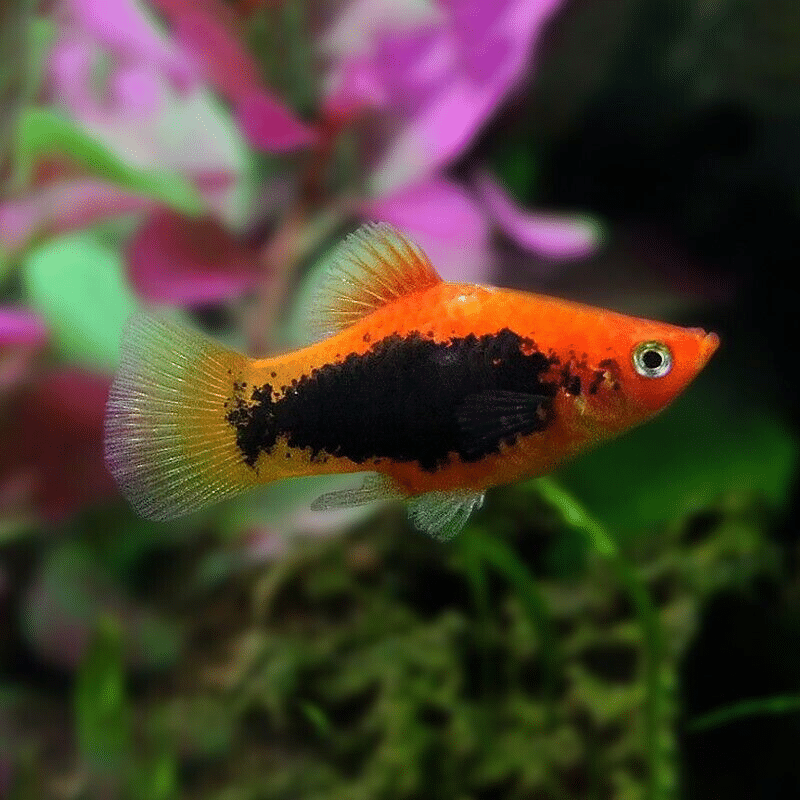
The Red Tuxedo Platy, scientifically known as Xiphophorus maculatus, is a captivating freshwater fish that belongs to the Poeciliidae family. These delightful livebearers are native to the warm waters of Central America, particularly in regions such as Mexico and Guatemala. Known for their vibrant colors and peaceful demeanor, they are often regarded as one of the best tropical fish for community tanks. The Red Tuxedo Platy showcases a unique coloration pattern, featuring a striking red body with a contrasting black dorsal fin, resembling a tuxedo. This aesthetic appeal makes them a popular choice among aquarists looking to enhance their aquatic displays.
Care Requirements Dashboard
Essential Care Guide for Your Red Tuxedo Platies
| Optimal Living Conditions | |
|---|---|
| Water Temperature | 24-27°C (75-81°F) |
| pH Level | 6.5-7.5 |
| Water Hardness | 4-12 dKH |
| Minimum Tank Size | 80L (20 gal) |
| Salinity | Freshwater |
| Care Level | Beginner Friendly |
Natural Behavior & Temperament
The Red Tuxedo Platy is known for its friendly and peaceful nature, making it an ideal choice for community tanks. These fish tend to swim in small groups, displaying a social behavior that adds life to any aquarium. Their natural instinct is to explore their environment, often darting in and out of plants and decorations, which mimics their behavior in the wild. They are generally non-aggressive and can coexist harmoniously with other gentle fish species, making them perfect companions in a community tank setting.
Tank Setup Guide
Creating an ideal environment for your Red Tuxedo Platies is essential for their health and well-being. A well-planted aquarium with plenty of hiding spots and open swimming areas is recommended. Use a fine substrate, such as sand or small gravel, to mimic their natural habitat. Incorporating live plants not only enhances the aesthetic appeal but also provides shelter and spawning areas for these livebearers. Decorations such as driftwood and rocks can create territories and hiding spots, which are essential for reducing stress among your fish friends.
Water Quality Management
Maintaining optimal water quality is crucial for the health of your Red Tuxedo Platies. Regular water changes of 25% to 30% every two weeks are recommended to keep nitrate levels low and ensure a stable environment. Monitor the pH level regularly, aiming for a range between 6.8 and 8.0, as fluctuations can stress the fish. The ideal temperature for these tropical fish is between 72°F and 78°F (22°C – 26°C). Using a reliable heater and thermometer will help maintain consistent temperatures.
Feeding & Nutrition
Feeding your Red Tuxedo Platies a balanced diet is essential for their growth and vitality. These fish are omnivorous and thrive on a varied diet that includes high-quality flake food, pellets, and occasional live or frozen foods like brine shrimp and daphnia. A well-rounded diet will enhance their coloration and overall health. It is recommended to feed them small amounts 2-3 times a day, ensuring they consume all food within a few minutes to prevent overfeeding and maintain water quality.
Compatibility Guide
✓ Peaceful Community Fish
| Fish Species | Compatibility |
|---|---|
| Neon Tetra | Compatible |
| Guppy | Compatible |
| Corydoras Catfish | Compatible |
| Betta Fish | Not Recommended |
| Angelfish | Not Recommended |
Health & Wellness
Keeping your Red Tuxedo Platies healthy involves regular monitoring for signs of illness. Common issues include ich, fin rot, and swim bladder disease. To prevent these conditions, maintain excellent water quality and avoid overcrowding in the tank. Provide a balanced diet and ensure that the fish are not stressed by aggressive tank mates. Observing your fish regularly will help you catch any signs of distress early, such as abnormal swimming patterns or loss of appetite.
Breeding Information
Breeding Red Tuxedo Platies is a rewarding experience for aquarists. These livebearers do not require any special breeding setup, but providing a separate breeding tank can enhance the survival rate of fry. The female Platy can give birth to 20-50 fry every 4-6 weeks, depending on her health and environment. After birth, the fry should be separated from the adults to prevent them from being eaten. Feed the fry with finely crushed flake food or specialized fry food to ensure proper growth.
Acclimation Process
Introducing your new Red Tuxedo Platies to their new home requires a careful acclimation process to minimize stress. Begin by floating the sealed bag containing the fish in the aquarium for about 15-20 minutes to equalize the temperature. After that, gradually add small amounts of tank water to the bag over the next hour. This will help the fish adjust to the water chemistry of their new environment. Once acclimated, gently release the fish into the tank using a net to avoid introducing bag water, which may contain harmful substances.
Long-term Care
Red Tuxedo Platies have a lifespan of around 3 to 5 years when provided with optimal care. Regular maintenance, including water changes and monitoring water parameters, is essential for their long-term health. As they grow, ensure that the tank is appropriately stocked to prevent overcrowding, which can lead to stress and health issues. Regularly observe their behavior and health, and be prepared to adjust their diet and environment as needed.
Natural Habitat Recreation
To recreate a natural habitat for your Red Tuxedo Platies, consider incorporating elements that mimic their native environment. In the wild, these fish inhabit shallow waters with abundant vegetation. Using a mix of live plants, such as Java moss and Anubias, can create a lush environment that offers shelter and foraging opportunities. Additionally, adding rocks and driftwood can provide hiding spots and create a more natural aesthetic.
Seasonal Care Adjustments
As seasons change, so do the needs of your Red Tuxedo Platies. In warmer months, ensure that the water temperature does not exceed 78°F (26°C) by using a reliable heater and monitoring temperatures closely. In the colder months, maintaining a stable temperature is crucial, as fluctuations can stress the fish. Additionally, adjust your lighting schedule to mimic natural daylight cycles, promoting healthy growth and behavior.
Expert Tips
For those looking to enhance their care for Red Tuxedo Platies, consider implementing these expert tips. First, maintain a diverse diet to promote vibrant colors and overall health. Experiment with different food types to find what your fish prefer. Second, regularly rearranging decorations can stimulate their environment and encourage natural behaviors. Lastly, consider keeping a small group of Platies to observe their social interactions, as they thrive in groups.
Troubleshooting
If you encounter issues with your Red Tuxedo Platies, it’s important to address them promptly. Common problems include stress from aggressive tank mates, poor water quality, and diet deficiencies. If your fish are hiding excessively or displaying signs of illness, check water parameters immediately and perform a water change if necessary.
Scientific Background
The Red Tuxedo Platy, or Xiphophorus maculatus, is a fascinating species with a rich scientific background. Belonging to the Poeciliidae family, these fish are part of a larger group of livebearers known for their unique reproductive strategy, where females give birth to live young rather than laying eggs. This adaptation has allowed them to thrive in various environments.
Advanced Care Techniques
For aquarists looking to take their care for Red Tuxedo Platies to the next level, consider implementing advanced techniques. Utilizing a breeding box can help manage fry populations and ensure their survival. Additionally, experimenting with different plant species can enhance the tank’s aesthetic and provide natural filtration.
Frequently Asked Questions
Q: What tank size is required for Red Tuxedo Platies?
To ensure the well-being of Red Tuxedo Platies, a minimum tank size of 75 litres is recommended. This capacity allows for ample swimming space and helps maintain stable water parameters. Platies are social creatures and thrive in groups; therefore, keeping at least four individuals is advisable to avoid stress. A larger tank not only provides better water quality but also allows for more diverse tank mates, enhancing the overall aquatic display. Ensure the tank is well-filtered and has a secure lid, as platies can be quite active and may jump. Regular water changes of 10-15% weekly will help maintain optimal conditions.
✓ Expert Tip
Consider adding live plants and hiding spots in the tank to mimic their natural habitat, which can also reduce stress and promote natural behaviour.
Q: What water parameters do Red Tuxedo Platies require?
Red Tuxedo Platies thrive in well-maintained water conditions. The ideal temperature range is between 24°C to 28°C. They prefer a slightly alkaline pH level of 7.0 to 8.0 and a hardness of 10 to 28 dGH. Regular testing of these parameters is essential to prevent stress and disease. Ammonia and nitrite levels should always be at zero, whilst nitrates should be kept below 20 ppm. Using a quality aquarium test kit will help you monitor these levels effectively. Consistent water changes and proper filtration will aid in maintaining these parameters.
✓ Expert Tip
Invest in a good quality heater and thermometer to maintain stable temperatures, as fluctuations can be detrimental to their health.
Q: How often should I feed Red Tuxedo Platies?
Feeding Red Tuxedo Platies should be done 2-3 times a day with small portions that they can consume within a few minutes. A balanced diet including high-quality flake food, pellets, and occasional frozen or live foods such as brine shrimp or daphnia will ensure they receive essential nutrients. Overfeeding can lead to poor water quality and health issues, so it’s crucial to monitor their intake. A varied diet will also enhance their colouration and overall vitality.
✓ Expert Tip
Consider using a feeding ring to prevent food from spreading and ensure that all fish can access the food equally.
Q: What are the best tank mates for Red Tuxedo Platies?
Red Tuxedo Platies are peaceful and social fish, making them ideal companions for a community tank. They pair well with other small, non-aggressive species such as Neon Tetras, Guppies, and Corydoras Catfish. Avoid larger or more aggressive species that may intimidate or harm them. When introducing new tank mates, ensure that they have similar water requirements and temperaments. It’s wise to monitor interactions during the initial introduction period to ensure harmony in the tank.
✓ Expert Tip
Adding plants and decorations can provide hiding spots, which can help reduce stress among tank mates and promote a peaceful environment.
Q: How do I properly acclimatise Red Tuxedo Platies to my aquarium?
Acclimatising your Red Tuxedo Platies is crucial to minimize stress and ensure a successful transition into their new home. Begin by floating the sealed bag containing the fish in your aquarium for approximately 15-20 minutes. This allows the temperature inside the bag to equalise with that of the tank. After this, gradually mix small amounts of tank water into the bag every 5 minutes for about an hour. This process helps them adjust to differences in pH and water chemistry. Finally, gently release the fish into the tank using a net, avoiding adding bag water to your aquarium.
✓ Expert Tip
Remember to turn off any filtration systems temporarily during acclimatisation to prevent stress from water movement.
Q: What are the signs of healthy Red Tuxedo Platies?
Healthy Red Tuxedo Platies exhibit vibrant colours, clear eyes, and active swimming behaviour. They should be social, interacting well with tank mates and displaying curiosity towards their environment. Look for signs of normal feeding activity and regular movement throughout the tank. Additionally, their fins should be fully extended and free from tears or discoloration. Keep an eye out for any unusual behaviour such as hiding excessively or lethargy, which can indicate stress or health issues.
✓ Expert Tip
Regularly observing your fish will help you spot any changes in behaviour or appearance early, allowing for timely intervention if needed.
Q: How do I successfully breed Red Tuxedo Platies?
Breeding Red Tuxedo Platies is relatively straightforward due to their live-bearing nature. To encourage breeding, maintain a stable environment and provide plenty of hiding spots for fry. A ratio of one male to two or three females is ideal to reduce stress on females. When ready to breed, females will become noticeably rounder. Once fry are born, they should be separated from adults to prevent predation. Feed the fry with finely crushed flakes or specialised fry food until they are large enough to join the adult community.
✓ Expert Tip
Monitor the water quality closely during breeding, as fry are particularly sensitive to changes in their environment.
Q: What temperature should I maintain for Red Tuxedo Platies?
Maintaining a stable temperature is vital for the health of Red Tuxedo Platies. The optimal range is between 24°C to 28°C. Sudden fluctuations can stress the fish and make them susceptible to diseases. A reliable aquarium heater and thermometer will help you monitor the temperature effectively. It’s advisable to keep the tank in a location away from direct sunlight and drafts to maintain a consistent environment. Regular checks will ensure that your platies remain comfortable and healthy.
✓ Expert Tip
Consider using a heater with a built-in thermostat for better temperature control and to avoid overheating.
Q: How long do Red Tuxedo Platies typically live in captivity?
In captivity, Red Tuxedo Platies can live for 3 to 5 years, provided they are given proper care and optimal living conditions. Factors such as water quality, diet, and stress levels significantly influence their lifespan. Regular maintenance, including water changes and monitoring of tank parameters, will contribute to their longevity. Keeping them in a stable environment with compatible tank mates will also help reduce stress, further enhancing their quality of life.
✓ Expert Tip
Providing a varied diet and regular health checks can help identify potential issues early, contributing to a longer, healthier life.
Q: What type of substrate is most suitable for Red Tuxedo Platies?
For Red Tuxedo Platies, a fine substrate such as sand or small gravel is ideal. These substrates are gentle on their delicate fins and allow for easy digging and foraging behaviour. Darker substrates can enhance their vibrant colours, creating a stunning visual contrast in the tank. Additionally, ensure the substrate is clean and free from sharp edges to prevent injury. Regular maintenance, including vacuuming the substrate during water changes, will help maintain a healthy environment.
✓ Expert Tip
Consider incorporating live plants into the substrate for added filtration and a more natural habitat.
Q: What behavioural patterns should I expect from Red Tuxedo Platies?
Red Tuxedo Platies are generally active and social fish, often seen swimming in schools and exploring their environment. They exhibit playful behaviour, frequently darting about the tank and interacting with their tank mates. Males may display courtship behaviour, including chasing females and showcasing their fins. It’s essential to provide ample swimming space and hiding spots to accommodate their social nature and prevent territorial disputes. Observing their behaviour can also serve as a valuable indicator of their health and well-being.
✓ Expert Tip
Encourage natural behaviours by providing various decorations and plants to explore and hide in.
Q: How can I prevent common diseases in Red Tuxedo Platies?
Preventing diseases in Red Tuxedo Platies involves maintaining high water quality and a stable environment. Regular water changes, monitoring water parameters, and ensuring proper filtration are crucial. Quarantining new fish before introducing them to the main tank can help prevent the spread of diseases. Additionally, providing a varied and nutritious diet supports their immune system. Watch for signs of stress or illness, such as changes in appetite or behaviour, and address any issues immediately to maintain a healthy aquarium.
✓ Expert Tip
Consider adding aquarium salt to the water in moderation, as it can help prevent certain diseases and promote general health.
Q: What lighting conditions do Red Tuxedo Platies prefer?
Red Tuxedo Platies thrive in moderate lighting conditions. A light intensity that mimics their natural habitat will enhance their colours while providing a comfortable environment. Aim for around 10-12 hours of light per day to promote healthy plant growth if you have live plants. Be mindful of algae growth, which can result from excessive lighting; a good balance is crucial. Using LED lights can be energy-efficient and can simulate natural daylight, benefiting both fish and plants.
✓ Expert Tip
Consider using a timer for your aquarium lights to maintain a consistent day-night cycle, which can help reduce stress in your fish.
Q: How do I recognise stress in Red Tuxedo Platies?
Recognising stress in Red Tuxedo Platies is essential for maintaining their health. Signs of stress may include hiding, lethargy, or erratic swimming patterns. Changes in colour, such as fading or darkening, can also indicate that something is amiss. Additionally, if they are not eating or are displaying aggression towards tank mates, these can be indicators of stress. Monitoring their behaviour closely will help you identify any potential issues early, allowing you to take corrective measures promptly.
✓ Expert Tip
If you notice signs of stress, assess the tank environment, including water quality, tank mates, and hiding spots, to identify possible stressors.
Q: What natural habitat conditions should I replicate for Red Tuxedo Platies?
To create an ideal environment for Red Tuxedo Platies, replicate their natural habitat of warm, shallow waters with plenty of vegetation. Incorporating live plants, such as Java Fern or Anacharis, will provide shelter and foraging opportunities. They thrive in areas with gentle water movement, so using a sponge filter can help maintain this condition. Additionally, adding driftwood or rocks will enhance their environment, allowing them to exhibit natural behaviours. Maintaining stable water parameters and temperatures similar to their native habitats will further promote their health and well-being.
✓ Expert Tip
Regularly pruning plants can encourage growth and prevent overcrowding, ensuring a balanced ecosystem in the tank.
2 reviews for 4 X Red Tuxedo Platy – Xiphophorus Maculatus – Livebearer
Add a review
Related products


Emily Carter (verified owner) –
I recently added 4 Red Tuxedo Platies to my 20-gallon community tank, and I couldn’t be more thrilled! These little guys are not only stunning with their vibrant colors, but they also have such playful personalities. After about two weeks together, they’ve settled in beautifully and are constantly swimming around, exploring every nook and cranny of the tank.
What I appreciate most about these freshwater fish is their hardiness and adaptability. Compared to other tropical fish I’ve kept, the Platies seem to handle varying water conditions quite well, which is fantastic for someone like me who’s learning the ropes of maintaining water quality. They get along wonderfully with my other fish too, contributing to a peaceful environment.
The shipping was super efficient, and they arrived in great condition, which speaks volumes about their welfare. My only slight concern was that one of them seemed a bit shy at first, but with some patience and the right hiding spots, he’s now swimming confidently among the others.
I highly recommend the Red Tuxedo Platies for both beginners and seasoned aquarists looking to add some charm to their tanks. These guys not only enhance the visual appeal of your aquarium but also bring a lively energy that is hard to match. Will definitely be purchasing more in the future!
Emily Carter (verified owner) –
I recently added 4 Red Tuxedo Platies to my community tank, and I couldn’t be happier! These vibrant freshwater fish have brought so much life and color to my aquarium. After about two weeks of settling in, they have become the stars of the tank, swimming gracefully among my other gentle fish. Their stunning red and black coloration is truly eye-catching, and they are surprisingly friendly and social. I’ve noticed they enjoy schooling together, which adds to the overall dynamic of my aquatic display.
Compared to other tropical fish I’ve kept, these platies are fantastic for beginners and seasoned aquarists alike. They adapt well to a variety of water conditions and are quite hardy. My only minor concern was that they initially seemed shy, but with patience and a little encouragement from some floating plants, they quickly came out of their shells. If you’re looking to brighten up your tank with lively swimming companions that are excellent for community setups, I highly recommend these little beauties. They’re not just fish; they’ve become part of my family. Happy fishkeeping!