Amatitlania Nanolutea – Yellow Dwarf Cichlid – South American Cichlid, Enhance Your Aquarium with Stunning Colors, Easy Care for Thriving Communities of Guppies and Betta Friends
Original price was: £13.99.£11.61Current price is: £11.61.
Welcome the Amatitlania Nanolutea, or Yellow Dwarf Cichlid, into your aquarium for a splash of vibrant yellow beauty. These peaceful companions thrive in well-maintained tanks and are perfect for aquarists seeking community fish. Discover their unique behaviors and care needs today.
In stock


Species Introduction
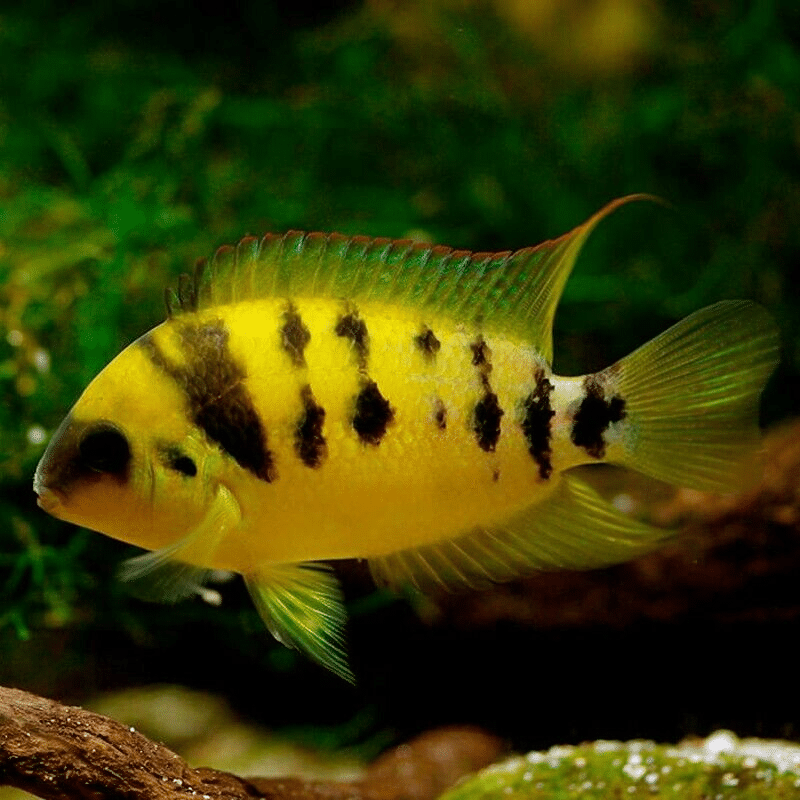
The Amatitlania nanolutea, commonly known as the Yellow Dwarf Cichlid, is a captivating freshwater fish originating from the lush waters of Central America, particularly in the regions of Guatemala and Honduras. This species is a member of the Cichlidae family, renowned for its vibrant colors and engaging behavior. The Yellow Dwarf Cichlid typically reaches a maximum length of around 7 cm (approximately 2.8 inches), making it a suitable choice for smaller aquariums. In its natural habitat, this fish thrives in slow-moving waters, often found among dense vegetation and rocky substrates, which provide both shelter and breeding grounds. Understanding its natural environment is crucial for recreating a suitable habitat in your aquarium, ensuring the health and well-being of these beautiful creatures.
Care Requirements Dashboard
| Optimal Living Conditions | |
|---|---|
| Water Temperature | 24-27°C (75-81°F) |
| pH Level | 6.5-7.5 |
| Water Hardness | 4-12 dKH |
| Minimum Tank Size | 80L (20 gal) |
| Salinity | Freshwater |
| Care Level | Beginner Friendly |
✓ Care level: Moderate
✓ Ideal tank size: 75 liters
✓ Water temperature: 24°C to 28°C
Natural Behavior & Temperament
The Amatitlania nanolutea exhibits a fascinating array of natural behaviors, making them delightful aquatic companions. These cichlids are known for their territorial nature, especially during breeding periods. When establishing their territory, they may display vibrant colors and engage in displays of aggression towards perceived intruders. In a well-planned community tank, they can coexist with similarly sized fish, provided there are ample hiding spots and territories. Their social behavior is generally peaceful, but they can become assertive when defending their breeding sites. Observing these interactions can provide valuable insights into their social structure and help aquarists create a harmonious community tank.
Tank Setup Guide
Creating an ideal environment for the Amatitlania nanolutea involves careful consideration of tank setup. The substrate should consist of fine gravel or sand, allowing the fish to dig and establish their territories. Incorporating natural decorations such as driftwood, rocks, and live plants will enhance the aesthetic appeal of the aquarium while providing essential hiding spots. Plants like Anubias and Java Fern are excellent choices, as they thrive in similar water conditions and can withstand the occasional nibbling from the cichlids. Additionally, maintaining a gentle water flow will mimic their natural habitat and promote a serene environment for these fish friends.
Water Quality Management
Water quality is paramount for the health of the Amatitlania nanolutea. Regular testing of water parameters is essential to ensure optimal living conditions. The pH should be maintained between 6.5 and 7.5, with a temperature range of 24°C to 28°C (75°F to 82°F). Hardness levels should ideally be between 5 to 15 dGH. Implementing a reliable filtration system will help maintain water clarity and quality, while regular water changes (approximately 20-30% weekly) will assist in removing harmful toxins and replenishing essential minerals. Monitoring ammonia, nitrite, and nitrate levels is crucial, as spikes in these parameters can lead to stress and health issues for your aquatic companions.
Feeding & Nutrition
The diet of the Amatitlania nanolutea should consist of high-quality fish food that meets their nutritional needs. A balanced diet includes high-protein options such as live or frozen foods like bloodworms, brine shrimp, and mosquito larvae, which can significantly enhance their coloration and overall health. Additionally, high-quality flake or pellet food designed for cichlids can provide essential vitamins and minerals. Feeding should occur 1-2 times daily, with small amounts that can be consumed within a few minutes to prevent overfeeding and maintain water quality. It is important to observe their feeding behavior and adjust portions accordingly to ensure a healthy diet.
✓ Optimal feeding schedule: 1-2 times daily
✓ Recommended foods: High-quality pellets, live foods
Compatibility Guide
When considering tank mates for the Amatitlania nanolutea, it is crucial to select species that can coexist peacefully. Suitable companions include smaller cichlids, tetras, and other community fish that are not overly aggressive. However, it is important to avoid larger or more aggressive species that may stress or harm the Yellow Dwarf Cichlid. Providing ample hiding spots and territories will help reduce aggression and promote a peaceful community. Monitoring interactions among tank mates is essential, especially during breeding periods when territorial behavior may increase.
Health & Wellness
Maintaining the health of the Amatitlania nanolutea involves regular observation and proactive care. Common health issues include ich, fin rot, and stress-related diseases, which can arise from poor water quality or inadequate tank conditions. Signs of distress may include changes in behavior, loss of appetite, or visible lesions. Implementing a routine maintenance schedule, including regular water changes and monitoring water parameters, can help prevent these issues. If health problems arise, prompt treatment with appropriate medications and adjustments to tank conditions are essential for recovery.
Breeding Information
Breeding the Amatitlania nanolutea can be a rewarding experience for aquarists. These cichlids are known to be mouthbrooders, where the female will carry and protect the eggs in her mouth until they are ready to hatch. To encourage breeding, provide a separate breeding tank with suitable hiding spots and a flat surface for egg-laying. Once the female lays her eggs, she will collect them in her mouth for protection. After hatching, the fry can remain in the mother’s mouth for several days before being released. During this time, it is crucial to provide finely crushed food or specialized fry food to support their growth and development.
Acclimation Process
Introducing the Amatitlania nanolutea to a new tank requires a careful acclimation process to minimize stress. Start by floating the sealed bag in the aquarium for about 15-20 minutes to equalize the temperature. After that, gradually introduce small amounts of tank water into the bag over the course of an hour. This gradual acclimation helps the fish adjust to the new water parameters. Once acclimated, gently release the fish into the tank, avoiding any water from the bag to prevent introducing contaminants. Monitoring the fish for signs of stress after introduction is essential to ensure a smooth transition.
Long-term Care
The Amatitlania nanolutea has a lifespan of approximately 5 to 8 years with proper care. As they grow, it is essential to monitor their development and adjust tank conditions accordingly. Regular feeding with high-quality foods will support their growth and health. Additionally, maintaining stable water parameters and performing routine maintenance will contribute to their longevity. Observing their behavior and interactions with other fish will provide insights into their well-being, allowing for timely interventions if any issues arise.
Natural Habitat Recreation
Recreating the natural habitat of the Amatitlania nanolutea in your aquarium is vital for their overall health and happiness. This involves incorporating elements such as sandy substrates, rocky structures, and live plants to mimic their environment in the wild. The use of driftwood can also provide hiding spots and breeding areas, enhancing their comfort. By carefully selecting decorations and plants that reflect their natural habitat, aquarists can create a thriving ecosystem that promotes the well-being of these beautiful cichlids.
Seasonal Care Adjustments
As seasons change, it is important to adjust care practices for the Amatitlania nanolutea. During warmer months, ensure that the water temperature remains stable and does not exceed the upper limit of their preferred range. Conversely, in cooler months, consider using a heater to maintain optimal temperatures. Additionally, lighting may need to be adjusted to mimic natural daylight cycles, promoting healthy behaviors and growth. Regular monitoring of water quality and parameters will help ensure a stable environment throughout the year.
Expert Tips
For aquarists looking to enhance their experience with the Amatitlania nanolutea, consider these expert tips. Providing a varied diet that includes live and frozen foods will not only improve their health but also enhance their coloration. Additionally, creating a well-structured tank with plenty of hiding spots will reduce stress and promote natural behaviors. Regularly observing their interactions can provide insights into their health and happiness, allowing for timely adjustments to their care. Lastly, engaging with fellow aquarists and participating in community discussions can provide valuable knowledge and support.
Troubleshooting
Common issues with the Amatitlania nanolutea can often be traced back to water quality and tank conditions. If you notice signs of stress or illness, first check water parameters and perform necessary adjustments. If aggression among tank mates occurs, consider rearranging the tank to disrupt established territories. For health issues, prompt identification and treatment are crucial. Maintaining a clean and stable environment will significantly reduce the likelihood of problems arising in the first place.
Scientific Background
The Amatitlania nanolutea is part of a diverse group of cichlids known for their adaptability and vibrant colors. While specific scientific data on the species may be limited, cichlids are generally recognized for their complex behaviors and social structures. Research into their natural habitats reveals the importance of environmental factors in their development and breeding. Conservation efforts are essential to protect these species in the wild, as habitat destruction poses significant threats to their populations.
Advanced Care Techniques
For experienced aquarists, implementing advanced care techniques can further enhance the well-being of the Amatitlania nanolutea. Techniques such as selective breeding can help enhance desirable traits, while advanced filtration systems can improve water quality. Additionally, utilizing a planted tank with a well-balanced ecosystem can promote natural behaviors and improve overall health. Engaging in regular research and staying updated on best practices will equip aquarists with the knowledge needed to provide the best care for their aquatic companions.
Frequently Asked Questions
Q: What tank size is required for Amatitlania Nanolutea?
Amatitlania Nanolutea, commonly known as the Yellow Dwarf Cichlid, thrives best in a minimum tank size of 75 litres. This provides ample space for swimming, territory establishment, and breeding activities. The tank should be well-planted with hiding spots, as these cichlids can exhibit territorial behaviour, especially during breeding. A larger tank of 100 litres or more is recommended if you wish to keep multiple individuals, as it reduces aggression and allows for a more harmonious environment.
✓ Expert Tip
Include plenty of plants and caves to provide hiding spots and reduce stress among your fish friends.
Q: What water parameters do Amatitlania Nanolutea require?
Maintaining optimal water parameters is crucial for the health of Amatitlania Nanolutea. They prefer a pH range of 6.5 to 7.5, with a hardness of 5-15 dGH. The water temperature should ideally be between 24°C to 28°C. Regular water changes of 20-30% weekly will help maintain these parameters and keep the water clean. It is advisable to use a reliable water testing kit to monitor these levels consistently.
✓ Expert Tip
Consider using a sponge filter to maintain gentle water flow and provide biological filtration.
Q: How often should I feed Amatitlania Nanolutea?
Feeding Amatitlania Nanolutea should be done 2-3 times a day, with only what they can consume within a few minutes. A varied diet is essential, including high-quality pellets, flakes, and occasional live or frozen foods such as brine shrimp or bloodworms. This not only ensures they receive adequate nutrition but also promotes vibrant colours and healthy growth.
✓ Expert Tip
Use a feeding ring to prevent food from floating away, ensuring all fish can feed effectively.
Q: What are the best tank mates for Amatitlania Nanolutea?
When selecting tank mates for Amatitlania Nanolutea, opt for peaceful species that will not provoke aggression. Suitable companions include smaller tetras, rasboras, and other non-aggressive cichlids. Avoid keeping them with larger or more aggressive species, as this can lead to stress and territorial disputes. It is best to introduce tank mates gradually and monitor their interactions closely.
✓ Expert Tip
Consider keeping them in a species-specific tank for breeding or to reduce stress and territorial behaviour.
Q: How do I properly acclimatise Amatitlania Nanolutea to my aquarium?
Acclimatising Amatitlania Nanolutea is essential to reduce stress and ensure a smooth transition. Start by floating the sealed bag in your aquarium for about 15-20 minutes to equalise the temperature. Then, gradually introduce small amounts of aquarium water into the bag every 5 minutes for approximately one hour. Finally, gently release the fish into the aquarium, avoiding adding bag water to your tank. This method helps them adjust to the new environment effectively.
✓ Expert Tip
Keep the lights dimmed during acclimatisation to reduce stress levels in your new fish friends.
Q: What are the signs of healthy Amatitlania Nanolutea?
Healthy Amatitlania Nanolutea will display vibrant colours, active swimming behaviour, and clear eyes. They should exhibit a natural curiosity, exploring their environment and interacting with tank mates. Look for signs of good appetite and regular feeding behaviour. Conversely, signs of stress or illness may include lethargy, faded colours, or abnormal swimming patterns. Regular monitoring can help you identify potential health issues early.
✓ Expert Tip
Keep a close eye on any changes in behaviour or appearance, as early detection of issues can lead to better treatment outcomes.
Q: How do I successfully breed Amatitlania Nanolutea?
Breeding Amatitlania Nanolutea can be a rewarding experience. To encourage breeding, provide a separate breeding tank with suitable substrate, such as fine gravel or sand, along with flat surfaces for egg laying. Maintain stable water conditions, with a slightly higher temperature of around 28°C. The female will lay eggs on the chosen surface, and both parents will typically guard the eggs and fry. Ensure to provide plenty of hiding spots for the fry to thrive.
✓ Expert Tip
Consider using a separate breeding tank to minimise stress and maximise fry survival rates.
Q: What temperature should I maintain for Amatitlania Nanolutea?
For optimal health and behaviour, maintain a water temperature between 24°C to 28°C for Amatitlania Nanolutea. This range mimics their natural habitat in South America and encourages active behaviour and breeding. Sudden temperature fluctuations can cause stress, so ensure your aquarium heater is reliable and regularly checked. Using a thermometer is advisable to monitor the temperature accurately.
✓ Expert Tip
Consider investing in a quality aquarium heater with precise temperature control features.
Q: How long do Amatitlania Nanolutea typically live in captivity?
Amatitlania Nanolutea can live up to 5-7 years in captivity, provided they are given proper care, including stable water parameters, a balanced diet, and a stress-free environment. Regular maintenance of the aquarium and observing their behaviour will help ensure their longevity. Additionally, keeping them in a suitable tank with compatible tank mates will further contribute to their overall well-being.
✓ Expert Tip
Monitor their health regularly to catch any signs of illness early, increasing their chances of a long life.
Q: What type of substrate is most suitable for Amatitlania Nanolutea?
Amatitlania Nanolutea prefers a substrate that mimics their natural environment. A fine gravel or sand substrate is ideal, as it allows them to dig and forage comfortably. This substrate type also helps maintain water quality by preventing debris build-up. Ensure that any substrate used is free from sharp edges to avoid injuring your fish friends. Additionally, providing plants can enhance their habitat and encourage natural behaviour.
✓ Expert Tip
Consider adding leaf litter or driftwood to the substrate to create a more natural and stimulating environment.
Q: What behavioural patterns should I expect from Amatitlania Nanolutea?
Amatitlania Nanolutea is known for its engaging and dynamic behaviour. They are generally active swimmers and can exhibit territorial behaviour, particularly during breeding. Males may become more aggressive towards each other, so providing ample hiding spots is essential. They enjoy exploring their environment and will often rearrange substrate or decorations. Observing their interactions can be quite fascinating as they establish hierarchies within the tank.
✓ Expert Tip
Create a varied environment with decorations and plants to stimulate their natural behaviours and reduce aggression.
Q: How can I prevent common diseases in Amatitlania Nanolutea?
Preventing diseases in Amatitlania Nanolutea involves maintaining optimal water quality and a stress-free environment. Regular water changes, appropriate feeding, and avoiding overcrowding are key factors. Quarantine any new fish before adding them to your tank to prevent introducing pathogens. Monitoring your fish for any signs of illness, such as changes in behaviour or appearance, allows for early intervention. Providing a varied diet rich in nutrients can also enhance their immune system.
✓ Expert Tip
Consider using aquarium salt as a preventive measure against certain parasites and infections, but ensure it is suitable for your tank mates.
Q: What lighting conditions do Amatitlania Nanolutea prefer?
Amatitlania Nanolutea thrives in moderate lighting conditions. Bright lights can cause stress and lead to hiding behaviour, so it is advisable to use a dimmable LED light or fluorescent light that mimics natural daylight. Providing shaded areas with plants or decorations will also help create a comfortable environment. A photoperiod of around 10-12 hours of light per day is ideal to simulate their natural habitat.
✓ Expert Tip
Use a timer to regulate the lighting schedule, ensuring consistent conditions for your fish friends.
Q: How do I recognise stress in Amatitlania Nanolutea?
Recognising stress in Amatitlania Nanolutea is vital for their well-being. Signs of stress can include hiding, decreased appetite, and abnormal swimming patterns. Faded colours or clamped fins are also indicators of stress. In severe cases, fish may exhibit erratic behaviour or become aggressive. It is essential to monitor their environment closely, ensuring that water quality is maintained and that they are not being bullied by tank mates.
✓ Expert Tip
If you notice signs of stress, assess your tank conditions immediately and consider rearranging the tank to reduce territorial disputes.
Q: What natural habitat conditions should I replicate for Amatitlania Nanolutea?
To provide a suitable environment for Amatitlania Nanolutea, replicate their natural habitat found in rivers and lakes of Central America. This includes soft, slightly acidic water with plenty of hiding spots created by rocks, driftwood, and densely planted areas. The substrate should be sandy or fine gravel, allowing them to dig and forage. Additionally, incorporating floating plants can help diffuse light and create shaded areas, mimicking their natural surroundings.
✓ Expert Tip
Use natural decor to enhance the aesthetic appeal of the aquarium while providing functional benefits for your fish friends.
1 review for Amatitlania Nanolutea – Yellow Dwarf Cichlid – South American Cichlid, Enhance Your Aquarium with Stunning Colors, Easy Care for Thriving Communities of Guppies and Betta Friends
Add a review
Related products


Emily Carter (verified owner) –
I recently added the Amatitlania Nanolutea, or Yellow Dwarf Cichlid, to my community tank, and I couldn’t be happier! These vibrant little cichlids have such a beautiful yellow color that brings life to the tank. I’ve had them for about two months now, and they’ve settled in beautifully with my guppies and even my bettas! They are quite peaceful for cichlids, which was a pleasant surprise.
One of the best features is their active behavior; they love to explore and interact, making them a joy to watch. I’ve noticed they do best in a well-planted tank, which provides them with hiding spots and a bit of security.
Compared to other cichlids I’ve kept, these are definitely more beginner-friendly. They don’t show aggression like some of their relatives, which makes them perfect for my mixed-species setup. Just be mindful of their breeding behavior; I’ve yet to witness it, but I hear they can be quite territorial during that time!
I highly recommend the Amatitlania Nanolutea to anyone looking to add some character to their freshwater tank. They’ve been a delightful addition to my aquarium family, and I can’t wait to see how they continue to flourish!