
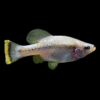
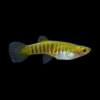
Barred Splitfin – Chapalichthys Encaustus – Goodeid Livebearer
Original price was: £12.99.£10.65Current price is: £10.65.
Welcome the Barred Splitfin – Chapalichthys Encaustus, a vibrant addition to your aquarium. This peaceful Goodeid livebearer thrives in community tanks, showcasing stunning colors. Ideal for beginners, these beautiful inhabitants bring life and joy to any freshwater setup.
In stock


Species Introduction
The Barred Splitfin, scientifically known as Chapalichthys encaustus, is a captivating species belonging to the Goodeid family. Originating from the freshwater rivers and streams of Mexico, this fish thrives in the warm, clear waters of its natural habitat. The Barred Splitfin is renowned for its vibrant coloration and unique swimming patterns, making it a delightful addition to any freshwater aquarium. These fish are often referred to as livebearers, meaning they give birth to live young rather than laying eggs, which is a fascinating aspect of their reproductive behavior. Their natural environment typically consists of rocky substrates and plenty of aquatic vegetation, providing them with both shelter and foraging opportunities.
Care Requirements Dashboard
✓ Care level: Easy
| Specification | Details |
|---|---|
| Tank Size | 20 gallons minimum |
| Water Temperature | 22-28°C (72-82°F) |
| pH Level | 6.5-8.0 |
| Hardness | 5-20 dGH |
Natural Behavior & Temperament
The Barred Splitfin is known for its peaceful disposition, making it an excellent choice for community tanks. These fish are active swimmers, often seen darting around the tank in search of food and exploring their environment. Their social nature means they thrive in groups, so it is recommended to welcome them in schools of at least five individuals. This not only enhances their natural behavior but also reduces stress levels. When kept in a suitable environment with compatible tank mates, the Barred Splitfin exhibits vibrant colors and displays engaging behaviors, such as chasing and playful interactions with one another. They are best suited for aquarists who appreciate observing the dynamic interactions of their aquatic companions.
Tank Setup Guide
Creating an ideal environment for the Barred Splitfin involves replicating their natural habitat as closely as possible. A tank size of at least 20 gallons is recommended to provide ample swimming space and to maintain stable water parameters. The substrate should consist of fine gravel or sand, allowing the fish to forage naturally. Incorporating live plants is essential, as they provide hiding spots and contribute to water quality. Java moss, Anubias, and Vallisneria are excellent choices for this species. Additionally, adding rocks and driftwood can create territories and enhance the aesthetic appeal of the aquarium. Proper filtration is crucial to maintain clean water, and a gentle water flow is ideal to mimic their natural stream habitat.
Water Quality Management
Maintaining optimal water quality is vital for the health and longevity of the Barred Splitfin. The ideal water temperature should range between 22-28°C (72-82°F), with a pH level of 6.5-8.0. Regular water changes of 25% bi-weekly are recommended to keep nitrate levels low and ensure a stable environment. Monitoring water hardness is also important, as these fish prefer a hardness level of 5-20 dGH. Utilizing a reliable water testing kit can help you keep track of these parameters. In addition, a quality filtration system will aid in maintaining clean water, and the use of a heater will ensure that the temperature remains consistent.
Feeding & Nutrition
⚠ Important feeding note
The Barred Splitfin is an omnivorous fish, thriving on a varied diet that includes high-quality flake foods, pellets, and live or frozen foods such as brine shrimp and daphnia. A balanced diet is essential for their health, promoting vibrant colors and active behavior. Feeding should occur 2-3 times a day, with only what they can consume in a few minutes to prevent overfeeding and maintain water quality. It is advisable to supplement their diet with plant matter, such as blanched spinach or spirulina, to provide essential nutrients.
Compatibility Guide
The Barred Splitfin is a peaceful species, making it suitable for community tanks with other non-aggressive fish. Ideal tank mates include other Goodeids, small tetras, rasboras, and peaceful cichlids. Avoid keeping them with larger, aggressive species that may intimidate or harm them. Additionally, it is important to consider the swimming levels of potential tank mates; the Barred Splitfin occupies the middle to upper levels of the tank. Ensuring a harmonious community will enhance the overall health and well-being of all fish involved.
Health & Wellness
Maintaining the health of your Barred Splitfin involves regular monitoring for signs of stress or illness. Common issues include fin rot, ich, and other parasitic infections. Providing a stable environment with appropriate water conditions is the first line of defense against disease. Regular water changes, a balanced diet, and a stress-free environment will contribute to the overall health of your fish. If signs of illness appear, such as lethargy, loss of appetite, or unusual swimming behavior, it is crucial to isolate the affected fish and seek appropriate treatment. Preventative measures, such as quarantine for new arrivals, can also help maintain a healthy aquarium.
Breeding Information
Breeding the Barred Splitfin can be a rewarding experience for aquarists. These livebearers typically breed easily in a community setting. To encourage breeding, provide plenty of hiding spots and plants for the females to feel secure. The gestation period lasts approximately 4-6 weeks, after which the female will give birth to live fry. It is essential to separate the fry from adult fish to prevent them from being eaten. The fry can be fed infusoria or finely crushed flake food until they are large enough to consume regular food. Monitoring the health and growth of the fry is crucial during this early stage.
Acclimation Process
Introducing your Barred Splitfin to a new aquarium requires careful acclimation to minimize stress. Begin by floating the sealed bag in the tank for about 15-20 minutes to equalize the temperature. After this, gradually introduce small amounts of tank water into the bag over the course of an hour. This process helps the fish adjust to the new water parameters. Once acclimated, gently release the fish into the tank using a net to avoid adding any store water. Monitoring the fish closely for the first few days after introduction will help ensure they adapt well to their new environment.
Long-term Care
The Barred Splitfin can live up to 3-5 years with proper care. Regular maintenance, including water changes and tank cleaning, is essential to promote a healthy environment. Monitoring their growth and adjusting the diet as they mature will also contribute to their longevity. Keeping a close eye on their behavior and health will allow you to catch any potential issues early. Providing a stable and enriching environment is key to ensuring your fish friends thrive throughout their lives.
Natural Habitat Recreation
To create a biotope that resembles the Barred Splitfin’s natural habitat, focus on incorporating elements that mimic their environment. Use fine gravel or sand for the substrate, and add plenty of live plants to provide cover and foraging opportunities. Rocks and driftwood can be strategically placed to create hiding spots and territories. The addition of a gentle filter will help maintain water quality while simulating the flowing waters of their native streams. By recreating their natural habitat, you not only enhance the aesthetic appeal of your aquarium but also promote the well-being of your fish friends.
Seasonal Care Adjustments
As seasons change, so do the needs of your Barred Splitfin. During warmer months, ensure that the water temperature does not exceed 28°C (82°F) by using fans or air conditioning if necessary. In cooler months, a reliable heater is essential to maintain a stable temperature. Additionally, adjusting the light cycle can help mimic natural conditions and promote healthy growth. Regularly check water parameters, particularly during seasonal transitions, as fluctuations can impact fish health.
Expert Tips
For those looking to enhance their experience with Barred Splitfins, consider integrating a variety of plants and decorations to create a dynamic environment. Regularly rearranging the tank can stimulate their curiosity and encourage natural behaviors. Additionally, observing their interactions can provide valuable insights into their social structure and health. Keeping a journal of water parameters, feeding schedules, and behavioral observations can help you refine your care routine and ensure the well-being of your aquatic companions.
Troubleshooting
If you notice any signs of distress in your Barred Splitfin, such as unusual swimming patterns or a lack of appetite, it is essential to investigate potential causes. Common issues include poor water quality, aggressive tank mates, or inadequate diet. Testing the water parameters should be your first step in troubleshooting. If water quality is not the issue, consider the social dynamics within the tank and whether any fish may be causing stress. Adjusting the environment, such as adding more hiding spots or separating aggressive species, can often resolve these issues.
Scientific Background
The Barred Splitfin is part of the Goodeidae family, which is known for its unique reproductive strategies and diverse species. This family of fish is primarily found in freshwater habitats throughout Mexico and Central America. The Goodeids are particularly notable for their livebearing capabilities, a trait that distinguishes them from many other fish families. Conservation efforts are crucial for many species within this family, as habitat destruction poses significant threats to their populations. Understanding the scientific background of the Barred Splitfin can enhance your appreciation for these remarkable fish and the ecosystems they inhabit.
Advanced Care Techniques
For experienced aquarists looking to take their care of Barred Splitfins to the next level, consider implementing advanced techniques such as breeding programs or biotope aquariums. Breeding programs can help maintain genetic diversity and contribute to conservation efforts. Creating a biotope aquarium that closely resembles their natural habitat will not only enhance the aesthetic appeal but also provide a more enriching environment for the fish. Regularly participating in local aquarist communities can provide valuable insights and support for advanced care techniques, ensuring the health and happiness of your aquatic companions.
Frequently Asked Questions
Q: What tank size is required for Barred Splitfin?
For Barred Splitfin (C. Encaustus), a minimum tank size of 75 litres is recommended. This allows ample swimming space and helps maintain stable water parameters. These fish are active swimmers and thrive in larger environments. A well-planted tank with open swimming areas is ideal. Ensure the tank is securely covered, as these fish can be jumpers. Regular water changes and a proper filtration system are essential for maintaining water quality, which contributes significantly to their overall health. A well-maintained tank will also reduce stress, promoting a more vibrant and active behaviour in your aquatic companions.
✓ Expert Tip
Consider adding a variety of plants to create hiding spots and reduce stress. This mimics their natural habitat and promotes wellbeing.
Q: What water parameters do Barred Splitfin require?
Barred Splitfin thrive in slightly acidic to neutral water, with a pH range of 6.5 to 7.5. The water temperature should ideally be maintained between 22°C to 26°C, ensuring a stable environment. Hardness is also a consideration; aim for a dGH of 5-15. Regular monitoring of these parameters is crucial, as fluctuations can lead to stress and health issues. Using a high-quality water conditioner can help in achieving optimal water quality. It is vital to keep the water clean and well-oxygenated, as these factors greatly influence the fish’s health and longevity.
✓ Expert Tip
Consider using a sponge filter to maintain gentle water flow while ensuring adequate aeration.
Q: How often should I feed Barred Splitfin?
Feed Barred Splitfin two to three times a day, providing small amounts that can be consumed within a few minutes. A balanced diet is essential; consider high-quality flake food, supplemented with live or frozen foods such as brine shrimp or daphnia. This variety ensures they receive all necessary nutrients for optimal health and colour. Overfeeding can lead to poor water quality, so it is crucial to monitor feeding amounts carefully. Additionally, fasting one day a week can help maintain digestive health.
✓ Expert Tip
Utilise a feeding ring to prevent food from dispersing too quickly, ensuring all fish have access.
Q: What are the best tank mates for Barred Splitfin?
Barred Splitfin are generally peaceful and can coexist with a variety of other community fish. Suitable tank mates include guppies, platies, and other small livebearers, as well as tetras and rasboras. Avoid aggressive species, as they can stress the Barred Splitfin. It is advisable to keep them in groups of at least five, as they are social creatures and thrive in a community setting. Always observe interactions when introducing new fish to ensure compatibility, and be prepared to rehome any incompatible species.
✓ Expert Tip
Consider a well-planted tank to provide hiding spots, which can help reduce stress during initial introductions.
Q: How do I properly acclimatise Barred Splitfin to my aquarium?
Acclimatisation is crucial for the health of your Barred Splitfin. Start by floating the sealed bag in your aquarium for about 15-20 minutes to equalise the temperature. After this, gradually introduce small amounts of aquarium water into the bag over the next hour. This process helps the fish adjust to the water parameters of your tank. Avoid pouring the water from the bag into your tank; instead, use a net to transfer the fish. This minimizes the risk of introducing any pathogens or contaminants into your aquarium.
✓ Expert Tip
Always acclimatise new fish in a quiet environment to reduce stress during the process.
Q: What are the signs of healthy Barred Splitfin?
Healthy Barred Splitfin exhibit bright colours, clear eyes, and active swimming behaviours. Their fins should be fully extended, and they should display normal feeding behaviours. Additionally, look for a lack of lesions or abnormal growths, which could indicate health issues. Regular observation is key; lethargy, changes in appetite, or unusual hiding behaviours may signal stress or illness. Maintaining stable water conditions and a balanced diet contributes significantly to their overall wellbeing.
✓ Expert Tip
Keep a journal to track behaviours and health indicators over time for better understanding.
Q: How do I successfully breed Barred Splitfin?
Breeding Barred Splitfin is relatively straightforward. First, ensure you have a separate breeding tank with stable water parameters. Introduce a healthy pair, ideally in a ratio of one male to two females to reduce stress on the females. Provide dense vegetation for spawning; they often lay eggs among plants. After spawning, remove the adults to prevent them from eating the eggs. The eggs will hatch in about 4-6 days. Feed the fry infusoria or powdered fry food until they are large enough to accept larger foods.
✓ Expert Tip
Maintain optimal water quality and temperature to encourage breeding behaviour.
Q: What temperature should I maintain for Barred Splitfin?
Barred Splitfin thrive in a temperature range of 22°C to 26°C. Maintaining a consistent temperature within this range is crucial for their health. Sudden fluctuations can cause stress and lead to health complications. Using a reliable aquarium heater and thermometer will help you maintain stable conditions. Regular monitoring is recommended, especially during seasonal changes. A stable environment promotes active behaviour and enhances their natural beauty.
✓ Expert Tip
Consider placing the heater near the water flow to ensure even temperature distribution throughout the tank.
Q: How long do Barred Splitfin typically live in captivity?
In captivity, Barred Splitfin can live up to 5-7 years with proper care. Providing optimal conditions, including stable water parameters, a balanced diet, and a stress-free environment, contributes significantly to their lifespan. Regular monitoring of their health and behaviour will help catch any potential issues early. Keeping them in well-maintained tanks with compatible tank mates also plays a crucial role in their longevity. Adopting good husbandry practices will ensure your aquatic companions thrive for many years.
✓ Expert Tip
Maintain a clean environment and perform regular water changes to support their long-term health.
Q: What type of substrate is most suitable for Barred Splitfin?
For Barred Splitfin, a fine to medium-grained substrate is ideal. Sand or smooth gravel works well, allowing for easy digging and foraging behaviours. This substrate mimics their natural habitat, promoting natural behaviours and comfort. Avoid sharp substrates, as they can damage their delicate fins. Additionally, incorporating plants and decorations can enhance the aesthetic and provide hiding spots, which can help reduce stress. Regular vacuuming of the substrate during water changes will help maintain cleanliness and prevent the buildup of harmful waste.
✓ Expert Tip
Consider using a substrate that supports plant growth for a more natural and healthy environment.
Q: What behavioural patterns should I expect from Barred Splitfin?
Barred Splitfin are generally active and social fish. They often display schooling behaviour, particularly when kept in groups of five or more. Expect them to swim actively in the mid to upper levels of the tank, exploring their environment and interacting with one another. They can be curious and may investigate new decorations or plants. During feeding times, they exhibit enthusiastic behaviour, eagerly accepting food. However, if stressed or threatened, they may hide or become less active. Maintaining a stable environment and compatible tank mates is key to ensuring their natural behaviour is expressed.
✓ Expert Tip
Provide plenty of plants and hiding spots to encourage natural behaviours and reduce stress.
Q: How can I prevent common diseases in Barred Splitfin?
Preventing diseases in Barred Splitfin starts with maintaining excellent water quality. Regular water changes and proper filtration are essential. Quarantining new fish before introducing them to the main tank can prevent the spread of pathogens. A balanced diet supports a robust immune system, making your fish less susceptible to illnesses. Observe your fish regularly for any signs of stress or illness, such as changes in behaviour or appearance. Early diagnosis and treatment are crucial for recovery. Additionally, ensure that tank mates are compatible and not aggressive, as stress can lead to health issues.
✓ Expert Tip
Consider adding aquarium salt to the water to boost gill function and reduce stress during treatment.
Q: What lighting conditions do Barred Splitfin prefer?
Barred Splitfin thrive under moderate lighting conditions. Bright light can cause stress, so it is advisable to provide a mix of shaded areas and brighter spots. This can be achieved by using floating plants or taller plants that provide cover. A consistent light cycle of around 10-12 hours a day mimics natural conditions and promotes healthy growth of both fish and plants. Using LED lights can help maintain lower energy costs while providing sufficient illumination. Always observe your fish; if they seem stressed, consider adjusting the light intensity or duration.
✓ Expert Tip
Use a timer to maintain a consistent lighting schedule, which can also help regulate plant growth.
Q: How do I recognise stress in Barred Splitfin?
Recognising stress in Barred Splitfin is vital for their wellbeing. Common signs include hiding for extended periods, reduced activity, and loss of appetite. Additionally, stressed fish may display erratic swimming patterns or excessive fin clamping. Changes in colour, such as fading or darkening, can also indicate distress. Monitoring water parameters and ensuring compatibility with tank mates is essential. If stress is observed, consider adjusting tank conditions, such as reducing light intensity or providing more hiding spots. Addressing the root causes promptly will help restore a peaceful environment.
✓ Expert Tip
Create a stress-free environment by maintaining stable water conditions and avoiding sudden changes.
Q: What natural habitat conditions should I replicate for Barred Splitfin?
To create a suitable environment for Barred Splitfin, mimic their natural habitat, which consists of slow-moving streams and rivers with plenty of vegetation. Use a soft substrate and provide a variety of plants, such as Java moss and floating plants, to create cover. Incorporating driftwood and rocks can add complexity to the environment, giving them places to hide and explore. Maintaining stable water conditions, including temperature and pH, is crucial. Regular water changes and filtration will help replicate the clean, well-oxygenated waters they thrive in, ensuring that your aquatic companions feel at home.
✓ Expert Tip
Use natural materials to enhance the aesthetic and provide a more authentic habitat.
1 review for Barred Splitfin – Chapalichthys Encaustus – Goodeid Livebearer
Add a review
Related products




Emily Carter (verified owner) –
I recently purchased the Barred Splitfin (Chapalichthys Encaustus) and I couldn’t be happier! As an experienced hobbyist, I appreciate their vibrant colors and unique patterns, which really bring my freshwater tank to life. After about two months, I’ve noticed they’ve settled in beautifully, swimming actively and showing off their playful personalities.
Unlike other livebearers I’ve tried, these little guys are incredibly peaceful and coexist well with my guppies. I also love that they are hardy and thrive in a range of water conditions, making them perfect for both new and seasoned aquarists.
One minor concern was their initial shyness; it took about a week for them to feel comfortable enough to explore fully. But with some patience and a few hiding spots, they’ve really flourished. I definitely recommend the Barred Splitfin to anyone looking to add lively, tropical fish to their tank, especially if you value fish welfare and happiness as much as I do. Shipping was prompt and they arrived healthy, which is always a plus! Would absolutely buy again when I expand my aquarium!