
Black Pectoral Calvus – Altolamprologu
Original price was: £23.99.£20.32Current price is: £20.32.
Welcome the stunning Black Pectoral Calvus, an elegant Lake Tanganyika cichlid. With unique black pectoral fins, these beautiful inhabitants thrive in rocky environments. Perfect for aquarists seeking peaceful companions, they flourish in well-maintained aquariums with optimal water quality.
In stock
Species Introduction
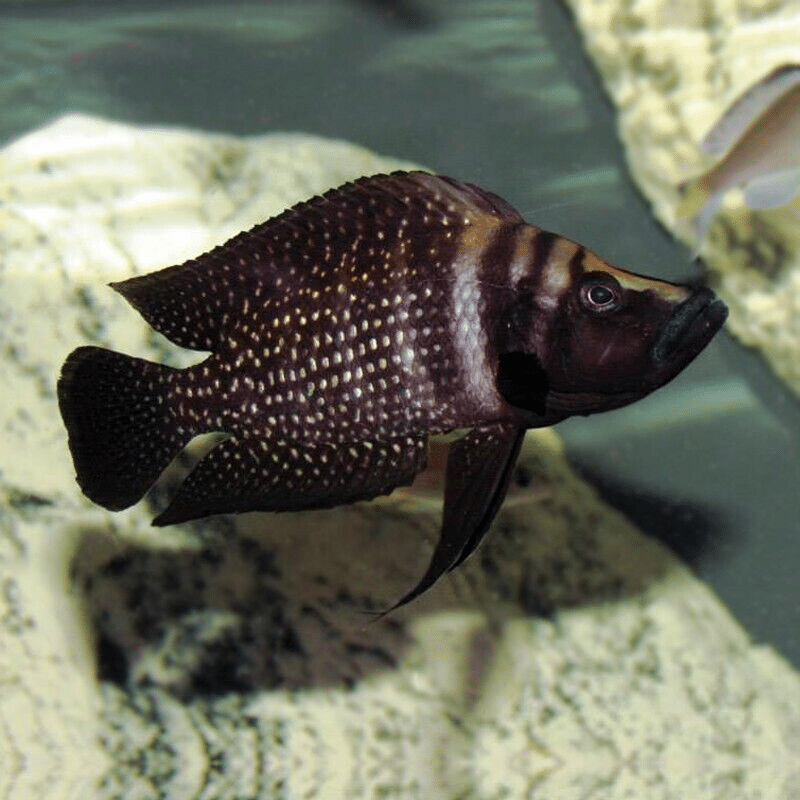
The Black Pectoral Calvus, scientifically known as Altolamprologus calvus, is a captivating member of the Lake Tanganyika cichlid family. Native to the rocky shores of Lake Tanganyika in East Africa, this species thrives in the unique aquatic environment characterized by its alkaline waters and varied substrate. The Black Pectoral Calvus is renowned for its striking appearance, featuring a sleek, elongated body adorned with a dark coloration that can range from deep black to charcoal gray, complemented by bright yellow or white accents on its fins. These fish are not only beautiful but also exhibit fascinating behaviors that make them a joy to observe in a well-maintained aquarium.
Key Features – Black Pectoral Calvus – Altolamprologu
| Specification | Details |
|---|---|
| Benefits | Enhances your aquarium ecosystem |
| Quality | Premium aquarium-grade materials |
| Ease of Use | Simple setup and maintenance |
Care Requirements Dashboard
✓ Care Level: Moderate
Tank Size: Minimum 30 gallons
Water Parameters: pH 7.8-9.0, Temperature 75-82°F, Hardness 10-20 dGH
These fish require a well-established tank with stable water conditions. A minimum tank size of 30 gallons is recommended to provide adequate swimming space and territorial boundaries. The water should be kept at a pH level between 7.8 and 9.0, with a temperature range of 75 to 82 degrees Fahrenheit. It’s important to monitor the hardness of the water, aiming for a range of 10 to 20 dGH, to ensure the health and vitality of your Black Pectoral Calvus.
Natural Behavior & Temperament
The Black Pectoral Calvus is known for its unique swimming patterns and territorial nature. In the wild, these fish inhabit rocky crevices where they can hide and establish their territories. They are generally peaceful but can exhibit territorial aggression, especially during breeding or when they feel threatened. It is essential to provide ample hiding spots within the aquarium using rocks, caves, and other decorations to help them feel secure. Observing their natural behavior can be incredibly rewarding, as they often engage in playful interactions with their surroundings and other tank mates.
Tank Setup Guide
Creating an ideal environment for your Black Pectoral Calvus involves replicating their natural habitat as closely as possible. A sandy substrate is recommended, as it mimics the lakebed of Lake Tanganyika and allows for natural foraging behaviors. Incorporate plenty of rocks and caves to provide hiding spots and territorial boundaries. The layout should include open swimming areas as well as sheltered spaces to cater to their natural instincts. Additionally, consider using aquarium plants that thrive in hard water conditions, such as Anubias or Java Fern, to enhance the aesthetic appeal of the tank while providing additional cover.
Water Quality Management
Maintaining optimal water quality is crucial for the health of your Black Pectoral Calvus. Regular water changes of 20-30% every two weeks are recommended to keep nitrate levels low and ensure a clean environment. Use a high-quality filtration system to maintain water clarity and quality, and consider using a heater to stabilize the temperature. Regularly test the water parameters, including pH, hardness, and ammonia levels, to prevent any fluctuations that could stress your fish. Remember, stable water conditions are key to promoting the well-being and longevity of your aquatic companions.
Feeding & Nutrition
✓ Diet: Omnivorous
Feeding Schedule: 2-3 times a day
Food Types: High-quality pellets, frozen or live foods
The Black Pectoral Calvus is an omnivorous species that thrives on a varied diet. High-quality cichlid pellets should form the base of their diet, supplemented with frozen or live foods such as brine shrimp, daphnia, and bloodworms. Feeding should occur 2-3 times a day, with portions that can be consumed within a few minutes to prevent overfeeding and maintain water quality. A balanced diet will not only enhance their coloration but also promote overall health and vitality.
Compatibility Guide
When selecting tank mates for your Black Pectoral Calvus, it’s essential to consider their temperament and territorial nature. They can coexist peacefully with other Lake Tanganyika cichlids, such as Chalinochromis brichardi, provided the tank is spacious enough to accommodate their territorial behaviors. Avoid pairing them with overly aggressive species, as this can lead to stress and injury. Ideal tank mates include peaceful cichlids and bottom-dwelling species that do not compete for the same territory or food sources. Always monitor interactions closely, especially during the initial introduction period.
Health & Wellness
✓ Common Issues: Ich, fin rot
Prevention: Maintain water quality
Signs of Health: Active swimming, clear eyes
Like all fish, the Black Pectoral Calvus is susceptible to certain health issues, including ich and fin rot. To prevent these problems, it is crucial to maintain excellent water quality and avoid overcrowding in the tank. Regular observation of your fish is essential; signs of health include active swimming, clear eyes, and vibrant coloration. If you notice any signs of illness, such as lethargy, loss of appetite, or unusual swimming patterns, it is vital to take action promptly. Quarantine any sick fish and consult with an aquatic veterinarian if necessary.
Breeding Information
Breeding Black Pectoral Calvus can be a rewarding experience, though it requires careful attention to detail. These fish are mouthbrooders, meaning the female will carry the fertilized eggs in her mouth until they hatch. To encourage breeding, provide a separate breeding tank with suitable hiding spots and stable water conditions. The female will lay eggs on flat surfaces, and the male will fertilize them. After a few days, the eggs will hatch, and the female will continue to protect the fry in her mouth for several weeks. Once the fry are ready to swim on their own, they can be introduced to a larger tank, where they will require finely crushed food to support their growth.
Acclimation Process
Proper acclimation is essential when introducing your Black Pectoral Calvus to a new tank. Begin by floating the sealed bag containing the fish in the aquarium for about 15-20 minutes to equalize the temperature. After this, gradually introduce small amounts of tank water into the bag every 5-10 minutes to help the fish adjust to the new water parameters. This process should take about an hour. Once acclimated, gently release the fish into the tank using a net to avoid adding bag water, which may contain harmful substances. Monitor the fish closely for the first few days to ensure they adapt well to their new environment.
Long-term Care
Caring for your Black Pectoral Calvus over the long term involves consistent maintenance and attention to their needs. These fish can live for several years with proper care, so it is essential to establish a routine for water changes, feeding, and tank monitoring. Regularly check water parameters and adjust as necessary to maintain optimal conditions. Additionally, keep an eye on their growth and behavior, making adjustments to tank decor and food as they mature. Providing a stable and enriching environment will ensure that your fish friends thrive and display their natural beauty for years to come.
Natural Habitat Recreation
To create a biotope that closely resembles the natural habitat of the Black Pectoral Calvus, focus on replicating the rocky environments found in Lake Tanganyika. Use natural rocks, caves, and sandy substrates to provide hiding spots and territorial boundaries. Consider incorporating plants that thrive in hard water, such as Anubias or Vallisneria, to enhance the aesthetic appeal while providing additional cover. Lighting should mimic natural conditions, with moderate intensity to create shadows and highlights that enhance the environment. This setup will not only benefit the fish but also create a visually stunning aquarium.
Seasonal Care Adjustments
As seasons change, so too can the conditions in your aquarium. During warmer months, monitor the temperature closely, as higher temperatures can stress your Black Pectoral Calvus. Ensure that the tank is adequately aerated and consider using a fan or chiller if necessary. In colder months, maintain a consistent temperature by using a reliable heater. Adjust lighting duration to mimic natural daylight cycles, which can influence breeding behaviors and overall health. By being attentive to seasonal changes, you can provide a stable environment that supports the well-being of your aquatic companions.
Expert Tips
✓ Professional Advice
Consider keeping a small group of Black Pectoral Calvus to observe their social dynamics. Providing plenty of hiding spots will help reduce aggression and stress.
For those looking to deepen their understanding of Black Pectoral Calvus care, consider joining online forums or local aquarium clubs. Engaging with fellow enthusiasts can provide valuable insights and tips for successful husbandry. Additionally, keeping a detailed log of water parameters, feeding schedules, and behavioral observations can help you identify patterns and make informed decisions about your aquarium management.
Troubleshooting
If you encounter issues with your Black Pectoral Calvus, such as aggression or health problems, the first step is to assess the tank environment. Ensure that water parameters are within the recommended ranges and that the tank is not overcrowded. If aggression is a concern, consider rearranging decorations to disrupt established territories and provide new hiding spots. For health issues, quarantine affected fish and consult with a veterinarian specializing in aquatic species. Keeping a close eye on your fish and being proactive in addressing concerns will help maintain a thriving aquarium.
Scientific Background
The Black Pectoral Calvus belongs to the family Cichlidae, which is known for its diverse range of species found in freshwater environments. Altolamprologus calvus is particularly notable for its unique adaptations to the rocky habitats of Lake Tanganyika. Ongoing research into the behavior and ecology of this species contributes to our understanding of cichlid evolution and the importance of habitat preservation. Conservation efforts are crucial to protect the delicate ecosystems of Lake Tanganyika, ensuring that future generations can enjoy the beauty of these remarkable fish.
Advanced Care Techniques
For experienced aquarists, implementing advanced care techniques can enhance the quality of life for your Black Pectoral Calvus. Consider using a reverse osmosis (RO) system to create ideal water conditions, especially if your tap water does not meet the necessary parameters. Additionally, explore the use of natural filtration methods, such as live plants and beneficial bacteria, to maintain water quality. Regularly participate in water testing and adjust your maintenance routine based on the specific needs of your fish. By adopting these advanced techniques, you can create an optimal environment that supports the health and vitality of your aquatic companions.
Frequently Asked Questions
Q: What tank size is required for the Black Pectoral Calvus?
The Black Pectoral Calvus, a stunning African cichlid from Lake Tanganyika, requires a minimum tank size of 75 litres (approximately 20 gallons). This spacious environment allows them to establish their territories and reduces stress, which is crucial for their overall health. A larger tank is preferable as it can accommodate more hiding spots and territories, which are essential for their natural behaviour. Additionally, ensuring proper filtration and water movement mimics their natural habitat, promoting a healthier environment. Regular water changes, approximately 10-15% weekly, will help maintain water quality and clarity.
✓ Expert Tip
Consider incorporating rocks and caves into the aquarium setup to provide hiding spots and reduce aggression amongst males.
Q: What water parameters do Black Pectoral Calvus require?
Black Pectoral Calvus thrive in slightly alkaline water with a pH range of 7.8 to 9.0. They prefer a water temperature between 24°C and 28°C (75°F to 82°F). Hardness levels should ideally be between 10-15 dGH. Maintaining these parameters is vital for their health and well-being, as fluctuations can lead to stress and susceptibility to diseases. Regular testing of water parameters using reliable test kits is essential. Additionally, ensure proper filtration to keep the water clean and well-oxygenated, as these fish are sensitive to poor water quality.
✓ Expert Tip
Utilise a reverse osmosis (RO) system for precise control over water parameters, especially if your tap water has fluctuating qualities.
Q: How often should I feed my Black Pectoral Calvus?
Feeding Black Pectoral Calvus should be done 2-3 times a day. A varied diet is crucial, including high-quality pellets, flakes, and occasional live or frozen foods such as brine shrimp or daphnia. This variety ensures they receive essential nutrients for their growth and colouration. Care should be taken not to overfeed, as uneaten food can pollute the water and lead to health issues. A good rule of thumb is to provide only as much food as they can consume within a few minutes. Regularly observing their feeding behaviour can help you gauge the right amounts.
✓ Expert Tip
Consider using feeding rings to prevent food from dispersing too quickly, ensuring all fish get their share.
Q: What are the best tank mates for Black Pectoral Calvus?
Black Pectoral Calvus are generally peaceful but can be territorial, especially males. Suitable tank mates include other Lake Tanganyika cichlids such as the Neolamprologus species, as well as peaceful bottom dwellers like synodontis catfish. Avoid overly aggressive species or those that may outcompete them for food or territory. It is also advisable to introduce tank mates simultaneously to reduce territorial disputes. Providing ample hiding spots and visual barriers can help maintain harmony within the community tank.
✓ Expert Tip
When introducing new fish, monitor their interactions closely for the first few days to ensure compatibility.
Q: How do I properly acclimatise my Black Pectoral Calvus to my aquarium?
Acclimatisation is crucial for the well-being of your Black Pectoral Calvus. Begin by floating the sealed bag in the aquarium for approximately 15-20 minutes to equalise the temperature. Following this, open the bag and gradually add small amounts of aquarium water to the bag every 5 minutes for about an hour. This process helps the fish adjust to the water chemistry. Once acclimatised, gently net the fish out of the bag and place them in the aquarium, discarding the bag water to avoid introducing any contaminants. This method significantly reduces stress and promotes a smoother transition.
✓ Expert Tip
Consider using a drip acclimatisation method for more sensitive species or when introducing multiple fish.
Q: What are the signs of healthy Black Pectoral Calvus?
Healthy Black Pectoral Calvus exhibit vibrant colours, clear eyes, and active swimming behaviour. They should not show signs of stress, such as excessive hiding or rapid gill movement. Regular feeding and social interaction with tank mates are also indicators of good health. Additionally, observe for normal faecal output, which should be consistent and not stringy or discoloured. Any significant changes in behaviour, such as lethargy or aggression, can indicate underlying health issues that require immediate attention.
✓ Expert Tip
Regularly monitor your fish and their environment to catch any potential health issues early.
Q: How do I successfully breed Black Pectoral Calvus?
Breeding Black Pectoral Calvus can be quite rewarding. To encourage breeding, it is essential to create a suitable environment with plenty of caves and hiding spots. Maintain optimal water parameters, particularly pH and temperature. Introduce a breeding pair, as they tend to be monogamous. Once spawning occurs, the female will lay eggs on flat surfaces, which the male will fertilise. After a few days, the fry will hatch, and it is vital to provide them with suitable food such as infusoria or finely crushed flakes. Isolating the pair or the fry can help protect them from potential threats from tank mates.
✓ Expert Tip
Consider using a separate breeding tank to increase the survival rate of the fry.
Q: What temperature should I maintain for Black Pectoral Calvus?
Maintaining a stable water temperature is crucial for the health of Black Pectoral Calvus. The ideal range is between 24°C and 28°C (75°F to 82°F). Sudden fluctuations can lead to stress and potential health issues. Using a reliable aquarium heater with a thermometer will help ensure the temperature remains consistent. Regularly monitor the temperature, especially during seasonal changes or if the aquarium is placed in a drafty area. In addition, maintaining stable temperatures during breeding periods can encourage successful spawning.
✓ Expert Tip
Consider using a temperature controller for added precision and stability.
Q: How long do Black Pectoral Calvus typically live in captivity?
With proper care and optimal living conditions, Black Pectoral Calvus can live for 10 to 15 years in captivity. Their lifespan can be influenced by factors such as diet, water quality, and overall tank conditions. Regular maintenance, including water changes and monitoring of water parameters, is essential to ensure a long and healthy life for your fish friends. Additionally, providing a stress-free environment with suitable tank mates and hiding spots can significantly enhance their well-being and longevity.
✓ Expert Tip
Keep a detailed log of your aquarium parameters and fish behaviour to identify any issues early.
Q: What type of substrate is most suitable for Black Pectoral Calvus?
Black Pectoral Calvus prefer a sandy substrate that mimics their natural habitat in Lake Tanganyika. A fine, smooth sand allows them to dig and forage comfortably, which is part of their natural behaviour. Avoid sharp substrates, as they can injure the delicate fins and bodies of your fish friends. Layering the substrate with rocks and caves can create a more dynamic environment, providing both aesthetic appeal and hiding spots. Regular vacuuming during water changes will help maintain cleanliness and prevent detritus buildup in the substrate.
✓ Expert Tip
Consider mixing in some larger pebbles or rocks to create a more natural look while providing stability.
Q: What behavioural patterns should I expect from Black Pectoral Calvus?
Black Pectoral Calvus are known for their unique behaviour, often displaying territoriality, especially among males. They enjoy exploring their environment, utilising caves and crevices as hiding spots. In a well-established aquarium, these fish will exhibit social behaviours, swimming in pairs or small groups. However, be prepared for occasional displays of aggression, particularly during breeding periods or if they feel threatened. Observing their behaviour can provide insights into their health and stress levels. Providing adequate space and structure in the tank can help mitigate aggressive tendencies.
✓ Expert Tip
Monitor their social interactions closely and rearrange tank decor if aggression escalates to ensure a peaceful environment.
Q: How can I prevent common diseases in Black Pectoral Calvus?
Preventing diseases in Black Pectoral Calvus involves maintaining optimal water quality and a stress-free environment. Regular water changes and monitoring of water parameters are essential. Quarantining new arrivals before introducing them to the main tank is crucial to prevent the spread of diseases. Additionally, providing a balanced diet rich in vitamins and minerals can enhance their immune system. Observing your fish for any signs of illness, such as changes in behaviour or physical appearance, allows for early intervention. Keeping the tank clean and free of uneaten food will also help to reduce disease risk.
✓ Expert Tip
Consider adding aquarium salt to the tank as a preventive measure, but ensure it is suitable for your tank mates.
Q: What lighting conditions do Black Pectoral Calvus prefer?
Black Pectoral Calvus thrive in moderate lighting conditions that simulate their natural habitat. They prefer subdued lighting, which can be achieved through the use of floating plants or strategically placed rocks and decorations. This lighting not only reduces stress but also allows them to display their colours more vibrantly. A light cycle of 10-12 hours per day is generally recommended, with a gradual dimming period to mimic natural day and night cycles. Avoid harsh, bright lights that can cause discomfort and stress to your fish friends.
✓ Expert Tip
Consider using LED lights with adjustable brightness for flexibility and energy efficiency.
Q: How do I recognise stress in Black Pectoral Calvus?
Recognising stress in Black Pectoral Calvus is vital for their welfare. Common signs include hiding excessively, rapid gill movement, erratic swimming patterns, and a loss of appetite. Additionally, changes in colouration, such as dullness or darkening, can indicate stress. Keeping an eye on their interactions with tank mates is also essential, as increased aggression or avoidance behaviour can signal distress. If you observe these signs, assess the tank conditions, including water quality, temperature, and compatibility with other fish. Addressing any issues promptly can help restore their health and peace.
✓ Expert Tip
Consider creating more hiding spots or rearranging the tank to alleviate stressors.
Q: What natural habitat conditions should I replicate for Black Pectoral Calvus?
To ensure the health and happiness of Black Pectoral Calvus, replicating their natural habitat is essential. They originate from Lake Tanganyika, where they thrive in rocky environments with sandy substrates. Incorporating rocks, caves, and hiding spots in your aquarium setup mimics their natural environment and provides security. Additionally, maintaining slightly alkaline water with stable temperatures and good water flow will create conditions similar to their native waters. Understanding their natural habitat will help you create a thriving environment for these beautiful fish.
✓ Expert Tip
Research specific rock formations and plant types found in Lake Tanganyika to enhance your aquascaping.
1 review for Black Pectoral Calvus – Altolamprologu
Add a review
Related products



Mike Thompson (verified owner) –
I’ve been keeping freshwater fish for over five years, and I recently introduced the Black Pectoral Calvus – Altolamprologu into my Lake Tanganyika cichlid aquarium. Let me tell you, these fish are stunning! Their unique pectoral fins create an elegant silhouette, and their calm demeanor makes them a joy to watch. After about two weeks, I’ve noticed them thriving, with vibrant colors and playful interactions among themselves. They’re not just beautiful; their shy but curious behavior brings life to my tank.
Compared to other cichlids I’ve kept, the Calvus are more peaceful, which is perfect for my community setup. They do appreciate having some caves and hiding spots, so consider adding that to your tank if you want them to feel secure. The shipping was quick, and the fish arrived healthy and active, which shows the vendor’s commitment to fish welfare.
I highly recommend these tropical fish for anyone looking to add a unique and engaging species to their aquarium. Just be mindful of their tank mates and provide plenty of hiding spots. I would definitely buy them again!