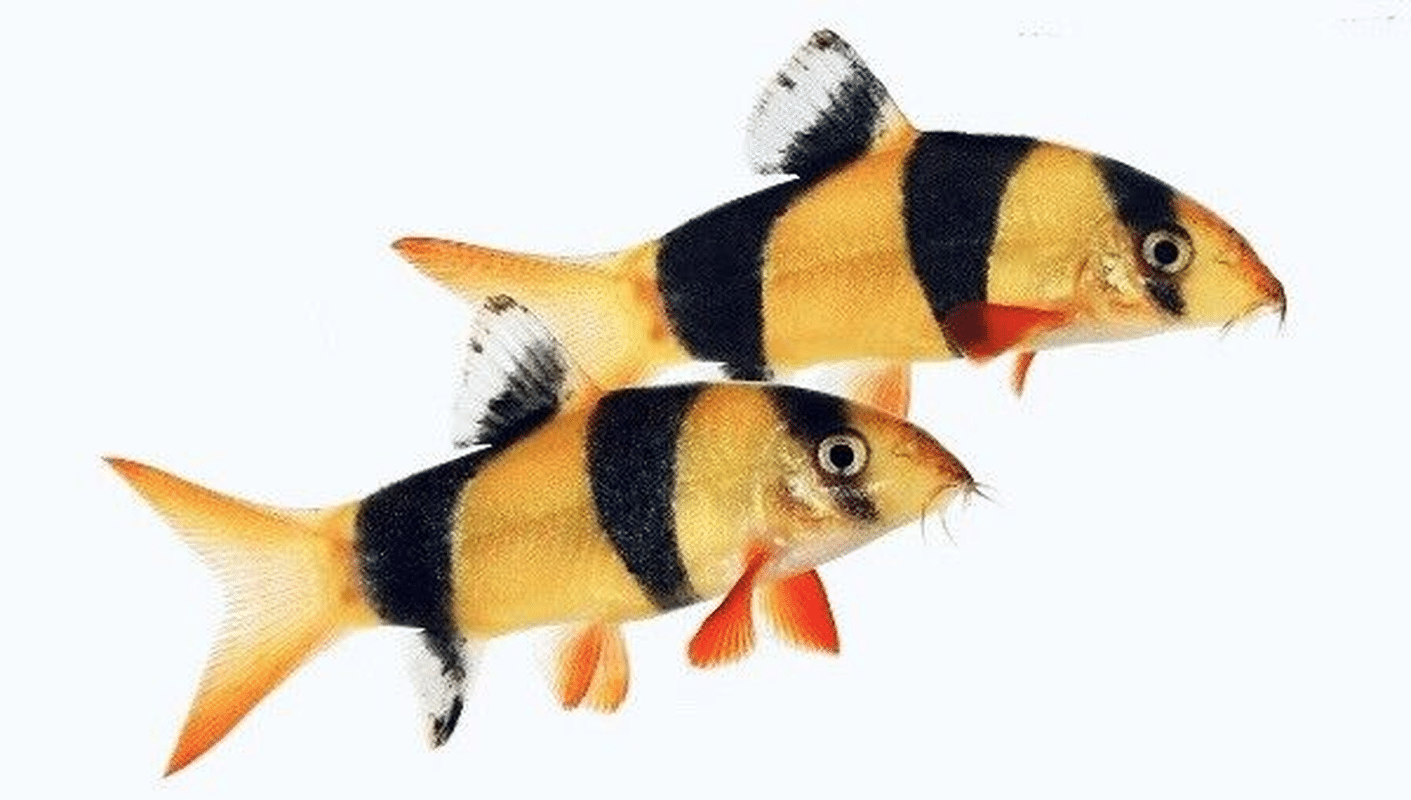
Clown Loach – Chromobotia Macracanthus – Tropical Loach

Original price was: £26.49.£22.26Current price is: £22.26.
Welcome these beautiful Clown Loach Tropical Fish into your aquarium for a vibrant splash of color and personality. Perfect for aquarists seeking peaceful companions, they thrive in community tanks and add charm to any setup. Provide a loving home for these stunning bottom dwellers today!
In stock


Species Introduction
The Clown Loach (scientific name: Chromobotia macracanthus) is a vibrant freshwater fish that hails from the rivers and streams of Southeast Asia. Known for their striking coloration, these tropical fish are a favorite among aquarists due to their playful nature and unique appearance. Clown Loaches typically reach a maximum length of around 6 cm in home aquariums, although they can grow larger in the wild. Their natural habitat consists of densely vegetated areas, where they find shelter among roots and submerged plants. This species thrives in groups, showcasing a variety of behaviors that make them captivating to observe. Understanding their natural environment is crucial for creating a suitable home in your aquarium.
Essential Care Guide for Your Clown Loach Tropical Fish
| Optimal Living Conditions | |
|---|---|
| Water Temperature | 24-26°C (75-79°F) |
| pH Level | 6.0-7.5 |
| Water Hardness | 5-15 dGH |
| Minimum Tank Size | 200L (50 gal) |
| Salinity | 1.020-1.025 SG |
| Care Level | Intermediate |
✓ Care Level: Intermediate
Natural Behavior & Temperament
Clown Loaches are known for their lively and social behavior. These bottom dwellers enjoy swimming in groups, displaying a range of playful antics that can be both entertaining and endearing. They are primarily nocturnal, often being more active during the evening hours. In their natural habitat, they exhibit a tendency to burrow into substrate and seek refuge among plants and decorations. This behavior not only provides them with security but also mimics their wild environment. Observing their interactions with each other and their surroundings can provide insights into their well-being and happiness. Keeping them in groups of three or more will enhance their social dynamics and reduce stress.
Tank Setup Guide
To create an ideal environment for your Clown Loach, consider replicating their natural habitat as closely as possible. A substrate of fine gravel or sand is recommended, as it allows them to burrow and explore. Incorporating plenty of hiding spots using driftwood, caves, and plants will help them feel secure. Live plants not only enhance the aesthetic appeal of the aquarium but also provide essential cover and contribute to water quality. Ensure that the tank is well-cycled and has a good filtration system to maintain water quality. Clown Loaches thrive in slightly acidic to neutral water, so regular testing and maintenance of water parameters are essential for their health.
Water Quality Management
Maintaining optimal water quality is crucial for the health of your Clown Loach. Regular water changes of 20-30% weekly will help keep nitrate levels low and ensure a stable environment. The ideal water temperature for Clown Loaches ranges from 24-30°C (75-86°F), and it is important to monitor this closely, especially during seasonal changes. The pH level should be maintained between 6.0 and 7.5, with a hardness of 5-15 dGH. Using a reliable water testing kit will help you keep track of these parameters, ensuring that your aquatic companions thrive. Additionally, consider using a high-quality water conditioner to remove harmful chemicals from tap water before adding it to the tank.
Feeding & Nutrition
✓ Omnivorous Diet
Clown Loaches are omnivorous fish that require a balanced diet for optimal health. They enjoy a variety of foods, including high-quality flake food, pellets, and live or frozen options such as bloodworms and brine shrimp. A feeding schedule of 2-3 times a day is ideal, providing small amounts that they can consume within a few minutes. It’s important to avoid overfeeding, as this can lead to water quality issues. Supplementing their diet with algae wafers will also help them fulfill their natural algae-eating behaviors. Observing their feeding habits can help you adjust their diet to ensure they receive the necessary nutrients.
Compatibility Guide
Clown Loaches are generally peaceful and can coexist with a variety of tank mates. They thrive in community tanks with other non-aggressive species. Suitable companions include tetras, rasboras, and peaceful cichlids. However, it is crucial to avoid housing them with overly aggressive fish or those that may nip at their fins. When selecting tank mates, consider the size and temperament of each species to ensure a harmonious environment. Providing ample space and hiding spots will help reduce territorial disputes and stress among your aquatic friends.
Health & Wellness
⚠ Important Health Notice
Regular health checks are essential for your Clown Loach. Common health issues include ich, fin rot, and other parasitic infections. Signs of illness may include lethargy, loss of appetite, and abnormal swimming patterns. To prevent these issues, ensure that water quality is consistently monitored and maintained. Quarantining new fish before introducing them to the main tank can also help prevent the spread of disease. If you notice any signs of illness, it is crucial to act quickly, consulting with a veterinarian or aquatic specialist for appropriate treatment options.
Breeding Information
Breeding Clown Loaches in captivity can be challenging, as they require specific conditions to spawn successfully. They are known to be egg scatterers, laying their eggs among plants and substrate. To encourage breeding, it is essential to provide a separate breeding tank with optimal water conditions, including slightly cooler temperatures and increased water flow. After spawning, the parents should be removed to prevent them from eating the eggs. The eggs typically hatch within 24-48 hours, and the fry should be fed infusoria or finely crushed flake food until they are large enough to consume larger foods. Patience and careful monitoring are key to successfully breeding these beautiful fish.
Acclimation Process
When introducing new Clown Loaches to your aquarium, it is crucial to acclimate them properly to minimize stress. Begin by floating the sealed bag in the aquarium for about 15-20 minutes to equalize the temperature. After that, gradually mix small amounts of tank water into the bag over the course of an hour. This process helps the fish adjust to the new water parameters. Once acclimated, gently release the fish into the tank, avoiding any sudden movements that could startle them. Proper acclimation is essential for ensuring the long-term health and well-being of your new aquatic companions.
Long-term Care
Clown Loaches can live for several years with proper care, often reaching a lifespan of 10-15 years in a well-maintained aquarium. As they grow, it is important to monitor their size and adjust tank conditions accordingly. Regular water changes, consistent feeding schedules, and maintaining a stable environment will contribute to their longevity. Additionally, providing them with a varied diet will help promote vibrant colors and overall health. Keeping a close eye on their behavior and interactions with other fish will also help you detect any potential issues early on.
Natural Habitat Recreation
Recreating the natural habitat of Clown Loaches in your aquarium can enhance their well-being and provide a more enriching environment. Incorporate a variety of plants, rocks, and driftwood to mimic the riverbeds they inhabit in the wild. A well-planted aquarium not only provides hiding spots but also contributes to the overall aesthetics. Consider using floating plants to create shaded areas that replicate their natural environment. Additionally, maintaining a gentle water flow will help simulate the currents found in their native habitat, encouraging natural behaviors and promoting a healthy lifestyle.
Seasonal Care Adjustments
As seasons change, so do the conditions in your aquarium. During warmer months, it is essential to monitor the water temperature closely, as it can rise significantly. Ensure that the tank is not exposed to direct sunlight, which can lead to overheating. In cooler months, consider using a heater to maintain a stable temperature within the ideal range for Clown Loaches. Additionally, adjusting the lighting schedule to mimic natural daylight patterns can help regulate their behavior and promote a healthy circadian rhythm. Being attentive to seasonal changes will ensure the ongoing health and happiness of your aquatic companions.
Expert Tips
For those looking to provide the best care for their Clown Loaches, consider these expert tips: First, ensure that your tank is adequately cycled before introducing any fish. This will create a stable environment that is crucial for their health. Second, regularly observe their behavior for any signs of stress or illness, as early detection is key to effective treatment. Lastly, engage in regular maintenance routines, including substrate cleaning and filter maintenance, to keep the aquarium environment optimal. By following these tips, you can create a thriving habitat for your Clown Loaches, allowing them to flourish and exhibit their natural behaviors.
Troubleshooting
⚠ Common Issues
If you encounter issues with your Clown Loaches, such as aggressive behavior or signs of illness, it is important to address them promptly. Aggression can sometimes arise from overcrowding or incompatible tank mates, so reassess the tank dynamics to ensure a peaceful environment. If health issues arise, such as white spots or fin deterioration, consider performing a water change and treating the tank with appropriate medications. Regular monitoring and maintenance will help prevent many common problems, ensuring your Clown Loaches remain healthy and vibrant.
Scientific Background
While specific scientific data on the Clown Loach may be limited, it is essential to understand their taxonomy and ecological role. They belong to the family of loaches, which are known for their unique adaptations to freshwater environments. Research on their behavior and habitat preferences can provide valuable insights into their care and conservation. Understanding the ecological impact of loaches in their natural habitats can also inform responsible aquarium practices, ensuring that we provide a sustainable environment for these beautiful creatures.
Advanced Care Techniques
For experienced aquarists looking to take their care of Clown Loaches to the next level, consider implementing advanced techniques such as breeding programs and biotope setups. Creating a breeding environment that mimics their natural spawning conditions can increase the likelihood of successful reproduction. Additionally, experimenting with different plant species and tank layouts can enhance their habitat, promoting natural behaviors and interactions. By continually learning and adapting your care techniques, you can ensure a thriving environment for your Clown Loaches, allowing them to flourish as part of your aquatic family.
Water Quality Parameters
Optimal Range
24-27°C
6.5-7.5
0 ppm
Caution Zone
22-24°C or 27-29°C
6.0-6.5 or 7.5-8.0
0.25-0.5 ppm
Danger Zone
<22°C or >29°C
<6.0 or >8.0
>0.5 ppm
Monitoring Tip: Test water parameters weekly and perform regular water changes to maintain optimal conditions for your aquatic friends!
Frequently Asked Questions
Q: What tank size is required for Clown Loaches?
Clown Loaches thrive best in a spacious aquarium, ideally a minimum of 100 litres (approximately 26 gallons) for a small group. These sociable fish prefer to be kept in groups of at least three to five individuals, as they exhibit more natural behaviour when together. A larger tank not only provides ample swimming space but also helps maintain stable water parameters. When establishing your aquarium, consider including plenty of hiding spots, such as caves or driftwood, as Clown Loaches enjoy exploring and feeling secure. A well-planted tank can also enhance their environment, simulating their natural habitat.
✓ Expert Tip
Ensure your tank has a secure lid, as Clown Loaches are known to jump if startled.
Q: What water parameters do Clown Loaches require?
Clown Loaches prefer slightly acidic to neutral water, with a pH range of 6.0 to 7.5. The ideal water temperature should be maintained between 24°C to 30°C (75°F to 86°F). Regular water changes, approximately 10-15% weekly, are crucial for maintaining high water quality, as these fish are sensitive to poor conditions. Ammonia and nitrite levels must remain at 0 ppm, while nitrate should be kept under 20 ppm. Using a quality water conditioner can help neutralise harmful chemicals in tap water, ensuring a healthy environment for your aquatic companions.
✓ Expert Tip
Invest in a reliable water testing kit to monitor parameters regularly.
Q: How often should I feed Clown Loaches?
Clown Loaches are omnivorous and require a varied diet to thrive. Feeding them 2-3 times a day with small amounts is ideal, ensuring they consume all food within a few minutes. A balanced diet can include high-quality sinking pellets, frozen or live foods such as bloodworms and brine shrimp, and blanched vegetables like zucchini or cucumber. Providing a mix of foods not only enhances their health but also brings out their natural colours. Adjust feeding amounts based on the number of fish and their size to prevent overfeeding, which can lead to water quality issues.
✓ Expert Tip
Introduce new foods gradually to avoid digestive upset.
Q: What are the best tank mates for Clown Loaches?
Clown Loaches are generally peaceful and can coexist well with other non-aggressive fish. Suitable tank mates include Tetras, Rasboras, Gouramis, and other Loaches. Avoid keeping them with overly aggressive species or those that may nip fins, as this can stress the Clown Loaches. They also prefer to be in groups, so ensure you have at least three to five in a community tank. When introducing new fish, do so gradually, monitoring interactions closely to ensure compatibility and reduce stress during acclimatisation.
✓ Expert Tip
Adding hiding spots can help all fish feel more secure in the tank.
Q: How do I properly acclimatise Clown Loaches to my aquarium?
Acclimatising your Clown Loaches is essential for ensuring their health and reducing stress. Begin by floating the sealed bag in your aquarium for about 15-20 minutes to equalise the temperature. Then, gradually introduce small amounts of aquarium water into the bag every 5-10 minutes for approximately an hour. This slow process allows the fish to adjust to the new water chemistry. Once acclimatised, gently net the Clown Loaches into the tank, avoiding adding bag water, which may contain harmful substances. This method ensures a smooth transition to their new home.
✓ Expert Tip
Always acclimatise fish slowly to avoid shock.
Q: What are the signs of healthy Clown Loaches?
Healthy Clown Loaches exhibit bright colours, active swimming patterns, and a strong appetite. They should display smooth, unblemished skin without any signs of lesions or discoloration. Additionally, watch for clear eyes and normal fin movement. If your Clown Loaches are hiding excessively or displaying lethargy, this may indicate stress or illness. Regular observation is key; any changes in behaviour or appearance should be addressed promptly. Maintaining optimal water quality and a balanced diet will contribute to their overall well-being.
✓ Expert Tip
Monitor your fish regularly to catch any health issues early.
Q: How do I successfully breed Clown Loaches?
Breeding Clown Loaches in captivity can be quite challenging, as they require specific conditions. To encourage breeding, provide a separate breeding tank with soft, slightly acidic water and a temperature range of 28°C to 30°C (82°F to 86°F). Include spawning mops or fine-leaved plants for egg deposition. Once the conditions are right, the female will lay eggs, which the male will fertilise. After spawning, remove the adults to prevent them from eating the eggs. The eggs will hatch in about 2-3 days, and the fry will require infusoria or finely crushed flakes for initial feeding.
✓ Expert Tip
Be patient, as Clown Loaches may take time to spawn.
Q: What temperature should I maintain for Clown Loaches?
The ideal temperature range for Clown Loaches is between 24°C to 30°C (75°F to 86°F). Maintaining a stable temperature is crucial, as fluctuations can stress the fish and lead to health problems. Use a reliable aquarium heater and thermometer to monitor the water temperature accurately. If your aquarium experiences a drop in temperature, such as during water changes, ensure it is gradual to prevent shock. Clown Loaches are more active and display vibrant colours in warmer water, but avoid exceeding 30°C, as this can be detrimental to their health.
✓ Expert Tip
Regularly check your heater’s functionality to ensure consistent temperatures.
Q: How long do Clown Loaches typically live in captivity?
In captivity, Clown Loaches can live for over 10 years, with some reaching 15 years or more when provided with optimal care. Their lifespan can be significantly influenced by water quality, diet, and overall tank conditions. Regular maintenance, including water changes and monitoring parameters, contributes to their longevity. Additionally, a balanced diet and proper tank mates will enhance their health and well-being. Establishing a stable and clean environment will allow your Clown Loaches to thrive and enjoy a long life as part of your aquarium family.
✓ Expert Tip
Keep accurate records of water changes and feeding schedules to track their health.
Q: What type of substrate is most suitable for Clown Loaches?
Clown Loaches prefer a fine substrate, such as sand or small gravel, which allows them to comfortably burrow and forage. A smooth substrate is essential to prevent injury to their delicate bodies. Sand is particularly beneficial, as it mimics their natural habitat and provides a soft surface for them to sift through. Additionally, including some larger stones or driftwood can create visual interest and hiding spots. Regular cleaning of the substrate is crucial to prevent the build-up of waste and maintain water quality, ensuring a healthy environment for your fish friends.
✓ Expert Tip
Use a siphon to clean the substrate without disturbing your fish.
Q: What behavioural patterns should I expect from Clown Loaches?
Clown Loaches are known for their playful and active behaviour. They enjoy swimming in groups, often darting about the tank and exploring their surroundings. At times, you may observe them hiding or resting in caves or amongst plants, which is perfectly normal. They are also nocturnal, becoming more active during the evening hours. Their social nature means they thrive in a community setting, often engaging in playful interactions with their tank mates. Providing a variety of hiding spots and swimming areas will encourage their natural behaviour and keep them entertained.
✓ Expert Tip
Observe your Clown Loaches regularly to appreciate their unique personalities.
Q: How can I prevent common diseases in Clown Loaches?
Preventing diseases in Clown Loaches largely revolves around maintaining optimal water quality and a stress-free environment. Regular water changes, proper filtration, and monitoring of water parameters are essential. Quarantine new fish before introducing them to your established tank to prevent the spread of diseases. Additionally, a balanced diet rich in nutrients supports their immune system. Be vigilant for signs of stress, such as hiding or changes in appetite, as early detection can help prevent more severe health issues. Keeping the tank clean and well-maintained significantly reduces the risk of disease.
✓ Expert Tip
Consider adding aquarium salt in moderation to help prevent certain diseases.
Q: What lighting conditions do Clown Loaches prefer?
Clown Loaches thrive in moderate lighting conditions that mimic their natural habitat. They prefer a dimly lit environment, which can be achieved using a standard aquarium light with a timer to create a day-night cycle. Avoid bright, direct lighting, as this can stress them and cause them to hide excessively. Incorporating live plants and decorations can also help diffuse light and provide shaded areas for your fish friends. A well-lit aquarium with areas of shade will encourage natural behaviour, allowing your Clown Loaches to feel secure and more active.
✓ Expert Tip
Use floating plants to provide additional shade and improve aesthetics.
Q: How do I recognise stress in Clown Loaches?
Recognising stress in Clown Loaches is crucial for their health. Signs of stress may include excessive hiding, lethargy, loss of appetite, and erratic swimming behaviour. You might also notice clamped fins or fading colours. Sudden changes in water parameters, aggressive tank mates, or inadequate hiding spots can contribute to their stress levels. If you observe these behaviours, it’s essential to investigate the underlying causes promptly. Maintaining stable water quality and providing a comfortable environment will help minimise stress and promote a healthy, active lifestyle for your Clown Loaches.
✓ Expert Tip
Keep an eye on tank dynamics to ensure harmony among fish.
Q: What natural habitat conditions should I replicate for Clown Loaches?
Clown Loaches are native to the rivers and streams of Southeast Asia, where they inhabit areas with plenty of cover and vegetation. To replicate their natural habitat, include plenty of hiding spots using caves, driftwood, and plants in your aquarium. A sandy or fine gravel substrate, along with gentle water currents, will also enhance their environment. Additionally, maintaining slightly acidic to neutral water conditions with stable temperatures will provide a comfortable setting. Mimicking their natural habitat will not only improve their well-being but also encourage natural behaviours, making for a more dynamic aquarium.
✓ Expert Tip
Research their natural habitat for deeper insights into their care.
Related products