-
×

-
×
Subtotal: £21.29


Subtotal: £21.29
Original price was: £19.49.£16.45Current price is: £16.45.
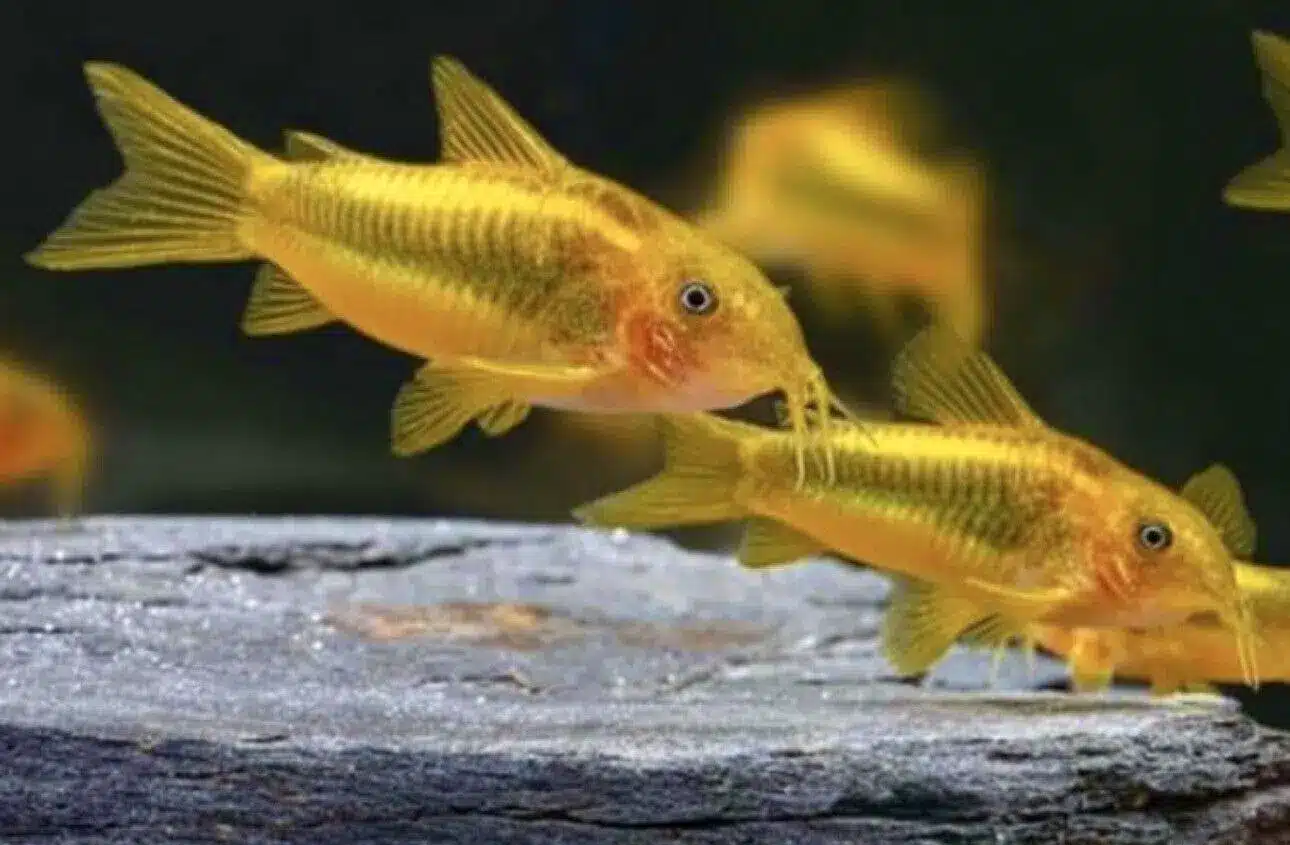
Welcome these beautiful Gold Laser Corydora Cory Catfish into your community tank! Their stunning gold coloration and gentle nature make them ideal peaceful companions. Perfect for beginners, they thrive with sandy substrate and require minimal aquarium maintenance for a flourishing environment.
In stock
The Gold Laser Corydora, scientifically known as Corydoras aeneus, is a delightful addition to any freshwater aquarium. Originating from the rivers and streams of South America, particularly in regions of Brazil, these peaceful tropical fish thrive in densely vegetated areas with soft substrate. Their natural habitat consists of slow-moving waters, which provide them with ample hiding spots and a rich environment to forage for food. The Gold Laser Corydora is recognized for its striking appearance, characterized by a shimmering golden hue and distinctive laser-like stripes that run along its body. This unique coloration not only makes them visually appealing but also serves as a reminder of the beauty of aquatic life. As community members, they are known for their gentle demeanor and compatibility with a wide range of tank mates, making them an ideal choice for both novice and experienced aquarists.
| Optimal Living Conditions | |
|---|---|
| Water Temperature | 22-28°C (72-82°F) |
| pH Level | 6.0-7.5 |
| Water Hardness | 2-15 dKH |
| Minimum Tank Size | 120L (30 gal) |
| Salinity | Freshwater |
| Care Level | Beginner to Intermediate |
✓ Care Level: Easy
Gold Laser Corydoras are known for their peaceful nature and social behavior. They are bottom-dwelling fish that prefer to swim in groups, typically exhibiting a shoaling behavior. This means they feel more secure and exhibit more natural behaviors when kept in groups of at least six individuals. Their playful antics, such as darting around the substrate and sifting through sand or gravel, make them a joy to observe. These fish are also known for their unique ability to interact with their environment, often using their barbels to explore and forage for food. Their gentle temperament allows them to coexist harmoniously with a variety of other community tank fish, including tetras, guppies, and other peaceful species. However, it is essential to avoid aggressive tank mates that may stress them out or compete for food.
Creating an ideal environment for your Gold Laser Corydora involves careful consideration of tank setup. A minimum tank size of 20 gallons is recommended to provide ample swimming space and to maintain stable water parameters. The substrate should be soft and smooth, such as sand or fine gravel, to prevent injury to their delicate barbels. Additionally, incorporating plenty of hiding spots using plants, driftwood, and rocks will help mimic their natural habitat and provide security for these shy fish. Live plants not only enhance the aesthetic appeal of the aquarium but also contribute to water quality by absorbing excess nutrients. When designing the tank, ensure that there are open areas for swimming while also providing shaded regions where the fish can retreat when feeling stressed. A well-planted aquarium with gentle water flow will create a thriving environment for your Gold Laser Corydora, promoting their well-being and happiness.
Maintaining optimal water quality is paramount for the health of your Gold Laser Corydora. Regular testing of water parameters, including pH, temperature, and hardness, is essential to ensure a stable environment. The ideal pH range is between 6.0 and 7.5, with a temperature range of 72°F to 78°F (22°C to 26°C). Additionally, the water hardness should be kept between 2 to 15 dGH. Frequent water changes, approximately 25% weekly, will help remove toxins and replenish essential minerals. A high-quality filtration system is also crucial for maintaining clear and clean water. It is important to monitor ammonia and nitrite levels, as these can be harmful to your aquatic companions. Regular maintenance and monitoring will not only enhance the quality of life for your Gold Laser Corydora but also contribute to the overall health of your community tank.
Gold Laser Corydoras are omnivorous and enjoy a varied diet that includes high-quality sinking pellets, flakes, and live or frozen foods such as bloodworms, brine shrimp, and daphnia. It is essential to provide a balanced diet to ensure their health and vitality. A feeding schedule of 2-3 times a day, with small portions that can be consumed in a few minutes, is recommended. Overfeeding can lead to water quality issues, so it’s important to monitor their food intake. Additionally, supplementing their diet with plant-based foods, such as blanched vegetables like zucchini or peas, will promote their overall health. Observing their feeding behavior can also provide insights into their well-being; healthy Corydoras will actively forage and display enthusiasm during feeding times.
✓ Ideal Tank Mates: Peaceful community fish
Gold Laser Corydoras are known for their peaceful nature, making them excellent companions in a community aquarium. They thrive alongside other non-aggressive species such as tetras, danios, guppies, and rasboras. However, it is crucial to avoid keeping them with aggressive or territorial fish, as this can lead to stress and health issues. Additionally, larger predatory fish should be avoided, as they may see the Corydoras as potential prey. When selecting tank mates, consider the size and temperament of the fish to ensure a harmonious environment. Providing a diverse community of peaceful fish will enhance the social dynamics of the aquarium and create a vibrant ecosystem.
Maintaining the health and wellness of your Gold Laser Corydora involves regular monitoring and preventive care. Common health issues include ich, fin rot, and bacterial infections, which can often be attributed to poor water quality or stress. Signs of illness may include lethargy, loss of appetite, and abnormal swimming patterns. To prevent these issues, ensure that water parameters are stable and that the tank is adequately cycled before introducing new fish. Quarantining new arrivals for at least two weeks can also help prevent the introduction of diseases. If any health issues arise, prompt treatment is essential. Consult with an aquatic veterinarian or a knowledgeable aquarium professional for guidance on appropriate treatments and medications.
Breeding Gold Laser Corydoras can be a rewarding experience for aquarists. To encourage breeding, it is essential to provide optimal conditions, including stable water parameters and a well-planted tank. A separate breeding tank with a gentle current and fine-leaved plants can facilitate spawning. When ready to breed, the female will lay eggs on the leaves or substrate, which the male will then fertilize. After spawning, it is advisable to remove the adults from the breeding tank to prevent them from eating the eggs. The eggs typically hatch within 3-5 days, and the fry can be fed infusoria or finely crushed flakes until they are large enough to consume larger foods. Observing the breeding process can provide insights into the natural behaviors of these fascinating fish.
When introducing Gold Laser Corydoras to your aquarium, it is crucial to acclimate them properly to minimize stress and ensure a smooth transition. Begin by floating the sealed bag containing the fish in the aquarium for about 15-20 minutes to equalize the temperature. Next, gradually introduce small amounts of aquarium water into the bag every 5-10 minutes for about an hour. This gradual acclimation process allows the fish to adapt to the water chemistry of their new environment. Once acclimated, gently release the fish into the tank using a net to avoid adding excess bag water. Proper acclimation is essential for the health and well-being of your new aquatic companions.
Gold Laser Corydoras can live for several years with proper care, making them a long-term commitment for aquarists. As they grow, it is essential to monitor their growth and adjust tank conditions accordingly. Regular maintenance, including water changes and substrate cleaning, will help maintain a healthy environment. Observing their behavior and interactions with other fish will provide insights into their well-being. Additionally, keeping a close eye on their diet and ensuring they receive a balanced nutritional intake is crucial for their longevity. By providing a stable and enriching environment, you can enjoy the beauty and charm of Gold Laser Corydoras for many years to come.
Recreating the natural habitat of Gold Laser Corydoras in your aquarium can enhance their well-being and promote natural behaviors. Consider incorporating elements that mimic their native environment, such as soft substrate, live plants, and driftwood. The addition of floating plants can provide shaded areas and help diffuse light, creating a more natural ambiance. Additionally, adding leaf litter or almond leaves can provide hiding spots and contribute to water quality by releasing tannins. By carefully designing your aquarium to reflect their natural habitat, you can create a thriving environment that supports the health and happiness of your Gold Laser Corydoras.
As seasons change, it is essential to make adjustments to your aquarium care routine to ensure the continued health of your Gold Laser Corydoras. During warmer months, monitor the water temperature closely and consider using a fan or chiller if temperatures exceed their preferred range. In colder months, ensure that the aquarium heater is functioning correctly to maintain a stable temperature. Additionally, seasonal changes may affect the availability of live foods, so be prepared to adjust their diet accordingly. Regular monitoring of water parameters is crucial during these transitions to ensure a healthy and stable environment for your aquatic companions.
✓ Professional Advice: Maintain a consistent routine
To ensure the best care for your Gold Laser Corydoras, consider implementing a consistent maintenance routine. Regular water testing, scheduled water changes, and routine cleaning will help maintain a healthy environment. Additionally, keep a close eye on their behavior and interactions with other fish. If you notice any signs of stress or illness, take prompt action to address the issue. Engaging with online communities or local aquarium clubs can provide valuable insights and support from fellow aquarists. By staying informed and proactive, you can create a thriving environment for your Gold Laser Corydoras and enjoy their beauty for years to come.
If you encounter any issues with your Gold Laser Corydoras, it is essential to troubleshoot effectively. Common problems may include stress from aggressive tank mates, poor water quality, or improper diet. If your fish are displaying signs of distress, such as hiding excessively or refusing to eat, check water parameters immediately. If the water quality is poor, perform a water change and assess filtration systems. Additionally, evaluate tank mates to ensure compatibility. If health issues arise, consult with a qualified aquarium professional for guidance on treatment options. By addressing problems promptly, you can help ensure the well-being of your aquatic companions.
The Gold Laser Corydora belongs to the family Corydoradinae, which encompasses a diverse group of freshwater catfish. These fish are known for their unique adaptations, including their barbels that help them forage for food in the substrate. Research into the taxonomy and behavior of Corydoras species has revealed fascinating insights into their social structures and environmental needs. Conservation efforts are essential to protect their natural habitats, as many Corydoras species face threats from habitat destruction and pollution. By understanding their scientific background, aquarists can better appreciate the importance of providing a suitable environment for these beautiful fish.
For experienced aquarists looking to enhance their care for Gold Laser Corydoras, consider implementing advanced techniques such as establishing a biotope aquarium that closely resembles their natural habitat. This can include carefully selecting plants, substrates, and decorations that reflect their native environment. Additionally, experimenting with breeding techniques and fry care can provide valuable insights into their reproductive habits. Regular participation in aquarium clubs or forums can also foster knowledge sharing and support among fellow enthusiasts. By continually expanding your understanding and skills, you can create an enriching environment for your Gold Laser Corydoras and contribute to their conservation.
Gold Laser Corydora, being a peaceful and social species, thrive best in groups of at least six. A minimum tank size of 60 litres is recommended to provide ample swimming space and maintain stable water parameters. Larger tanks, such as 100 litres or more, will allow for better water quality management and accommodate a more diverse community of tank mates. Ensure the tank is well-planted with hiding spots to mimic their natural habitat, as they feel secure in areas where they can retreat from open spaces.
✓ Expert Tip
Always cycle your tank before introducing your fish friends to ensure optimal water conditions.
Gold Laser Corydora prefer slightly acidic to neutral water with a pH range of 6.0 to 7.5. They thrive in temperatures between 22°C to 28°C, making them suitable for a variety of tropical setups. The water hardness should ideally be between 2 to 12 dGH. Regular water changes of around 10-15% weekly will help maintain these parameters and ensure a healthy environment. Investing in a reliable water testing kit will help you monitor these conditions closely.
✓ Expert Tip
Use a sponge filter for gentle water flow, as Corydoras prefer calmer waters.
Gold Laser Corydora are omnivorous and should be fed a varied diet to ensure optimal health. You can provide high-quality sinking pellets, flakes, and occasional treats like bloodworms or brine shrimp. Feed them once or twice a day, giving only what they can consume within a few minutes to prevent overfeeding and water quality issues. A varied diet will enhance their colouration and support their overall well-being.
✓ Expert Tip
Consider using a feeding ring to help keep food in one area, making it easier for them to find their meals.
Gold Laser Corydora are known for their peaceful nature, making them excellent companions in a community tank. Suitable tank mates include small to medium-sized fish such as tetras, rasboras, and dwarf cichlids. Avoid larger or aggressive species that may stress them. Additionally, ensure that any tank mates share similar water parameter preferences to maintain harmony within the aquarium environment.
✓ Expert Tip
Introduce new fish gradually to minimise stress and allow for natural acclimatisation.
Acclimatisation is crucial for the health of your Gold Laser Corydora. Begin by floating the sealed bag in your aquarium for about 15-20 minutes to equalise the temperature. After that, gradually introduce aquarium water into the bag over the next hour, allowing the fish to adjust to the new water parameters. Finally, gently place the fish into the tank using a net to avoid adding bag water, which may contain harmful substances.
✓ Expert Tip
Monitor the fish closely for the first few days to ensure they are adjusting well to their new environment.
Healthy Gold Laser Corydora exhibit vibrant colours and clear, bright eyes. They should be active and social, often seen swimming in groups or foraging along the substrate. Look for signs of good appetite; they should readily accept food. Additionally, observe their fins: they should be intact without any fraying or signs of disease. Any unusual behaviour, such as isolation or excessive hiding, may indicate stress or illness.
✓ Expert Tip
Conduct regular health checks and maintain water quality to ensure your fish friends remain in peak condition.
Breeding Gold Laser Corydora can be a rewarding endeavour. Provide a separate breeding tank with fine-leaved plants or spawning mops for the females to lay their eggs. Ensure the water temperature is slightly raised to around 26°C and maintain soft, slightly acidic water to mimic their natural spawning conditions. Once the eggs are laid, remove the parents to prevent them from eating the eggs. The fry will hatch in about 3-5 days and can be fed infusoria or finely crushed flakes.
✓ Expert Tip
Provide good filtration and aeration in the breeding tank to ensure optimal conditions for the fry.
Gold Laser Corydora thrive best in a stable temperature range of 22°C to 28°C. It is essential to avoid sudden temperature fluctuations, as they can stress the fish and lead to health issues. A reliable heater and thermometer are recommended to maintain consistent temperatures, especially in community tanks where temperature preferences may vary. Regular monitoring will help you keep your aquatic companions comfortable and healthy.
✓ Expert Tip
If using a heater, ensure it is rated for your tank size to avoid overheating.
With proper care and optimal conditions, Gold Laser Corydora can live for 10 years or more in captivity. Regular maintenance of water quality, a balanced diet, and a stress-free environment will significantly contribute to their longevity. It is vital to monitor their health closely and address any issues promptly to ensure they lead a long and happy life.
✓ Expert Tip
Keep a journal of water parameters and fish health to identify any trends or issues early on.
Gold Laser Corydora prefer a soft substrate to protect their delicate barbels. Fine sand or smooth gravel is ideal, as it mimics their natural habitat and allows them to forage comfortably. Avoid sharp-edged substrates that could injure their barbels. Additionally, a dark substrate can enhance their colouration, creating a stunning visual contrast within your aquarium.
✓ Expert Tip
Regularly vacuum the substrate to remove debris and maintain water quality.
Gold Laser Corydora are social and active fish that enjoy swimming in groups. They often forage on the substrate, using their barbels to sift through the sand or gravel for food. You may observe them engaging in playful behaviours, such as darting around or interacting with their companions. They are generally peaceful and will not exhibit aggressive behaviours, making them suitable for community tanks.
✓ Expert Tip
Provide plenty of hiding spots and plants to create a comfortable environment for these fish friends.
Preventing diseases in Gold Laser Corydora involves maintaining high water quality and a stress-free environment. Regular water changes, proper filtration, and monitoring water parameters are essential. Quarantine any new fish before introducing them to your aquarium to avoid introducing pathogens. Additionally, ensure a varied diet to strengthen their immune system. Observing your fish for any signs of distress or illness will enable you to act swiftly should any issues arise.
✓ Expert Tip
Consider adding aquarium salt to the water occasionally, as it can help prevent certain diseases.
Gold Laser Corydora thrive in moderate lighting conditions. They appreciate a well-lit tank but also require shaded areas to retreat to. Using a combination of live plants and decorations can provide both light and shade, creating a balanced environment. Avoid overly bright lights, as they may stress these fish. A natural light cycle of around 10 to 12 hours a day is ideal for promoting healthy behaviours and growth.
✓ Expert Tip
Utilising a timer for your aquarium lights can help maintain a consistent light schedule.
Stress in Gold Laser Corydora can manifest in several ways. Look for signs such as excessive hiding, loss of appetite, or erratic swimming patterns. They may also display a darker colouration or clamped fins. If you observe these behaviours, it may indicate poor water quality, aggressive tank mates, or inadequate hiding spots. Addressing the underlying issues promptly can help restore their well-being.
✓ Expert Tip
Regularly check your water parameters and ensure the tank environment is stable to minimise stress.
Gold Laser Corydora are native to the Amazon River basin, where they inhabit slow-moving waters with soft, sandy substrates and plenty of vegetation. To replicate their natural habitat, provide a well-planted tank with plenty of hiding spots using caves, driftwood, and plants. Maintain slightly acidic to neutral water conditions with moderate flow. Mimicking these environmental conditions will help your fish friends feel secure and thrive.
✓ Expert Tip
Incorporate leaf litter to simulate their natural environment and provide additional foraging opportunities.






Emily Carter (verified owner) –
I recently added a few CW010 Gold Laser Corydoras to my planted community tank, and I couldn’t be happier! These little fish are not just adorable but incredibly peaceful and active, making them perfect companions for my other tropical fish. After about two weeks, they settled in beautifully and have developed such charming personalities. I love watching them scuttle around, foraging for food among the substrate.
Compared to other cory catfish I’ve kept, the Gold Laser variety stands out with its stunning coloration and shimmering patterns. It’s like having living jewels in my aquarium! One small concern I had was that they are a bit shy at first, but providing plenty of hiding spots with plants and driftwood helped them come out of their shells.
I highly recommend these little guys for anyone looking to add friendly, active community fish to their setup. They thrive in well-maintained tanks with gentle filtration and appreciate being in groups, so I’d suggest getting at least three! Overall, I’m thrilled with my purchase and can’t wait to see them flourish in my tank for years to come.
Emily Carter (verified owner) –
I recently added a group of CW010 Gold Laser Corydoras to my community tank, and I couldn’t be happier! These little guys are not only stunning to look at with their shimmering gold markings, but they are also incredibly peaceful and make excellent companions for my other freshwater fish. After about two months of observation, I’ve noticed how well they interact with their tank mates, gliding gracefully along the substrate and scavenging for leftovers.
I appreciate how easy they are to care for; they thrive in a clean environment with a gentle filter, which makes them perfect for both beginners and experienced hobbyists alike. While I did read some reviews mentioning they can be shy, I found that providing plenty of hiding spots with plants and caves has helped them come out of their shells. They’re truly social fish and prefer to be in groups, so I recommend getting at least five to see their full personality shine!
If you’re looking for beautiful, peaceful aquarium fish that add character without demanding too much maintenance, the Gold Laser Corydoras are a fantastic choice. I plan to buy more for my larger tank soon!