
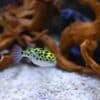
Enhance Your Aquarium with the Vibrant Figure Eight Eyespot Puffer Fish Dichotomyctere Ocellatus, Perfect for Community Tanks and Enthusiasts Seeking Beautiful Freshwater Fish, Stunning Addition to Your Tank, Captivating Behavior

Original price was: £18.99.£16.13Current price is: £16.13.
Welcome these beautiful Figure Eight Eyespot Puffer Fish (Dichotomyctere Ocellatus) into your aquarium. Their stunning figure-eight patterns and vibrant colors make them perfect for community tanks, enhancing your aquatic environment with peaceful companions and natural beauty.
Species Introduction
The Figure Eight Eyespot Puffer Fish, scientifically known as Dichotomyctere ocellatus, is a captivating freshwater fish that hails from the brackish waters of Southeast Asia, particularly around the coastal regions of Indonesia and Malaysia. This species is renowned for its striking appearance, characterized by a vibrant body adorned with unique patterns of spots and stripes that resemble eyes, hence its name. The Figure Eight Puffer is a member of the Tetraodontidae family, which is known for its fascinating adaptations and behaviors, including the ability to inflate its body as a defense mechanism against predators. In its natural habitat, this puffer fish thrives in slow-moving waters, often found in estuaries and mangrove swamps where it can hide among aquatic vegetation. Understanding its origins and natural environment is crucial for aquarists who wish to recreate a suitable habitat in their tanks.
Essential Care Guide
✓ Care Level: Intermediate
Tank Size: Minimum 30 gallons
Water Parameters: pH 7.0-8.0, Temperature 75-82°F, Hardness 10-15 dGH
The Figure Eight Puffer requires a well-maintained aquarium that mimics its natural habitat. A minimum tank size of 30 gallons is recommended to provide ample swimming space and territories for these active fish. The water parameters should be carefully monitored, with a pH level between 7.0 and 8.0, a temperature range of 75 to 82 degrees Fahrenheit, and a hardness of 10 to 15 dGH. Regular water changes and maintenance are essential to keep the environment stable and healthy. This species is sensitive to water quality, making it essential for aquarists to invest in reliable filtration systems and perform routine testing to ensure optimal living conditions.
Natural Behavior & Temperament
The Figure Eight Puffer Fish exhibits a unique combination of curiosity and playfulness, making it a delightful addition to any freshwater aquarium. These fish are known for their inquisitive nature, often exploring their environment and interacting with tank mates. They are generally peaceful but can exhibit territorial behavior, especially during feeding times or if they feel threatened. It is important to observe their interactions with other fish, as they may nip at the fins of slower-moving species. Their swimming patterns are characterized by a graceful gliding motion, punctuated by bursts of speed when startled. Understanding their behavior is essential for creating a harmonious community tank where all inhabitants can thrive.
Tank Setup Guide
Creating an ideal environment for your Figure Eight Puffer involves careful consideration of tank setup and decorations. A spacious aquarium with plenty of hiding spots is essential for these fish to feel secure. Use a substrate of fine gravel or sand to mimic their natural habitat and facilitate foraging behavior. Incorporate live plants, such as Java Fern or Anubias, along with driftwood and rocks to create a naturalistic aquascape. Ensure that there are open swimming areas as well, as these fish enjoy exploring their surroundings. Additionally, it is crucial to provide a secure lid for the tank, as Figure Eight Puffers are known to jump. The overall aesthetic should not only be pleasing but also functional, promoting the well-being of your aquatic companions.
Water Quality Management
Maintaining optimal water quality is vital for the health of your Figure Eight Puffer. Regular testing of water parameters is essential to ensure that pH levels remain stable between 7.0 and 8.0, as fluctuations can lead to stress and health issues. The temperature should be kept within the range of 75 to 82 degrees Fahrenheit, and the water hardness should be monitored between 10 to 15 dGH. Implementing a reliable filtration system is crucial to remove toxins and maintain clarity in the water. Additionally, performing regular water changes of 20-30% every two weeks will help maintain a healthy environment. Monitoring ammonia, nitrite, and nitrate levels is also important, as elevated levels can be harmful to your fish. A well-maintained aquatic environment will enhance the overall well-being of your Figure Eight Puffer.
Feeding & Nutrition
✓ Diet: Omnivorous
Feeding Schedule: 2-3 times per week
Food Types: High-quality pellets, frozen or live foods
The Figure Eight Puffer is an omnivorous species that thrives on a varied diet. A balanced feeding regimen should include high-quality pellets specifically formulated for puffer fish, supplemented with frozen or live foods such as bloodworms, brine shrimp, and snails. These fish require a diet rich in protein to support their growth and health. It is recommended to feed them 2-3 times per week, ensuring that the portions are appropriate for their size. Overfeeding can lead to health problems, so it is essential to monitor their intake closely. Additionally, incorporating shellfish or snails into their diet can help maintain their beak-like teeth, which continuously grow and require regular wear. A well-rounded diet will promote vibrant colors and overall vitality in your Figure Eight Puffer.
Compatibility Guide
When considering tank mates for your Figure Eight Puffer, it is essential to choose species that can coexist peacefully. These fish can be territorial, especially towards smaller or slower-moving fish. Ideal tank mates include larger, robust species such as rainbowfish, danios, and certain types of cichlids. Avoid keeping them with delicate or small fish, as they may become targets for nipping. It is also advisable to steer clear of fin-nippers or overly aggressive species that may stress your puffer. A well-thought-out community tank can provide a harmonious environment where all fish can thrive, but careful monitoring of interactions is crucial. By understanding the social dynamics of your aquarium, you can create a peaceful habitat for your aquatic companions.
Health & Wellness
✓ Common Issues: Ich, fin rot
Prevention: Regular water changes, quarantine new fish
Signs of Health: Active swimming, clear eyes, healthy appetite
Maintaining the health and wellness of your Figure Eight Puffer is paramount. Common health issues include ich and fin rot, which can arise from poor water quality or stress. To prevent these problems, it is crucial to perform regular water changes and maintain stable water parameters. Additionally, quarantining new fish before introducing them to the main tank can help prevent the spread of diseases. Signs of a healthy puffer include active swimming, clear eyes, and a robust appetite. If you notice any changes in behavior, such as lethargy or loss of appetite, it may indicate an underlying health issue that requires immediate attention. Regular monitoring and prompt action can ensure the well-being of your aquatic companions.
Breeding Information
Breeding Figure Eight Puffers in captivity can be a challenging yet rewarding endeavor. These fish are egg-layers and require specific conditions to encourage spawning. A separate breeding tank with a soft substrate and plenty of hiding spots is essential for successful reproduction. The water temperature should be slightly elevated to around 80 degrees Fahrenheit, and the pH should be maintained at a neutral level. Once the female lays her eggs, which can number in the hundreds, the parents should be removed to prevent them from eating the eggs. The eggs typically hatch within a few days, and the fry will require infusoria or finely crushed food until they are large enough to consume larger particles. Providing optimal care during this critical stage will increase the chances of successful breeding and healthy fry.
Acclimation Process
Proper acclimation is crucial when introducing your Figure Eight Puffer to a new aquarium. To minimize stress, it is recommended to use the drip acclimation method, which involves slowly introducing the fish to the new environment. Begin by floating the sealed bag containing the puffer in the tank for about 15 minutes to equalize the temperature. After that, gradually add small amounts of tank water to the bag every 5-10 minutes for about an hour. This slow process allows the fish to adjust to the water conditions without shock. Once acclimated, gently release the puffer into the tank, avoiding the introduction of bag water. Monitoring the fish closely for the first few days is essential to ensure a smooth transition and to address any signs of stress or illness promptly.
Long-term Care
The Figure Eight Puffer can live for several years in captivity, making long-term care an important aspect of responsible fish keeping. As these fish grow, they may require larger tanks and adjustments to their diet. Regular health checks and water quality assessments should be part of your routine to ensure they remain vibrant and healthy. Additionally, providing enrichment through varied diets and stimulating environments will contribute to their well-being. Understanding their growth patterns and behavioral changes over time will help you adapt their care accordingly. A commitment to long-term care will not only enhance the quality of life for your Figure Eight Puffer but also foster a deeper connection with these beautiful freshwater fish.
Natural Habitat Recreation
Recreating the natural habitat of the Figure Eight Puffer is essential for their overall health and happiness. In the wild, these fish inhabit brackish waters with plenty of vegetation and hiding spots. To replicate this environment in your aquarium, incorporate live plants, driftwood, and rocks that mimic their natural surroundings. Additionally, consider using a substrate that allows for natural foraging behavior, such as sand or fine gravel. Maintaining a slightly brackish environment can also be beneficial, as it closely resembles their natural habitat. By creating a biotope that reflects their native ecosystem, you will not only enhance the beauty of your aquarium but also promote the well-being of your aquatic companions.
Seasonal Care Adjustments
As seasons change, so too should your care routine for the Figure Eight Puffer. During warmer months, ensure that the water temperature remains stable and does not exceed the upper limit of their preferred range. Consider using fans or chillers if the tank tends to overheat. In contrast, during colder months, it may be necessary to use a heater to maintain a consistent temperature. Additionally, monitor the light cycle and adjust it according to seasonal changes, as this can affect the behavior and health of your fish. By being attentive to seasonal variations, you can provide the best possible care for your Figure Eight Puffer throughout the year.
Expert Tips
✓ Professional Advice: Regularly monitor water parameters
Advanced Techniques: Use a varied diet to enhance coloration
Behavioral Insights: Observe interactions with tank mates closely
For those looking to provide the best care for their Figure Eight Puffer, consider implementing some expert tips. Regularly monitoring water parameters is crucial to ensure a stable environment. Additionally, providing a varied diet can enhance the fish’s coloration and overall health. Observing their interactions with tank mates closely can help you identify any potential issues early on. By staying informed and proactive, you can create a thriving environment for your aquatic companions, ensuring they live a long and healthy life.
Troubleshooting
Despite your best efforts, issues may arise in the care of your Figure Eight Puffer. Common problems include stress from aggressive tank mates, poor water quality, and dietary deficiencies. If you notice signs of stress, such as hiding or unusual swimming patterns, it may be necessary to reassess the tank environment and compatibility of tank mates. Regular water testing can help identify any imbalances that need to be addressed. If dietary deficiencies are suspected, consider adjusting their feeding regimen to include a wider variety of foods. By being vigilant and responsive to changes in behavior or health, you can effectively troubleshoot and resolve issues to ensure the well-being of your fish.
Scientific Background
The Figure Eight Puffer belongs to the Tetraodontidae family, which encompasses a diverse range of puffer fish species. These fish are characterized by their unique ability to inflate their bodies as a defense mechanism, a trait that has fascinated researchers and aquarists alike. The scientific classification of the Figure Eight Puffer highlights its place within the broader context of aquatic biodiversity. Ongoing research into the behaviors, habitats, and conservation status of puffer fish contributes to our understanding of their ecological roles and the importance of preserving their natural environments. By supporting responsible fishkeeping practices, aquarists can play a role in the conservation of these remarkable creatures.
Advanced Care Techniques
For experienced aquarists, implementing advanced care techniques can enhance the quality of life for your Figure Eight Puffer. Consider creating a biotope aquarium that closely resembles their natural habitat, incorporating specific plants and substrates that encourage natural behaviors. Additionally, using a variety of foods can promote optimal health and coloration. Regularly engaging with your fish through observation and interaction can also foster a deeper bond and understanding of their needs. By applying these advanced techniques, you can ensure that your Figure Eight Puffer thrives in a well-maintained and enriching environment.
Frequently Asked Questions
Q: What tank size is required for the Figure Eight Eyespot Puffer Fish?
The Figure Eight Eyespot Puffer Fish, being an active species, thrives best in a tank of at least 100 litres (26 gallons). A larger tank ensures they have ample swimming space and reduces territorial disputes. Additionally, providing a well-structured environment with plenty of hiding spots, such as caves and plants, will help mimic their natural habitat and promote their overall well-being. It is essential to avoid overcrowding, as this can lead to stress and aggression. Ensuring the tank is spacious not only benefits the puffer fish but also enhances the aesthetics of your aquarium.
✓ Expert Tip
Consider creating a biotope with sandy substrate and natural decorations to further enhance their comfort.
Q: What water parameters do Figure Eight Eyespot Puffer Fish require?
Figure Eight Eyespot Puffer Fish prefer slightly brackish water conditions, with a salinity level of 1.005 to 1.015. The ideal temperature range is between 24°C to 28°C (75°F to 82°F), and pH levels should be maintained between 7.0 and 8.0. Regular water changes (about 25% weekly) are crucial to maintaining cleanliness and preventing toxic buildup, which these fish are particularly sensitive to. Monitoring ammonia, nitrite, and nitrate levels is essential to ensure a healthy environment. Investing in a reliable water testing kit will help you keep track of these parameters.
✓ Expert Tip
Introduce aquarium salt gradually to avoid shocking your fish while adjusting salinity.
Q: How often should I feed the Figure Eight Eyespot Puffer Fish?
Feeding the Figure Eight Eyespot Puffer Fish should be done 2-3 times a week, offering them a varied diet to ensure optimal health. They thrive on a diet consisting of high-quality pellets, frozen or live foods such as bloodworms, brine shrimp, and snails. It is important to avoid overfeeding, as this can lead to poor water quality and health issues. Monitor their feeding habits and adjust portions accordingly to prevent excess food from decomposing in the tank. A well-balanced diet will enhance their colouration and overall vitality.
✓ Expert Tip
Consider incorporating shellfish into their diet to promote dental health, as their beak-like teeth require regular wear.
Q: What are the best tank mates for the Figure Eight Eyespot Puffer Fish?
The Figure Eight Eyespot Puffer Fish can be somewhat territorial and may display aggression towards smaller or timid fish. Suitable tank mates include larger, more robust species such as barbs, danios, or other semi-aggressive fish that can hold their own. Avoid keeping them with slow-moving or small fish, as they may become targets. Additionally, it is advisable to introduce new tank mates gradually to allow for acclimatisation, reducing the likelihood of aggression. Each fish’s personality can vary, so monitoring interactions closely is essential.
✓ Expert Tip
Adding plenty of hiding spots can help alleviate territorial disputes and stress among tank mates.
Q: How do I properly acclimatise the Figure Eight Eyespot Puffer Fish to my aquarium?
Acclimatisation is a critical process for introducing the Figure Eight Eyespot Puffer Fish to your aquarium. Begin by floating the sealed bag in your tank for about 15-20 minutes to equalise the temperature. After that, gradually introduce tank water into the bag over the next hour, using a slow drip method or by adding small amounts of water every few minutes. This process helps the fish adjust to the water parameters. Once acclimatised, gently release the puffer fish into the tank without adding the bag water, to prevent introducing any contaminants.
✓ Expert Tip
Avoid sudden changes in temperature or salinity during acclimatisation, as this can stress the fish.
Q: What are the signs of a healthy Figure Eight Eyespot Puffer Fish?
A healthy Figure Eight Eyespot Puffer Fish will exhibit vibrant colouration, clear eyes, and a buoyant swimming pattern. They should be active and inquisitive, exploring their environment rather than hiding excessively. Healthy fish will also have smooth skin without any lesions or signs of disease, such as frayed fins or abnormal growths. Regular observation is crucial; any changes in behaviour, such as lethargy or loss of appetite, can indicate stress or illness, warranting further investigation.
✓ Expert Tip
Maintain a consistent feeding schedule and quality water conditions to support their health and vitality.
Q: How do I successfully breed Figure Eight Eyespot Puffer Fish?
Breeding Figure Eight Eyespot Puffer Fish can be challenging and typically requires specific conditions. They prefer a breeding tank with gentle filtration and plenty of hiding spots. The water should be slightly acidic to neutral, with a temperature around 26°C (79°F). A diet rich in protein helps encourage spawning. Males can be identified by their smaller size and more vibrant colours, and they will display courtship behaviours. After spawning, remove the adults to prevent them from eating the eggs. The fry will hatch in about 24-48 hours, requiring infusoria or finely crushed food for initial feeding.
✓ Expert Tip
Maintaining excellent water quality is vital during breeding to avoid fungal infections in the eggs.
Q: What temperature should I maintain for the Figure Eight Eyespot Puffer Fish?
The ideal temperature range for the Figure Eight Eyespot Puffer Fish is between 24°C to 28°C (75°F to 82°F). Maintaining a stable temperature within this range is crucial for their health and well-being. Sudden fluctuations can lead to stress and make them susceptible to diseases. It is advisable to use a reliable aquarium heater and thermometer to monitor the temperature consistently. Regular checks will help ensure that the environment remains conducive for these vibrant fish, allowing them to thrive.
✓ Expert Tip
Avoid placing the heater in a location with direct water flow to prevent hot spots.
Q: How long do Figure Eight Eyespot Puffer Fish typically live in captivity?
In captivity, Figure Eight Eyespot Puffer Fish can live up to 10 years or more with proper care. Their longevity is influenced by factors such as water quality, diet, and tank conditions. Providing a stable environment free from stressors and ensuring optimal water parameters will significantly contribute to their lifespan. Regular health checks and prompt attention to any signs of illness will also help maintain their vitality over the years. As with any aquatic companion, a commitment to their care is essential for a long and healthy life.
✓ Expert Tip
Keep a detailed record of water parameters and any health concerns to track their well-being over time.
Q: What type of substrate is most suitable for the Figure Eight Eyespot Puffer Fish?
For Figure Eight Eyespot Puffer Fish, a sandy substrate is ideal as it mimics their natural habitat and provides a comfortable environment for burrowing. Fine sand is preferable to prevent injury to their delicate bodies and is easier to clean than gravel. Additionally, incorporating smooth rocks and driftwood can enhance the tank’s aesthetics while offering hiding spots. Avoid sharp substrates, as these can damage their skin. Regular vacuuming of the substrate will help maintain water quality and prevent the buildup of harmful waste.
✓ Expert Tip
Consider layering substrate to create a more natural look while ensuring it is safe for your fish.
Q: What behavioural patterns should I expect from the Figure Eight Eyespot Puffer Fish?
Figure Eight Eyespot Puffer Fish are known for their curious and playful nature. They often engage in exploratory behaviour, swimming around the tank and interacting with their environment. However, they can also exhibit territorial behaviour, especially when establishing their space or during breeding. Observing their interactions with tank mates can provide insights into their social dynamics. They are generally more active during the day and may display more vibrant colours when feeling secure. It’s essential to provide plenty of hiding spots to help them feel safe.
✓ Expert Tip
Maintain a calm environment to encourage their natural behaviour and reduce stress.
Q: How can I prevent common diseases in Figure Eight Eyespot Puffer Fish?
Preventing diseases in Figure Eight Eyespot Puffer Fish begins with maintaining high water quality and stable parameters. Regular water changes and careful monitoring of ammonia, nitrite, and nitrate levels are essential. Quarantining new fish before introducing them to the main tank can help prevent the spread of diseases. Additionally, providing a varied and nutritious diet boosts their immune system. Observe your fish regularly for signs of stress or illness, such as changes in behaviour, colour, or appetite, and address any concerns promptly.
✓ Expert Tip
Consider using a UV steriliser to help reduce harmful pathogens in the water.
Q: What lighting conditions do Figure Eight Eyespot Puffer Fish prefer?
Figure Eight Eyespot Puffer Fish thrive in moderate lighting conditions that mimic their natural habitats. Bright, harsh lighting can cause stress and discomfort, so it is advisable to use subdued or diffuse lighting. Providing shaded areas with plants or decorations can create a more comfortable environment. This not only helps the fish feel secure but also enhances their natural colouration. A consistent light cycle of around 10-12 hours a day will help simulate day and night, promoting a healthy lifestyle for your fish.
✓ Expert Tip
Utilise live plants to enhance both the aesthetic and the health of your aquarium.
Q: How do I recognise stress in Figure Eight Eyespot Puffer Fish?
Recognising stress in Figure Eight Eyespot Puffer Fish involves observing changes in behaviour and physical appearance. Signs of stress may include hiding excessively, erratic swimming patterns, loss of appetite, or colour fading. Additionally, you may notice them rubbing against surfaces or displaying signs of aggression towards tank mates. Environmental factors such as abrupt changes in water parameters, overcrowding, or aggressive tank mates can contribute to stress. Promptly addressing these issues is vital to restore their well-being and prevent further health complications.
✓ Expert Tip
Create a calm environment with plenty of hiding spots to help alleviate stress.
Q: What natural habitat conditions should I replicate for Figure Eight Eyespot Puffer Fish?
To create an ideal environment for Figure Eight Eyespot Puffer Fish, replicate their natural habitat found in brackish waters. Incorporate sandy substrates, driftwood, and plenty of plants to provide shelter and mimic their native ecosystem. The water should be slightly salty, with moderate filtration to maintain water quality. Additionally, maintaining stable temperatures and providing a varied diet will further enhance their comfort. By emulating their natural conditions, you promote their health and wellbeing in a home aquarium setting.
✓ Expert Tip
Research the specific parameters of their natural habitat for the best results.
Related products