-
×
 Frozen Mouse Crawler - 50pcs (410g)
1 × £154.38
Frozen Mouse Crawler - 50pcs (410g)
1 × £154.38
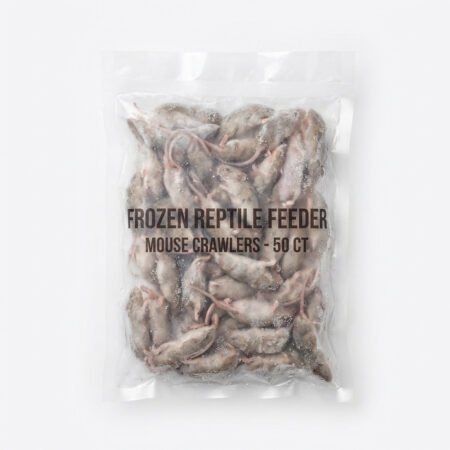 Frozen Mouse Crawler - 50pcs (410g)
 Subtotal: £154.38
£10.40
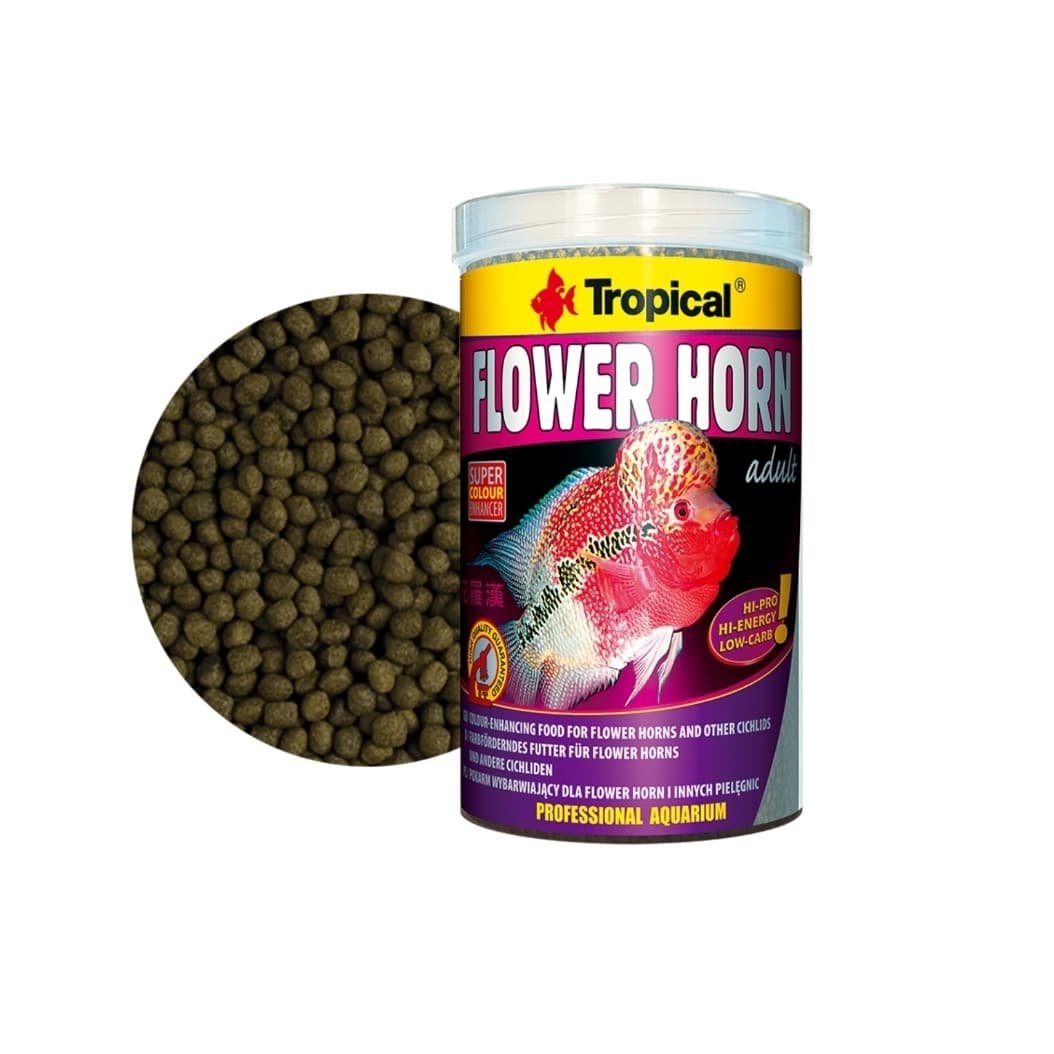
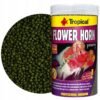
Welcome these beautiful Flower Horn fish into your aquarium with our Omega-3/6 & Astaxanthin-Enriched Adult Pellets. These high-protein cichlid food pellets enhance color and promote flourishing health, ensuring a vibrant aquatic environment for your graceful companions.
The Flower Horn fish, a vibrant and captivating cichlid, is known for its unique appearance and dynamic personality. Originating from Southeast Asia, these fish are a hybrid species, primarily bred for their striking colors and distinctive nuchal hump. In their natural habitat, Flower Horns are often found in slow-moving waters, such as rivers and lakes, where they thrive among submerged plants and rocky substrates. These fish are not only visually stunning but also exhibit fascinating behaviors, making them a popular choice among aquarium enthusiasts. Providing a suitable environment for Flower Horns is essential to ensure their health and vibrancy, as they require specific care and attention to flourish in captivity.
✓ Care Level: Moderate
Tank Size: Minimum 75 gallons
Water Temperature: 78-82°F
pH Level: 6.5-8.0
Water Hardness: 8-12 dGH
Flower Horns are known for their bold and inquisitive nature. They exhibit a range of swimming patterns, often darting around their tank with bursts of energy. These fish are territorial and may display aggressive behavior, especially during breeding seasons or when establishing dominance within their environment. Social interactions among Flower Horns can vary; while some individuals are more sociable, others may prefer solitude or exhibit aggression towards tank mates. Understanding their behavior is crucial for creating a harmonious aquarium environment. Observing their interactions can provide insights into their mood and health, allowing for timely interventions when necessary.
Creating an ideal environment for your Flower Horn is essential for their well-being. A spacious tank of at least 75 gallons is recommended to accommodate their size and swimming needs. The substrate should be soft and sandy, allowing for natural digging behavior. Incorporating rocks, driftwood, and plants can provide hiding spots and territories, which are important for their mental stimulation and comfort. However, be cautious with decorations, as Flower Horns may rearrange or uproot plants. Ensure that the tank is equipped with a reliable filtration system to maintain water quality, as these fish are sensitive to changes in their environment. Regular water changes and monitoring of water parameters will help create a stable and healthy habitat.
Maintaining optimal water quality is paramount for the health of your Flower Horn. The ideal pH range is between 6.5 and 8.0, with a temperature of 78-82°F. Regular testing of water parameters is crucial, as fluctuations can lead to stress and illness. A hardness level of 8-12 dGH is recommended, providing a balanced environment that mimics their natural habitat. Implementing a robust filtration system will help manage waste and keep the water clean. Additionally, performing weekly water changes of 20-30% will aid in maintaining water clarity and quality. Monitoring ammonia, nitrite, and nitrate levels will further ensure a healthy living space for your aquatic companions.
Feeding your Flower Horn a balanced diet is essential for their growth, coloration, and overall health. These fish thrive on high-protein diets, with a preference for pellets specifically formulated for cichlids. Flower Horn Adult Pellets are an excellent choice, enriched with Omega-3 and Omega-6 fatty acids, promoting vibrant colors and robust health. A feeding schedule of 2-3 times a day is recommended, offering only what they can consume in a few minutes to prevent overfeeding and maintain water quality. Incorporating occasional treats such as live or frozen foods can enhance their diet and stimulate natural hunting behaviors. Monitoring their feeding habits can also provide insights into their health and well-being.
When considering tank mates for your Flower Horn, it is crucial to choose compatible species that can coexist peacefully. Due to their territorial nature, it is advisable to avoid keeping them with smaller or more docile fish, as they may become targets for aggression. Suitable tank mates include larger cichlids and robust fish that can withstand the Flower Horn’s assertive behavior. A compatibility chart can help guide your selections, ensuring a harmonious community tank. Always monitor interactions closely, as individual personalities can vary, and be prepared to separate fish if aggression occurs.
Compatibility Note: Always research specific species requirements and observe fish behavior when introducing new tank mates. Individual fish personalities can vary!
Maintaining the health of your Flower Horn involves regular observation and proactive care. Common health issues include ich, fin rot, and swim bladder disease, which can arise from poor water quality or stress. Providing a stable environment, proper nutrition, and routine health checks can prevent many of these issues. Signs of health problems may include changes in appetite, unusual swimming patterns, or visible lesions. If any concerning symptoms arise, prompt action is necessary to address potential health issues. Consulting with an aquatic veterinarian can provide additional guidance for treatment and prevention strategies.
Breeding Flower Horns can be a rewarding experience, though it requires careful planning and preparation. These fish typically reach sexual maturity between 1-2 years of age. To encourage breeding, provide a separate breeding tank with optimal conditions, including stable water parameters and suitable spawning sites such as flat rocks or caves. During the breeding process, the female will lay eggs, which the male will fertilize. After spawning, it is essential to monitor the tank closely, as parental care can vary. Once the fry hatch, they will require specialized care and feeding to ensure their growth and survival. Understanding the breeding behaviors and needs of Flower Horns will enhance your success in cultivating new life.
Introducing a new Flower Horn to your aquarium requires a careful acclimation process to minimize stress and ensure a smooth transition. Begin by floating the sealed bag containing the fish in the aquarium for about 15-20 minutes to equalize the temperature. After this, gradually introduce small amounts of tank water into the bag over the course of an hour. This slow acclimation helps the fish adjust to the new water parameters. Once acclimated, gently release the Flower Horn into the tank, avoiding any sudden movements that could startle them. Monitoring the fish closely for the first few days will help ensure they adapt well to their new environment.
Caring for a Flower Horn is a long-term commitment that requires dedication and knowledge. These fish can live for over a decade when provided with proper care. As they grow, their dietary needs and tank requirements may change, necessitating adjustments to their environment and feeding regimen. Regular health checks, water quality monitoring, and maintaining a stable habitat are essential components of long-term care. Additionally, staying informed about their behavior and health can enhance your experience as an aquarist and ensure a thriving aquarium community.
Recreating the natural habitat of Flower Horns can significantly enhance their well-being and reduce stress. In their native environments, these fish inhabit slow-moving waters with plenty of hiding spots and vegetation. To mimic these conditions, consider incorporating natural elements such as driftwood, rocks, and live plants into your aquarium setup. This not only provides shelter but also encourages natural behaviors such as foraging and exploring. Additionally, ensuring proper water flow and filtration will help maintain a clean and healthy environment, closely resembling their natural surroundings.
As seasons change, so too can the needs of your Flower Horn. During warmer months, it may be necessary to monitor water temperatures closely, as higher temperatures can stress fish and lead to health issues. Conversely, in colder months, heating systems may need to be adjusted to maintain optimal temperatures. Additionally, lighting cycles can impact the behavior and health of your fish; adjusting the duration and intensity of light can help simulate natural conditions. Being proactive in these seasonal adjustments will contribute to a stable and healthy environment for your aquatic companions.
For those looking to enhance their care for Flower Horns, consider implementing some expert tips. Regularly observe your fish’s behavior and health, as early detection of any issues can lead to more effective treatment. Providing a varied diet, including high-quality pellets and occasional live foods, will promote vibrant colors and robust health. Additionally, maintaining a consistent feeding schedule can help establish a routine that benefits both the fish and the aquarist. Finally, engaging with online communities or local aquarist groups can provide valuable insights and support for your journey in caring for these beautiful creatures.
Encountering challenges while caring for Flower Horns is not uncommon, and having a troubleshooting plan can help address issues promptly. If you notice signs of stress or illness, assess water quality immediately, as poor conditions are often the root cause. If aggression arises among tank mates, consider rearranging the tank layout to disrupt established territories. Additionally, be mindful of dietary habits; if your Flower Horn is refusing food, it may be a sign of stress or illness that requires further investigation. Keeping a detailed log of your fish’s behavior and health can assist in identifying patterns and potential problems.
The Flower Horn fish is a hybrid cichlid, primarily bred for its aesthetic qualities. While it does not have a specific scientific name due to its hybrid nature, it is often classified within the Cichlidae family. Research into the genetics and breeding practices of Flower Horns has expanded over the years, leading to a greater understanding of their care requirements and behaviors. Conservation efforts for cichlids in their natural habitats are also essential, as many species face threats from habitat loss and pollution. By supporting sustainable practices and responsible breeding, aquarists can contribute to the preservation of these remarkable fish.
For experienced aquarists looking to elevate their care for Flower Horns, consider implementing advanced techniques. Utilizing a quarantine tank for new arrivals can prevent the introduction of diseases to your main aquarium. Additionally, exploring aquaponics or live food cultures can provide a fresh and nutritious diet for your fish. Regularly engaging in water parameter testing and adjusting as necessary will ensure a stable environment. Furthermore, documenting your care routine and any changes in behavior can provide valuable insights for future care and breeding endeavors.
Monitoring Tip: Test water parameters weekly and perform regular water changes to maintain optimal conditions for your aquatic friends!
Flower Horn fish are known for their vibrant colours and unique personalities, requiring a spacious environment to thrive. A minimum tank size of 75 gallons (approximately 284 litres) is recommended for adult Flower Horns. This ample space allows them to establish territories and reduces stress, which is crucial for their overall health. Additionally, larger tanks enable better water quality maintenance, as they dilute waste products more effectively. Ensure that the tank has a secure lid, as Flower Horns can be jumpy. Regularly monitor water parameters to maintain optimal conditions, which will help your aquatic companions flourish.
✓ Expert Tip
Consider adding decorations and hiding spots to create a more stimulating environment for your Flower Horn fish.
Maintaining appropriate water parameters is vital for the health of Flower Horn fish. They thrive in slightly acidic to neutral water, with a pH range of 6.5 to 7.5. The water temperature should ideally be between 24°C and 28°C (75°F to 82°F). Regular water changes of 20-30% weekly are essential to ensure high water quality, as Flower Horns are sensitive to ammonia and nitrite levels. Additionally, keeping nitrate levels below 40 ppm is recommended. Utilising a reliable water testing kit will help you monitor these parameters effectively, ensuring a healthy environment for your aquatic companions.
✓ Expert Tip
Invest in a good quality heater and filter to maintain stable water conditions.
Feeding frequency for Flower Horn fish should be tailored to their age and size. Adult Flower Horns typically require feeding once or twice daily, ensuring they receive an appropriate portion that they can consume within 5 minutes. Overfeeding can lead to poor water quality and health issues. It’s advisable to provide a varied diet that includes high-quality pellets, live or frozen foods, and occasional plant matter. This diversity not only enhances their colouration but also supports their overall health. Monitor their body condition to adjust feeding amounts as needed, ensuring they remain active and vibrant.
✓ Expert Tip
Introduce a feeding schedule to help your Flower Horn associate feeding time with activity.
Choosing compatible tank mates for Flower Horn fish can be challenging due to their territorial nature. It is generally recommended to keep them with robust species that can handle their occasionally aggressive behaviour. Suitable tank mates may include larger cichlids, such as Jack Dempseys or Oscars, which can stand their ground. Avoid keeping them with smaller or more timid fish, as they may become targets. Always monitor their interactions, as even compatible species may require time to adjust to one another. Providing ample space and hiding spots can help reduce aggression and promote a harmonious environment.
✓ Expert Tip
Introduce new tank mates gradually to minimise stress and aggression.
Acclimatisation is crucial for the wellbeing of your Flower Horn fish. Begin by floating the sealed bag containing your new fish in the aquarium for about 15-20 minutes to equalise the temperature. After that, gradually introduce small amounts of aquarium water into the bag over the next hour. This process helps the fish adjust to the water chemistry of their new environment. Once acclimatised, gently net the fish out of the bag and place it directly into the aquarium, avoiding the bag water. This method reduces the risk of introducing contaminants from the store water into your tank.
✓ Expert Tip
Keep the aquarium lights dim during acclimatisation to reduce stress on your new fish.
Healthy Flower Horn fish exhibit active behaviour, vibrant colours, and a good appetite. Their fins should be fully extended and free from tears or fraying. Observing them swimming gracefully without signs of distress or rapid gill movement is also crucial. Additionally, a healthy Flower Horn will have clear eyes and smooth scales without lesions or discoloration. Regular behaviour monitoring can help you spot any changes that may indicate health issues. Should you notice lethargy, loss of appetite, or abnormal swimming patterns, it is advisable to investigate further to ensure their wellbeing.
✓ Expert Tip
Maintain a routine health check to ensure your Flower Horn remains in peak condition.
Breeding Flower Horn fish can be a rewarding experience but requires careful preparation. Start with a well-maintained aquarium that provides plenty of hiding spots and open space for courtship. The temperature should be slightly elevated, around 28°C (82°F), to encourage breeding behaviour. When a male and female bond, the female will lay eggs on a flat surface, which the male will fertilise. After spawning, separate the parents from the eggs to prevent them from eating them. Maintain high water quality and monitor the eggs closely, as they typically hatch within 3-5 days. Ensure to provide nutritious food for the fry once they become free-swimming.
✓ Expert Tip
Consider using a separate breeding tank to optimise the breeding environment.
For Flower Horn fish, maintaining a stable temperature between 24°C and 28°C (75°F to 82°F) is essential for their health and wellbeing. Sudden temperature fluctuations can lead to stress and susceptibility to diseases. Using a reliable aquarium heater will help maintain this temperature range consistently. It’s also advisable to monitor the temperature regularly using an aquarium thermometer. Should the temperature drop unexpectedly, take measures to rectify it promptly to avoid any adverse effects on your fish. Consistency in temperature is key to promoting optimal growth and behaviour.
✓ Expert Tip
Avoid placing your aquarium in drafty areas or direct sunlight to maintain stable temperatures.
In captivity, Flower Horn fish can live for approximately 10 to 15 years, provided they are kept in optimal conditions. Their lifespan is influenced by factors such as water quality, diet, and overall care. Ensuring a well-maintained environment, including regular water changes and a balanced diet, can significantly enhance their longevity. Additionally, routine health checks and prompt treatment of any illnesses can prevent premature mortality. By creating a stable and enriching habitat, aquarium keepers can ensure that their Flower Horn fish thrive for many years.
✓ Expert Tip
Keep a detailed log of your fish’s health and tank conditions to monitor their wellbeing over time.
For Flower Horn fish, a substrate that is smooth and easy to clean is ideal. Options like fine gravel or sand work well, as they provide a comfortable surface for the fish while allowing for straightforward maintenance. Avoid sharp substrates that may injure their delicate fins. Additionally, a darker substrate can enhance the vibrant colours of your Flower Horn, making them more visually striking. Regular cleaning of the substrate is important to prevent waste accumulation, which can negatively impact water quality. A well-maintained substrate contributes to the overall health of your aquarium.
✓ Expert Tip
Consider using a substrate vacuum during water changes to maintain cleanliness.
Flower Horn fish are known for their dynamic and engaging behaviour. They are often curious and will interact with their surroundings and their aquarium keeper. Expect them to establish territories within the tank, showcasing displays of aggression during breeding or when feeling threatened. They may also exhibit unique personality traits, such as recognising their keeper and responding to feeding times. Observing these behavioural patterns can provide insight into their mood and health. It’s essential to provide a stimulating environment with hiding spots and decorations to keep your Flower Horn entertained and reduce stress.
✓ Expert Tip
Regular interaction can help establish trust and a bond between you and your Flower Horn.
Preventing diseases in Flower Horn fish involves maintaining excellent water quality and a stress-free environment. Regular water changes, appropriate filtration, and monitoring parameters will help minimise the risk of disease. Quarantine new fish before introducing them to the main tank to avoid potential infections. Additionally, providing a balanced diet rich in nutrients supports their immune system. Be observant for signs of illness, such as changes in appetite or behaviour, and act promptly if issues arise. Keeping the aquarium clean and avoiding overcrowding are also crucial for disease prevention.
✓ Expert Tip
Consider using probiotics in their diet to enhance their gut health and immunity.
Flower Horn fish thrive in moderate lighting conditions that mimic their natural habitat. Bright, harsh lights can cause stress, so it is advisable to use subdued lighting that allows for visibility without being overwhelming. LED lights with adjustable brightness can be an excellent choice, as they can be tailored to suit both the fish and the plants in the aquarium. Additionally, providing shaded areas using decorations or plants can help create a balanced environment. Regular day-night cycles should be maintained, with approximately 10-12 hours of light daily to promote healthy behaviour and wellbeing.
✓ Expert Tip
Consider using a timer to regulate lighting hours for consistency.
Recognising stress in Flower Horn fish is crucial for their wellbeing. Signs of stress may include erratic swimming, hiding excessively, or displaying aggressive behaviour. Additionally, you may notice clamped fins or faded colours, which indicate that the fish is not in a comfortable environment. Stress can also lead to a decreased appetite or lethargy. If you observe any of these behaviours, it is essential to assess their surroundings, including water quality and tank mates, to identify potential stressors. Taking prompt action can help restore a calm environment, promoting better health and behaviour.
✓ Expert Tip
Maintain a consistent routine and environment to help reduce stress in your Flower Horn.
To provide optimal conditions for your Flower Horn fish, it is vital to replicate their natural habitat as closely as possible. In the wild, they inhabit slow-moving rivers and lakes with plenty of hiding spots among rocks and plants. Incorporating smooth rocks, driftwood, and live or artificial plants into your aquarium setup can create a more natural environment. Additionally, maintaining slightly acidic to neutral pH levels and stable temperatures will mimic their natural conditions. Regularly observing your fish will allow you to make necessary adjustments to their habitat, ensuring they remain healthy and vibrant.
✓ Expert Tip
Consider using a substrate that mimics the riverbed to enhance the natural feel of the aquarium.



Emily Carter (verified owner) –
As a passionate aquarium hobbyist, I am always on the lookout for high-quality fish feeding options, and the Flower Horn Adult Pellets have truly impressed me. After using these pellets for about a month, I’ve noticed a remarkable improvement in my Flower Horn’s coloration and overall health. The Omega-3/6 and astaxanthin-enriched formula seems to bring out their vibrant hues beautifully! I also appreciate that these pellets are easy for my fish to digest; they don’t cloud the water as some other dry food options do. Compared to my previous brand, which often left a mess, these pellets are definitely superior. My fish are thriving, and their energy levels are fantastic! I highly recommend these pellets to anyone who keeps Flower Horns or other cichlids. Just make sure to monitor feeding amounts since they do tend to get a bit greedy! Overall, this product has become a staple in my aquarium supplies, and I will continue using it for years to come.
Emily Carter (verified owner) –
As a passionate aquarium hobbyist, I always seek the best nutrition for my fish, especially for my beloved Flower Horns. After using the Flower Horn Adult Pellets for about a month, I’ve noticed remarkable improvements in their overall health and colors! The pellets are perfectly sized for my cichlid fish and are enriched with Omega-3/6 and Astaxanthin. Within the first week, my Flower Horns seemed more active and vibrant, and the difference in their coloration was stunning. I’ve tried other cichlid foods before, but none have had such a positive impact as these pellets. They not only eat them up eagerly, but I also feel confident that I’m providing them with top-notch nutrition. My only minor concern is that the pellets can be a bit messy if not consumed quickly, so I make sure to feed them in moderation. Overall, I highly recommend these pellets for anyone looking to enhance their fish’s health and vitality. If you care deeply about your aquatic pets like I do, you won’t be disappointed!