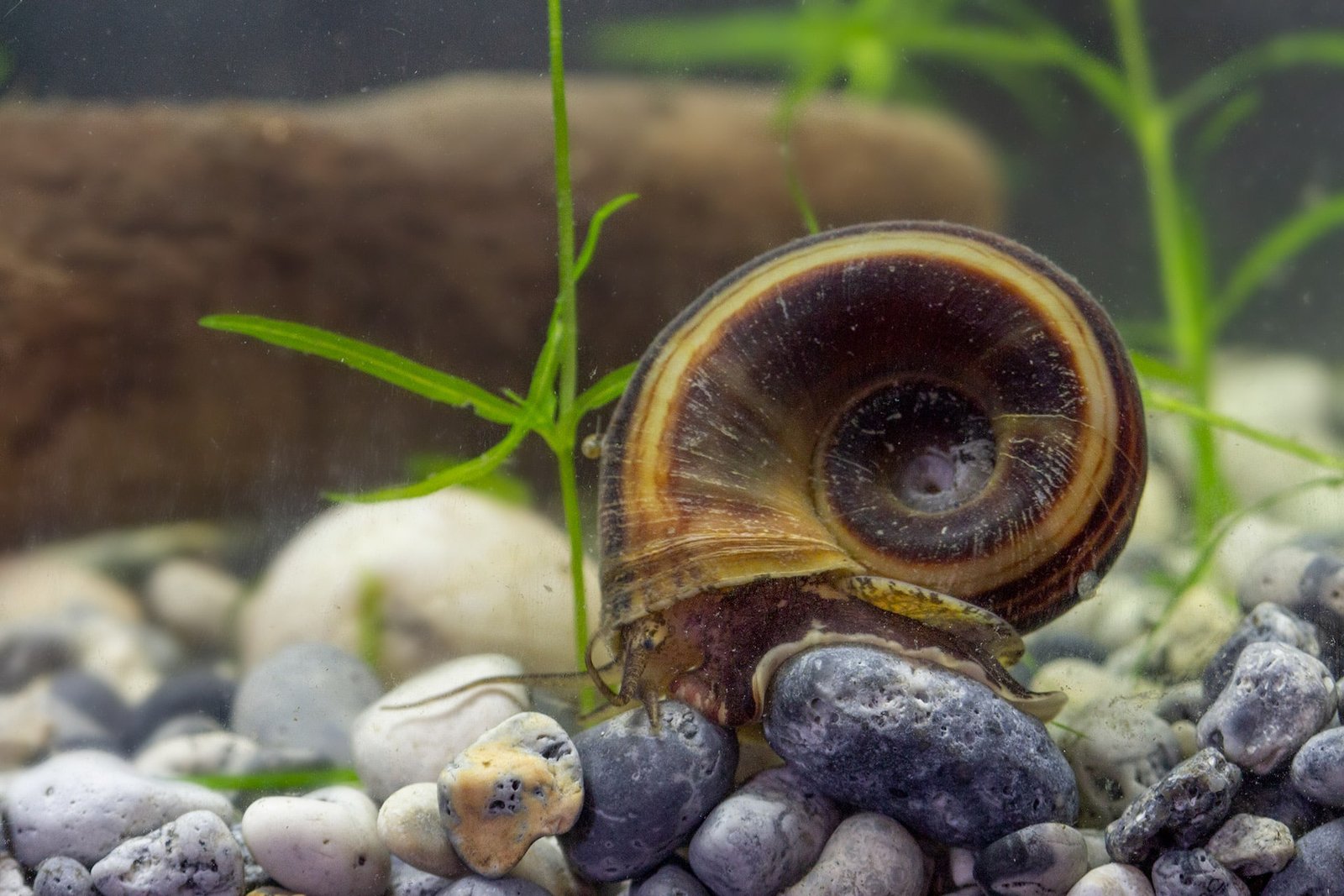
Giant Ramshorn Snail – Marisa Cornuarietis – Freshwater Gastropod
Original price was: £10.00.£8.00Current price is: £8.00.
Welcome these beautiful Giant Ramshorn Snails (Marisa Cornuarietis) into your aquarium! These freshwater snails enhance aquatic decor while thriving in community tanks. Their graceful movement and easy care make them ideal companions for any enthusiast seeking vibrant aquatic life.
In stock


Species Introduction
The Giant Ramshorn Snail, scientifically known as Marisa cornuaerietis, is a captivating aquatic gastropod that has become a favorite among aquarium enthusiasts. Originating from the freshwater rivers and lakes of South America, these snails are known for their distinctive coiled shells and vibrant colors, which can range from deep greens to striking reds. Their natural habitat is characterized by slow-moving waters rich in aquatic vegetation, providing them with ample food sources and hiding spots.
This species thrives in environments that mimic their natural settings, making them an excellent choice for community tanks where they can coexist peacefully with a variety of fish and other aquatic creatures. The Giant Ramshorn Snail not only adds beauty to your aquarium but also plays a crucial role in maintaining a healthy ecosystem by consuming algae and detritus, thus contributing to the overall cleanliness and balance of the aquatic environment.
Key Features
| Specification | Details |
|---|---|
| Benefits | Enhances your aquarium ecosystem |
| Quality | Premium aquarium-grade materials |
| Ease of Use | Simple setup and maintenance |
Care Requirements Dashboard
✓ Care Level: Easy
Tank Size: Minimum 10 gallons
Water Temperature: 68°F – 78°F (20°C – 26°C)
pH Level: 6.5 – 7.5
Hardness: 5 – 15 dGH
The Giant Ramshorn Snail is renowned for its resilience and adaptability, making it an ideal choice for both novice and experienced aquarists. To ensure their well-being, it is essential to provide a suitable tank size of at least 10 gallons, as this allows for ample swimming space and the establishment of a stable environment. Regular monitoring of these parameters is crucial to prevent any fluctuations that could stress these delicate creatures. Providing a well-maintained environment will not only enhance their beauty but also ensure their longevity in your aquarium.
Natural Behavior & Temperament
The Giant Ramshorn Snail exhibits a gentle and peaceful demeanor, making it an excellent addition to community tanks. These snails are primarily herbivorous, feeding on algae, decaying plant matter, and specially formulated snail food. Their foraging behavior is characterized by a slow, methodical movement across surfaces, allowing them to graze on biofilm and algae that accumulate on tank decorations, substrate, and plants. This natural behavior not only contributes to the cleanliness of the aquarium but also provides a fascinating display for aquarists to observe.
They are social creatures and tend to thrive in groups, so keeping multiple snails can enhance their activity levels and overall happiness. However, it is essential to monitor their interactions with other tank mates, as some fish species may exhibit aggressive behavior towards snails. Overall, the Giant Ramshorn Snail is a peaceful inhabitant that promotes a harmonious community within your aquarium.
Tank Setup Guide
Creating an ideal environment for your Giant Ramshorn Snail involves careful consideration of tank setup. Begin with a minimum tank size of 10 gallons to provide ample swimming space for these snails. The substrate should be soft and smooth, such as sand or fine gravel, to prevent any damage to their delicate bodies.
Incorporating live plants is highly recommended, as they not only serve as a food source but also provide hiding spots and a natural aesthetic to the aquarium. Java moss, Anubias, and Hornwort are excellent choices that thrive in various water conditions. Additionally, adding decorations like driftwood and rocks can create a multi-dimensional environment that mimics their natural habitat.
Ensure that the tank is equipped with a gentle filtration system to maintain water quality without creating strong currents that could stress the snails. Lastly, consider using a heater to maintain a stable temperature, as fluctuations can negatively impact their health.
Water Quality Management
Maintaining optimal water quality is crucial for the health and well-being of your Giant Ramshorn Snail. Regular water changes of 20-30% every two weeks are recommended to keep nitrate levels low and to replenish essential minerals. Monitoring the pH level is vital, as fluctuations can lead to stress and health issues. Aim to keep the pH within the range of 6.5 to 7.5, as this is ideal for their growth and reproduction.
The water hardness should be maintained between 5 and 15 dGH, which can be achieved through the use of mineral supplements if necessary. Additionally, ensure that the water temperature remains stable between 68°F and 78°F (20°C – 26°C). Investing in a reliable water testing kit will help you keep track of these parameters and make necessary adjustments promptly. A well-maintained aquarium not only benefits the snails but also enhances the overall health of the entire aquatic ecosystem.
Feeding & Nutrition
The diet of the Giant Ramshorn Snail is primarily herbivorous, with a preference for algae and decaying plant matter. However, to ensure they receive a balanced diet, it is essential to supplement their feeding with high-quality snail food. Commercially available sinking pellets specifically formulated for freshwater snails are an excellent choice, as they provide essential nutrients and minerals.
Additionally, you can offer blanched vegetables such as zucchini, spinach, and cucumber, which are not only nutritious but also encourage natural foraging behavior. A feeding schedule of 2-3 times a week is generally sufficient, allowing them to graze on leftover food and algae between feedings. Be cautious not to overfeed, as uneaten food can lead to water quality issues.
Observing their feeding habits will give you insight into their dietary preferences and help you adjust their diet accordingly. Providing a varied diet will promote their health and enhance their vibrant colors, making them a stunning addition to your aquarium.
Compatibility Guide
The Giant Ramshorn Snail is known for its peaceful nature, making it compatible with a wide variety of fish and aquatic companions. Ideal tank mates include small to medium-sized community fish such as guppies, tetras, and rasboras, which are unlikely to pose a threat to the snails. However, it is crucial to avoid aggressive fish species, such as cichlids and larger predatory fish, which may see the snails as a food source.
Additionally, other peaceful invertebrates, such as shrimp and other snail species, can coexist harmoniously with Giant Ramshorn Snails. When introducing new tank mates, it is essential to monitor their interactions closely, as individual personalities can vary. Providing plenty of hiding spots and territories will help reduce stress and aggression among tank inhabitants. Overall, the Giant Ramshorn Snail can thrive in a community tank setting, contributing to the ecosystem while enhancing the visual appeal of your aquarium.
Health & Wellness
Maintaining the health and wellness of your Giant Ramshorn Snail involves regular observation and proactive care. Common health issues include shell deformities, which can result from poor water quality or inadequate calcium intake. To prevent such problems, ensure that the water parameters are stable and that the snails have access to calcium-rich foods or supplements.
Signs of distress may include a retracted body, lack of movement, or a damaged shell. If you notice any of these symptoms, it is crucial to assess the water quality and make necessary adjustments. Additionally, providing a varied diet will help strengthen their immune system and promote overall health. Regularly cleaning the tank and removing uneaten food will also prevent the buildup of harmful bacteria. By prioritizing their health and wellness, you can enjoy the beauty and benefits that Giant Ramshorn Snails bring to your aquarium.
Breeding Information
Breeding Giant Ramshorn Snails is a rewarding experience for aquarists looking to expand their aquatic family. These snails are hermaphroditic, meaning each individual possesses both male and female reproductive organs, allowing them to reproduce without the need for a mate.
To encourage breeding, provide a well-maintained environment with stable water conditions and ample food sources. When ready to breed, the snails will lay clusters of eggs on the aquarium glass, decorations, or plants. These eggs are typically transparent and can be easily spotted. After a few weeks, the eggs will hatch into tiny juvenile snails, which can be fed crushed algae wafers or finely ground fish food. It is essential to provide a safe environment for the young snails, as they can be vulnerable to predation from larger tank mates.
With proper care and attention, you can successfully breed Giant Ramshorn Snails and enjoy watching their growth and development.
Acclimation Process
Introducing your Giant Ramshorn Snail to a new aquarium requires a careful acclimation process to minimize stress and ensure a smooth transition. Begin by floating the sealed bag containing the snail in the aquarium for about 15-20 minutes to equalize the temperature. After this, gradually introduce small amounts of aquarium water into the bag over the course of an hour.
This step allows the snail to adjust to the water parameters of its new environment. Once the acclimation is complete, gently place the snail into the aquarium using a net, avoiding the introduction of any bag water that may contain contaminants. It is advisable to monitor the snail closely for the first few days after introduction, ensuring it acclimates well and begins to explore its new home.
A careful acclimation process will help reduce stress and promote a healthy start for your Giant Ramshorn Snail.
Long-term Care
Long-term care for your Giant Ramshorn Snail involves maintaining stable water conditions, providing a balanced diet, and ensuring a suitable environment. Regular water changes and monitoring of water parameters are essential to prevent any fluctuations that could negatively impact the snail’s health.
A varied diet consisting of algae, vegetables, and high-quality snail food will support their growth and vitality. Additionally, providing hiding spots and plants will enhance their well-being and reduce stress. As these snails can live for several years, it is important to remain committed to their care and observe any changes in behavior or health.
Regularly cleaning the tank and removing uneaten food will also contribute to a healthy environment. By prioritizing their long-term care, you can enjoy the beauty and benefits that Giant Ramshorn Snails bring to your aquarium for years to come.
Natural Habitat Recreation
Recreating the natural habitat of the Giant Ramshorn Snail within your aquarium is essential for their overall health and well-being. To achieve this, focus on replicating the conditions found in their native freshwater environments. Start with a substrate that mimics the soft, sandy bottoms of rivers and lakes, allowing for easy movement and burrowing.
Incorporate a variety of live plants, such as Java moss and Anubias, which not only provide food sources but also create hiding spots for the snails. Adding driftwood and rocks can enhance the aesthetic appeal while providing additional shelter. Ensure that the water flow is gentle, as strong currents can stress the snails.
By carefully curating the tank setup to reflect their natural habitat, you will create a thriving environment that promotes the health and happiness of your Giant Ramshorn Snails.
Seasonal Care Adjustments
As seasons change, it is important to make necessary adjustments to the care of your Giant Ramshorn Snail to ensure their continued health and well-being. During warmer months, monitor the water temperature closely, as higher temperatures can lead to stress and potential health issues. Consider using a fan or air conditioning to maintain a stable environment.
In cooler months, a heater may be necessary to keep the water temperature within the optimal range of 68°F to 78°F (20°C to 26°C). Additionally, lighting schedules may need to be adjusted to mimic natural daylight cycles, promoting healthy plant growth and providing a comfortable environment for the snails.
By being proactive and making seasonal adjustments, you can ensure that your Giant Ramshorn Snails thrive throughout the year.
Expert Tips
For those looking to enhance their experience with Giant Ramshorn Snails, here are some expert tips to consider. First, ensure that your tank is well-planted, as this not only provides food sources but also creates a more natural environment. Regularly check for algae growth, as these snails thrive on algae and will help keep your tank clean.
Additionally, consider using a calcium supplement to support shell health, especially if your water hardness is low. Observing your snails can provide valuable insights into their behavior and preferences; for instance, some may prefer certain types of food over others.
Lastly, be patient and allow your snails to acclimate to their environment; with time, they will flourish and contribute to the beauty of your aquarium.
Troubleshooting
If you encounter any issues with your Giant Ramshorn Snail, it is important to address them promptly to ensure their health and well-being. Common problems include shell deformities, which may indicate poor water quality or insufficient calcium.
To resolve this, test your water parameters and consider adding calcium supplements or providing calcium-rich foods. If your snail appears inactive or withdrawn, check for signs of stress, such as rapid changes in water quality or aggressive tank mates. In such cases, consider relocating the snail to a quieter environment or adjusting tank conditions.
Regular monitoring and prompt action will help you maintain a healthy and thriving aquarium for your Giant Ramshorn Snails.
Scientific Background
The Giant Ramshorn Snail, or Marisa cornuaerietis, belongs to the family Planorbidae, which is known for its unique coiled shell shape. This species is classified within the class Gastropoda, which encompasses a diverse range of mollusks characterized by their soft bodies and hard shells.
The evolutionary adaptations of the Giant Ramshorn Snail allow it to thrive in freshwater environments, where it plays a vital role in the aquatic ecosystem as both a consumer of algae and a food source for various predators. Research into the behavior and ecology of this species has provided valuable insights into its reproductive strategies, feeding habits, and interactions within community tanks.
Understanding the scientific background of the Giant Ramshorn Snail can enhance your appreciation for these remarkable creatures and their contributions to the aquarium environment.
Advanced Care Techniques
For experienced aquarists looking to take their care of Giant Ramshorn Snails to the next level, consider implementing advanced care techniques. One effective method is to establish a dedicated snail tank, allowing you to closely monitor their breeding and growth without interference from other species. This setup can include various food sources to encourage breeding, such as different types of algae and blanched vegetables.
Another technique is to utilize a calcium reactor to maintain optimal calcium levels in the water, promoting healthy shell growth. Additionally, experimenting with different plant species can enhance the aesthetic appeal of the tank while providing diverse food sources for the snails.
By applying these advanced care techniques, you can create a thriving environment that supports the health and happiness of your Giant Ramshorn Snails.
Frequently Asked Questions
Q: What tank size is required for Giant Ramshorn Snails?
Giant Ramshorn Snails thrive in a minimum tank size of 20 litres, allowing ample space for grazing and roaming. A larger tank is preferable, especially if you wish to keep multiple snails. This ensures better water quality and stability, reducing stress. Additionally, a well-planted aquarium provides hiding spots and grazing surfaces, enhancing their environment. As they are peaceful creatures, they can coexist with a variety of freshwater fish and invertebrates, making them an excellent choice for community tanks.
✓ Expert Tip
Consider adding a substrate that allows for natural foraging, as they enjoy sifting through the gravel or sand.
Q: What are the ideal water parameters for Giant Ramshorn Snails?
Giant Ramshorn Snails prefer a pH between 6.5 and 8.0, with a temperature range of 20-28°C. Maintaining stable water conditions is crucial for their health. Perform regular water changes of 10-15% weekly to ensure optimal water quality. Additionally, ensure the hardness is moderate, around 5-15 dGH, as this helps in shell formation. Sudden fluctuations in water parameters can lead to stress and health issues, so it’s essential to monitor levels regularly with reliable test kits.
✓ Expert Tip
Utilise a sponge filter to maintain gentle water movement, as snails prefer calmer waters.
Q: How often should I feed Giant Ramshorn Snails?
Giant Ramshorn Snails are herbivorous and should be fed every 2-3 days. Offer a varied diet that includes algae wafers, blanched vegetables like zucchini or spinach, and commercial snail food. Ensure not to overfeed, as uneaten food can pollute the tank. If you notice your snails are not eating, it may be a sign of stress or poor water quality. Always remove any leftover food after 24 hours to maintain a clean environment.
✓ Expert Tip
Introduce calcium-rich foods to support shell health and prevent deficiencies.
Q: Are Giant Ramshorn Snails compatible with other fish species?
Yes, Giant Ramshorn Snails are generally peaceful and can be kept with a variety of freshwater fish such as tetras, guppies, and community cichlids. However, avoid housing them with aggressive or fin-nipping species, as they may harm the snails. Additionally, ensure that tank mates do not consume snails, as some larger fish may view them as food. Observing the interactions in the tank will help ensure a harmonious environment.
✓ Expert Tip
Consider adding plants for shelter, which can also serve as food sources for the snails.
Q: How can I acclimatise Giant Ramshorn Snails to my aquarium?
To acclimatise Giant Ramshorn Snails, float the sealed bag in your aquarium for about 15-20 minutes to equalise the temperature. Then, gradually introduce aquarium water into the bag, approximately 10% every 5-10 minutes. This process should take about an hour. Once acclimatised, gently release the snails into the tank using a net to avoid introducing any potential contaminants from the bag. This method helps reduce stress and ensures a smoother transition into their new home.
✓ Expert Tip
Always monitor their behaviour for the first few days to ensure they are settling in well.
Q: What are the signs of a healthy Giant Ramshorn Snail?
Healthy Giant Ramshorn Snails exhibit a firm, intact shell and active behaviour, moving around the tank and grazing on surfaces. Their colour should be vibrant, and they should respond to stimuli, such as food. If a snail appears lethargic, has a damaged shell, or shows signs of decay (such as a foul odour), it may indicate health issues. Regular observation and maintenance of water quality are essential to ensure their wellbeing.
✓ Expert Tip
Keep an eye on their feeding habits; a sudden change may indicate stress or illness.
Q: How do I prevent diseases in Giant Ramshorn Snails?
To prevent diseases in Giant Ramshorn Snails, maintain excellent water quality through regular testing and changes. Avoid overcrowding the tank, as this can lead to stress and increased waste. Ensure a balanced diet rich in calcium to support shell health, and remove any uneaten food promptly to prevent bacterial growth. Quarantine new additions to your tank for at least two weeks to avoid introducing pathogens. Regular observation will help you catch any early signs of illness.
✓ Expert Tip
Consider adding a small amount of aquarium salt to the water if snails show signs of distress, but only in moderation.
Q: How long do Giant Ramshorn Snails typically live in captivity?
Giant Ramshorn Snails can live for approximately 2 to 3 years in a well-maintained aquarium. Their lifespan can be influenced by factors such as water quality, diet, and general tank conditions. Providing a stable environment with proper care will contribute to a longer and healthier life. Regular monitoring of their behaviour and health will ensure they thrive in your aquarium.
✓ Expert Tip
Ensure that their tank mates are compatible to reduce stress and enhance their longevity.
Q: What type of substrate is most suitable for Giant Ramshorn Snails?
Giant Ramshorn Snails prefer a soft substrate, such as sand or fine gravel, which allows them to burrow and forage naturally. Avoid sharp or coarse substrates, as these can damage their delicate bodies and shells. Additionally, a nutrient-rich substrate can support plant growth, providing additional grazing surfaces for the snails. A well-planted aquarium also offers hiding spots, making it a more comfortable environment for these lovely creatures.
✓ Expert Tip
Consider layering sand over gravel for added texture and comfort.
Q: What behavioural patterns should I expect from Giant Ramshorn Snails?
Giant Ramshorn Snails are predominantly nocturnal, often becoming more active during the evening. They exhibit a curious behaviour, exploring their surroundings and grazing on algae and plant matter. Occasionally, they may climb surfaces, which is natural. However, if they are constantly at the water’s surface, it may indicate poor water quality or stress. Overall, they are peaceful and social creatures, often seen interacting with each other and their environment.
✓ Expert Tip
Provide ample hiding spots with plants or decorations to enhance their comfort.
Q: How do I recognise stress in Giant Ramshorn Snails?
Signs of stress in Giant Ramshorn Snails include excessive hiding, lack of activity, and refusing to eat. If they are frequently at the water’s surface or exhibit erratic movements, it may indicate poor water conditions or incompatible tank mates. Regular monitoring of their behaviour is essential; any significant changes should be addressed promptly. Ensuring stable water parameters and a peaceful environment will help minimise stress.
✓ Expert Tip
Maintain a consistent routine for feeding and tank maintenance to reduce stress levels.
Q: What is the natural habitat of Giant Ramshorn Snails?
Giant Ramshorn Snails are native to freshwater environments, often inhabiting slow-moving rivers, ponds, and marshes. They thrive in areas rich in aquatic vegetation, which provides both food and shelter. Mimicking their natural habitat in your aquarium is essential for their wellbeing. Incorporating live plants and maintaining stable water parameters will create a comfortable environment that reflects their natural surroundings.
✓ Expert Tip
Adding floating plants can help simulate their natural habitat and provide shade.
2 reviews for Giant Ramshorn Snail – Marisa Cornuarietis – Freshwater Gastropod
Add a review
Related products



Emily Carter (verified owner) –
I recently added a Giant Ramshorn Snail (Marisa Cornuarietis) to my aquarium, and I couldn’t be happier with the choice! As a caring fish parent, I always look for ways to enhance the health of my aquatic environment, and this freshwater snail has truly made a difference in both my tank’s appearance and its cleanliness. After just two weeks, I’ve noticed a significant reduction in algae – it’s like having a little clean-up crew!
These snails are not only effective at keeping my tank tidy, but they’re also fascinating to watch as they glide around and interact with their surroundings. Compared to other snails I’ve tried in the past, the Giant Ramshorn is more active and engaging, making my aquarium feel livelier.
Although they do require some calcium supplementation to maintain their beautiful shells, which is a minor consideration, the visual and practical benefits far outweigh this small concern. I highly recommend these snails for anyone looking to enhance their aquarium experience, especially for beginners who want an easy yet effective way to manage algae. Overall, I plan to get a few more to keep my tank even cleaner!
Emily Carter (verified owner) –
I recently added the Giant Ramshorn Snail to my community tank, and I couldn’t be happier! These freshwater snails not only bring a graceful presence to the aquarium, but they’ve also helped keep my tank clean by munching on algae and leftover food. I introduced them around two weeks ago, and I’ve already noticed a significant reduction in algae buildup around the glass and decorations. Their gentle nature makes them ideal tank mates for my fish, as I’ve had no issues with aggression. Compared to other freshwater snails I’ve kept before, such as the Nerite, the Ramshorn seems much more active and engaging. I truly appreciate their contribution to the ecosystem of my tank. Just remember to provide them with some snail food occasionally; they love it! If you’re a fellow aquarist looking for an easy-care companion for your fish, I highly recommend these snails. They have brought a new dynamic to my setup while ensuring the health and happiness of my aquatic family. I’ll definitely be getting more soon!