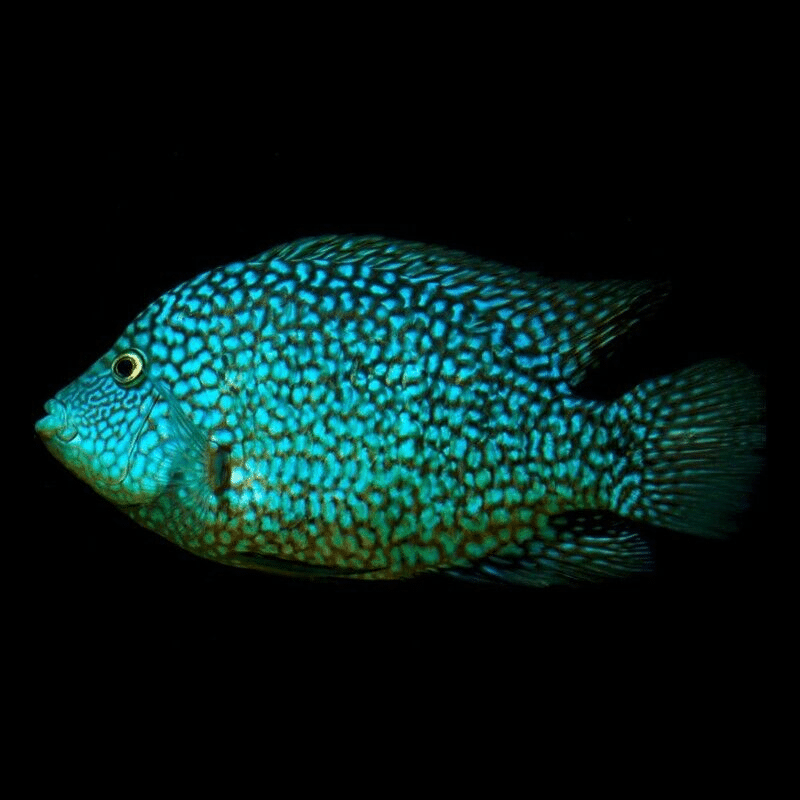
Pearlscale Cichlid – Herichthys Carpintis – Texas Cichlid
Original price was: £9.49.£7.74Current price is: £7.74.
Welcome the stunning Herichthys Carpintis, also known as the Pearlscale Cichlid. This beautiful South American cichlid features a unique pearlscale pattern and vibrant colors, making it a captivating addition to your aquarium. Ideal for aquarists seeking elegant, peaceful companions.
In stock


Species Introduction
The Herichthys Carpintis, commonly known as the Pearlscale Cichlid, Texas Cichlid, or Mexican Cichlid, is a captivating species that originates from the freshwater rivers and lakes of Central America. This vibrant fish is part of the Cichlidae family, which is renowned for its diverse and colorful members. The Pearlscale Cichlid is particularly admired for its striking appearance, characterized by unique pearl-like scales that shimmer under aquarium lights, making it a stunning addition to any aquatic environment. These fish thrive in various habitats, including rocky areas and shallow waters, where they find ample hiding spots and breeding grounds. Understanding their natural habitat is crucial for recreating a suitable environment in your home aquarium, ensuring that these beautiful creatures feel safe and secure.
Care Requirements Dashboard
Essential Care Guide for Your Herichthys Carpintis
| Optimal Living Conditions | |
|---|---|
| Water Temperature | 24-27°C (75-81°F) |
| pH Level | 6.5-7.5 |
| Water Hardness | 4-12 dKH |
| Minimum Tank Size | 80L (20 gal) |
| Salinity | Freshwater |
| Care Level | Beginner Friendly |
Natural Behavior & Temperament
The Herichthys Carpintis exhibits a range of fascinating behaviors that are both intriguing and educational to observe. These cichlids are known for their territorial nature, especially during breeding periods. They establish and defend their territories vigorously, making them less suitable for community tanks unless carefully selected tank mates are provided. In terms of social behavior, they can be quite interactive with their owners, often displaying curiosity and intelligence. They enjoy swimming in open spaces but also appreciate having hiding spots created by decorations, such as rocks and plants, which mimic their natural environment. Understanding their behavior is key to providing a fulfilling and enriching habitat that caters to their natural instincts.
Tank Setup Guide
Setting up a suitable tank for your Pearlscale Cichlid involves creating an environment that closely resembles its natural habitat. Begin with a spacious tank of at least 75 gallons, as these fish require ample swimming space. A sandy substrate is recommended, as it mimics the riverbeds they are accustomed to and allows for natural digging behaviors. Incorporate various decorations, such as rocks, caves, and driftwood, to provide hiding spots and territories. Live plants can also be included, but be cautious with aggressive species that may be uprooted. Ensure that the tank is well-filtered and has good water circulation to maintain water quality. Proper lighting can enhance the colors of your cichlid while also promoting plant growth if you choose to include aquatic plants.
Water Quality Management
Water quality management is a critical aspect of keeping Herichthys Carpintis healthy and thriving. Regular monitoring of water parameters is essential. The pH level should ideally be between 6.8 and 8.0, with a stable temperature maintained between 75°F to 82°F (24°C to 28°C). It’s important to test the water regularly for ammonia, nitrite, and nitrate levels, ensuring that ammonia and nitrite levels remain at zero, while nitrates should be kept below 20 ppm. Additionally, the hardness of the water should be maintained between 10 to 20 dGH. Investing in a high-quality water conditioner can help neutralize harmful substances and make tap water safe for your aquatic friends. Regular water changes of at least 25% weekly will help keep the water clean and clear, promoting a healthy environment for your cichlid.
Feeding & Nutrition
Feeding the Herichthys Carpintis a balanced and nutritious diet is vital for their health and vitality. These cichlids are omnivorous, and their diet should consist of high-quality cichlid pellets, flakes, and frozen or live foods such as brine shrimp, bloodworms, and daphnia. A varied diet will not only enhance their coloration but also promote overall health. It is recommended to feed them 2-3 times a day, offering only what they can consume in a few minutes to prevent overfeeding and maintain water quality. Additionally, incorporating vegetable matter such as spirulina flakes or blanched vegetables can provide essential nutrients and fiber. Monitoring their feeding habits and adjusting their diet as needed will ensure that your cichlid remains healthy and active.
Compatibility Guide
When considering tank mates for your Herichthys Carpintis, it is essential to choose species that can coexist peacefully. These cichlids can be territorial, particularly during breeding, so selecting compatible species is crucial. Suitable tank mates include larger tetras, certain catfish species like the Plecostomus, and other robust cichlids that can handle their assertive nature. Avoid smaller or more peaceful fish, as they may become targets for aggression. It’s also advisable to introduce new fish gradually and monitor interactions closely to ensure a harmonious community. Providing ample hiding spots and territories can help reduce aggression and stress among tank mates.
Health & Wellness
Maintaining the health and wellness of your Herichthys Carpintis involves regular monitoring and preventive care. Common health issues include ich, fin rot, and bacterial infections, which can arise from poor water quality or stress. Signs of illness may include lethargy, loss of appetite, or abnormal swimming behavior. To prevent these issues, ensure that water parameters are stable and that the tank is kept clean. Quarantine new fish before introducing them to your main tank to avoid introducing diseases. Regularly inspect your cichlid for any signs of distress or illness, and consult with a veterinarian or aquatic specialist if any health concerns arise. Providing a stress-free environment with appropriate tank mates and hiding spots will also contribute to their overall well-being.
Breeding Information
Breeding the Herichthys Carpintis can be a rewarding experience for aquarists. These cichlids are known to be mouthbrooders, meaning that the female will carry the fertilized eggs in her mouth until they hatch. To encourage breeding, provide a breeding pair with a separate tank that includes flat surfaces for egg laying, such as smooth rocks or tiles. The female will lay eggs, which the male will fertilize. After hatching, the fry will remain in the female’s mouth for several days until they are ready to swim on their own. During this time, it is essential to provide a high-quality fry food to ensure their growth and health. Monitoring the breeding pair and providing a safe environment for the fry will greatly increase their chances of survival.
Acclimation Process
Acclimating your Herichthys Carpintis to a new aquarium is a crucial step in ensuring their health and reducing stress. Begin by floating the sealed bag containing the fish in the tank for about 15-20 minutes to equalize the temperature. After this, gradually introduce tank water into the bag over the course of an hour, allowing the fish to adjust to the new water parameters. Once acclimated, gently release the fish into the tank using a net to avoid introducing any excess water from the bag. Avoid placing them directly into the tank to minimize stress and potential contamination. Monitoring the fish closely after acclimation can help ensure a smooth transition to their new home.
Long-term Care
The long-term care of your Herichthys Carpintis involves regular maintenance and attention to their evolving needs as they grow. These fish can live for up to 10-15 years in captivity with proper care, making them a long-term commitment. As they mature, their dietary needs and tank dynamics may change, necessitating adjustments in feeding schedules and tank mates. Regular water quality checks and maintenance routines will help ensure a stable environment. Additionally, keeping an eye on their behavior and health will allow you to identify any potential issues early on. With dedication and care, your Pearlscale Cichlid can thrive and become a cherished part of your aquatic family.
Natural Habitat Recreation
Recreating the natural habitat of the Herichthys Carpintis in your aquarium can enhance their well-being and reduce stress. These cichlids thrive in environments that mimic their native freshwater habitats. Incorporate elements such as sandy substrates, rocks, and caves to create hiding spots and territories. Live plants can also be included, but choose robust species that can withstand the cichlid’s digging behavior. Proper lighting can help simulate natural conditions, promoting plant growth and enhancing the colors of your fish. By carefully designing your aquarium to reflect their natural habitat, you can provide a more enriching environment that supports their health and happiness.
Seasonal Care Adjustments
As seasons change, so do the needs of your Herichthys Carpintis. During warmer months, monitor the water temperature closely, as higher temperatures can stress fish. Ensure that the tank is adequately aerated to maintain oxygen levels. In winter, be cautious of temperature fluctuations and consider using a heater to maintain a stable environment. Additionally, adjust lighting schedules to mimic natural day/night cycles, promoting healthy behaviors and growth. Seasonal changes can also affect feeding habits, so be prepared to modify their diet based on activity levels and preferences. By remaining attentive to seasonal variations, you can provide optimal care for your cichlid throughout the year.
Expert Tips
For aquarists looking to provide the best care for their Herichthys Carpintis, consider these expert tips. First, invest in a high-quality filtration system to maintain water clarity and quality. Regularly test water parameters to ensure stability. Additionally, provide a varied diet that includes both high-quality pellets and live or frozen foods to enhance their health and coloration. When introducing new tank mates, do so gradually and monitor interactions closely to prevent aggression. Lastly, take the time to observe your fish regularly; understanding their behaviors and preferences will help you create a more harmonious and enriching environment.
Troubleshooting
In the event of common issues arising with your Herichthys Carpintis, having a troubleshooting plan can be invaluable. If you notice signs of illness, such as lethargy or abnormal swimming patterns, check water parameters immediately. Poor water quality is often the culprit behind many health issues. If aggression is observed, consider rearranging tank decorations to disrupt established territories or provide additional hiding spots. In cases of disease, quarantine affected fish and consult with an aquatic veterinarian for treatment options. Being proactive and attentive will help you address problems swiftly, ensuring the health and happiness of your aquatic companions.
Scientific Background
The Herichthys Carpintis belongs to the Cichlidae family, which encompasses a wide variety of freshwater fish species known for their vibrant colors and complex behaviors. While specific scientific data on the species may be limited, it is essential to recognize the ecological significance of cichlids in their native habitats. These fish play a crucial role in the balance of their ecosystems, contributing to the biodiversity of freshwater environments. Understanding their scientific background can enhance your appreciation for these remarkable creatures and inform your care practices, ensuring that you provide a home that meets their needs.
Advanced Care Techniques
For experienced aquarists looking to elevate their care for the Herichthys Carpintis, consider implementing advanced techniques. Utilizing a planted tank setup with CO2 injection can improve plant growth and water quality, benefiting both the fish and the plants. Additionally, exploring breeding techniques such as conditioning pairs with high-quality foods can enhance breeding success. Monitoring and adjusting water parameters with precision can prevent stress and health issues. Engaging in regular research and staying informed about the latest advancements in aquaristics will empower you to provide the best possible care for your cichlid.
✓ Care Level: Easy
These cichlids are suitable for aquarists with some experience. Regular maintenance and attention to water quality are key.
⚠ Important Notice
Ensure that tank mates are compatible to prevent aggression, especially during breeding.
⚠ Water Parameter Notice
Maintain stable pH levels between 6.8 and 8.0 for optimal health.
Frequently Asked Questions
Q: What tank size is required for Herichthys Carpintis?
Herichthys Carpintis, commonly known as the Pearlscale Cichlid, requires a minimum tank size of 75 gallons (approximately 284 litres) to thrive. These fish can grow quite large, reaching sizes of up to 12 inches (30 cm) in length. A spacious tank provides sufficient swimming area and helps reduce territorial disputes, which can be common in cichlid species. Furthermore, ensuring that the tank is well-filtered and maintained will contribute to the overall health of your fish. A larger aquarium allows for the establishment of territories, which is crucial for their behavioural health, and helps to maintain water quality more effectively.
✓ Expert Tip
Consider adding hiding spots and caves made from rocks or driftwood to create a more natural environment and reduce stress.
Q: What water parameters do Herichthys Carpintis require?
Herichthys Carpintis thrive in water that is slightly alkaline to neutral, with a pH range of 6.5 to 8.0. The water temperature should ideally be maintained between 24°C to 28°C (75°F to 82°F). Regular monitoring of water parameters, including ammonia, nitrite, and nitrate levels, is essential to ensure a healthy environment. This species prefers soft to moderately hard water, with a hardness of 6 to 20 dGH. Consistent water changes, approximately 20-30% weekly, will help maintain these parameters and improve overall water quality.
✓ Expert Tip
Invest in a reliable water testing kit to monitor your aquarium’s conditions regularly.
Q: How often should I feed Herichthys Carpintis?
Feeding Herichthys Carpintis should be done 1-2 times daily, providing only what they can consume in a few minutes to prevent overfeeding and water quality issues. A varied diet including high-quality pellets, live or frozen foods such as brine shrimp and bloodworms, will ensure they receive necessary nutrients. It’s beneficial to occasionally offer vegetable matter like spirulina or blanched spinach to support their digestive health. Regular monitoring of their feeding habits can also help identify any health issues early on.
✓ Expert Tip
Introduce new foods gradually to avoid digestive issues.
Q: What are the best tank mates for Herichthys Carpintis?
Herichthys Carpintis can be semi-aggressive, thus requiring careful selection of tank mates. Ideal companions include other robust cichlids, such as Jack Dempsey or Green Terror, provided that the tank is spacious enough to establish territories. Avoid smaller fish that may be seen as prey or overly timid species, as they may be bullied. It’s also wise to introduce new tank mates gradually, allowing the established fish time to adjust to the newcomers. Monitoring interactions closely during this period will help ensure compatibility.
✓ Expert Tip
Provide plenty of hiding places to reduce aggression and stress among tank mates.
Q: How do I properly acclimatise Herichthys Carpintis to my aquarium?
Acclimatising Herichthys Carpintis is crucial for their health. Begin by floating the sealed bag containing your fish in the aquarium for about 15-20 minutes to equalise temperature. Following this, gradually introduce aquarium water into the bag—approximately ¼ cup every 10 minutes—over a period of one hour. This method reduces stress and helps the fish adjust to the new water chemistry. Once acclimatised, gently release the fish into the aquarium using a net to avoid adding bag water, which may contain harmful substances.
✓ Expert Tip
Minimise handling of the fish to reduce stress during the acclimatisation process.
Q: What are the signs of healthy Herichthys Carpintis?
Healthy Herichthys Carpintis exhibit vibrant colours, clear eyes, and active behaviour. They should swim freely, displaying a natural curiosity about their surroundings. Fins should be intact and not clamped, and the fish should not show any signs of distress or unusual swimming patterns. Regular observation of their feeding habits is also essential; a healthy fish will eagerly consume food. Any signs of lethargy, loss of appetite, or abnormal behaviour could indicate stress or illness, thus requiring immediate attention.
✓ Expert Tip
Maintain a routine to monitor your fish’s behaviour and health regularly.
Q: How do I successfully breed Herichthys Carpintis?
Breeding Herichthys Carpintis can be a rewarding experience. To encourage breeding, provide a separate breeding tank with suitable substrate, such as flat stones or terra cotta pots, for laying eggs. Maintaining optimal water conditions, including slightly elevated temperatures (around 28°C or 82°F) and stable pH levels, is essential. The male will court the female, and once ready, she will lay eggs, which the male fertilises. Post-hatching, the parents typically protect the fry until they are independent, so consider providing ample hiding spots for the young.
✓ Expert Tip
Remove any uneaten eggs to prevent fungus and ensure a healthy brood.
Q: What temperature should I maintain for Herichthys Carpintis?
The ideal temperature range for Herichthys Carpintis is between 24°C to 28°C (75°F to 82°F). Maintaining a stable temperature within this range is crucial for their metabolic processes and overall health. Sudden fluctuations can lead to stress and susceptibility to diseases. A reliable aquarium heater is recommended to achieve and maintain the desired temperature. Regular monitoring with a thermometer will ensure that the conditions remain consistent, which is vital for the wellbeing of your fish friends.
✓ Expert Tip
Avoid placing the aquarium in direct sunlight to prevent overheating.
Q: How long do Herichthys Carpintis typically live in captivity?
In a well-maintained aquarium with proper care, Herichthys Carpintis can live between 10 to 15 years. Their lifespan is greatly influenced by water quality, diet, and overall environmental conditions. Regular maintenance, including water changes and monitoring of water parameters, plays a significant role in ensuring a long, healthy life. Additionally, avoiding overcrowding and providing adequate space and hiding spots can contribute to their longevity.
✓ Expert Tip
Keep a consistent care routine to promote their health and wellbeing.
Q: What type of substrate is most suitable for Herichthys Carpintis?
Herichthys Carpintis prefers a substrate that mimics their natural habitat, which typically includes sand or fine gravel. This type of substrate allows for natural digging behaviour and helps in the establishment of territories. It is also important to ensure that the substrate is safe and free from sharp edges to prevent injuries. Additionally, a darker substrate can enhance the vibrant colours of these cichlids, providing a stunning visual effect in your aquarium.
✓ Expert Tip
Consider layering the substrate with larger stones or driftwood to create a more dynamic environment.
Q: What behavioural patterns should I expect from Herichthys Carpintis?
Herichthys Carpintis are known for their territorial and sometimes aggressive behaviour, especially during breeding. They tend to establish territories within the aquarium and will defend these areas against perceived threats. It is common to observe them displaying courtship behaviours, such as fin flaring and chasing, particularly when preparing to breed. Additionally, they are curious and will explore their environment, often interacting with decorations and plants. Providing ample space and hiding spots is crucial to mitigate aggression and allow for natural behaviours.
✓ Expert Tip
Observe their interactions closely to identify any signs of stress or aggression.
Q: How can I prevent common diseases in Herichthys Carpintis?
Preventing diseases in Herichthys Carpintis involves maintaining optimal water quality and a stable environment. Regular water changes, proper filtration, and monitoring of water parameters are essential. Quarantining new fish before introducing them to the main tank can also help prevent disease transmission. Additionally, a varied and high-quality diet strengthens their immune system. Watch for signs of stress or illness, such as changes in behaviour or appearance, and address any issues promptly to avoid outbreaks.
✓ Expert Tip
Consider adding aquarium salt to the water as a preventative measure against certain diseases.
Q: What lighting conditions do Herichthys Carpintis prefer?
Herichthys Carpintis thrive under moderate lighting conditions that mimic their natural habitat. Bright lighting can cause stress, so it is advisable to use subdued lighting or provide shaded areas using plants or decorations. A light cycle of 10-12 hours a day is typically sufficient, ensuring that the fish have periods of rest. Additionally, incorporating live plants can help create a more balanced ecosystem and improve the overall aesthetic of the aquarium.
✓ Expert Tip
Utilise a timer to maintain a consistent lighting schedule.
Q: How do I recognise stress in Herichthys Carpintis?
Signs of stress in Herichthys Carpintis can include hiding, lethargy, and a loss of appetite. Additionally, they may display erratic swimming behaviour or aggression towards tank mates. Clamped fins and faded colours are also indicators of stress. It is crucial to observe their environment and make necessary adjustments, such as improving water quality, reducing aggression from tank mates, or providing more hiding spaces. Recognising these signs early can help prevent further health issues.
✓ Expert Tip
Maintain a calm environment and avoid sudden movements near the aquarium.
Q: What natural habitat conditions should I replicate for Herichthys Carpintis?
Herichthys Carpintis are native to freshwater rivers and lakes in Mexico, where they inhabit areas with rocky substrates and plenty of hiding spots. To replicate these conditions, you should provide a substrate of sand or fine gravel, along with rocks, caves, and driftwood to create a natural environment. Maintaining slightly alkaline to neutral water conditions, along with stable temperatures, will further enhance their wellbeing. Incorporating live plants can also contribute to the complexity of the habitat, offering shelter and a more stimulating environment for your fish.
✓ Expert Tip
Research the specific natural habitat of your fish to create a more accurate biotope.


Emily Carter (verified owner) –
I recently added the Herichthys Carpintis, also known as the Pearlscale Cichlid, to my aquarium, and I couldn’t be happier! After about two months of keeping them, I’ve seen such vibrant colors and lively behavior that truly brighten up the tank. These cichlids are not only stunning but also have engaging personalities that make them so much fun to watch. I feed them a high-quality cichlid food, and they absolutely love it, showing no signs of stress or health issues.
What sets these cichlids apart for me is their adaptability to various aquarium plants, which adds a beautiful natural touch to my tank. Unlike some other species I’ve tried, the Carpintis seem to thrive in a planted setup and regularly explore their surroundings. They do have a bit of a territorial nature, so I would recommend this fish to someone with a larger aquarium or experience in managing cichlid dynamics.
Overall, my experience has been fantastic, and I would definitely buy these again. They were shipped quickly and arrived healthy, which is always a plus. If you’re looking to add some character to your aquarium, these Pearlscale Cichlids are perfect!