

PAIR Apistogramma Cruzi – Dwarf South American Cichlid – Rare Fish (2 FISH MAIL & FEMAILE)

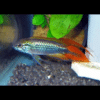
Original price was: £68.49.£58.06Current price is: £58.06.
Welcome these beautiful Apistogramma Cruzi, a stunning pair of rare dwarf South American cichlids, to your aquarium. Known for their vibrant colors and graceful movements, they thrive in peaceful communities. Includes one male and one female, perfect for enriching your aquatic environment.
In stock
Species Introduction
The Apistogramma Cruzi, commonly known as the Dwarf South American Cichlid, is a captivating species that hails from the tranquil waters of South America. This enchanting fish is a member of the cichlid family, renowned for its vibrant colors and intricate behaviors. Native to the Amazon Basin, Apistogramma Cruzi thrives in slow-moving waters, often found in densely vegetated areas, which provide both shelter and breeding grounds. These fish are characterized by their small size, typically reaching a maximum length of around 3 to 4 inches, making them an ideal choice for aquarists looking to add a splash of color and personality to their freshwater aquariums. Their natural habitat is rich in aquatic plants and organic debris, creating a complex environment that supports their diverse behaviors and social interactions.
Care Requirements Dashboard
Essential Care Guide for Your PAIR Apistogramma Cruzi
| Optimal Living Conditions | |
|---|---|
| Water Temperature | 24-27°C (75-81°F) |
| pH Level | 6.5-7.5 |
| Water Hardness | 4-12 dKH |
| Minimum Tank Size | 80L (20 gal) |
| Salinity | Freshwater |
| Care Level | Beginner Friendly |
✓ Care Level: Easy
| Care Requirement | Details |
|---|---|
| Tank Size | Minimum 20 gallons for a pair |
| Water Temperature | 75°F – 82°F (24°C – 28°C) |
| pH Level | 6.0 – 7.5 |
| Hardness | Soft to moderately hard (3-15 dGH) |
Natural Behavior & Temperament
Apistogramma Cruzi exhibits a range of fascinating behaviors that make them a delight to observe in a home aquarium. These fish are known for their territorial nature, particularly during breeding periods, where males will display vibrant colors and perform elaborate courtship dances to attract females. Their natural swimming patterns are characterized by short bursts of speed as they dart between hiding spots, showcasing their agility and adaptability. In a community tank, they can exhibit a peaceful demeanor, but it is essential to provide ample hiding spaces and territories to minimize aggression. Apistogramma Cruzi is also known to establish hierarchies within their social groups, leading to a dynamic and engaging environment. Observing their interactions can provide insight into their social structures and behaviors, making them a fascinating addition to any aquarist’s collection.
Tank Setup Guide
Creating an ideal habitat for your Apistogramma Cruzi is crucial for their health and well-being. A well-planted aquarium with plenty of hiding spots will mimic their natural environment and provide them with a sense of security. Use fine gravel or sand as substrate, as this allows them to forage naturally. Incorporate driftwood, rocks, and dense aquatic plants to create a complex structure that encourages exploration and territorial behavior. Plants such as Anubias, Java Fern, and Cryptocoryne are excellent choices, as they thrive in similar water conditions and provide cover for your fish. Ensure that the tank has subdued lighting to mimic their natural habitat, which can help reduce stress and encourage natural behaviors. Additionally, consider adding a sponge filter to maintain water quality while providing gentle water movement, as Apistogramma Cruzi prefers calm waters.
Water Quality Management
✓ Water Quality: Essential for Health
Maintaining optimal water quality is vital for the health of your Apistogramma Cruzi. Regular water changes of 20-30% every week will help keep nitrate levels low and ensure a stable environment. Test the water parameters regularly, focusing on pH, hardness, and temperature. The ideal pH for Apistogramma Cruzi ranges from 6.0 to 7.5, with a temperature between 75°F and 82°F (24°C – 28°C). Soft to moderately hard water (3-15 dGH) is preferred, as it mimics their natural habitat. Use a reliable water conditioner to remove chlorine and chloramines from tap water before adding it to the aquarium. Additionally, consider using a high-quality filtration system to maintain water clarity and quality, ensuring your fish thrive in a healthy environment.
Feeding & Nutrition
Feeding your Apistogramma Cruzi a balanced diet is essential for their growth, coloration, and overall health. These fish are omnivorous and thrive on a varied diet that includes high-quality flake foods, pellets, and live or frozen foods such as brine shrimp, daphnia, and bloodworms. A feeding schedule of 2-3 small meals per day is recommended, ensuring they receive adequate nutrition without overfeeding, which can lead to water quality issues. Observe your fish during feeding times to gauge their appetite and adjust portion sizes accordingly. Additionally, incorporating vegetable matter, such as blanched spinach or zucchini, can provide essential nutrients and promote digestive health. Always remove uneaten food after a few hours to prevent water contamination and maintain a clean aquarium environment.
Compatibility Guide
✓ Peaceful Community Fish
| Tank Mate | Compatibility |
|---|---|
| Neon Tetra | Excellent |
| Corydoras Catfish | Good |
| Guppies | Good |
| Rasboras | Excellent |
| Other Dwarf Cichlids | Varied |
When selecting tank mates for your Apistogramma Cruzi, it’s essential to consider their peaceful nature and territorial behavior, especially during breeding. Ideal companions include small, peaceful fish such as Neon Tetras, Corydoras Catfish, and Rasboras. These species coexist harmoniously, creating a vibrant community tank. However, avoid larger or overly aggressive fish that may intimidate or harm your cichlids. It’s also advisable to introduce fish gradually and monitor interactions closely, as establishing a balanced community may take time. Providing ample hiding spots and territories will help reduce stress and aggression, ensuring a thriving aquarium ecosystem.
Health & Wellness
Maintaining the health and wellness of your Apistogramma Cruzi is paramount for their longevity and vitality. Regular observation is key; look for signs of stress or illness, such as changes in behavior, loss of appetite, or physical abnormalities. Common issues include ich, fin rot, and fungal infections, which can often be prevented through proper water quality management and a balanced diet. Quarantine new arrivals before introducing them to your main tank to prevent the spread of diseases. In case of illness, consult with a knowledgeable aquarist or veterinarian for appropriate treatment options. Additionally, maintaining a stable environment with consistent water parameters will contribute significantly to their overall health and well-being.
Breeding Information
✓ Breeding Pair: Ideal for Enthusiasts
Breeding Apistogramma Cruzi can be a rewarding experience for aquarists. To encourage spawning, provide a breeding cave or flat surface for the female to lay her eggs. The female will typically lay between 30 to 100 eggs, which she will guard fiercely. After hatching, the fry will remain close to their parents for protection and nourishment. It’s essential to provide finely crushed flakes or specialized fry food for the young fish. As they grow, gradually introduce them to larger food particles. Maintaining excellent water quality during this period is crucial, as fry are particularly sensitive to poor conditions. Once the fry are large enough, they can be moved to a separate tank to grow out, allowing the parents to rest and recover from their breeding efforts.
Acclimation Process
Introducing your new Apistogramma Cruzi to their new home requires careful acclimation to minimize stress and ensure a smooth transition. Begin by floating the sealed bag in the aquarium for about 15-20 minutes to equalize the temperature. After this, gradually introduce small amounts of tank water into the bag over the next hour. This process helps the fish adjust to the water parameters of their new environment. Once acclimated, gently release them into the tank using a net to avoid adding any transport water that may contain harmful substances. Monitor their behavior closely during the first few days, as they may be shy initially. Providing plenty of hiding spots will help them feel secure as they acclimate to their new surroundings.
Long-term Care
Caring for Apistogramma Cruzi over the long term requires commitment and attention to detail. These fish have a lifespan of around 5 to 10 years when kept in optimal conditions. Regular maintenance, including water changes, tank cleaning, and monitoring water parameters, will contribute significantly to their longevity. Additionally, maintaining a varied diet will promote healthy growth and vibrant coloration. As they mature, you may notice changes in behavior and coloration, particularly during breeding seasons. Providing a stable and enriching environment will enhance their quality of life and allow you to enjoy their captivating behaviors and interactions for many years to come.
Natural Habitat Recreation
Recreating the natural habitat of Apistogramma Cruzi in your aquarium will enhance their well-being and encourage natural behaviors. Aim for a biotope that mimics the slow-moving waters of the Amazon Basin, characterized by dense vegetation, soft substrates, and plenty of hiding spots. Incorporate driftwood and leaf litter to replicate their natural environment, providing shelter and foraging opportunities. Use a variety of aquatic plants to create a lush landscape, ensuring that there are open swimming areas as well as secluded spots for retreat. This setup not only benefits the fish but also creates a visually stunning aquarium that showcases the beauty of these remarkable cichlids.
Seasonal Care Adjustments
As seasons change, so do the needs of your Apistogramma Cruzi. During warmer months, ensure that the water temperature remains stable, as fluctuations can stress the fish. Consider using a heater with a thermostat to maintain consistent temperatures. In colder months, monitor the water temperature closely, as drops can negatively impact their health. Adjust lighting periods to mimic natural daylight cycles, which can influence breeding behaviors and overall activity levels. Additionally, as the seasons change, be mindful of the water quality, as increased evaporation during summer may necessitate more frequent water changes.
Expert Tips
✓ Professional Insights for Optimal Care
To ensure the best care for your Apistogramma Cruzi, consider the following expert tips: 1) Regularly test water parameters to catch any fluctuations early. 2) Use a high-quality water conditioner to remove harmful chemicals from tap water. 3) Provide a varied diet to promote health and coloration. 4) Observe fish behavior closely to detect any signs of stress or illness. 5) Create a peaceful environment with plenty of hiding spots to reduce territorial disputes. By following these guidelines, you can foster a thriving aquarium that showcases the natural beauty and behaviors of these remarkable fish.
Troubleshooting
Despite your best efforts, you may encounter challenges while caring for your Apistogramma Cruzi. Common issues include aggression, poor water quality, and health problems. If you notice aggressive behavior, consider adding more hiding spots or increasing the tank size to reduce territorial disputes. For water quality issues, perform regular water changes and test parameters frequently. If your fish show signs of illness, such as lethargy or loss of appetite, consult a veterinarian or aquatic specialist for guidance on treatment options. By being proactive and attentive, you can address these challenges effectively and ensure a healthy environment for your fish.
Scientific Background
The Apistogramma Cruzi belongs to the diverse family of cichlids, which are known for their complex behaviors and adaptability. This species has garnered attention among aquarists for its striking appearance and engaging personality. Research into the taxonomy and ecology of Apistogramma species has revealed insights into their natural behaviors, breeding strategies, and habitat preferences. Conservation efforts are essential to protect their natural habitats, as many freshwater ecosystems face threats from pollution and habitat destruction. By understanding the scientific background of these fish, aquarists can better appreciate their needs and contribute to their conservation.
Advanced Care Techniques
For experienced aquarists, implementing advanced care techniques can enhance the well-being of your Apistogramma Cruzi. Consider establishing a breeding program to selectively breed for desired traits, such as coloration or size. Additionally, experimenting with different plant species and aquascaping techniques can create a dynamic environment that encourages natural behaviors. Utilizing advanced filtration systems can improve water quality and clarity, while also reducing maintenance efforts. Engaging in regular research and staying updated on best practices will empower you to provide the highest level of care for your aquatic companions.
Water Quality Parameters
Optimal Range
24-27°C
6.5-7.5
0 ppm
Caution Zone
22-24°C or 27-29°C
6.0-6.5 or 7.5-8.0
0.25-0.5 ppm
Danger Zone
<22°C or >29°C
<6.0 or >8.0
>0.5 ppm
Monitoring Tip: Test water parameters weekly and perform regular water changes to maintain optimal conditions for your aquatic friends!
Frequently Asked Questions
Q: What tank size is required for the Apistogramma Cruzi?
The Apistogramma Cruzi thrives best in a tank of at least 50 litres. This size provides ample swimming space and allows for territorial behaviour, which is essential for their well-being. A larger tank can accommodate more hiding spots and provide a more stable environment. Ensure that the tank is well-planted with caves and shelters, as these fish enjoy exploring and establishing territories. A well-maintained environment is crucial for their health and happiness.
✓ Expert Tip
Consider a tank with a sandy substrate to mimic their natural habitat, as they enjoy foraging.
Q: What water parameters do Apistogramma Cruzi require?
Apistogramma Cruzi prefers slightly acidic to neutral water with a pH of 6.0 to 7.5. The water hardness should ideally be between 5 to 15 dGH, and the temperature should be maintained between 24°C to 28°C. Regular testing of the water parameters is essential to ensure a stable environment, as fluctuations can lead to stress and health issues. Aim for a well-filtered tank with regular water changes to maintain optimal conditions.
✓ Expert Tip
Utilising natural driftwood and leaf litter can help create a more natural environment and buffer the pH.
Q: How often should I feed Apistogramma Cruzi?
Feeding Apistogramma Cruzi should occur once or twice daily, offering them an amount they can consume within a few minutes. A varied diet is crucial, including high-quality flakes, pellets, and live or frozen foods such as brine shrimp and daphnia. This variety not only ensures they receive necessary nutrients but also keeps them engaged. Overfeeding should be avoided, as it can lead to poor water quality and health issues.
✓ Expert Tip
Incorporate vegetable matter occasionally, such as blanched spinach, to ensure a balanced diet.
Q: What are the best tank mates for Apistogramma Cruzi?
Apistogramma Cruzi is generally peaceful but can be territorial, especially during breeding. Suitable tank mates include smaller, non-aggressive species such as tetras, rasboras, and certain types of catfish. Avoid larger, boisterous fish that may stress them or compete for territory. When introducing new fish, ensure the tank is adequately spacious with ample hiding spots to reduce stress and aggression.
✓ Expert Tip
Introduce new tank mates slowly to monitor interactions and prevent stress.
Q: How do I properly acclimatise Apistogramma Cruzi to my aquarium?
To acclimatise Apistogramma Cruzi, float the sealed bag containing the fish in your aquarium for about 15-20 minutes to equalise the temperature. Then, gradually introduce small amounts of aquarium water into the bag every 5-10 minutes, ideally over a period of one hour. This process helps the fish adjust to differences in water chemistry. Once acclimatised, gently net the fish into the tank, avoiding adding bag water to your aquarium.
✓ Expert Tip
Minimise stress by ensuring the tank is darkened during the initial acclimatisation phase.
Q: What are the signs of healthy Apistogramma Cruzi?
Healthy Apistogramma Cruzi exhibit vibrant colours, active swimming patterns, and a healthy appetite. Their fins should be fully extended without any signs of fraying or damage. Additionally, observe their behaviour; they should display natural foraging and exploring behaviours rather than hiding excessively. Regular monitoring of their health can help catch any issues early, ensuring their longevity in your care.
✓ Expert Tip
Keep an eye out for any unusual changes in behaviour or appearance, as these could indicate stress or illness.
Q: How do I successfully breed Apistogramma Cruzi?
Breeding Apistogramma Cruzi can be a rewarding experience. Start by ensuring a well-maintained environment with stable water parameters. Introduce a breeding pair into a separate tank with fine substrate and caves for spawning. Provide high-quality food to condition the fish leading up to breeding. Once the female lays eggs, she will guard them fiercely, and the male will assist in protecting the territory. After hatching, the fry can be fed infusoria or finely crushed flakes until they are large enough for larger foods.
✓ Expert Tip
Keep the breeding tank well-oxygenated and ensure minimal disturbance during the breeding process.
Q: What temperature should I maintain for Apistogramma Cruzi?
The ideal temperature range for Apistogramma Cruzi is between 24°C and 28°C. Maintaining a stable temperature within this range is crucial as fluctuations can stress the fish and lead to health issues. Use a reliable aquarium heater and thermometer to monitor the temperature consistently. It is also advisable to avoid placing the aquarium in direct sunlight or near drafty areas to prevent temperature swings.
✓ Expert Tip
Consider using a programmable heater for precise temperature control.
Q: How long do Apistogramma Cruzi typically live in captivity?
With proper care, Apistogramma Cruzi can live up to 5-8 years in captivity. Their longevity is largely influenced by water quality, diet, and overall tank conditions. Regular monitoring and maintenance of the aquarium, along with a balanced diet, can contribute significantly to their lifespan. Keeping stress levels low is equally important for their health and longevity.
✓ Expert Tip
Maintain regular water changes and monitor for any signs of stress or illness to help extend their lifespan.
Q: What type of substrate is most suitable for Apistogramma Cruzi?
Apistogramma Cruzi thrives in a sandy substrate, which mimics their natural habitat and allows them to forage comfortably. Sand is gentle on their delicate fins and provides an ideal environment for digging and nesting behaviours. Avoid sharp substrates, as they can cause injuries. Additionally, incorporating smooth stones and driftwood can enhance the aesthetics of the tank while providing hiding spots for these fish.
✓ Expert Tip
Sifting the substrate regularly can help maintain cleanliness and promote a healthy environment.
Q: What behavioural patterns should I expect from Apistogramma Cruzi?
Apistogramma Cruzi is known for its interesting behaviour. They are generally peaceful but can exhibit territoriality, especially during breeding. Males may display vibrant colours and elaborate fin displays to attract females. They enjoy foraging along the substrate and often seek out hiding spots among plants and decorations. Observing their interactions with tank mates can provide insights into their social dynamics; however, be mindful of potential aggression during breeding periods.
✓ Expert Tip
Creating a varied environment with plenty of hiding spots will encourage natural behaviour and reduce stress.
Q: How can I prevent common diseases in Apistogramma Cruzi?
Preventing diseases in Apistogramma Cruzi begins with maintaining optimal water quality. Regular water changes, proper filtration, and monitoring parameters can significantly reduce stress and disease susceptibility. Quarantining new fish before introducing them to the main tank helps prevent the spread of pathogens. Additionally, providing a balanced diet and minimising stress through a well-structured environment are essential for keeping these fish healthy.
✓ Expert Tip
Regularly observe your fish for any signs of illness, such as unusual swimming patterns or loss of appetite.
Q: What lighting conditions do Apistogramma Cruzi prefer?
Apistogramma Cruzi prefers subdued lighting, which mimics their natural habitat in the Amazon. Dim lighting allows them to feel secure and encourages natural behaviours. Using floating plants or driftwood to create shaded areas can provide the perfect environment. LED lights with adjustable intensity can be beneficial, allowing you to simulate day and night cycles while keeping the tank’s atmosphere calm and inviting.
✓ Expert Tip
Consider using a timer to maintain consistent lighting schedules, promoting a healthy rhythm for your fish.
Q: How do I recognise stress in Apistogramma Cruzi?
Recognising stress in Apistogramma Cruzi can be vital for their health. Common signs include hiding excessively, loss of appetite, and erratic swimming patterns. Additionally, colour fading or clamped fins may indicate stress levels. It is essential to maintain stable water conditions, avoid overcrowding, and provide adequate hiding spots to minimise stressors. Monitoring their behaviour regularly can help you address issues before they escalate.
✓ Expert Tip
Implementing gradual changes in the environment can help your fish adapt without undue stress.
Q: What natural habitat conditions should I replicate for Apistogramma Cruzi?
To replicate the natural habitat of Apistogramma Cruzi, aim for a soft, sandy substrate with plenty of hiding spots created by driftwood and rocks. The water should be slightly acidic with low hardness, mimicking their Amazonian environment. Incorporating live plants can also enhance their habitat, providing cover and contributing to water quality. Dim lighting and stable temperatures further contribute to a comfortable and suitable environment for these beautiful fish.
✓ Expert Tip
Using natural materials in your aquascaping can help mimic their native habitat effectively.
2 reviews for PAIR Apistogramma Cruzi – Dwarf South American Cichlid – Rare Fish (2 FISH MAIL & FEMAILE)
Add a review
Related products





Emily Carter (verified owner) –
I recently added a pair of Apistogramma Cruzi to my aquarium, and I couldn’t be more thrilled! These dwarf cichlids are not only stunning with their vibrant colors, but their personalities are so engaging. After just one week in their new home, they’ve already established a cozy little territory among the aquarium plants I added for hiding spots. I appreciate how quickly they adapted to their surroundings compared to other cichlids I’ve kept in the past. The shipping was incredibly smooth; they arrived safe and sound, and I could tell they were well taken care of.
I’ve noticed they interact beautifully, often displaying their unique behaviors, and it brings me so much joy to watch. The only minor concern I had was that they sometimes get a bit territorial during feeding, but that’s typical of cichlids and nothing that proper tank management can’t handle. Overall, I highly recommend this pair for anyone looking to enrich their aquarium with lively and beautiful fish. They’ve truly added a spark to my tank!
Emily Carter (verified owner) –
I recently purchased a pair of Apistogramma Cruzi, and I couldn’t be happier with my decision! These little dwarf cichlids have brought so much life and color to my freshwater aquarium. After about two weeks of careful acclimatization, they started to show their true colors—vibrant yellows and blues that are just mesmerizing. I’ve kept various tropical fish before, but this pair truly stands out!
The male is slightly larger and more vividly colored, while the female has a softer, yet equally beautiful appearance. They quickly established a cozy little territory in my tank, and I was thrilled to see them interacting and even flirting! It’s clear they are a happy breeding pair, which is fascinating to observe. I appreciate how easy they are to care for; I’ve found they thrive in a well-planted tank with gentle filtration.
The only minor issue is that they can be a bit shy initially, so a peaceful community tank is essential. I recommend these fish to anyone looking to enhance their aquarium with vibrant, engaging personalities. Just be sure to provide them the right environment for optimal health and happiness! I would definitely buy from this seller again; the fish arrived healthy and well-packaged.
Overall, a perfect addition for any aquarist looking for colorful community fish!