

PAIR Beautiful Ramirez’S Dwarf Cichlid Long Fin Rare and Exotic (2 FISH MALE & FEMAILE)
Original price was: £22.99.£19.35Current price is: £19.35.
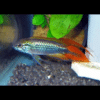
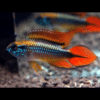
Welcome these beautiful Ramirez’s Dwarf Cichlids into your aquarium! This vibrant pair, featuring one male and one female, showcases stunning colors and elegant long fins. Perfect for community tanks, they thrive in harmonious environments, making them ideal companions for any aquarist.


Species Introduction
The Ramirez’s Dwarf Cichlid, scientifically known as Mikrogeophagus ramirezi, is a stunning freshwater fish that hails from the slow-moving waters of the Amazon River Basin in South America. These enchanting cichlids are renowned for their vibrant colors and peaceful demeanor, making them an ideal choice for community aquariums. Their natural habitat consists of densely vegetated areas with soft substrate, where they thrive in warm, acidic waters. In your aquarium, these beautiful creatures will exhibit a range of colors, including shades of blue, yellow, and orange, which can vary based on their environment and breeding status. As you welcome these exquisite fish into your home, it’s essential to understand their specific needs to ensure they flourish in your aquatic setup.
Care Requirements Dashboard
| Optimal Living Conditions | |
|---|---|
| Water Temperature | 24-27°C (75-81°F) |
| pH Level | 6.5-7.5 |
| Water Hardness | 4-12 dKH |
| Minimum Tank Size | 80L (20 gal) |
| Salinity | Freshwater |
| Care Level | Beginner Friendly |
To provide optimal care for your Ramirez’s Dwarf Cichlid pair, it is crucial to maintain a stable environment. These fish prefer a well-planted tank with plenty of hiding spots to mimic their natural habitat. A minimum tank size of 20 gallons is recommended to ensure they have enough space to swim and establish territories. The water temperature should be kept between 78°F and 86°F, with a pH level ranging from 5.5 to 7.5 to promote their health and well-being. Regular water changes and monitoring of water parameters will help maintain a suitable environment for these vibrant fish.
Natural Behavior & Temperament
Ramirez’s Dwarf Cichlids are known for their peaceful nature, making them an excellent addition to community tanks. These fish exhibit a range of natural behaviors, including swimming in pairs or small groups, exploring their surroundings, and establishing territories. They are relatively shy and may seek refuge among plants or decorations when feeling threatened. It is essential to provide ample hiding spots and visual barriers to reduce stress and allow them to exhibit their natural behaviors. Their social dynamics are fascinating; they often engage in playful interactions with their tank mates, showcasing their vibrant colors and unique personalities. Understanding their behavior will enhance your experience as you care for these beautiful aquatic companions.
Tank Setup Guide
Creating the ideal environment for your Ramirez’s Dwarf Cichlid pair involves careful consideration of tank setup. Start with a minimum tank size of 20 gallons to provide ample swimming space. Use a soft substrate, such as sand or fine gravel, to mimic their natural habitat and allow them to dig and forage. Incorporate plenty of live plants, driftwood, and rocks to create hiding spots and territories. A well-planted tank not only enhances the aesthetic appeal but also provides a sense of security for these fish. Ensure that the tank is equipped with a reliable filtration system to maintain water quality, as these fish are sensitive to poor water conditions. Additionally, consider using a heater to maintain a stable temperature, as fluctuations can stress the fish.
Water Quality Management
Water Parameter Notice
Maintain stable pH levels between 5.5 and 7.5, with a temperature range of 78°F to 86°F.
Water quality is paramount for the health of your Ramirez’s Dwarf Cichlid pair. Regular water changes of 20-30% every week are recommended to keep nitrate levels low and maintain overall water quality. Use a reliable water testing kit to monitor pH, ammonia, nitrite, and nitrate levels. Aim for a pH between 5.5 and 7.5, with a water temperature ranging from 78°F to 86°F. Additionally, ensure that the water hardness is kept between 2 and 15 dGH to provide a comfortable environment for these delicate fish. Implementing a good filtration system and using a heater will help maintain stable water conditions, reducing stress and promoting healthy growth.
Feeding & Nutrition
Feeding your Ramirez’s Dwarf Cichlid pair a balanced diet is essential for their health and vitality. These fish are omnivorous and thrive on a varied diet that includes high-quality flake food, pellets, and live or frozen foods such as brine shrimp, bloodworms, and daphnia. It is recommended to feed them small portions 2-3 times a day, ensuring that they consume all food within a few minutes to prevent water quality issues. Additionally, incorporating vegetable matter, such as spirulina or blanched zucchini, can enhance their nutrition and promote healthy growth. Observing their feeding behavior will help you gauge their preferences and adjust their diet accordingly, ensuring they remain vibrant and healthy.
Compatibility Guide
Ideal Tank Mates: Peaceful community fish
Compatible with tetras, rasboras, and other small, peaceful species.
When setting up a community tank, it is crucial to choose compatible tank mates for your Ramirez’s Dwarf Cichlid pair. These fish are generally peaceful and do well with other small, non-aggressive species. Ideal companions include tetras, rasboras, and small catfish. Avoid larger or more aggressive fish that may intimidate or harm your cichlids. It is also advisable to keep them in pairs or small groups to reduce stress and promote natural behaviors. Observing the interactions among tank mates will help you ensure a harmonious environment, allowing all fish to thrive together.
Health & Wellness
Maintaining the health and wellness of your Ramirez’s Dwarf Cichlid pair is essential for their longevity and vitality. Regular monitoring of their behavior and physical appearance is crucial to detect any signs of stress or illness. Common health issues include ich, fin rot, and swim bladder disease. To prevent these conditions, ensure optimal water quality, provide a balanced diet, and avoid overcrowding in the tank. If you notice any unusual behavior, such as lethargy, loss of appetite, or abnormal swimming patterns, it is essential to take immediate action. Quarantine any new fish before introducing them to the main tank to prevent the spread of diseases. Consulting with an aquarium professional or veterinarian can also provide valuable insights into maintaining the health of your aquatic companions.
Breeding Information
Breeding Ramirez’s Dwarf Cichlids can be a rewarding experience for aquarists. These fish are known to form strong pair bonds, and once a pair is established, they will often spawn in a designated area within the tank. To encourage breeding, provide a flat surface, such as a rock or a spawning cone, where the female can lay her eggs. The female typically lays between 100 to 300 eggs, which the male will fertilize. After spawning, both parents will guard the eggs and fry, providing a nurturing environment. Once the fry are free-swimming, they can be fed infusoria or finely crushed flakes until they are large enough to consume regular food. Monitoring the breeding process and ensuring the safety of the fry will contribute to a successful breeding experience.
Acclimation Process
Introducing your new Ramirez’s Dwarf Cichlid pair to their new home requires a careful acclimation process to minimize stress and ensure a smooth transition. Begin by floating the sealed bag containing the fish in the aquarium for about 15-20 minutes to equalize the temperature. After this, gradually introduce small amounts of tank water into the bag over the next 30 minutes to help the fish adjust to the new water conditions. Once acclimated, gently release the fish into the tank, avoiding the introduction of bag water. Monitoring their behavior during the first few days in the new environment is essential, as they may take some time to adjust and explore their surroundings.
Long-term Care
Caring for your Ramirez’s Dwarf Cichlid pair involves understanding their long-term needs as they grow and mature. These fish can live for 3 to 5 years with proper care, and their size may vary based on environmental factors. Regularly monitor their growth and adjust their diet and tank conditions accordingly. As they mature, they may exhibit more pronounced colors and behaviors, particularly during breeding season. Keeping a consistent routine for feeding, water changes, and tank maintenance will contribute to their overall health and happiness. Engaging with your fish and observing their interactions will enhance your experience as an aquarist and strengthen the bond with your aquatic companions.
Natural Habitat Recreation
Recreating the natural habitat of Ramirez’s Dwarf Cichlids in your aquarium is essential for their well-being. These fish thrive in densely planted environments with plenty of hiding spots. Use natural materials such as driftwood, rocks, and live plants to mimic their Amazonian habitat. Incorporating floating plants can also provide shade and cover, helping to reduce stress. Additionally, consider using a dark substrate to enhance the colors of the fish and create a more natural appearance. By replicating their natural environment, you will not only enhance the aesthetic appeal of your aquarium but also promote the health and happiness of your Ramirez’s Dwarf Cichlid pair.
Seasonal Care Adjustments
As seasons change, it is essential to adjust your care routine for your Ramirez’s Dwarf Cichlid pair to ensure their continued health and well-being. During warmer months, monitor the water temperature closely, as higher temperatures can lead to stress and health issues. Ensure that the tank is adequately aerated and consider using a fan or air conditioning to maintain stable conditions. In colder months, ensure that the heater is functioning correctly to keep the water temperature within the optimal range. Additionally, adjust the lighting schedule to mimic natural daylight cycles, promoting a healthy environment for your fish. Regularly check water parameters and adjust feeding schedules as necessary to accommodate seasonal changes.
Expert Tips
For those looking to enhance their experience with Ramirez’s Dwarf Cichlids, consider implementing some expert tips to improve their care. First, invest in a quality water testing kit to monitor parameters regularly, as these fish are sensitive to changes in water quality. Additionally, provide a varied diet to ensure they receive all necessary nutrients, which can enhance their coloration and overall health. Create a peaceful environment by avoiding aggressive tank mates and providing ample hiding spots. Lastly, engage with your fish regularly to observe their behaviors and interactions, fostering a deeper connection with your aquatic companions.
Troubleshooting
Even with the best care, you may encounter challenges while keeping Ramirez’s Dwarf Cichlids. Common issues include stress from aggressive tank mates, poor water quality, and health problems such as ich or fin rot. If you notice signs of stress, such as hiding or erratic swimming, assess the tank environment and make necessary adjustments. Regular water changes and monitoring will help maintain optimal conditions. For health issues, it is crucial to act quickly; quarantine affected fish and consult with an aquarium professional for treatment options. Being proactive in your care routine will help prevent many common problems and ensure the well-being of your aquatic friends.
Scientific Background
Understanding the scientific background of Ramirez’s Dwarf Cichlids can deepen your appreciation for these remarkable fish. Belonging to the family Cichlidae, these fish are part of a diverse group known for their complex behaviors and social structures. Research indicates that cichlids exhibit a wide range of adaptations to their environments, including variations in coloration and breeding strategies. Conservation efforts are essential to protect their natural habitats, as many freshwater ecosystems face threats from pollution and habitat destruction. By caring for these beautiful creatures in your aquarium, you contribute to the awareness and appreciation of their natural beauty and the need for conservation.
Advanced Care Techniques
For experienced aquarists looking to take their care of Ramirez’s Dwarf Cichlids to the next level, consider implementing advanced techniques to enhance their environment and well-being. Utilizing a planted tank with a variety of flora can create a more natural habitat, promoting healthy behaviors and reducing stress. Additionally, experimenting with different feeding techniques, such as target feeding or using feeding rings, can stimulate their natural foraging instincts. Regularly rotating tank decorations and plants can also provide enrichment, keeping the environment dynamic and engaging for your fish. By continuously learning and adapting your care methods, you can ensure a thriving environment for your Ramirez’s Dwarf Cichlid pair.
Water Quality Parameters
Optimal Range
24-27°C
6.5-7.5
0 ppm
Caution Zone
22-24°C or 27-29°C
6.0-6.5 or 7.5-8.0
0.25-0.5 ppm
Danger Zone
<22°C or >29°C
<6.0 or >8.0
>0.5 ppm
Monitoring Tip: Test water parameters weekly and perform regular water changes to maintain optimal conditions for your aquatic friends!
Frequently Asked Questions
Q: What tank size is required for the Ramirez’s Dwarf Cichlid?
The Ramirez’s Dwarf Cichlid, or Mikrogeophagus ramirezi, thrives best in a tank of at least 100 litres. This size allows ample swimming space and the creation of territories, which is essential for their natural behaviour. If you intend to keep a pair, ensure that the tank is spacious enough to accommodate both fish without stress. Additionally, provide hiding spots using plants, driftwood, and rocks, as these create a safe environment and help establish territories. Remember, a larger tank also aids in maintaining stable water parameters, reducing stress and promoting health.
✓ Expert Tip
Consider a tank with a gentle filtration system to avoid strong currents, as these fish prefer calmer waters.
Q: What water parameters do Ramirez’s Dwarf Cichlids require?
Ramirez’s Dwarf Cichlids prefer slightly acidic to neutral water with a pH range of 6.0 to 7.5. The water hardness should be between 4 to 10 dGH, which mimics their natural habitat in the Amazon basin. It’s crucial to maintain a stable temperature between 24°C to 28°C, as fluctuations can stress the fish. Regular water changes of 10-20% weekly help maintain optimal water quality, ensuring a healthy environment. Always use a reliable water testing kit to monitor these parameters closely, as stability is key to the well-being of these beautiful fish.
✓ Expert Tip
Consider using a sponge filter to provide gentle filtration and aeration without creating strong currents.
Q: How often should I feed Ramirez’s Dwarf Cichlids?
Feeding Ramirez’s Dwarf Cichlids should occur twice daily, providing small amounts of high-quality flake or pellet food designed for cichlids. They also appreciate live or frozen foods such as bloodworms and brine shrimp, which can enhance their colouration and overall health. It’s essential to avoid overfeeding, as uneaten food can degrade water quality. Monitor their feeding habits and adjust quantities accordingly to maintain a healthy diet without excess waste.
✓ Expert Tip
Introduce a varied diet to ensure they receive all the necessary nutrients for optimal growth.
Q: What are the best tank mates for Ramirez’s Dwarf Cichlids?
Ramirez’s Dwarf Cichlids are generally peaceful but can exhibit territorial behaviour, especially during breeding. Suitable tank mates include small, peaceful fish such as tetras, rasboras, and other non-aggressive cichlids. Avoid larger or more aggressive species that may stress or bully them. Additionally, ensure that all tank mates are of a similar size to prevent any predatory behaviour. Providing ample hiding spots and swimming space will also help reduce aggression and allow all fish to thrive.
✓ Expert Tip
Introduce new fish gradually to allow established residents to acclimatise to changes in their environment.
Q: How do I properly acclimatise Ramirez’s Dwarf Cichlids to my aquarium?
Acclimatising your Ramirez’s Dwarf Cichlids is crucial to reduce stress and ensure a smooth transition. Start by floating the sealed bag in the aquarium for about 15-20 minutes to equalise the temperature. After this, gradually introduce small amounts of aquarium water into the bag every 5-10 minutes for approximately an hour. This process helps the fish adjust to the water parameters. Once acclimatised, gently release the fish into the tank without adding the bag water. Avoiding sudden changes in temperature and water chemistry will significantly enhance their chances of thriving in their new home.
✓ Expert Tip
Always use a net to transfer the fish to avoid introducing contaminants from the bag into your aquarium.
Q: What are the signs of healthy Ramirez’s Dwarf Cichlids?
Healthy Ramirez’s Dwarf Cichlids exhibit vibrant colours, clear eyes, and active swimming behaviour. Their fins should be fully extended and free from tears or lesions. Observe their appetite; a healthy fish will eagerly accept food. Additionally, watch for social interactions with tank mates, as mild aggression is normal, but excessive fighting or hiding can indicate stress or illness. Regular monitoring of their behaviour and physical condition will help you maintain their health and well-being.
✓ Expert Tip
Keep a close eye on your fish for any changes in behaviour or appearance, as early detection of issues can prevent more serious health problems.
Q: How do I successfully breed Ramirez’s Dwarf Cichlids?
Breeding Ramirez’s Dwarf Cichlids can be a rewarding experience. To encourage breeding, ensure the water parameters are optimal, with a pH of around 6.5 and a temperature of 26°C to 28°C. Provide flat surfaces, such as slate stones or broad leaves, for them to lay eggs on. The female will lay eggs, and both parents typically guard and care for the fry. After hatching, feed the fry infusoria or finely crushed flakes to support their growth. Ensure a separate breeding tank if possible, as this reduces stress and increases the survival rate of the young.
✓ Expert Tip
Remove any other fish from the breeding tank to prevent disruption during the breeding process.
Q: What temperature should I maintain for Ramirez’s Dwarf Cichlids?
The ideal temperature range for Ramirez’s Dwarf Cichlids is between 24°C and 28°C. Maintaining a stable temperature within this range is crucial for their health and behaviour. Fluctuations can lead to stress, making them susceptible to diseases. A reliable aquarium heater with a thermostat can help regulate the temperature effectively. Regularly check the water temperature with an accurate thermometer to ensure it remains consistent, especially during seasonal changes.
✓ Expert Tip
Avoid placing the aquarium in direct sunlight, as this can cause temperature spikes and promote algae growth.
Q: How long do Ramirez’s Dwarf Cichlids typically live in captivity?
In captivity, Ramirez’s Dwarf Cichlids can live for approximately 3 to 5 years, provided they are offered optimal care and suitable living conditions. Factors such as water quality, diet, and tank environment play a significant role in their lifespan. Regular water changes, a balanced diet, and monitoring for stress or illness can all contribute to a longer life for these beautiful fish. Ensuring they are kept in a well-maintained aquarium will enhance their overall health and longevity.
✓ Expert Tip
Keeping a clean, stable environment is key to extending the lifespan of your aquatic companions.
Q: What type of substrate is most suitable for Ramirez’s Dwarf Cichlids?
For Ramirez’s Dwarf Cichlids, a fine sand substrate is most suitable as it mimics their natural habitat. This substrate allows them to dig and forage without injuring their delicate fins. Additionally, sandy substrates facilitate the growth of beneficial bacteria that contribute to a stable ecosystem. You may also include some smooth pebbles or larger rocks to create hiding spots and territories. Avoid sharp-edged substrates, as these can harm the fish. Regularly vacuum the substrate to remove debris while ensuring you do not disturb the beneficial bacteria layer.
✓ Expert Tip
Consider adding live plants to the substrate as they provide additional hiding spaces and contribute to water quality.
Q: What behavioural patterns should I expect from Ramirez’s Dwarf Cichlids?
Ramirez’s Dwarf Cichlids are known for their vibrant and engaging behaviours. They are generally peaceful but can become territorial, particularly during breeding. You may observe them establishing territories and displaying courtship behaviours, such as swimming in a zigzag pattern. They enjoy interacting with their environment, often foraging and exploring. It’s essential to provide hiding spots and plants, as this will help reduce stress and encourage natural behaviours. Regular observation will help you recognise their unique personalities and interactions with tank mates.
✓ Expert Tip
Spend time observing their behaviour; this can help you identify any signs of stress or illness early.
Q: How can I prevent common diseases in Ramirez’s Dwarf Cichlids?
Preventing diseases in Ramirez’s Dwarf Cichlids involves maintaining optimal water quality and a stable environment. Regular water changes and monitoring parameters are essential. Quarantine any new fish before introducing them to your main tank to avoid introducing pathogens. Providing a varied diet and avoiding overfeeding will also enhance their immune systems. Observe your fish regularly for any signs of illness, such as changes in behaviour, colour, or appetite, and be prepared to act quickly if issues arise. Additionally, consider using aquarium salt as a preventive measure, but use it cautiously and consult with a knowledgeable aquarist.
✓ Expert Tip
Maintain a routine for tank maintenance and water testing to ensure a healthy environment for your aquatic companions.
Q: What lighting conditions do Ramirez’s Dwarf Cichlids prefer?
Ramirez’s Dwarf Cichlids thrive in moderate lighting conditions. They prefer a dimly lit environment that mimics their natural habitat, which is often shaded by plants and driftwood. Using a combination of ambient and spot lighting can create a comfortable environment for them. Consider adding live plants to the aquarium, as they not only provide hiding spots but also help diffuse the light. Avoid placing the tank in direct sunlight, as this can lead to algae growth and temperature fluctuations.
✓ Expert Tip
Use a timer for your aquarium lights to establish a consistent day/night cycle, which is beneficial for the fish’s well-being.
Q: How do I recognise stress in Ramirez’s Dwarf Cichlids?
Recognising stress in Ramirez’s Dwarf Cichlids is crucial for their welfare. Signs include excessive hiding, a lack of appetite, and abnormal swimming patterns, such as darting or skimming the surface. Additionally, changes in colour, such as dullness or darkening, can indicate stress. Observe their interactions with tank mates; frequent aggression or hiding from others can also be a sign. Maintaining a stable environment, including water quality and temperature, is essential to reduce stress levels and promote healthy behaviours.
✓ Expert Tip
Regularly monitor your fish’s behaviour and environment to identify any potential stressors promptly.
Q: What natural habitat conditions should I replicate for Ramirez’s Dwarf Cichlids?
To create an ideal environment for Ramirez’s Dwarf Cichlids, replicate their natural habitat found in the shallow waters of the Amazon. Use a soft, sandy substrate and provide plenty of hiding spots with plants, driftwood, and rocks. Aim for slightly acidic to neutral water with a temperature range of 24°C to 28°C. Incorporate natural decor to promote their natural behaviours, such as foraging and breeding. Regular water changes and maintaining stable parameters will enhance their well-being and encourage vibrant colours.
✓ Expert Tip
Research the natural habitat of these fish to better understand their needs and preferences for a thriving aquarium.
2 reviews for PAIR Beautiful Ramirez’S Dwarf Cichlid Long Fin Rare and Exotic (2 FISH MALE & FEMAILE)
Add a review
Related products



Emily Carter (verified owner) –
I recently purchased a pair of the Beautiful Ramirezi Dwarf Cichlids, and I am absolutely thrilled with them! These stunning tropical fish have added such vibrancy to my aquarium setup. The male has gorgeous long fins that truly set him apart, and the female complements him perfectly with her delicate colors. After about two weeks of acclimating them to my 20-gallon tank, they are already displaying their playful personalities and have even started to explore the various plants and caves I set up for them.
What I love most is how peaceful they are, especially compared to some other cichlids I’ve kept in the past. Their interaction is adorable, and I can’t help but smile watching them swim together. I did have a minor concern initially about potential aggression, but they’ve been nothing but gentle, making them perfect for a community tank.
I highly recommend this pair for anyone looking to add some beauty and charm to their aquarium. Just make sure your tank is well-planted, as they thrive in environments where they can hide and explore. Overall, I couldn’t be happier with my purchase and will definitely buy more in the future!
Emily Carter (verified owner) –
I recently added a pair of the Beautiful Ramirez’s Dwarf Cichlid Long Fin to my aquarium, and I couldn’t be happier! After just two weeks, they have not only settled in beautifully but also showcased their vibrant colors and unique personalities. The female is particularly affectionate, often engaging in playful interactions with the male. I’ve kept a few different tropical fish before, but this pair truly stands out with their grace and charm.
What I love most about these fish is their peaceful nature; they coexist wonderfully with my other freshwater fish. The transition was smooth, thanks to the quality of the fish from this vendor. They arrived healthy and lively, which is a testament to their care and well-being.
As a dedicated fish parent, I appreciate the emphasis on fish welfare, and this pair seems so happy in their new environment. I do recommend providing plenty of hiding spots for the female, as it seems to make her feel secure. Overall, this pair is ideal for both novice and experienced aquarists looking to add a touch of beauty to their home. I would absolutely buy them again!