
-
×


Subtotal: £33.87
Original price was: £17.49.£14.52Current price is: £14.52.
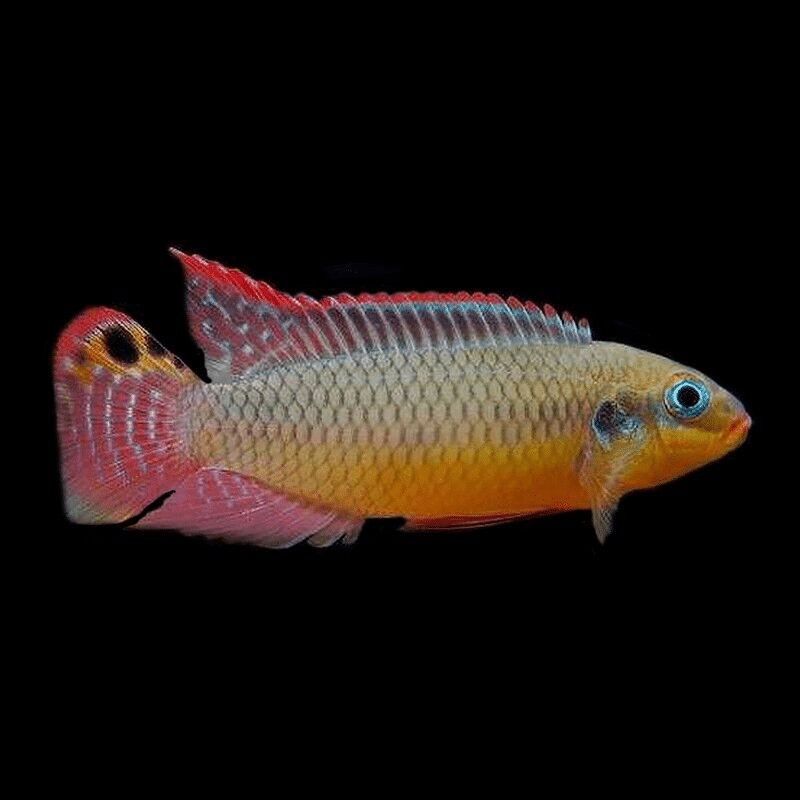
Welcome the stunning Pelvicachromis Kribensis «Molive», known as the Striped Kribensis. These elegant African Dwarf Cichlids are perfect for community aquariums, adding vibrant colors and peaceful behavior. Provide a loving home for these beautiful inhabitants today!
In stock
The Pelvicachromis Kribensis, commonly known as the Striped Kribensis, is a captivating member of the African Dwarf Cichlid family. This beautiful fish hails from the slow-moving waters of West Africa, particularly around the Niger River basin. Known for their vibrant colors and unique patterns, these fish are a favorite among aquarists looking to add a touch of the exotic to their freshwater tanks. The Striped Kribensis exhibits a stunning array of colors, including shades of blue, green, and yellow, which can vary significantly depending on the environment and the individual fish. Their natural habitat consists of densely vegetated areas, where they find shelter among plants and driftwood, making them a perfect choice for aquascaping enthusiasts who wish to recreate a slice of their native ecosystem.
| Optimal Living Conditions | |
|---|---|
| Water Temperature | 24-27°C (75-81°F) |
| pH Level | 6.5-7.5 |
| Water Hardness | 4-12 dKH |
| Minimum Tank Size | 80L (20 gal) |
| Salinity | Freshwater |
| Care Level | Beginner Friendly |
✓ Care Level: Easy
Tank Size: Minimum 20 gallons
Water Temperature: 75-82°F (24-28°C)
pH Level: 6.0-7.5
Hardness: 5-15 dGH
The Pelvicachromis Kribensis is considered a flourishing fish that thrives in a well-maintained aquarium environment. They require a minimum tank size of 20 gallons, which allows for adequate swimming space and territory establishment. The water temperature should be maintained between 75°F and 82°F, with a pH level ranging from 6.0 to 7.5. It’s essential to monitor the hardness of the water, keeping it between 5 to 15 dGH to ensure optimal health and well-being. Regular water changes and proper filtration are crucial in maintaining these parameters and ensuring a thriving aquatic environment for these beautiful creatures.
Pelvicachromis Kribensis are known for their peaceful demeanor and engaging behaviors, making them excellent community fish. These monogamous fish often form strong pair bonds, displaying interesting courtship rituals that can be fascinating to observe. They are relatively shy and prefer to have hiding spots within the tank, such as caves or dense vegetation, where they can retreat when feeling threatened. Their swimming patterns are characterized by graceful darting movements and occasional hovering, particularly when they are exploring their environment or interacting with their tank mates. This species is not aggressive, but they can exhibit territorial behavior, especially during breeding periods, so it’s essential to provide ample space and hiding spots to minimize conflicts.
Creating an ideal environment for your Pelvicachromis Kribensis involves careful consideration of tank setup. Start with a minimum tank size of 20 gallons to provide ample swimming space. The substrate should be soft and sandy, mimicking their natural habitat, allowing them to dig and forage. Incorporate plenty of hiding spots using rocks, driftwood, and live plants to create a natural aquascape. Dense vegetation not only offers shelter but also enhances the aesthetic appeal of the aquarium. It’s essential to ensure that the decorations are fish-safe, avoiding any sharp edges that could harm your aquatic companions. Additionally, consider the water flow; a gentle current is preferable, as these fish thrive in calm waters. Regularly rearranging the decor can also stimulate their curiosity and reduce territorial disputes.
Maintaining optimal water quality is crucial for the health of your Pelvicachromis Kribensis. Regular testing of water parameters is essential to ensure they remain within the ideal ranges. The pH level should be monitored closely, as fluctuations can stress these fish. Aim for a stable pH between 6.0 and 7.5, with a hardness level of 5 to 15 dGH. Temperature stability is equally important; fluctuations can lead to health issues, so keep the water temperature consistently between 75°F and 82°F. Regular water changes of 10-20% weekly will help maintain water quality, removing toxins and replenishing essential minerals. Invest in a reliable filtration system to keep the water clean and well-oxygenated, as Pelvicachromis Kribensis thrive in clean environments.
Pelvicachromis Kribensis are omnivorous and require a varied diet to thrive. A balanced diet should include high-quality pellets, flakes, and frozen or live foods such as brine shrimp, daphnia, and bloodworms. Feeding should occur 2-3 times a day, providing only what they can consume within a few minutes to prevent overfeeding and water quality issues. It’s essential to monitor their dietary needs, especially during breeding periods when they may require additional protein to support the health of their fry. A well-fed Kribensis will exhibit vibrant colors and active behavior, showcasing their natural beauty. Always ensure that the food is appropriate for their size, and avoid over-reliance on any single food type to prevent nutritional deficiencies.
When considering tank mates for your Pelvicachromis Kribensis, it’s important to choose peaceful species that can coexist harmoniously. Ideal tank mates include other small to medium-sized community fish such as tetras, rasboras, and small catfish. Avoid aggressive species, as Kribensis can become stressed in a hostile environment. They can exhibit territorial behavior, especially during breeding, so it’s advisable to provide ample space and hiding spots for all fish. Monitor interactions closely, especially during the initial introduction phase, and be prepared to separate any fish that display signs of aggression. A well-planned community tank can create a vibrant and dynamic aquatic environment that showcases the beauty of each species.
The health of your Pelvicachromis Kribensis is paramount for their longevity and well-being. Regular observation is key; look for signs of stress or illness, such as changes in behavior, loss of appetite, or physical abnormalities. Common issues include ich, fin rot, and fungal infections, which can often be prevented through proper care and water quality management. Quarantine new fish before introducing them to your established tank to prevent the spread of diseases. Should health issues arise, prompt treatment is essential. Familiarize yourself with the signs of distress and have treatment options readily available. A healthy Kribensis will display vibrant colors and active behavior, contributing to the overall beauty of your aquarium.
Breeding Pelvicachromis Kribensis can be a rewarding experience for aquarists. These fish are known for their monogamous nature, often forming strong pair bonds. To encourage breeding, provide a separate breeding tank with suitable hiding spots and a flat surface for the female to lay her eggs. The ideal temperature for breeding is slightly higher, around 80°F. After spawning, the female will guard the eggs, while the male protects the territory. Fry are typically free-swimming within a few days, and both parents will care for them. It’s crucial to provide finely crushed food or specialized fry food to ensure their growth and development. As they mature, monitor their growth and be prepared to separate them if necessary to prevent overcrowding.
Introducing new Pelvicachromis Kribensis to your aquarium requires a careful acclimation process to minimize stress. Start by floating the sealed bag containing the fish in the aquarium for about 15-20 minutes to equalize the temperature. After this, gradually mix small amounts of tank water into the bag every 5 minutes for about an hour. This process helps the fish adjust to the water parameters of their new home. Once acclimated, gently release the fish into the tank using a net to prevent any excess water from the bag entering your aquarium. Monitor their behavior closely for the first few days, ensuring they are adjusting well to their new environment.
The long-term care of Pelvicachromis Kribensis involves maintaining stable water conditions, providing a balanced diet, and ensuring a peaceful community environment. Regular water changes and monitoring of water parameters are essential for their health. As these fish mature, their colors may become more vibrant, and they may exhibit more pronounced behaviors. It’s important to keep their environment stimulating, with regular rearrangement of decorations and the introduction of new plants. Regular health checks and prompt attention to any issues will help ensure a long and healthy life for your aquatic companions. With proper care, Pelvicachromis Kribensis can thrive in your aquarium for many years, bringing joy and beauty to your aquatic landscape.
To create a natural habitat for your Pelvicachromis Kribensis, consider replicating the conditions of their native West African waters. This involves using a sandy substrate, plenty of hiding spots, and live plants to mimic their natural environment. Incorporate driftwood and rocks to create caves and territories, which are essential for their comfort and security. The use of floating plants can also provide shade and cover, contributing to a more natural feel. Maintaining a gentle water flow and ensuring stable water parameters will help replicate their natural habitat, allowing your Kribensis to thrive and exhibit natural behaviors. A well-planned biotope not only enhances the well-being of your fish but also creates a stunning visual display in your aquarium.
Seasonal changes can impact the conditions within your aquarium, requiring adjustments to care for your Pelvicachromis Kribensis. During warmer months, ensure that the water temperature does not exceed 82°F, as higher temperatures can stress these fish. Consider using fans or air conditioning to maintain a stable environment. In colder months, monitor the temperature closely and use heaters to maintain the ideal range. Additionally, lighting cycles may need adjustments to mimic natural day and night patterns, promoting healthy behaviors and breeding cycles. Regular monitoring and adjustments based on seasonal changes will help ensure the health and vitality of your aquatic companions throughout the year.
For those looking to provide the best care for their Pelvicachromis Kribensis, consider these expert tips. First, invest in a high-quality water testing kit to monitor parameters regularly. This will help you catch any issues before they become serious. Second, be mindful of their breeding behavior; providing adequate space and hiding spots will reduce territorial disputes. Third, consider introducing new tank mates gradually to minimize stress. Lastly, keep a close eye on their diet; a varied diet rich in protein will enhance their colors and overall health. By following these tips, you can create a thriving environment for your Kribensis, allowing them to flourish and display their natural beauty.
If you encounter issues with your Pelvicachromis Kribensis, troubleshooting is essential. Common problems include stress from aggressive tank mates, poor water quality, or inadequate hiding spots. If your fish are displaying signs of distress, assess their environment and make necessary adjustments. Ensure that water parameters are stable and within the recommended ranges. If you notice signs of illness, such as white spots or frayed fins, consider isolating the affected fish and treating them in a quarantine tank. Regular maintenance and observation will help you identify and resolve issues quickly, ensuring the health and happiness of your aquatic friends.
The Pelvicachromis Kribensis belongs to the Cichlidae family, known for their diverse and colorful species. This genus is characterized by its unique morphology and behavior, making them a popular choice among aquarists. Research into their natural habitat reveals insights into their breeding habits, social structures, and dietary needs. Conservation efforts are crucial for maintaining their populations in the wild, as habitat destruction poses a significant threat. Understanding their scientific background enhances our appreciation for these beautiful fish and underscores the importance of responsible care and conservation.
For experienced aquarists looking to take their care of Pelvicachromis Kribensis to the next level, consider implementing advanced techniques. This includes experimenting with breeding setups that mimic their natural conditions, such as adjusting lighting and water flow to encourage spawning. Additionally, consider integrating a variety of live foods into their diet to promote health and vitality. Regularly researching and staying updated on the latest findings in cichlid care can also enhance your knowledge and skills. By employing these advanced techniques, you can create an enriching environment that supports the natural behaviors and health of your Kribensis.
For Pelvicachromis Kribensis, a minimum tank size of 60 litres is recommended. This allows ample space for swimming and exploring their environment. Additionally, providing a well-planted tank with hiding spots is crucial for their comfort and security. They thrive in a peaceful community setting, so ensure the tank is not overcrowded to maintain water quality and reduce stress levels.
✓ Expert Tip
Consider incorporating driftwood and caves to mimic their natural habitat, enhancing their overall well-being.
Pelvicachromis Kribensis prefer slightly acidic to neutral water conditions, ideally between pH 6.5 and 7.5. The water temperature should be maintained between 24°C and 28°C. Regular water changes of approximately 10-15% weekly are essential to keep the water parameters stable and prevent the build-up of harmful toxins. Monitoring ammonia, nitrite, and nitrate levels is crucial for their health.
✓ Expert Tip
Use a reliable water testing kit to keep track of these parameters and adjust as necessary for optimal health.
Feed Pelvicachromis Kribensis once or twice daily, providing them with a varied diet that includes high-quality flakes, pellets, and live or frozen foods like brine shrimp and daphnia. It is important to offer small amounts that they can consume within a few minutes to prevent overfeeding and maintain water quality. Regularly changing their diet can also enhance their colouration and overall health.
✓ Expert Tip
Consider using a feeding ring to keep food contained, allowing them to forage naturally.
Pelvicachromis Kribensis are generally peaceful fish, making them suitable for community tanks. Ideal tank mates include smaller, non-aggressive species such as tetras, rasboras, and other dwarf cichlids. Avoid larger or overly boisterous fish that may stress them. It is also wise to keep them in pairs or small groups to reduce territorial disputes, especially during breeding.
✓ Expert Tip
Introduce new tank mates gradually to reduce stress and allow for acclimatisation.
To acclimatise Pelvicachromis Kribensis, float the sealed bag in the aquarium for about 15-20 minutes to equalise the temperature. Then, gradually introduce small amounts of aquarium water into the bag every 5 minutes for about an hour. This process helps them adjust to the new water conditions. Finally, gently place them into the tank using a net to avoid adding bag water, which may contain harmful substances.
✓ Expert Tip
Keep the lights dimmed during acclimatisation to reduce stress levels.
Healthy Pelvicachromis Kribensis exhibit vibrant colours, clear eyes, and active behaviour. They should swim freely and interact with their environment. Look for signs of stress, such as hiding excessively, loss of appetite, or abnormal swimming patterns. Regular observation will help you identify any changes in their health, allowing for prompt action should any issues arise.
✓ Expert Tip
Keep a close eye on their fins; clamped fins can indicate stress or illness.
To successfully breed Pelvicachromis Kribensis, provide a separate breeding tank with a flat surface for spawning, such as a ceramic tile. Maintain optimal water conditions and a slightly higher temperature of around 26°C. The female will lay eggs on the chosen surface, and both parents will guard the eggs and fry. After a few days, the fry will become free-swimming, at which point you can start feeding them finely crushed food or specialised fry food.
✓ Expert Tip
Ensure the breeding tank is well-planted to provide hiding spots for the fry.
Pelvicachromis Kribensis thrive in temperatures between 24°C and 28°C. Maintaining a stable temperature within this range is essential for their health and behaviour. Sudden fluctuations can lead to stress and illness. A reliable aquarium heater and thermometer are recommended to ensure consistent conditions.
✓ Expert Tip
Consider using a heater with a built-in thermostat for optimal temperature control.
In captivity, Pelvicachromis Kribensis can live up to 5-7 years with proper care. Providing a suitable environment, maintaining water quality, and ensuring a balanced diet are key factors that influence their lifespan. Regular health checks and prompt attention to any signs of illness also contribute to their longevity.
✓ Expert Tip
Keep a journal of their health and behaviour to monitor any changes over time.
For Pelvicachromis Kribensis, a fine substrate such as sand or small gravel is ideal. This allows them to dig and exhibit their natural behaviour. A substrate that is too coarse can harm their delicate fins. Additionally, ensure the substrate is clean and free of harmful chemicals to promote a healthy environment.
✓ Expert Tip
Consider adding plants that can root in the substrate to enhance the tank’s aesthetics and provide additional hiding spots.
Pelvicachromis Kribensis are known for their intriguing behaviour. They are generally peaceful but can become territorial, especially during breeding. You may observe them establishing hiding spots and engaging in playful interactions with tank mates. They tend to be more active during dawn and dusk, displaying their vibrant colours, particularly the males.
✓ Expert Tip
Observe their behaviour closely to understand their social dynamics, particularly during breeding.
Preventing diseases in Pelvicachromis Kribensis involves maintaining optimal water quality, regular tank cleaning, and monitoring for any signs of stress or illness. Quarantine new fish for at least two weeks before introducing them to the main tank. A varied diet rich in nutrients will also strengthen their immune system and overall health.
✓ Expert Tip
Regularly check for any signs of disease such as changes in behaviour, colour, or appetite, and act promptly if any issues arise.
Pelvicachromis Kribensis thrive under moderate lighting conditions. They appreciate a dimly lit environment that mimics their natural habitat. Using floating plants or aquarium decorations can help diffuse bright light, providing shaded areas for them to retreat. A light cycle of about 10-12 hours is ideal to simulate their natural day-night cycle.
✓ Expert Tip
Consider using LED lighting with adjustable settings to create the perfect ambience for your aquatic companions.
Signs of stress in Pelvicachromis Kribensis may include excessive hiding, loss of appetite, or erratic swimming patterns. You might also notice clamped fins or faded colours. If these signs are observed, it is crucial to assess their environment, including water quality, tank mates, and overall habitat conditions. Addressing any stressors promptly can greatly improve their well-being.
✓ Expert Tip
Regularly monitor your fish friends and make adjustments to their environment as needed to ensure a stress-free habitat.
Pelvicachromis Kribensis are native to the slow-moving waters of West Africa, typically found in rivers and swamps. To replicate their natural habitat, provide a well-planted tank with plenty of hiding places using driftwood, rocks, and plants. Soft, slightly acidic water with a temperature range of 24°C to 28°C will also help create a comfortable environment for these beautiful fish.
✓ Expert Tip
Incorporate live plants to enhance water quality and provide additional shelter for your aquatic companions.





Emily Carter (verified owner) –
I recently added the Pelvicachromis Kribensis «Molive» to my aquarium, and I couldn’t be happier! These vibrant little African dwarf cichlids have transformed my tank into a lively ecosystem. After about two months, I’ve noticed their delightful personalities really shine. They dart around, exploring every nook, and their gentle nature makes them perfect for community setups. Compared to other cichlids I’ve kept, the Kribensis are much more peaceful and social, which is a huge plus.
I have a 30-gallon tank populated with various tropical fish, and the Striped Kribensis fit right in! They love their hiding spots among plants and driftwood, which I highly recommend including in your setup for their comfort. Just remember to keep the water quality pristine; they thrive in well-maintained conditions.
The shipping was prompt, and they arrived healthy and lively. If you’re looking for a colorful addition to your aquarium that also promotes a harmonious atmosphere, these fish are perfect! Just be mindful of their breeding habits, as they can become more territorial when spawning. I would definitely buy again and recommend them to fellow aquarists who appreciate both aesthetics and fish welfare.