

Super Red Rainbow Kribensis – Pelvicachromis Pulcher Super Red – African Dwarf Cichlid
Original price was: £17.49.£14.52Current price is: £14.52.
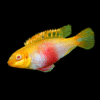
Welcome the stunning Pelvicachromis Pulcher «Super Red» into your aquarium! This vibrant cichlid boasts beautiful colors and patterns that enhance any aquatic environment. Ideal for community tanks, these peaceful companions thrive with proper care. Create a flourishing habitat today!
In stock


Species Introduction
The Pelvicachromis Pulcher, commonly known as the Super Red Rainbow Kribensis, is a captivating species of African Dwarf Cichlid that originates from the lush waterways of West Africa. These vibrant fish are known for their striking coloration and unique behavior, making them a popular choice among aquarists. In their natural habitat, they inhabit slow-moving rivers, streams, and swamps, often hiding among the dense vegetation and rocky substrates. The Super Red variant is particularly celebrated for its vivid red and blue hues that become more pronounced during breeding periods, showcasing the beauty of these aquatic companions. As a member of the Cichlid family, Pelvicachromis Pulcher exhibits fascinating behaviors, including territorial displays and complex social interactions, which can be both entertaining and educational for fish enthusiasts.
Care Requirements Dashboard
Essential Care Guide for Your Pelvicachromis Pulcher «Super Red» – Super Red Rainbow Kribensis – Cichlid
| Optimal Living Conditions | |
|---|---|
| Water Temperature | 24-27°C (75-81°F) |
| pH Level | 6.5-7.5 |
| Water Hardness | 4-12 dKH |
| Minimum Tank Size | 80L (20 gal) |
| Salinity | Freshwater |
| Care Level | Beginner Friendly |
✓ Care Level: Easy
Tank Size: Minimum 20 gallons
Water Temperature: 75-82°F
pH Level: 6.0-7.5
Hardness: 5-20 dGH
To provide a suitable home for your Super Red Rainbow Kribensis, it is essential to maintain specific water parameters. A minimum tank size of 20 gallons is recommended to allow for swimming space and territorial behavior. The ideal water temperature ranges between 75-82°F, with a pH level of 6.0-7.5 and hardness between 5-20 dGH. Regular water changes and monitoring of water quality are crucial to ensure the health and wellbeing of these fish. Their gentle nature makes them suitable for beginners, but attention to detail in their care will enhance their vibrant colors and overall health.
Natural Behavior & Temperament
Pelvicachromis Pulcher exhibits a variety of fascinating behaviors that reflect their complex social structure. These fish are known to be monogamous, often forming strong pair bonds during breeding. They display territorial behavior, especially during the breeding season, where males will showcase their vibrant colors to attract females and defend their nesting sites. In a community tank, they can be relatively peaceful, but it is essential to provide hiding spots and territories to minimize aggression. Their swimming patterns are characterized by darting movements and hovering near the substrate, where they feel secure. Observing their interactions can provide insights into Cichlid behavior and enhance your understanding of these unique aquatic companions.
Tank Setup Guide
Creating an ideal environment for your Super Red Rainbow Kribensis involves careful planning and consideration of their natural habitat. A well-planted aquarium with plenty of hiding spots is essential for their comfort and security. Use a substrate that mimics their natural environment, such as fine gravel or sand, which allows them to forage naturally. Incorporating driftwood, rocks, and dense aquatic plants will not only enhance the aesthetic appeal of your aquarium but also provide essential territories for these fish. It is recommended to create open swimming areas while ensuring that there are plenty of nooks and crannies for them to retreat to when they feel threatened. This setup will promote natural behaviors and reduce stress, leading to healthier and more vibrant fish.
Water Quality Management
Maintaining optimal water quality is crucial for the health and wellbeing of your Pelvicachromis Pulcher. Regular testing of water parameters is essential to ensure that conditions remain stable. The recommended pH level for these fish is between 6.0 and 7.5, with a temperature range of 75-82°F. Water hardness should be maintained between 5-20 dGH. To achieve these conditions, consider using a high-quality water conditioner and a reliable filtration system. Regular water changes, approximately 25-30% weekly, will help remove toxins and maintain clarity. Monitoring ammonia, nitrite, and nitrate levels is also vital, as high levels can lead to stress and health issues. By prioritizing water quality, you can create a thriving environment for your Super Red Rainbow Kribensis.
Feeding & Nutrition
Feeding your Super Red Rainbow Kribensis a balanced diet is essential for their health and vibrant coloration. These fish are omnivorous and thrive on a varied diet that includes high-quality flakes, pellets, frozen foods, and live foods. A diet rich in protein will promote growth and enhance their natural colors. It is recommended to feed them small amounts two to three times a day, ensuring that all food is consumed within a few minutes to prevent water quality issues. Additionally, incorporating vegetable matter, such as blanched spinach or spirulina, can provide essential nutrients. Observing their feeding behavior can also be an enjoyable aspect of caring for these fish, as they exhibit natural foraging behaviors when provided with a diverse diet.
Compatibility Guide
When considering tank mates for your Pelvicachromis Pulcher, it is important to choose peaceful species that will coexist harmoniously. Ideal companions include smaller community fish such as Tetras, Rasboras, and other dwarf Cichlids. Avoid larger or aggressive species that may intimidate or harm your Kribensis. It is also crucial to provide ample space and hiding spots to reduce territorial disputes. Establishing a balanced community tank will allow for a dynamic and engaging aquarium environment. Regular monitoring of fish interactions will help ensure that all species are thriving and that any signs of aggression are addressed promptly.
Health & Wellness
Monitoring the health of your Super Red Rainbow Kribensis is essential for their long-term wellbeing. Common health issues include ich, fin rot, and stress-related conditions. Signs of illness may include lethargy, loss of appetite, or abnormal swimming behavior. Regular water quality checks and maintaining stable conditions can prevent many health issues. In addition, providing a varied diet and avoiding overfeeding will contribute to their overall health. If any signs of illness are observed, it is important to act quickly by isolating affected fish and treating them appropriately. By prioritizing their health and wellness, you can ensure that your aquatic companions live long, fulfilling lives.
Breeding Information
Breeding Pelvicachromis Pulcher can be a rewarding experience for aquarists. These fish are known to be monogamous, forming strong pair bonds. To encourage breeding, provide a separate breeding tank with optimal conditions, including a substrate for nesting and hiding spots. The female will lay eggs on flat surfaces, often in caves or crevices, and both parents will take turns guarding the eggs and fry. The fry are typically free-swimming within a few days and can be fed infusoria or finely crushed flakes. It is important to monitor the parents’ behavior, as they may become territorial during this time. Successful breeding can lead to a thriving population of these beautiful fish, adding vibrancy to your aquarium.
Acclimation Process
Introducing your Super Red Rainbow Kribensis to a new aquarium requires a careful acclimation process to minimize stress. Begin by floating the sealed bag in the aquarium for about 15-20 minutes to equalize the temperature. After this, gradually introduce small amounts of tank water into the bag every 5-10 minutes for about an hour. This process helps the fish adjust to the new water parameters. Once acclimated, gently release the fish into the tank, avoiding the introduction of bag water. Monitoring their behavior during the first few days is essential to ensure they adapt well to their new environment.
Long-term Care
Long-term care of your Pelvicachromis Pulcher involves regular maintenance and monitoring of their environment. These fish can live up to 5-8 years with proper care. Regular water changes, consistent feeding schedules, and maintaining a stable environment are crucial for their longevity. Observing their behavior and interactions with tank mates will also provide insights into their wellbeing. Keeping a journal of their growth and health can help you track any changes and ensure that they remain happy and healthy throughout their lives.
Natural Habitat Recreation
Recreating the natural habitat of Pelvicachromis Pulcher in your aquarium will enhance their comfort and wellbeing. These fish thrive in environments rich in vegetation, with plenty of hiding spots and territories. Incorporating live plants such as Java Fern, Anubias, and Vallisneria can mimic their natural surroundings and provide essential cover. Additionally, using driftwood and rocks will create natural structures for them to explore and establish territories. By closely replicating their natural habitat, you can encourage natural behaviors and promote a healthy environment for your aquatic companions.
Seasonal Care Adjustments
As seasons change, so too may the needs of your Pelvicachromis Pulcher. During warmer months, ensure that the water temperature remains stable and avoid overheating. Conversely, during colder months, consider using a heater to maintain optimal temperatures. Adjusting the lighting schedule to mimic natural day and night cycles can also benefit their health. Additionally, monitor water parameters closely during seasonal changes, as fluctuations can impact their wellbeing. By being proactive and attentive to their changing needs, you can ensure a thriving environment for your fish friends.
Expert Tips
For those looking to enhance their care for Pelvicachromis Pulcher, consider implementing a few expert tips. Regularly rotating tank decorations can stimulate their environment and encourage natural behaviors. Additionally, providing a varied diet will not only enhance their coloration but also promote overall health. Observing their interactions and behaviors can provide valuable insights into their wellbeing. Lastly, engaging with online communities or local aquarium clubs can offer support and additional resources to enhance your experience with these beautiful fish.
Troubleshooting
If you encounter any issues with your Pelvicachromis Pulcher, it is essential to address them promptly. Common problems include stress from aggressive tank mates, poor water quality, and dietary deficiencies. If you notice signs of stress, such as hiding or aggressive behavior, consider rearranging the tank or providing additional hiding spots. Regular water testing can help identify any quality issues that need addressing. If dietary deficiencies are suspected, adjusting their feeding regimen to include a wider variety of foods may improve their health. Being proactive and attentive to their needs will help ensure a successful and rewarding experience with these delightful fish.
Scientific Background
The Pelvicachromis Pulcher belongs to the Cichlidae family, which is known for its diversity and complexity. This species is particularly notable for its unique reproductive behaviors and vibrant coloration. Research into their natural habitats has provided insights into their environmental needs and social structures. Conservation efforts are essential to ensure the survival of these fish in the wild, as habitat destruction and overfishing pose significant threats. By understanding their scientific background, aquarists can better appreciate the importance of providing optimal care and supporting conservation initiatives.
Advanced Care Techniques
For those looking to take their care for Pelvicachromis Pulcher to the next level, consider implementing advanced techniques such as breeding programs or biotope aquariums. Creating a breeding program can provide valuable insights into their reproductive behaviors and contribute to the conservation of the species. Additionally, setting up a biotope aquarium that closely mimics their natural environment can enhance their wellbeing and promote natural behaviors. Engaging in these advanced care techniques not only enriches your experience as an aquarist but also contributes to the understanding and preservation of these beautiful fish.
Frequently Asked Questions
Q: What tank size is required for the Super Red Rainbow Kribensis?
The Super Red Rainbow Kribensis, a lovely cichlid, requires a minimum tank size of 100 litres. This spacious environment allows for their territorial nature while providing ample swimming space. A larger tank enhances their well-being, particularly when keeping multiple individuals. When establishing a tank, ensure that it is well-planted with plenty of hiding spots. This not only mimics their natural habitat but also reduces stress. The presence of plants and caves encourages natural behaviour, which is vital for their health and happiness.
✓ Expert Tip
Consider adding a gentle filtration system to maintain water quality, which is crucial for the health of your aquatic companions.
Q: What water parameters do Super Red Rainbow Kribensis require?
Super Red Rainbow Kribensis thrive in slightly acidic to neutral water, ideally with a pH of 6.5 to 7.5. The hardness should be kept between 5-15 dGH. Maintaining stable water conditions is critical; fluctuations can lead to stress and health issues. Regular water changes—around 20% weekly—are recommended to keep the water clean and parameters stable. Additionally, the temperature should be maintained between 24°C to 28°C. Investing in a reliable testing kit is essential for monitoring these parameters effectively.
✓ Expert Tip
Utilise a heater and thermometer to ensure consistent temperature, as fluctuations can stress your fish.
Q: How often should I feed Super Red Rainbow Kribensis?
Feed your Super Red Rainbow Kribensis twice daily, providing them with a varied diet. High-quality flakes or pellets designed for cichlids should form the base of their nutrition. Supplement this with frozen or live foods such as brine shrimp, daphnia, and bloodworms to enhance their colour and health. Ensure that any uneaten food is removed after a few minutes to maintain water quality. Overfeeding can lead to obesity and other health concerns, so observe their feeding habits closely.
✓ Expert Tip
Consider using a feeding ring to prevent food from floating away, ensuring your fish can access it easily.
Q: What are the best tank mates for Super Red Rainbow Kribensis?
When selecting tank mates for Super Red Rainbow Kribensis, look for peaceful species that occupy different levels in the tank. Suitable companions include tetras, rasboras, and other mild-mannered cichlids. Avoid aggressive or overly large fish that may intimidate or outcompete them for food. It’s also wise to introduce tank mates gradually and monitor interactions. Providing plenty of hiding spots will help reduce territorial disputes and stress among your fish friends.
✓ Expert Tip
Observe their behaviour closely for the first few days after introducing new tank mates to ensure compatibility.
Q: How do I properly acclimatise Super Red Rainbow Kribensis to my aquarium?
Acclimatising your Super Red Rainbow Kribensis is crucial to prevent shock. Start by floating the sealed bag in your aquarium for about 15-20 minutes to equalise the temperature. After this, gradually introduce small amounts of tank water into the bag every 5-10 minutes. Continue this process for at least an hour before gently transferring the fish into the aquarium using a net to avoid adding bag water. This method reduces stress and helps your fish adjust to their new environment.
✓ Expert Tip
Be patient during the acclimatisation process to ensure your aquatic companions feel secure in their new home.
Q: What are the signs of healthy Super Red Rainbow Kribensis?
Healthy Super Red Rainbow Kribensis exhibit vibrant colours, clear eyes, and active behaviour. They should swim confidently throughout the tank, showing curiosity towards their environment. Observe their fins; they should be fully extended without any signs of fraying or lesions. Additionally, healthy fish will have a good appetite and engage in social interactions with their companions. Regular monitoring of their behaviour can help you identify any signs of distress or illness early.
✓ Expert Tip
Keep a journal of your fish’s behaviour to spot any changes that may indicate health issues.
Q: How do I successfully breed Super Red Rainbow Kribensis?
To successfully breed Super Red Rainbow Kribensis, ensure you have a breeding pair. Providing a separate breeding tank with gentle filtration and hiding spots is ideal. The water should be slightly warmer, around 28°C, and kept at a pH of 6.5-7.0. Once the female lays eggs, she will guard them fiercely. After hatching, fry will require infusoria or finely crushed flakes until they grow larger. Maintaining excellent water quality is vital during this period to avoid fungal infections.
✓ Expert Tip
Monitor the fry closely and transfer them to a separate tank once they are free-swimming to ensure their safety.
Q: What temperature should I maintain for Super Red Rainbow Kribensis?
The ideal temperature range for Super Red Rainbow Kribensis is between 24°C and 28°C. Maintaining a stable temperature within this range is crucial for their overall health and behaviour. Sudden fluctuations can lead to stress and increase the risk of disease. Utilising a reliable aquarium heater and thermometer will help you monitor and maintain the required temperature effectively. Regular checks are recommended to ensure consistency, especially in changing seasons.
✓ Expert Tip
Consider using a heater with an adjustable thermostat to maintain precise temperature control.
Q: How long do Super Red Rainbow Kribensis typically live in captivity?
In captivity, Super Red Rainbow Kribensis can live for up to 5-8 years with proper care. Their lifespan can be influenced by factors such as water quality, diet, and tank conditions. Regular maintenance and attention to their environment are vital to ensure they thrive. Providing a balanced diet and a stress-free habitat will contribute to their longevity. Keeping an eye on their health and behaviour can help you catch potential issues early, extending their lifespan.
✓ Expert Tip
Keep a consistent care routine to enhance their quality of life and longevity.
Q: What type of substrate is most suitable for Super Red Rainbow Kribensis?
Super Red Rainbow Kribensis prefer a substrate that mimics their natural habitat, such as fine gravel or sand. These substrates allow them to forage naturally and provide a comfortable environment for digging and hiding. Avoid sharp substrates that may injure their delicate fins. A well-planted tank with soft substrate will encourage natural behaviours and reduce stress. Additionally, ensure that any decorations are smooth and safe to prevent injury.
✓ Expert Tip
Consider adding a layer of leaf litter to enhance the natural feel and provide hiding spots.
Q: What behavioural patterns should I expect from Super Red Rainbow Kribensis?
Super Red Rainbow Kribensis are known for their vibrant behaviour, often displaying territoriality, particularly during breeding. They enjoy exploring their environment and are generally active swimmers. You may observe them establishing territories, especially if there are hiding spots available. Males tend to be more assertive, particularly when defending their space. It’s essential to provide ample space and hiding spots to reduce stress and encourage natural behaviours.
✓ Expert Tip
Introduce decorations and plants gradually to help your fish adapt to their environment.
Q: How can I prevent common diseases in Super Red Rainbow Kribensis?
Preventing diseases in Super Red Rainbow Kribensis begins with maintaining excellent water quality. Regular water changes, proper filtration, and avoiding overcrowding are key factors. Quarantining new fish before introducing them to your main tank can prevent the spread of pathogens. Additionally, providing a balanced diet rich in vitamins will strengthen their immune systems. Observe your fish regularly for any signs of illness, such as changes in behaviour or appearance, to catch issues early.
✓ Expert Tip
Implement a preventative treatment routine, such as using aquarium salts, to promote overall health.
Q: What lighting conditions do Super Red Rainbow Kribensis prefer?
Super Red Rainbow Kribensis thrive in moderate lighting conditions. Bright light can cause stress, so providing shaded areas with plants or decorations is beneficial. A lighting schedule of 10-12 hours a day mimics their natural environment and promotes healthy growth of plants, which in turn supports their well-being. LED lights are excellent for aquariums as they are energy-efficient and provide a range of colour spectrums. Ensuring a balanced light intensity will enhance the colours of your fish.
✓ Expert Tip
Consider using a dimmer switch for your lighting to adjust according to the time of day.
Q: How do I recognise stress in Super Red Rainbow Kribensis?
Stress in Super Red Rainbow Kribensis can manifest in various ways. Look for signs such as hiding excessively, reduced appetite, or erratic swimming patterns. Their colours may also fade, indicating distress. If you notice aggressive behaviour towards tank mates or excessive fin clamping, these can also be signs of stress. To alleviate stress, ensure that their environment is secure, with appropriate hiding spots and stable water conditions. Regular monitoring and prompt action can help maintain a healthy and happy aquarium.
✓ Expert Tip
Create a calm environment by minimising sudden movements and loud noises around the aquarium.
Q: What natural habitat conditions should I replicate for Super Red Rainbow Kribensis?
In their natural habitat, Super Red Rainbow Kribensis inhabit slow-moving waters with plenty of vegetation. To replicate these conditions, include live plants, driftwood, and rocks in your aquarium. Aim for a substrate that allows for digging and foraging. Maintain a gentle water flow and ensure the water is clean and well-filtered. Mimicking their natural environment not only supports their physical health but also encourages natural behaviours, leading to a more vibrant and lively aquarium.
✓ Expert Tip
Regularly check and adjust your aquarium’s layout to keep it stimulating for your fish.
1 review for Super Red Rainbow Kribensis – Pelvicachromis Pulcher Super Red – African Dwarf Cichlid
Add a review
Related products




Emily Carter (verified owner) –
I recently added the Pelvicachromis Pulcher «Super Red» to my aquarium, and I am thoroughly impressed! After about two months of keeping these beautiful Super Red Rainbow Kribensis, I can say they have become the stars of my tank. Their vibrant colors and lively personalities bring so much joy to my space. I initially hesitated due to their somewhat specific care requirements, but they’ve proven to be quite hardy and adaptable. I’ve paired them with some peaceful tetras, and they all coexist wonderfully. What I love most is watching them explore their environment and interact with each other; it’s clear they thrive in a well-planted setup. One minor concern is their tendency to get a bit territorial during breeding, but that’s part of their charm! If you’re looking for tropical fish that combine beauty with engaging behavior, I wholeheartedly recommend these cichlids for both beginners and seasoned aquarists. Just be sure to provide them with hiding spots to make them feel secure. I couldn’t be happier with my purchase!