

Red Head Severum – Heros Efasciatus – South American Cichlid
Original price was: £9.49.£7.74Current price is: £7.74.
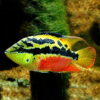
Welcome the vibrant Red Head Severum Cichlid, a stunning South American Cichlid that enhances your aquarium with its beautiful colors and graceful movements. Ideal for community tanks, these peaceful companions thrive with proper care, making them perfect for tropical fish enthusiasts.
In stock
Species Introduction
The Red Head Severum Cichlid, scientifically known as Heros Efasciatus, is a captivating species native to the freshwater rivers of South America. These striking fish are renowned for their vibrant coloration, particularly the vivid red hues that adorn their heads, making them a popular choice among aquarium enthusiasts. In their natural habitat, they thrive in slow-moving waters, often found among dense vegetation and submerged structures that provide both shelter and breeding grounds. Understanding their origins is crucial for recreating an optimal environment in your aquarium, ensuring that these beautiful creatures feel at home.
Care Requirements Dashboard
Essential Care Guide for Your Red Head Severum Cichlid
| Optimal Living Conditions | |
|---|---|
| Water Temperature | 24-27°C (75-81°F) |
| pH Level | 6.5-7.5 |
| Water Hardness | 4-12 dKH |
| Minimum Tank Size | 80L (20 gal) |
| Salinity | Freshwater |
| Care Level | Beginner Friendly |
To ensure the well-being of your Red Head Severum Cichlid, it is essential to provide a spacious aquarium with a minimum capacity of 75 gallons. This allows ample swimming space and reduces territorial disputes. The ideal water temperature should be maintained between 75°F and 82°F, with a pH level ranging from 6.5 to 7.5. Regular monitoring of water hardness is also crucial, as these fish prefer a hardness range of 5 to 20 dGH. By adhering to these parameters, you can create a thriving environment that supports their health and vitality.
Natural Behavior & Temperament
The Red Head Severum Cichlid is known for its gentle yet curious nature. These fish exhibit a range of behaviors that make them engaging to observe. They are generally peaceful but can display territorial tendencies, especially during breeding. In a well-planned community tank, they can coexist harmoniously with other species, provided that their tank mates are chosen wisely. Their social behavior includes establishing a hierarchy, with dominant individuals often displaying more vibrant colors and asserting their presence. Observing their interactions can provide valuable insights into their social structure, making them a fascinating addition to any aquarium.
Tank Setup Guide
Creating an ideal environment for your Red Head Severum Cichlid involves careful planning and consideration of their natural habitat. A spacious aquarium with a sandy substrate is recommended, as it mimics their natural riverbed environment. Incorporating various decorations such as driftwood, rocks, and live plants not only enhances the aesthetic appeal of the tank but also provides hiding spots and territories for the fish. Plants such as Anubias and Java Fern are excellent choices, as they thrive in the same water conditions preferred by Severums. Additionally, maintaining good water circulation and filtration is essential to ensure a clean and healthy environment.
Water Quality Management
Maintaining optimal water quality is paramount for the health of your Red Head Severum Cichlid. Regular water changes, ideally 20-30% weekly, help to keep nitrate levels low and ensure a stable environment. The pH should be regularly tested, ensuring it remains between 6.5 and 7.5. Temperature fluctuations should be minimized, and a reliable heater should be employed to maintain the desired range of 75-82°F. Additionally, monitoring water hardness is crucial, as Severums thrive in moderately hard water. By adhering to these guidelines, you can create a stable and nurturing environment that promotes the overall health and well-being of your aquatic companions.
Feeding & Nutrition
Diet: Omnivorous
Recommended Foods: Cichlid pellets, frozen or live foods, vegetables
Feeding Schedule: 2-3 times daily, small portions
The Red Head Severum Cichlid is an omnivorous species, requiring a balanced diet to thrive. A combination of high-quality cichlid pellets, frozen or live foods such as brine shrimp and bloodworms, along with blanched vegetables like zucchini and spinach, will provide the necessary nutrients for optimal health. It is recommended to feed them small portions 2-3 times daily, ensuring that all food is consumed within a few minutes to prevent water pollution. By providing a varied diet, you can enhance their coloration and overall vitality, making them a vibrant addition to your aquarium.
Compatibility Guide
When considering tank mates for your Red Head Severum Cichlid, it is essential to choose species that share similar water requirements and temperaments. Suitable companions include other cichlids such as the Blue Eyed Cichlid and various peaceful community fish like tetras and rasboras. However, it is crucial to avoid overly aggressive species that may stress or harm your Severum. Establishing a balanced community tank with compatible species will not only enhance the visual appeal of your aquarium but also promote a harmonious environment where all fish can thrive.
Health & Wellness
Common Issues: Ich, fin rot, stress
Prevention: Regular water changes, proper diet, stress reduction
Maintaining the health of your Red Head Severum Cichlid involves regular monitoring for common issues such as ich and fin rot. These conditions can often be prevented through proper water quality management and a balanced diet. Stress is another significant factor that can lead to health problems; thus, providing ample hiding spots and maintaining a peaceful tank environment is crucial. If you notice any signs of illness, such as changes in behavior or appearance, prompt action is essential. Quarantine any new arrivals before introducing them to the main tank to prevent the spread of disease.
Breeding Information
Breeding Red Head Severum Cichlids can be a rewarding experience, though it requires careful preparation. These fish are known to be attentive parents, often laying eggs on flat surfaces such as rocks or leaves. To encourage breeding, ensure that the water conditions are optimal, with a slightly higher temperature and stable pH. Once the eggs are laid, both parents typically guard the nest fiercely. After a few days, the eggs will hatch into fry, which should be fed infusoria or finely crushed flakes until they are large enough to consume regular food. Providing a separate breeding tank may also help to protect the fry from potential aggression from other fish.
Acclimation Process
When introducing your Red Head Severum Cichlid to a new aquarium, a gradual acclimation process is essential to minimize stress. Begin by floating the sealed bag containing the fish in the aquarium for about 15-20 minutes, allowing the temperature to equalize. After this, gradually mix small amounts of the aquarium water into the bag over the course of an hour. Finally, gently release the fish into the tank, avoiding the introduction of bag water. This process helps to ensure a smooth transition, reducing the risk of shock and promoting a healthy start in their new home.
Long-term Care
Caring for your Red Head Severum Cichlid over the long term involves regular monitoring of their health and environment. These fish can live for 10-15 years with proper care, making them a long-term commitment. Regular water changes, consistent feeding schedules, and monitoring for signs of illness are all crucial components of their care. Additionally, as they grow, their tank size may need to be adjusted to accommodate their increasing size and territorial behavior. By providing a stable and nurturing environment, you can enjoy the beauty and companionship of your Severum for many years.
Natural Habitat Recreation
To recreate the natural habitat of the Red Head Severum Cichlid, consider incorporating elements that mimic their native environment. This includes using a sandy substrate, adding driftwood and rocks for structure, and planting live aquatic plants that thrive in similar conditions. Creating a biotope that reflects their natural surroundings not only enhances the aesthetic appeal of your aquarium but also promotes the health and well-being of your fish. By understanding their natural habitat, you can create a thriving ecosystem that supports their needs and behaviors.
Seasonal Care Adjustments
As seasons change, so do the needs of your Red Head Severum Cichlid. During warmer months, ensure that the water temperature remains stable and does not exceed 82°F, as higher temperatures can stress the fish. Conversely, during cooler months, it may be necessary to adjust the heater settings to maintain the appropriate temperature range. Additionally, consider the lighting duration; longer days in summer may require adjustments to prevent excessive algae growth. By being attentive to seasonal changes, you can provide optimal care throughout the year.
Expert Tips
Professional Advice: Monitor water parameters regularly
Consider adding floating plants for shade
Use a high-quality filter to maintain water clarity
To ensure the best care for your Red Head Severum Cichlid, consider these expert tips: Regularly monitor water parameters to catch any fluctuations early, and invest in a high-quality filtration system to maintain crystal-clear water. Adding floating plants can provide shade and reduce stress, creating a more comfortable environment for your fish. Additionally, observe their behavior closely; any changes can indicate health issues or stressors that need to be addressed promptly.
Troubleshooting
If you encounter issues with your Red Head Severum Cichlid, such as signs of illness or aggression, it is essential to troubleshoot the situation promptly. Common problems include stress from overcrowding or incompatible tank mates, which can lead to aggressive behavior. If you notice any signs of illness, such as lethargy or changes in appetite, check water quality parameters immediately. Implementing stress-reducing measures, such as providing more hiding spots or adjusting tank mates, can often resolve behavioral issues. Always be proactive in monitoring your fish’s health to ensure a thriving aquarium environment.
Scientific Background
The Red Head Severum Cichlid, belonging to the family Cichlidae, has a rich scientific background that reflects its evolutionary adaptations and ecological significance. As a freshwater species, it plays a vital role in its natural habitat, contributing to the biodiversity of South American river systems. Understanding the taxonomy and behavior of this fish can provide insights into its care and habitat needs. Moreover, conservation efforts aimed at preserving their natural environments are crucial for ensuring the survival of this species in the wild. By appreciating their scientific background, aquarists can foster a deeper connection with their aquatic companions.
Advanced Care Techniques
For those seeking to elevate their care for Red Head Severum Cichlids, advanced techniques can enhance both the health of the fish and the aesthetic of the aquarium. Consider implementing a planted tank setup with a focus on aquascaping principles, allowing for natural behaviors such as foraging and hiding. Additionally, utilizing a variety of food sources, including high-quality pellets, frozen foods, and fresh vegetables, can promote optimal health and coloration. Regularly engaging with your fish through feeding and observation can also strengthen the bond between you and your aquatic companions, making for a rewarding aquarium experience.
Frequently Asked Questions
Q: What tank size is required for the Red Head Severum Cichlid?
The Red Head Severum Cichlid, known for its vibrant colours and personality, requires a minimum tank size of 75 litres. This size provides ample swimming space and allows for territorial behaviour, which is common among cichlids. A larger tank is preferable, particularly if you wish to maintain multiple fish or provide hiding spots with decorations. Ensure that the tank is well-filtered to maintain water quality, as these fish can be sensitive to poor conditions. Regular maintenance, including water changes, is essential to keep your aquatic companions healthy and thriving.
✓ Expert Tip
Consider adding plants and rocks to create a more natural environment, which can also reduce stress levels.
Q: What water parameters do Red Head Severum Cichlids require?
Red Head Severum Cichlids thrive in water with a pH level between 6.5 and 7.5, with a preference for slightly acidic to neutral conditions. The temperature should be maintained between 24°C and 28°C, with stable parameters being crucial for their health. Regular testing of ammonia, nitrite, and nitrate levels is essential, as these fish are sensitive to poor water quality. A well-cycled tank will provide a stable environment. Avoid sudden changes in water chemistry, as they can cause stress or health issues.
✓ Expert Tip
Utilising a good quality water conditioner can help to maintain optimal water conditions.
Q: How often should I feed my Red Head Severum Cichlid?
Feeding your Red Head Severum Cichlid should be done once or twice a day, with an amount that can be consumed within a few minutes. A varied diet is essential for optimal health; consider high-quality pellets, flakes, and occasional treats such as frozen or live food like brine shrimp and bloodworms. Overfeeding can lead to water quality issues, so it’s vital to monitor their intake. During breeding periods, provide additional protein-rich foods to promote health and vitality.
✓ Expert Tip
Incorporating vegetable matter, like blanched spinach or zucchini, can enhance their diet.
Q: What are the best tank mates for Red Head Severum Cichlids?
When selecting tank mates for Red Head Severum Cichlids, consider species that are similar in size and temperament to avoid aggression. Suitable companions include larger tetras, some species of barbs, and peaceful cichlids like the Angelfish. Avoid smaller fish, as they may be seen as prey. It is also advisable to keep them in groups or pairs to reduce territorial behaviour. Always monitor interactions, especially during the initial introduction, to ensure compatibility and reduce stress.
✓ Expert Tip
Adding plenty of hiding spots can help minimise aggression and stress among tank mates.
Q: How do I properly acclimatise my Red Head Severum Cichlid to my aquarium?
Acclimatising your Red Head Severum Cichlid is crucial for their successful introduction to your aquarium. Start by floating the sealed bag in your aquarium for about 15-20 minutes, allowing the temperature to equalise. After this, gradually mix aquarium water into the bag every 5 minutes, increasing the volume until the bag is full. This process can take up to an hour. Finally, gently place the fish in the aquarium using a net to avoid introducing any transport water, which may contain harmful substances.
✓ Expert Tip
Keep the lights dimmed during acclimatisation to reduce stress for your new aquatic companion.
Q: What are the signs of a healthy Red Head Severum Cichlid?
A healthy Red Head Severum Cichlid exhibits vibrant colours, clear eyes, and active swimming behaviour. They should show no signs of distress, such as clamped fins or unusual hiding. Regular feeding and appropriate waste production are also indicators of good health. Additionally, observe their gills; they should be a healthy pink colour and free from excess mucus. Regular health checks can help you catch potential issues early, ensuring a long and healthy life for your fish friend.
✓ Expert Tip
Maintain a consistent schedule for water changes and tank cleaning to support overall health.
Q: How do I successfully breed Red Head Severum Cichlids?
Breeding Red Head Severum Cichlids requires a well-maintained environment with stable water parameters. Provide a breeding tank with flat surfaces or caves where the female can lay eggs. Ensure that the water temperature is slightly elevated, around 28°C, to encourage spawning. Once eggs are laid, both parents will guard them fiercely. After hatching, fry should be fed infusoria or finely crushed flakes. Remove the parents once the fry are free-swimming to prevent any predation. Regular water changes are crucial during this period to maintain quality.
✓ Expert Tip
Consider providing a separate breeding tank to minimise stress on the parents and ensure a higher survival rate for the fry.
Q: What temperature should I maintain for my Red Head Severum Cichlid?
The ideal temperature range for Red Head Severum Cichlids is between 24°C and 28°C. Maintaining this temperature range is crucial for their health and well-being, as fluctuations can induce stress or illness. Using a reliable aquarium heater is recommended to ensure consistent temperatures, especially in cooler months. Regular monitoring with an accurate thermometer will help you maintain stable conditions. In addition, consider the temperature preferences of any tank mates to ensure compatibility.
✓ Expert Tip
Avoid placing the tank in direct sunlight or near heat sources to prevent temperature fluctuations.
Q: How long do Red Head Severum Cichlids typically live in captivity?
In a well-maintained aquarium, Red Head Severum Cichlids can live for 10 to 15 years. Factors contributing to their longevity include proper tank size, water quality, diet, and stress levels. Regular health checks and prompt action against any signs of illness can significantly influence their lifespan. Providing a stable environment with compatible tank mates and sufficient space will help ensure a fulfilling life for your aquatic companion.
✓ Expert Tip
A balanced diet and a stress-free environment are key to maximising their lifespan.
Q: What type of substrate is most suitable for Red Head Severum Cichlids?
For Red Head Severum Cichlids, a soft, sandy substrate is ideal. This type of substrate mimics their natural habitat and allows the fish to forage and explore comfortably. Avoid sharp or rough substrates, as they can injure their delicate fins. Additionally, a sandy base can help maintain water quality by providing beneficial bacteria that assist in breaking down waste. Regular cleaning is necessary to prevent the build-up of detritus, which can affect water parameters.
✓ Expert Tip
Consider adding smooth rocks or driftwood to enhance the tank’s natural aesthetic and provide hiding spots.
Q: What behavioural patterns should I expect from Red Head Severum Cichlids?
Red Head Severum Cichlids are known for their engaging personalities. They are generally peaceful but can exhibit territorial behaviour, particularly during breeding. Expect them to establish a hierarchy within the tank, which may involve displaying or chasing other fish. They are also curious and will explore their environment, often interacting with their surroundings. Providing a well-structured environment, including hiding spots and open swimming spaces, can help mitigate aggression and promote natural behaviours.
✓ Expert Tip
Introducing new tank mates gradually can help reduce stress and territorial disputes.
Q: How can I prevent common diseases in Red Head Severum Cichlids?
Preventing diseases in Red Head Severum Cichlids involves maintaining high water quality and a stress-free environment. Regular water changes and monitoring parameters are crucial. Quarantine new fish before introducing them to the main tank to prevent the spread of disease. A varied diet will also strengthen their immune systems. Observe your fish for any signs of illness, such as changes in behaviour or appearance, and act quickly if any issues arise. Regular health checks can help catch potential problems early.
✓ Expert Tip
Consider adding aquarium salt to the water as a preventative measure, but ensure it’s suitable for your fish.
Q: What natural habitat conditions should I replicate for Red Head Severum Cichlids?
To create an optimal environment for Red Head Severum Cichlids, replicate their natural habitat found in slow-moving rivers and streams in South America. Use a sandy substrate, and incorporate driftwood, rocks, and plants to provide shelter and mimic their natural surroundings. Maintain stable water parameters, including temperature and pH, to ensure they thrive. Proper lighting can also enhance their colours and promote plant growth. Aim for a well-structured tank layout that allows for both open swimming and hiding areas.
✓ Expert Tip
Research the natural habitat of your fish to better understand their specific needs and preferences.
1 review for Red Head Severum – Heros Efasciatus – South American Cichlid
Add a review
Related products





Emily Carter (verified owner) –
I recently added a Red Head Severum Cichlid to my 75-gallon South American biotope tank, and I couldn’t be happier! This stunning fish is not only visually captivating with its vibrant colors, but it also has a gentle personality that makes it perfect for community tanks. It’s been about two months since I introduced it, and I’ve seen it thrive alongside my other aquarium fish. I feed it high-quality cichlid food, which it devours eagerly, and I’ve noticed that it interacts well with the live aquarium plants I have, often hiding among them. Compared to other cichlids I’ve kept, like the Oscar or the Jack Dempsey, this Severum is much more peaceful, making it ideal for my setup. One minor concern is that they can be a bit shy initially, so providing plenty of hiding spots is important. Overall, I highly recommend the Red Head Severum for anyone looking to add a unique and beautiful fish to their collection, especially those who prioritize fish welfare in their aquariums. You won’t be disappointed!