
Subtotal: £15.48
Sale!
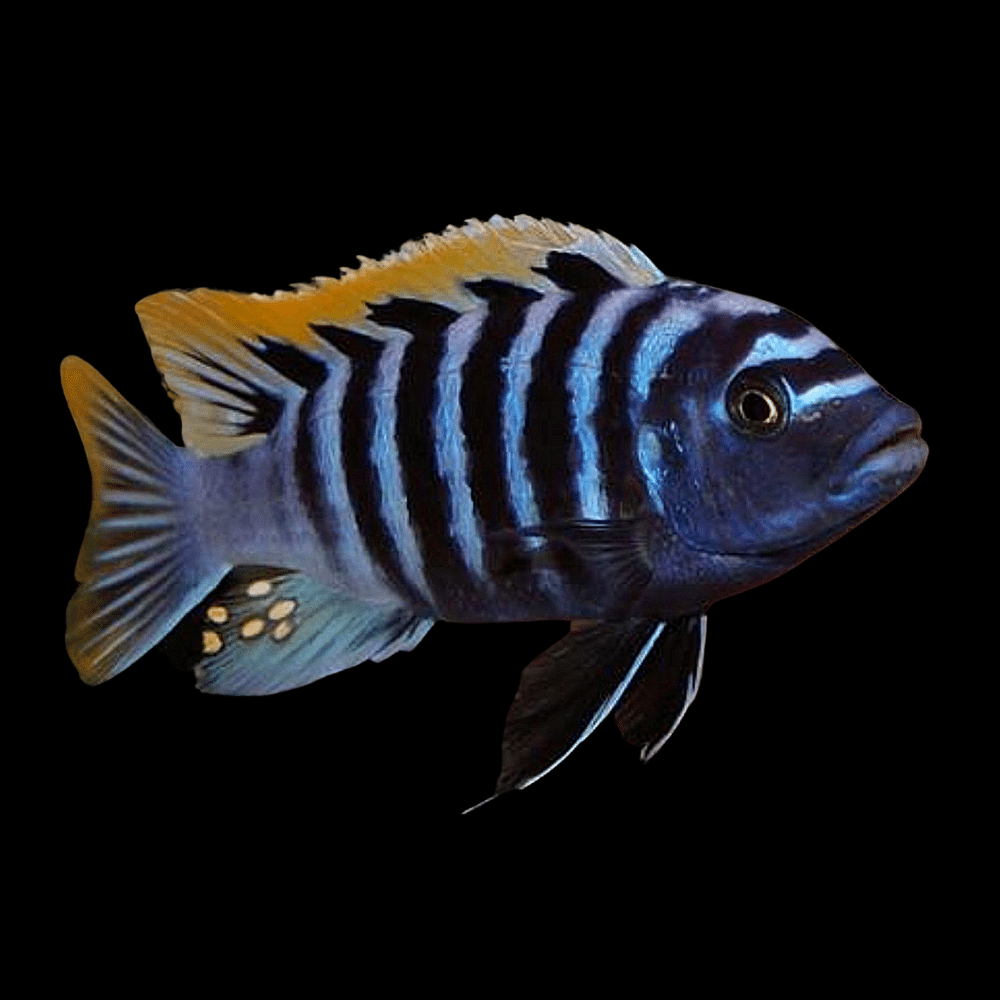
Cynotilapia afra ‘Red Top’ – Red Top Dogtooth Cichlid | Lake Malawi Cichlid

Original price was: £12.99.£10.65Current price is: £10.65.
Welcome these beautiful Red Top Dogtooth Cichlids, a stunning addition to your aquarium. Known for their vibrant red hues, these Lake Malawi Cichlids thrive in community settings. Perfect for beginner aquarists seeking graceful and peaceful companions for their tank.
In stock


Species Introduction
The Red Top Dogtooth Cichlid, scientifically known as Cynotilapia Afra «Red Top», is a stunning species native to the crystal-clear waters of Lake Malawi in East Africa. This beautiful tropical fish is celebrated for its vibrant coloration and unique features, making it a popular choice among aquarium enthusiasts. The Red Top Dogtooth Cichlid is characterized by its striking red dorsal fins, which contrast beautifully with its blue body, creating a visually appealing aquatic companion. As a member of the cichlid family, these fish are known for their intelligence and complex behaviors, providing a captivating display in any aquarium setting. Understanding their natural habitat is crucial for replicating the ideal conditions necessary for their health and well-being. In the wild, these fish inhabit rocky areas where they can find shelter and forage for food, primarily consisting of small invertebrates and algae. By providing a similar environment in your aquarium, you can ensure that your Red Top Dogtooth Cichlid thrives and exhibits its natural behaviors.
Care Requirements Dashboard
| Optimal Living Conditions | |
|---|---|
| Water Temperature | 24-27°C (75-81°F) |
| pH Level | 6.5-7.5 |
| Water Hardness | 4-12 dKH |
| Minimum Tank Size | 80L (20 gal) |
| Salinity | Freshwater |
| Care Level | Beginner Friendly |
✓ Care Level: Easy
Tank Size: Minimum 40 gallons
Water Parameters: pH 7.8-8.6, Temperature 75-82°F, Hardness 10-20 dGH
Caring for the Red Top Dogtooth Cichlid is a rewarding experience, especially for beginner aquarists. These fish are relatively adaptable, making them suitable for community aquariums. However, it is essential to maintain optimal water conditions to ensure their health and longevity. A minimum tank size of 40 gallons is recommended to provide ample swimming space and territorial areas. The water parameters should be closely monitored, with a pH level between 7.8 and 8.6, a temperature range of 75-82°F, and a hardness of 10-20 dGH. Regular water changes and the use of quality filtration will help maintain these conditions, promoting a healthy environment for your aquatic friends.
Natural Behavior & Temperament
The Red Top Dogtooth Cichlid exhibits fascinating behaviors that are both entertaining and educational for aquarists. Known for their territorial nature, these fish often establish dominance hierarchies within their environment. Males tend to be more aggressive than females, especially during breeding periods. Observing their interactions can provide insights into their social structures and behaviors. In a well-maintained aquarium, you may notice these fish engaging in playful swimming patterns, displaying their vibrant colors, and utilizing hiding spots among rocks and plants. This species is generally peaceful towards its own kind, but caution should be exercised when introducing other species into the tank. Providing ample hiding spaces and territories will help reduce aggression and promote a harmonious community.
Tank Setup Guide
✓ Ideal Environment: Rocky and sandy substrate
Decorations: Natural rocks, caves, and plants
Creating an ideal environment for your Red Top Dogtooth Cichlid involves replicating their natural habitat found in Lake Malawi. A rocky substrate combined with sandy areas will provide the necessary hiding spots and territories for these fish. Incorporating natural rocks and caves will not only enhance the aesthetic appeal of your aquarium but also offer safe spaces for the cichlids to retreat when feeling threatened. While live plants can be included, it’s essential to choose hardy species that can withstand the cichlids’ digging behavior. The overall layout should allow for open swimming areas while providing sufficient cover to reduce stress and promote natural behaviors.
Water Quality Management
✓ Water Parameters: pH 7.8-8.6, Temperature 75-82°F
Hardness: 10-20 dGH
Maintaining optimal water quality is crucial for the health and well-being of your Red Top Dogtooth Cichlid. Regular testing of water parameters, including pH, temperature, and hardness, is essential to ensure a stable environment. The ideal pH range for these fish is between 7.8 and 8.6, with a temperature range of 75-82°F. Hardness levels should be kept between 10-20 dGH to mimic their natural habitat. Implementing a reliable filtration system will help maintain water clarity and quality, while routine water changes of 10-20% weekly will aid in diluting toxins and replenishing essential minerals. Monitoring ammonia, nitrite, and nitrate levels will also help prevent any potential health issues.
Feeding & Nutrition
✓ Diet: High-quality pellets, flakes, and occasional live food
Feeding Schedule: 2-3 times daily
The Red Top Dogtooth Cichlid thrives on a varied diet that mimics their natural feeding habits. A high-quality cichlid pellet or flake food should be the staple of their diet, providing essential nutrients for growth and vitality. Additionally, incorporating occasional live or frozen foods, such as brine shrimp or bloodworms, will enhance their diet and promote natural hunting behaviors. It is recommended to feed these fish 2-3 times daily, offering only what they can consume in a few minutes to prevent overfeeding and maintain water quality. Observing their feeding habits can also provide insights into their health; any changes in appetite or behavior may indicate underlying health issues.
Compatibility Guide
✓ Tank Mates: Other Lake Malawi cichlids, peaceful community fish
Avoid: Aggressive species, small fish
When selecting tank mates for your Red Top Dogtooth Cichlid, it’s essential to consider their temperament and territorial nature. They generally coexist well with other Lake Malawi cichlids, particularly those of similar size and temperament. Peaceful community fish can also be suitable companions, as long as they are not too small, which could lead to them being seen as prey. Avoid pairing them with overly aggressive species, as this could lead to stress and potential injury. Providing ample space and hiding spots will help reduce territorial disputes and promote a peaceful community. It’s crucial to monitor interactions closely, especially during the initial introduction phase.
Health & Wellness
✓ Common Issues: Ich, fin rot, and stress-related conditions
Prevention: Regular water changes, monitoring behavior
Maintaining the health and wellness of your Red Top Dogtooth Cichlid is paramount for a thriving aquarium. Common health issues include ich, fin rot, and stress-related conditions, often resulting from poor water quality or overcrowding. Regular water changes and maintaining stable water parameters will significantly reduce the risk of these issues. Observing your fish for any changes in behavior, such as lethargy, loss of appetite, or abnormal swimming patterns, is crucial for early detection of health problems. If any signs of illness are observed, it is essential to act quickly by isolating affected fish and treating them appropriately to prevent the spread of disease.
Breeding Information
✓ Reproduction: Mouthbrooders, spawning on flat surfaces
Fry Care: Provide small food and safe environment
Breeding Red Top Dogtooth Cichlids can be a rewarding endeavor, as they are mouthbrooders, meaning the female will carry the fertilized eggs in her mouth until they hatch. To encourage breeding, provide flat surfaces such as rocks or breeding caves where the female can lay her eggs. After spawning, the female will protect the eggs and fry in her mouth for several weeks. Once the fry are free-swimming, it is essential to provide them with small food options, such as crushed flakes or specialized fry food, to ensure their growth and development. Creating a safe environment with plenty of hiding spots will help protect the fry from potential threats.
Acclimation Process
✓ Acclimation Method: Drip acclimation recommended
Duration: 1-2 hours
Introducing your new Red Top Dogtooth Cichlid to its new home requires careful acclimation to minimize stress and ensure a smooth transition. The drip acclimation method is highly recommended, as it allows for a gradual adjustment to the water parameters of the aquarium. Begin by floating the sealed bag in the aquarium for about 15 minutes to equalize the temperature. Then, slowly add small amounts of aquarium water to the bag over a period of 1-2 hours, ensuring the fish gradually acclimates to the new conditions. Once acclimated, gently transfer the fish into the aquarium using a net to avoid introducing any excess water from the bag.
Long-term Care
✓ Lifecycle: 8-10 years
Growth Expectations: Up to 5-6 inches
The Red Top Dogtooth Cichlid has a lifespan of approximately 8-10 years, provided they are cared for properly in a suitable environment. As they grow, they can reach lengths of up to 5-6 inches, requiring adequate space and resources to thrive. Regular monitoring of their health, water quality, and dietary needs will contribute to their longevity. As they mature, you may notice changes in behavior and coloration, particularly during breeding seasons. Providing a stable and enriching environment will not only enhance their well-being but also allow you to enjoy their vibrant personalities for many years to come.
Natural Habitat Recreation
✓ Biotope Setup: Mimic Lake Malawi environment
Elements: Rock formations, sandy substrate
Recreating a natural habitat for your Red Top Dogtooth Cichlid involves mimicking the unique environment of Lake Malawi. Incorporating rock formations and sandy substrate will provide a familiar setting for these fish, allowing them to exhibit natural behaviors. The layout should include various hiding spots and open swimming areas to encourage exploration and territorial displays. Additionally, consider adding plants that can withstand the cichlid’s digging behavior, ensuring a balanced and visually appealing aquascape. By replicating their natural habitat, you will not only enhance their comfort but also contribute to their overall health and well-being.
Seasonal Care Adjustments
✓ Seasonal Changes: Monitor temperature and lighting
Adjustments: Maintain stable conditions
As seasons change, it is essential to monitor and adjust the conditions in your aquarium to ensure the continued health of your Red Top Dogtooth Cichlid. Temperature fluctuations can occur, especially during seasonal transitions, so maintaining a stable environment is crucial. Regularly check the water temperature and adjust heating elements as necessary to keep it within the ideal range of 75-82°F. Additionally, lighting conditions may vary with the seasons, impacting plant growth and fish behavior. Providing a consistent light schedule will help maintain a balanced ecosystem within your aquarium.
Expert Tips
✓ Professional Advice: Regularly monitor water parameters
Tips: Provide varied diet and hiding spots
To ensure the best care for your Red Top Dogtooth Cichlid, regularly monitor water parameters to maintain a stable and healthy environment. Providing a varied diet will not only enhance their coloration but also promote overall health. Incorporating a mix of high-quality pellets, flakes, and occasional live food will keep your fish engaged and thriving. Additionally, ensuring ample hiding spots and territories will reduce stress and aggression, allowing your cichlids to feel secure in their environment. By following these expert tips, you can create a thriving aquarium that showcases the beauty and personality of your Red Top Dogtooth Cichlid.
Troubleshooting
✓ Common Problems: Aggression, poor water quality
Solutions: Isolate aggressive fish, improve filtration
If you encounter issues with your Red Top Dogtooth Cichlid, such as aggression or signs of illness, it is crucial to address these problems promptly. If aggression is observed, consider isolating the more dominant fish to reduce stress among tank mates. Improving filtration and performing regular water changes can help mitigate poor water quality, which is often a root cause of health issues. Additionally, closely monitor the behavior of your fish and make adjustments to their environment as needed to promote a harmonious community. By being proactive and attentive, you can effectively troubleshoot and resolve potential issues.
Scientific Background
✓ Taxonomy: Family Cichlidae
Conservation Status: Not endangered
The Red Top Dogtooth Cichlid belongs to the Cichlidae family, which encompasses a diverse range of species known for their vibrant colors and complex behaviors. This species is not currently listed as endangered, allowing aquarists to enjoy their beauty without concerns about conservation status. Research into the natural behaviors and habitats of cichlids continues to provide valuable insights into their care and breeding, further enhancing the aquarium experience. Understanding the scientific background of your aquatic companions can deepen your appreciation and commitment to their well-being.
Advanced Care Techniques
✓ Techniques: Breeding setups, advanced filtration
Focus: Enhancing health and breeding success
For those looking to take their care of Red Top Dogtooth Cichlids to the next level, implementing advanced care techniques can enhance both their health and breeding success. Creating specialized breeding setups with appropriate hiding spots and flat surfaces can encourage spawning behaviors. Additionally, investing in high-quality filtration systems will help maintain optimal water quality, further promoting a healthy environment. Regularly researching and adapting care practices based on the latest findings in aquaristics will ensure that your aquatic companions receive the best possible care.
Frequently Asked Questions
Q: What tank size is required for the Red Top Dogtooth Cichlid?
The Red Top Dogtooth Cichlid, or Cynotilapia Afra «Red Top», thrives best in a minimum tank size of 200 litres. This ample space allows them to establish territories and exhibit their natural behaviours. Given their active nature, providing sufficient swimming room is crucial. A larger tank not only promotes healthy growth but also helps maintain stable water parameters, which are vital for their wellbeing. Remember, a well-planned aquascape with caves and hiding spots will further enhance their environment. Ensuring the tank is properly cycled before introducing these beautiful fish is equally important for their health.
✓ Expert Tip
Consider a larger tank if you plan to keep multiple males, as this reduces aggression and territorial disputes.
Q: What water parameters do Red Top Dogtooth Cichlids require?
Red Top Dogtooth Cichlids prefer slightly alkaline water with a pH range of 7.8 to 8.6. The water hardness should be moderately high, ideally between 10-15 dGH. It is essential to maintain a stable temperature between 24°C to 28°C. Regular water testing is advisable to monitor these parameters, as fluctuations can lead to stress and health issues. Adequate filtration and regular water changes will help maintain these conditions. Additionally, using a substrate of fine gravel or sand mimics their natural habitat and aids in maintaining water quality.
✓ Expert Tip
Consider using a reverse osmosis (RO) system to achieve optimal water conditions, especially if your tap water is not suitable.
Q: How often should I feed my Red Top Dogtooth Cichlid?
Feeding your Red Top Dogtooth Cichlid should occur once or twice daily, providing only as much food as they can consume within a few minutes. A varied diet is essential for their health; include high-quality pellets, flakes, and occasional frozen or live foods like brine shrimp or bloodworms. This variety not only enhances their colouration but also mimics their natural feeding habits. Overfeeding can lead to poor water quality and health issues, so be mindful of portion sizes. Always remove any uneaten food promptly to maintain water quality.
✓ Expert Tip
Consider using a feeding ring to prevent food from floating away, ensuring your fish can access it easily.
Q: What are the best tank mates for Red Top Dogtooth Cichlids?
Red Top Dogtooth Cichlids are generally semi-aggressive, making careful selection of tank mates crucial. Suitable companions include other Malawi cichlids like the Yellow Lab (Labidochromis caeruleus) and various species of haplochromis. It is advisable to avoid smaller fish that may be viewed as prey, as well as other aggressive cichlids that could provoke stress or territorial disputes. A well-planned community tank with ample hiding spots will help maintain peace. Always introduce new fish gradually and observe them closely for signs of stress or aggression.
✓ Expert Tip
Consider keeping a group of females with one male to help distribute aggression and establish a more harmonious environment.
Q: How do I properly acclimatise my Red Top Dogtooth Cichlid to my aquarium?
Acclimatisation is critical for the health of your new Red Top Dogtooth Cichlid. Begin by floating the sealed bag containing your fish in the aquarium for about 15-20 minutes to equalise the temperature. After this, gradually introduce aquarium water into the bag over the next hour, ideally by adding small amounts every 10-15 minutes. This process helps the fish adjust to the water parameters. Once acclimatised, gently release the fish into the tank without adding the bag water, as it may contain harmful substances. Monitor the fish closely for signs of stress in the initial days.
✓ Expert Tip
Using a drip acclimatisation method can further reduce stress by slowly adjusting the fish to the new environment.
Q: What are the signs of healthy Red Top Dogtooth Cichlids?
Healthy Red Top Dogtooth Cichlids exhibit vibrant colours, clear eyes, and active swimming patterns. They should not display signs of stress, such as hiding excessively or showing signs of aggression without provocation. Look for normal feeding behaviour, as a lack of appetite may indicate underlying health issues. Additionally, their fins should be intact and free from tears or lesions. Regular observation of their behaviour and physical condition will help you identify potential health concerns early, allowing for prompt action if needed.
✓ Expert Tip
Keep a journal of your fish’s behaviour and health to track any changes over time.
Q: How do I successfully breed Red Top Dogtooth Cichlids?
Breeding Red Top Dogtooth Cichlids can be a rewarding experience. To encourage breeding, provide a separate breeding tank with similar water conditions to their main aquarium. Include flat rocks or caves for the female to lay her eggs. Males will court females by displaying their colours and performing dance-like movements. Once the female lays eggs, she will typically mouth-brood them until they hatch, which can take around three weeks. After the fry are free-swimming, it may be beneficial to separate them from the parents to prevent predation. Ensure to provide finely crushed food or liquid fry food for the young fish.
✓ Expert Tip
Monitor water quality closely during breeding, as this can significantly affect the survival rate of the fry.
Q: What temperature should I maintain for my Red Top Dogtooth Cichlid?
Maintaining a stable temperature is crucial for the health of your Red Top Dogtooth Cichlid. The ideal temperature range is between 24°C to 28°C. Sudden fluctuations can lead to stress and health problems. Using a reliable aquarium heater with a thermometer to monitor the temperature will help ensure consistency. It is advisable to avoid placing the tank in drafty areas or near heat sources, as this can affect the temperature stability. Regular checks will ensure your aquatic companions remain comfortable and healthy.
✓ Expert Tip
Consider using a heater with a built-in thermostat to maintain a consistent temperature.
Q: How long do Red Top Dogtooth Cichlids typically live in captivity?
With proper care, Red Top Dogtooth Cichlids can live for 8 to 10 years in captivity. Factors such as water quality, diet, and tank conditions significantly influence their lifespan. Regular maintenance, including partial water changes and ensuring a balanced diet, will help promote longevity. Monitoring for diseases and providing a stress-free environment are also crucial for their wellbeing. Keeping their tank environment stable and enriching will enhance their quality of life and increase their lifespan.
✓ Expert Tip
Maintain a consistent routine for feeding and tank maintenance to contribute to their overall health.
Q: What type of substrate is most suitable for Red Top Dogtooth Cichlids?
For Red Top Dogtooth Cichlids, a substrate of fine gravel or sand is most suitable. This mimics their natural environment in Lake Malawi, where they inhabit rocky areas. A fine substrate allows them to dig and exhibit natural behaviours without causing injury to their sensitive bodies. Additionally, it aids in maintaining water quality by promoting beneficial bacteria growth. Avoid sharp or rough substrates, as these can harm your fish. Regular cleaning of the substrate during water changes will also help maintain a healthy environment.
✓ Expert Tip
Consider incorporating some larger rocks or caves to create hiding spots and territories for your fish.
Q: What behavioural patterns should I expect from Red Top Dogtooth Cichlids?
Red Top Dogtooth Cichlids are known for their vibrant colours and active behaviour. They establish territories, especially males, and may display aggressive behaviours towards intruders. Expect them to be curious and explore their environment, often swimming in mid to upper levels of the tank. They may also exhibit hiding behaviours, particularly during breeding or if stressed. Observing their interactions can provide insights into their social structure and comfort levels. Regular engagement with your fish through feeding and tank maintenance will help them acclimatise to their environment.
✓ Expert Tip
Providing ample hiding spots will encourage natural behaviours and reduce stress during aggressive displays.
Q: How can I prevent common diseases in Red Top Dogtooth Cichlids?
Preventing diseases in Red Top Dogtooth Cichlids begins with maintaining optimal water quality and stable conditions. Regular water changes, proper filtration, and avoiding overcrowding are essential. Quarantining new fish for at least two weeks before introducing them to the main tank can prevent disease transmission. Additionally, providing a balanced diet rich in vitamins and nutrients will bolster their immune system. Observing your fish for any changes in behaviour or appearance can help catch potential issues early, allowing for prompt action.
✓ Expert Tip
Consider adding aquarium salt to the water in small amounts to help prevent stress-related diseases.
Q: What lighting conditions do Red Top Dogtooth Cichlids prefer?
Red Top Dogtooth Cichlids thrive in moderate lighting that mimics their natural habitat. Bright lighting can cause stress, so it is advisable to provide shaded areas using plants or decorations. A lighting schedule of about 10-12 hours a day helps establish a natural day/night cycle, promoting overall health. LED lights are a popular choice, as they are energy-efficient and can enhance the colours of your fish. Adjust the intensity based on the activity level of your fish and the presence of live plants.
✓ Expert Tip
Consider using a timer for your lights to ensure consistent lighting conditions.
Q: How do I recognise stress in Red Top Dogtooth Cichlids?
Recognising stress in Red Top Dogtooth Cichlids is vital for their wellbeing. Signs include excessive hiding, erratic swimming patterns, or aggression towards tank mates. Changes in appetite, such as refusing food, can also indicate stress. Additionally, observe for physical signs, such as clamped fins or faded colours. If you notice these behaviours, assess the tank environment, water quality, and compatibility with tank mates. Providing hiding spots and reducing disturbances can help alleviate stress. Prompt attention to these signs will help maintain a healthy and thriving aquarium.
✓ Expert Tip
Regularly monitoring your fish will help you catch stress indicators early, allowing for timely intervention.
Q: What natural habitat conditions should I replicate for Red Top Dogtooth Cichlids?
To provide a suitable environment for Red Top Dogtooth Cichlids, replicate their natural habitat from Lake Malawi. This includes maintaining slightly alkaline water with a pH of 7.8 to 8.6, and temperatures between 24°C and 28°C. Incorporate rocky structures and caves to mimic their natural hiding spots, along with a sandy or fine gravel substrate. Regularly check and maintain water quality, ensuring adequate filtration and aeration. Additionally, consider adding plants that can thrive in these conditions to provide cover and enhance the tank’s aesthetics.
✓ Expert Tip
Research the specific rock types found in Lake Malawi to create a more authentic habitat.
2 reviews for Cynotilapia afra ‘Red Top’ – Red Top Dogtooth Cichlid | Lake Malawi Cichlid
Add a review
Related products



Price range: £16.45 through £49.34
This product has multiple variants. The options may be chosen on the product page


Out of stock

Price range: £16.45 through £49.34
This product has multiple variants. The options may be chosen on the product page

Price range: £16.45 through £49.34
This product has multiple variants. The options may be chosen on the product page
Emily Carter (verified owner) –
I recently added a Red Top Dogtooth Cichlid to my 75-gallon aquarium, and I couldn’t be happier! This fish is not only gorgeous with its striking red dorsal fin but also incredibly active and engaging. After about two months, I’ve noticed it has become a central figure in my tank, often swimming bravely around its territory and interacting with my other cichlids. Unlike some other cichlid varieties I’ve kept, this one has a friendly disposition, which is fantastic for community tanks.
I appreciate how easy this fish has been to care for; it’s been thriving on a balanced diet of quality flakes and occasional frozen foods. I’ve kept the water parameters stable, and the Red Top is showing vibrant colors that make my entire setup look amazing. One minor concern is that they can be a bit territorial, so ensure you have enough space for them to establish their own spots.
If you’re a passionate aquarium hobbyist or even someone just starting out, I highly recommend adding the Red Top Dogtooth Cichlid to your collection. They really bring a spark to the tank and are quite entertaining to watch! Overall, this purchase has been a fantastic addition to my tropical fish journey.
Emily Carter (verified owner) –
I recently welcomed the Red Top Dogtooth Cichlid into my aquarium, and I couldn’t be happier! After just one week, I’ve seen this beautiful tropical fish adapt remarkably well, showing its vibrant colors and playful personality. Compared to other cichlids I’ve kept, the Cynotilapia Afra ‘Red Top’ really stands out with its striking red fins and blue body, making it a true centerpiece in my tank.
I set up a 55-gallon aquarium with plenty of hiding spots, and this little guy loves exploring! His temperament is perfect for my community setup, and he interacts wonderfully with my other fish. I did notice he can be a bit territorial at times, so be mindful of tank mates that might be too shy.
For anyone just starting their journey with aquarium fish, I can wholeheartedly recommend the Red Top Dogtooth. They thrive with proper care, and it’s such a joy to watch them flourish. Just ensure you have a stable environment and a balanced diet, and you’ll be rewarded with a healthy, happy pet. Overall, I’d buy again without a second thought!