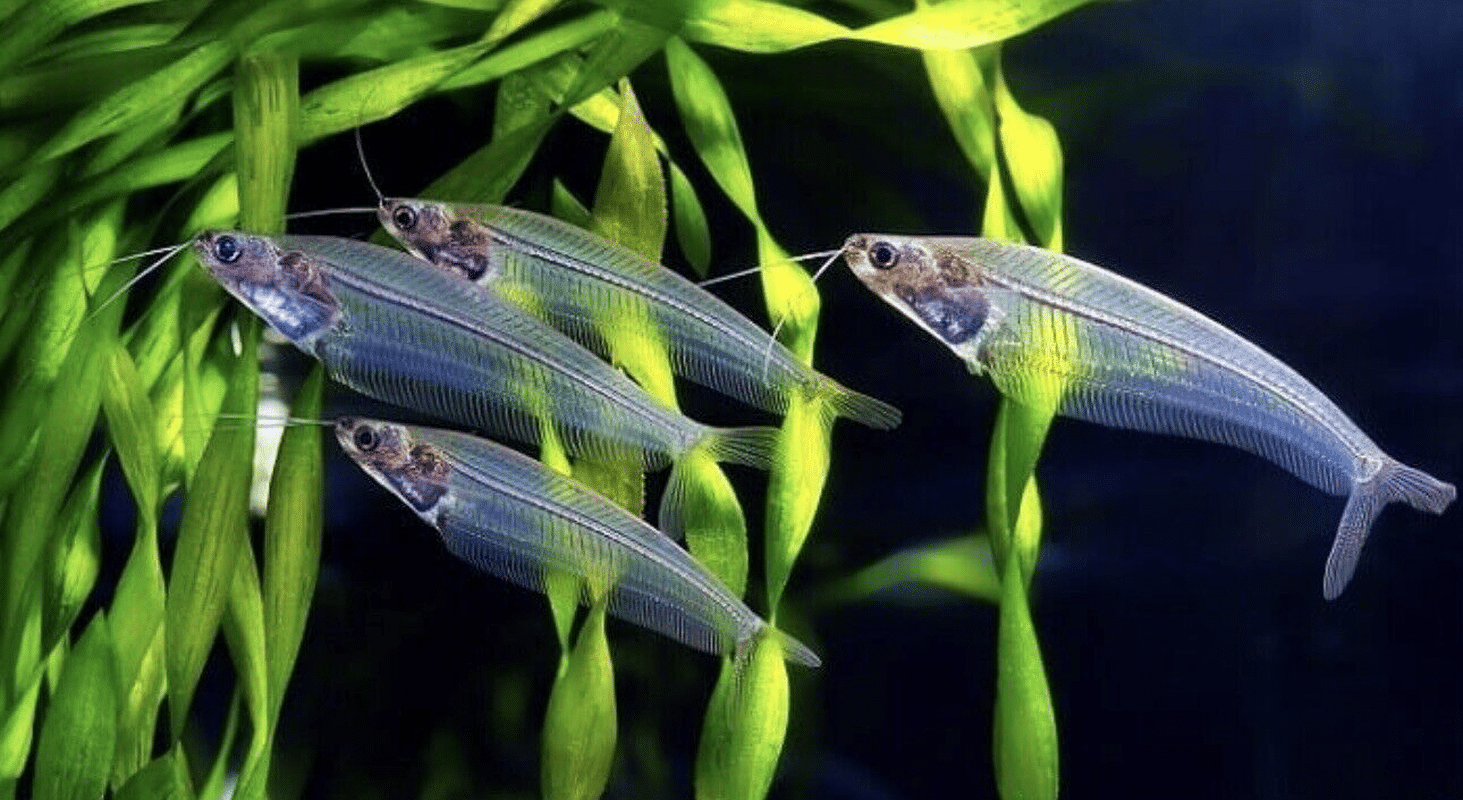
Kryptopterus vitreolus – X-Ray Glass Catfish

Original price was: £10.49.£8.71Current price is: £8.71.
Welcome these stunning X-Ray Glass Catfish into your tropical aquarium! Their transparent bodies and graceful movements make them peaceful companions for community tanks. Perfect for aquarists seeking low-maintenance, beautiful inhabitants that thrive in serene aquatic environments.
In stock


Species Introduction
The X-Ray Glass Catfish, scientifically known as Corydoras paleatus, is a captivating species belonging to the family Callichthyidae. This remarkable fish is native to the freshwater rivers and streams of South America, particularly in regions like the Amazon Basin. Its transparent body allows for a unique view of its internal organs, which is not only fascinating but also serves as a wonderful conversation starter in any aquarium setup. The X-Ray Glass Catfish typically reaches a maximum length of about 7 cm, making it a suitable choice for smaller community tanks. These fish thrive in peaceful aquatic environments, where they can exhibit their natural behaviors and contribute to the overall harmony of the tank. With their gentle disposition and stunning appearance, they are a popular choice among aquarists looking to create a vibrant and diverse aquatic community.
Care Requirements Dashboard
| Optimal Living Conditions | |
|---|---|
| Water Temperature | 22-28°C (72-82°F) |
| pH Level | 6.0-7.5 |
| Water Hardness | 2-15 dKH |
| Minimum Tank Size | 120L (30 gal) |
| Salinity | Freshwater |
| Care Level | Beginner to Intermediate |
✓ Care Level: Easy
To ensure the well-being of your X-Ray Glass Catfish, it is essential to provide them with a suitable environment. The ideal tank size for these fish is at least 60 liters (15 gallons), allowing ample space for swimming and hiding. The water parameters should be maintained within the following ranges: pH 6.0-7.5, temperature 22-28°C (72-82°F), and hardness between 2-12 dGH. Regular water changes and filtration are crucial to maintain water quality, as these fish are sensitive to poor water conditions. Additionally, they thrive in well-planted tanks with plenty of hiding spots, such as caves and driftwood, which mimic their natural habitat. By adhering to these care requirements, you can create a thriving environment for your X-Ray Glass Catfish.
Natural Behavior & Temperament
The X-Ray Glass Catfish is known for its peaceful and social nature, making it an excellent addition to community tanks. These fish are bottom dwellers and prefer to swim in groups, so it is recommended to welcome these beautiful creatures in schools of at least six individuals. Their natural behavior includes foraging for food along the substrate and exploring their surroundings, which can be quite entertaining for observers. They exhibit a calm demeanor and are generally compatible with other peaceful fish species, avoiding aggression and territorial disputes. However, it is essential to monitor their interactions with larger or more aggressive fish, as they may become stressed or bullied. By providing a suitable environment and compatible tank mates, you can enjoy the delightful antics of these elegant catfish as they thrive in your aquarium.
Tank Setup Guide
Setting up the perfect tank for your X-Ray Glass Catfish involves careful consideration of their natural habitat. Start with a substrate that is soft and smooth, such as fine gravel or sand, to prevent injury to their delicate bodies. Incorporate plenty of live plants, such as Java Fern or Anubias, to provide hiding spots and create a natural feel. Additionally, include decorations like driftwood and rocks, which not only enhance the aesthetic appeal but also serve as shelter for these shy fish. Ensure that the tank is well-cycled before introducing your catfish, as stable water parameters are crucial for their health. Lighting should be moderate, as excessive brightness can stress these fish. By replicating their natural environment, you will create a comfortable and stimulating habitat for your X-Ray Glass Catfish.
Water Quality Management
Maintaining optimal water quality is vital for the health and longevity of your X-Ray Glass Catfish. Regular testing of water parameters is essential to ensure that they remain within the ideal ranges: pH levels should be between 6.0 and 7.5, with a temperature range of 22-28°C (72-82°F). The hardness of the water should be maintained between 2-12 dGH. Frequent water changes, approximately 25% weekly, will help to remove toxins and replenish essential minerals. It is also important to use a reliable filtration system to keep the water clean and well-oxygenated. Avoid using medications or chemicals that can harm these sensitive fish, and always acclimate new arrivals slowly to prevent shock. By prioritizing water quality management, you will ensure a thriving and healthy environment for your aquatic companions.
Feeding & Nutrition
Feeding your X-Ray Glass Catfish a balanced and varied diet is essential for their health and vitality. These fish are omnivorous and thrive on a combination of high-quality sinking pellets, flakes, and frozen or live foods such as bloodworms and brine shrimp. It is recommended to feed them small portions two to three times a day, ensuring that all food is consumed within a few minutes to prevent water quality issues. Additionally, supplementing their diet with vegetable-based foods, such as spirulina or blanched zucchini, will provide essential nutrients and promote overall well-being. Observing their feeding behavior can also be a delightful experience, as they scavenge and forage for food along the substrate. By offering a diverse diet, you can support the health and happiness of your X-Ray Glass Catfish.
Compatibility Guide
The X-Ray Glass Catfish is an excellent choice for community tanks due to its peaceful nature. They coexist well with a variety of other small, non-aggressive fish species, such as tetras, guppies, and rasboras. However, it is crucial to avoid pairing them with larger or more aggressive fish that may view them as prey or bully them. Ideal tank mates include other corydoras species, as they share similar water requirements and social behaviors. When introducing new fish, it is important to consider the size and temperament of potential tank mates to ensure a harmonious environment. By carefully selecting compatible fish, you can create a thriving community tank that showcases the beauty and diversity of aquatic life.
Health & Wellness
Maintaining the health and wellness of your X-Ray Glass Catfish involves regular monitoring and preventive care. These fish are generally resilient, but they can be susceptible to common issues such as ich and fin rot, especially if water quality is compromised. Signs of illness may include lethargy, loss of appetite, or visible lesions on the body. To prevent health issues, ensure that the tank is properly cycled and that water parameters are regularly tested. Quarantine new arrivals before introducing them to the main tank to prevent the spread of disease. In the event of illness, prompt treatment is essential, and it is advisable to consult with an aquarium professional for guidance. By prioritizing health and wellness, you can enjoy the beauty and companionship of your X-Ray Glass Catfish for years to come.
Breeding Information
Breeding X-Ray Glass Catfish can be a rewarding experience for aquarists. To encourage spawning, it is recommended to provide a separate breeding tank with soft, slightly acidic water and plenty of hiding spots. The presence of a well-planted environment will help stimulate breeding behavior. When ready to spawn, the female will lay eggs on flat surfaces, such as leaves or glass, which the male will fertilize. After spawning, it is advisable to remove the parents to prevent them from eating the eggs. The eggs typically hatch within 3-5 days, and the fry should be fed infusoria or finely crushed flakes until they are large enough to consume larger foods. With proper care and attention, you can successfully breed and raise X-Ray Glass Catfish fry, contributing to the sustainability of this beautiful species.
Acclimation Process
Introducing your X-Ray Glass Catfish to their new home requires a careful acclimation process to minimize stress and ensure a smooth transition. Begin by floating the sealed bag containing the fish in the aquarium for about 15-20 minutes to equalize the temperature. After this, gradually mix small amounts of aquarium water into the bag every 5 minutes for about an hour. This process helps the fish adjust to the water chemistry of their new environment. Once acclimated, gently release the fish into the tank using a net to avoid adding any transport water that may contain harmful substances. Monitoring their behavior for the first few days is essential to ensure they are settling in well. By following a proper acclimation process, you can help your X-Ray Glass Catfish thrive in their new home.
Long-term Care
Caring for your X-Ray Glass Catfish over the long term involves maintaining stable water conditions and providing a balanced diet. As these fish can live for several years in a well-maintained aquarium, it is important to establish a routine for water changes and tank maintenance. Regularly check water parameters and perform partial water changes to keep the environment clean and healthy. Additionally, monitor their diet and adjust feeding schedules as needed based on their growth and health. Observing their behavior can also provide insights into their well-being; any changes in activity or appetite may indicate underlying issues. By committing to long-term care, you can enjoy the beauty and companionship of your X-Ray Glass Catfish for many years.
Natural Habitat Recreation
Creating a biotope that mimics the natural habitat of the X-Ray Glass Catfish can enhance their well-being and encourage natural behaviors. In their native environment, these fish inhabit slow-moving waters with plenty of vegetation, submerged logs, and leaf litter. To replicate this habitat, incorporate a sandy substrate with smooth rocks and driftwood to create hiding spots. Planting live aquatic plants such as Java Moss or Amazon Sword will provide cover and contribute to water quality. Additionally, maintaining a gentle water flow and ensuring that the lighting is moderate will help to create a comfortable environment for your catfish. By recreating their natural habitat, you will not only enhance their health but also create a visually stunning aquarium.
Seasonal Care Adjustments
As the seasons change, it is important to make adjustments to the care of your X-Ray Glass Catfish to ensure their continued health and well-being. During warmer months, monitor the water temperature closely, as elevated temperatures can lead to stress and health issues. Consider using a fan or chiller to maintain optimal conditions. In colder months, ensure that the tank is adequately heated to prevent temperature fluctuations that can be harmful to your fish. Additionally, adjust feeding schedules based on activity levels; fish may eat less during colder months. Regularly check water parameters and perform maintenance to ensure a stable environment throughout the year. By making seasonal adjustments, you can provide a consistent and comfortable habitat for your X-Ray Glass Catfish.
Expert Tips
For those looking to enhance their experience with X-Ray Glass Catfish, consider these expert tips. Firstly, maintaining a well-planted tank not only provides hiding spots but also promotes natural foraging behavior. Additionally, consider using a sponge filter to provide gentle filtration without creating strong currents that can stress these fish. Regularly observe their behavior and interactions with other tank mates; this will help you identify any potential issues early on. Lastly, be patient and allow your fish time to acclimate to their environment. With these expert tips, you can create a thriving community for your X-Ray Glass Catfish, ensuring they flourish in your care.
Troubleshooting
If you encounter issues with your X-Ray Glass Catfish, it is important to address them promptly. Common problems include stress from aggressive tank mates, poor water quality, or inadequate diet. If you notice signs of stress, such as hiding or reduced appetite, assess the tank environment and consider rehoming any aggressive fish. Regular water testing can help identify any fluctuations in parameters that may be affecting your fish. If your catfish are not eating, evaluate their diet and ensure that you are offering a variety of foods. By troubleshooting these common issues, you can maintain a healthy and thriving environment for your X-Ray Glass Catfish.
Scientific Background
The X-Ray Glass Catfish, or Corydoras paleatus, is part of a diverse family of freshwater fish known as Callichthyidae. This family is characterized by their armored bodies and peaceful demeanor, making them popular among aquarists. The scientific classification of the X-Ray Glass Catfish places it within the order Siluriformes, which encompasses all catfish species. Research into their natural behaviors and habitats has provided valuable insights into their care requirements and compatibility with other fish species. Conservation efforts are also essential, as habitat destruction poses a threat to their populations in the wild. By understanding the scientific background of the X-Ray Glass Catfish, aquarists can better appreciate the importance of providing a suitable environment for these remarkable creatures.
Tank Mate Compatibility Guide
Great Tank Mates
- Tetras
- Guppies
- Rasboras
- Other Corydoras species
Avoid These Tank Mates
- Larger aggressive fish
- Predatory species
Compatibility Note: Always research specific species requirements and observe fish behavior when introducing new tank mates. Individual fish personalities can vary!
Water Quality Parameters
Optimal Range
Caution Zone
Danger Zone
Monitoring Tip: Test water parameters weekly and perform regular water changes to maintain optimal conditions for your aquatic friends!
Frequently Asked Questions
Q: What tank size is required for X-Ray Glass Catfish?
For X-Ray Glass Catfish, a minimum tank size of 60 litres is recommended. These fish thrive in spacious environments where they can swim freely. A larger tank allows for better water quality and stability, which is crucial for their health. The tank should be well-planted with open swimming areas and hiding spots to mimic their natural habitat. Ensure the tank is covered, as these fish can be curious and may leap out if startled. A community aquarium setup, with gentle filtration and minimal water movement, will provide them with a comfortable living space.
✓ Expert Tip
Consider a tank with a varied substrate, combining fine sand and smooth pebbles, to provide both comfort and aesthetic appeal.
Q: What water parameters do X-Ray Glass Catfish require?
X-Ray Glass Catfish prefer slightly acidic to neutral water conditions, with a pH range of 6.0 to 7.5. The water temperature should be maintained between 24°C to 28°C. Regular monitoring of ammonia, nitrite, and nitrate levels is essential, as these fish are sensitive to poor water quality. A filtration system that provides gentle water movement is ideal, as they thrive in calm environments. Regular water changes, approximately 25% weekly, will help maintain a healthy aquatic environment.
✓ Expert Tip
Utilising a water conditioner can help eliminate harmful chemicals and improve the overall quality of your aquarium water.
Q: How often should I feed X-Ray Glass Catfish?
Feed X-Ray Glass Catfish small portions two to three times a day. Their diet should consist of high-quality flake food, small pellets, and occasional live or frozen foods such as brine shrimp or daphnia. Overfeeding can lead to water quality issues, so it is important to provide only what they can consume within a few minutes. Regularly varying their diet is beneficial for their health, as it ensures they receive a balanced array of nutrients.
✓ Expert Tip
Consider using a feeding ring to prevent food from scattering, making it easier for your fish to find and eat their meals.
Q: What are the best tank mates for X-Ray Glass Catfish?
X-Ray Glass Catfish are peaceful and do well in community tanks with other non-aggressive species. Suitable tank mates include tetras, rasboras, and other small catfish. Avoid larger or aggressive fish that may intimidate them. Ensuring a well-planted tank with ample hiding spots will help reduce stress and provide security for your fish friends. Always monitor interactions when introducing new tank mates to ensure compatibility.
✓ Expert Tip
Consider introducing new fish in small groups to help maintain a harmonious community atmosphere.
Q: How do I properly acclimatise X-Ray Glass Catfish to my aquarium?
Acclimatisation is crucial for the health of your X-Ray Glass Catfish. Begin by floating the sealed bag in the aquarium for about 15-20 minutes to equalise the temperature. Then, gradually introduce aquarium water into the bag by adding small amounts every 5 minutes. After about an hour, gently release the fish into the tank, avoiding adding the bag water. This method helps reduce stress and minimise the risk of shock from sudden changes in water parameters.
✓ Expert Tip
Consider using a drip acclimatisation method for more sensitive species, which allows for a slow and controlled introduction to the new environment.
Q: What are the signs of healthy X-Ray Glass Catfish?
Healthy X-Ray Glass Catfish exhibit clear, transparent bodies, active swimming behaviour, and normal feeding patterns. They should not show signs of distress, such as excessive hiding or lethargy. Additionally, look for bright eyes and smooth scales without lesions or discoloration. Regular monitoring and a keen eye for changes in behaviour or appearance will help ensure your fish remain healthy and vibrant.
✓ Expert Tip
Keeping a journal of your fish’s behaviour and health can help you identify any issues early.
Q: How do I successfully breed X-Ray Glass Catfish?
Breeding X-Ray Glass Catfish can be challenging, as they require specific conditions. A breeding tank should have a separate area with fine-leaved plants or spawning mops. Maintain a water temperature of around 26°C and a slightly acidic pH. Provide high-quality food to both parents and prepare for the female to lay eggs on the plants. After spawning, separate the adults from the eggs to prevent them from eating them. The eggs hatch within a few days, and fry should be fed infusoria until they are large enough for baby brine shrimp.
✓ Expert Tip
Regularly monitor water quality and perform partial water changes to maintain optimal conditions during breeding.
Q: What temperature should I maintain for X-Ray Glass Catfish?
X-Ray Glass Catfish thrive best in a temperature range of 24°C to 28°C. It is essential to maintain a stable temperature, as fluctuations can stress the fish and lead to health issues. Using a reliable aquarium heater and thermometer will help you monitor and maintain the desired temperature. Regular checks are advisable to ensure consistency, particularly during seasonal changes.
✓ Expert Tip
Consider using a heater with a built-in thermostat for optimal temperature regulation.
Q: How long do X-Ray Glass Catfish typically live in captivity?
With proper care, X-Ray Glass Catfish can live for 5 to 8 years in captivity. Their longevity is supported by maintaining stable water conditions, providing a balanced diet, and ensuring a stress-free environment. Regular health checks and timely interventions for any health issues can further enhance their lifespan. It is essential to remain vigilant for any signs of disease or stress to ensure their well-being.
✓ Expert Tip
Keeping a consistent routine for feeding and maintenance can significantly contribute to their overall health and longevity.
Q: What type of substrate is most suitable for X-Ray Glass Catfish?
X-Ray Glass Catfish prefer a soft, sandy substrate that allows them to forage comfortably. They enjoy sifting through the substrate for food. Avoid sharp-edged substrates that could injure their delicate bodies. A combination of fine sand and smooth pebbles can create an aesthetically pleasing and functional environment. Additionally, providing plenty of hiding spots with rocks or plants will help them feel secure.
✓ Expert Tip
Regularly vacuum the substrate to prevent waste accumulation, which can affect water quality.
Q: What behavioural patterns should I expect from X-Ray Glass Catfish?
X-Ray Glass Catfish are known for their peaceful and social behaviour. They tend to swim in small groups, showcasing their natural schooling instincts. They are relatively shy and may prefer to stay hidden amongst plants or decorations, especially when first introduced to a new environment. Observing their interactions can provide insights into their comfort level. They are also quite curious and will explore their surroundings, particularly during feeding times.
✓ Expert Tip
Creating a varied environment with plenty of plants and decorations encourages natural behaviours and reduces stress.
Q: How can I prevent common diseases in X-Ray Glass Catfish?
Preventing diseases in X-Ray Glass Catfish involves maintaining excellent water quality and a stress-free environment. Regular water changes, proper filtration, and monitoring of water parameters are crucial. Quarantine new fish before introducing them to the main tank to prevent disease transmission. Additionally, observe your fish for any signs of illness, such as changes in appetite or behaviour, and address any issues immediately. Providing a balanced diet and ensuring proper acclimatisation are also vital in disease prevention.
✓ Expert Tip
Consider adding aquarium salt to the water in small amounts to help promote gill function and overall health.
Q: What lighting conditions do X-Ray Glass Catfish prefer?
X-Ray Glass Catfish thrive in low to moderate lighting conditions. Bright lights can cause stress, so it is advisable to use soft, diffused lighting to create a comfortable environment. Additionally, incorporating floating plants can help reduce the intensity of the light and provide shaded areas for the fish to retreat to. A well-lit tank can enhance the natural beauty of your fish, but finding the right balance is key to their well-being.
✓ Expert Tip
Utilising a timer for your aquarium lights can help establish a consistent day-night cycle, promoting the health of your fish.
Q: How do I recognise stress in X-Ray Glass Catfish?
Signs of stress in X-Ray Glass Catfish include excessive hiding, lethargy, and a lack of interest in food. They may also display erratic swimming patterns or clamped fins. Changes in colouration, such as fading or darkening, can also indicate stress. It is important to observe your fish regularly and maintain stable water conditions. If you notice any signs of stress, investigate potential causes, such as water quality issues or aggressive tank mates, and address them promptly.
✓ Expert Tip
Creating a calm environment with plenty of hiding spots can help alleviate stress in your fish.
Q: What natural habitat conditions should I replicate for X-Ray Glass Catfish?
In the wild, X-Ray Glass Catfish inhabit slow-moving rivers and streams with ample vegetation. To replicate their natural habitat, provide a well-planted tank with areas of dense foliage and open swimming spaces. Maintaining slightly acidic to neutral pH and a temperature range of 24°C to 28°C will mimic their native conditions. Incorporating driftwood and leaf litter can further enhance the environment, providing both shelter and a natural food source.
✓ Expert Tip
Regularly introducing live plants can help improve water quality and create a more natural environment for your fish.
2 reviews for Kryptopterus vitreolus – X-Ray Glass Catfish
Add a review
Related products



Emily Carter (verified owner) –
I recently purchased a couple of X-Ray Glass Catfish (5-6cm) for my tropical aquarium, and I couldn’t be happier! From the moment they arrived, I noticed how healthy and vibrant they were. I’ve been keeping fish for over five years now, and I can honestly say that these little guys are one of the most fascinating species I’ve ever had. Their transparent bodies are mesmerizing as they swim around, and they have such a peaceful temperament, making them perfect for my community tank alongside my corydoras catfish.
After about two weeks in their new home, I observed them grazing on algae and exploring the substrate, which is crucial for their well-being. The shipping was quick, and they arrived safe and sound—definitely a plus for any fish parent! The only minor concern I had was that they initially took a little time to adjust, but I expected that.
I highly recommend these X-Ray Glass Catfish for anyone looking to add a unique touch to their aquarium. They’re especially great for those who have a tank with other peaceful species. I’ll definitely be purchasing more in the future!
Emily Carter (verified owner) –
I recently added the X-Ray Glass Catfish to my community tank, and I couldn’t be happier! After a couple of weeks, these little beauties have truly become the stars of my aquarium. Their transparent bodies are mesmerizing, and they really add a unique aesthetic to the setup. Watching them glide through the water is both calming and fascinating.
I have a mix of tropical fish, including some plecostomus, and these catfish have integrated beautifully without any aggression. They’re peaceful and enjoy hanging out around my plants and decorations. Plus, they help keep the tank clean, which is a huge bonus for aquarium maintenance!
One small concern I had initially was their size—being around 5-6 cm, I was worried about them being outcompeted for food. However, they’ve adapted well, and I make sure to provide plenty of hiding spots and feed them a varied diet.
Overall, I highly recommend these catfish for anyone looking to add a peaceful and stunning fish to their tank. They thrive in community environments and are perfect for both beginners and experienced aquarists. I can’t wait to see how they grow! I would definitely buy them again if the opportunity arises.