Peacock Goby – Tateurndina Ocellicauda – Peacock Gudgeon, Easy Care Goby Fish for Beginners, Great for Community Aquariums and Provides Unique Mudskipper Habitat Experience
Original price was: £6.99.£5.81Current price is: £5.81.
Welcome these beautiful Peacock Gobies, also known as Tateurndina Ocellicauda, into your aquarium. Their stunning colors and graceful movements make them ideal peaceful companions for community tanks. Perfect for aquarists seeking vibrant, easy-care fish that thrive in freshwater environments.
In stock


Species Introduction
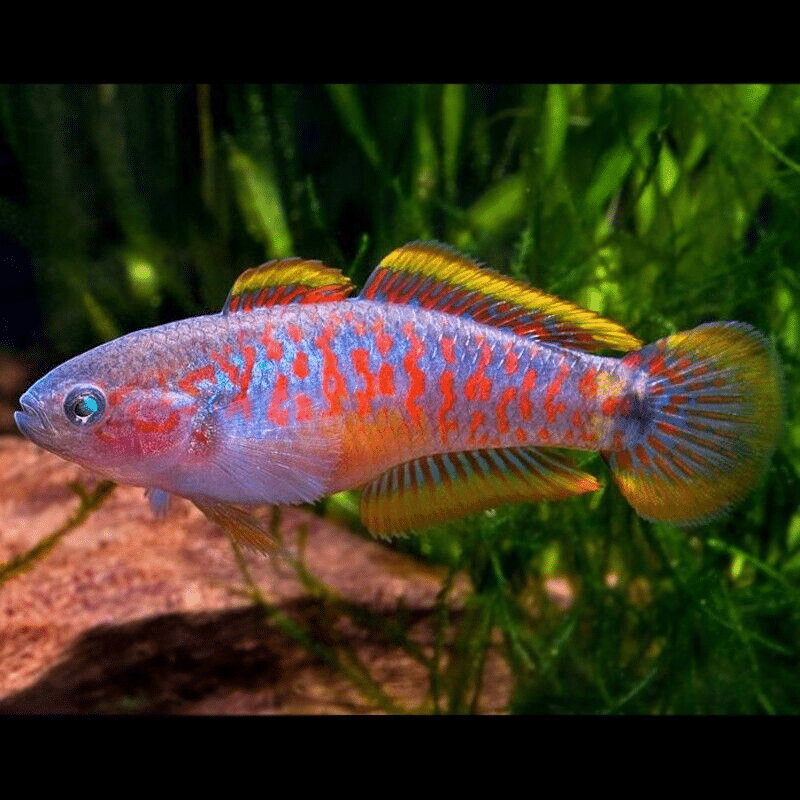
The Peacock Goby, scientifically known as Tateurndina ocellicauda, is a captivating freshwater fish native to the brackish waters of Papua New Guinea. This species is renowned for its vibrant colors and unique patterns that resemble a peacock’s plumage, making it a favorite among aquarium enthusiasts. The natural habitat of the Peacock Goby consists of shallow waters with abundant vegetation, where they can find shelter and food. These fish thrive in environments rich in organic materials and soft substrates, which mimic their wild habitats. Understanding their origins is crucial for recreating a suitable environment in your aquarium, ensuring that these beautiful creatures feel at home.
Key Features – Peacock Goby – Tateurndina Ocellicauda – Peacock Gudgeon
| Specification | Details |
|---|---|
| Benefits | Enhances your aquarium ecosystem |
| Quality | Premium aquarium-grade materials |
| Ease of Use | Simple setup and maintenance |
Care Requirements Dashboard
✓ Care Level: Moderate
Tank Size: Minimum 20 gallons
Water Temperature: 75°F – 82°F
pH Level: 6.5 – 7.5
Hardness: 5 – 15 dGH
Natural Behavior & Temperament
The Peacock Goby is known for its peaceful and curious nature. These fish are generally non-aggressive and can coexist harmoniously with other community fish. They exhibit interesting behaviors such as darting around the aquarium and exploring their surroundings, which can be quite entertaining for observers. They prefer to establish territories, especially during breeding, and will often engage in displays of color and fin extensions to assert dominance. Understanding these behaviors is essential for creating a balanced community tank, as they thrive best in environments where they feel secure and can exhibit their natural behaviors.
Tank Setup Guide
Setting up an ideal environment for your Peacock Goby involves creating a habitat that mimics their natural surroundings. Start with a spacious tank of at least 20 gallons to provide ample swimming space and territories. Use a soft substrate, such as sand or fine gravel, to allow these fish to dig and forage. Incorporate plenty of hiding spots using driftwood, rocks, and live plants to create a natural feel and provide shelter. Floating plants can also help diffuse light and create a more comfortable environment. Ensure that the tank has a gentle filtration system to maintain water quality without creating strong currents, as Peacock Gobies prefer calm waters.
Water Quality Management
Maintaining optimal water quality is crucial for the health and well-being of your Peacock Goby. Regular water changes of 20-30% weekly will help keep nitrate levels low and ensure a stable environment. Monitor water parameters closely, aiming for a pH level between 6.5 and 7.5, with a temperature range of 75°F to 82°F. The hardness should be maintained between 5 and 15 dGH. Using a reliable water testing kit will help you keep track of these parameters. Additionally, consider using a sponge filter or a gentle power filter to provide adequate filtration without creating excessive water movement, which can stress these sensitive fish.
Feeding & Nutrition
The diet of your Peacock Goby should be varied to ensure they receive all necessary nutrients. They are omnivorous and thrive on a mix of high-quality flakes, pellets, and frozen or live foods. Offer a combination of brine shrimp, daphnia, and bloodworms to provide a balanced diet. Feeding should occur 2-3 times a day, with small portions that can be consumed within a few minutes to prevent overfeeding. It’s essential to observe their eating habits and adjust the diet accordingly, ensuring that they maintain a healthy weight and vibrant colors. Always remove any uneaten food to maintain water quality.
Compatibility Guide
When selecting tank mates for your Peacock Goby, it is important to choose species that share similar water parameter requirements and temperaments. Ideal companions include small, peaceful fish such as tetras, rasboras, and other small community fish. Avoid aggressive species or larger fish that may see the Goby as prey. Additionally, consider the social dynamics of your tank; providing ample hiding spots and territories will help reduce stress and aggression among fish. A well-planned community tank can enhance the experience of caring for these beautiful aquatic companions.
Health & Wellness
Monitoring the health of your Peacock Goby is essential for early detection of potential issues. Common problems include ich, fin rot, and other parasitic or bacterial infections. Signs of illness may include changes in behavior, such as lethargy or loss of appetite, as well as visible symptoms like white spots or frayed fins. Regular water quality checks, maintaining a clean tank, and providing a varied diet can help prevent many health issues. In case of disease, consult a veterinarian or an experienced aquarist for appropriate treatment protocols, and consider quarantine for affected fish to prevent the spread of illness.
Breeding Information
Breeding Peacock Gobies can be a rewarding experience for dedicated hobbyists. To encourage spawning, provide a separate breeding tank with similar water parameters and plenty of hiding spots. Males will display vibrant colors and perform courtship dances to attract females. After spawning, the female will lay eggs in sheltered areas, and it is crucial to remove the parents after spawning to prevent them from eating the eggs. The eggs will hatch in about 3-4 days, and the fry should be fed infusoria or powdered fry food until they are large enough to consume small live foods. Careful monitoring and maintenance of water quality during this time are essential for fry survival.
Acclimation Process
Introducing your Peacock Goby to its new home requires a careful acclimation process to minimize stress. Begin by floating the sealed bag in the aquarium for about 15-20 minutes to equalize the temperature. After this, gradually mix small amounts of tank water into the bag over the course of an hour. This step helps the fish adjust to the new water parameters. Finally, gently release the Goby into the tank using a net, avoiding the introduction of store water that may contain harmful substances. Proper acclimation is crucial for ensuring the health and well-being of your new aquatic friend.
Long-term Care
Caring for your Peacock Goby involves understanding its lifecycle and growth expectations. These fish typically reach a size of around 3-4 inches and can live for several years with proper care. Regular monitoring of water quality, diet, and social dynamics will help ensure a long and healthy life. As they grow, you may need to adjust tank mates and environment to accommodate their changing needs. Maintaining a stable environment and providing enrichment through decorations and plants will contribute to their overall happiness and health.
Natural Habitat Recreation
To create a biotope that reflects the natural habitat of the Peacock Goby, consider incorporating elements that mimic their native environment. Use fine sand substrate and add driftwood and rocks to create hiding spots. Incorporate live plants such as Java moss and Anubias, which provide cover and help maintain water quality. The lighting should be moderate to replicate the dappled light of their natural habitat. This setup not only enhances the aesthetic appeal of your aquarium but also promotes the health and well-being of your Goby by providing a stimulating environment.
Seasonal Care Adjustments
As seasons change, so do the needs of your Peacock Goby. During warmer months, ensure that the water temperature remains stable and does not exceed 82°F. Consider using a heater with a thermostat to maintain consistent temperatures. In cooler months, monitor the temperature closely and adjust as necessary. Additionally, changes in lighting duration may be beneficial; aim for 10-12 hours of light daily to simulate natural conditions. Regularly check water parameters to ensure they remain within the ideal range, adjusting as needed to accommodate seasonal variations.
Expert Tips
For those looking to enhance their experience with Peacock Gobies, consider joining online forums or local fish clubs where you can share experiences and gain insights from other enthusiasts. Regularly observe your fish to understand their behavior and preferences, which can help you make informed decisions about tank setup and care. Additionally, experimenting with different food types can lead to improved coloration and vitality. Remember that patience is key; creating a thriving environment takes time and dedication, but the rewards of a healthy, vibrant aquarium are well worth the effort.
Troubleshooting
If you encounter issues with your Peacock Goby, such as unusual behavior or signs of illness, it is crucial to act quickly. Common problems include stress due to poor water quality or aggressive tank mates. Ensure that your water parameters are within the recommended ranges and that your tank mates are compatible. If your fish displays signs of illness, such as lethargy or loss of appetite, consider isolating it in a quarantine tank while you investigate potential treatments. Regular maintenance and monitoring can prevent many issues from arising, ensuring a healthy environment for your aquatic companions.
Scientific Background
The Peacock Goby belongs to the family Oxudercidae, which includes various species of gobies. These fish are primarily found in brackish waters, showcasing unique adaptations that allow them to thrive in such environments. Research into their behavior and ecology continues to evolve, with studies focusing on their social structures and breeding habits. Understanding the scientific background of your fish can enhance your appreciation for their beauty and complexity, further enriching your experience as a fish enthusiast.
Advanced Care Techniques
For experienced aquarists looking to take their care of Peacock Gobies to the next level, consider implementing advanced techniques such as live food cultures or specialized breeding setups. Cultivating live foods like brine shrimp or daphnia can enhance the diet of your fish, promoting better health and coloration. Additionally, setting up a dedicated breeding tank with specific parameters can increase your success rate in breeding these beautiful creatures. Continuous learning and adaptation of your techniques will lead to a more rewarding experience in keeping these fascinating fish.
Frequently Asked Questions
Q: What tank size is required for the Peacock Goby?
The Peacock Goby, or Tateurndina ocellicauda, thrives best in a tank that is at least 60 litres (15 gallons). This allows ample space for swimming and exploring, which is vital for their well-being. A larger tank can also help maintain stable water parameters and reduce stress. Ensure that the tank is well-planted with hiding spots, as these fish appreciate cover and will often display natural behaviours when they feel secure. Additionally, avoid overcrowding, as this can lead to territorial disputes. A spacious environment promotes a healthier and more vibrant community.
✓ Expert Tip
Consider incorporating a substrate that mimics their natural habitat, such as fine sand, to keep them comfortable and encourage natural foraging behaviour.
Q: What water parameters do Peacock Gobies require?
Peacock Gobies prefer slightly acidic to neutral water conditions, ideally a pH of 6.5 to 7.5. The water hardness should be kept between 5 to 15 dGH, and the temperature should range from 24°C to 28°C (75°F to 82°F). Regular water changes of around 10-15% weekly can help maintain these parameters and ensure optimal health. It is also essential to monitor ammonia, nitrite, and nitrate levels, as these can impact their well-being. Using a quality water conditioner can further enhance water quality for these delicate fish.
✓ Expert Tip
Utilising a reliable water test kit will help you keep track of these parameters and promptly address any fluctuations.
Q: How often should I feed my Peacock Gobies?
Feeding Peacock Gobies should occur two to three times a day, providing small amounts that they can consume within a few minutes. A varied diet is essential, including high-quality flakes, pellets, and live or frozen foods such as brine shrimp or daphnia. This variety not only ensures proper nutrition but also encourages natural foraging behaviour. Be cautious not to overfeed, as uneaten food can deteriorate water quality. Regularly observe their eating habits, adjusting quantities as necessary to maintain a healthy diet.
✓ Expert Tip
Incorporating a feeding routine can help establish a sense of security for your fish friends, making them more comfortable during feeding times.
Q: What are the best tank mates for Peacock Gobies?
Peacock Gobies are generally peaceful and can coexist with various community fish. Ideal tank mates include small to medium-sized species such as rasboras, tetras, and dwarf cichlids. Avoid aggressive or overly large fish, which may stress the Gobies. It’s also wise to keep them in groups of at least five to six individuals, as this helps disperse any territorial behaviour. Monitor interactions closely when introducing new tank mates to ensure compatibility and a harmonious environment.
✓ Expert Tip
Creating a well-planted tank with ample hiding spots can further reduce stress and aggression among tank mates.
Q: How do I properly acclimatise my Peacock Gobies to the aquarium?
Acclimatising your Peacock Gobies is crucial to prevent shock. Start by floating the sealed bag in the tank for about 15-20 minutes to equalise the temperature. Next, gradually mix tank water into the bag every 5-10 minutes, increasing the volume each time. After about an hour, gently release the fish into the aquarium, avoiding adding bag water. This slow acclimatisation process helps them adjust to differences in water parameters, reducing stress and promoting a successful transition.
✓ Expert Tip
Always keep the aquarium lights dimmed during acclimatisation to create a calming environment for your new fish.
Q: What are the signs of healthy Peacock Gobies?
Healthy Peacock Gobies exhibit vibrant colours, active swimming behaviour, and a keen interest in their surroundings. Their fins should be fully extended and free of tears or lesions. Additionally, they should display normal feeding behaviour and have a healthy appetite. Regular observation is vital; any sudden changes in behaviour, such as hiding or lethargy, may indicate stress or illness. Maintaining optimal water conditions and a balanced diet are key to ensuring the ongoing health of your fish friends.
✓ Expert Tip
Keep a journal of your fish’s behaviour and health; this can help identify any issues early.
Q: How do I successfully breed Peacock Gobies?
Breeding Peacock Gobies can be a rewarding endeavour. To encourage breeding, provide a separate breeding tank with soft, slightly acidic water and a substrate for nesting. Males will display vibrant colours and court females through elaborate behaviour. Once a pair has formed, they will lay eggs on flat surfaces, often in hidden spots. Post-spawning, it is advisable to remove the parents to prevent them from eating the eggs. The eggs typically hatch in 3-5 days, and once the fry are free-swimming, they can be fed infusoria or finely crushed flakes.
✓ Expert Tip
Maintaining stable water conditions and minimal disturbance during breeding will increase the chances of successful hatching.
Q: What type of substrate is most suitable for Peacock Gobies?
Peacock Gobies prefer a fine, soft substrate that mimics their natural habitat. Fine sand is an excellent choice, as it allows them to burrow and forage naturally. Avoid sharp or coarse substrates, as these can injure their delicate bodies. A well-maintained substrate not only enhances the aesthetic of your aquarium but also supports the well-being of your fish friends. Regularly vacuuming the substrate will help maintain cleanliness and prevent the accumulation of waste.
✓ Expert Tip
Mixing in some smooth pebbles or driftwood can create a more natural environment while providing hiding spots.
Q: What behavioural patterns should I expect from Peacock Gobies?
Peacock Gobies exhibit fascinating behaviours, including territorial displays, particularly during breeding seasons. They are generally peaceful but can become slightly territorial towards their own kind if space is limited. Expect them to spend time foraging along the substrate, showcasing their natural inclination to hunt for food. They enjoy swimming in gentle currents and will often be seen darting in and out of hiding spots. Observing these behaviours can provide insight into their health and happiness within your aquarium.
✓ Expert Tip
Incorporating different levels of décor can encourage natural swimming patterns and reduce stress.
Q: How can I prevent common diseases in Peacock Gobies?
Preventing diseases in Peacock Gobies requires maintaining optimal water quality and a stress-free environment. Regular water changes, monitoring water parameters, and ensuring a balanced diet are crucial. Quarantine new fish before introducing them to your main aquarium to prevent potential disease transmission. Additionally, providing a well-planted tank with hiding spots can help reduce stress levels, which is vital for their overall health. Observing your fish regularly for any signs of illness, such as changes in colour or behaviour, allows for early detection and treatment.
✓ Expert Tip
Having a basic first-aid kit for fish can be invaluable for addressing minor health issues promptly.
Q: What lighting conditions do Peacock Gobies prefer?
Peacock Gobies thrive in moderate lighting that mimics their natural habitat. Bright, direct light can cause stress, so it is advisable to use diffused lighting or provide shaded areas through plants and decorations. A lighting schedule of around 10-12 hours a day can help maintain their natural circadian rhythms. Adjusting the intensity and duration of light can encourage healthy plant growth while also ensuring your fish friends feel secure in their environment.
✓ Expert Tip
Using a timer for your aquarium lights can help maintain a consistent light schedule, benefiting both plants and fish.
Q: How do I recognise stress in my Peacock Gobies?
Recognising stress in Peacock Gobies can be crucial for their well-being. Signs of stress may include hiding excessively, loss of appetite, or changes in colour. Additionally, they may exhibit rapid gill movement or erratic swimming patterns. Environmental factors such as poor water quality, aggressive tank mates, or sudden changes in temperature can contribute to their stress levels. Maintaining stable water conditions and providing a secure environment with plenty of hiding spots can help alleviate stress in your fish friends.
✓ Expert Tip
Regularly observe your fish and their behaviour; being proactive can help you catch any potential issues early.
Q: What natural habitat conditions should I replicate for Peacock Gobies?
To create an optimal environment for your Peacock Gobies, it’s essential to replicate their natural habitat, which includes slow-moving waters with abundant vegetation. Incorporate fine sand or soft substrate, along with plenty of hiding spots from rocks, driftwood, and live plants. Maintaining slightly acidic to neutral water with moderate lighting will further enhance their comfort. Mimicking these conditions not only supports their health but also encourages natural behaviours, allowing you to enjoy the vibrant personality of these beautiful fish.
✓ Expert Tip
Researching their native habitat can provide valuable insights into creating a suitable environment for them.
1 review for Peacock Goby – Tateurndina Ocellicauda – Peacock Gudgeon, Easy Care Goby Fish for Beginners, Great for Community Aquariums and Provides Unique Mudskipper Habitat Experience
Add a review
Related products


Emily Carter (verified owner) –
I recently purchased a couple of Peacock Gobies (Tateurndina Ocellicauda), and I couldn’t be more thrilled! These little beauties have added a vibrant splash of color to my aquarium, and their personality is simply delightful. After about a month of keeping them, I’ve noticed how they interact with the environment—darting around the plants and playfully exploring their space.
What truly sets these goby fish apart from others I’ve kept is their fascinating behavior. They’re active and social, which makes my tank come alive. I initially had concerns about compatibility with my other fish, but they’ve settled in perfectly.
While they do prefer a sandy substrate and plenty of hiding spots, I quickly adjusted my setup, and it was worth every bit of effort. Just a minor note: they can be a bit shy at first, so give them some time to acclimate.
I highly recommend Peacock Gobies for both novice and seasoned hobbyists looking for lively and intriguing aquarium fish. They not only enhance the visual appeal of your tank but also bring joy through their lively antics. I’m looking forward to watching them thrive for many years to come!