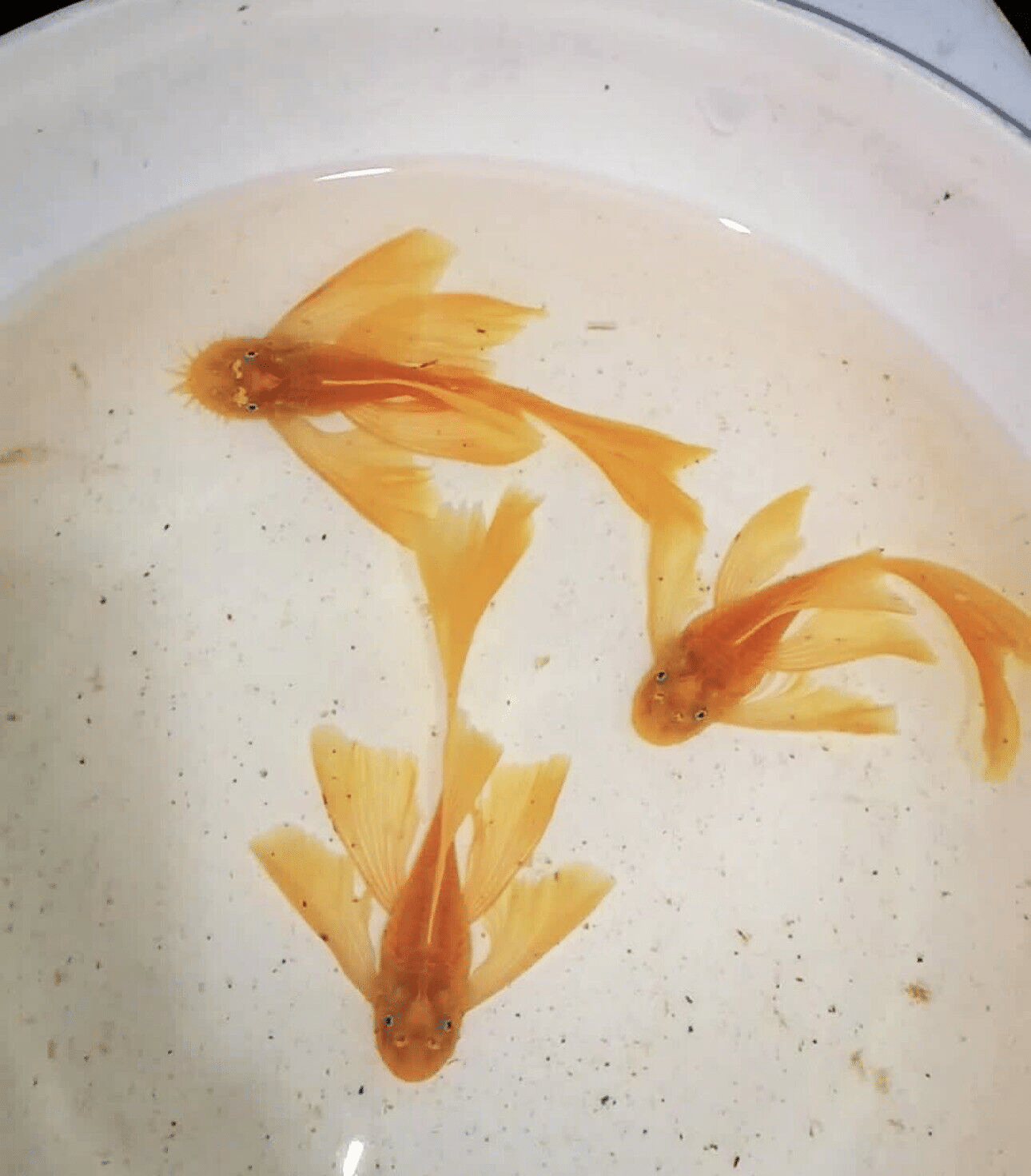
Lemon Blue Eye L144 Bristlenose Pleco (3cm) – Ancistrus Sp. – Algae Eater
Original price was: £30.99.£26.13Current price is: £26.13.
Welcome the Lemon Blue Eye L144 Bristlenose Pleco into your aquarium! This beautiful algae eater thrives in community settings, making it perfect for aquarists seeking vibrant tank mates. Its peaceful nature and elegant movements enhance your aquatic landscape, ensuring a flourishing environment.
In stock


Species Introduction
The Lemon Blue Eye L144 Bristlenose Pleco, scientifically known as Hypostomus plecostomus, is a captivating species belonging to the Loricariidae family. Originating from the freshwater rivers and streams of South America, particularly in regions such as Brazil and Paraguay, this species has adapted to thrive in various aquatic environments. Known for their striking coloration, these fish possess a vibrant yellow body adorned with blue spots, making them a stunning addition to any freshwater aquarium. Their natural habitat consists of slow-moving waters rich in aquatic plants, where they find shelter among rocks and driftwood, showcasing their preference for a well-structured environment that mimics their native surroundings.
Care Requirements Dashboard
Essential Care Guide for Your Lemon Blue Eye L144 Bristlenose Pleco
| Optimal Living Conditions | |
|---|---|
| Water Temperature | 22-28°C (72-82°F) |
| pH Level | 6.0-7.5 |
| Water Hardness | 2-15 dKH |
| Minimum Tank Size | 120L (30 gal) |
| Salinity | Freshwater |
| Care Level | Beginner to Intermediate |
Water Quality Parameters
Optimal Range
24-27°C
6.5-7.5
0 ppm
Caution Zone
22-24°C or 27-29°C
6.0-6.5 or 7.5-8.0
0.25-0.5 ppm
Danger Zone
<22°C or >29°C
<6.0 or >8.0
>0.5 ppm
Monitoring Tip: Test water parameters weekly and perform regular water changes to maintain optimal conditions for your aquatic friends!
Natural Behavior & Temperament
The Lemon Blue Eye L144 Bristlenose Pleco is known for its peaceful demeanor, making it an ideal choice for community tanks. These fish exhibit a natural behavior of grazing on algae and detritus, which helps maintain a clean aquarium environment. They are primarily nocturnal, becoming more active during the night when they venture out to forage for food. Socially, they tend to be non-aggressive, but males can display territorial behavior, especially during breeding periods. It’s essential to provide ample hiding spots using rocks, caves, and driftwood to accommodate their natural instincts and reduce stress levels. Their unique swimming patterns, characterized by a gentle gliding motion, add a serene ambiance to any aquarium setup.
Tank Setup Guide
Creating an optimal environment for your Lemon Blue Eye L144 Bristlenose Pleco is crucial for their health and well-being. A minimum tank size of 75 liters is recommended to provide ample swimming space and territory. The substrate should be soft and sandy, allowing these fish to forage comfortably without injury. Incorporating live plants not only enhances the aesthetic appeal but also serves as a natural food source and hiding spots. Use driftwood and caves to create shaded areas, mimicking their natural habitat. Ensure that the tank is well-filtered, as these fish prefer clean water with moderate flow. Additionally, maintaining stable water parameters is vital for their overall health, so regular testing and water changes are necessary.
Feeding & Nutrition
The diet of the Lemon Blue Eye L144 Bristlenose Pleco should be diverse to ensure optimal health. They are primarily herbivorous, thriving on a diet rich in algae, which they naturally consume in their habitat. High-quality algae wafers, blanched vegetables such as zucchini and cucumber, and spirulina-based foods are excellent choices to include in their diet. Feeding should occur once or twice daily, providing only what they can consume in a few hours to prevent water quality issues. It’s important to supplement their diet with protein-rich foods occasionally, such as sinking pellets or freeze-dried bloodworms, to promote growth and vitality. Monitoring their feeding habits will help you adjust their diet based on their preferences and needs.
Compatibility Guide
Community Tank Friendly
| Tank Mates | Compatibility |
|---|---|
| Neon Tetra | Excellent |
| Guppy | Good |
| Corydoras | Excellent |
| Angelfish | Fair |
| Betta | Avoid |
Health & Wellness
To ensure the health and wellness of your Lemon Blue Eye L144 Bristlenose Pleco, regular monitoring for signs of stress or illness is essential. Common issues include ich, fin rot, and skin parasites. Maintaining stable water parameters and providing a balanced diet are critical in preventing these health problems. Signs of distress may include lethargy, loss of appetite, or unusual swimming patterns. If you notice any of these symptoms, it is crucial to perform a water change and check the water quality immediately. Preventative measures, such as quarantining new fish and maintaining a clean tank environment, will significantly reduce the risk of disease outbreaks.
Breeding Information
Breeding Potential
Breeding Lemon Blue Eye L144 Bristlenose Plecos can be a rewarding experience for aquarists. These fish are cave spawners, so providing suitable breeding sites, such as ceramic caves or hollow logs, is essential. Males will exhibit territorial behavior during breeding, often fanning their fins and displaying their bristles to attract females. Once a pair has formed, the female will lay eggs in the cave, which the male will then fertilize and guard. The eggs typically hatch within 4 to 7 days, and the fry will require infusoria or finely crushed flakes for initial feeding. It is crucial to maintain excellent water quality during this period to ensure the fry’s health and growth.
Acclimation Process
When introducing your Lemon Blue Eye L144 Bristlenose Pleco to a new aquarium, a gradual acclimation process is vital to minimize stress. Begin by floating the sealed bag containing the fish in the tank for approximately 15-20 minutes to equalize the temperature. After that, slowly add small amounts of tank water to the bag every 5 minutes for about half an hour. This process helps the fish adjust to the new water parameters. Once acclimated, gently release the fish into the tank, avoiding any sudden movements that could startle them. Monitoring their behavior for the first few days will help ensure they are settling in comfortably.
Long-term Care
The Lemon Blue Eye L144 Bristlenose Pleco can live for several years with proper care, making them a long-term commitment for aquarists. They typically reach a maximum length of 10-15 cm, depending on their environment and diet. Regular monitoring of their growth and health is essential, as well as adjusting their diet and tank conditions as they mature. Providing a varied diet, maintaining stable water quality, and ensuring a stress-free environment will contribute to their longevity. Additionally, keeping an eye on their social dynamics within the tank will help prevent any territorial disputes as they grow.
Natural Habitat Recreation
Biotope Setup
To recreate a natural habitat for your Lemon Blue Eye L144 Bristlenose Pleco, focus on incorporating elements that mimic their native environment. Utilize a sandy substrate to allow for natural foraging behavior. Adding driftwood not only provides hiding spots but also serves as a source of biofilm, which these fish love to graze on. Planting live aquatic plants such as Java fern or Anubias will enhance the aesthetic and provide additional cover. Ensure that the tank has areas of low light and gentle water flow to replicate the calm waters of their natural habitat, promoting a comfortable living space for these beautiful creatures.
Seasonal Care Adjustments
As seasons change, adjustments to the care of your Lemon Blue Eye L144 Bristlenose Pleco may be necessary to ensure their continued health. During warmer months, monitor the water temperature closely, as higher temperatures can stress these fish. If needed, use fans or chillers to maintain a stable environment. In winter, ensure that the tank is adequately heated to prevent temperature fluctuations. Additionally, consider adjusting the lighting duration to mimic natural daylight cycles, which can affect their behavior and breeding readiness. Regular monitoring and adjustments will help maintain a stable environment year-round.
Expert Tips
Professional Advice
For optimal care of your Lemon Blue Eye L144 Bristlenose Pleco, consider the following expert tips: First, ensure that you provide a varied diet to promote health and coloration. Second, regular water testing will help you catch any issues before they become serious. Third, observe their behavior closely; any changes can indicate stress or health issues. Lastly, don’t hesitate to consult with local aquarists or professionals for additional insights and support. Their unique characteristics and needs make them a rewarding species to care for, and with the right approach, you can foster a thriving environment for these aquatic companions.
Troubleshooting
In the event of common issues arising with your Lemon Blue Eye L144 Bristlenose Pleco, it’s essential to address them promptly. If you notice signs of stress such as hiding excessively or loss of appetite, first check the water quality parameters. High ammonia or nitrite levels can be detrimental to their health. If you observe abnormal swimming patterns or lesions, consider the possibility of parasites or infections, and consult a veterinarian or aquarist for appropriate treatment options. Regular maintenance and observation will help you catch these issues early, ensuring a long and healthy life for your fish friends.
Scientific Background
Taxonomy and Conservation
The Lemon Blue Eye L144 Bristlenose Pleco is classified under the scientific name Hypostomus plecostomus, within the family Loricariidae. This family is known for its armored catfish, which are adapted to various freshwater environments. The conservation status of this species is currently stable, but habitat destruction and pollution pose threats to their natural populations. Understanding their ecological role in freshwater ecosystems is crucial for conservation efforts. By providing a home for these fish in our aquariums, we can appreciate their beauty while contributing to their preservation.
Advanced Care Techniques
For experienced aquarists looking to take their care of the Lemon Blue Eye L144 Bristlenose Pleco to the next level, consider implementing advanced techniques such as breeding conditioning and specialized feeding regimens. Conditioning pairs for breeding can involve increasing the protein content in their diet and simulating seasonal changes in water temperature. Additionally, utilizing a sponge filter can provide gentle filtration while allowing fry to thrive post-hatching. Regularly rotating tank decorations can stimulate their natural behaviors and reduce stress. These advanced techniques not only enhance their living conditions but also deepen the bond between you and your aquatic companions.
Frequently Asked Questions
Q: What tank size is required for the Lemon Blue Eye L144 Bristlenose Pleco?
The Lemon Blue Eye L144 Bristlenose Pleco thrives in a tank that is at least 100 litres (26 gallons) to provide ample space for swimming and hiding. A larger tank is preferable as it allows for better water quality and stability, which is crucial for the health of this species. It is also essential to include hiding spots, such as caves or driftwood, as Bristlenose Plecos are naturally reclusive and enjoy having safe spaces to retreat to. Additionally, maintaining a varied environment with plants and decorations will enhance their wellbeing.
✓ Expert Tip
Ensure the tank is well-filtered and has a gentle water flow to mimic their natural habitat.
Q: What water parameters do Lemon Blue Eye L144 Bristlenose Plecos require?
For optimal health, Lemon Blue Eye L144 Bristlenose Plecos prefer water with a temperature range of 24-28°C (75-82°F), a pH level between 6.5 and 7.5, and a hardness of 2-20 dGH. Regular water changes of 10-20% weekly are recommended to maintain stable parameters and prevent the buildup of harmful substances. Monitoring ammonia and nitrite levels is crucial as these should remain at zero, while nitrates should be kept below 20 ppm. Using a good quality water conditioner will also help in maintaining these parameters.
✓ Expert Tip
Invest in a reliable water testing kit to regularly check and adjust water parameters accordingly.
Q: How often should I feed my Lemon Blue Eye L144 Bristlenose Pleco?
Lemon Blue Eye L144 Bristlenose Plecos are primarily herbivorous, requiring a diet rich in vegetable matter. Feed them once a day, offering a small amount of algae wafers, blanched vegetables such as zucchini or spinach, and high-quality sinking pellets. It is important not to overfeed, as this can lead to poor water quality and health issues. Monitor their consumption; if food remains after a few hours, reduce the amount in the next feeding. A varied diet will also encourage optimal growth and coloration.
✓ Expert Tip
Consider adding fresh vegetables occasionally to provide additional nutrients and variety.
Q: What are the best tank mates for the Lemon Blue Eye L144 Bristlenose Pleco?
Lemon Blue Eye L144 Bristlenose Plecos are generally peaceful and can be housed with a variety of community fish. Suitable tank mates include tetras, rasboras, danios, and other small to medium-sized fish that are not aggressive. It is advisable to avoid larger or aggressive species that may bully or harass the plecos. Always ensure that the tank is spacious enough to accommodate the different species without overcrowding, as this can lead to stress and territorial disputes.
✓ Expert Tip
Introduce new fish gradually to allow the plecos to acclimatise to their presence without stress.
Q: How do I properly acclimatise my Lemon Blue Eye L144 Bristlenose Pleco to my aquarium?
Acclimatisation is crucial for the health of your Lemon Blue Eye L144 Bristlenose Pleco. Begin by floating the sealed bag containing the pleco in your aquarium for about 15-20 minutes to equalise the temperature. After this, gradually introduce aquarium water into the bag over a period of one hour, by adding small amounts every 10-15 minutes. This process helps the fish to adjust to the new water chemistry. Once acclimatised, gently place the pleco into the tank using a net to avoid adding bag water, which may contain harmful substances.
✓ Expert Tip
Avoid placing your pleco in the tank immediately after acquiring it; allow it time to adjust to its new environment.
Q: What are the signs of a healthy Lemon Blue Eye L144 Bristlenose Pleco?
A healthy Lemon Blue Eye L144 Bristlenose Pleco will display vibrant colours, including a bright yellow hue with blue eyes. They should be active, swimming around the tank and foraging for food. Look for clear fins and a well-rounded body; any signs of redness, fraying fins, or lethargy can indicate health issues. Regular observation is key to spotting any changes in behaviour or appearance. Additionally, ensure that they are eating well, as a good appetite is a strong indicator of health.
✓ Expert Tip
Regularly check water quality to maintain optimal conditions for your pleco’s health.
Q: How do I successfully breed Lemon Blue Eye L144 Bristlenose Plecos?
Breeding Lemon Blue Eye L144 Bristlenose Plecos requires specific conditions. Start by ensuring that both a male and female are present, and provide a breeding cave made from slate or similar materials. Increase the water temperature to around 26-28°C (78-82°F) and maintain soft, slightly acidic water conditions. The male will attract the female to the cave, where she will lay her eggs. After spawning, the male will guard the eggs until they hatch, usually within 4-7 days. It is crucial to separate the fry from the adults to prevent them from being eaten.
✓ Expert Tip
Provide high-quality food for the fry to ensure healthy growth.
Q: What temperature should I maintain for my Lemon Blue Eye L144 Bristlenose Pleco?
Lemon Blue Eye L144 Bristlenose Plecos thrive in a temperature range of 24-28°C (75-82°F). Maintaining this temperature is essential for their metabolism, digestion, and overall health. Use a reliable aquarium heater to ensure that the temperature remains stable, as fluctuations can stress the fish. Regularly monitor the water temperature with an accurate thermometer, especially during seasonal changes, to ensure consistent conditions.
✓ Expert Tip
Place the heater near a water flow to distribute heat evenly throughout the tank.
Q: How long do Lemon Blue Eye L144 Bristlenose Plecos typically live in captivity?
With proper care, Lemon Blue Eye L144 Bristlenose Plecos can live for 10 to 15 years in captivity. Their lifespan can be influenced by factors such as water quality, diet, and tank conditions. Regular maintenance, including water changes and monitoring of parameters, can significantly enhance their longevity. Providing a balanced diet rich in nutrients will also contribute to their overall health and lifespan.
✓ Expert Tip
Keep an eye on their behaviour; changes may indicate health issues that need addressing.
Q: What type of substrate is most suitable for Lemon Blue Eye L144 Bristlenose Plecos?
A fine sand or smooth gravel substrate is ideal for Lemon Blue Eye L144 Bristlenose Plecos. This type of substrate prevents injury to their sensitive barbels while allowing them to forage naturally for food. It is also beneficial for anchoring plants and decorations, creating a more natural environment. Avoid sharp substrates, as these can cause damage to their delicate bodies. Regular cleaning is necessary to maintain a healthy substrate and prevent the buildup of waste.
✓ Expert Tip
Consider using a substrate vacuum during water changes to keep the substrate clean and free of debris.
Q: What behavioural patterns should I expect from Lemon Blue Eye L144 Bristlenose Plecos?
Lemon Blue Eye L144 Bristlenose Plecos are generally nocturnal, exhibiting most of their activity during the evening and night. During the day, they prefer to hide in caves or amongst plants, emerging primarily to forage for food. They are known to be territorial, especially males, so providing adequate hiding places is crucial to reduce aggression. Observing their behaviour can also help in identifying any signs of stress or illness, as changes in activity levels or feeding habits may indicate underlying issues.
✓ Expert Tip
Provide plenty of caves and hiding spots to accommodate their natural behaviour and reduce stress.
Q: How can I prevent common diseases in Lemon Blue Eye L144 Bristlenose Plecos?
Preventing diseases in Lemon Blue Eye L144 Bristlenose Plecos starts with maintaining good water quality and stable tank conditions. Regular water changes and monitoring for ammonia, nitrites, and nitrates are essential. Ensure that they are not stressed by providing hiding spots and appropriate tank mates. A varied and nutritious diet will bolster their immune system, making them less susceptible to illnesses. Quarantining new fish before introducing them to the main tank can also prevent the spread of diseases.
✓ Expert Tip
Consider adding aquarium salt in moderation to promote gill health and reduce stress.
Q: What lighting conditions do Lemon Blue Eye L144 Bristlenose Plecos prefer?
Lemon Blue Eye L144 Bristlenose Plecos do well in moderate lighting conditions. They appreciate shaded areas created by plants or decorations, which mimic their natural habitat. Bright lighting can be stressful for them, especially during the day when they prefer to hide. A light cycle of around 10-12 hours per day is suitable, which can also promote healthy plant growth in the aquarium. Adjust the intensity of the lighting to ensure that it is not too harsh for your plecos.
✓ Expert Tip
Use floating plants to diffuse light and create natural shade for your plecos.
Q: How do I recognise stress in my Lemon Blue Eye L144 Bristlenose Pleco?
Signs of stress in Lemon Blue Eye L144 Bristlenose Plecos include hiding excessively, loss of appetite, and abnormal swimming behaviour such as darting or lethargy. Additionally, changes in colour or the appearance of clamped fins can indicate stress. It is crucial to assess the tank environment for any changes that may have caused the stress, such as poor water quality, aggressive tank mates, or inadequate hiding spots. Promptly addressing these issues can help restore your pleco’s wellbeing.
✓ Expert Tip
Regular observation and maintaining a stable environment are key to preventing stress.
Q: What natural habitat conditions should I replicate for Lemon Blue Eye L144 Bristlenose Plecos?
In their natural habitat, Lemon Blue Eye L144 Bristlenose Plecos are found in slow-moving rivers and streams with plenty of hiding spots, such as rocks and driftwood. To replicate these conditions in your aquarium, provide ample hiding places using caves, driftwood, and dense plant cover. The substrate should be soft to mimic riverbeds, and the water should be well-filtered to maintain clarity and quality. Additionally, incorporating a gentle water flow will help simulate their natural environment, promoting their health and wellbeing.
✓ Expert Tip
Use natural materials for decorations to create a more authentic habitat.
1 review for Lemon Blue Eye L144 Bristlenose Pleco (3cm) – Ancistrus Sp. – Algae Eater
Add a review
Related products



Mike Thompson (verified owner) –
I recently added the Lemon Blue Eye L144 Bristlenose Pleco to my 75-gallon freshwater tank, and I couldn’t be happier! After about two weeks of having him, I’ve noticed a significant reduction in algae on my aquarium plants and decor. This little guy is not just cute with his vibrant colors and those adorable bristles, but he’s also incredibly hardworking. What I appreciate most is his gentle nature; he cohabitates perfectly with my other fish, including a few Flying Foxes, without any aggression. Compared to other algae eaters I’ve tried, this one is much more efficient and seems to genuinely enjoy the task! My only minor concern was that he took a little while to acclimate, but after watching him settle in, I realized he just needed a bit of time to explore. If you’re looking for a reliable algae eater that will thrive in a planted tank, I highly recommend the L144. He’s suitable for both beginners and seasoned aquarists alike. Plus, shipping was swift, and he arrived healthy and ready to work! I would definitely purchase again!