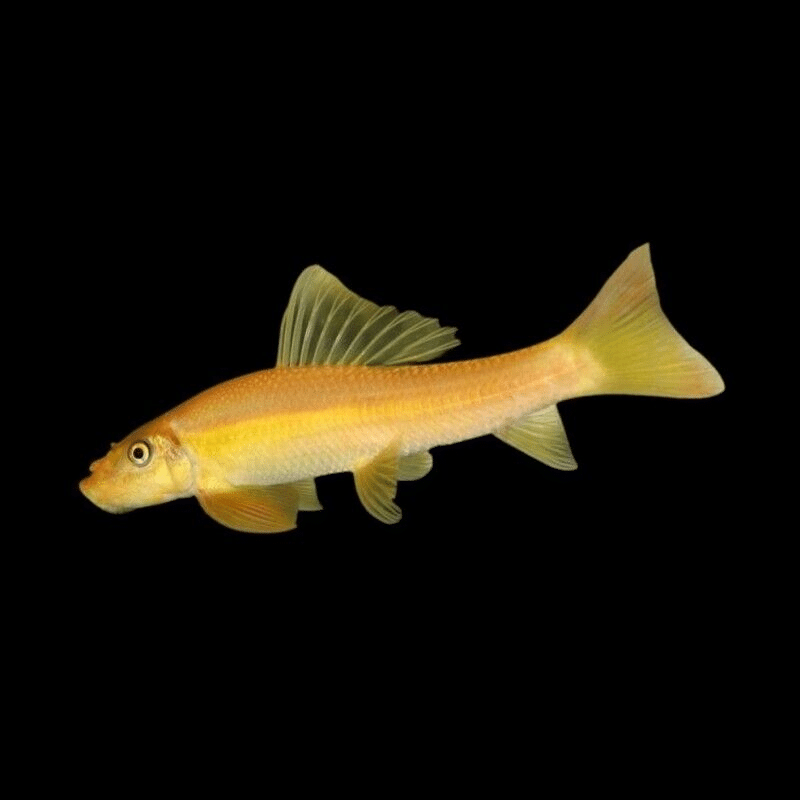
10 X Gold Chinese Algae Eater – Gyrinocheilus Aymonieri – Cyprinid Fish
Original price was: £44.99.£38.00Current price is: £38.00.
Welcome these beautiful 10 X Gold Chinese Algae Eaters, known scientifically as Gyrinocheilus Aymonieri. These elegant algae eaters are perfect for controlling algae growth in your aquarium while adding natural beauty. Ideal for peaceful community tanks and easy to care for.
In stock
Species Introduction
The Gold Chinese Algae Eater, scientifically known as Gyrinocheilus aymonieri, is a captivating freshwater fish hailing from the rivers and streams of Southeast Asia. This species is a member of the Cyprinid family and is renowned for its remarkable algae-eating capabilities. In the wild, these fish inhabit fast-flowing waters, where they thrive in rocky environments that provide both shelter and a rich source of algae. The Gold Chinese Algae Eater is particularly noted for its distinctive golden coloration, which adds a vibrant touch to any aquarium setup. These fish are not only beautiful but also play a crucial role in maintaining the health of your aquarium by controlling algae growth, making them an excellent choice for both novice and experienced aquarists.
Care Requirements Dashboard
Essential Care Guide for Your Gold Chinese Algae Eaters
| Optimal Living Conditions | |
|---|---|
| Water Temperature | 24-27°C (75-81°F) |
| pH Level | 6.5-7.5 |
| Water Hardness | 4-12 dKH |
| Minimum Tank Size | 80L (20 gal) |
| Salinity | Freshwater |
| Care Level | Beginner Friendly |
Natural Behavior & Temperament
Gold Chinese Algae Eaters are known for their active and inquisitive nature. They exhibit a peaceful temperament, making them suitable for community tanks with other non-aggressive fish. In their natural habitat, these fish are often seen grazing on algae-covered rocks and surfaces, showcasing their natural behavior. They are social creatures that thrive in groups, so it’s advisable to keep them in schools of at least three or more. However, as they mature, they can become territorial, especially males, which may lead to some squabbling. Providing ample hiding spots and territories within the aquarium can help mitigate any aggressive tendencies and promote a harmonious environment.
Tank Setup Guide
Creating an ideal environment for your Gold Chinese Algae Eaters involves replicating their natural habitat as closely as possible. Start with a spacious tank of at least 30 gallons to accommodate their active swimming habits. Use a sandy substrate or smooth gravel, as sharp edges can harm their delicate bodies. Incorporate plenty of natural decorations such as driftwood, rocks, and live plants, which not only enhance the aesthetic appeal of your aquarium but also provide hiding spots and grazing surfaces for algae. Additionally, ensure that the tank has a good filtration system to maintain water quality and simulate the flowing waters of their natural habitat. Regular water changes and monitoring of water parameters are essential to keep these fish healthy and thriving.
Water Quality Management
Maintaining optimal water quality is crucial for the health and well-being of your Gold Chinese Algae Eaters. The ideal pH range for these fish is between 6.5 and 7.5, with a temperature range of 72 to 78°F. Regularly testing the water parameters using reliable test kits is essential to ensure that these levels remain stable. Additionally, the hardness of the water should be maintained between 5 to 15 dGH. Frequent water changes of 25% every two weeks will help keep the water clean and free from harmful toxins. It is also important to monitor ammonia and nitrite levels, as these can be detrimental to the health of your fish. A well-maintained aquarium not only supports the health of your algae eaters but also contributes to the overall balance of your aquatic ecosystem.
Feeding & Nutrition
Gold Chinese Algae Eaters are primarily herbivorous and thrive on a diet rich in algae. However, to ensure their overall health and vitality, it is important to provide a varied diet. High-quality algae wafers, spirulina flakes, and blanched vegetables such as zucchini and cucumber are excellent choices. Feeding should occur once or twice a day, with only as much food as they can consume within a few minutes to prevent water quality issues. It is also beneficial to supplement their diet with protein-rich foods such as brine shrimp or bloodworms occasionally, especially during breeding periods. A balanced diet not only supports their growth but also enhances their coloration and overall well-being.
Compatibility Guide
When considering tank mates for your Gold Chinese Algae Eaters, it is important to choose species that share similar water requirements and temperament. Ideal companions include peaceful community fish such as tetras, rasboras, and danios. However, it is advisable to avoid aggressive or territorial species, as these can stress your algae eaters and lead to conflicts. Additionally, larger cichlids may see them as a threat or prey. To ensure a harmonious community, introduce new fish gradually and monitor interactions closely. Providing ample space and hiding spots will help reduce territorial disputes and create a balanced aquarium environment.
Health & Wellness
Maintaining the health of your Gold Chinese Algae Eaters involves regular monitoring and proactive care. Common health issues include ich, fin rot, and poor water quality-related diseases. Signs of illness may include lethargy, loss of appetite, or abnormal swimming patterns. Preventative measures include maintaining stable water parameters, providing a balanced diet, and ensuring that the tank is not overcrowded. Regularly observing your fish for any signs of distress or illness will enable you to address issues early on. In case of illness, quarantine affected fish and consult a veterinarian or aquatic specialist for appropriate treatment options.
Breeding Information
Breeding Gold Chinese Algae Eaters can be a rewarding experience, though it requires specific conditions to encourage spawning. These fish typically breed during the warmer months when water temperatures rise. To initiate breeding, it is advisable to provide a separate breeding tank with optimal conditions, including slightly higher temperatures and plenty of hiding spots. During the spawning process, males will display courtship behaviors, which include chasing and displaying their fins. After successful spawning, the female will lay eggs on flat surfaces, which should be removed to prevent predation. Fry care involves providing appropriate food, such as infusoria or finely crushed flakes, until they are large enough to eat regular food. With proper care, you can witness the fascinating growth of your new aquatic companions.
Acclimation Process
Acclimating your Gold Chinese Algae Eaters to their new environment is a critical step in ensuring their health and well-being. Upon bringing them home, it is essential to float the sealed bag in the aquarium for about 15-20 minutes to equalize the temperature. After this, gradually introduce small amounts of tank water into the bag over the course of an hour. This slow acclimation process helps the fish adjust to the water parameters of their new home. Once acclimated, gently release the fish into the tank, avoiding the introduction of bag water to prevent contamination. Proper acclimation reduces stress and helps your new aquatic friends thrive in their new environment.
Long-term Care
Long-term care of your Gold Chinese Algae Eaters involves regular maintenance and monitoring of their environment. These fish can live for several years with proper care, so establishing a routine is essential. Regular water changes, consistent feeding schedules, and monitoring of water quality will contribute to their longevity. Additionally, keeping an eye on their growth and behavior will help you identify any potential issues early on. As they grow, you may need to adjust tank size or introduce new tank mates to accommodate their needs. Providing a stable and enriching environment will ensure that your algae eaters remain healthy and vibrant.
Natural Habitat Recreation
Creating a biotope that mimics the natural habitat of Gold Chinese Algae Eaters can enhance their well-being and reduce stress. Incorporate elements such as smooth rocks, driftwood, and live plants that reflect their native environment. A well-planted aquarium not only provides hiding spots but also promotes natural grazing behavior as they feed on algae growing on surfaces. Additionally, consider using a gentle filtration system that mimics the flow of water in their natural habitat. By recreating their environment, you will encourage natural behaviors and contribute to their overall health and happiness.
Seasonal Care Adjustments
As seasons change, so do the needs of your Gold Chinese Algae Eaters. During warmer months, ensure that the water temperature remains within the ideal range, as higher temperatures can lead to stress and health issues. Additionally, consider adjusting the lighting schedule to mimic natural daylight cycles, which can influence their breeding behaviors. In colder months, monitor the water temperature closely and use heaters if necessary to maintain stability. Seasonal adjustments in feeding may also be beneficial, as fish metabolism can vary with temperature changes. By being attentive to these seasonal shifts, you can provide optimal care for your aquatic companions year-round.
Expert Tips
To ensure the best care for your Gold Chinese Algae Eaters, consider the following expert tips: First, always quarantine new fish before introducing them to your main tank to prevent the spread of disease. Second, regularly monitor water parameters and perform routine maintenance to keep the environment stable. Third, provide a varied diet to promote health and coloration. Lastly, observe your fish regularly for any signs of stress or illness, and take action promptly if any issues arise. By following these tips, you can create a thriving environment for your algae eaters and enjoy the beauty they bring to your aquarium.
Troubleshooting
If you encounter issues with your Gold Chinese Algae Eaters, it is important to address them promptly. Common problems include algae overgrowth, which can be managed by ensuring adequate water flow and introducing additional algae-eating species if necessary. If your fish exhibit signs of illness, such as lethargy or loss of appetite, check water quality parameters immediately, as poor water conditions are often the root cause. In cases of aggression, consider increasing the number of fish in the tank to distribute territorial behavior. By being proactive and observant, you can troubleshoot and resolve issues effectively, ensuring a healthy and harmonious aquarium.
Scientific Background
The Gold Chinese Algae Eater, Gyrinocheilus aymonieri, belongs to the family Cyprinidae and is part of a group of fish known for their algae-eating capabilities. This species has been the subject of various studies focusing on its ecological role in freshwater systems and its interactions with other aquatic organisms. Understanding the scientific background of your fish can enhance your appreciation for their natural behaviors and needs. Conservation efforts are also crucial for preserving their natural habitats, as pollution and habitat destruction pose significant threats to their populations in the wild. By supporting sustainable practices and responsible aquarium keeping, you can contribute to the well-being of these fascinating aquatic companions.
Advanced Care Techniques
For aquarists looking to take their care of Gold Chinese Algae Eaters to the next level, consider implementing advanced techniques such as breeding conditioning and specialized feeding regimens. Conditioning for breeding involves providing high-quality foods and optimizing water conditions to encourage spawning behaviors. Additionally, utilizing a variety of feeding techniques, such as target feeding or using feeding stations, can promote natural foraging behaviors and stimulate mental activity. Furthermore, maintaining a diverse ecosystem within the aquarium, including various algae species and live plants, will create a more enriching environment for your algae eaters. By employing these advanced care techniques, you can ensure the health and happiness of your aquatic friends.
Water Quality Parameters
Optimal Range
24-27°C
6.5-7.5
0 ppm
Caution Zone
22-24°C or 27-29°C
6.0-6.5 or 7.5-8.0
0.25-0.5 ppm
Danger Zone
<22°C or >29°C
<6.0 or >8.0
>0.5 ppm
Monitoring Tip: Test water parameters weekly and perform regular water changes to maintain optimal conditions for your aquatic friends!
Frequently Asked Questions
Q: What tank size is required for Gold Chinese Algae Eaters?
Gold Chinese Algae Eaters, or Gyrinocheilus Aymonieri, thrive in tanks with a minimum size of 75 litres. This size allows them ample space to swim and establish territories, which is crucial for their wellbeing. As they can grow up to 15 cm in length, it’s essential to provide sufficient room to prevent stress and territorial disputes. Additionally, if you plan to keep multiple algae eaters, consider increasing the tank size to accommodate their social behaviour and reduce competition for resources.
✓ Expert Tip
Ensure to include hiding spots and decorations to help reduce stress and provide security for your fish friends.
Q: What water parameters do Gold Chinese Algae Eaters require?
For optimal health, Gold Chinese Algae Eaters prefer water temperatures between 24°C to 28°C, with a pH level of 6.5 to 7.5 and hardness between 5 to 15 dGH. Maintaining these parameters is crucial, as fluctuations can lead to stress and health issues. Regular water testing is advisable to ensure stability, and performing partial water changes weekly can significantly enhance water quality, keeping your aquatic companions thriving.
✓ Expert Tip
Consider using a reliable water conditioner to neutralise harmful substances in tap water.
Q: How often should I feed Gold Chinese Algae Eaters?
Gold Chinese Algae Eaters are primarily herbivorous and should be fed once daily. A varied diet is essential for their health; incorporate high-quality algae wafers, spirulina flakes, and fresh vegetables like zucchini and spinach. Avoid overfeeding, as uneaten food can pollute the water, impacting overall tank health. If you notice your fish are not consuming their food, consider reducing the quantity to maintain water quality.
✓ Expert Tip
Introduce new food types gradually to prevent digestive issues.
Q: What are the best tank mates for Gold Chinese Algae Eaters?
Gold Chinese Algae Eaters are generally peaceful, making them suitable for community tanks. Ideal tank mates include tetras, rasboras, and other small to medium-sized fish that are not overly aggressive. However, avoid keeping them with very aggressive species or those that may nip at their fins. Ensure that the tank is spacious enough to accommodate multiple species while providing plenty of hiding spots to reduce potential conflicts.
✓ Expert Tip
Observe the behaviour of your fish friends regularly to ensure compatibility and reduce stress.
Q: How do I properly acclimatise Gold Chinese Algae Eaters to my aquarium?
Acclimatisation is vital for reducing stress in Gold Chinese Algae Eaters. Begin by floating the sealed bag in your aquarium for about 15-20 minutes to equalise the temperature. After that, gradually mix aquarium water into the bag every 5 minutes for about an hour, allowing your fish friends to adjust to the water chemistry. Finally, gently release them into the tank using a net, discarding the bag water to avoid introducing contaminants.
✓ Expert Tip
Monitor your fish closely for signs of stress after acclimatisation.
Q: What are the signs of healthy Gold Chinese Algae Eaters?
Healthy Gold Chinese Algae Eaters display vibrant colouration, are actively swimming, and exhibit normal feeding behaviour. Their fins should be extended and free of tears, while their bodies should be free from lesions or abnormal growths. Additionally, observe their behaviour; they should interact peacefully with other tank mates. Regular observation is key to spotting any early signs of illness or stress, allowing for prompt intervention.
✓ Expert Tip
Keep a close eye on their behaviour during feeding times for any changes.
Q: What temperature should I maintain for Gold Chinese Algae Eaters?
The ideal temperature range for Gold Chinese Algae Eaters is between 24°C to 28°C. Maintaining this temperature is crucial to ensure their metabolic processes function optimally. Sudden temperature fluctuations can lead to stress and health complications. Utilising a reliable aquarium heater and thermometer can help maintain a stable environment, ensuring your fish friends remain healthy and active.
✓ Expert Tip
Regularly check your aquarium’s temperature to avoid any sudden changes.
Q: How long do Gold Chinese Algae Eaters typically live in captivity?
In optimal conditions, Gold Chinese Algae Eaters can live for 10 to 15 years in captivity. Providing a stable environment with proper water quality, diet, and tank mates greatly contributes to their longevity. Regular maintenance and monitoring of their health will also support a long and fulfilling life for your aquatic companions.
✓ Expert Tip
Keep a detailed log of water parameters and fish health for better management.
Q: What type of substrate is most suitable for Gold Chinese Algae Eaters?
Gold Chinese Algae Eaters prefer a fine-gravel or sand substrate, as this mimics their natural habitat. A softer substrate allows them to forage without damaging their delicate bodies. Additionally, this substrate type aids in maintaining water quality by promoting beneficial bacteria growth. Avoid sharp or coarse substrates, as they can injure your fish friends.
✓ Expert Tip
Consider adding live plants to enhance the natural environment and provide additional hiding spots.
Q: What behavioural patterns should I expect from Gold Chinese Algae Eaters?
Gold Chinese Algae Eaters are generally active and inquisitive fish. They often spend their time foraging for algae and exploring their environment. As they mature, they may exhibit territorial behaviour, especially when competing for food resources. Observing their interactions with other fish can provide insight into their social dynamics, which is essential for maintaining a harmonious aquarium.
✓ Expert Tip
Provide plenty of hiding spots to reduce potential conflict among tank mates.
Q: How can I prevent common diseases in Gold Chinese Algae Eaters?
Preventing diseases in Gold Chinese Algae Eaters primarily involves maintaining excellent water quality and a stress-free environment. Regular water changes, proper filtration, and avoiding overstocking are crucial. Additionally, quarantining new fish before introducing them to your tank can prevent the spread of diseases. Observe your fish for any unusual behaviour or physical signs of illness, allowing for prompt treatment if necessary.
✓ Expert Tip
Maintain a balanced diet to bolster their immune system against diseases.
Q: What lighting conditions do Gold Chinese Algae Eaters prefer?
Gold Chinese Algae Eaters thrive in moderate lighting. Bright lights can cause stress, so providing shaded areas with plants or decorations is beneficial. This mimics their natural habitat where they often seek refuge from direct sunlight. Using adjustable LED lights can help create a suitable environment while allowing you to replicate natural day-night cycles for your fish friends.
✓ Expert Tip
Consider using a timer to maintain consistent lighting schedules.
Q: How do I recognise stress in Gold Chinese Algae Eaters?
Signs of stress in Gold Chinese Algae Eaters may include hiding excessively, reduced activity, abnormal swimming patterns, or loss of appetite. Changes in colouration may also occur, indicating discomfort. Monitoring their behaviour regularly allows for early detection of stressors, such as poor water quality or aggressive tank mates, enabling you to take necessary actions to restore a peaceful environment.
✓ Expert Tip
Provide plenty of enrichment to help reduce stress levels.
Q: What natural habitat conditions should I replicate for Gold Chinese Algae Eaters?
To replicate the natural habitat of Gold Chinese Algae Eaters, aim for a well-planted aquarium with plenty of hiding spots and gentle water flow. Their natural environment includes slow-moving rivers and streams with ample vegetation. Adding driftwood and rocks can provide additional surfaces for algae growth, which they thrive on. Maintaining stable water parameters and providing a varied diet will further ensure their health and happiness.
✓ Expert Tip
Consider creating a biotope that mimics their natural surroundings for optimal wellbeing.
1 review for 10 X Gold Chinese Algae Eater – Gyrinocheilus Aymonieri – Cyprinid Fish
Add a review
Related products


Emily Peterson (verified owner) –
I recently purchased 10 Gold Chinese Algae Eaters (Gyrinocheilus Aymonieri) for my 55-gallon community tank, and I couldn’t be happier with my decision! After just a couple of weeks, these little guys have made a significant difference in controlling algae growth. They are not only efficient but also full of personality, constantly swimming around and interacting with each other. I love that they are peaceful and cohabitate well with my other fish.
One of the standout features of these fish is their ability to adapt; they seem to thrive in various water conditions. I’ve noticed that they prefer a well-planted aquarium setup, which really enhances their colors. Compared to other algae eaters I’ve tried in the past, like the common plecos, these guys are much smaller and a perfect fit for my tank without overburdening the space.
While they do need a bit of algae to munch on, I supplement their diet with high-quality fish food to keep them happy and healthy. If you’re looking for reliable algae control and a lively addition to your aquarium, I highly recommend these algae eaters to both beginners and seasoned aquarists. Just be sure to give them plenty of hiding spots! I’m already planning to buy more for my other tanks!