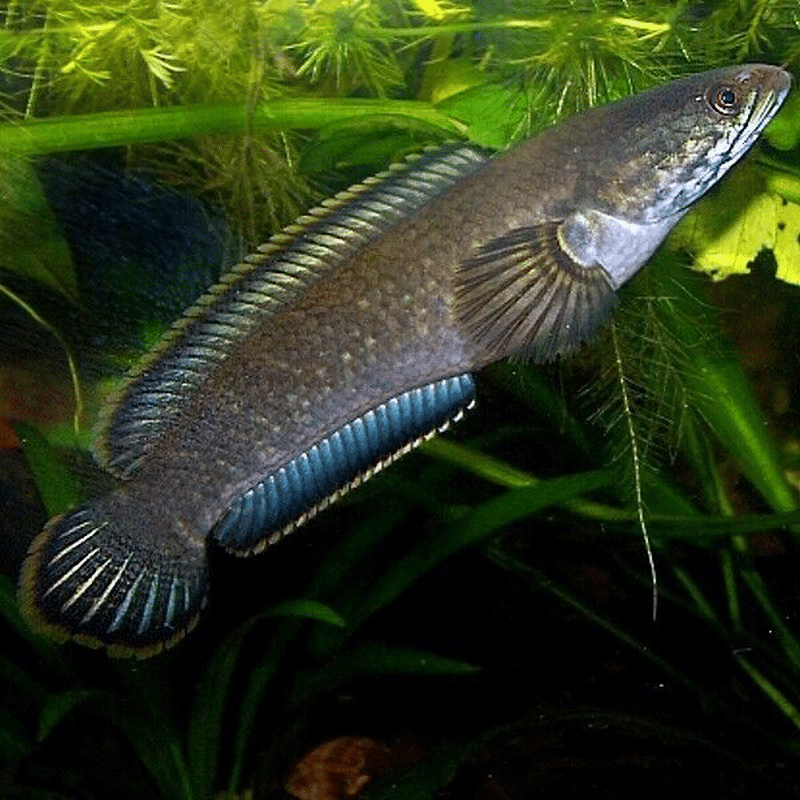
Dwarf Snakehead – Channa Gachua – Southern Asia
Original price was: £34.49.£29.00Current price is: £29.00.
Welcome the captivating Dwarf Snakehead (Channa Gachua) into your aquarium. This stunning freshwater fish from Southern Asia boasts beautiful coloration and graceful movements, making it a unique addition to your aquatic collection. Perfect for aquarists seeking an interesting fish species.
In stock

Species Introduction
The Dwarf Snakehead, scientifically known as Channa Gachua, is a captivating species native to the freshwater habitats of Southern Asia, particularly in countries such as India, Bangladesh, and Myanmar. This remarkable fish is known for its elongated body and striking coloration, which can vary from shades of green to brown with intricate patterns. The Dwarf Snakehead is not just another fish; it is a fascinating predator that thrives in slow-moving waters, swamps, and marshes, where it can easily camouflage among the lush vegetation. As a member of the Channa family, this species exhibits unique adaptations that allow it to breathe air, making it a resilient choice for aquarists who wish to create an engaging aquatic environment. Understanding the natural habitat of Channa Gachua is crucial for replicating its needs in a home aquarium, ensuring that these beautiful creatures thrive and flourish in your care.
Key Features – Dwarf Snakehead – Channa Gachua – Southern Asia
| Specification | Details |
|---|---|
| Benefits | Enhances your aquarium ecosystem |
| Quality | Premium aquarium-grade materials |
| Ease of Use | Simple setup and maintenance |
Care Requirements Dashboard
✓ Care Level: Moderate
Tank Size: Minimum 30 gallons
Water Temperature: 75°F to 82°F (24°C to 28°C)
pH Level: 6.0 to 7.5
Water Hardness: 5 to 15 dGH
The Dwarf Snakehead requires a well-maintained aquarium with specific water parameters to thrive. A minimum tank size of 30 gallons is recommended to provide ample swimming space and to establish a stable environment. Maintaining a water temperature between 75°F to 82°F is essential, as this range mimics their natural habitat. Regular monitoring of pH levels is also crucial, with a suitable range of 6.0 to 7.5, ensuring that the water remains conducive to their health. Additionally, the water hardness should be maintained between 5 to 15 dGH, providing the necessary minerals for optimal growth and well-being. These parameters are fundamental in creating a thriving environment for your Dwarf Snakehead, allowing them to exhibit their natural behaviors and thrive in your care.
Natural Behavior & Temperament
The Dwarf Snakehead is known for its fascinating natural behavior and temperament, which can be both intriguing and challenging for aquarists. In their natural habitat, these fish are ambush predators, often lurking among plants and debris, waiting for unsuspecting prey to pass by. This behavior translates into their aquarium life, where they may exhibit similar tendencies. They are generally territorial and can display aggression, especially towards other fish that invade their space. It is important to provide plenty of hiding spots and territories within the aquarium to reduce stress and potential conflicts. While they can be kept with certain tank mates, caution should be exercised to avoid aggressive interactions. Understanding their natural behavior is key to creating a harmonious environment, allowing these beautiful creatures to express their unique personalities while ensuring the safety of all aquatic companions in the tank.
Tank Setup Guide
Setting up an aquarium for the Dwarf Snakehead requires careful consideration of their natural habitat and behavioral needs. To create an ideal environment, begin with a minimum tank size of 30 gallons, as this provides ample space for swimming and exploring. The substrate should be soft and sandy, allowing the fish to burrow and feel secure. Incorporate plenty of hiding spots using driftwood, rocks, and aquatic plants, which not only enhance the aesthetic appeal of the aquarium but also provide essential shelter for the Dwarf Snakehead. Live plants such as Java Fern and Anubias can thrive in the tank, contributing to water quality and offering additional hiding places. Ensure that the tank is equipped with a reliable filtration system to maintain water quality, as Dwarf Snakeheads are sensitive to poor water conditions. Additionally, consider the lighting; a dimly lit environment with shaded areas will mimic their natural habitat, helping them feel more secure. By carefully designing the tank setup, you can create a thriving ecosystem that promotes the health and well-being of your Dwarf Snakehead.
Water Quality Management
Maintaining optimal water quality is paramount for the health of your Dwarf Snakehead. Regular testing of water parameters is essential to ensure that they remain within the recommended ranges. The pH level should be monitored closely, ideally kept between 6.0 to 7.5, as fluctuations can stress the fish and compromise their immune system. Temperature stability is also crucial; aim to keep the water within the 75°F to 82°F range, as sudden changes can lead to shock. Regular water changes of 25% every two weeks are recommended to keep nitrate levels low and improve overall water quality. Additionally, ensure the use of a high-quality filtration system that can handle the bioload of your tank. The Dwarf Snakehead can produce a significant amount of waste, so efficient filtration is necessary to maintain a clean environment. Lastly, consider using a water conditioner to remove harmful chemicals from tap water before adding it to the aquarium. By prioritizing water quality management, you can create a stable and healthy habitat for your Dwarf Snakehead to thrive.
Feeding & Nutrition
Feeding the Dwarf Snakehead is an essential aspect of their care, as proper nutrition directly impacts their health and vitality. In the wild, these fish are carnivorous predators, primarily feeding on smaller fish, insects, and crustaceans. In an aquarium setting, it is crucial to replicate this diet to ensure their well-being. A varied diet consisting of high-quality pellets, live or frozen foods such as bloodworms, brine shrimp, and small fish will provide the necessary nutrients for growth and energy. It is recommended to feed adult Dwarf Snakeheads once a day, offering only what they can consume within a few minutes to prevent overfeeding and maintain water quality. Juvenile Snakeheads may require more frequent feedings, up to two to three times a day, to support their rapid growth. Always monitor their feeding behavior, as a lack of interest in food can be an early sign of stress or health issues. By providing a balanced and nutritious diet, you will help your Dwarf Snakehead thrive and exhibit their natural behaviors.
Compatibility Guide
When considering tank mates for the Dwarf Snakehead, it is important to choose compatible species that can coexist peacefully. As a semi-aggressive predator, the Dwarf Snakehead may not be suitable for community tanks with smaller, more docile fish. Ideal tank mates include larger, robust species that can hold their own, such as certain cichlids or larger barbs. However, it is crucial to avoid keeping them with fish that are known to be fin nippers, as the Dwarf Snakehead’s long fins can become targets for aggression. Additionally, avoid housing them with other snakehead species, as they can be territorial and aggressive towards their own kind. Always monitor interactions closely, especially during the initial introduction phase, to ensure that all fish are comfortable and stress-free. By carefully selecting tank mates, you can create a harmonious environment that allows the Dwarf Snakehead to thrive alongside compatible aquatic companions.
Health & Wellness
Maintaining the health and wellness of your Dwarf Snakehead requires vigilance and proactive care. Common health issues that may affect this species include ich, fin rot, and stress-related conditions. Regular monitoring of water quality is essential, as poor conditions can lead to illness. Signs of distress may include lethargy, loss of appetite, or abnormal swimming behavior. If you notice any of these symptoms, it is important to act quickly; performing a partial water change and ensuring optimal water parameters can often alleviate minor issues. In cases of more serious health concerns, such as ich, treatment with appropriate medications may be necessary. Quarantine new fish before adding them to the main tank to prevent the introduction of diseases. Additionally, providing a stress-free environment with plenty of hiding spots and appropriate tank mates can significantly enhance the overall well-being of your Dwarf Snakehead. By prioritizing their health and wellness, you can ensure a long and vibrant life for these beautiful aquatic companions.
Breeding Information
Breeding the Dwarf Snakehead can be a rewarding experience for dedicated aquarists, although it requires specific conditions to encourage successful spawning. In the wild, these fish typically breed during the rainy season when water levels rise and vegetation is abundant. To replicate these conditions in an aquarium, maintain optimal water quality and temperature while providing plenty of hiding spots and plants for the fish to feel secure. The male Dwarf Snakehead will often establish a territory and attract a female by displaying vibrant colors and engaging in courtship behaviors. Once a pair has formed, the female will lay eggs, which the male will guard fiercely. After hatching, the fry will require careful attention, as they are vulnerable during their early stages of development. Providing infusoria or finely crushed flakes as food for the fry is essential for their growth. With patience and attention to detail, breeding Dwarf Snakeheads can be a fulfilling endeavor that contributes to the preservation of this unique species.
Acclimation Process
Acclimating your Dwarf Snakehead to its new aquarium is a critical step that should not be overlooked. Sudden changes in water temperature or chemistry can cause significant stress to the fish, potentially leading to health issues. Begin the acclimation process by floating the sealed bag containing the fish in the aquarium for about 15 to 20 minutes to equalize the temperature. After this, gradually introduce small amounts of aquarium water into the bag every 5 minutes, allowing the fish to adjust to the new water parameters. This process should take about an hour. Once acclimated, gently release the Dwarf Snakehead into the tank, avoiding the introduction of bag water that may contain harmful substances. Monitoring the fish closely for signs of stress or aggression during the first few days is essential. By taking the time to acclimate your Dwarf Snakehead properly, you can help ensure a smooth transition and promote a healthy start in its new home.
Long-term Care
Providing long-term care for your Dwarf Snakehead involves understanding its lifecycle and growth expectations. This species can live for several years, with proper care extending their lifespan significantly. Juvenile Dwarf Snakeheads grow rapidly and can reach sizes of up to 12 inches in length. As they mature, their care requirements may change, necessitating adjustments in tank size and environment. Regular monitoring of their health, water quality, and dietary needs is crucial to ensure they thrive throughout their life stages. Additionally, maintaining a stable environment with minimal stressors will contribute to a longer, healthier life for your Dwarf Snakehead. It is also important to stay informed about potential health issues and be proactive in addressing any concerns that may arise. By committing to long-term care and understanding the needs of your Dwarf Snakehead, you can enjoy a rewarding relationship with these extraordinary aquatic companions.
Natural Habitat Recreation
Recreating the natural habitat of the Dwarf Snakehead within your aquarium is essential for their well-being and comfort. In the wild, these fish inhabit slow-moving waters with abundant vegetation, providing both shelter and hunting grounds. To mimic this environment, incorporate a variety of live plants, driftwood, and rocks into your tank setup. Floating plants can create shaded areas, while tall plants along the back and sides of the tank offer hiding spots. Ensure that the substrate is soft and sandy, allowing the fish to burrow and explore. Additionally, maintaining a low to moderate water flow will help replicate their natural habitat, as Dwarf Snakeheads prefer calm waters. Regularly observe your fish to see how they interact with their environment, making adjustments as necessary to enhance their comfort and reduce stress. By creating a biotope that reflects their natural habitat, you can provide a nurturing space for your Dwarf Snakehead to thrive.
Seasonal Care Adjustments
Seasonal changes can impact the care requirements of your Dwarf Snakehead, necessitating adjustments to their environment and routine. During warmer months, it is essential to monitor water temperature closely, as rising temperatures can lead to stress. Ensure that the tank is equipped with a reliable heater and thermometer to maintain a stable environment. Additionally, consider adjusting the lighting to mimic natural day-night cycles, providing a consistent routine for your fish. In colder months, be vigilant about maintaining warmth, as sudden drops in temperature can be detrimental to their health. Regularly check water parameters and perform partial water changes to keep conditions optimal. Seasonal adjustments should also include monitoring feeding habits, as fish may exhibit changes in appetite with fluctuating temperatures. By being proactive and responsive to seasonal changes, you can ensure that your Dwarf Snakehead remains healthy and comfortable throughout the year.
Expert Tips
For aquarists looking to provide the best care for their Dwarf Snakehead, expert tips can enhance the experience and promote a thriving environment. First, always prioritize water quality by investing in a high-quality filtration system and regularly testing water parameters. This will help prevent health issues and ensure a stable habitat. Additionally, consider implementing a feeding schedule that mimics their natural hunting behavior, offering a variety of foods to keep them engaged and healthy. Creating a diverse and stimulating environment with plenty of hiding spots and territories will also reduce stress and encourage natural behaviors. Regularly observe your fish to understand their individual personalities and preferences, allowing you to tailor their care accordingly. Lastly, connect with other aquarists or online communities to share experiences and gain insights into best practices for caring for Dwarf Snakeheads. By following these expert tips, you can foster a rewarding relationship with your aquatic companions.
Troubleshooting
Troubleshooting common issues with your Dwarf Snakehead is an important aspect of responsible fish care. If you notice signs of stress, such as lethargy or abnormal swimming patterns, begin by assessing the water quality. Test for pH, ammonia, nitrite, and nitrate levels, as poor water conditions can lead to health problems. If water quality is satisfactory, consider evaluating their environment; ensure that there are adequate hiding places and that tank mates are compatible. Aggression from other fish can lead to stress, so be prepared to separate them if necessary. Additionally, if your Dwarf Snakehead is refusing to eat, check their diet for variety and quality, as a lack of interest in food can indicate underlying health issues. If problems persist, consult with an aquatic veterinarian or experienced aquarist for guidance. By being proactive in troubleshooting, you can address potential issues before they escalate, ensuring a healthy and thriving Dwarf Snakehead.
Scientific Background
The Dwarf Snakehead, or Channa Gachua, belongs to the family Channidae, which is known for its diverse and fascinating species. This family includes various snakehead species, each with unique adaptations and characteristics. Channa Gachua is particularly notable for its ability to breathe air, a trait that allows it to thrive in oxygen-poor environments. This adaptation is crucial for survival in their natural habitats, where water levels may fluctuate significantly. The scientific classification of the Dwarf Snakehead places it in the order Perciformes, which includes many other popular freshwater fish species. Understanding the scientific background of your Dwarf Snakehead can deepen your appreciation for these remarkable creatures and enhance your care practices. By recognizing their evolutionary adaptations and behaviors, you can provide a more enriching environment that caters to their natural instincts.
Advanced Care Techniques
For experienced aquarists looking to elevate their care for the Dwarf Snakehead, advanced techniques can enhance the overall experience. One effective method is to implement a breeding setup that mimics their natural conditions, increasing the likelihood of successful spawning. This can involve adjusting water parameters, providing ample vegetation, and creating a designated breeding area within the tank. Additionally, consider utilizing a sophisticated filtration system that not only maintains water quality but also promotes beneficial bacteria growth, which is essential for a healthy aquarium ecosystem. Experimenting with different feeding techniques, such as target feeding or using feeding rings, can also promote natural hunting behaviors and keep your Dwarf Snakehead engaged. Lastly, maintaining a detailed log of water parameters, feeding schedules, and behavioral observations can help you identify patterns and make informed adjustments to their care. By employing these advanced techniques, you can foster a thriving environment for your Dwarf Snakehead and enjoy a rewarding aquarist experience.
Frequently Asked Questions
Q: What tank size is required for Dwarf Snakehead?
Dwarf Snakeheads, or Channa gachua, thrive in aquariums of at least 75 litres (20 gallons). They require ample space to swim and explore their environment. A larger tank is preferable, as it allows for stable water parameters and reduces stress. Ensure the tank is well-filtered, as these fish can be sensitive to poor water quality. Additionally, providing hiding spots with rocks and plants will mimic their natural habitat, promoting their well-being. As they can grow up to 25 cm (10 inches), it is essential to plan for their adult size when selecting your aquarium.
✓ Expert Tip
Consider using a tank with a secure lid, as these fish are known to be jumpers.
Q: What water parameters do Dwarf Snakeheads require?
Dwarf Snakeheads prefer slightly acidic to neutral water with a pH range of 6.0 to 7.5. The temperature should be maintained between 24°C and 28°C (75°F to 82°F). Regular water changes, around 25% weekly, are crucial to keep ammonia and nitrate levels low. Use a reliable water testing kit to monitor these parameters and ensure the health of your fish. They thrive in soft to moderately hard water, ideally with a hardness of 5-15 dGH. Maintaining stable conditions will greatly enhance their quality of life.
✓ Expert Tip
Consider using a sponge filter to provide gentle water flow and maintain water quality.
Q: How often should I feed Dwarf Snakeheads?
Dwarf Snakeheads should be fed once or twice daily, with portions they can consume within a few minutes. Their diet should consist of high-quality pellets, frozen or live foods such as bloodworms, brine shrimp, and small fish. It is essential to vary their diet to ensure they receive all necessary nutrients for optimal growth and health. Overfeeding can lead to water quality issues, so monitoring feeding times and quantities is crucial. Additionally, observe their behaviour during feeding; if they are not eating, it may indicate stress or health issues.
✓ Expert Tip
Try to feed at the same time each day to establish a routine, which can help reduce stress.
Q: What are the best tank mates for Dwarf Snakeheads?
Dwarf Snakeheads can be territorial, especially during breeding. Suitable tank mates include larger, peaceful fish that can withstand their assertive behaviour. Avoid small fish that may be seen as prey. Good companions include larger tetras, barbs, and some species of catfish. It is essential to monitor interactions closely, as individual personalities can vary. Providing ample space and hiding spots will help reduce aggression and allow all fish to thrive. Remember that compatibility can vary, so introducing new fish gradually is advisable.
✓ Expert Tip
Introduce tank mates when the Dwarf Snakehead is still young to promote peaceful cohabitation.
Q: How do I properly acclimatise a Dwarf Snakehead to my aquarium?
Acclimatising your Dwarf Snakehead is crucial to reduce stress and ensure a smooth transition. Begin by floating the sealed bag in the aquarium for about 15-20 minutes to equalise the temperature. After this, gradually introduce aquarium water into the bag over the next 30-60 minutes, using a drip method if possible. This process allows the fish to adjust to the water parameters slowly. Once acclimatised, gently release the fish into the tank without adding bag water. This method helps avoid introducing potential contaminants from the store’s water.
✓ Expert Tip
Always monitor your fish for signs of stress or illness during and after acclimatisation.
Q: What are the signs of a healthy Dwarf Snakehead?
Healthy Dwarf Snakeheads exhibit vibrant colours, clear eyes, and active behaviour. Their fins should be intact, and they should swim confidently without signs of distress. Look for even breathing patterns and an appetite for food. If they are hiding excessively or displaying unusual swimming patterns, it may indicate stress or health issues. Regular observation of their behaviour and appearance will help you identify any potential problems early on, allowing for timely intervention and care.
✓ Expert Tip
Keep a journal of your fish’s behaviour and health to track any changes over time.
Q: How do I successfully breed Dwarf Snakeheads?
Breeding Dwarf Snakeheads can be a rewarding experience. To encourage breeding, provide a suitable environment with plenty of hiding spots and a spawning site, such as flat stones or dense vegetation. Maintain water temperatures around 26°C to 28°C (79°F to 82°F) and ensure excellent water quality. When ready to spawn, the male will display courtship behaviour, chasing the female. After spawning, the male will guard the eggs until they hatch. Once the fry are free-swimming, they should be fed infusoria or finely crushed flakes until they can consume larger food items.
✓ Expert Tip
Ensure to provide a separate breeding tank if you wish to raise the fry successfully.
Q: What temperature should I maintain for Dwarf Snakeheads?
The ideal temperature range for Dwarf Snakeheads is between 24°C and 28°C (75°F to 82°F). Maintaining a stable temperature within this range is crucial, as fluctuations can cause stress and compromise their immune system. Using a reliable aquarium heater with a thermostat can help achieve and maintain the desired temperature. Regularly check the temperature using an accurate thermometer to ensure it remains consistent. If you notice any significant changes, take immediate action to rectify the situation to promote a healthy environment for your fish.
✓ Expert Tip
Consider adding a thermometer with a digital display for ease of monitoring.
Q: How long do Dwarf Snakeheads typically live in captivity?
Dwarf Snakeheads can live for 5 to 10 years in captivity, provided they are cared for in optimal conditions. Their lifespan can be influenced by factors such as water quality, diet, and tank mates. Ensuring a clean and stable environment, along with a varied diet rich in nutrients, will contribute to their longevity. Regular health checks and prompt treatment of any illness can also enhance their life expectancy. As with all fish, a well-maintained aquarium is key to a happy and healthy Dwarf Snakehead.
✓ Expert Tip
Keep a detailed record of their care to help identify any changes in health or behaviour over time.
Q: What type of substrate is most suitable for Dwarf Snakeheads?
Dwarf Snakeheads thrive best in aquariums with a soft substrate, such as sand or fine gravel. This type of substrate allows them to dig and forage, mimicking their natural behaviour and environment. A sandy substrate is particularly beneficial as it can prevent injury to their delicate barbels. Additionally, providing a mixture of substrate types can create a more dynamic environment, offering hiding spots and stimulating natural behaviours. Regardless of the substrate chosen, regular cleaning is essential to maintain water quality and prevent the accumulation of waste.
✓ Expert Tip
Consider using a substrate vacuum during water changes to keep the substrate clean.
Q: What behavioural patterns should I expect from Dwarf Snakeheads?
Dwarf Snakeheads are known for their curious and active behaviour. They tend to explore their environment, showing interest in any changes within their habitat. These fish are also territorial, particularly during breeding, and may display aggression towards other fish. However, they can be social with their tank mates if provided with enough space and hiding spots. Observing their behaviour can help you understand their needs and ensure they are comfortable in their surroundings. Regular interaction and enrichment can also promote a healthy, stimulating environment.
✓ Expert Tip
Incorporate decorations and plants that allow them to hide and explore, enhancing their natural behaviours.
Q: How can I prevent common diseases in Dwarf Snakeheads?
Preventing diseases in Dwarf Snakeheads primarily involves maintaining optimal water quality and a stable environment. Regular water changes, proper filtration, and monitoring of water parameters are essential. Quarantine new fish before introducing them to the main tank to prevent the spread of diseases. Additionally, providing a balanced diet rich in nutrients will strengthen their immune system. Observe your fish regularly for any signs of illness, such as changes in behaviour, appetite, or physical appearance, and address any issues promptly.
✓ Expert Tip
Consider adding aquarium salt to the water in moderation to boost overall health and reduce stress.
Q: What lighting conditions do Dwarf Snakeheads prefer?
Dwarf Snakeheads prefer subdued lighting that mimics their natural habitat. Bright lights can cause stress, so consider using a combination of ambient and low-level lighting. Providing shaded areas with plants or decorations will help them feel secure. A light cycle of around 10-12 hours daily will simulate natural conditions and promote a healthy environment. Ensure to monitor your fish during lighting changes to observe their behaviour and adjust accordingly to ensure their comfort and well-being.
✓ Expert Tip
Consider using a timer for your aquarium lights to maintain a consistent light schedule.
Q: How do I recognise stress in Dwarf Snakeheads?
Recognising stress in Dwarf Snakeheads involves observing their behaviour and physical appearance. Signs of stress may include hiding excessively, rapid gill movement, or erratic swimming patterns. Additionally, colour fading or clamped fins can indicate discomfort. It is essential to assess their environment and ensure water quality, temperature, and tank mates are appropriate. Addressing any issues promptly can help alleviate stress and promote a healthier environment for your fish.
✓ Expert Tip
Create a calm environment with places to hide to help reduce stress levels.
Q: What natural habitat conditions should I replicate for Dwarf Snakeheads?
In their natural habitat, Dwarf Snakeheads inhabit shallow waters with plenty of vegetation, such as swamps and marshes in Southern Asia. To replicate these conditions, provide a well-planted aquarium with hiding spots using rocks and driftwood. Maintain slightly acidic to neutral water conditions, with a temperature range of 24°C to 28°C (75°F to 82°F). Additionally, ensuring a slow water flow will mimic their natural environment and reduce stress. Regular maintenance and monitoring will help maintain these conditions, promoting the health and happiness of your Dwarf Snakeheads.
✓ Expert Tip
Incorporate floating plants to provide shade and cover, creating a more natural environment.
1 review for Dwarf Snakehead – Channa Gachua – Southern Asia
Add a review
Related products





Emily Carter (verified owner) –
I recently added a Dwarf Snakehead (Channa Gachua) to my freshwater fish tank, and I couldn’t be more thrilled! After about two months of having him, I can confidently say that this little guy is a showstopper. He’s not only stunning with his vibrant colors, but his curious personality truly brings my aquatic collection to life. I love how active he is, darting around the tank and interacting with his surroundings, making him a joy to watch.
Compared to other fish I’ve kept, the Dwarf Snakehead has a much more engaging demeanor. I’ve previously kept cichlids, which were beautiful but often aggressive; my Snakehead has been surprisingly gentle, especially with my other tank mates. My only minor concern has been ensuring he’s got enough hiding spots, as he does appreciate a good retreat now and then. I added some driftwood and plants, and he’s taken to them well!
If you’re considering adding a unique twist to your fish tank, I highly recommend the Dwarf Snakehead. It’s ideal for intermediate aquarists looking to expand their collection. Just remember, they do require a bit of extra care, particularly regarding water quality and space. Overall, I’m absolutely loving this fish and would definitely buy another!