
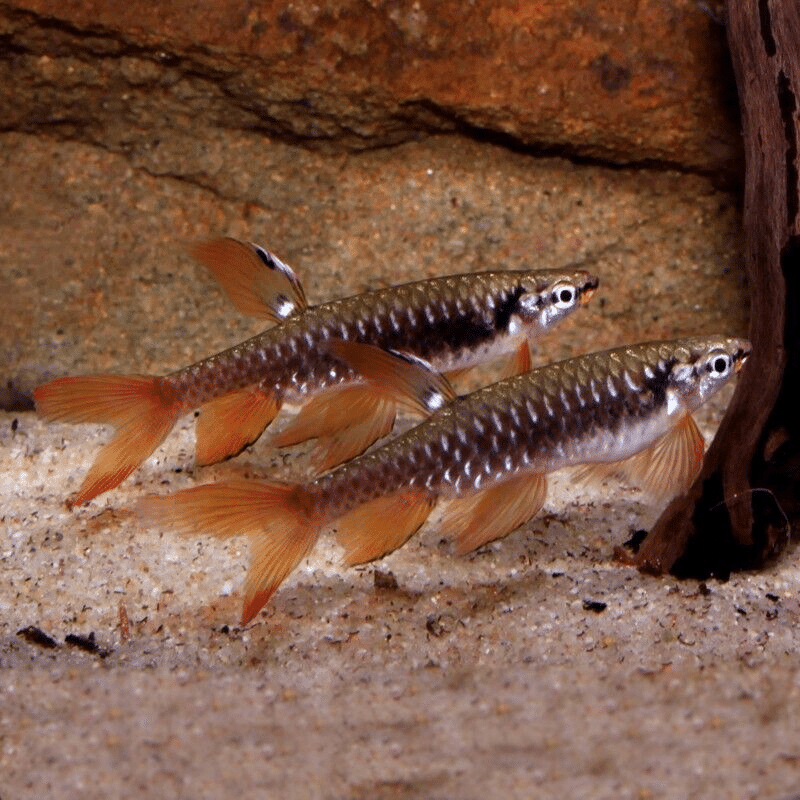
Splash Tetra – Copella Arnoldi – Spraying Characin – South American Tetra

Original price was: £9.49.£7.74Current price is: £7.74.
Welcome these beautiful Splash Tetras, also known as Copella Arnoldi, into your aquarium. Their vibrant colors and unique spraying behavior make them stunning additions to any community tank. Perfect for aquarists seeking peaceful companions, they thrive with proper care and aquarium plants.
In stock


Species Introduction
The Splash Tetra, scientifically known as Copella Arnoldi, is a captivating member of the Characidae family, originating from the lush freshwater rivers and streams of South America. This enchanting fish is often found in the slow-moving waters of the Amazon Basin, where it thrives among dense vegetation and submerged roots. The Splash Tetra is distinguished by its vibrant colors and lively behavior, making it a popular choice for aquarists looking to add a touch of brilliance to their community tanks. With a maximum length of about 4 cm, these small, schooling fish are best welcomed in groups, which not only enhances their natural beauty but also promotes their well-being. Their peaceful temperament and compatibility with a variety of tank mates make them an excellent choice for both novice and experienced aquarists alike.
Essential Care Guide for Your Splash Tetra – Copella Arnoldi – Spraying Characin – South American Tetra
| Optimal Living Conditions | |
|---|---|
| Water Temperature | 24-27°C (75-81°F) |
| pH Level | 6.5-7.5 |
| Water Hardness | 4-12 dKH |
| Minimum Tank Size | 80L (20 gal) |
| Salinity | Freshwater |
| Care Level | Beginner Friendly |
Tank Mate Compatibility Guide
Great Tank Mates
- Other peaceful community fish
- Corydoras catfish
- Small tetras
- Peaceful dwarf shrimp
Avoid These Tank Mates
- Aggressive cichlids
- Large predatory fish
- Fin nippers
Compatibility Note: Always research specific species requirements and observe fish behavior when introducing new tank mates. Individual fish personalities can vary!
Natural Behavior & Temperament
The Splash Tetra is known for its vibrant and lively behavior, often seen darting through the water in small schools. These fish exhibit a natural schooling instinct, which provides them with a sense of security and enhances their social interactions. In a well-maintained aquarium, they will display their characteristic shimmering colors and playful antics, making them a delightful addition to any aquatic environment. Their peaceful nature allows them to coexist harmoniously with other community tank fish, provided that tank mates are similarly non-aggressive. Observing the Splash Tetra’s natural behavior can be a rewarding experience, as they engage in playful chases and explore their surroundings, showcasing their inquisitive and active personalities.
Tank Setup Guide
Creating an ideal environment for your Splash Tetras involves replicating their natural habitat as closely as possible. A well-planted aquarium with plenty of hiding spots is essential for these fish, as they thrive in environments that mimic the dense vegetation of their native waters. Use a soft substrate, such as fine gravel or sand, to create a comfortable bottom for them to explore. Incorporating live plants like Java Fern, Anubias, and Amazon Swords not only enhances the aesthetic appeal of the tank but also provides shelter and foraging opportunities for your fish friends. Additionally, consider adding driftwood and rocks to create natural hiding places, which will help reduce stress and encourage natural behaviors. Proper filtration and water circulation are important to maintain water quality, but be sure to avoid strong currents that could disturb the peaceful swimming patterns of your Splash Tetras.
Water Quality Management
Maintaining optimal water quality is crucial for the health and well-being of your Splash Tetras. Regular testing of water parameters, including pH, temperature, and hardness, will help ensure a stable environment. The ideal pH range for Splash Tetras is between 6.0 and 7.5, with a temperature range of 22°C to 28°C (72°F to 82°F). It’s important to perform regular water changes, ideally 10-15% weekly, to remove toxins and replenish essential minerals. Additionally, a reliable filtration system will help keep the water clean and well-oxygenated. Be cautious of ammonia and nitrite levels, as these can be harmful to your fish friends. Utilizing a water conditioner during water changes can also help neutralize harmful chemicals and improve overall water quality.
Feeding & Nutrition
Important feeding note
Splash Tetras are omnivorous and thrive on a varied diet that includes high-quality flake foods, micro-pellets, and occasional live or frozen foods such as brine shrimp and daphnia. Feeding should occur 2-3 times a day, with only as much food as they can consume in a few minutes. This helps prevent overfeeding and maintains water quality. It’s essential to provide a balanced diet to promote vibrant colors and overall health. Consider incorporating spirulina and vegetable-based foods to enhance their nutritional intake. Always monitor their feeding habits and adjust portions as needed to ensure they are receiving adequate nutrition without excess waste in the tank.
Health & Wellness
Maintaining the health and wellness of your Splash Tetras involves regular monitoring and preventive care. Common health issues include ich, fin rot, and swim bladder disease, which can arise from poor water quality or stress. Signs of illness may include lethargy, loss of appetite, or abnormal swimming patterns. To prevent these issues, ensure consistent water quality, provide a balanced diet, and avoid overcrowding in the tank. Quarantine new arrivals before introducing them to the main tank to prevent the spread of diseases. If any health concerns arise, prompt treatment is essential. Consult with a knowledgeable aquarist or veterinarian for advice on appropriate medications and treatment protocols.
Breeding Information
Breeding Splash Tetras can be a rewarding experience for dedicated aquarists. To encourage spawning, provide a separate breeding tank with soft, acidic water and plenty of fine-leaved plants for the eggs to adhere to. The ideal conditions for breeding include a temperature of around 26°C (79°F) and a pH of 6.0 to 6.5. The male Splash Tetra will display vibrant colors and engage in courtship rituals to attract females. After successful spawning, remove the adults from the breeding tank, as they may eat the eggs. The eggs typically hatch within 24-36 hours, and the fry will become free-swimming after a few days. Infusoria or finely crushed flakes can be offered as food for the fry until they are large enough to accept larger food particles.
Acclimation Process
When introducing your Splash Tetras to a new aquarium, proper acclimation is essential to minimize stress and ensure a smooth transition. Begin by floating the sealed bag containing the fish in the aquarium for about 15-20 minutes to equalize the temperature. After this, gradually mix small amounts of tank water into the bag over the course of an hour to help the fish adjust to the new water parameters. Finally, gently release the fish into the aquarium using a net to avoid adding any transport water that may contain harmful substances. Monitor their behavior closely for the first few days to ensure they are adapting well to their new environment.
Long-term Care
Caring for Splash Tetras over the long term involves creating a stable and nurturing environment. These fish can live for several years with proper care, so it’s important to maintain consistent water quality and provide a balanced diet throughout their lifespan. Regular tank maintenance, including water changes and substrate vacuuming, will help prevent the buildup of harmful toxins. Additionally, keeping an eye on their social dynamics and ensuring they are housed with compatible tank mates will promote a peaceful community. As they grow, monitor their health and adjust their diet as needed to support their nutritional needs. With attentive care, your Splash Tetras will thrive and bring joy to your aquarium for years to come.
Natural Habitat Recreation
To create a biotope that closely resembles the natural habitat of Splash Tetras, focus on replicating the conditions found in their native Amazon Basin. This includes using dark substrates, such as fine gravel or sand, to mimic the riverbed. Incorporate a variety of live plants, including floating plants that provide shade and cover, as well as rooted plants that offer hiding spots. Driftwood and rocks can be strategically placed to create a natural landscape, enhancing both aesthetics and functionality. Maintaining a slightly acidic pH and warm water temperature will further support the health of your Splash Tetras, allowing them to thrive in an environment that reflects their origins.
Seasonal Care Adjustments
As seasons change, so too can the needs of your Splash Tetras. During warmer months, ensure that the water temperature does not exceed 28°C (82°F) by monitoring the tank’s heat and using fans or chillers if necessary. Conversely, during colder months, maintain a stable temperature within the ideal range by using heaters. Additionally, consider adjusting the lighting duration to mimic natural day and night cycles, which can positively influence their behavior and breeding readiness. Regularly check water parameters to ensure they remain stable throughout the year, and be prepared to make adjustments as needed to maintain a healthy environment for your fish friends.
Expert Tips
Professional advice
To ensure the best care for your Splash Tetras, consider implementing the following expert tips: regularly test water parameters to catch any fluctuations early, provide a varied diet to enhance their color and health, and maintain a well-planted tank to reduce stress and promote natural behaviors. Additionally, observe their interactions with other fish to ensure a harmonious community, and be proactive in addressing any signs of illness or stress. By following these guidelines, you can create an optimal environment for your aquatic companions.
Troubleshooting
If you encounter issues with your Splash Tetras, such as unexplained deaths or signs of illness, it’s important to take a systematic approach to troubleshooting. Start by checking water parameters to ensure they are within the ideal ranges. Look for signs of stress in your fish, such as hiding, lethargy, or changes in appetite. If aggression is observed, consider rearranging the tank or adding more hiding spots to alleviate tension. For health concerns, consult with a knowledgeable aquarist or veterinarian for appropriate treatment options. Keeping a detailed log of water tests and fish behavior can also help identify patterns and potential issues before they escalate.
Scientific Background
The Splash Tetra belongs to the Characidae family, which encompasses a diverse group of freshwater fish native to South America. Their scientific classification is as follows: Kingdom Animalia, Phylum Chordata, Class Actinopterygii, Order Characiformes, Family Characidae, Genus Paracheirodon, and Species innesi. This family is known for its vibrant colors and small size, making them popular among aquarists. Conservation efforts are essential to protect their natural habitats, as pollution and habitat destruction pose significant threats to their populations in the wild. By keeping Splash Tetras in a home aquarium, aquarists can contribute to their conservation by promoting awareness and responsible fishkeeping practices.
Advanced Care Techniques
For those looking to deepen their understanding of Splash Tetra care, consider exploring advanced techniques such as breeding setups and biotope aquariums. Creating a breeding environment that mimics their natural spawning conditions can significantly increase the chances of successful reproduction. Additionally, experimenting with different plant species and aquascaping styles can enhance the aesthetic appeal of your aquarium while providing optimal hiding spots and foraging opportunities for your fish friends. Regularly participating in aquarist forums and communities can also provide valuable insights and tips from experienced hobbyists, helping you refine your skills and knowledge in fishkeeping.
Water Quality Parameters
Optimal Range
24-27°C
6.5-7.5
0 ppm
Caution Zone
22-24°C or 27-29°C
6.0-6.5 or 7.5-8.0
0.25-0.5 ppm
Danger Zone
<22°C or >29°C
<6.0 or >8.0
>0.5 ppm
Monitoring Tip: Test water parameters weekly and perform regular water changes to maintain optimal conditions for your aquatic friends!
Frequently Asked Questions
Q: What tank size is required for the Splash Tetra?
The Splash Tetra, or Copella Arnoldi, thrives best in a tank that holds at least 60 litres. This size allows for adequate swimming space and helps maintain stable water parameters. It is advisable to create a well-planted environment with plenty of hiding spots, as these fish enjoy exploring and feel secure amongst vegetation. A larger tank can also accommodate a small school of these fish, which is essential for their social behaviour, as they are naturally found in groups in the wild. Providing ample space can significantly enhance their overall well-being and reduce stress.
✓ Expert Tip
Consider using a tank divider if you wish to introduce new fish gradually, ensuring a smooth acclimatisation process.
Q: What water parameters do Splash Tetras require?
Splash Tetras prefer slightly acidic to neutral water, with a pH range of 6.0 to 7.5. The water hardness should ideally be between 5 to 15 dGH, and maintaining a temperature between 24°C to 28°C is crucial for their health and vitality. Regular water changes, ideally 10-15% weekly, will help keep the water quality high and remove any accumulated toxins. Additionally, using a quality water conditioner can assist in stabilising these parameters, providing a healthier environment for your fish friends.
✓ Expert Tip
Invest in a reliable water testing kit to monitor pH, ammonia, nitrites, and nitrates regularly.
Q: How often should I feed Splash Tetras?
Feeding Splash Tetras should occur 2-3 times daily with small portions that they can consume within a few minutes. It is recommended to provide a varied diet, including high-quality flake food, live or frozen foods such as brine shrimp and daphnia, which help enhance their colouration and health. Overfeeding can lead to water quality issues, so it is best to monitor their feeding habits and adjust accordingly. A balanced diet is key to maintaining their energy levels and overall well-being.
✓ Expert Tip
Consider using a feeding ring to prevent food from floating away and ensure all fish can access it.
Q: What are the best tank mates for Splash Tetras?
Splash Tetras are generally peaceful and can coexist with various community fish. Ideal tank mates include small to medium-sized species such as guppies, rasboras, and other tetras. However, it is crucial to avoid aggressive or larger fish that may view them as prey. Creating a diverse community will enhance their natural behaviour and reduce stress levels. Always introduce new fish gradually and monitor interactions, ensuring a harmonious environment within the aquarium.
✓ Expert Tip
Grouping Splash Tetras in schools of at least five will encourage their natural schooling behaviour and make them feel more secure.
Q: How do I properly acclimatise Splash Tetras to my aquarium?
Acclimatising your Splash Tetras is essential to prevent shock. Begin by floating the sealed bag in the aquarium for about 15-20 minutes, allowing the temperature to equalise. After that, gradually introduce small amounts of aquarium water into the bag every 5-10 minutes for an hour. This process helps the fish adjust to the water parameters in your tank. Finally, gently release the fish into the aquarium using a net to avoid adding bag water, which may contain harmful substances.
✓ Expert Tip
Monitor their behaviour closely after acclimatisation, as some fish may take time to settle in.
Q: What are the signs of healthy Splash Tetras?
Healthy Splash Tetras exhibit vibrant colours, active swimming patterns, and a curious nature. Their fins should be extended, and they should not display any signs of lethargy or abnormal swimming behaviour. Additionally, observe for clear eyes and a healthy appetite. Any changes in behaviour, such as hiding excessively or not eating, can indicate stress or illness. Regular monitoring of their condition will help you ensure they remain in optimal health.
✓ Expert Tip
Keep a journal of your fish’s health and behaviour to spot any trends or changes over time.
Q: How do I successfully breed Splash Tetras?
Breeding Splash Tetras can be a rewarding experience. To encourage breeding, provide a separate breeding tank with soft, slightly acidic water and plenty of fine-leaved plants for egg laying. Introduce a healthy pair of mature fish, ideally in a 20-litre tank. Ensure the water temperature is around 26-28°C, and maintain dim lighting to simulate their natural environment. After spawning, remove the parents to prevent them from eating the eggs, which typically hatch within 24-36 hours. Feed the fry with infusoria or finely crushed flakes until they are large enough for regular food.
✓ Expert Tip
Maintain a consistent water quality and temperature to ensure the best breeding conditions.
Q: What natural habitat conditions should I replicate for Splash Tetras?
To create a suitable environment for Splash Tetras, mimic their natural habitat found in slow-moving rivers and streams in South America. Incorporate plenty of plants, floating vegetation, and driftwood to provide cover and comfort. Aim for dim lighting to replicate the dappled sunlight they experience in the wild. Regularly maintain the water conditions by ensuring it is soft and slightly acidic. Such an environment not only promotes their natural behaviour but also enhances their overall health and vitality.
✓ Expert Tip
Using a substrate that mimics their natural riverbed, such as fine gravel or sand, can further enhance their habitat.
1 review for Splash Tetra – Copella Arnoldi – Spraying Characin – South American Tetra
Add a review
Related products




Emily Carter (verified owner) –
I recently added a group of Splash Tetras (Copella Arnoldi) to my 20-gallon community tank, and I couldn’t be happier! These vibrant little freshwater fish have been swimming around joyfully for the last month, and their unique spraying behavior truly adds a delightful dynamic to my aquarium. Watching them leap out of the water to spray the surface is something special—it’s like they have their own little dance! Compared to my previous experience with Neon Tetras, the Splash Tetras are more active and add a curious energy to the tank.
I do have to mention that they thrive best in a well-planted setup with plenty of hiding spots—so keep that in mind when planning your aquascape. Their colors pop beautifully against the greenery, and I love how they interact with my other fish, bringing a lively spirit to the entire community. I recommend these for anyone looking to enhance their aquarium experience, especially if you already enjoy keeping freshwater fish. Just ensure you provide them with plenty of space and plants to feel at home. A fantastic addition to any tank, and I will definitely be purchasing more!
One minor note: they can be a bit shy at first, so patience is key. Overall, this species has stolen my heart, and I can’t wait to watch them thrive even more!