
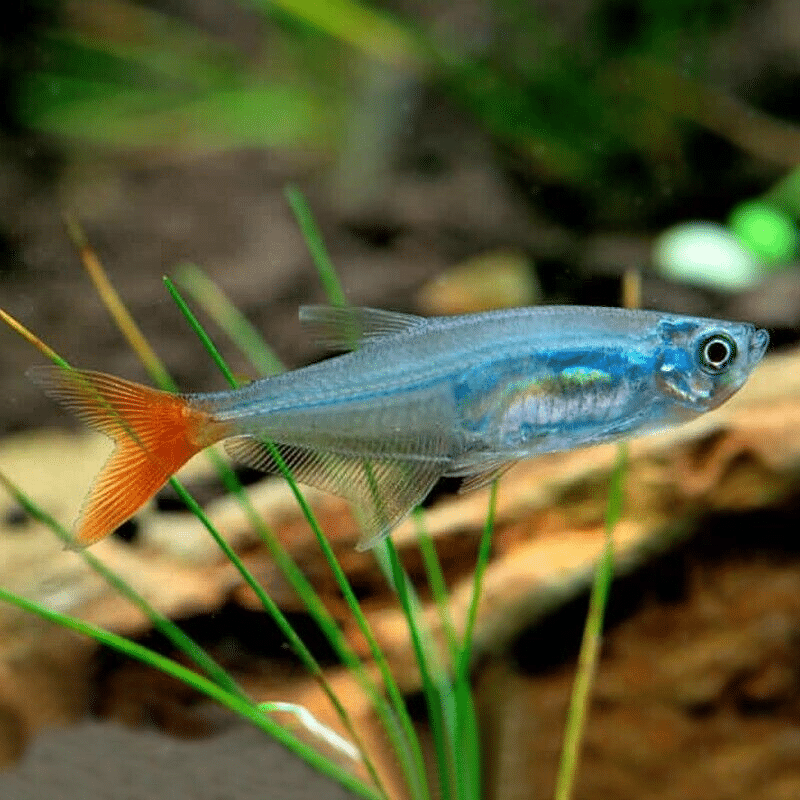
10 X Glass Bloodfin Tetras – Prionobrama Filigera – South American Tetras

Original price was: £25.49.£21.29Current price is: £21.29.
Welcome these beautiful Glass Bloodfin Tetras – Prionobrama Filigera, vibrant South American Tetras that enhance any aquarium. This listing includes 10 individual fish, perfect for community tanks. Their stunning coloration and graceful movements make them ideal companions for tropical fish enthusiasts.
In stock
Species Introduction
The Glass Bloodfin Tetra, scientifically known as Prionobrama filigera, is a captivating freshwater fish that hails from the lush waterways of South America. This species is particularly prevalent in the Amazon River basin, where it thrives in slow-moving waters filled with dense vegetation. The Glass Bloodfin Tetra is a member of the Characidae family, which encompasses a variety of small, colorful fish commonly found in aquariums. These beautiful aquatic companions are known for their shimmering bodies and vibrant red fins, making them a popular choice among aquarists. With a maximum length of about 4 cm, these tetras are perfect for community tanks, providing both visual appeal and a peaceful demeanor that makes them ideal for novice and experienced fish keepers alike.
Care Requirements Dashboard
Essential Care Guide for Your 10 X Glass Bloodfin Tetras – Prionobrama Filigera – South American Tetras
| Optimal Living Conditions | |
|---|---|
| Water Temperature | 24-27°C (75-81°F) |
| pH Level | 6.5-7.5 |
| Water Hardness | 4-12 dKH |
| Minimum Tank Size | 80L (20 gal) |
| Salinity | Freshwater |
| Care Level | Beginner Friendly |
Natural Behavior & Temperament
The Glass Bloodfin Tetra is a schooling fish, which means it thrives in groups of six or more. This social behavior not only enhances their natural beauty but also contributes to their overall well-being. In the wild, these fish are often found darting through the dense vegetation of their habitat, displaying a lively and energetic swimming pattern. They are peaceful by nature and get along well with other small, non-aggressive fish, making them an excellent addition to community tanks. Their active swimming behavior is often accompanied by playful interactions with their tank mates, creating a dynamic and engaging environment. Observing these fish as they swim in unison can be a mesmerizing experience, showcasing their vibrant colors and graceful movements.
Tank Setup Guide
Creating an ideal environment for your Glass Bloodfin Tetras involves careful consideration of their natural habitat. A well-planted tank with plenty of hiding spots is essential for these fish, as it mimics their native environment and provides them with a sense of security. Use a fine substrate to replicate the riverbed, and incorporate live plants such as Java Fern or Anubias, which also help maintain water quality. Additionally, adding driftwood and rocks can create hiding places and territories for your fish friends. Ensure that the tank is well-cycled before introducing the tetras, as stable water conditions are crucial for their health. A gentle filtration system is recommended to maintain water clarity without creating strong currents that could stress these delicate fish.
Water Quality Management
Maintaining optimal water quality is essential for the health and longevity of your Glass Bloodfin Tetras. Regular water changes of 20-30% every week are recommended to keep nitrate levels low and ensure a clean environment. Monitor the pH levels regularly, aiming for a range of 6.0 to 7.5, as fluctuations can lead to stress and health issues. The ideal water temperature for these tetras is between 22-28°C (72-82°F), so using a reliable heater is advisable, especially in cooler climates. Additionally, test the water hardness, which should be kept between 2-15 dGH. Using a water conditioner can help remove harmful chemicals and ensure a safe living environment for your aquatic companions.
Feeding & Nutrition
Glass Bloodfin Tetras are omnivorous and require a varied diet to thrive. A high-quality flake food formulated for tropical fish should be the staple of their diet, supplemented with live or frozen foods such as brine shrimp, daphnia, and bloodworms. Feeding should occur 2-3 times a day, with only what they can consume in a few minutes to prevent overfeeding and maintain water quality. It’s important to observe their feeding behavior, as some individuals may be more timid and require more time to access food. Providing a balanced diet not only promotes healthy growth but also enhances their vibrant colors, making them a stunning addition to your aquarium.
Compatibility Guide
✓ Peaceful community fish
| Compatible Fish | Notes |
|---|---|
| Neon Tetras | Great schooling partners |
| Cardinal Tetras | Similar care requirements |
| Corydoras Catfish | Bottom dwellers, peaceful |
| Guppies | Colorful and active |
| Rasboras | Compatible and lively |
⚠ Important Tank Mate Considerations
Avoid aggressive species such as cichlids or larger fish that may intimidate or harm the tetras.
Health & Wellness
Keeping your Glass Bloodfin Tetras healthy involves regular monitoring for signs of illness. Common issues include ich, fin rot, and swim bladder disease. Ich is characterized by white spots on the body, while fin rot presents as frayed fins. Maintaining good water quality is the first line of defense against these ailments. If you notice any signs of illness, it is crucial to act quickly by isolating affected fish and treating the tank with appropriate medications. Additionally, ensuring a stress-free environment with plenty of hiding spots and appropriate tank mates can significantly enhance their overall health and longevity.
Breeding Information
Breeding Glass Bloodfin Tetras can be a rewarding experience, although it requires specific conditions to be successful. To encourage spawning, set up a separate breeding tank with soft, slightly acidic water and fine-leaved plants for the eggs to adhere to. The ideal temperature for breeding is around 26-28°C (78-82°F). Once the female is ready to spawn, she will lay eggs, which the male will fertilize. After spawning, it is advisable to remove the parents to prevent them from eating the eggs. The eggs will hatch in about 24-36 hours, and the fry can be fed infusoria or finely crushed flakes until they are large enough to consume larger foods. Proper care of the fry is essential for their survival and growth.
Acclimation Process
When introducing Glass Bloodfin Tetras to a new aquarium, proper acclimation is crucial to ensure their health and reduce stress. Begin by floating the sealed bag containing the fish in the aquarium for about 15-20 minutes to equalize the temperature. Afterward, gradually mix small amounts of tank water into the bag over the next hour. This process helps the fish adjust to the new water parameters. Once acclimated, gently net the tetras and place them in the aquarium, avoiding adding the bag water to the tank to prevent contamination. Monitoring the fish for signs of stress or illness during the first few days in their new home is essential, as this is a critical time for their adjustment.
Long-term Care
The lifespan of Glass Bloodfin Tetras typically ranges from 5 to 7 years, provided they are given proper care and a stable environment. Regular maintenance, including water changes and monitoring water parameters, is essential for their long-term health. As they grow, it is important to ensure that their tank remains spacious and well-planted, allowing them to exhibit their natural behaviors. Observing their growth and interactions with other fish can provide valuable insights into their well-being. Additionally, keeping a close eye on their diet and ensuring they receive a balanced nutrition will contribute to their vibrant colors and overall vitality.
Natural Habitat Recreation
To recreate the natural habitat of Glass Bloodfin Tetras, focus on replicating the conditions of their native Amazonian rivers. This includes soft, slightly acidic water, a well-planted tank with plenty of hiding spots, and a gentle current. Using natural materials such as driftwood and rocks can enhance the aesthetic appeal while providing essential shelter for the fish. Incorporating floating plants can help diffuse light and create a shaded environment, which is beneficial for the tetras. By mimicking their natural habitat, you not only create a beautiful aquarium but also promote the health and happiness of your aquatic companions.
Seasonal Care Adjustments
As seasons change, so do the needs of your Glass Bloodfin Tetras. In warmer months, ensure that the water temperature does not exceed 28°C (82°F), as higher temperatures can lead to stress and health issues. During colder months, use a heater to maintain a stable temperature. Additionally, monitor the water parameters more frequently during seasonal changes, as fluctuations can occur. Adjust the lighting duration to mimic natural daylight cycles, which can help regulate the fish’s behavior and breeding patterns. By being proactive in your care routine, you can ensure a thriving environment for your tetras throughout the year.
Expert Tips
For those looking to enhance their experience with Glass Bloodfin Tetras, consider implementing a few expert tips. First, ensure that your tank is well-cycled before introducing any fish, as this will promote a stable environment. Second, invest in a quality filtration system that provides adequate water movement without creating strong currents. Third, consider adding a variety of plants to create a lush environment that mimics their natural habitat. Lastly, observe their behavior regularly; this will help you identify any changes that may indicate stress or health issues. By following these tips, you can create a thriving community tank that showcases the beauty of these vibrant fish.
Troubleshooting
If you encounter issues with your Glass Bloodfin Tetras, it is important to address them promptly. Common problems include stress due to aggressive tank mates, poor water quality, and inadequate diet. If your tetras are showing signs of stress, such as hiding or loss of color, evaluate their environment and make necessary adjustments. Regular water testing can help you identify any fluctuations in parameters that may be affecting their health. If you notice any signs of illness, such as lethargy or abnormal swimming patterns, isolate the affected fish and consult a veterinarian or aquatic specialist for advice on treatment options. Being proactive in troubleshooting can help maintain a healthy and vibrant aquarium.
Scientific Background
The Glass Bloodfin Tetra belongs to the family Characidae, which encompasses many popular freshwater fish species. Their scientific classification places them within the order Characiformes, highlighting their close relation to other tetras and piranhas. Research into their natural habitat has revealed the importance of environmental factors such as water temperature, pH, and vegetation in their overall health. Conservation efforts are crucial for maintaining the populations of these beautiful fish in the wild, as habitat destruction poses a significant threat. By understanding their scientific background, aquarists can better appreciate the needs and behaviors of Glass Bloodfin Tetras.
Advanced Care Techniques
For experienced aquarists looking to elevate their care for Glass Bloodfin Tetras, consider implementing advanced techniques such as breeding programs or biotope aquariums. Breeding these tetras can be a rewarding challenge, requiring specific conditions to encourage spawning. Additionally, creating a biotope aquarium that closely resembles their natural habitat can enhance their well-being and provide a stunning visual display. This involves selecting appropriate plants, substrates, and tank mates that reflect their native environment. By employing these advanced techniques, you can create a thriving ecosystem that showcases the beauty and behavior of Glass Bloodfin Tetras while contributing to their conservation.
Frequently Asked Questions
Q: What tank size is required for Bloodfin Tetras?
Bloodfin Tetras, known for their vibrant appearance, thrive best in a minimum tank size of 60 litres. This capacity allows them to swim freely and reduces territorial disputes, as they are active swimmers. A larger tank will not only accommodate their lively behaviours but also help maintain stable water parameters, which is crucial for their health. Additionally, providing ample swimming space encourages natural behaviours and reduces stress. A well-planted aquarium with open swimming areas mimics their natural habitat, creating a comfortable environment for these beautiful creatures.
✓ Expert Tip
Consider using a 100-litre tank if you wish to keep a larger school of these fish, as they prefer to be in groups of six or more.
Q: What water parameters do Bloodfin Tetras require?
Bloodfin Tetras prefer slightly acidic to neutral water conditions, ideally with a pH range of 6.0 to 7.5. The water temperature should be maintained between 22°C and 26°C. Regular water changes are essential to keep ammonia and nitrate levels low, enhancing their overall health. A well-maintained filtration system is also vital to ensure optimal water quality. Testing the water regularly with reliable kits helps aquarium keepers monitor these parameters, allowing for timely adjustments. Consistency in water conditions is key to preventing stress and promoting longevity in these fish friends.
✓ Expert Tip
Utilise a water conditioner to remove harmful chemicals from tap water before adding it to your aquarium.
Q: How often should I feed Bloodfin Tetras?
Bloodfin Tetras should be fed small amounts two to three times daily. This frequent feeding schedule mimics their natural foraging behaviour, encouraging a healthy appetite. A balanced diet should include high-quality flake food, complemented with occasional live or frozen foods such as brine shrimp or daphnia, which enhance their colouration and vitality. It is crucial to avoid overfeeding, as uneaten food can lead to water quality issues. Monitor their feeding habits and adjust portions accordingly to maintain their health and ensure a clean aquarium environment.
✓ Expert Tip
Consider using a feeding ring to minimise food wastage and help your fish friends locate their meals more efficiently.
Q: What are the best tank mates for Bloodfin Tetras?
Bloodfin Tetras are peaceful and social, making them excellent companions for various species. Suitable tank mates include other small, non-aggressive fish like Corydoras catfish, Guppies, and other Tetra species. Avoid larger or more aggressive fish, which may intimidate or harm them. The key is to maintain a harmonious community, so ensure that all fish share similar water requirements and temperaments. A well-planned tank with plenty of hiding spaces and swimming areas will help reduce stress and encourage natural behaviours among all inhabitants.
✓ Expert Tip
Consider introducing tank mates gradually to minimise stress and allow all fish to acclimatise to their new environment.
Q: How do I properly acclimatise Bloodfin Tetras to my aquarium?
Acclimatising Bloodfin Tetras is crucial for their health. Start by floating the sealed bag in the aquarium for about 15 minutes to equalise the temperature. After that, gradually introduce aquarium water into the bag over the next 30-45 minutes, allowing the fish to adjust to the water parameters. This can be done by adding small amounts of tank water every 5-10 minutes. Once acclimatised, gently release the fish into the tank without adding bag water, which may contain harmful substances. This method ensures a smoother transition and reduces stress for your new aquatic companions.
✓ Expert Tip
Consider using a drip acclimatisation method for a more gradual process, especially in cases of significant water parameter differences.
Q: What are the signs of healthy Bloodfin Tetras?
Healthy Bloodfin Tetras exhibit vibrant colours, clear eyes, and active swimming behaviours. They should be social and display curiosity towards their environment. Additionally, look for signs of a healthy appetite, as they should readily accept food. Fins should be intact and held open, and their bodies should be free of lesions or unusual growths. Any signs of lethargy, fading colours, or isolation may indicate stress or illness, necessitating immediate attention to water quality and overall tank conditions. Regular observation will aid in maintaining the well-being of your fish friends.
✓ Expert Tip
Keep a log of your fish’s behaviour and health to quickly identify any changes that may require attention.
Q: How do I successfully breed Bloodfin Tetras?
Breeding Bloodfin Tetras requires specific conditions. Set up a separate breeding tank with soft, acidic water and a temperature around 24°C. Introduce a pair of healthy adults, ensuring they are well-fed with high-quality foods to encourage spawning. Provide fine-leaved plants for egg deposition. After spawning, remove the adults to prevent them from eating the eggs. Eggs typically hatch within 24-36 hours. Feed the fry with infusoria or finely crushed flake food until they grow large enough for regular feeding. Maintaining optimal water conditions is crucial during this delicate phase.
✓ Expert Tip
Use a spawning mop or fine mesh to help collect eggs and protect them from adult fish.
Q: What temperature should I maintain for Bloodfin Tetras?
Bloodfin Tetras thrive best in a temperature range of 22°C to 26°C. Maintaining this temperature is essential for their overall health and behaviour. Sudden fluctuations can lead to stress and weaken their immune systems, making them susceptible to diseases. Using a reliable aquarium heater and thermometer will help keep the water temperature stable. Regular monitoring of the temperature is crucial, especially during seasonal changes. Providing a stable environment ensures that these fish friends remain vibrant and active.
✓ Expert Tip
Consider using a heater with a built-in thermostat for automatic temperature regulation, ensuring a consistent environment.
Q: How long do Bloodfin Tetras typically live in captivity?
In captivity, Bloodfin Tetras can live for approximately 3 to 5 years when provided with proper care and optimal conditions. Factors such as water quality, diet, and tank mates significantly influence their lifespan. Regular maintenance, including water changes and monitoring for diseases, contributes to their longevity. Ensuring a stress-free environment with adequate space and companionship will promote a healthy and happy life for your fish friends. Observing their behaviours and health will also help you identify any potential issues early.
✓ Expert Tip
Keep a stable environment and provide a varied diet to enhance their lifespan and overall well-being.
Q: What type of substrate is most suitable for Bloodfin Tetras?
Bloodfin Tetras thrive in a substrate that mimics their natural habitat. A fine, dark sandy substrate is ideal, as it helps to enhance their colours and provides a comfortable environment for foraging. Additionally, a substrate that allows for the growth of live plants is beneficial, as it contributes to the overall aesthetics and water quality of the aquarium. Avoid sharp or rough substrates, as they can injure the delicate fins of these fish friends. Providing a well-organised substrate layout with hiding spots and open swimming areas promotes a healthy social environment.
✓ Expert Tip
Consider adding smooth stones or driftwood to create natural hiding spots and enhance the aquarium’s visual appeal.
Q: What behavioural patterns should I expect from Bloodfin Tetras?
Bloodfin Tetras are known for their active and social behaviour. They enjoy swimming in schools, which helps them feel secure and reduces stress. You can expect to see them darting around the tank, displaying their vibrant colours. They are generally peaceful and will interact positively with compatible tank mates. However, they may exhibit shy behaviours if kept in small numbers. Providing plenty of plants and hiding spots encourages natural behaviours and reduces stress. Observing their social interactions can be quite rewarding, as they often engage in playful swimming and schooling activities.
✓ Expert Tip
Aim to keep at least six Bloodfin Tetras together to encourage their natural schooling behaviour and enhance their overall well-being.
Q: How can I prevent common diseases in Bloodfin Tetras?
Preventing diseases in Bloodfin Tetras begins with maintaining high water quality. Regular water changes, proper filtration, and monitoring parameters are essential. Quarantining new arrivals before introducing them to the main tank can prevent the spread of diseases. Additionally, providing a balanced diet rich in vitamins and nutrients supports their immune system. Observe your fish regularly for any signs of illness, such as changes in behaviour, faded colours, or unusual swimming patterns. Early detection and treatment are key to preventing disease outbreaks within the aquarium.
✓ Expert Tip
Consider adding aquarium salt in moderation to help with stress and prevent certain diseases, but ensure it is suitable for your tank’s inhabitants.
Q: What lighting conditions do Bloodfin Tetras prefer?
Bloodfin Tetras prefer moderate lighting, which mimics their natural habitat. Bright lights can cause stress, so providing shaded areas with plants or decorations is beneficial. A standard aquarium light on a timer for about 10-12 hours a day will suffice. This schedule not only promotes plant growth but also allows your fish friends to establish a natural day-night cycle. Adjust the intensity of the lighting if you notice signs of stress or hiding behaviour in your tetras. Ensuring a comfortable environment will promote their health and well-being.
✓ Expert Tip
Consider using LED lights with adjustable brightness settings for more control over the lighting conditions in your aquarium.
Q: How do I recognise stress in Bloodfin Tetras?
Signs of stress in Bloodfin Tetras can manifest in various ways. Look for behaviours such as hiding excessively, reduced activity, or erratic swimming patterns. Faded colours and clamped fins are also indicators of stress. Additionally, if your tetras are not eating or are displaying aggression towards one another, it may signal an issue with their environment or health. Regular monitoring of their behaviour and health will help you identify stressors early. Addressing the underlying causes, such as poor water quality or unsuitable tank mates, is essential for restoring their well-being.
✓ Expert Tip
Provide plenty of hiding spots and plants to help your tetras feel secure and reduce stress levels.
Q: What natural habitat conditions should I replicate for Bloodfin Tetras?
Bloodfin Tetras originate from the rivers and streams of South America, preferring slow-moving waters rich in vegetation. To replicate their natural habitat, incorporate plants like Java moss and floating plants in your aquarium. Additionally, use driftwood and rocks to create hiding spots and reduce water flow in certain areas. Maintaining slightly acidic water conditions with a temperature between 22°C and 26°C will further enhance their comfort. Providing a well-structured environment with these elements not only promotes their natural behaviours but also contributes to their overall health and well-being.
✓ Expert Tip
Consider using a substrate that encourages plant growth to further enhance the natural conditions of your aquarium.
1 review for 10 X Glass Bloodfin Tetras – Prionobrama Filigera – South American Tetras
Add a review
Related products




Emily Parker (verified owner) –
I recently added 10 Glass Bloodfin Tetras to my community tank, and I couldn’t be happier! These little guys are not just visually stunning with their shimmering scales, but they also have such a vibrant personality. After a week of acclimation, they settled in wonderfully and now dart around the tank, interacting with my other tropical fish like my neon tetras. I’ve noticed they’re quite social and enjoy swimming in groups, making my aquarium come alive with activity.
One of the best aspects is their hardiness; I’ve kept them in a well-planted tank with a gentle filter, and they’ve thrived without any signs of stress. Unlike some other tetras I’ve tried, the Bloodfin Tetras seem to adapt exceptionally well to varied water conditions, which is a huge plus for any fish parent.
If you’re looking for a lively addition to your aquarium, I highly recommend these tetras! Just keep an eye on their tank mates to ensure everyone gets along. Overall, my experience has been delightful, and I’ll definitely be purchasing more in the future!