-
×

-
×
Subtotal: £21.30



Subtotal: £21.30

Original price was: £11.49.£9.68Current price is: £9.68.
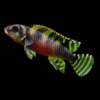
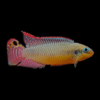
Welcome these beautiful Pelvicachromis Pulcher «Blue», also known as Blue Rainbow Kribensis Cichlid. Their vibrant blue coloration and peaceful nature make them ideal community fish. Perfect for any aquarium setup, these elegant dwarf cichlids thrive in loving environments.
In stock
The Pelvicachromis Pulcher, commonly known as the Blue Rainbow Kribensis, is a captivating member of the cichlid family, originating from the lush freshwater habitats of West Africa. This dwarf cichlid is celebrated for its vibrant colors and unique behaviors, making it a popular choice among aquarists. In the wild, these fish are typically found in slow-moving rivers, streams, and swamps, where they inhabit areas rich in vegetation. The natural environment of the Pelvicachromis Pulcher is characterized by soft, acidic waters and abundant hiding spots, which are essential for their survival and well-being.
As a species, they exhibit a range of colors, with males often displaying more intense hues than females, particularly during breeding periods. The Blue Rainbow Kribensis is not just a visually appealing fish; it also plays a significant role in its ecosystem, helping to maintain the balance of aquatic life through its feeding habits and interactions with other species.
| Optimal Living Conditions | |
|---|---|
| Water Temperature | 24-27°C (75-81°F) |
| pH Level | 6.0-7.5 |
| Water Hardness | 4-12 dKH |
| Minimum Tank Size | 80L (20 gal) |
| Salinity | Freshwater |
| Care Level | Beginner Friendly |
The Pelvicachromis Pulcher is known for its engaging and peaceful demeanor, making it an excellent choice for community tanks. These fish are monogamous, often forming strong pair bonds, which can be a delightful sight for aquarists. They exhibit a range of social behaviors, including territorial displays, particularly during breeding. Males are typically more vibrant and assertive, showcasing their colors to attract females and defend their territory. In a well-planted aquarium, they will establish hiding spots and territories, which they will defend against intruders.
Their swimming patterns are characterized by darting movements and occasional hovering near plants or decorations. As a species, they thrive in groups, but it is crucial to ensure that tank mates are compatible, as they can become aggressive if threatened or during breeding periods. Their peaceful nature allows them to coexist with other small, non-aggressive fish, creating a harmonious aquarium environment.
Creating an ideal environment for your Pelvicachromis Pulcher involves replicating their natural habitat as closely as possible. A well-planted aquarium with plenty of hiding spots is essential for their comfort and security. Use a substrate that mimics their natural environment, such as fine gravel or sand, to allow them to dig and explore. Incorporate decorations like driftwood, rocks, and dense vegetation to create territories and hiding places. Plants such as Java fern, Anubias, and Amazon swords are excellent choices, providing both shelter and aesthetic appeal.
Ensure that the tank is spacious enough to accommodate their swimming patterns, with open areas for them to explore. The water flow should be gentle, as these fish prefer calm waters. Additionally, maintaining a stable temperature and water quality is crucial for their health and well-being. Regular water changes and monitoring of water parameters will help create a thriving environment for your aquatic companions.
Maintaining optimal water quality is vital for the health of your Pelvicachromis Pulcher. These fish thrive in slightly acidic to neutral water, with a pH range of 6.0 to 7.5. Regular testing of water parameters is essential to ensure stability. The temperature should be kept between 75°F and 82°F (24°C – 28°C), as fluctuations can stress the fish and lead to health issues. Hardness levels should be maintained between 5 to 15 dGH to mimic their natural habitat.
Regular water changes of 25% every two weeks will help keep the water clean and free of harmful toxins. It is also important to monitor ammonia, nitrite, and nitrate levels, as high concentrations can be detrimental to fish health. Utilizing a reliable filtration system will aid in maintaining water quality, but be cautious of strong currents that may stress these gentle fish. Implementing a routine for water quality management will ensure a thriving environment for your aquatic friends.
The Pelvicachromis Pulcher is an omnivorous fish, requiring a balanced diet to maintain optimal health and vibrant colors. In the wild, they feed on a variety of small invertebrates, plant matter, and detritus. In an aquarium setting, it is essential to provide a high-quality diet that includes both flake food and frozen or live food options. High-protein foods such as brine shrimp, daphnia, and bloodworms are excellent choices for promoting growth and coloration.
Additionally, incorporating vegetable matter such as spirulina flakes or blanched vegetables will ensure a well-rounded diet. Feeding should occur once or twice a day, with only as much food as they can consume in a few minutes to prevent overfeeding and maintain water quality. It is also beneficial to vary their diet to prevent boredom and ensure they receive all necessary nutrients. Observing their feeding behavior can provide insights into their health and well-being, as a healthy fish will eagerly accept food and exhibit vibrant colors.
When considering tank mates for your Pelvicachromis Pulcher, it is crucial to select species that share similar water requirements and temperaments. These dwarf cichlids are generally peaceful but can become territorial, especially during breeding. Suitable tank mates include small to medium-sized fish such as tetras, rasboras, and peaceful barbs. Avoid larger or aggressive species that may intimidate or harm your Kribensis.
It is also advisable to keep them in pairs or small groups to reduce stress and promote natural behaviors. Some compatible species include the Neon Tetra, Guppy, and Corydoras Catfish. Monitoring interactions between different species is essential, as individual personalities may vary. If aggression occurs, providing additional hiding spots or rearranging the tank can help alleviate territorial disputes. Creating a harmonious community tank will enhance the overall experience of keeping these beautiful fish.
The health and wellness of your Pelvicachromis Pulcher are paramount to their longevity and vibrancy. Regular monitoring of their behavior and appearance can help identify potential health issues early. Common problems include ich, fin rot, and swim bladder disease, often resulting from poor water quality or stress. Maintaining stable water parameters and providing a nutritious diet are key factors in preventing health issues.
If signs of illness are observed, such as lethargy, loss of appetite, or abnormal swimming patterns, it is essential to take prompt action. Quarantining affected fish and treating them with appropriate medications can help prevent the spread of disease. Additionally, ensuring that the tank is not overcrowded and that there are adequate hiding spots will reduce stress and promote a healthy environment. Regular water changes and a balanced diet will contribute significantly to the overall health of your aquatic companions.
Breeding Pelvicachromis Pulcher can be a rewarding experience for aquarists, as these fish exhibit fascinating parental behaviors. They are known to be monogamous, forming strong bonds with their partners. To encourage breeding, provide a separate breeding tank with suitable conditions, including a gentle filter and plenty of hiding spots. The female will lay eggs on flat surfaces, such as rocks or leaves, and both parents will take turns guarding the eggs and fry.
The eggs typically hatch within 3 to 4 days, and the fry will become free-swimming after another few days. During this time, it is crucial to provide infusoria or finely crushed flakes to ensure proper growth. The parents will actively protect their young, guiding them to food sources and shelter. After a few weeks, the fry can be introduced to the main tank, but it is essential to monitor their interactions with other fish to prevent predation. Breeding Pelvicachromis Pulcher not only contributes to the population of these beautiful fish but also provides a unique opportunity to observe their natural behaviors.
Acclimating your Pelvicachromis Pulcher to a new environment is a critical step in ensuring their health and reducing stress. Upon bringing your new fish home, it is essential to avoid introducing them directly into the tank. Instead, float the sealed bag in the aquarium for about 15-20 minutes to equalize the temperature. After this, gradually introduce small amounts of tank water into the bag over the next hour, allowing the fish to acclimate to the new water parameters.
This slow process helps reduce shock and allows the fish to adjust to the pH, hardness, and temperature of the new environment. Once acclimated, gently release the fish into the tank using a net to avoid adding bag water, which may contain harmful substances. Monitoring their behavior during the first few days in the new environment is crucial, as they may exhibit signs of stress or territoriality. Providing plenty of hiding spots and maintaining stable water conditions will help ease their transition into their new home.
The long-term care of your Pelvicachromis Pulcher involves regular monitoring and maintenance to ensure a healthy and thriving environment. These fish can live for several years with proper care, making it essential to provide consistent water quality, a balanced diet, and a suitable tank setup. Regular water changes, typically 25% every two weeks, will help maintain water clarity and quality.
Monitoring water parameters such as pH, temperature, and hardness is vital to ensure stability. Additionally, observing their behavior and interactions with other tank mates will provide insights into their health and well-being. A varied diet, including high-quality flakes, frozen, and live foods, will support their growth and coloration. As they mature, it is important to assess their compatibility with other fish and make adjustments to the tank setup as needed. By providing a stable and enriching environment, you can enjoy the beauty and charm of your Pelvicachromis Pulcher for many years.
Recreating the natural habitat of the Pelvicachromis Pulcher in your aquarium is essential for their well-being and behavioral enrichment. These fish thrive in environments that mimic their native West African waters, characterized by slow-moving streams and dense vegetation. To achieve this, start with a substrate that resembles their natural habitat, such as fine sand or gravel, which allows for natural digging behaviors.
Incorporate a variety of plants, including Java moss, Anubias, and floating plants, to provide cover and create a sense of security. The addition of driftwood and rocks will not only enhance the aesthetic appeal of the aquarium but also offer hiding spots and territories for the fish. It is crucial to maintain stable water parameters that reflect their natural environment, including slightly acidic pH and moderate hardness. By carefully designing the tank to replicate their natural habitat, you will promote natural behaviors and reduce stress, contributing to the overall health and happiness of your Pelvicachromis Pulcher.
Seasonal changes can impact the care requirements of your Pelvicachromis Pulcher, necessitating adjustments to their environment and care routine. During warmer months, it is essential to monitor the water temperature closely, ensuring it remains within the ideal range of 75°F to 82°F (24°C – 28°C). If temperatures rise significantly, consider using fans or chillers to maintain a stable environment.
Additionally, increased evaporation during hot weather may require more frequent water changes to maintain water quality. In contrast, during colder months, it is crucial to ensure that the aquarium heater is functioning correctly to prevent temperature fluctuations. Regularly check the heater’s settings and consider adding insulation to the tank to retain heat. Seasonal feeding adjustments may also be necessary, as fish metabolism can vary with temperature changes. By being proactive and attentive to seasonal shifts, you can ensure the continued health and happiness of your Pelvicachromis Pulcher throughout the year.
For those looking to enhance their experience with Pelvicachromis Pulcher, consider implementing some expert tips to ensure optimal care and enjoyment. First and foremost, invest in a quality filtration system that provides both mechanical and biological filtration to maintain water clarity and quality. Regularly clean the filter media to prevent buildup while ensuring beneficial bacteria remain intact.
Additionally, consider creating a breeding setup with a separate tank to encourage natural spawning behaviors without the risk of predation from other tank mates. Providing varied diets, including high-quality pellets, frozen foods, and occasional live foods, will promote vibrant colors and healthy growth. Observing their behavior can also provide insights into their mood and health, allowing you to make necessary adjustments to their environment. Finally, engage with other aquarists through forums or local clubs to share experiences and gather additional insights into the care of these stunning fish. By applying these expert tips, you can create a thriving environment for your Pelvicachromis Pulcher and enjoy their captivating presence in your aquarium.
Despite the best care, issues may arise with your Pelvicachromis Pulcher, and being prepared to troubleshoot can help maintain their health and happiness. Common problems include signs of stress, such as hiding excessively, loss of appetite, or aggressive behavior. If you notice these signs, first assess the water quality, ensuring parameters are within the recommended ranges. A sudden change in water conditions can lead to stress, so gradual adjustments are key.
If aggression occurs, consider adding more hiding spots or rearranging the tank to disrupt established territories. Additionally, monitor for signs of illness, such as white spots (ich) or frayed fins (fin rot), and take immediate action by isolating affected fish and treating them appropriately. Regular maintenance, including water changes and substrate cleaning, will help prevent many common issues. By being proactive and observant, you can troubleshoot effectively and ensure a thriving environment for your Pelvicachromis Pulcher.
The Pelvicachromis Pulcher belongs to the cichlid family, a diverse group of freshwater fish known for their complex behaviors and vibrant colors. These fish are part of the Pelvicachromis genus, which includes several species native to West Africa. The scientific classification of Pelvicachromis Pulcher places it within the order Cichliformes, known for its high species diversity and ecological significance.
Research into the behavior and ecology of cichlids has revealed fascinating insights into their social structures and reproductive strategies. Conservation efforts are essential for preserving their natural habitats, as many species face threats from habitat destruction and pollution. By understanding the scientific background of Pelvicachromis Pulcher, aquarists can appreciate the importance of responsible care and conservation, ensuring these beautiful fish continue to thrive in both natural and aquarium environments.
For experienced aquarists looking to elevate their care for Pelvicachromis Pulcher, advanced techniques can enhance the overall health and well-being of these fish. One effective method is to implement a breeding program that focuses on genetic diversity, ensuring the long-term sustainability of the species in captivity. This involves selecting breeding pairs based on health, coloration, and behavior, allowing for the development of vibrant and resilient offspring.
Additionally, consider creating a biotope aquarium that closely mimics their natural environment, incorporating specific plants, substrates, and decorations that reflect their native habitat. Regularly engaging in water quality testing and implementing a routine for water changes will help maintain optimal conditions. Furthermore, utilizing advanced feeding techniques, such as gut-loading live foods with nutritious supplements, will enhance the dietary quality for your Pelvicachromis Pulcher. By applying these advanced care techniques, you can foster a thriving environment that supports the health and beauty of your aquatic companions.
Pelvicachromis Pulcher «Blue», commonly known as the Blue Rainbow Kribensis, is a dwarf cichlid that thrives in a tank of at least 60 litres. This size provides ample space for swimming and establishing territories, which is crucial for their wellbeing. It is also advisable to have a tank with plenty of hiding spots, such as caves or dense plants, as they can be territorial, especially during breeding. Moreover, a well-planted aquarium will mimic their natural habitat, enhancing their colours and reducing stress levels.
✓ Expert Tip
Consider using a tank with a footprint of at least 80 cm in length to accommodate their swimming behaviour and territorial nature.
Pelvicachromis Pulcher prefers slightly acidic to neutral water conditions, ideally with a pH ranging from 6.0 to 7.5. The hardness should be kept between 5 to 15 dGH, and the temperature should be maintained between 24°C to 28°C. Regular water changes of 10-15% weekly will help maintain water quality, reducing toxins and promoting a healthy environment. It is essential to monitor these parameters using reliable test kits to ensure your aquatic companions remain in optimal health.
✓ Expert Tip
Utilising a high-quality water conditioner can help neutralise harmful substances in tap water, ensuring a safer environment for your fish.
Feeding Pelvicachromis Pulcher should be done 2-3 times a day, with small amounts of food that they can consume within a few minutes. Their diet can include high-quality flake food, pellets, and live or frozen foods such as bloodworms and brine shrimp. It is crucial to ensure a varied diet to promote optimal health and coloration. Overfeeding should be avoided, as it can lead to water quality issues and health problems.
✓ Expert Tip
Consider using a feeding ring to prevent food from floating away, ensuring that all fish can access it easily.
Pelvicachromis Pulcher is relatively peaceful but can exhibit territorial behaviour, especially during breeding. Suitable tank mates include other peaceful species such as Tetras, Rasboras, and Corydoras. Avoid aggressive fish or those that may invade their territory. A well-planned community tank with ample hiding spots will help reduce stress and aggression. It is also advisable to introduce them to the tank first before adding more boisterous species.
✓ Expert Tip
Always observe the interactions between fish closely when introducing new tank mates to ensure compatibility.
Acclimatising your Pelvicachromis Pulcher is vital to minimise stress. Begin by floating the sealed bag in the aquarium for about 15-20 minutes to equalise the temperature. Then, gradually introduce aquarium water into the bag, approximately 10% every 5 minutes, over the course of an hour. After this, gently place the fish into the tank using a net, avoiding adding bag water. This method ensures a smooth transition to their new environment, significantly reducing the risk of shock.
✓ Expert Tip
Performing a drip acclimatisation method can be even more effective for sensitive species.
Healthy Pelvicachromis Pulcher will exhibit vibrant colours, clear eyes, and active swimming behaviour. They should be responsive to feeding and show no signs of distress or unusual behaviours, such as excessive hiding or lethargy. Additionally, the fins should be intact and free of tears, and the body should not display any signs of swelling or lesions. Regular observation is key to ensuring their health and wellbeing in your aquarium.
✓ Expert Tip
Keep a routine for checking water parameters as part of your overall health monitoring strategy.
Breeding Pelvicachromis Pulcher can be a rewarding experience. To encourage breeding, ensure they are well-fed and the tank has ample hiding spots. A separate breeding tank with softer, slightly acidic water can help. The female will lay eggs in a hidden location, and both parents will care for the fry. Ensure that you provide infusoria or finely crushed flakes for the fry once they are free-swimming. Regular monitoring of the parents is essential to prevent aggression.
✓ Expert Tip
Consider using a spawning cone to encourage the female to lay her eggs.
Pelvicachromis Pulcher thrives in a temperature range of 24°C to 28°C. Maintaining a stable temperature within this range is crucial for their health and breeding success. Sudden temperature fluctuations can lead to stress and illness. Using a reliable aquarium heater with a thermometer will help to ensure consistent conditions. It is essential to monitor the temperature regularly, especially during seasonal changes or when performing water changes.
✓ Expert Tip
Consider using a temperature controller to manage fluctuations effectively.
In a well-maintained aquarium, Pelvicachromis Pulcher can live for 5 to 8 years. Their lifespan is influenced by factors such as water quality, diet, and overall tank conditions. Providing a balanced diet, regular water changes, and monitoring water parameters will contribute to their longevity. Additionally, reducing stress through proper tank mates and environmental enrichment will further enhance their quality of life.
✓ Expert Tip
Regular health checks and prompt treatment of any issues can significantly extend their lifespan.
Pelvicachromis Pulcher enjoys a soft substrate that allows for natural digging behaviour. A fine-gravel substrate or sand is ideal as it mimics their natural habitat. It also provides a suitable environment for plants and helps maintain water quality by promoting beneficial bacteria growth. Additionally, ensure that any substrate you select is free from sharp edges to prevent injury to your fish.
✓ Expert Tip
Consider layering substrate to create different levels, enhancing both aesthetics and functionality in the tank.
Pelvicachromis Pulcher is known for its vibrant personality, often displaying interesting behaviours. They are territorial, especially during breeding, and will exhibit displays such as flaring fins and chasing intruders. However, they can also be quite sociable with their own kind, often forming pairs or small groups. Observing their interactions can provide insight into their mood and wellbeing, as they are quite expressive when comfortable in their environment.
✓ Expert Tip
Providing plenty of hiding spots will help reduce aggression and allow for natural behaviours to flourish.
Preventing diseases in Pelvicachromis Pulcher involves maintaining excellent water quality, providing a balanced diet, and ensuring that the tank is not overcrowded. Regular water changes and monitoring parameters will inhibit the growth of harmful bacteria. Quarantining new fish before introducing them to the main tank can also prevent the spread of diseases. Observing your fish closely for any signs of illness will enable early detection and treatment.
✓ Expert Tip
Consider adding aquarium salt to the water occasionally as a preventative measure, but ensure it is suitable for your tank mates.
Pelvicachromis Pulcher prefers subdued lighting that mimics their natural habitat. Bright lights can cause stress, so using a dimmable LED or placing floating plants to diffuse the light can be beneficial. A photoperiod of around 10-12 hours a day is ideal to simulate natural day-night cycles. Additionally, ensuring areas of shade in the tank will encourage natural behaviours and provide comfort for your fish.
✓ Expert Tip
Consider using a timer for your lights to maintain a consistent photoperiod without needing manual adjustment.
Recognising stress in Pelvicachromis Pulcher involves observing changes in behaviour and physical appearance. Signs of stress may include hiding excessively, loss of appetite, or unusual aggression towards tank mates. Additionally, physical manifestations such as clamped fins, faded colours, or rapid gill movement can indicate distress. Addressing the sources of stress, such as water quality or tank mate compatibility, is crucial to restoring their wellbeing.
✓ Expert Tip
Implementing gradual changes in the aquarium environment can help reduce stress levels significantly.
Pelvicachromis Pulcher is native to the slow-moving waters of West Africa, where they inhabit densely vegetated areas. To replicate their natural habitat, include plenty of hiding spots using rocks, caves, and plants. A sandy substrate is ideal, along with slightly acidic and soft water conditions. Maintaining a stable temperature and providing areas of both light and shade will create a comfortable environment that encourages their natural behaviours.
✓ Expert Tip
Using driftwood in the aquarium can also provide excellent hiding spots while enhancing the overall aesthetics.




Emily Carter (verified owner) –
I recently added the Pelvicachromis Pulcher «Blue» to my community tank, and I couldn’t be happier! These little beauties are not just stunning with their vibrant blue hues; they also have such lively personalities. After about two months of observing them, I’ve noticed they thrive in a well-planted tank with hiding spots, which is crucial for their well-being. I’ve even seen them exhibit some adorable courtship behaviors! Compared to other dwarf cichlids I’ve kept, these Blue Rainbow Kribensis are much more interactive, darting around and exploring their environment with enthusiasm. They get along well with my other tropical fish, making them perfect for a community setting. One minor concern was their initial shyness, but that changed once they settled in. They were shipped quickly and arrived healthy, which I greatly appreciated. I highly recommend these cichlids for anyone looking to add vibrant color and character to their aquarium. They are especially suitable for aquarists looking for a peaceful yet engaging species. You won’t regret it!