Species Introduction
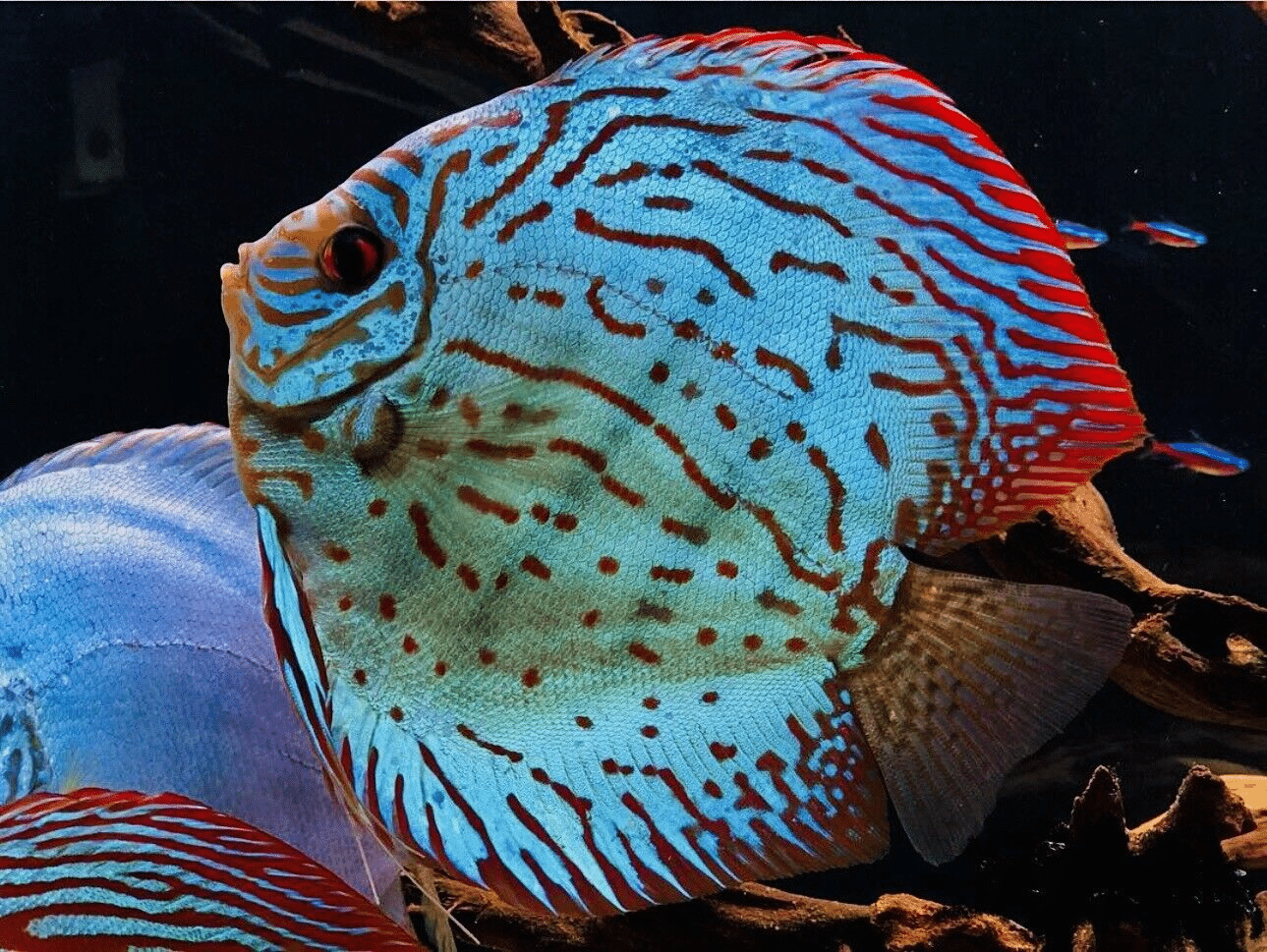
The Discus Brilliant Turquoise, scientifically known as Symphysodon aequifasciatus, is a member of the Cichlidae family and is renowned for its vibrant colors and elegant shape. Originating from the Amazon River Basin in South America, this freshwater fish thrives in slow-moving waters, typically found among dense vegetation. The natural habitat of the Discus includes soft, acidic waters rich in organic material, which contributes to its striking coloration and health. Discus fish are often regarded as one of the most beautiful and sought-after species in the aquarium trade, making them a favorite among aquarists who appreciate their unique beauty and social behavior.
Key Features – Discus Brilliant Turquoise – Symphysodon Aequifasciatus 4Cm
| Specification | Details |
|---|---|
| Benefits | Enhances your aquarium ecosystem |
| Quality | Premium aquarium-grade materials |
| Ease of Use | Simple setup and maintenance |
Care Requirements Dashboard
✓ Care Level: Moderate
Tank Size: Minimum 200 liters (53 gallons)
Water Temperature: 28-30°C (82-86°F)
pH Level: 6.0-7.5
Hardness: 1-10 dGH
Natural Behavior & Temperament
Discus fish are known for their peaceful temperament, making them excellent candidates for community tanks. They exhibit a unique swimming pattern, often gliding gracefully through the water, and prefer to stay in schools of at least six individuals. This social behavior not only enhances their well-being but also brings out their vibrant colors. In their natural habitat, they establish territories and exhibit complex social interactions, which can be replicated in a well-planned aquarium setup. Observing their interactions can provide insight into their personalities and social dynamics, making them a joy to care for.
Tank Setup Guide
Creating an ideal environment for your Discus Brilliant Turquoise is essential for their health and happiness. A spacious tank of at least 200 liters is recommended to accommodate their size and social needs. The substrate should be soft and sandy to mimic their natural habitat, allowing them to forage comfortably. Incorporating live plants such as Amazon swords and floating plants can provide shelter and enhance the aesthetic appeal of the aquarium. Additionally, using driftwood and rocks can create hiding spots, promoting a sense of security. Proper filtration is crucial, as Discus are sensitive to water quality; a high-quality filter will help maintain clean and stable conditions. Ensure that the tank is well-cycled before introducing your fish to minimize stress and promote a healthy environment.
Water Quality Management
Maintaining optimal water quality is vital for the health of your Discus fish. The ideal pH range is between 6.0 and 7.5, with a temperature maintained between 28-30°C (82-86°F). Regular water changes of 25-30% weekly will help keep nitrate levels low and improve overall water clarity. It is also essential to monitor hardness, aiming for a range of 1-10 dGH. Use a reliable water conditioner to remove harmful chemicals from tap water before adding it to the tank. Additionally, investing in a high-quality test kit will allow you to keep track of water parameters and ensure a stable environment for your aquatic companions. Fluctuations in water quality can lead to stress and health issues, so consistency is key.
Feeding & Nutrition
Discus fish are omnivorous and require a varied diet to thrive. A high-quality pellet or flake food formulated for cichlids should form the base of their diet. Supplementing with frozen or live foods such as brine shrimp, bloodworms, and daphnia will enhance their coloration and promote health. Feeding should occur 2-3 times a day in small portions, ensuring that all food is consumed within a few minutes to prevent water quality issues. It is also beneficial to include vegetable matter in their diet, such as spirulina flakes or blanched spinach, to provide essential nutrients. A well-rounded diet will support growth, coloration, and overall vitality, allowing your Discus to flourish in their aquatic home.
Compatibility Guide
When considering tank mates for your Discus Brilliant Turquoise, it is essential to choose species that share similar water parameter requirements and temperaments. Suitable companions include other peaceful cichlids, tetras, and rasboras. Avoid aggressive or fin-nipping species, as they can stress your Discus and lead to health issues. It is best to keep them in groups of six or more to promote social behavior and reduce stress. Additionally, ensure that the tank is spacious enough to accommodate all fish comfortably, as overcrowding can lead to aggression and territorial disputes. Monitoring interactions among tank mates will help you maintain a harmonious community aquarium.
Health & Wellness
Discus fish are generally flourishing but can be susceptible to certain health issues, particularly if water quality is not maintained. Common problems include ich, fin rot, and bacterial infections. Regular observation is crucial; signs of illness may include lethargy, loss of appetite, or abnormal swimming behavior. To prevent health issues, maintain stable water parameters, provide a balanced diet, and perform regular tank maintenance. Quarantine any new fish before introducing them to your main tank to prevent the spread of disease. In case of illness, consult a knowledgeable aquarist or veterinarian for appropriate treatment options, and always prioritize the well-being of your aquatic companions.
Breeding Information
Breeding Discus fish can be a rewarding experience for dedicated aquarists. To encourage breeding, provide a separate breeding tank with optimal conditions: soft, acidic water and a temperature of around 30°C (86°F). Discus are known to form strong pair bonds, and once a pair is established, they will lay eggs on flat surfaces such as leaves or spawning cones. After hatching, the fry will feed on the protective mucus secreted by the parents for the first few days. It is crucial to provide high-quality food for the fry, such as finely crushed flakes or specialized fry food, to ensure their growth and health. Breeding Discus requires patience and attention to detail, but the joy of raising fry can be immensely fulfilling.
Acclimation Process
Introducing your Discus Brilliant Turquoise to a new environment requires a careful acclimation process to minimize stress. Begin by floating the sealed bag containing the fish in the aquarium for about 15-20 minutes to equalize the temperature. After that, gradually introduce small amounts of tank water into the bag over the next hour, allowing the fish to adjust to the new water parameters. Once acclimated, gently release the fish into the tank using a net to avoid adding any transport water that may contain harmful substances. Monitoring the fish closely after introduction will help ensure they adapt well to their new home.
Long-term Care
Discus fish can live for many years with proper care, often reaching a lifespan of 10-15 years in a well-maintained aquarium. As they grow, they may require larger tanks or more space, so planning for future needs is essential. Regular water testing and maintenance will help ensure a stable environment, while a varied diet will support their health throughout their lives. Keeping an eye on their social dynamics and making adjustments as necessary will also contribute to their long-term well-being. By providing attentive care, you can enjoy the beauty and companionship of your Discus fish for many years to come.
Natural Habitat Recreation
Recreating the natural habitat of the Discus Brilliant Turquoise is essential for their comfort and health. In their native Amazon River Basin, they inhabit slow-moving waters with plenty of vegetation. To mimic this environment, consider using a substrate of fine sand and adding live plants such as Java fern, Anubias, and Amazon swords. Incorporating driftwood and rocks can create hiding spots and territories, allowing your fish to feel secure. Additionally, using a gentle filtration system will help maintain water quality while creating a calm environment. By replicating their natural habitat, you will encourage natural behaviors and enhance the overall beauty of your aquarium.
Seasonal Care Adjustments
As seasons change, it is important to adjust your care routine for your Discus fish to ensure their continued health and happiness. During warmer months, monitor water temperature closely, as fluctuations can stress your fish. Consider using a heater with a thermostat to maintain a stable environment. In winter, ensure that the tank is adequately heated and insulated to prevent temperature drops. Additionally, adjusting lighting schedules to mimic natural day lengths can help regulate their biological rhythms. Regularly checking water parameters and making necessary adjustments will help your fish thrive throughout the year.
Expert Tips
For those looking to provide the best care for their Discus Brilliant Turquoise, consider the following expert tips: First, invest in a high-quality water testing kit to monitor parameters regularly. Second, maintain a consistent feeding schedule to promote health and prevent waste buildup. Third, consider using a UV sterilizer to help control algae and pathogens in the tank. Lastly, engage with fellow aquarists through forums or local clubs to share experiences and gain insights into best practices. By staying informed and proactive, you can ensure a thriving environment for your beloved fish friends.
Troubleshooting
If you encounter issues with your Discus fish, it is important to address them promptly. Common problems may include stress from aggressive tank mates, poor water quality, or inadequate diet. If your fish are displaying signs of illness, such as lethargy or loss of appetite, check water parameters immediately and perform a water change if necessary. If aggression is observed, consider rearranging the tank layout to disrupt established territories. Always ensure that your fish are receiving a balanced diet and monitor their health closely. By being proactive and attentive, you can effectively troubleshoot potential issues and maintain a healthy aquarium.
Scientific Background
The Discus Brilliant Turquoise, Symphysodon aequifasciatus, belongs to the family Cichlidae and is part of a group of fish known for their unique shape and vibrant colors. This species is native to the Amazon River Basin, where they inhabit slow-moving waters rich in vegetation. Their unique morphology, including a flattened body and disc-like shape, allows them to navigate through dense plant life efficiently. Research into their behavior and ecology has revealed insights into their social structures and breeding habits. Conservation efforts are essential to protect their natural habitats from environmental changes and human impact, ensuring that future generations can enjoy these magnificent fish.
Advanced Care Techniques
For experienced aquarists looking to take their Discus care to the next level, consider implementing advanced techniques such as breeding and biotope creation. Breeding Discus requires a deep understanding of their reproductive behaviors and environmental needs. Creating a biotope aquarium that closely resembles their natural habitat can enhance their well-being and provide a stunning display. Additionally, experimenting with various feeding techniques, such as live foods or specialized diets, can improve coloration and health. Engaging in ongoing education about aquatic husbandry will empower you to provide the best possible care for your fish friends.
Frequently Asked Questions
Q: What tank size is required for the Discus Brilliant Turquoise?
For the Discus Brilliant Turquoise, a minimum tank size of 200 litres (around 53 gallons) is recommended. These fish are known for their social behaviour and thrive in groups, so consider accommodating at least five individuals to ensure they feel secure and exhibit natural behaviours. A larger tank not only provides ample swimming space but also helps maintain stable water parameters, which is crucial for their health. Ensure the tank is well-filtered and includes hiding spots, as Discus appreciate both open swimming areas and places to retreat when stressed.
✓ Expert Tip
Consider using a larger tank if you plan to keep a group of Discus, as this will help maintain water quality and reduce aggression.
Q: What water parameters do Discus require?
Discus thrive best in soft, slightly acidic water. Aim for a pH level between 6.0 and 7.0 and a hardness of 1-10 dGH. The ideal temperature range is between 26°C and 30°C (79°F – 86°F). Regular monitoring of these parameters is essential, as fluctuations can stress your fish. A quality water conditioner can help maintain these levels, and regular water changes (at least 25% weekly) are crucial to keep the water clean and the fish healthy. Additionally, consider using a heater and a reliable filtration system to maintain stable conditions.
✓ Expert Tip
Consider using reverse osmosis (RO) water to achieve the soft water conditions preferred by Discus.
Q: How often should I feed my Discus?
Discus are omnivorous and should be fed multiple times a day for optimal health. A feeding schedule of 2-3 small meals daily is ideal. Offer high-quality pellets or flakes specifically designed for Discus, supplemented with frozen or live foods like brine shrimp or bloodworms to enhance their diet. Monitor their feeding habits and adjust quantities to prevent overfeeding, which can lead to water quality issues and health problems. Ensure all uneaten food is removed promptly to maintain tank cleanliness.
✓ Expert Tip
Introduce variety in their diet to prevent boredom and ensure they receive all necessary nutrients.
Q: What are the best tank mates for Discus?
Choosing the right tank mates for your Discus is crucial for their well-being. Ideal companions include peaceful species such as Cardinal Tetras, Neon Tetras, and certain types of Corydoras. Avoid aggressive or fin-nipping species, as these can stress your Discus. Additionally, ensure that all tank mates thrive in similar water conditions, particularly temperature and pH levels. Maintaining a calm environment will help your Discus feel secure and display their natural behaviours.
✓ Expert Tip
Introduce new tank mates gradually to allow your Discus to adjust to their presence.
Q: How do I properly acclimatise Discus to my aquarium?
Acclimatising your Discus is essential to reduce stress and ensure a successful transition to their new home. Begin by floating the sealed bag containing the fish in the aquarium for about 15-20 minutes to equalise the temperature. After this, gradually introduce small amounts of aquarium water into the bag every 10 minutes for about an hour. This process helps the fish adjust to the new water chemistry. Once acclimatised, gently transfer the fish into the tank using a net, avoiding adding bag water to your aquarium.
✓ Expert Tip
Minimise handling during acclimatisation to reduce stress on your Discus.
Q: What are the signs of healthy Discus?
Healthy Discus display vibrant colours, active swimming behaviour, and an appetite for food. Their fins should be extended and undamaged, and they should maintain a good body shape without signs of bloating or emaciation. Watch for any unusual behaviour, such as lethargy or hiding, which can indicate stress or illness. Regular observation and monitoring of their health are essential to ensuring they thrive in your aquarium.
✓ Expert Tip
Keep a journal to track your fish’s health and behaviour over time for better management.
Q: How can I prevent common diseases in Discus?
Preventing diseases in Discus involves maintaining a clean tank, stable water parameters, and a balanced diet. Regular water changes and effective filtration are critical in preventing the buildup of toxins. Quarantine new fish before introducing them to your main tank to avoid spreading diseases. Additionally, ensure that the fish are not overcrowded, as stress can lead to illness. Monitoring for signs of disease, such as abnormal behaviour or physical changes, allows for prompt treatment if necessary.
✓ Expert Tip
Consider adding aquarium salt or stress coat products during water changes to promote fish health.
Q: What temperature should I maintain for Discus?
Discus prefer warmer water temperatures, ideally between 26°C and 30°C (79°F to 86°F). Maintaining a stable temperature within this range is vital for their health and well-being. Sudden fluctuations can lead to stress and increased susceptibility to diseases. Using a reliable aquarium heater and thermometer to monitor the temperature is essential. Regular checks, especially during seasonal changes, help ensure that your Discus remain comfortable and healthy.
✓ Expert Tip
Avoid placing your tank in direct sunlight or near heating vents to maintain a consistent temperature.
Q: How long do Discus typically live in captivity?
In a well-maintained aquarium with optimal conditions, Discus can live for 10 to 15 years. Factors such as water quality, diet, and overall care play a significant role in their lifespan. Regular monitoring and prompt attention to any health issues can help maximise their longevity. Establishing a stable environment with consistent parameters will contribute to their well-being, ensuring that these beautiful fish can thrive for many years.
✓ Expert Tip
Maintain a healthy diet and environment to enhance your Discus’s quality of life and longevity.
Q: What type of substrate is most suitable for Discus?
Discus prefer a soft substrate that mimics their natural habitat. Fine sand or smooth gravel is ideal, as it allows for easy digging and prevents injury to their delicate bodies. Avoid sharp or rough substrates that could cause damage. Additionally, a darker substrate can enhance the vibrant colours of your Discus, making them stand out beautifully in the aquarium. Regular cleaning of the substrate is also essential to maintain water quality and overall tank health.
✓ Expert Tip
Consider using a substrate vacuum during water changes to keep the substrate clean and free from waste.
Q: What behavioural patterns should I expect from Discus?
Discus are known for their peaceful and social nature. They often display schooling behaviour, preferring to swim in groups. You may also observe them establishing territories within the tank, especially during breeding. They are quite interactive, often recognising their keeper and showing curiosity towards movements near the tank. Providing plenty of hiding spots and open swimming areas will encourage natural behaviours and reduce stress. Regular observation will help you understand their individual personalities and social dynamics.
✓ Expert Tip
Spend time observing your Discus to learn their behaviours and identify any signs of stress or illness.
Emily Carter (verified owner) –
I recently purchased the Discus Brilliant Turquoise, and I couldn’t be happier! This beautiful fish arrived healthy and vibrant, and it has settled in wonderfully in my 75-gallon freshwater tank. After about two weeks, it has started to show its stunning colors, illuminating the entire aquarium. These discus fish are incredibly social and have quickly become a central part of my fish family, interacting well with my other tropical fish.
In comparison to other discus I’ve tried in the past, this one is far superior in health and temperament. The gentle nature of this species makes them perfect for community tanks. However, I did notice that they prefer slightly warmer water, around 28°C, which I adjusted for.
For anyone looking to start or enhance their discus collection, I wholeheartedly recommend this brilliant turquoise strain. They not only bring beauty but also a sense of calmness to the aquarium. Just make sure to provide plenty of plants and hiding spots to keep them comfortable. I’m definitely buying again!