
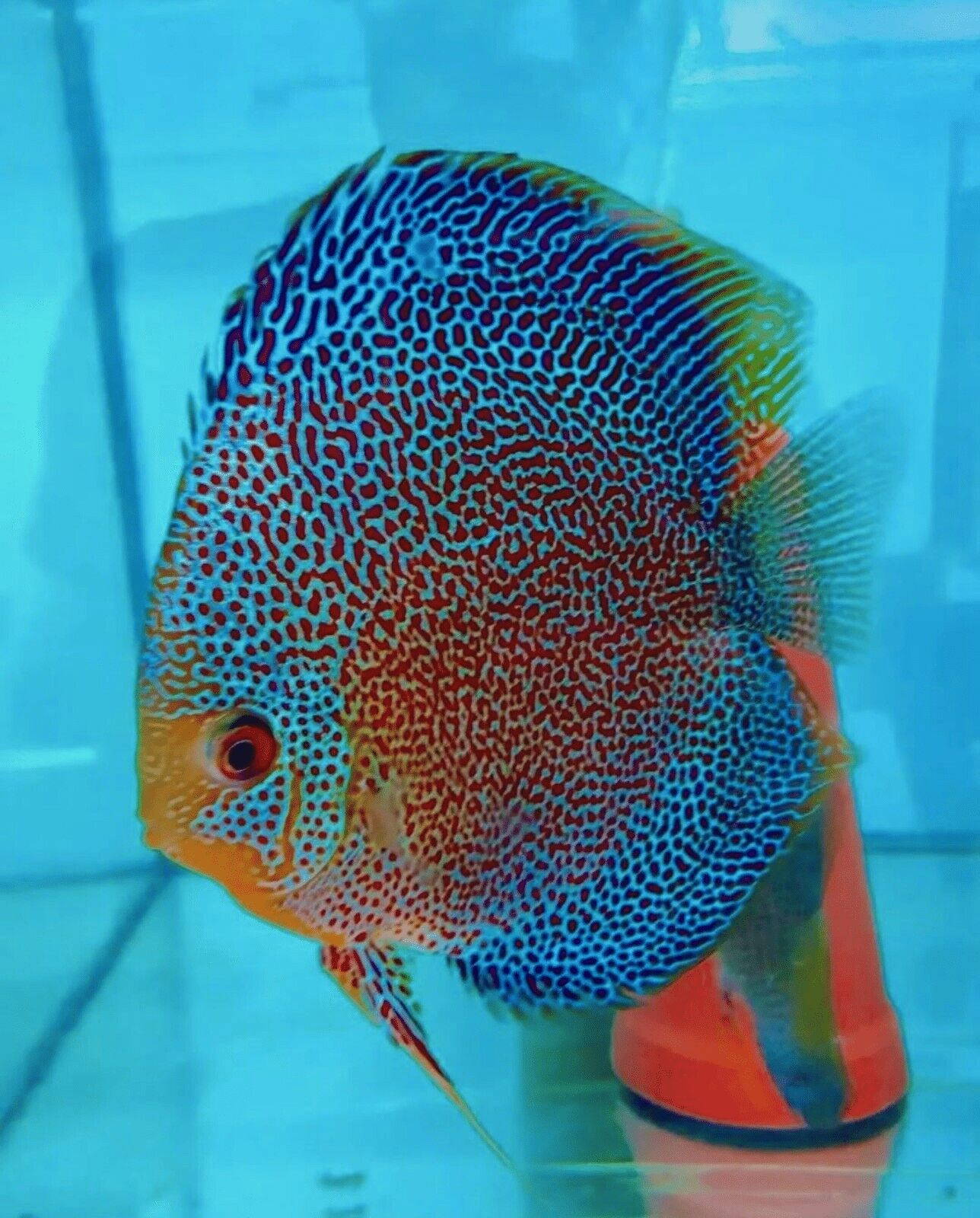
Blue Snakeskin Discus – Symphysodon Aequifasciatus
Original price was: £70.99.£59.99Current price is: £59.99.
Welcome these stunning Discus Fish Snakeskins Blue Symphysodon Aequifasciatus into your tropical aquarium. Their vibrant colors and graceful movements make them beautiful inhabitants. Perfect for aquarists seeking elegant freshwater fish, they thrive in peaceful community settings.
In stock


Species Introduction
The Discus Fish Snakeskins Blue, scientifically known as Symphysodon aequifasciatus, is a member of the Cichlidae family, renowned for its vibrant colors and elegant shape. Originating from the Amazon River basin in South America, these freshwater fish thrive in slow-moving waters filled with dense vegetation. In their natural habitat, discus fish are often found near the riverbanks, where they can seek shelter among the aquatic plants. This species is particularly cherished by aquarists for its striking appearance and unique patterns, which can vary significantly among individuals. The Snakeskins Blue variant is especially popular due to its beautiful blue hues and intricate scale patterns that resemble snake skin, making it a stunning addition to any tropical aquarium.
Care Requirements Dashboard
| Optimal Living Conditions | |
|---|---|
| Water Temperature | 24-27°C (75-81°F) |
| pH Level | 6.5-7.5 |
| Water Hardness | 4-12 dKH |
| Minimum Tank Size | 80L (20 gal) |
| Salinity | Freshwater |
| Care Level | Beginner Friendly |
✓ Care level: Moderate
Tank Size: Minimum 200 liters (53 gallons)
Water Temperature: 26°C – 30°C (79°F – 86°F)
pH Level: 6.0 – 7.5
Water Hardness: 1 – 10 dGH
Natural Behavior & Temperament
Discus fish are known for their peaceful and social nature, often seen swimming gracefully in the middle to upper levels of the aquarium. They exhibit a strong schooling behavior, thriving in groups of at least six individuals. This social interaction is crucial for their well-being, as it mimics their natural environment where they form schools for protection against predators. Their temperament is generally calm, making them suitable for community tanks; however, it is essential to choose tank mates wisely to avoid stress. Discus fish can exhibit territorial behavior during breeding, so providing ample space and hiding spots is vital for their comfort.
Tank Setup Guide
Creating an ideal environment for your Discus Fish Snakeskins Blue is essential for their health and happiness. A well-planned tank setup should include a minimum of 200 liters (53 gallons) of water to accommodate their size and social structure. The substrate should be soft and sandy, allowing them to forage naturally. Incorporating live plants such as Amazon swords, Java ferns, and floating plants will not only enhance the aesthetics of the aquarium but also provide hiding spots and reduce stress. Additionally, ensure that the tank has adequate filtration to maintain clean water, as discus fish are sensitive to poor water quality. Avoid sharp decorations that could harm their delicate bodies, and provide gentle water movement to mimic their natural habitat.
Water Quality Management
✓ Water Quality: Critical for Health
Maintaining optimal water parameters is crucial for the health of your discus fish. The ideal pH level should range between 6.0 and 7.5, with a temperature between 26°C and 30°C (79°F – 86°F). Regular water changes of 25-30% weekly will help keep nitrate levels low and ensure a stable environment. It is advisable to use a high-quality water conditioner to remove harmful chemicals from tap water. Monitoring ammonia and nitrite levels is essential, as even small spikes can be detrimental to discus fish. A good filtration system combined with regular testing will help maintain a healthy aquatic environment.
Feeding & Nutrition
Discus fish are omnivorous and require a varied diet to thrive. A balanced diet should include high-quality pellets specifically formulated for discus fish, as well as frozen or live foods such as brine shrimp, bloodworms, and daphnia. It is essential to feed them multiple small meals throughout the day rather than one large feeding to prevent overfeeding and maintain water quality. A feeding schedule of 2-3 times a day is recommended, with occasional fasting days to aid digestion. Additionally, supplementing their diet with spirulina flakes or vegetable matter can enhance their coloration and overall health.
Compatibility Guide
✓ Ideal Tank Mates: Peaceful Community Fish
When selecting tank mates for your Discus Fish Snakeskins Blue, it is crucial to choose species that share similar water parameter requirements and temperaments. Suitable companions include other peaceful cichlids, tetras, and rasboras. Avoid aggressive fish or those that may nip at their fins, such as barbs or certain species of cichlids. Keeping discus fish in a well-planned community tank can enhance their natural behavior and provide a dynamic aquarium environment. Always introduce new tank mates gradually to minimize stress and monitor interactions closely.
Health & Wellness
Maintaining the health of your Discus Fish Snakeskins Blue requires regular monitoring and proactive care. Common health issues include ich, fin rot, and internal parasites. Signs of illness may include changes in appetite, lethargy, or visible lesions. To prevent these issues, ensure stable water parameters, maintain a clean environment, and provide a balanced diet. Regularly observe your fish for any unusual behaviors, and if health issues arise, consult a knowledgeable aquarist or veterinarian for appropriate treatment options. Quarantine new fish before introducing them to your main tank to prevent the spread of diseases.
Breeding Information
✓ Breeding Discus: A Rewarding Experience
Breeding discus fish can be a rewarding endeavor for dedicated aquarists. To encourage breeding, provide a separate breeding tank with soft, acidic water and flat surfaces for egg laying, such as slate or broad leaves. The male and female discus will engage in courtship displays, and once they are ready, the female will lay eggs, which the male will fertilize. After hatching, the fry will require special care, including infusoria or specially formulated fry food until they are large enough to eat finely crushed flakes. Keeping the breeding pair in optimal conditions and ensuring a stress-free environment is essential for successful reproduction.
Acclimation Process
Introducing your Discus Fish Snakeskins Blue to their new home requires a careful acclimation process to minimize stress and ensure a smooth transition. Begin by floating the sealed bag containing the fish in the aquarium for about 15-20 minutes to equalize the temperature. After this, gradually introduce small amounts of tank water into the bag over the next hour. This will help the fish adjust to the water parameters of their new environment. Once acclimated, gently release the fish into the tank, avoiding any sudden movements that could frighten them. Monitor their behavior closely for the first few days to ensure they are settling in well.
Long-term Care
Caring for your Discus Fish Snakeskins Blue involves understanding their long-term needs and lifecycle. These fish can live for 10-15 years with proper care, making them a long-term commitment. As they grow, monitor their size and adjust tank conditions accordingly. Regular water changes, proper feeding, and maintaining a stable environment are crucial for their longevity. Additionally, keep an eye on their social dynamics, as they may require adjustments in tank mates or environment as they age. Providing a well-maintained habitat will contribute significantly to their overall health and happiness.
Natural Habitat Recreation
✓ Creating a Biotope: Enhance Their Environment
Recreating the natural habitat of Discus Fish Snakeskins Blue can greatly enhance their well-being. Mimic the Amazon River’s environment by using a dark substrate, adding driftwood, and planting lush vegetation. Incorporate floating plants to diffuse light and create shaded areas, reflecting their natural habitat. The use of natural filtration methods, such as peat moss, can help maintain the desired water parameters. This biotope setup not only provides a comfortable living space for your fish friends but also creates an aesthetically pleasing aquarium that showcases their beauty.
Seasonal Care Adjustments
As seasons change, so do the requirements for your Discus Fish Snakeskins Blue. During warmer months, ensure that the water temperature remains stable and does not exceed 30°C (86°F). Consider using a fan or air conditioning to cool the tank if necessary. In colder months, maintain a consistent temperature and avoid drastic fluctuations, as discus fish are sensitive to temperature changes. Adjust lighting periods to mimic natural daylight cycles, promoting healthy growth and behavior. Seasonal care adjustments are vital to ensuring the long-term health and happiness of your aquatic companions.
Expert Tips
✓ Professional Advice: Enhance Your Experience
For those looking to provide the best care for their Discus Fish Snakeskins Blue, consider joining local aquarist clubs or online forums to share experiences and gain insights. Regularly participate in workshops or seminars to expand your knowledge on discus care and breeding techniques. Additionally, investing in high-quality equipment, such as reliable heaters and filters, can significantly enhance the living conditions for your fish. Always stay informed about the latest research and advancements in fish care to ensure you are providing the best possible environment for your aquatic friends.
Troubleshooting
Despite the best care, issues may arise with your Discus Fish Snakeskins Blue. If you notice signs of stress, such as hiding or erratic swimming patterns, check water parameters immediately. High ammonia or nitrite levels can be harmful, so perform a partial water change if necessary. If your fish are not eating, consider reviewing their diet and ensuring that food is fresh and appropriate for their needs. In cases of illness, isolate affected fish and consult a veterinarian or professional aquarist for guidance on treatment options. Proactive monitoring and prompt action can help resolve issues before they escalate.
Scientific Background
✓ Taxonomy and Conservation
The Discus Fish Snakeskins Blue belongs to the family Cichlidae, which encompasses a wide variety of freshwater fish known for their complex behaviors and diverse forms. Symphysodon aequifasciatus is one of the three recognized species of discus fish, and its conservation status is of concern due to habitat destruction and overfishing in some areas. Efforts are underway to promote sustainable practices and protect their natural habitats. Understanding the scientific background of these fish can enhance your appreciation and commitment to their care and conservation.
Advanced Care Techniques
For experienced aquarists looking to take their care for Discus Fish Snakeskins Blue to the next level, consider implementing advanced techniques such as breeding pair selection and specialized feeding regimens. Select breeding pairs based on coloration, size, and health to enhance the quality of offspring. Additionally, explore the use of probiotics in their diet to promote gut health and improve immune function. Regularly assess and adjust water parameters to mimic their natural environment as closely as possible. These advanced techniques can lead to healthier fish and a more vibrant aquarium.
Water Quality Parameters
Optimal Range
24-27°C
6.5-7.5
0 ppm
Caution Zone
22-24°C or 27-29°C
6.0-6.5 or 7.5-8.0
0.25-0.5 ppm
Danger Zone
<22°C or >29°C
<6.0 or >8.0
>0.5 ppm
Monitoring Tip: Test water parameters weekly and perform regular water changes to maintain optimal conditions for your aquatic friends!
Frequently Asked Questions
Q: What tank size is required for Discus Fish?
Discus fish are quite large and require ample swimming space. A minimum tank size of 200 litres (approximately 52 gallons) is recommended for a small group of 4-6 Discus. This ensures they have enough room to establish territories and swim freely, which is crucial for their health and wellbeing. Larger tanks can accommodate more fish and help to maintain stable water parameters. It is also beneficial to provide vertical height in the tank, as Discus are inclined to swim at different levels. A well-planned aquarium with ample swimming space and hiding spots can greatly enhance their environment.
✓ Expert Tip
Consider keeping Discus in groups of at least five to reduce stress and encourage natural social behaviour.
Q: What water parameters do Discus Fish require?
Discus fish thrive in soft, slightly acidic water. Ideally, the pH should be maintained between 6.0 and 7.0, with a hardness of 1-10 dGH. The temperature is also crucial; a range of 26-30°C (79-86°F) is optimal. Regular water changes of 20-30% weekly help maintain these parameters and keep the water clean. It’s advisable to use a quality water conditioner to remove harmful chemicals. Monitoring water quality with reliable test kits can prevent stress-related issues and ensure a healthy environment for your Discus.
✓ Expert Tip
Use a substrate that allows for easy cleaning and promotes beneficial bacteria, such as fine gravel or sand.
Q: How often should I feed Discus Fish?
Discus fish should be fed small meals 2-3 times a day. A varied diet is essential for their health, including high-quality pellets, frozen or live food such as bloodworms and brine shrimp. Ensure the food is appropriately sized, as Discus have smaller mouths. Overfeeding can lead to water quality issues, so only provide as much food as they can consume within a few minutes. Regular dietary changes can also enhance their colouration and growth. Monitor their feeding habits closely to adjust portions as necessary.
✓ Expert Tip
Introduce new foods gradually to avoid digestive issues and stress.
Q: What are the best tank mates for Discus Fish?
Choosing compatible tank mates for Discus fish is essential for a harmonious aquarium. Suitable companions include peaceful species such as tetras, corydoras, and certain types of dwarf cichlids. Avoid aggressive or fin-nipping fish, as these can stress the Discus. The size and temperament of the tank mates should be considered, ensuring they do not outcompete the Discus for food. Additionally, keeping a similar water parameter preference among the species is crucial to maintain a healthy environment for all inhabitants.
✓ Expert Tip
Introduce new tank mates gradually to minimise stress and aggression.
Q: How do I properly acclimatise Discus Fish to my aquarium?
Acclimatising your Discus fish is crucial to minimise stress and ensure a smooth transition. Begin by floating the sealed bag in your tank for about 15-20 minutes to equalise the temperature. Then, gradually introduce tank water into the bag over the next hour. This can be done by adding small amounts of water every 10-15 minutes. After an hour, gently release the fish into the tank, discarding the bag water to prevent contamination. This method allows the Discus to adapt to the new environment without shock.
✓ Expert Tip
Always monitor your Discus closely for signs of stress after acclimatisation.
Q: What are the signs of healthy Discus Fish?
Healthy Discus fish are characterised by vibrant colours, clear eyes, and active behaviour. They should swim gracefully and show interest in their surroundings. Look for signs of stress or illness, such as faded colours, lethargy, or abnormal swimming patterns. Healthy Discus will also exhibit a good appetite and interact with tank mates. Regular observation can help catch any issues early, allowing for timely interventions. Maintaining optimal water conditions is key to their overall health and vitality.
✓ Expert Tip
Keep a routine for water testing to ensure parameters remain stable.
Q: How do I successfully breed Discus Fish?
Breeding Discus fish requires specific conditions. Start with a well-maintained tank of at least 200 litres, with stable water parameters. Introduce a pair of mature Discus (around 1-2 years old) and provide flat surfaces for spawning, such as broad leaves or breeding cones. Maintain a slightly higher temperature of 28-30°C (82-86°F) and ensure excellent water quality. Once the eggs are laid, the parents will guard them; it is advisable to remove other fish to avoid disturbances. After hatching, the fry will feed on the parents’ mucus for the first few days.
✓ Expert Tip
Provide a separate breeding tank to increase survival rates of the fry.
Q: What temperature should I maintain for Discus Fish?
Discus fish prefer warmer water, with an ideal temperature range of 26-30°C (79-86°F). Maintaining this temperature is essential for their metabolic processes and overall health. Sudden fluctuations can lead to stress and illness, so it is important to use a reliable heater and thermometer to monitor conditions. Regularly check the temperature and adjust as necessary to ensure a stable environment. A gradual increase or decrease in temperature is ideal if adjustments are required.
✓ Expert Tip
Consider using a heater with a thermostat to maintain consistent temperatures.
Q: How long do Discus Fish typically live in captivity?
In captivity, Discus fish can live for 10-15 years with proper care. Their lifespan is influenced by various factors, including water quality, diet, and overall tank conditions. Providing a stable environment, maintaining optimal water parameters, and feeding a nutritious diet can significantly enhance their longevity. Regular health checks and prompt attention to any issues can also prevent diseases that may shorten their lifespan. A well-cared-for Discus can become a long-term companion in your aquarium.
✓ Expert Tip
Keep a detailed journal of water parameters and observations for better management.
Q: What type of substrate is most suitable for Discus Fish?
Discus fish prefer a soft substrate that is easy to clean, such as fine gravel or sand. This type of substrate not only provides a comfortable environment for the fish but also allows for easy maintenance. Avoid sharp or rough substrates, as they can injure the delicate fins of Discus. Additionally, a sandy substrate can promote beneficial bacteria that aid in maintaining water quality. Regular cleaning and vacuuming of the substrate will help keep the tank environment healthy.
✓ Expert Tip
Incorporate plants into the substrate to enhance the aesthetic and provide hiding spots.
Q: What behavioural patterns should I expect from Discus Fish?
Discus fish are known for their gentle and social nature. They often display schooling behaviour, particularly when kept in groups. You may observe them establishing a pecking order, which is normal. They are also quite curious and will explore their surroundings, often interacting with other tank mates. Discus can be shy, so providing plenty of hiding spots and plants can help them feel secure. Additionally, they may exhibit territorial behaviour during breeding, which is typical for cichlids.
✓ Expert Tip
Observe your fish regularly to understand their unique behaviours and preferences.
Q: How can I prevent common diseases in Discus Fish?
Preventing diseases in Discus fish starts with maintaining excellent water quality. Regular water changes, monitoring parameters, and ensuring proper filtration are key practices. Quarantining new fish before introducing them to the main tank can prevent the spread of disease. Additionally, providing a balanced diet enhances their immune system. Observe your fish for early signs of illness, such as changes in appetite or behaviour, and address any issues promptly. Keeping the tank clean and well-maintained will significantly reduce the risk of disease.
✓ Expert Tip
Consider adding a UV steriliser to help control pathogens and improve water clarity.
Q: What natural habitat conditions should I replicate for Discus Fish?
Discus fish are native to the Amazon River basin, where they inhabit slow-moving waters rich in vegetation. To replicate their natural habitat, provide a well-planted aquarium with driftwood and hiding spots. Soft, dim lighting mimics the filtered light of their natural environment. Additionally, maintaining slightly acidic water conditions and a warm temperature will help create a comfortable setting for your Discus. The presence of plants not only provides shelter but also helps maintain water quality by absorbing excess nutrients.
✓ Expert Tip
Consider using natural materials to enhance the aesthetic and feel of the aquarium.
1 review for Blue Snakeskin Discus – Symphysodon Aequifasciatus
Add a review
Related products



Emily Sanders (verified owner) –
I recently added the Discus Fish Snakeskins Blue to my aquarium, and I couldn’t be happier! These gorgeous freshwater fish arrived healthy and vibrant after just a week of setting up their new tank. The colors are mesmerizing, and their unique patterns stand out beautifully against the aquatic plants. I keep them in a 55-gallon planted tank, which is ideal for their needs and helps them thrive. Compared to the other tropical fish I’ve owned, these discus are much more interactive and seem to have their own personalities! It does take a little extra care in maintaining water quality, but I find that so rewarding. If you’re looking to elevate your aquarium’s aesthetic and enjoy some delightful fish behavior, I highly recommend these discus! Just remember, they thrive in warm waters, so be ready to monitor your tank’s temperature closely. I’ll definitely be adding more to my collection in the future!