
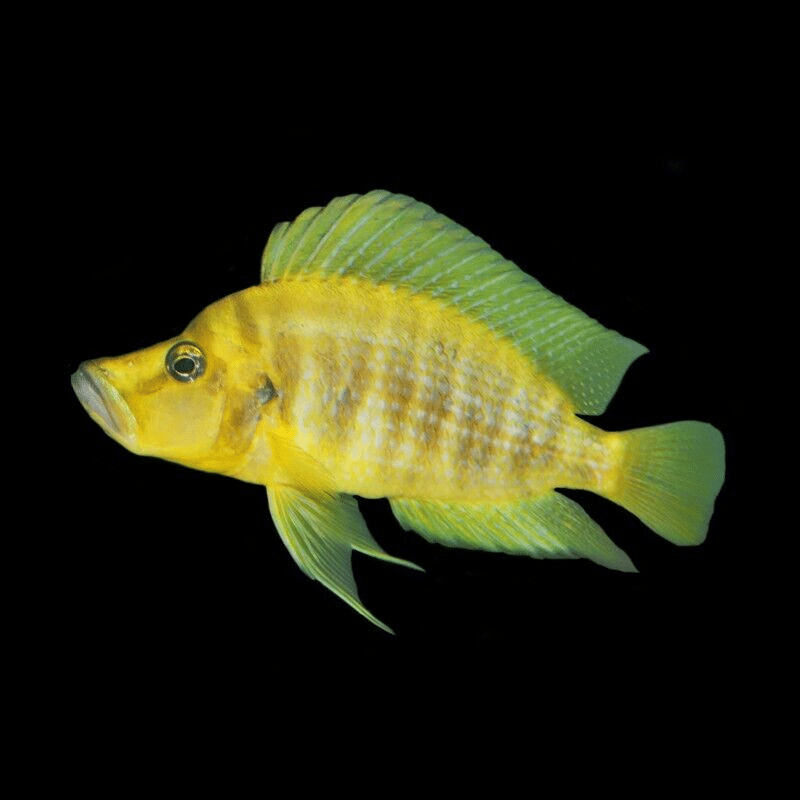
Titcha Mandarin Compressiceps – Altolamprologu

Original price was: £23.99.£20.32Current price is: £20.32.
Welcome the stunning Titcha Mandarin Compressiceps, a vibrant Lake Tanganyika Cichlid known for its unique colors and graceful movements. Ideal for aquarists seeking beautiful inhabitants, this peaceful fish thrives in a well-maintained aquarium with suitable plants and companions.
In stock


Species Introduction
The Titcha Mandarin Compressiceps, scientifically known as Altolamprologus compressiceps, is a captivating species of cichlid native to the stunning waters of Lake Tanganyika in East Africa. This lake is renowned for its unique biodiversity and is home to a variety of colorful and intriguing fish species. The Titcha Mandarin Compressiceps is particularly admired for its vibrant coloration and distinctive body shape, which features a compressed profile that allows it to navigate through rocky crevices and caves in its natural habitat. In the wild, these fish inhabit rocky substrates and prefer areas with plenty of hiding spots, making them feel secure and comfortable. Understanding their origin and natural habitat is crucial for providing the best care and environment for these beautiful aquatic companions.
Key Features – Titcha Mandarin Compressiceps – Altolamprologu
| Specification | Details |
|---|---|
| Benefits | Enhances your aquarium ecosystem |
| Quality | Premium aquarium-grade materials |
| Ease of Use | Simple setup and maintenance |
Care Requirements Dashboard
To ensure the well-being of your Titcha Mandarin Compressiceps, adhere to specific care requirements:
- Tank Size: Minimum 30 gallons
- pH Level: 7.8 to 9.0
- Temperature: 75°F to 82°F
- Water Hardness: 10 to 20 dGH
- Water Changes: Regular changes and filtration are vital
Natural Behavior & Temperament
The Titcha Mandarin Compressiceps exhibits fascinating natural behaviors that make them a joy to observe. In their natural habitat, they are known to be territorial, often establishing their own areas within the tank. They are generally peaceful cichlids, but males can be aggressive towards each other, especially in smaller spaces. It is important to provide plenty of hiding spots and territories to minimize conflicts. These fish are also known for their unique swimming patterns, often darting in and out of caves and crevices, which mimics their behavior in the wild. Their social behavior is intriguing, as they can often be seen interacting with other fish, particularly during feeding times. Understanding their natural behaviors will help you create a more enriching environment that caters to their instincts.
Tank Setup Guide
Setting up an ideal environment for your Titcha Mandarin Compressiceps is crucial for their health and happiness:
- Tank Size: Minimum 30 gallons
- Substrate: Sandy substrate
- Decor: Incorporate rocks, caves, and hiding spots
- Plants: Live plants can be added, but ensure they are secure
- Filtration: Moderate water flow to replicate natural conditions
Water Quality Management
Maintaining optimal water quality is paramount when caring for Titcha Mandarin Compressiceps. These fish are sensitive to fluctuations in water parameters, which can lead to stress and health issues. Regular testing of pH, temperature, and hardness is essential. Aim for a pH level between 7.8 and 9.0, with a temperature range of 75°F to 82°F. The hardness should be maintained between 10 to 20 dGH. To ensure stable water conditions, perform regular water changes of at least 25% every two weeks. Additionally, invest in a high-quality filtration system that can handle the bioload of your tank. Monitoring ammonia, nitrite, and nitrate levels is also crucial to prevent toxic buildup. By prioritizing water quality management, you will create a thriving environment for your Titcha Mandarin Compressiceps.
Feeding & Nutrition
Feeding your Titcha Mandarin Compressiceps a balanced and nutritious diet is essential for their growth, health, and vibrant coloration:
- Diet Type: Primarily carnivorous
- Food Options: High-quality cichlid pellets, frozen or live foods such as brine shrimp, bloodworms, and daphnia
- Feeding Frequency: Small portions 2-3 times a day
- Vegetable Matter: Incorporate spirulina flakes or blanched vegetables for essential nutrients
Compatibility Guide
When selecting tank mates for your Titcha Mandarin Compressiceps, it is crucial to choose species that share similar water requirements and temperaments. These cichlids are generally peaceful but can exhibit territorial behavior, particularly males. Suitable tank mates include:
- Chalinochromis brichardi
- Smaller peaceful species that can coexist without competing for territory
Avoid aggressive or overly large fish that may intimidate or harm your Titcha Mandarin. It is advisable to introduce new fish slowly and monitor interactions closely to ensure a harmonious community.
Health & Wellness
Maintaining the health and wellness of your Titcha Mandarin Compressiceps requires diligence and attention to detail. Common health issues include ich, fin rot, and stress-related conditions. Regular monitoring of water quality and parameters is essential to prevent these problems. Signs of illness may include changes in behavior, such as lethargy, loss of appetite, or abnormal swimming patterns. If you notice any of these symptoms, it is crucial to isolate the affected fish and treat them promptly. Providing a stress-free environment with plenty of hiding spots and stable water conditions will help reduce the risk of health issues. Additionally, routine check-ups and preventive measures, such as quarantine for new arrivals, can significantly enhance the overall health of your aquatic companions.
Breeding Information
Breeding Titcha Mandarin Compressiceps can be a rewarding experience for dedicated aquarists. These fish are mouthbrooders, meaning females carry and protect the fertilized eggs in their mouths until they hatch. To encourage breeding, provide a separate breeding tank with suitable hiding spots and flat surfaces for the female to lay her eggs. The ideal conditions for breeding include stable water parameters, a slightly higher temperature, and a diet rich in protein to condition the breeding pair. Once the female lays her eggs, she will carry them for about three weeks before releasing the fry. During this time, it is important to provide a safe environment for the female to care for her young, as she will be protective of her brood. Understanding the breeding process and providing the right conditions will enhance your chances of successfully raising Titcha Mandarin fry.
Acclimation Process
Proper acclimation is vital when introducing Titcha Mandarin Compressiceps to a new tank. To minimize stress and ensure a smooth transition, it is recommended to use the drip acclimation method. Begin by floating the sealed bag containing the fish in the tank for about 15-20 minutes to equalize the temperature. Then, slowly introduce small amounts of tank water into the bag over the course of an hour. This gradual process helps the fish adjust to the new water parameters without shock. Once acclimated, gently release the fish into the tank, avoiding the introduction of bag water to prevent contamination. Monitoring their behavior closely for the first few days will help ensure they settle in comfortably and adapt to their new environment.
Long-term Care
The Titcha Mandarin Compressiceps can live for several years with proper care, making them a long-term commitment for any aquarist. As they grow, their care requirements may change, so it is essential to monitor their growth and adjust tank conditions accordingly. Regular water changes, consistent feeding schedules, and routine health checks are crucial for their long-term well-being. Additionally, providing enrichment through tank decorations and hiding spots will help keep them active and engaged. Understanding their lifecycle and growth expectations will enable you to provide the best possible care for your aquatic companions throughout their lives.
Natural Habitat Recreation
Recreating the natural habitat of Titcha Mandarin Compressiceps is essential for their overall health and happiness. In Lake Tanganyika, these fish inhabit rocky environments with plenty of hiding spots and caves. To mimic this habitat, incorporate a variety of rocks, caves, and sandy substrate in your aquarium setup. The arrangement should provide ample hiding spots while allowing for open swimming areas. Additionally, consider adding live plants that thrive in similar conditions, as they can enhance water quality and provide natural filtration. By recreating their natural habitat, you will not only enhance the aesthetic appeal of your aquarium but also promote the well-being of your Titcha Mandarin Compressiceps.
Seasonal Care Adjustments
As seasons change, so do the needs of your Titcha Mandarin Compressiceps. During warmer months, ensure that the water temperature remains stable and does not exceed 82°F. This may require adjusting the heater or using fans to cool the tank if necessary. In colder months, monitor the temperature closely to prevent fluctuations that could stress your fish. Additionally, consider adjusting the lighting schedule to mimic natural daylight cycles, which can influence breeding behaviors and overall activity levels. Seasonal care adjustments are important to maintain a stable environment that supports the health and happiness of your aquatic companions.
Expert Tips
For those seeking to enhance their experience with Titcha Mandarin Compressiceps, consider these expert tips. First, always research the specific needs of your fish and tailor your care routine accordingly. Regularly observe their behavior and interactions with tank mates to ensure a harmonious environment. Additionally, consider joining online forums or local aquarium clubs to share experiences and gain insights from other cichlid enthusiasts. Experimenting with different tank layouts and decorations can also provide enrichment and stimulate natural behaviors. By applying these expert tips, you can create a thriving environment that showcases the beauty and personality of your Titcha Mandarin Compressiceps.
Troubleshooting
Despite your best efforts, you may encounter challenges while caring for Titcha Mandarin Compressiceps. Common issues include aggression between tank mates, poor water quality, and signs of illness. If you notice aggressive behavior, consider providing additional hiding spots or rearranging tank decorations to reduce territorial disputes. For water quality issues, regularly test parameters and perform water changes as needed. If fish display signs of illness, such as abnormal swimming or loss of appetite, isolate the affected fish and consult with an aquarium professional for guidance on treatment options. By being proactive and addressing issues promptly, you can maintain a healthy and thriving aquarium environment.
Scientific Background
The Titcha Mandarin Compressiceps belongs to the family Cichlidae, which encompasses a diverse range of species known for their unique behaviors and adaptations. This species is part of the genus Altolamprologus, which includes several other cichlid species native to Lake Tanganyika. Research into the taxonomy and ecology of these fish has provided valuable insights into their behavior, breeding habits, and conservation status. Understanding the scientific background of Titcha Mandarin Compressiceps can enhance your appreciation for these remarkable fish and the ecosystems they inhabit.
Advanced Care Techniques
For experienced aquarists looking to take their care of Titcha Mandarin Compressiceps to the next level, consider implementing advanced techniques. These may include specialized breeding setups that mimic natural conditions, such as using specific substrates and water parameters to encourage spawning. Additionally, experimenting with different feeding regimens, including live foods and supplements, can enhance coloration and vitality. Regularly participating in cichlid shows or competitions can also provide opportunities to learn from experts and showcase your fish. By embracing advanced care techniques, you can deepen your connection with your Titcha Mandarin Compressiceps and contribute to their well-being.
Frequently Asked Questions
Q: What tank size is required for the Titcha Mandarin Compressiceps?
The Titcha Mandarin Compressiceps, also known as Altolamprologus compressiceps, requires a minimum tank size of 100 litres to thrive. This provides ample swimming space and territory for these fish, which can be quite territorial, especially during breeding. A larger tank is preferable, as it allows for multiple hiding spots and reduces stress levels among fish. It’s essential to create a suitable environment with caves and rocky structures, mimicking their natural habitat in Lake Tanganyika. This setup not only supports their natural behaviours but also helps maintain harmony within the tank.
✓ Expert Tip
Consider adding plants and substrate that mimic their natural environment, as this will enhance their comfort and well-being.
Q: What water parameters do Titcha Mandarin Compressiceps require?
Titcha Mandarin Compressiceps thrive in slightly alkaline water with a pH range of 7.8 to 9.0. The water hardness should ideally be between 10-20 dGH to replicate their natural Lake Tanganyika habitat. Maintaining a stable temperature between 24°C and 28°C is crucial for their health. Regular water changes and monitoring of ammonia, nitrite, and nitrate levels are essential to ensure optimal water quality. These fish are sensitive to poor water conditions, so investing in a reliable filtration system is highly recommended for maintaining a healthy aquarium environment.
✓ Expert Tip
Test your water parameters regularly and adjust them gradually to prevent stress in your fish.
Q: How often should I feed Titcha Mandarin Compressiceps?
Feeding Titcha Mandarin Compressiceps should be done two to three times a week, ensuring that the food is high-quality and protein-rich. Their diet predominantly consists of small live or frozen foods such as brine shrimp, daphnia, and high-quality pellets designed for carnivorous fish. It’s important to avoid overfeeding, as this can lead to water quality issues. Portion control is key; only provide what they can consume within a few minutes. Regularly varying their diet will help maintain their health and vibrant colours.
✓ Expert Tip
Consider using a feeding ring to prevent food from floating away, ensuring your fish receive their share.
Q: What are the best tank mates for Titcha Mandarin Compressiceps?
When selecting tank mates for Titcha Mandarin Compressiceps, opt for other peaceful cichlids that share similar water conditions. Suitable companions include smaller species such as Cyprichromis and Neolamprologus. Avoid aggressive or larger fish, as they may disturb the Compressiceps or compete for territory. It’s essential to introduce new tank mates gradually and monitor their interactions closely. Providing ample hiding spots and territories will help minimise aggression and ensure a harmonious community tank environment.
✓ Expert Tip
Adding a few more hiding places can help reduce territorial disputes, allowing your fish to feel secure.
Q: How do I properly acclimatise Titcha Mandarin Compressiceps to my aquarium?
Acclimatisation is crucial for the health of your Titcha Mandarin Compressiceps. Begin by floating the sealed bag in your aquarium for about 15-20 minutes to equalise the temperature. Then, gradually introduce small amounts of your tank water into the bag every 5 minutes, allowing the fish to adjust to the water chemistry. After about an hour, gently release the fish into the aquarium without adding the bag water. This process reduces stress and helps prevent shock, ensuring a smoother transition for your new aquatic companion.
✓ Expert Tip
Perform acclimatisation in a quiet area to minimise stress from other fish and aquarium activity.
Q: What are the signs of healthy Titcha Mandarin Compressiceps?
Healthy Titcha Mandarin Compressiceps exhibit vibrant coloration, active swimming behaviour, and a healthy appetite. Their fins should be fully extended and free from tears or fraying. Additionally, look for clear and bright eyes, as cloudy or sunken eyes can indicate health issues. Regular monitoring of their behaviour is essential; lethargy, hiding excessively, or not eating are warning signs of stress or illness. Maintaining optimal water quality and a proper diet will significantly contribute to their overall well-being.
✓ Expert Tip
Consider keeping a health log to track changes in behaviour or health, helping you address issues proactively.
Q: How do I successfully breed Titcha Mandarin Compressiceps?
Breeding Titcha Mandarin Compressiceps can be a rewarding experience. To encourage breeding, provide plenty of hiding spots and caves in the aquarium, as these serve as nesting areas. A slightly elevated temperature of around 28°C can stimulate breeding behaviour. Once a pair forms, the female will lay eggs on a flat surface, which the male will fertilise. After spawning, it’s advisable to remove the parents to prevent them from eating the eggs. The eggs will hatch in about 3-5 days, and the fry will require infusoria or finely crushed flakes for initial feeding.
✓ Expert Tip
Monitor water conditions closely during breeding and provide additional aeration to support fry development.
Q: What temperature should I maintain for Titcha Mandarin Compressiceps?
The optimal temperature range for Titcha Mandarin Compressiceps is between 24°C and 28°C. Maintaining a stable temperature is crucial, as fluctuations can lead to stress and health issues. A reliable aquarium heater is recommended to ensure that the water temperature remains consistent. Regularly monitor the temperature with an accurate thermometer, and adjust the heater as needed. It’s also wise to place the heater in a location with good water circulation to promote even heat distribution throughout the tank.
✓ Expert Tip
Consider using a heater with an adjustable thermostat to fine-tune the temperature for your fish friends.
Q: How long do Titcha Mandarin Compressiceps typically live in captivity?
In a well-maintained aquarium with optimal conditions, Titcha Mandarin Compressiceps can live for 8 to 12 years. Their lifespan is significantly influenced by water quality, diet, and overall care. Providing a stable environment with proper filtration and regular water changes will contribute to their longevity. Additionally, maintaining a balanced diet rich in nutrients will support their health and vitality. Regular monitoring for signs of stress or illness will also help ensure a long and healthy life for these beautiful fish companions.
✓ Expert Tip
Keep a consistent care routine to enhance their quality of life and potentially extend their lifespan.
Q: What type of substrate is most suitable for Titcha Mandarin Compressiceps?
For Titcha Mandarin Compressiceps, a fine sand substrate is highly recommended. This mimics their natural habitat in Lake Tanganyika, where they typically forage in sandy areas. Fine sand allows them to dig and create hiding spots, which is essential for their comfort and security. Avoid sharp-edged substrates, as these can injure their delicate fins. Additionally, incorporating some smooth rocks and caves will enhance their environment, providing further opportunities for exploration and hiding, which is crucial for their well-being.
✓ Expert Tip
Consider creating a layered substrate with coarse gravel underneath the sand for better filtration and aeration.
Q: What behavioural patterns should I expect from Titcha Mandarin Compressiceps?
Titcha Mandarin Compressiceps are known for their interesting and engaging behaviours. They are generally territorial, especially during breeding, and will often claim a specific area in the tank. These fish exhibit a unique swimming style, often darting between rocks and caves. They are also known to be somewhat shy, preferring to hide when feeling threatened. When kept in a suitable environment with plenty of hiding spots, they will display more confident behaviours, showcasing their vibrant colours and social interactions with tank mates.
✓ Expert Tip
Observe their behaviour regularly to understand their needs and adjust their environment accordingly for optimal comfort.
Q: How can I prevent common diseases in Titcha Mandarin Compressiceps?
Preventing diseases in Titcha Mandarin Compressiceps largely revolves around maintaining optimal water quality and a stress-free environment. Regular water changes, monitoring parameters, and keeping the tank clean are all vital practices. Quarantining new fish before introducing them to the main tank can prevent the spread of pathogens. Additionally, providing a varied diet rich in nutrients will bolster their immune system. Watch for signs of stress, such as hiding or decreased appetite, and address any potential issues promptly to ensure their health and longevity.
✓ Expert Tip
Establishing a routine for monitoring water quality will help you spot any potential issues before they become serious.
Q: What lighting conditions do Titcha Mandarin Compressiceps prefer?
Titcha Mandarin Compressiceps thrive in moderate lighting conditions that replicate their natural habitat. Bright lights can cause stress, so it is advisable to have subdued lighting, which can be achieved using LED lights or fluorescent tubes with a suitable spectrum. Providing shaded areas within the tank using rocks and plants can help them feel secure. A light cycle of around 10-12 hours per day is ideal, as this mimics the natural light patterns they would experience in the wild, supporting their overall well-being.
✓ Expert Tip
Consider using a timer for consistent lighting schedules, aiding in their acclimatisation and comfort.
Q: How do I recognise stress in Titcha Mandarin Compressiceps?
Recognising stress in Titcha Mandarin Compressiceps is crucial for their health. Signs of stress include excessive hiding, lethargy, and a lack of appetite. You may also notice them displaying unusual behaviours, such as rapid gill movement or erratic swimming patterns. Changes in colour intensity can also indicate stress levels; a dull or faded appearance often suggests discomfort or health issues. Maintaining optimal water conditions, a balanced diet, and a secure environment will help reduce stress and promote a thriving aquatic community.
✓ Expert Tip
Regularly observe your fish to understand their normal behaviour, making it easier to spot signs of stress or illness.
Q: What natural habitat conditions should I replicate for Titcha Mandarin Compressiceps?
To provide the best care for Titcha Mandarin Compressiceps, it is essential to replicate their natural habitat found in Lake Tanganyika. This includes maintaining slightly alkaline water with a pH of 7.8 to 9.0 and a temperature range of 24°C to 28°C. Incorporate sandy substrates and rocky structures, allowing for plenty of hiding spots and territories. The environment should also be well-filtered to ensure high water quality. Keeping the tank clean and introducing plants that mimic their natural surroundings will enhance their comfort and encourage natural behaviours.
✓ Expert Tip
Utilise natural decorations to create a biotope that reflects their wild habitat, promoting their well-being.
1 review for Titcha Mandarin Compressiceps – Altolamprologu
Add a review
Related products


Emma Carter (verified owner) –
I recently added the Titcha Mandarin Compressiceps to my aquarium, and I couldn’t be happier! As a caring fish parent, I always prioritize the health and happiness of my freshwater fish, and this little guy has exceeded all my expectations. After just two weeks, I’ve noticed that he’s settled in beautifully and really brings my tank to life with his vibrant colors and unique markings.
The Compressiceps has a playful personality, often darting around and showcasing his territorial behavior, which keeps me entertained. What I appreciate the most is how well he interacts with my other Lake Tanganyika cichlids; there’s a harmonious vibe that I haven’t experienced with other tropical fish I’ve kept.
I’ve tried different cichlids before, but none have the same level of charm or resilience. The quality of this fish is evident, and I feel confident in his well-being with proper care. Just be mindful to provide plenty of hiding spots in your aquarium, as they appreciate having their own space.
I recommend the Titcha Mandarin Compressiceps to anyone who is looking for a lively and colorful addition to their tank, especially if you’re already keeping other cichlids. This little fish has truly brightened up my aquarium setup, and I can’t wait to see how he grows with me. Would absolutely buy again!