Yellow Snakeskin Miniature Guppy Pair – Poecilia Wingei – Livebearer


Original price was: £17.49.£14.52Current price is: £14.52.
Welcome these beautiful Yellow Snakeskin Miniature Guppies, stunning tropical fish that add vibrant color to your aquarium. Perfect as peaceful community members, this pair includes one male and one female. Create a thriving environment for these elegant livebearers today.
In stock


Species Introduction
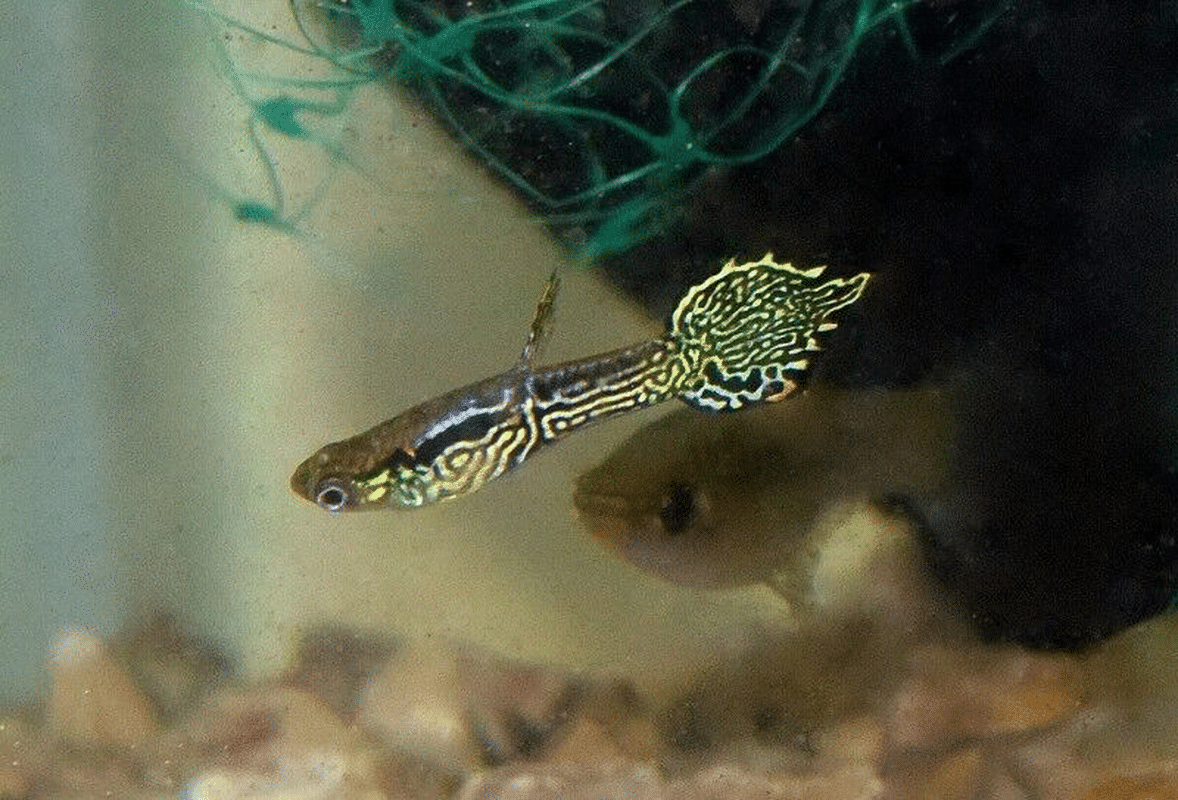
The Yellow Snakeskin Miniature Guppy, scientifically known as Poecilia reticulata, belongs to the family Poeciliidae. This captivating species is native to the freshwater environments of South America, particularly in regions like Venezuela and Trinidad. Known for their vibrant colors and unique patterns, these guppies are a popular choice among aquarists looking to enhance their tropical fish collections. The Yellow Snakeskin variant is particularly distinguished by its striking yellow coloration and intricate snakeskin-like pattern, making it a stunning addition to any aquarium. As a livebearer, this species gives birth to live young rather than laying eggs, which is a fascinating aspect of their reproduction. This characteristic, along with their peaceful nature, makes them ideal for community tanks and breeding setups. Understanding their natural habitat is crucial for replicating the optimal conditions that will allow these beautiful fish to thrive.
Care Requirements Dashboard
| Optimal Living Conditions | |
|---|---|
| Water Temperature | 24-27°C (75-81°F) |
| pH Level | 6.5-7.5 |
| Water Hardness | 4-12 dKH |
| Minimum Tank Size | 80L (20 gal) |
| Salinity | Freshwater |
| Care Level | Beginner Friendly |
✓ Care Level: Easy
Tank Size: Minimum 10 gallons
Water Parameters: pH 6.8 – 7.5, Temperature 22°C – 28°C (72°F – 82°F), Hardness 5 – 20 dGH
Natural Behavior & Temperament
The Yellow Snakeskin Miniature Guppy is known for its lively and social behavior. These fish are active swimmers and often display a playful demeanor, darting around the tank and interacting with their surroundings. They thrive in groups and should ideally be kept in schools of at least five or more to reduce stress and promote natural behaviors. In a community setting, these guppies exhibit a peaceful temperament, making them compatible with a variety of other freshwater fish species. Their social nature encourages them to establish a hierarchy within the group, and observing their interactions can be quite entertaining. However, it’s important to monitor their behavior, as overly aggressive tank mates can cause stress and harm to these delicate fish. Overall, the Yellow Snakeskin Miniature Guppy is a delightful addition to any aquarium, providing both beauty and liveliness.
Tank Setup Guide
Creating an ideal environment for your Yellow Snakeskin Miniature Guppy involves careful consideration of tank setup. A minimum tank size of 10 gallons is recommended to provide ample swimming space and maintain stable water parameters. The substrate can be fine gravel or sand, allowing for easy cleaning and natural behavior. Incorporating live plants not only enhances the aesthetic appeal but also provides hiding spots and a sense of security for the guppies. Plants such as Java Fern, Anubias, and Hornwort are excellent choices, as they thrive in a range of water conditions and contribute to water quality. Additionally, decorations such as driftwood and rocks can create territories and break up sight lines, reducing stress among tank mates. Ensure that any decorations are smooth and free of sharp edges to prevent injury to your fish friends. Proper lighting is also essential, as it helps promote plant growth and showcases the vibrant colors of your guppies.
Water Quality Management
⚠ Water Parameter Notice
Maintaining optimal water quality is crucial for the health of your Yellow Snakeskin Miniature Guppy. Regular water changes of 20-30% every week are recommended to keep nitrate levels low and ensure a clean environment. The ideal pH range for these fish is between 6.8 and 7.5, with a temperature range of 22°C to 28°C (72°F to 82°F). It’s important to monitor the water hardness, which should be maintained between 5 and 20 dGH. Utilizing a reliable water conditioner can help eliminate harmful chemicals and chlorine from tap water. Additionally, investing in a quality aquarium filter will aid in maintaining water clarity and quality. Regular testing of water parameters is essential; test kits can help you monitor pH, ammonia, nitrite, and nitrate levels to ensure a stable environment for your fish.
Feeding & Nutrition
Feeding your Yellow Snakeskin Miniature Guppy a balanced diet is essential for their health and vibrancy. These fish are omnivorous and thrive on a varied diet that includes high-quality flake food, micro-pellets, and frozen or live foods such as brine shrimp and daphnia. A feeding schedule of 2-3 times per day is recommended, providing only as much food as they can consume within a few minutes to prevent overfeeding and water quality issues. It’s beneficial to supplement their diet with vegetable matter, such as blanched spinach or spirulina, to enhance their nutritional intake. Observing your fish during feeding time can also provide insights into their health; healthy guppies will actively swim to the surface and eagerly consume food. Remember to remove any uneaten food promptly to maintain water quality and prevent algae growth.
Compatibility Guide
The Yellow Snakeskin Miniature Guppy is a peaceful species that thrives in community tanks. They are compatible with a variety of other freshwater fish, including tetras, rasboras, and other small livebearers. However, caution should be exercised when selecting tank mates, as larger or more aggressive species may pose a threat to the guppies. It’s advisable to avoid keeping them with fin-nippers or overly territorial fish that may stress or harm them. A well-planned community aquarium with compatible species will create a harmonious environment, allowing all fish to thrive. When introducing new tank mates, it’s essential to monitor interactions closely to ensure that all fish are comfortable and exhibiting normal behavior. A diverse community not only enhances the visual appeal of your aquarium but also promotes a balanced ecosystem.
Health & Wellness
Maintaining the health and wellness of your Yellow Snakeskin Miniature Guppy involves regular observation and proactive care. Common health issues include fin rot, ich, and other parasitic infections. Signs of distress may include lethargy, loss of appetite, or abnormal swimming patterns. To prevent these issues, ensure proper water quality and avoid overcrowding in the tank. Quarantining new fish before introducing them to the main tank can help prevent the spread of disease. Additionally, providing a stress-free environment with plenty of hiding spots and stable water parameters will contribute to their overall well-being. If health issues arise, prompt action is necessary; consult with an aquarium specialist or veterinarian experienced in fish care for appropriate treatment options. Regularly monitoring your fish’s behavior and appearance is key to early detection of potential health problems.
Breeding Information
Breeding Yellow Snakeskin Miniature Guppies can be a rewarding experience for aquarists. These livebearers are known for their prolific breeding capabilities, and with the right conditions, they can produce several fry every month. To encourage breeding, maintain a ratio of one male to two or three females, as this reduces stress on the females. Providing plenty of hiding spots, such as dense plants or breeding boxes, will help protect the fry from being eaten by adult fish. The gestation period for guppies is typically around 28 days, after which the female will give birth to live fry. It’s essential to separate the fry from adult fish shortly after birth to ensure their survival. Feeding the fry with finely crushed flakes or specialized fry food will support their growth and development. Monitoring the growth of the fry and gradually introducing them to the main tank as they mature is crucial for their long-term health.
Acclimation Process
Acclimating your Yellow Snakeskin Miniature Guppy to their new environment is a critical step in ensuring their health and comfort. When introducing new fish, it is essential to allow them to adjust to the temperature and water chemistry of the tank gradually. The drip acclimation method is highly recommended; this involves slowly adding tank water to the bag containing the fish over a period of several hours. This gradual process helps minimize stress and shock, allowing the fish to adapt to their new surroundings. After acclimation, gently release the guppies into the tank without adding the water from the bag, as this may contain harmful substances. Monitoring their behavior for the first few days in their new home is crucial, as it allows you to ensure they are settling in well and adjusting to their new environment.
Long-term Care
Long-term care for your Yellow Snakeskin Miniature Guppy involves understanding their lifecycle and growth expectations. These fish typically reach a maximum length of about 6 cm (2.4 inches) and can live for 2 to 3 years with proper care. Regular maintenance, including water changes and tank cleaning, is essential to ensure a healthy environment. Monitoring their growth and behavior will help you identify any potential issues early on. As they mature, you may notice changes in coloration and pattern, which are indicative of their health and well-being. Providing a balanced diet and maintaining stable water parameters will contribute to their longevity and vibrancy. Additionally, keeping an eye on their breeding habits can help you manage the population in your aquarium effectively.
Natural Habitat Recreation
Recreating the natural habitat of the Yellow Snakeskin Miniature Guppy can enhance their well-being and display their natural behaviors. In the wild, these fish inhabit shallow waters with plenty of vegetation, providing them with cover and foraging opportunities. To mimic this environment, include a variety of live plants, such as Vallisneria and Elodea, which can grow tall and provide shade. Incorporating driftwood and rocks will create hiding spots and territories, allowing the guppies to exhibit their natural social behaviors. Maintaining a gentle water flow with a sponge filter or air stone will help simulate their natural habitat while ensuring adequate oxygenation. By creating a biotope that reflects their native environment, you can promote the health and happiness of your Yellow Snakeskin Miniature Guppy.
Seasonal Care Adjustments
Seasonal changes can impact the care requirements of your Yellow Snakeskin Miniature Guppy. During warmer months, it’s essential to monitor the water temperature closely, as high temperatures can lead to stress and health issues. Consider using a heater with a thermostat to maintain a stable temperature within the recommended range. In contrast, during colder months, ensure that the tank is adequately heated to prevent temperature fluctuations. Adjusting the lighting duration can also help mimic natural seasonal changes, promoting healthy growth and breeding behaviors. Regularly check the water parameters and make adjustments as needed to maintain optimal conditions throughout the year. Being proactive in your care routine will ensure that your fish friends remain healthy and vibrant, regardless of the season.
Expert Tips
For those looking to provide the best care for their Yellow Snakeskin Miniature Guppy, here are some expert tips to consider. First, always research and understand the specific needs of your fish friends before introducing them to your aquarium. Regular water testing is crucial; invest in a reliable test kit to monitor pH, ammonia, nitrite, and nitrate levels. Additionally, consider adding a UV sterilizer to help control algae and harmful microorganisms in the tank. When breeding, ensure that the fry have access to high-quality food and ample hiding spots to thrive. Lastly, engage with local aquarist communities or forums for shared experiences and advice, as this can enhance your knowledge and improve your fish-keeping skills.
Troubleshooting
Encountering issues with your Yellow Snakeskin Miniature Guppy can be concerning, but many common problems can be resolved with proper knowledge and care. If you notice signs of illness, such as white spots on the body or fins, this may indicate ich, a common parasitic infection. To treat this, increase the water temperature gradually and consider using a specialized medication. If your fish are displaying unusual behavior, such as hiding excessively or not eating, check water parameters immediately, as poor water quality is often the culprit. Overcrowding can also lead to stress; ensure that your tank is appropriately stocked. By remaining observant and proactive in your care, you can address issues before they escalate, ensuring a healthy environment for your aquatic companions.
Scientific Background
The Yellow Snakeskin Miniature Guppy, or Poecilia reticulata, is a fascinating species with a rich scientific background. As part of the family Poeciliidae, these fish are closely related to other livebearers, including mollies and platies. Their adaptability to various freshwater environments has made them a popular choice for aquarists worldwide. Research on guppy genetics has provided insights into their vibrant coloration and patterns, making them a subject of interest for both hobbyists and scientists. Conservation efforts are vital for maintaining the genetic diversity of wild guppy populations, as habitat destruction and pollution threaten their natural habitats. By understanding the scientific background of your Yellow Snakeskin Miniature Guppy, you can appreciate their beauty and significance in the aquatic ecosystem.
Advanced Care Techniques
For experienced aquarists looking to take their care of Yellow Snakeskin Miniature Guppies to the next level, consider implementing advanced techniques. Regularly rotating the plants in your aquarium can enhance the aesthetic and provide new foraging opportunities for your fish. Additionally, experimenting with different types of food can promote vibrant coloration and overall health; consider incorporating live foods and high-quality pellets into their diet. Utilizing a breeding trap can facilitate the safe introduction of fry into the main tank, protecting them from adult fish. Lastly, maintaining a detailed journal of water parameters, feeding schedules, and breeding cycles can help you track changes and optimize care for your guppies. These advanced techniques will not only enhance the health of your fish but also deepen your understanding of their needs and behaviors.
Frequently Asked Questions
Q: What tank size is required for the Pair of Yellow Snakeskin Miniature Guppy?
For the Pair of Yellow Snakeskin Miniature Guppies, a minimum tank size of 20 litres is recommended. This size allows sufficient swimming space and helps maintain stable water parameters, which is crucial for their health. Guppies are social creatures and thrive in groups; thus, a larger tank can accommodate more fish, enhancing their natural behaviour. Ensure the tank is properly cycled before introducing the guppies, as this will create a healthy environment for them to thrive.
✓ Expert Tip
Consider adding live plants to your tank, as they not only enhance aesthetics but also provide hiding spots and improve water quality.
Q: What water parameters do Yellow Snakeskin Miniature Guppies require?
Yellow Snakeskin Miniature Guppies thrive in slightly alkaline water with a pH range of 7.0 to 8.0. The temperature should be maintained between 24°C to 28°C, providing a comfortable environment for their activities. Additionally, they prefer soft to moderately hard water, with a hardness level between 10-20 dGH. Regular water changes of 10-15% weekly will help maintain optimal water quality, which is vital for their overall health and wellbeing.
✓ Expert Tip
Using a water conditioner can help remove harmful chemicals and make tap water safe for your guppies.
Q: How often should I feed my Yellow Snakeskin Miniature Guppies?
Feeding your Yellow Snakeskin Miniature Guppies two to three times a day is ideal. Offer only as much food as they can consume within a few minutes to prevent overfeeding, which can lead to water quality issues. A varied diet including high-quality flake food, live or frozen foods such as brine shrimp or daphnia, will ensure they receive the necessary nutrients. During breeding, it is beneficial to provide more protein-rich foods to support the health of the fry.
✓ Expert Tip
Consider using a feeding ring to prevent food from floating away and ensure your guppies can access it easily.
Q: What are the best tank mates for Yellow Snakeskin Miniature Guppies?
Yellow Snakeskin Miniature Guppies are peaceful fish and can coexist with various species. Ideal tank mates include other small, non-aggressive fish such as Neon Tetras, Corydoras Catfish, and Endler’s Livebearers. Avoid larger or aggressive fish, as they may pose a threat to your guppies. When selecting tank mates, ensure they inhabit similar water conditions and temperaments to maintain a harmonious aquarium environment.
✓ Expert Tip
Avoid overcrowding your tank, as it can lead to stress and health issues among all fish.
Q: How do I properly acclimatise my Yellow Snakeskin Miniature Guppies to my aquarium?
To acclimatise your Yellow Snakeskin Miniature Guppies, first, float the sealed bag in the aquarium for about 15-20 minutes. This allows the water temperature to equalise. After that, gradually introduce small amounts of tank water into the bag every 5 minutes, repeating this for 30-45 minutes. Finally, gently transfer the guppies into the tank using a net, discarding the bag water to prevent contamination. Proper acclimatisation reduces stress and helps your guppies adjust to their new environment.
✓ Expert Tip
Avoid adding too many fish at once; instead, introduce them in small groups for a smoother transition.
Q: What are the signs of healthy Yellow Snakeskin Miniature Guppies?
Healthy Yellow Snakeskin Miniature Guppies exhibit vibrant colours, clear eyes, and active behaviour. They should swim freely and interact with their environment. Look for signs such as normal appetite and smooth, undamaged fins. If you notice lethargy, faded colours, or abnormal swimming patterns, it may indicate stress or illness. Regular monitoring and maintaining optimal water conditions are essential to ensure the health of your guppies.
✓ Expert Tip
Keep a close eye on your guppies, as early detection of health issues can significantly improve treatment outcomes.
Q: How do I successfully breed Yellow Snakeskin Miniature Guppies?
Breeding Yellow Snakeskin Miniature Guppies requires a separate breeding tank with stable water conditions. Males should be kept in a ratio of 1:2 with females to encourage breeding without stressing the females. Provide ample hiding spots using plants or breeding boxes. Once the female is ready, she will exhibit a gravid spot near her abdomen. After giving birth, remove the adults to prevent them from eating the fry. Feed the fry with finely crushed flake food or specialised fry food to ensure healthy growth.
✓ Expert Tip
Maintain excellent water quality during breeding, as it significantly influences fry survival rates.
Q: What temperature should I maintain for Yellow Snakeskin Miniature Guppies?
The ideal temperature range for Yellow Snakeskin Miniature Guppies is between 24°C to 28°C. Maintaining this temperature range is crucial for their metabolic processes and overall health. Consistency is key, so use a reliable aquarium heater and thermometer to monitor conditions. Rapid temperature fluctuations can lead to stress and illness, so it is advisable to invest in a quality heater to provide a stable environment.
✓ Expert Tip
Consider using a thermometer with an alarm feature to alert you to any significant temperature changes.
Q: How long do Yellow Snakeskin Miniature Guppies typically live in captivity?
With proper care, Yellow Snakeskin Miniature Guppies can live for approximately 2 to 3 years in captivity. Factors such as water quality, diet, and tank conditions play a significant role in their lifespan. Regular maintenance, including water changes and monitoring of tank parameters, will contribute to their longevity. Providing a stress-free environment and a balanced diet will enhance their quality of life.
✓ Expert Tip
Keeping a journal of your guppies’ health and tank conditions can help you identify patterns and improve their care.
Q: What type of substrate is most suitable for Yellow Snakeskin Miniature Guppies?
For Yellow Snakeskin Miniature Guppies, a fine-grained substrate is ideal, as it allows for easy digging and promotes natural behaviour. Options such as sand or small, smooth gravel are excellent choices. Avoid sharp-edged substrates, as they can injure their delicate fins. Additionally, a well-planted tank can enhance the aesthetic appeal and provide hiding spaces, contributing to the overall comfort of your guppies.
✓ Expert Tip
Regularly vacuum the substrate during water changes to remove waste and maintain a clean environment.
Q: What behavioural patterns should I expect from Yellow Snakeskin Miniature Guppies?
Yellow Snakeskin Miniature Guppies are generally active and sociable fish. They enjoy swimming in groups, displaying their vibrant colours, and often engage in playful behaviours. Males may exhibit courtship displays when trying to attract females, showcasing their fins and colours. It is essential to provide ample swimming space and hiding spots in the tank to allow them to thrive and express their natural behaviours comfortably.
✓ Expert Tip
Observe their interactions; this can provide insights into their health and happiness.
Q: How can I prevent common diseases in Yellow Snakeskin Miniature Guppies?
Preventing diseases in Yellow Snakeskin Miniature Guppies begins with maintaining excellent water quality. Regular water changes and proper filtration are essential. Quarantine new fish before introducing them to your tank to avoid potential diseases. Additionally, a varied diet rich in nutrients will strengthen their immune systems. Keep an eye on their behaviour and appearance; early intervention is crucial for successful treatment.
✓ Expert Tip
Consider adding aquarium salt in appropriate amounts to promote health, but ensure it is suitable for the species.
Q: What lighting conditions do Yellow Snakeskin Miniature Guppies prefer?
Yellow Snakeskin Miniature Guppies thrive in moderate lighting conditions. Too much light can cause stress and encourage algae growth, while too little can hinder their vibrant colours. A light cycle of 10-12 hours daily is ideal, allowing for a natural day-night rhythm. Consider using a timer to maintain consistency, which is vital for the wellbeing of your guppies and any live plants in the tank.
✓ Expert Tip
Position your tank away from direct sunlight to minimise fluctuations in temperature and light intensity.
Q: How do I recognise stress in Yellow Snakeskin Miniature Guppies?
Signs of stress in Yellow Snakeskin Miniature Guppies include rapid gill movement, hiding excessively, and loss of colour vibrancy. They may also exhibit erratic swimming patterns or isolate themselves from the group. Factors such as poor water quality, overcrowding, or aggressive tank mates can contribute to stress. Regular monitoring and addressing any issues promptly will help ensure a stable and healthy environment for your guppies.
✓ Expert Tip
Creating a well-planted tank can help reduce stress by providing hiding spaces and a more natural environment.
Q: What natural habitat conditions should I replicate for Yellow Snakeskin Miniature Guppies?
In their natural habitat, Yellow Snakeskin Miniature Guppies inhabit shallow waters with plenty of vegetation. To replicate this, provide a well-planted aquarium with floating plants and hiding spots using rocks or driftwood. Soft, slightly acidic to neutral water with a gentle current mimics their natural environment. Regular maintenance of water quality and temperature will ensure a thriving habitat for your guppies.
✓ Expert Tip
Incorporating natural decor can enhance the aesthetic appeal while providing essential shelter for your fish.
2 reviews for Yellow Snakeskin Miniature Guppy Pair – Poecilia Wingei – Livebearer
Add a review
Related products


Emily Carter (verified owner) –
I recently added a pair of Yellow Snakeskin Miniature Guppies to my freshwater tank, and I couldn’t be more thrilled! These little beauties have transformed my aquarium with their vibrant colors and playful personalities. After just two weeks, they’ve adjusted beautifully and have started to show some lovely courtship behaviors. Watching them dart around is a constant joy!
What I appreciate most about these Endler guppies is their health and vitality. They arrived in excellent condition, and you can tell they were well cared for before coming to my home. Compared to other guppies I’ve kept, these miniature ones seem more active and less prone to stress, which is a huge plus for me as a caring fish parent.
One small consideration is that they do prefer slightly warmer water, so I recommend keeping your tank at around 78-80°F for optimal happiness. Overall, I highly recommend these guppies to anyone looking to add a splash of color and movement to their setup. Whether you’re a beginner or a seasoned hobbyist, you’ll adore these little livebearers. I can’t wait to see how they flourish and possibly breed in the future!
Emily Carter (verified owner) –
I recently added a pair of Yellow Snakeskin Miniature Guppies to my aquarium, and I couldn’t be happier! After two weeks, these beautiful tropical fish have completely transformed my tank. Their vibrant colors and unique patterns really stand out, making them a true centerpiece. From the moment they arrived, visibly healthy and lively, I knew I made the right choice. Unlike other livebearers I’ve kept, these guppies are incredibly active and friendly, which adds so much joy to my freshwater setup.
I’ve set them up in a well-planted 10-gallon aquarium that mimics their natural habitat, and they are thriving! I appreciate how these guppies are perfect for breeding. I’ve noticed some early signs of fry developing, which is incredibly exciting for a hobbyist like me.
While I did notice they can be a bit shy at first, once acclimated, they quickly adapted to their new environment. Just ensure you provide plenty of hiding spots! I highly recommend this pair for anyone looking to enhance their aquarium or interested in guppy breeding. They are definitely worth the investment and have made my fishkeeping experience even more rewarding.