
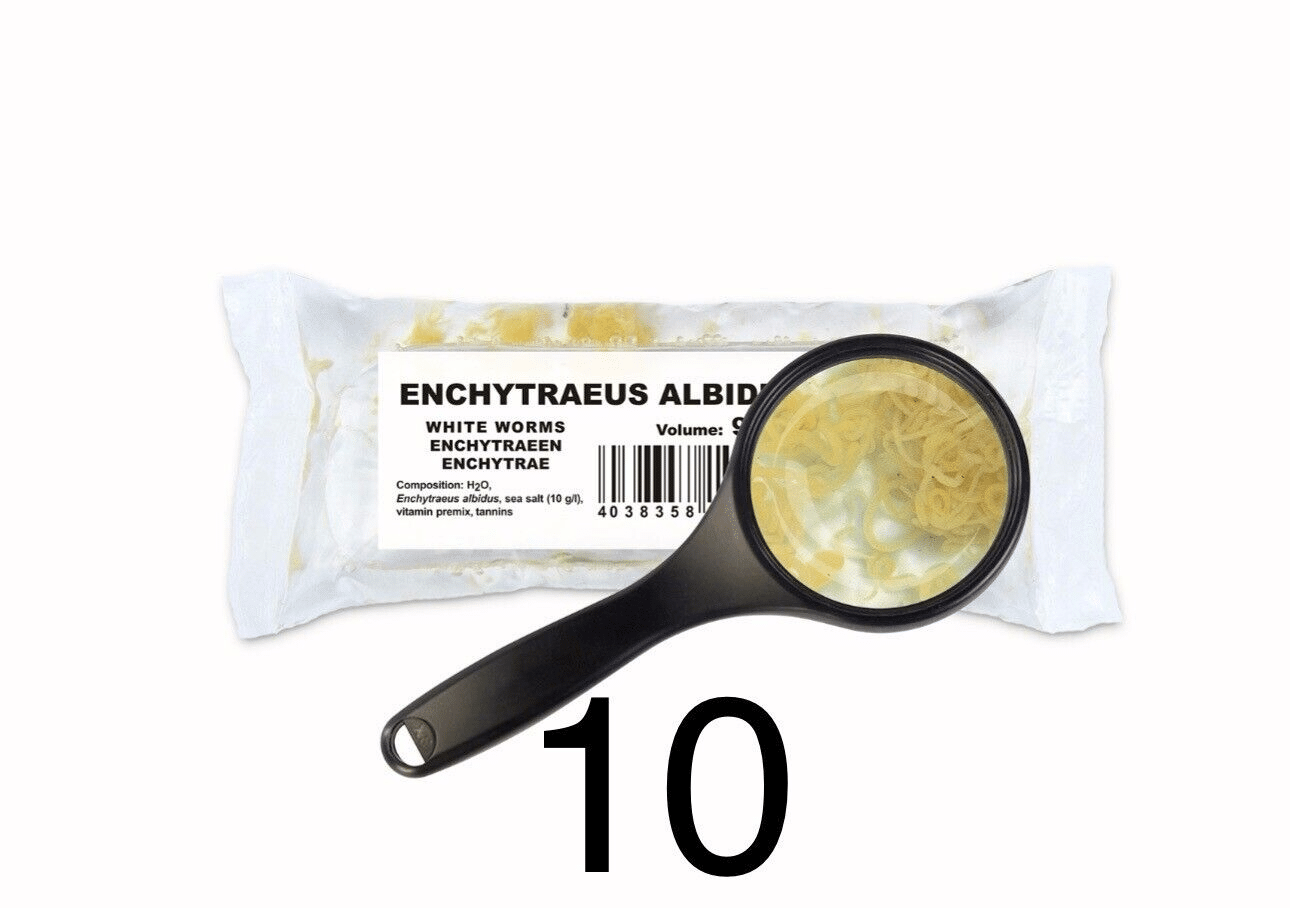
10 X 90 ML LIVE WHITE WORMS (900Ml) PERFECT FISH FOOD, Stimulate Your Bettas with Live White Worms, A Beautiful Addition to Enhance Aquarium Aesthetics and Fish Care, Nutritional Boost for Fish Growth

Original price was: £45.99.£38.71Current price is: £38.71.
Welcome these beautiful creatures into your aquarium with our 10 X 90 ML Live White Worms. Ideal for Betta fish, they enhance coloration and stimulate natural feeding. Perfect for aquarists seeking vibrant, thriving aquatic companions. A beautiful addition to any tank setup.
In stock


Species Introduction
The live white worm, scientifically known as Lumbriculus variegatus, is a highly nutritious aquatic organism that thrives in freshwater environments. These worms are native to various regions, primarily found in the sediment of ponds, lakes, and marshes across North America and Europe. They are an essential part of the ecosystem, serving as a food source for a variety of aquatic life. Their natural habitat includes soft, muddy substrates where they can burrow and feed on organic matter, making them an ideal live food option for many fish species, particularly bettas. By introducing live white worms into your aquarium, you not only enhance the diet of your fish friends but also contribute to their overall health and well-being.
Care Requirements Dashboard
Essential Care Guide for Your Live White Worms
| Optimal Living Conditions | |
|---|---|
| Water Temperature | 24-27°C (75-81°F) |
| pH Level | 6.5-7.5 |
| Water Hardness | 4-12 dKH |
| Minimum Tank Size | 80L (20 gal) |
| Salinity | Freshwater |
| Care Level | Beginner Friendly |
✓ Care Level: Moderate
Natural Behavior & Temperament
Live white worms exhibit fascinating natural behaviors that can greatly enrich the aquarium environment. They are generally active and will burrow into the substrate, mimicking their natural habitat. This behavior not only provides them with safety from predators but also encourages natural foraging instincts in fish. Bettas, in particular, are known to enjoy hunting and chasing these worms, which stimulates their natural predatory instincts and keeps them active. When introduced into the tank, live white worms will often wriggle and swim, attracting the attention of your aquatic companions, enhancing their feeding experience, and promoting healthy activity levels. Their presence can also create a more dynamic and engaging environment for both fish and aquarists alike.
Tank Setup Guide
Setting up a suitable environment for live white worms is crucial to ensure their health and the health of your fish. Begin by selecting a tank that is at least 10 gallons in size, as this will provide ample space for both the worms and your bettas. The substrate should consist of fine sand or soft gravel, allowing the worms to burrow comfortably. Incorporate plenty of hiding spots, such as driftwood, rocks, and aquatic plants, to create a natural habitat that mimics their wild environment. This not only benefits the worms but also provides shelter and foraging opportunities for your bettas. Ensure that the tank is equipped with a gentle filtration system to maintain water quality without creating strong currents that could disturb the worms. Regular water changes and monitoring of water parameters are essential to keep the environment stable and healthy.
Water Quality Management
Important Water Parameter Notice
Maintaining optimal water quality is vital for the health of your live white worms and bettas. Regularly test the water for pH, ammonia, nitrites, and nitrates to ensure a safe environment. Aim for a pH level between 6.5 and 7.5, as this range is ideal for both the worms and your fish. The temperature should be kept between 72°F and 78°F (22°C to 26°C), with a hardness level of 5 to 15 dGH. Use a quality water conditioner to remove harmful chemicals and ensure the water is safe for your aquatic companions. Regular water changes of 10-15% weekly will help maintain water quality and provide a healthy environment for all inhabitants.
Feeding & Nutrition
Live white worms are an excellent source of nutrition for bettas and other freshwater fish. They are rich in protein and essential fatty acids, making them a high-quality fish food option. When feeding live white worms, it is important to provide them in moderation to prevent overfeeding. A feeding schedule of 2-3 times per week is recommended, allowing your fish to consume the worms within a few minutes. This will not only stimulate their natural hunting behavior but also promote healthy growth and vibrant coloration. Additionally, live white worms can be combined with other types of fish food to create a varied diet that meets all nutritional needs. Always ensure that any uneaten food is removed promptly to maintain water quality.
Compatibility Guide
When considering tank mates for your bettas and live white worms, it is essential to choose compatible species that will not pose a threat to each other. Bettas are known for their territorial nature, especially males, so it is advisable to house them with peaceful fish that occupy different levels of the tank. Suitable tank mates include small tetras, rasboras, and guppies. Avoid housing bettas with fin-nipping species or overly aggressive fish, as this can lead to stress and injury. The introduction of live white worms can also enhance the community dynamics by providing an interactive feeding experience that encourages natural behaviors among all fish. Always monitor interactions closely when introducing new species to ensure a harmonious environment.
Health & Wellness
Maintaining the health and wellness of your live white worms and bettas is crucial for a thriving aquarium. Regularly check for signs of stress or illness in your fish, such as changes in behavior, loss of appetite, or visible abnormalities. Providing a balanced diet, including live white worms, will help boost their immune systems and overall vitality. Additionally, ensure that water quality is consistently monitored and maintained to prevent common issues such as ich or fin rot. If you notice any health concerns, prompt action is necessary, including potential quarantine of affected fish to prevent the spread of disease. Educating yourself on common fish ailments and their treatments will empower you to take proactive measures in ensuring the well-being of your aquatic companions.
Breeding Information
Breeding live white worms is a rewarding endeavor that can provide a continuous source of nutritious food for your fish. To breed these worms, it is essential to create a suitable environment that mimics their natural habitat. Use a shallow container filled with nutrient-rich substrate, such as a mixture of sand and organic matter. Maintain a consistent temperature and ensure the water is clean and well-aerated. Live white worms reproduce through fragmentation, meaning that a single worm can regenerate into multiple individuals if cut. By providing optimal conditions, you can cultivate a thriving population of live white worms, ensuring a steady supply of high-quality food for your bettas and other fish.
Acclimation Process
When introducing live white worms to your aquarium, it is crucial to acclimate them properly to minimize stress and ensure a smooth transition. Begin by floating the container of live worms in the aquarium for about 15-20 minutes to allow the temperature to equalize. After this, gradually mix small amounts of tank water into the container over the course of another 15-20 minutes. This process helps the worms adjust to the water chemistry of your aquarium. Once acclimated, gently release the worms into the tank, ideally in an area with low water flow to prevent them from being swept away. Monitoring your fish’s behavior during this time will help you gauge their acceptance of the new food source.
Long-term Care
Caring for live white worms requires ongoing attention to their environment and health. Regular water changes, substrate maintenance, and monitoring of water parameters are essential for their well-being. Ensure that the substrate remains clean and free from excess waste, as this can lead to poor water quality and affect the worms’ health. Additionally, maintaining a stable temperature and pH level will support their growth and reproduction. By providing a consistent and nurturing environment, you can enjoy the benefits of a thriving population of live white worms, which will serve as a nutritious food source for your bettas and contribute to their overall happiness and vitality.
Natural Habitat Recreation
Recreating the natural habitat of live white worms in your aquarium can enhance their well-being and provide a more enriching environment for your fish. Incorporate a variety of substrates, including fine sand and organic matter, to mimic the soft, muddy bottoms where these worms thrive in the wild. Adding natural decorations such as driftwood, rocks, and aquatic plants will not only create hiding spots for the worms but also provide a visually appealing environment for your bettas. Ensuring that the tank is well-planted can also help maintain water quality and provide additional foraging opportunities for your fish. By focusing on natural habitat recreation, you contribute to the overall health and happiness of your aquatic companions.
Seasonal Care Adjustments
As seasons change, so too do the needs of your aquarium and its inhabitants. During warmer months, ensure that the water temperature does not exceed the optimal range for live white worms and bettas. If necessary, use fans or chillers to maintain a stable environment. In colder months, be mindful of temperature fluctuations and consider using heaters to keep the water warm. Additionally, adjust feeding practices based on the activity levels of your fish; during colder months, they may require less food. Regularly check water parameters to ensure that they remain within the ideal range throughout the year. By making these seasonal adjustments, you can help ensure the health and happiness of your aquatic companions.
Expert Tips
To optimize the care of your live white worms and bettas, consider the following expert tips. First, always source your live white worms from reputable suppliers to ensure quality and health. If you plan to breed them, maintain a separate breeding tank to prevent overcrowding in your main aquarium. Additionally, consider incorporating other forms of live food, such as daphnia or brine shrimp, to provide a varied diet that meets all nutritional needs. Regularly observe your fish for signs of stress or illness, and be proactive in addressing any issues that arise. By following these expert tips, you can foster a thriving aquatic environment that benefits both your live white worms and your beloved bettas.
Troubleshooting
If you encounter issues with your live white worms or bettas, prompt action is essential. Common problems include poor water quality, which can lead to stress and illness in both worms and fish. Regularly test water parameters and perform necessary adjustments to maintain a healthy environment. If your fish are not eating the live white worms, ensure that the worms are fresh and active, as lethargic or unhealthy worms may deter fish from feeding. Additionally, observe the behavior of your fish; if they are overly aggressive or stressed, consider rearranging the tank or providing additional hiding spots. By troubleshooting effectively, you can ensure the well-being of your aquatic companions.
Scientific Background
The live white worm, Lumbriculus variegatus, belongs to the family Lumbriculidae and is widely studied for its ecological significance and role in aquatic food webs. Research has shown that these worms contribute to nutrient cycling within freshwater ecosystems, breaking down organic matter and providing essential nutrients for higher trophic levels. Their high protein content makes them an ideal food source for various fish species, including bettas. Understanding the scientific background of live white worms can enhance your appreciation for these organisms and their importance in maintaining healthy aquatic environments. By providing a home for live white worms, you not only support their welfare but also contribute to the overall health of your aquarium.
Advanced Care Techniques
For those looking to take their care of live white worms and bettas to the next level, consider implementing advanced techniques. Regularly monitor the growth and reproduction rates of your live white worms to ensure a steady supply of food. Experiment with different substrate types and feeding methods to discover what works best for your specific setup. Additionally, consider integrating a live plant system to enhance water quality and provide natural filtration. By incorporating these advanced care techniques, you can create a thriving environment that benefits both your live white worms and your bettas, ensuring a vibrant and healthy aquarium.
Water Quality Parameters
Optimal Range
24-27°C
6.5-7.5
0 ppm
Caution Zone
22-24°C or 27-29°C
6.0-6.5 or 7.5-8.0
0.25-0.5 ppm
Danger Zone
<22°C or >29°C
<6.0 or >8.0
>0.5 ppm
Monitoring Tip: Test water parameters weekly and perform regular water changes to maintain optimal conditions for your aquatic friends!
Frequently Asked Questions
Q: What tank size is required for Betta fish?
Betta fish thrive in a minimum tank size of 20 litres. This ensures ample swimming space and helps maintain water quality. Smaller tanks can lead to increased stress and health issues due to poor water conditions. A larger tank also allows for better filtration and stability in water parameters. When establishing the tank, consider incorporating plants and hiding spots, as Bettas are territorial and appreciate places to explore and retreat. Regular water changes and monitoring of ammonia, nitrite, and nitrate levels are essential for their health.
✓ Expert Tip
Consider adding a sponge filter for gentle water movement and optimal aeration, which Bettas prefer.
Q: How often should I feed my Betta fish live white worms?
Bettas should be fed live white worms once or twice a day, ensuring they receive an appropriate amount without overfeeding. A general guideline is to provide only as much food as they can consume within a few minutes. Live white worms are an excellent source of protein, enhancing their colouration and stimulating natural hunting behaviours. It is advisable to vary their diet with high-quality pellets or flakes to ensure they receive a balanced nutritional intake.
✓ Expert Tip
Introduce live white worms gradually into their diet to prevent digestive upset, especially if they are not accustomed to live foods.
Q: What are the signs of a healthy Betta fish?
Healthy Betta fish exhibit vibrant colours, smooth skin without lesions, and active behaviour. They should swim gracefully and show curiosity towards their environment. Additionally, healthy Bettas should have clear, bright eyes and their fins should be fully extended and free of tears or clamping. Regular observation can help in identifying any signs of illness early, such as lethargy, loss of appetite, or unusual swimming patterns, which may indicate stress or disease.
✓ Expert Tip
Maintain stable water conditions and perform regular testing to ensure a healthy habitat for your Betta.
Q: How do I properly acclimatise my Betta fish?
Acclimatisation is crucial for reducing stress in your Betta. Begin by floating the sealed bag containing your Betta in the aquarium for about 15 minutes to equalise the temperature. Next, gradually introduce water from your aquarium into the bag, using a ratio of about 1 part tank water to 3 parts bag water over the next hour. This process helps your Betta adjust to the new water parameters. After this period, gently release your Betta into the tank, avoiding the bag’s water to prevent contamination.
✓ Expert Tip
Avoid adding your Betta to the tank immediately after purchase; allow them to acclimatise properly to reduce shock.
Q: What temperature should I maintain for my Betta fish?
Bettas thrive in temperatures ranging from 24°C to 28°C. Maintaining a stable temperature within this range is vital for their health and wellbeing. Sudden fluctuations can lead to stress and illness. Using a reliable aquarium heater is recommended, along with a thermometer to monitor the water temperature accurately. Regular checks are essential, especially during seasonal changes. Ensure that the heater is appropriately sized for your tank to maintain an even temperature throughout.
✓ Expert Tip
Invest in a heater with an adjustable thermostat for precise temperature control.
Q: How can I prevent common diseases in Betta fish?
Preventing diseases in Betta fish primarily involves maintaining optimal water quality and a stress-free environment. Regular water changes, ideally 25-30% weekly, help to keep ammonia and nitrate levels low. Additionally, monitor for signs of illness, such as changes in appetite or behaviour. Quarantine any new fish before introducing them to the main tank to prevent the spread of diseases. Providing a well-balanced diet, including live foods like white worms, enhances their immune systems.
✓ Expert Tip
Consider adding aquarium salt to the water in small amounts to help prevent some common fish ailments.
Q: What is the lifespan of Betta fish in captivity?
In captivity, Betta fish typically live between 3 to 5 years, although with optimal care, some can live even longer. Factors influencing their lifespan include water quality, diet, and tank conditions. Providing a stress-free environment, regular health checks, and preventive care can significantly enhance their longevity. It is important to monitor their behaviour and health closely, as early intervention can prevent potential issues that might shorten their lifespan.
✓ Expert Tip
Keep a consistent feeding schedule and maintain a clean tank to support a longer, healthier life for your Betta.
Q: What type of substrate is most suitable for Betta fish?
Bettas prefer a fine substrate, such as sand or smooth gravel, which is gentle on their delicate fins. Avoid sharp-edged substrates that can cause injury. Sand allows for easy cleaning and provides a natural look, while smooth gravel can support beneficial bacteria. When setting up the substrate, ensure it is at least 2-5 cm deep to accommodate plant roots and allow for digging behaviour. Additionally, consider adding live plants that provide shelter and enhance the aesthetic of the aquarium.
✓ Expert Tip
Choose a substrate that complements your aquarium’s decor and enhances the natural behaviour of your Betta.
Q: What behavioural patterns should I expect from Betta fish?
Bettas are known for their territorial behaviour, often exhibiting aggression towards other males. They enjoy exploring their environment and may display curiosity in new elements introduced to their tank. Bettas can also be quite interactive, recognising their keepers and responding to feeding times. When feeling secure, they may swim gracefully, showcasing their fins. However, signs of stress, such as hiding or rapid gill movement, should be monitored closely, as these can indicate environmental issues.
✓ Expert Tip
Provide plenty of hiding spots and plants to help reduce stress and create a more natural habitat.
Q: How can I improve water quality for my Betta fish?
Maintaining high water quality is essential for the wellbeing of your Betta fish. Regular water changes, typically 25-30% weekly, help to remove toxins and replenish essential minerals. Use a high-quality water conditioner to eliminate chlorine and chloramines. Additionally, invest in a reliable filtration system to ensure efficient removal of waste and maintain stable parameters. Regularly test for ammonia, nitrite, nitrate, and pH levels to ensure they remain within safe ranges for your Betta.
✓ Expert Tip
Consider adding live plants to your aquarium; they help oxygenate the water and absorb excess nutrients.
Q: What tank mates are compatible with Betta fish?
When selecting tank mates for Betta fish, it is important to choose peaceful species. Suitable companions include small tetras, snails, and certain types of rasboras. Avoid aggressive or fin-nipping species, such as other male Bettas or fish with long fins. Always introduce new fish gradually and monitor their interactions. Providing plenty of hiding spaces and visual barriers can help reduce territorial disputes and stress amongst tank mates.
✓ Expert Tip
Research each species carefully before introducing them to ensure compatibility with your Betta’s temperament.
2 reviews for 10 X 90 ML LIVE WHITE WORMS (900Ml) PERFECT FISH FOOD, Stimulate Your Bettas with Live White Worms, A Beautiful Addition to Enhance Aquarium Aesthetics and Fish Care, Nutritional Boost for Fish Growth
Add a review
Related products



Emily Carter (verified owner) –
As a passionate fish parent, I am always on the lookout for high-quality fish food that promotes the health and happiness of my bettas. I recently purchased the 10 x 90 ML Live White Worms, and I couldn’t be more thrilled! After just one week of feeding them these delicious worms, I noticed that my fish became much more active and vibrant. The excitement they show during feeding time is absolutely heartwarming!
These live white worms are a fantastic source of protein and are much better than the freeze-dried options I’ve tried before. They are easy to store and come in convenient 90 ml packs. I love how I can simply pull out a portion and feed them directly; there’s no mess or fuss.
The only minor issue I encountered was that they can sometimes be a bit slippery, so it’s best to use a feeding ring or something similar to minimize wastage. Overall, I highly recommend these live white worms for anyone looking to enhance their fish’s diet. They are perfect for bettas and any other small fish that appreciate live food. This product is a must-try for all betta enthusiasts and hobbyists who truly care about their fish’s wellbeing!
Emily Carter (verified owner) –
I recently purchased the 10 X 90 ML Live White Worms, and I couldn’t be happier! As a caring fish parent, I always look for the best food to keep my bettas healthy and stimulated. These live worms have not only enhanced their diet but also brought a vibrant touch to my aquarium’s aesthetics. After just a week of feeding them to my fish, I’ve noticed a significant increase in activity and enthusiasm during feeding time. They dart around excitedly, making it such a joy to watch! Compared to freeze-dried options, these live worms are far superior in terms of nutritional value and appeal. The packaging was perfect—fresh and easy to store. My only slight concern is that these worms do require a bit more care when handling, but it’s absolutely worth it for the health of my fish. I would highly recommend these live white worms to any fellow aquarists looking to provide a delicious, nutritious treat for their bettas. Trust me, your fish will thank you!