
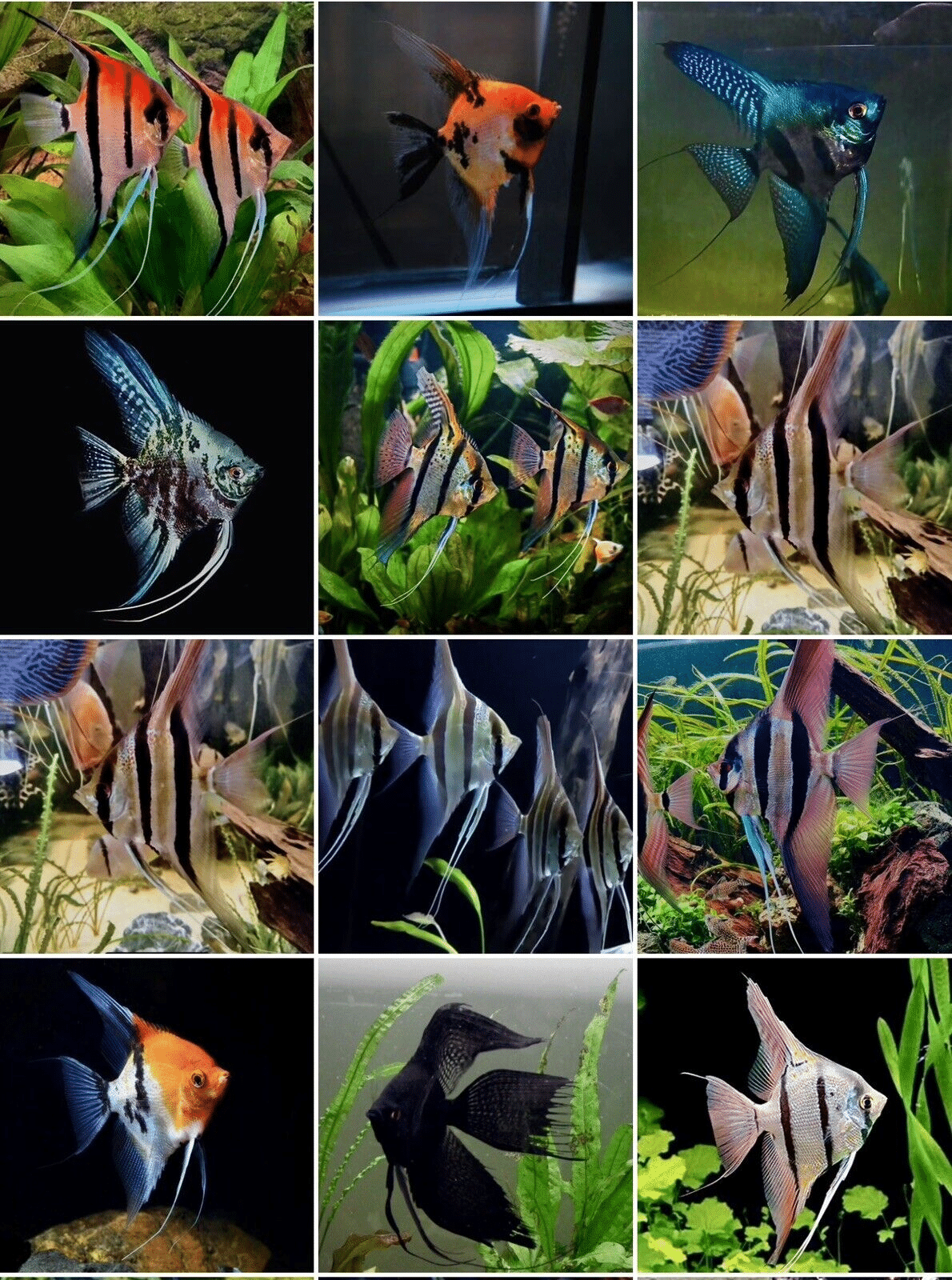
6 X Angelfish Randomly Selected – Pterophyllum Scalare
Original price was: £18.49.£15.48Current price is: £15.48.
Welcome these 6 beautiful Angelfish into your aquarium! Known for their stunning colors and elegant movements, these peaceful companions thrive in well-maintained community tanks. Perfect for aquarists seeking vibrant freshwater fish, they add charm and tranquility to any aquatic environment.
In stock
Species Introduction
The Angelfish, scientifically known as Pterophyllum scalare, belongs to the Cichlidae family and is one of the most popular freshwater fish in the aquarium trade. Native to the Amazon Basin, Angelfish thrive in the slow-moving waters of rivers and floodplains, where they can be found among aquatic plants and submerged structures. This species exhibits a stunning array of colors and patterns, making them a centerpiece in any aquarium. Their graceful swimming style and elegant fins add a touch of beauty to the aquatic environment, making them a favorite among aquarists. Understanding their natural habitat is crucial for recreating a suitable environment in your home aquarium.
Essential Care Guide for Your Angelfish
| Optimal Living Conditions | |
|---|---|
| Water Temperature | 24-27°C (75-81°F) |
| pH Level | 6.5-7.5 |
| Water Hardness | 4-12 dKH |
| Minimum Tank Size | 80L (20 gal) |
| Salinity | Freshwater |
| Care Level | Beginner Friendly |
✓ Care Level: Moderate
Tank Size: 20 gallons (minimum) for a small group
Water Parameters: pH 6.5-7.5, Temperature 75-82°F (24-28°C), Hardness 3-8 dGH
Angelfish require a well-maintained aquarium with stable water parameters to thrive. A minimum tank size of 20 gallons is recommended for a small group, ensuring they have enough space to swim and establish territories. The ideal pH range is between 6.5 and 7.5, with a temperature maintained between 75 and 82°F (24-28°C). The water hardness should be kept between 3 to 8 dGH. Regular water changes and monitoring of water quality are essential to prevent stress and disease.
Natural Behavior & Temperament
Angelfish are known for their unique swimming patterns and social behavior. They are generally peaceful but can exhibit territorial behavior, especially during breeding. In a community tank, they may establish a hierarchy, with dominant individuals asserting their presence. Observing their interactions can be fascinating, as they often engage in playful swimming and display behaviors. However, it is essential to choose tank mates wisely, as some fish may provoke aggression in Angelfish. They thrive in groups, so it is advisable to keep at least three to five individuals to promote social interactions and reduce stress.
Tank Setup Guide
Creating an ideal environment for your Angelfish involves careful consideration of tank setup. A well-planted aquarium with plenty of hiding spots will help replicate their natural habitat. Use a soft substrate, such as sand or fine gravel, to prevent injury to their delicate fins. Incorporate aquatic plants like Java Fern, Amazon Sword, and Anubias, which provide cover and enhance the aesthetic appeal of the tank. Additionally, include driftwood or rocks to create territories and resting spots. Ensure that the tank has adequate filtration to maintain water quality, as Angelfish are sensitive to poor water conditions.
Water Quality Management
⚠ Water Parameter Notice
Regular testing of water parameters is crucial for the health of your Angelfish. Maintain a stable environment to prevent stress.
Water quality is paramount for the well-being of Angelfish. Regular testing for pH, ammonia, nitrites, and nitrates is essential. Aim for a pH level between 6.5 and 7.5, with ammonia and nitrite levels at 0 ppm. Nitrate levels should be kept below 20 ppm. Perform weekly water changes of 20-30% to maintain optimal water quality. Additionally, consider using a water conditioner to remove harmful chemicals from tap water. A good filtration system is necessary to keep the water clean and clear, allowing your Angelfish to thrive.
Feeding & Nutrition
Angelfish are omnivorous and require a balanced diet to maintain their health and vibrant colors. A high-quality flake food specifically formulated for tropical fish should be the staple of their diet. Supplement their diet with frozen or live foods such as brine shrimp, bloodworms, and daphnia to enhance their nutritional intake and encourage natural hunting behavior. Feed them once or twice a day, offering only as much food as they can consume within a few minutes to prevent overfeeding and maintain water quality. A varied diet will promote healthy growth and coloration.
Compatibility Guide
✓ Community Tank Fish: Suitable tank mates include Tetras, Corydoras, and Guppies.
When selecting tank mates for Angelfish, it is crucial to choose peaceful species that can coexist harmoniously. Suitable companions include Tetras, such as Neon Tetras and Rummy Nose Tetras, as well as Corydoras catfish and peaceful livebearers like Guppies. Avoid aggressive or fin-nipping species, such as Barbs or certain Cichlids, as they may provoke stress or injury to your Angelfish. A well-balanced community tank will not only enhance the visual appeal of your aquarium but also promote a healthy social environment for your aquatic companions.
Health & Wellness
Maintaining the health of your Angelfish involves regular monitoring for signs of illness and ensuring optimal living conditions. Common health issues include ich, fin rot, and swim bladder disease. To prevent these problems, maintain stable water parameters, provide a balanced diet, and ensure proper tank maintenance. Regular observation is key; look for changes in behavior, such as lethargy, loss of appetite, or unusual swimming patterns. If you notice any signs of distress, consult a veterinarian or an experienced aquarist for guidance on treatment options.
Breeding Information
Breeding Angelfish can be a rewarding experience for aquarists. To encourage breeding, provide a separate breeding tank with a flat surface for egg-laying, such as a slate or broad-leafed plant. The ideal conditions for breeding include slightly warmer water temperatures (around 80°F or 27°C) and a pH of 6.5 to 7.0. Once the eggs are laid, the parents will guard them fiercely. After about 48 hours, the eggs will hatch into fry. It is essential to provide infusoria or finely crushed flakes to feed the fry until they are large enough to consume larger foods. Careful monitoring during this delicate stage is crucial for their survival.
Acclimation Process
Introducing your new Angelfish to their aquarium requires a careful acclimation process to reduce stress and ensure a smooth transition. Begin by floating the sealed bag containing the fish in the tank for about 15-20 minutes to equalize the temperature. Afterward, gradually mix tank water into the bag over the next hour, allowing the fish to adjust to the water parameters. Once acclimated, gently release the Angelfish into the tank using a net to avoid adding any transport water. This gradual acclimation process is vital for the health and well-being of your new aquatic companions.
Long-term Care
Angelfish can live for 10-15 years with proper care, making them a long-term commitment for any aquarist. As they grow, be prepared to upgrade their tank size if necessary, especially if you plan to keep multiple individuals. Monitor their growth and behavior regularly, ensuring they are not showing signs of stress or aggression. Regular water changes and maintenance will help keep their environment healthy. Additionally, continue to provide a varied diet to support their health throughout their lives. Understanding their lifecycle and needs will ensure that your Angelfish remain vibrant and healthy for years to come.
Natural Habitat Recreation
To create a biotope that mimics the natural habitat of Angelfish, consider incorporating elements typical of their Amazonian environment. Use a dark substrate to replicate the riverbed, and add driftwood and rocks to create hiding spots and territories. Plant species that are native to their habitat, such as Amazon Sword and Vallisneria, will not only enhance the aesthetic appeal but also provide shelter and breeding grounds. Maintaining a slightly dim lighting condition can also help replicate the shaded waters of their natural environment, promoting a sense of security for your Angelfish.
Seasonal Care Adjustments
As seasons change, so do the needs of your Angelfish. During warmer months, ensure that the water temperature does not exceed 82°F (28°C) to prevent stress. Use fans or chillers if necessary to maintain a stable environment. In cooler months, be cautious of temperature fluctuations, and consider using a heater to maintain the ideal temperature range. Additionally, adjust feeding schedules based on their activity levels; they may require more food during warmer months when they are more active. Regularly monitoring their health and adjusting care routines will help ensure their well-being year-round.
Expert Tips
For those looking to enhance their care for Angelfish, consider implementing these expert tips. First, ensure a well-cycled aquarium before introducing any fish, as this will minimize stress and promote a healthy environment. Second, provide a varied diet that includes both high-quality flakes and occasional live or frozen foods to encourage natural behaviors and vibrant coloration. Third, regularly observe your fish for any signs of stress or illness and address any issues promptly. Lastly, consider joining a local aquarium club or online forum to connect with other enthusiasts, share experiences, and gain valuable insights into the care of Angelfish.
Troubleshooting
If you encounter issues with your Angelfish, such as aggression or health problems, it is essential to troubleshoot promptly. For aggression, consider increasing the number of Angelfish in the tank to disperse territorial behavior, or provide additional hiding spots. If health issues arise, such as white spots or fin damage, assess water quality and consider treatment options like medicated food or aquarium treatments. Regular maintenance and monitoring will help prevent many common problems, ensuring a healthy and harmonious environment for your aquatic companions.
Scientific Background
The Angelfish belongs to the family Cichlidae, which is known for its diverse and colorful species. The scientific classification places Angelfish in the order Perciformes, highlighting their evolutionary adaptations for life in freshwater environments. Research into their behavior and ecology continues to provide insights into their care and conservation needs. Understanding their natural history can enhance the aquarist’s ability to provide optimal care. Conservation efforts are crucial, as habitat destruction in the Amazon Basin threatens their populations. Supporting sustainable practices and responsible fishkeeping can contribute to the preservation of this beautiful species.
Advanced Care Techniques
For experienced aquarists, advanced care techniques can further enhance the health and well-being of Angelfish. Consider implementing a breeding program to raise fry, which requires specialized knowledge of their reproductive behaviors and fry care. Additionally, utilizing aquaponics or integrating live plants can improve water quality and provide a more natural environment. Experimenting with different feeding techniques, such as target feeding or using feeding rings, can also promote natural behaviors and encourage exploration. Continuous education and adaptation of care practices will ensure that your Angelfish thrive in a well-maintained aquarium.
Water Quality Parameters
Optimal Range
24-27°C
6.5-7.5
0 ppm
Caution Zone
22-24°C or 27-29°C
6.0-6.5 or 7.5-8.0
0.25-0.5 ppm
Danger Zone
<22°C or >29°C
<6.0 or >8.0
>0.5 ppm
Monitoring Tip: Test water parameters weekly and perform regular water changes to maintain optimal conditions for your aquatic friends!
Frequently Asked Questions
Q: What tank size is required for angelfish?
Angelfish thrive best in a minimum tank size of 75 litres. This provides ample swimming space, essential for their well-being and social interaction. A larger tank is preferable, especially if you plan to keep multiple angelfish or other tank mates. A spacious environment helps reduce stress, which is crucial for their health. Ensure that the tank is tall rather than just wide, as angelfish are known to inhabit the upper levels of the water column. Moreover, consider providing hiding spots and vertical decorations to mimic their natural habitat and give them a sense of security.
✓ Expert Tip
Regularly monitor the water parameters to ensure a stable environment, which is critical for angelfish health.
Q: What water parameters do angelfish require?
Angelfish prefer slightly acidic to neutral water, with a pH range of 6.5 to 7.5. The water temperature should ideally be maintained between 24°C to 28°C. Regular water changes, approximately 20-25% weekly, are crucial to keep nitrate levels low and ensure good water quality. Additionally, the hardness should be between 3-10 dGH. Testing kits are essential to monitor these parameters regularly, as fluctuations can stress the fish and lead to health issues. Keeping the water clean and stable will significantly enhance the longevity and vibrancy of your angelfish.
✓ Expert Tip
Use a high-quality water conditioner when performing water changes to remove harmful chemicals.
Q: How often should I feed angelfish?
Angelfish should be fed once or twice daily, with careful attention to portion sizes. Overfeeding can lead to water quality issues and obesity in fish. A varied diet is essential for their health, including high-quality flake food, pellets, and occasional treats like frozen or live food. Ensure the food is small enough for them to consume easily. Observe their feeding habits; if they seem to be leaving food uneaten, reduce the amount offered. Additionally, fasting them for one day a week can aid in digestion and help prevent health issues.
✓ Expert Tip
Consider using a feeding ring to prevent food from floating to the surface, ensuring all fish can eat.
Q: What are the best tank mates for angelfish?
Angelfish are generally peaceful but can exhibit territorial behaviour, especially during breeding. Suitable tank mates include larger tetras, corydoras catfish, and other peaceful community fish. Avoid small fish that may be seen as food, or aggressive species that could stress the angelfish. It’s crucial to observe their interactions initially to ensure compatibility. Providing plenty of hiding spots and swimming space can help reduce aggression and territorial disputes. Always introduce new fish gradually to allow for acclimatisation, ensuring a harmonious aquarium environment.
✓ Expert Tip
Maintain a suitable ratio of fish to prevent any dominating behaviours.
Q: How do I properly acclimatise angelfish to my aquarium?
Acclimatising angelfish is crucial to ensure their health and reduce stress. Begin by floating the sealed bag in the aquarium for about 15-20 minutes to equalise the temperature. Then, gradually introduce small amounts of aquarium water into the bag every 5-10 minutes. This process should last for about an hour. Afterward, gently transfer the fish into the aquarium using a net, avoiding adding the bag water to your tank, as it may contain harmful substances. This method helps them adjust to the new environment without shock.
✓ Expert Tip
Monitor the fish closely for signs of stress during the first few days after acclimatisation.
Q: What are the signs of healthy angelfish?
Healthy angelfish exhibit bright colouration, clear eyes, and active swimming behaviour. They should not show any signs of distress, such as rapid gill movement or erratic swimming. Their fins should be fully extended and free from tears or fraying. Regular feeding and social interaction with tank mates are also indicators of good health. Additionally, inspect for any signs of disease, such as white spots, lesions, or unusual behaviour like hiding or lethargy. Regular observation will help ensure your angelfish remain in prime condition.
✓ Expert Tip
Keep a health log to track any changes in behaviour or appearance, aiding in early disease detection.
Q: How do I successfully breed angelfish?
Breeding angelfish can be a rewarding experience. Begin by ensuring they are healthy and well-fed. Provide a breeding pair with a flat surface, such as a broad leaf or a breeding cone, where they can lay eggs. Maintain a slightly higher temperature of about 28°C and ensure the water parameters are optimal. The female will lay eggs, and the male will fertilise them. After a few days, the eggs will hatch into fry. It is crucial to separate the fry from the parents to prevent them from being eaten. Feed them infusoria or finely crushed flakes until they are large enough for regular food.
✓ Expert Tip
Consider setting up a separate breeding tank to reduce stress on the parents and fry.
Q: What temperature should I maintain for angelfish?
Angelfish thrive best at temperatures ranging from 24°C to 28°C. Maintaining this temperature range is crucial for their overall health and well-being. A stable temperature is vital; fluctuations can lead to stress and health complications. Investing in a reliable aquarium heater with a thermostat will help maintain the desired temperature. Regularly check the water temperature with a thermometer to ensure it remains consistent, especially during seasonal changes. Sudden temperature changes can be detrimental, so always acclimatise new additions accordingly.
✓ Expert Tip
Avoid placing the tank near windows or heating vents to prevent temperature fluctuations.
Q: How long do angelfish typically live in captivity?
With proper care, angelfish can live for 10 to 15 years in captivity. Their lifespan can be influenced by various factors, including water quality, diet, and overall tank conditions. Regular maintenance, such as water changes and monitoring of water parameters, is vital to ensure a long and healthy life. Providing a varied and nutritious diet will also contribute to their longevity. Keeping them in a stress-free environment with suitable tank mates and proper space will enhance their quality of life and lifespan.
✓ Expert Tip
Regularly observe their behaviour and health to catch any issues early, ensuring they live a long life.
Q: What type of substrate is most suitable for angelfish?
Angelfish prefer a substrate that mimics their natural habitat. Fine gravel or sand is ideal, as it allows for easy digging and foraging behaviour. Avoid sharp or coarse substrates that could injure their delicate fins. A well-maintained substrate will also aid in the overall aesthetics of the aquarium and contribute to the biological filtration process. Regular cleaning of the substrate is necessary to prevent the buildup of debris and maintain water quality. Consider using a substrate vacuum during water changes for effective cleaning.
✓ Expert Tip
Layering the substrate with larger stones or driftwood can create a natural environment and enhance tank aesthetics.
Q: What behavioural patterns should I expect from angelfish?
Angelfish are known for their graceful swimming and social behaviour. They often establish territories within the tank and may display some aggression during breeding periods. When kept in groups, they exhibit schooling behaviour, often swimming together in a coordinated manner. They are curious fish and will interact with their environment, exploring plants and decorations. Providing plenty of hiding spots and vertical space will allow them to express their natural behaviours and reduce potential stress from territorial disputes. Regular observation will help you understand their unique personalities.
✓ Expert Tip
Introduce new tank mates gradually to minimise stress and aggression during the acclimatisation process.
Q: How can I prevent common diseases in angelfish?
Preventing diseases in angelfish involves maintaining high water quality and a stable environment. Regular water changes and monitoring of parameters are crucial. Quarantine new fish before introducing them to the main tank to prevent the spread of diseases. A varied and nutritious diet will also strengthen their immune system. Additionally, avoid overcrowding, as this can lead to stress and increased susceptibility to illness. Keep an eye out for any signs of disease, such as changes in behaviour or appearance, and address issues promptly if they arise.
✓ Expert Tip
Consider adding aquarium salt to the tank to help with minor health issues and improve overall fish health.
Q: What lighting conditions do angelfish prefer?
Angelfish prefer moderate lighting that mimics their natural habitat. Bright lighting can cause stress and encourage algae growth, so it’s best to use subdued lighting, especially during the day. Consider using LED lights with a dimmer option to adjust the intensity based on the time of day. Providing shaded areas with plants or decorations will help them feel secure. A regular light cycle of about 10-12 hours a day is ideal for maintaining a healthy environment. Ensure the lighting is positioned to avoid glare on the aquarium surface, allowing for comfortable viewing.
✓ Expert Tip
Use floating plants to diffuse light and create a natural environment for your angelfish.
Q: How do I recognise stress in angelfish?
Recognising stress in angelfish is crucial for their health. Signs include erratic swimming, hiding excessively, or refusing food. Their colour may also dull, and they may display rapid gill movement. Additionally, they may exhibit aggressive behaviour towards tank mates or become lethargic. Environmental factors such as poor water quality, inappropriate tank mates, or sudden changes in temperature can contribute to stress. Regular monitoring of their behaviour and the aquarium conditions will help you identify and address any issues promptly, ensuring your fish friends remain happy and healthy.
✓ Expert Tip
Create a stress-reducing environment by providing ample hiding spots and maintaining stable water conditions.
Q: What natural habitat conditions should I replicate for angelfish?
In their natural habitat, angelfish are found in slow-moving waters with plenty of vegetation. To replicate these conditions, provide a well-planted aquarium with tall plants and driftwood to create hiding spots. Soft, slightly acidic water with stable temperatures will mimic their environment. Incorporate leaf litter and natural substrates to enhance the aesthetic and biological filtration. Additionally, consider the use of floating plants to diffuse light and provide shade. Creating a diverse and enriched environment will help reduce stress and promote natural behaviours.
✓ Expert Tip
Regularly rearranging plants and decorations can stimulate curiosity and encourage natural behaviour.
2 reviews for 6 X Angelfish Randomly Selected – Pterophyllum Scalare
Add a review
Related products




Emily Carter (verified owner) –
I recently purchased the 6 X Angelfish randomly selected, and I couldn’t be happier with my decision! As an experienced hobbyist, I’ve kept various freshwater fish, but these angelfish truly steal the show. They arrived within a week, perfectly packed and in great health, which speaks volumes about the supplier’s commitment to fish welfare.
The colors are vibrant and varied, adding a beautiful dynamic to my tank. I especially love how each angelfish has its unique patterns and personalities; it’s fascinating to watch them interact. Compared to other fish I’ve bought from different vendors, these angelfish are far more lively and robust.
After a couple of months in my 55-gallon aquarium, they’ve settled in beautifully and are thriving. Just a minor note, they initially took a bit longer to adjust than some of my other fish, but that’s typical with new arrivals. I recommend these angelfish for anyone looking to enhance their aquarium with lively and stunning freshwater fish. You’ll enjoy watching them grow and flourish as much as I do!
Emily Carter (verified owner) –
I recently purchased the 6 X Angelfish randomly selected, and I couldn’t be happier! As a passionate aquarium hobbyist, I’ve kept various freshwater fish over the years, but these angelfish have truly captured my heart. The colors are vibrant, and they arrived in excellent health, which really speaks to the care taken in their packaging and shipping.
After just a week in my 55-gallon tank, I’ve noticed how they gracefully glide through the water, adding both beauty and movement. They get along well with my other inhabitants and are quite social! I appreciate that they are already eating flakes and pellets, making the acclimation process seamless.
Compared to other fish I’ve ordered online, the quality of these angelfish stands out significantly. It’s clear they were raised with attention to their well-being. However, I did notice a little initial shyness, which is normal, but they quickly warmed up.
I highly recommend this set for any aquarist, whether you’re new or seasoned. Just be mindful of their space and tank mates to ensure a happy environment. I’ll definitely buy from this seller again!