Amano Shrimp – Caridina Multidentata – Algae Eater

Original price was: £3.49.£2.55Current price is: £2.55.
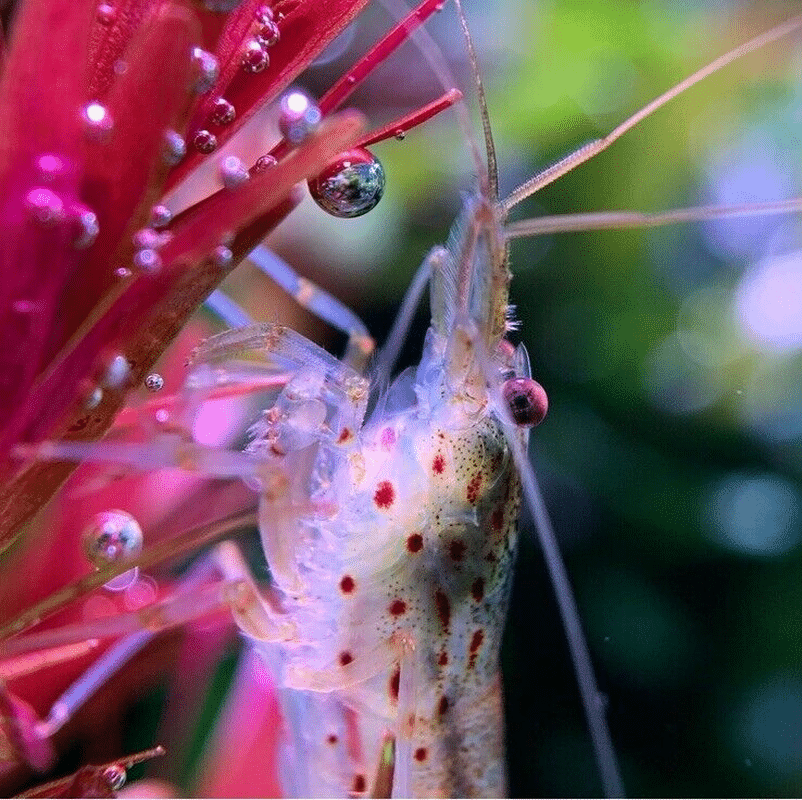
Welcome these beautiful Amano Shrimp Algae Eaters into your tropical aquarium. Known for their exceptional algae-eating abilities, they thrive in well-maintained environments. Perfect for aquarists seeking peaceful companions that enhance aquarium plants and create a balanced ecosystem.
In stock


Species Introduction
The Amano Shrimp, scientifically known as Caridina multidentata, is a beautiful inhabitant of freshwater ecosystems, native to the streams and rivers of Japan, Taiwan, and other regions of Southeast Asia. These graceful creatures thrive in clean, well-oxygenated waters and are renowned for their exceptional algae-eating capabilities, making them a favored choice among aquarists dedicated to maintaining a clean and healthy aquarium environment.
Welcome these beautiful creatures into your aquarium, as they not only assist in controlling algae growth but also provide a natural food source through their grazing behavior on biofilm and algae. Their peaceful temperament allows them to coexist harmoniously with a variety of community members, making them an ideal addition to tropical aquariums.
Key Features – Amano Shrimp Algea Eater Cleaning Crew for Tropical Aquarium
| Specification | Details |
|---|---|
| Benefits | Enhances your aquarium ecosystem |
| Quality | Premium aquarium-grade materials |
| Ease of Use | Simple setup and maintenance |
Care Requirements Dashboard
✓ Care Level: Easy
Tank Size: Minimum 10 gallons
Water Temperature: 70-80°F (21-27°C)
pH Level: 6.5-7.5
Hardness: 6-12 dGH
The Amano Shrimp is considered a flourishing species, making it suitable for both beginner and experienced fishkeepers. To ensure their well-being, it is essential to provide a tank that mimics their natural habitat. A minimum tank size of 10 gallons is recommended, as this allows for adequate swimming space and helps maintain stable water parameters. The ideal water temperature for Amano Shrimp ranges between 70°F to 80°F (21°C to 27°C), with a pH level between 6.5 and 7.5. Regular water changes and monitoring of water hardness between 6-12 dGH will promote a healthy environment for these shrimp.
Natural Behavior & Temperament
Amano Shrimp exhibit fascinating natural behaviors that contribute to their appeal as aquarium inhabitants. They are primarily scavengers, spending their days foraging for food among the substrate and on plants. Their social nature allows them to thrive in groups, where they can be observed interacting with one another and their environment. These shrimp are generally peaceful and can coexist with a variety of community fish, provided that the tank mates are not aggressive or large enough to view them as prey. Their active swimming patterns and tendency to explore their surroundings make them a delightful addition to any tropical aquarium.
Tank Setup Guide
Creating an ideal environment for Amano Shrimp involves careful consideration of tank setup and aquascaping. These shrimp thrive in densely planted tanks, which provide hiding spots and surfaces for grazing. Utilize a substrate that is soft and fine, such as sand or small gravel, to prevent injury to their delicate bodies. Incorporate a variety of aquatic plants, such as Java Moss, Anubias, and Cryptocoryne, which not only enhance the aesthetic appeal of the aquarium but also offer additional grazing surfaces. Additionally, include driftwood and rocks to create natural hiding spots, allowing the shrimp to feel secure in their environment. Proper water circulation is essential; however, avoid strong currents that may stress the shrimp.
Water Quality Management
Maintaining optimal water quality is crucial for the health and longevity of Amano Shrimp. Regular water testing is recommended to monitor key parameters such as pH, temperature, and hardness. The ideal pH level for Amano Shrimp is between 6.5 and 7.5, with a temperature range of 70°F to 80°F (21°C to 27°C). Water hardness should be maintained between 6-12 dGH. Frequent water changes, approximately 10-15% weekly, will help keep the water clean and free of harmful toxins. Utilize a high-quality water conditioner to remove chlorine and chloramines, ensuring a safe environment for your shrimp. Additionally, consider using a sponge filter, which provides gentle filtration without creating strong currents, promoting a healthy habitat.
Feeding & Nutrition
Amano Shrimp are omnivorous and require a balanced diet to thrive. Their diet should consist of high-quality shrimp pellets, algae wafers, and blanched vegetables such as zucchini, spinach, and cucumber. It is essential to feed them small amounts multiple times a day, ensuring that all food is consumed within a few hours to prevent water quality issues. A varied diet will promote optimal health, enhance coloration, and support their natural grazing behavior. Additionally, incorporating biofilm and algae into their diet will help mimic their natural feeding habits. Monitor their feeding closely, as overfeeding can lead to water quality problems and health issues.
Compatibility Guide
✓ Compatible Tank Mates
Peaceful community fish, small tetras, rasboras, guppies, and other non-aggressive species.
Amano Shrimp can coexist harmoniously with a variety of community fish, provided that the tank mates are peaceful and not large enough to pose a threat. Suitable tank mates include small tetras, rasboras, guppies, and other non-aggressive species. However, it is crucial to avoid keeping them with larger, predatory fish that may view them as a food source. Monitoring the dynamics of the community tank is essential to ensure the well-being of all inhabitants. Creating a balanced ecosystem will enhance the overall health and vibrancy of the aquarium.
Health & Wellness
Maintaining the health and wellness of Amano Shrimp requires regular observation and preventive measures. Common health issues include molting problems, which can occur if water quality is poor or if they are not receiving adequate nutrition. Signs of stress or illness may include lethargy, loss of color, or failure to eat. To prevent these issues, ensure that water parameters are stable and that the shrimp are receiving a balanced diet. Additionally, providing hiding spots can help reduce stress levels. If you notice any signs of illness, it is essential to isolate affected individuals and assess the tank conditions to determine the cause.
Breeding Information
Breeding Amano Shrimp in a home aquarium can be challenging, as they require brackish water conditions for their larvae to survive. However, they can breed successfully in freshwater, with the understanding that the larvae will not survive without a brackish environment. If breeding is desired, it is essential to provide a separate breeding tank with appropriate water conditions. The female shrimp will carry fertilized eggs under her abdomen, and once the eggs hatch, the larvae will need to be transferred to a brackish water setup. Providing suitable food sources for the larvae, such as infusoria or powdered spirulina, will promote their growth and development.
Acclimation Process
Introducing Amano Shrimp to a new aquarium requires a careful acclimation process to minimize stress and ensure a smooth transition. Begin by floating the sealed bag containing the shrimp in the aquarium for approximately 15-20 minutes to equalize the temperature. After this, gradually introduce small amounts of aquarium water into the bag every 5-10 minutes. This process should continue for about an hour, allowing the shrimp to adjust to the new water parameters. Once acclimated, gently release the shrimp into the aquarium, avoiding any sudden movements that could stress them. Proper acclimation will help ensure a successful introduction to their new home.
Long-term Care
Amano Shrimp can live for several years with proper care, typically ranging from 2 to 3 years in a well-maintained aquarium. As they grow, it is essential to monitor their development and adjust their diet accordingly to ensure optimal health. Regular water changes and maintenance will contribute to a stable environment, reducing the risk of disease and stress. Observing their behavior and interactions with other tank mates will provide insight into their well-being. By providing a nurturing environment and addressing any potential issues promptly, you can enjoy the beauty and charm of Amano Shrimp for years to come.
Natural Habitat Recreation
Creating a biotope that mimics the natural habitat of Amano Shrimp will enhance their well-being and provide a visually appealing aquarium. In their natural environment, Amano Shrimp inhabit freshwater streams with plenty of vegetation, driftwood, and rocks. To recreate this habitat, incorporate a variety of aquatic plants, such as Java Fern and Hornwort, along with natural decorations like driftwood and smooth stones. Maintaining a gentle water flow will simulate their natural habitat, while providing hiding spots will help them feel secure. This biotope setup not only benefits the shrimp but also creates a thriving ecosystem that supports other aquatic life.
Seasonal Care Adjustments
As seasons change, it is essential to make adjustments to the care of Amano Shrimp to ensure their continued health and happiness. During warmer months, monitor the water temperature closely, as higher temperatures can lead to stress and health issues. Consider using a fan or air conditioning to maintain a stable environment. In colder months, ensure that the aquarium heater is functioning correctly to keep the water temperature within the optimal range. Additionally, adjust lighting schedules to mimic natural daylight cycles, promoting healthy growth of aquatic plants and creating a comfortable atmosphere for your shrimp. Regular observation during seasonal changes will help you identify any potential issues early on.
Expert Tips
For those looking to provide the best care for Amano Shrimp, consider these expert tips. First, ensure that your aquarium is well-planted, as this not only provides food sources but also helps maintain water quality. Second, avoid using copper-based medications, as these can be harmful to shrimp. Instead, opt for shrimp-safe treatments when addressing health issues. Third, consider adding a sponge filter to your setup, as this provides gentle filtration while allowing shrimp to forage for food. Lastly, keep a close eye on water parameters and perform regular maintenance to create a stable environment that promotes the health and longevity of your shrimp.
Troubleshooting
Common problems that may arise with Amano Shrimp include molting issues, stress from aggressive tank mates, and poor water quality. If you notice your shrimp are not molting properly, check the water parameters and ensure they are receiving a balanced diet. If aggression is observed, consider rearranging the tank or removing the aggressor. In cases of poor water quality, perform immediate water changes and test for harmful substances. By being proactive and attentive to your shrimp’s needs, you can address issues early and maintain a healthy aquarium environment.
Scientific Background
The Amano Shrimp belongs to the family Atyidae, which includes a variety of freshwater shrimp species. Their scientific classification places them within the order Decapoda, which encompasses all shrimp, crabs, and lobsters. Research on Amano Shrimp has highlighted their role in maintaining aquarium ecosystems, particularly through their algae-eating habits. Conservation efforts are important to ensure the survival of their natural habitats, as pollution and habitat destruction pose significant threats to their populations. Understanding the scientific background of Amano Shrimp can enhance your appreciation for these remarkable creatures and their contribution to aquatic environments.
Advanced Care Techniques
For advanced aquarists, implementing specialized care techniques can further enhance the well-being of Amano Shrimp. Consider creating a dedicated breeding tank with optimal conditions for raising larvae, as this requires specific salinity levels. Additionally, explore the use of live foods, such as daphnia or brine shrimp, to provide a nutritious diet that promotes growth and health. Regularly monitor and adjust water parameters to ensure they remain within the ideal range, and experiment with different plant species to create a diverse and stimulating environment. Engaging in advanced care techniques not only benefits the shrimp but also contributes to a thriving aquarium ecosystem.
Frequently Asked Questions
Q: How much Amano Shrimp Algae Eater Cleaning Crew food should I feed my shrimp?
When feeding Amano shrimp, it is advisable to provide a small pinch of Amano Shrimp Algae Eater Cleaning Crew food once a day. These shrimp are efficient foragers, so they consume food quickly. Observe their feeding behaviour; if they seem to be leaving food uneaten after a few hours, you may be providing too much. It’s essential to adjust the amount based on the number of shrimp in your aquarium and their activity levels. Regular feeding helps support their health and encourages natural foraging behaviours.
✓ Expert Tip
Consider supplementing their diet with blanched vegetables like zucchini or spinach for added nutrients and variety.
Q: How often should I feed Amano shrimp?
Feeding Amano shrimp should ideally occur once a day. This frequency aligns with their natural feeding habits, as they are accustomed to foraging throughout the day. It is crucial to provide only a small amount of food to prevent overfeeding. Overfeeding can lead to water quality issues, as uneaten food decomposes and pollutes the tank. Monitor their feeding patterns; if they consume the food quickly, this is a good sign, and you can maintain that feeding schedule.
✓ Expert Tip
Try to vary their diet occasionally with algae wafers or spirulina to ensure they receive a balanced nutritional profile.
Q: What are the nutritional benefits of Amano Shrimp Algae Eater Cleaning Crew food?
Amano Shrimp Algae Eater Cleaning Crew food is specially formulated to provide a balanced diet rich in essential nutrients needed for the growth and health of shrimp. It includes high-quality ingredients that promote colour enhancement and overall vitality. The food is designed to support the digestive health of shrimp, ensuring they can efficiently process nutrients. Moreover, it encourages natural foraging behaviour, which is vital for their mental and physical stimulation.
✓ Expert Tip
Consider adding a high-quality calcium supplement to their diet to support shell health and growth.
Q: Will feeding Amano Shrimp Algae Eater Cleaning Crew food affect my water quality?
Feeding Amano shrimp the appropriate amount of Algae Eater Cleaning Crew food should not adversely affect water quality, provided you do not overfeed. It’s essential to monitor the tank’s conditions regularly, as uneaten food can lead to increased ammonia levels and algae growth. Implement a routine of siphoning any leftover food after a few hours to maintain optimal water quality. Keeping up with regular water changes and ensuring efficient filtration will further enhance the health of your aquatic environment.
✓ Expert Tip
Utilise a good quality filter to help manage waste and keep your water parameters stable.
Q: Can I mix Amano Shrimp Algae Eater Cleaning Crew food with other foods?
Yes, mixing Amano Shrimp Algae Eater Cleaning Crew food with other types of food can provide nutritional variety for your shrimp. It’s beneficial to include different food types, such as algae wafers, blanched vegetables, or specialised shrimp pellets, to ensure a well-rounded diet. However, be cautious with the quantities to prevent overfeeding. This practice can stimulate natural foraging behaviour, enhancing the overall health and vitality of your shrimp.
✓ Expert Tip
Rotate the types of food you offer weekly to keep your shrimp engaged and healthy.
Q: What ingredients are contained in Amano Shrimp Algae Eater Cleaning Crew food?
Amano Shrimp Algae Eater Cleaning Crew food contains a balanced mix of high-quality ingredients designed to meet the dietary needs of shrimp. Key ingredients typically include spirulina algae, which is rich in protein and essential fatty acids, as well as a variety of plant-based materials that provide necessary vitamins and minerals. The formula is crafted to ensure optimal digestibility, promoting healthy growth and vibrant colouration in your shrimp.
✓ Expert Tip
Always check the ingredient list for any allergens or specific dietary requirements of your shrimp.
Q: How do I store Amano Shrimp Algae Eater Cleaning Crew food?
Proper storage of Amano Shrimp Algae Eater Cleaning Crew food is essential to maintain its freshness and nutritional value. Store the food in a cool, dry place away from direct sunlight. It’s best to keep it in its original packaging, tightly sealed to prevent moisture from entering. If you have opened the package, consider transferring the food to an airtight container to further protect it from humidity and pests. Following these practices will help prolong the shelf life of the food.
✓ Expert Tip
Label your container with the purchase date to keep track of its freshness.
Q: Can I use Amano Shrimp Algae Eater Cleaning Crew food for breeding shrimp?
Yes, Amano Shrimp Algae Eater Cleaning Crew food is suitable for breeding shrimp. Its balanced nutritional profile supports the health of both adults and their offspring. The protein and minerals in the food aid in the growth of young shrimp, ensuring they develop into healthy adults. When breeding, maintaining stable water conditions and providing a diet rich in nutrients is crucial for successful breeding and raising fry.
✓ Expert Tip
Incorporate a variety of foods to ensure the best nutrition for breeding pairs and their fry.
Q: How does Amano Shrimp Algae Eater Cleaning Crew food support digestive health?
Amano Shrimp Algae Eater Cleaning Crew food supports digestive health through its carefully formulated ingredients that are easy to digest. The presence of high-quality algae and plant-based components ensures that shrimp receive the necessary fibre to aid digestion. Additionally, the food is designed to prevent bloating and other digestive issues, which can be common in shrimp if they consume unsuitable foods. Maintaining a healthy diet is vital for their overall well-being and longevity.
✓ Expert Tip
Regularly observe your shrimp for signs of digestive distress, such as lethargy or changes in behaviour.
Q: Can Amano Shrimp Algae Eater Cleaning Crew food enhance colouration?
Yes, Amano Shrimp Algae Eater Cleaning Crew food can enhance the colouration of your shrimp. The inclusion of high-quality spirulina and other natural colour-enhancing ingredients supports vibrant hues in shrimp. A well-balanced diet is essential for maintaining their natural colours and can even bring out vibrant patterns in certain species. Regular feeding with this food will help your shrimp display their full colour potential.
✓ Expert Tip
To see the best colour enhancement, ensure that your shrimp are kept in a stress-free environment with stable water parameters.
Related aquarium favourites
- Browse more freshwater shrimp for aquariums.
- For extra algae control, see Otocinclus Dwarf Sucker Catfish.
- Add another clean-up crew option with Zebra Thorn Nerite Snails.
1 review for Amano Shrimp – Caridina Multidentata – Algae Eater
Add a review
Related products




Emily Carter (verified owner) –
I recently added the Amano Shrimp Algae Eater Cleaning Crew to my tropical aquarium, and I couldn’t be happier with the results! After just two weeks, these little guys have made a significant dent in the algae that was starting to cling to my aquarium plants. I was a bit worried at first about compatibility with my other freshwater fish, but they’ve all settled in beautifully together.
What I love most about these Amano shrimp is their gentle nature; they’re not aggressive and seem to thrive alongside my community fish, including some lovely Flying Fox. Their unique munching behavior is both entertaining and beneficial for the overall health of my aquarium.
I’ve tried other algae eaters in the past, but they often either didn’t do the job or became too territorial. The Amano shrimp, however, have proven to be the perfect solution! They were easy to introduce into my tank, and every shrimp I received was healthy and lively upon arrival. Just be sure to provide plenty of hiding spots for them, as they love to explore!
I highly recommend these shrimp for anyone looking to maintain a clean aquarium while adding a bit of character. They truly are a wonderful addition to any tank!
Happy shrimp-keeping!