
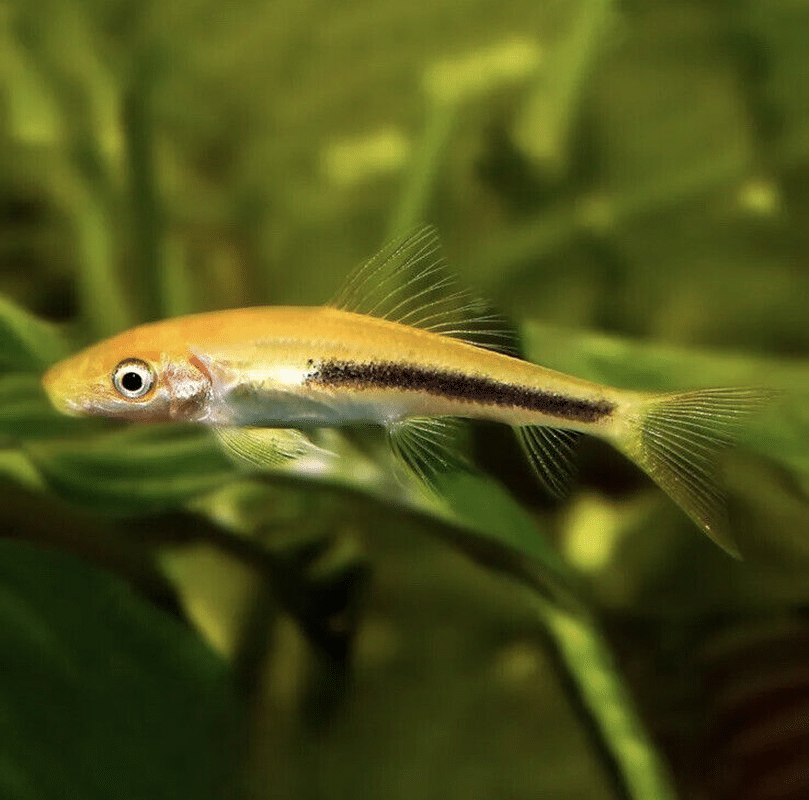
Golden Black Chinese Algae Eater – Gyrinocheilus Aymonieri – Sucking Loach

Original price was: £5.99.£5.03Current price is: £5.03.
Welcome these beautiful Golden Black Chinese Algae Eater Sucking Loaches into your aquarium. Their striking coloration and graceful movements make them a stunning addition. Ideal for maintaining algae control and creating a vibrant aquatic environment, these peaceful companions thrive in community tanks.
In stock


Species Introduction
The Golden Black Chinese Algae Eater, scientifically known as Epalzeorhynchos kalopterus, is a beautiful freshwater fish that plays a vital role in maintaining a healthy aquarium ecosystem. Native to the rivers and streams of Southeast Asia, particularly in Thailand and Laos, this species thrives in freshwater environments rich in aquatic plants and moderate water flow. Known for its algae-eating capabilities, the Golden Black Chinese Algae Eater not only helps keep tanks clean but also adds a vibrant visual element to any aquarium setup. These fish can grow up to 6 inches (15 cm) in length, making them suitable for a variety of tank sizes, provided their environment is conducive to their health and well-being.
✨ Key Features – GOLDEN BLACK CHINESE ALGAE EATER SUCKING LOACH
| Specification | Details |
|---|---|
| 🎯 Benefits | Enhances your aquarium ecosystem by controlling algae growth |
| 🏆 Quality | Premium aquarium-grade materials |
| 🔧 Ease of Use | Simple setup and maintenance requirements |
Care Requirements Dashboard
✓ Care level: Easy
Tank Size: Minimum 30 gallons
Water Temperature: 72°F – 78°F (22°C – 26°C)
pH Level: 6.5 – 7.5
Hardness: 5 – 15 dGH
These fish are considered adaptable, making them an excellent choice for beginner fishkeepers. They thrive in well-maintained aquariums with stable water parameters. Regular water changes and the use of a good filtration system are essential to keep their environment clean and healthy. The Golden Black Chinese Algae Eater is a peaceful species that can coexist with a variety of other fish, making it a popular choice for community tanks.
Natural Behavior & Temperament
In their natural habitat, Golden Black Chinese Algae Eaters exhibit a range of fascinating behaviors. They are primarily bottom dwellers that enjoy foraging for food among the substrate and plants. Their natural inclination to graze on algae makes them a valuable addition to any aquarium, as they help control algae growth effectively. Known for their active swimming patterns, these fish often dart around the tank and explore their environment. Socially, they are generally peaceful and can thrive in community tanks, provided they are not housed with overly aggressive species. However, they can become territorial, especially as they mature, so it is advisable to provide ample hiding spots and territories within the tank setup to reduce potential conflicts.
Tank Setup Guide
Creating an ideal environment for your Golden Black Chinese Algae Eater involves careful consideration of both the physical and biological aspects of the tank. A minimum tank size of 30 gallons is recommended to provide ample swimming space and territory for these fish. The substrate should be soft and smooth to prevent injury, while live plants can be included to mimic their natural habitat, providing hiding spots and grazing areas. Driftwood and rocks can also enhance the aesthetic appeal of the tank while offering additional shelter. It is vital to maintain good water flow and ensure that the tank is well-aerated, as these fish prefer environments with moderate currents. Regular maintenance, including water changes and substrate cleaning, will help keep the tank clean and the water parameters stable, ensuring the health and longevity of your aquatic companions.
Water Quality Management
Maintaining optimal water quality is crucial for the well-being of your Golden Black Chinese Algae Eater. The ideal pH level for these fish ranges from 6.5 to 7.5, with a temperature between 72°F and 78°F (22°C – 26°C). Regular testing of water parameters is essential to ensure they remain within these ranges. Additionally, the hardness of the water should be maintained between 5 and 15 dGH. To achieve this, it is advisable to perform regular water changes, ideally 20-30% weekly, to remove toxins and replenish essential minerals. Utilizing a high-quality filtration system will also help keep the water clean and clear, promoting a healthy environment for your fish friends. Monitoring ammonia and nitrite levels is critical, as these compounds can be harmful to fish health; levels should always be kept at 0 ppm.
Feeding & Nutrition
⚠ Important feeding note
While Golden Black Chinese Algae Eaters excel at consuming algae, they should not rely solely on this for nutrition. A balanced diet is essential for their health and vitality. High-quality flake foods, pellets, and occasional treats such as blanched vegetables (like zucchini and spinach) should be included in their diet. Feeding should occur once or twice a day, with only as much food as they can consume in a few minutes to prevent overfeeding and water quality issues. Varying their diet will ensure they receive all necessary nutrients. Providing a mix of plant-based and protein-rich foods will support their overall health and enhance their vibrant coloration.
Compatibility Guide
The Golden Black Chinese Algae Eater is known for its peaceful demeanor, making it a suitable addition to community tanks. They can coexist with a variety of fish species, including tetras, barbs, and other peaceful freshwater fish. However, it is important to avoid housing them with overly aggressive or territorial species, as this can lead to stress and potential injury. When selecting tank mates, consider the size and temperament of the other fish to ensure compatibility. Additionally, it is advisable to introduce them to the tank gradually, allowing all fish to acclimate to each other’s presence. Providing ample hiding spots and territories will help reduce any potential conflicts and promote a harmonious community tank environment.
Health & Wellness
Maintaining the health and wellness of your Golden Black Chinese Algae Eater involves regular monitoring and proactive care. Common health issues include ich, fin rot, and other parasitic infections, which can be prevented through good water quality and a balanced diet. Observing your fish for any signs of distress, such as changes in behavior, loss of appetite, or visible lesions, is crucial for early detection of health problems. If any issues arise, it is important to act quickly by isolating affected fish and treating them appropriately. Regular water changes, maintaining stable water parameters, and providing a stress-free environment will significantly contribute to the overall health and longevity of your aquatic companions.
Breeding Information
Breeding Golden Black Chinese Algae Eaters in captivity can be challenging, as they require specific conditions to encourage spawning. These fish are egg layers and typically spawn in the presence of suitable conditions, such as optimal water parameters and a well-planted tank. To encourage breeding, it is advisable to provide a separate breeding tank with gentle filtration and plenty of hiding spots. The female will lay eggs on flat surfaces, and once fertilized, the parents should be removed to prevent them from eating the eggs. The eggs will hatch within a few days, and the fry will require infusoria or finely crushed flakes for the first few weeks of their life. Proper care and attention during this critical period will ensure the successful growth of the fry.
Acclimation Process
Introducing your Golden Black Chinese Algae Eater to a new tank requires a careful acclimation process to minimize stress and ensure a smooth transition. Begin by floating the sealed bag containing the fish in the aquarium for about 15-20 minutes to equalize the temperature. After this, gradually introduce small amounts of the aquarium water into the bag every 5 minutes for about an hour. This process helps the fish adjust to the new water parameters. Once acclimated, gently release the fish into the tank using a net to avoid adding any transport water that may contain contaminants. Monitoring the fish closely for the first few days will help ensure they adapt well to their new environment.
Long-term Care
Golden Black Chinese Algae Eaters can live for several years in a well-maintained aquarium, with lifespans typically ranging from 5 to 10 years. To ensure their longevity, it is essential to provide consistent care, including regular water changes, a balanced diet, and a stable environment. Monitoring their growth and health will help you identify any potential issues early on. As they mature, these fish may exhibit changes in behavior, including increased territoriality. Providing ample space and hiding spots will help mitigate any aggressive tendencies. Regular check-ups on water quality and tank conditions will contribute to their overall well-being and ensure they thrive in your care.
Natural Habitat Recreation
Recreating the natural habitat of the Golden Black Chinese Algae Eater within your aquarium can enhance their comfort and well-being. In the wild, these fish inhabit slow-moving waters with plenty of vegetation, rocks, and driftwood. To replicate this environment, consider adding a variety of live plants, such as Java fern and Anubias, which provide hiding spots and grazing areas. Incorporating smooth rocks and driftwood will not only enhance the aesthetic appeal of your tank but also create natural territories for the fish. Maintaining a gentle water flow and ensuring proper lighting will further mimic their natural conditions, promoting a healthy and vibrant aquarium ecosystem.
Seasonal Care Adjustments
As seasons change, so too may the conditions within your aquarium. During warmer months, it is important to monitor the water temperature closely, ensuring it remains within the ideal range for your Golden Black Chinese Algae Eater. Increased temperatures can lead to decreased oxygen levels, so consider using a fan or chiller if necessary. In winter, maintaining stable temperatures is crucial, as fluctuations can stress your fish. Adjusting the lighting duration to mimic natural day/night cycles can also benefit your fish friends. Regularly testing water parameters throughout the year will help you adapt to seasonal changes and ensure a stable environment for your aquatic companions.
Expert Tips
For those looking to provide the best care for their Golden Black Chinese Algae Eater, consider implementing some expert tips. Regularly observe your fish for any signs of stress or illness, as early detection is key to maintaining their health. Ensure that your tank is adequately planted and structured to provide hiding spots, which can help reduce territorial disputes. Additionally, varying their diet will not only keep them healthy but also enhance their coloration. Lastly, consider joining an aquarium community or forum where you can share experiences and gain insights from other fishkeepers, which can further enhance your knowledge and care techniques.
Troubleshooting
Despite the best care, issues may arise with your Golden Black Chinese Algae Eater. Common problems include stress from aggressive tank mates, poor water quality, and dietary deficiencies. If you notice unusual behavior, such as hiding excessively or not eating, it may indicate stress or illness. In such cases, check water parameters immediately and take corrective measures if necessary. If aggression is observed, consider rearranging the tank layout to disrupt established territories. Always be proactive in maintaining water quality, and ensure that your fish friends are receiving a balanced diet to prevent health issues.
Scientific Background
The Golden Black Chinese Algae Eater belongs to the family Cyprinidae, which includes many other popular freshwater fish species. This family is known for its diverse range of species, many of which are characterized by their peaceful nature and adaptability to various aquarium conditions. Research into the biology and ecology of Epalzeorhynchos kalopterus has revealed insights into their feeding habits, social behavior, and habitat preferences, contributing to our understanding of their care in captivity. Conservation efforts are also important, as habitat destruction poses a threat to their populations in the wild. By providing a home for these beautiful creatures, aquarists can help raise awareness about the importance of preserving their natural habitats.
Advanced Care Techniques
For experienced aquarists looking to take their care of Golden Black Chinese Algae Eaters to the next level, consider implementing advanced care techniques. This may include creating a biotope aquarium that closely resembles their natural habitat, utilizing live plants, and incorporating natural filtration methods. Additionally, experimenting with different food types and observing their preferences can enhance their health and coloration. Engaging in regular breeding attempts can also provide valuable insights into their reproductive behaviors and contribute to the overall knowledge of this species. Lastly, staying informed about the latest research and advancements in aquarium care will help ensure that you are providing the best possible environment for your aquatic companions.
Frequently Asked Questions
Q: What tank size is required for the Golden Black Chinese Algae Eater Sucking Loach?
The Golden Black Chinese Algae Eater Sucking Loach requires a minimum tank size of 75 litres to thrive. This allows ample space for swimming and foraging, which are vital for their well-being. These fish can grow up to 12 cm in length, so it’s essential to provide sufficient swimming area. Moreover, larger tanks help maintain stable water parameters, reducing stress on your aquatic companions. When establishing their habitat, include hiding spots, such as caves or dense vegetation, to mimic their natural environment, which helps them feel secure and reduces territorial behaviour.
✓ Expert Tip
Consider a larger setup if you plan to keep multiple loaches, as they can be territorial.
Q: What water parameters do Golden Black Chinese Algae Eater Sucking Loaches require?
Golden Black Chinese Algae Eater Sucking Loaches thrive best in water that is slightly acidic to neutral, with a pH range of 6.5 to 7.5. The water temperature should be maintained between 22°C and 28°C, ideally around 24°C for optimal health. Additionally, ensure the water hardness is between 5-15 dGH. Regular water changes of 10-15% weekly will help maintain these parameters and enhance water quality, which is crucial for the overall health of your fish. Monitoring these levels with a reliable aquarium test kit is essential for preventing stress and disease.
✓ Expert Tip
Keep a consistent routine for water testing to catch any fluctuations early.
Q: How often should I feed my Golden Black Chinese Algae Eater Sucking Loaches?
Feeding your Golden Black Chinese Algae Eater Sucking Loaches should occur once or twice daily. It is vital to provide a balanced diet, primarily consisting of algae-based foods, such as spirulina flakes or pellets. Supplement their diet with blanched vegetables like zucchini or spinach to promote optimal health and growth. Be cautious not to overfeed, as uneaten food can deteriorate water quality. Adjust feeding amounts based on the number of fish in your aquarium and their size. Always remove any uneaten food after a couple of hours to maintain water quality.
✓ Expert Tip
Introduce a variety of foods to ensure a balanced diet and encourage natural foraging behaviour.
Q: What are the best tank mates for Golden Black Chinese Algae Eater Sucking Loaches?
When selecting tank mates for Golden Black Chinese Algae Eater Sucking Loaches, it is best to choose peaceful species that occupy different levels of the tank. Suitable companions include tetras, rasboras, and peaceful barbs. Avoid aggressive or territorial species, as these can cause stress. Loaches are generally social fish but can exhibit territorial behaviour, particularly when they are mature. Providing plenty of hiding spots and visual barriers can help create a harmonious environment. It is advisable to keep them in groups of at least three to promote natural social behaviour.
✓ Expert Tip
Observe interactions closely when introducing new tank mates to ensure compatibility.
Q: How do I properly acclimatise my Golden Black Chinese Algae Eater Sucking Loach to my aquarium?
Acclimatising your Golden Black Chinese Algae Eater Sucking Loach is crucial for their successful introduction into your aquarium. Begin by floating the sealed bag in your aquarium for about 15-20 minutes to equalise the temperature. Next, gradually introduce small amounts of aquarium water into the bag every 10 minutes for about an hour. This process helps the fish adjust to the water parameters in your aquarium. Finally, gently transfer the loach into the tank using a net to avoid adding bag water, which may contain harmful substances. This method minimises stress and enhances their chances of thriving.
✓ Expert Tip
Always acclimatise new fish during low-light conditions to reduce stress.
Q: What are the signs of a healthy Golden Black Chinese Algae Eater Sucking Loach?
Healthy Golden Black Chinese Algae Eater Sucking Loaches exhibit vibrant colouration, clear eyes, and active swimming behaviour. They should display a keen interest in their environment, foraging for food and exploring their tank. Look for signs of a healthy appetite, as consistent feeding habits indicate overall well-being. Additionally, the absence of lesions, fin damage, or unusual swimming patterns is essential. If you notice any changes in behaviour, such as lethargy or hiding excessively, it may indicate stress or illness. Regular observation is key to identifying any issues early on.
✓ Expert Tip
Regular monitoring of your fish can help catch health issues before they escalate.
Q: How do I successfully breed Golden Black Chinese Algae Eater Sucking Loaches?
Breeding Golden Black Chinese Algae Eater Sucking Loaches can be quite challenging, as they are not easy to breed in captivity. However, to encourage breeding, maintain optimal water conditions with a slightly acidic pH and a temperature around 24°C. Provide ample hiding spots and flat surfaces for egg-laying. The male will chase the female, and once she is ready, she will lay eggs, which the male fertilises. After spawning, it is advisable to remove the adults to prevent them from eating the eggs. The eggs typically hatch within 3-4 days, and the fry should be fed infusoria or finely crushed flakes until they are large enough for regular food.
✓ Expert Tip
Breeding success often requires patience and careful monitoring of water conditions.
Q: What substrate is most suitable for Golden Black Chinese Algae Eater Sucking Loaches?
Golden Black Chinese Algae Eater Sucking Loaches prefer a soft substrate that allows them to forage comfortably. Sand or fine gravel is ideal, as it mimics their natural habitat and reduces the risk of injury to their delicate bodies. Avoid sharp or coarse substrates, which can cause damage to their barbels or skin. A layer of sand will also help maintain water quality by allowing beneficial bacteria to thrive, which aids in breaking down waste. Additionally, incorporating smooth rocks and driftwood can create hiding places and contribute to a more natural environment.
✓ Expert Tip
A well-planned substrate can enhance the aesthetic of your aquarium while providing comfort for your fish.
Q: What behavioural patterns should I expect from Golden Black Chinese Algae Eater Sucking Loaches?
Golden Black Chinese Algae Eater Sucking Loaches exhibit a range of interesting behaviours. They are primarily nocturnal, becoming more active during the evening and night hours. During the day, they may hide or rest in crevices, so be patient when observing them. They are known for their algae-eating habits, often seen grazing on surfaces. Socially, they can demonstrate territorial behaviour, particularly among males, so providing ample space and hiding spots is crucial. Overall, these fish are engaging and contribute to the dynamic of the aquarium, making them delightful companions.
✓ Expert Tip
Observe your loaches during feeding time to truly appreciate their foraging behaviour!
Q: How can I prevent common diseases in Golden Black Chinese Algae Eater Sucking Loaches?
Preventing common diseases in Golden Black Chinese Algae Eater Sucking Loaches involves maintaining optimal water quality and a stress-free environment. Regular water changes, monitoring parameters, and ensuring a well-cycled aquarium are essential. Quarantine new fish before introducing them to prevent disease transmission. Additionally, providing a varied diet rich in nutrients can enhance their immune systems. Look out for signs of stress, such as hiding or changes in appetite, and address any issues promptly. Regular observation can help you catch potential problems before they escalate.
✓ Expert Tip
Consider incorporating aquarium plants that can help improve water quality and provide hiding spots.
Q: What lighting conditions do Golden Black Chinese Algae Eater Sucking Loaches prefer?
Golden Black Chinese Algae Eater Sucking Loaches prefer moderate lighting conditions. Bright lighting can cause stress and encourage hiding behaviour. Therefore, it is advisable to provide shaded areas using plants, driftwood, or decorations to create a more comfortable environment. This helps mimic their natural habitat, where they would typically seek refuge from bright light. A lighting schedule of about 10-12 hours a day is recommended to replicate natural day-night cycles, promoting a healthy and active lifestyle for your aquatic companions.
✓ Expert Tip
Adjust lighting intensity based on your tank’s inhabitants to create a balanced ecosystem.
Q: How do I recognise stress in Golden Black Chinese Algae Eater Sucking Loaches?
Recognising stress in Golden Black Chinese Algae Eater Sucking Loaches can be vital for their well-being. Signs of stress may include excessive hiding, lethargy, or a lack of interest in food. Additionally, observe for rapid gill movement or erratic swimming patterns, which may indicate distress. If they display aggression or territorial behaviour towards tank mates, it could also signify stress. Maintaining stable water parameters, providing adequate hiding spots, and ensuring a balanced diet are essential to minimise stress and promote a healthy, thriving aquarium environment.
✓ Expert Tip
Address any signs of stress promptly to prevent further health issues.
Q: What natural habitat conditions should I replicate for Golden Black Chinese Algae Eater Sucking Loaches?
To replicate the natural habitat of Golden Black Chinese Algae Eater Sucking Loaches, focus on creating a riverine environment. They thrive in slow-moving waters with plenty of vegetation and hiding spots. Incorporate driftwood, smooth rocks, and live plants to mimic their natural surroundings. Maintain a well-filtered aquarium with moderate water movement to simulate their habitat. Additionally, providing a sandy or fine gravel substrate will enhance their comfort and allow for natural foraging behaviour. Regularly monitoring water parameters and maintaining stability will further support their health and well-being.
✓ Expert Tip
Creating a biotope tank can be a rewarding project that enhances the beauty of your aquarium.
1 review for Golden Black Chinese Algae Eater – Gyrinocheilus Aymonieri – Sucking Loach
Add a review
Related products


Emily Carter (verified owner) –
I recently added the Golden Black Chinese Algae Eater Sucking Loach to my 55-gallon freshwater tank, and I couldn’t be happier! After about two months of watching him thrive, I can confidently say he’s a fantastic addition. This little guy has been a dedicated worker, efficiently keeping my aquarium plants free from pesky algae without harming them. His playful nature and sleek appearance make him a joy to observe! Compared to other algae eaters I’ve tried, like the Flying Fox, he’s much more gentle, which I appreciate as I focus on maintaining a balanced ecosystem in my tank.
I did notice he prefers a bit of hiding space during the day, so adding some rocks and plants helped him feel secure. If you’re looking for an algae eater that is both effective and aesthetically pleasing, this loach is perfect for your setup. I highly recommend it to both beginner and experienced fish enthusiasts. Just ensure your tank is mature enough to support him, and you’ll be rewarded with a happy, healthy fish that actively contributes to your aquarium’s well-being. I would definitely buy again!