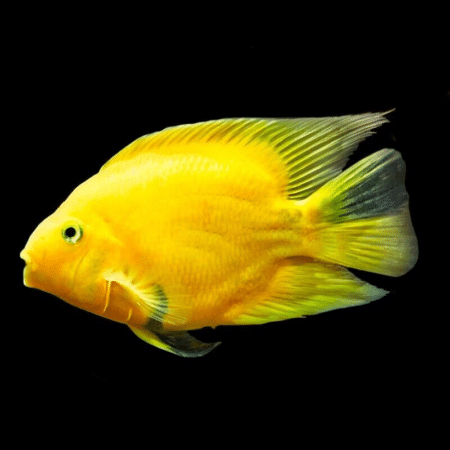
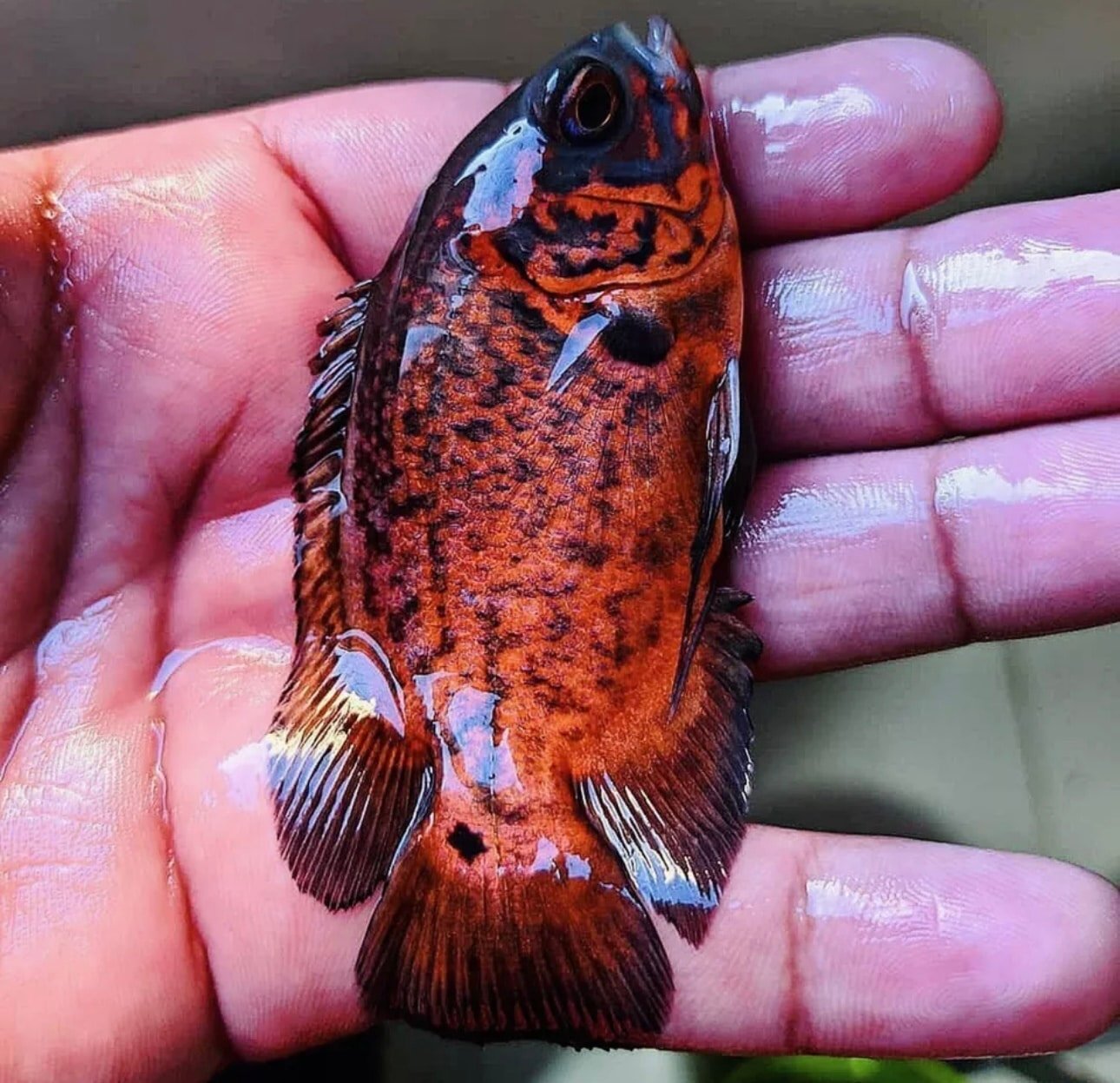
Red Oscar – Astronotus Ocellatus Red – South American Cichlid

Original price was: £13.99.£11.83Current price is: £11.83.
Welcome these beautiful Astronotus Ocellatus ‘Red’ Oscar Fish into your aquarium. This vibrant South American Cichlid features stunning red hues, making it a perfect choice for beginners. Ideal for community tanks, they thrive with proper care and bring elegance to your aquatic environment.
Species Introduction
The Astronotus Ocellatus, commonly known as the Red Oscar Fish, is a captivating member of the South American cichlid family. This species is renowned for its striking coloration, particularly in the red variant, which showcases vibrant hues that can transform any aquarium into a stunning aquatic display. Native to the slow-moving waters of the Amazon River and its tributaries, the Red Oscar thrives in freshwater environments characterized by lush vegetation and ample hiding spots. These fish are not only visually appealing but also exhibit fascinating behaviors, making them a popular choice for both novice and experienced aquarists. Their adaptability to various water conditions and their relatively easy care requirements further enhance their appeal as community fish, particularly for those looking to create a vibrant South American aquarium.
Care Requirements Dashboard
| Optimal Living Conditions | |
|---|---|
| Water Temperature | 24-27°C (75-81°F) |
| pH Level | 6.5-7.5 |
| Water Hardness | 4-12 dKH |
| Minimum Tank Size | 80L (20 gal) |
| Salinity | Freshwater |
| Care Level | Beginner Friendly |
✓ Care Level: Easy
Tank Size: Minimum 75 gallons
Water Temperature: 75-80°F (24-27°C)
pH Level: 6.0-8.0
Water Hardness: 5-20 dGH
The Red Oscar Fish is regarded as an easy care fish, making it an ideal choice for beginners. They require a spacious tank—at least 75 gallons—to accommodate their size and swimming needs. The water parameters should be maintained within the specified ranges to ensure optimal health and vitality. Regular water changes and monitoring of water quality are essential components of their care regimen.
Natural Behavior & Temperament
The Red Oscar is known for its engaging personality and interactive behavior. These fish are quite intelligent and can recognize their owners, often displaying excitement during feeding times. They exhibit a range of swimming patterns, including gliding gracefully through the water and darting quickly when startled. In terms of social behavior, Oscars can be territorial, especially as they mature, and they may establish dominance over tank mates. It’s essential to provide ample space and hiding spots to reduce stress and aggression. Their temperament can vary; while some individuals are more docile, others may display more assertive behaviors, particularly during breeding seasons. Understanding their natural behaviors will help aquarists create a harmonious community tank.
Tank Setup Guide
Creating the ideal environment for your Red Oscar Fish involves careful consideration of tank setup. Begin with a spacious aquarium, ideally 75 gallons or larger, to provide ample swimming space. A sandy or fine gravel substrate is recommended, as it mimics their natural habitat and allows for easy digging. Incorporate various decorations such as rocks, caves, and driftwood to create hiding spots and territories. Live plants can also enhance the aesthetic appeal of the tank while providing additional cover; however, be mindful that Oscars may uproot or damage delicate plants. Ensure that the tank is equipped with a reliable filtration system to maintain water quality, as Oscars produce a significant amount of waste. Proper lighting will not only support plant growth but also highlight the vibrant colors of your fish friends.
Water Quality Management
✓ Good water quality is crucial for health
pH Level: 6.0-8.0
Temperature: 75-80°F (24-27°C)
Hardness: 5-20 dGH
Maintaining optimal water quality is vital for the health and longevity of your Red Oscar Fish. Regular water testing should be conducted to monitor pH levels, temperature, and hardness. A stable environment is key; fluctuations can stress the fish and lead to health issues. It’s recommended to perform partial water changes of 20-30% weekly to remove toxins and replenish essential minerals. Additionally, ensure that the filtration system is adequately sized for your tank to help keep the water clean and clear. Be vigilant for any signs of poor water quality, such as cloudy water or abnormal fish behavior, and address these issues promptly to maintain a thriving aquatic ecosystem.
Feeding & Nutrition
The Red Oscar Fish is an omnivore, and their diet should reflect this to ensure optimal health. They thrive on a varied diet that includes high-quality pellets, frozen or live foods such as bloodworms, brine shrimp, and earthworms. It’s essential to feed them a balanced diet to promote vibrant colors and robust health. A feeding schedule of 2-3 times a day is recommended, with only as much food as they can consume in a few minutes to prevent overfeeding and water quality issues. Regularly rotating food types will provide the necessary nutrients and prevent dietary deficiencies. Observing their feeding habits will also help you gauge their health; any significant changes in appetite may indicate underlying health issues.
Compatibility Guide
✓ Community dynamics are important
Compatible Tank Mates: Larger cichlids, catfish, and certain species of tetras
Avoid: Small fish, aggressive species, and overly timid fish
When considering tank mates for your Red Oscar Fish, it is crucial to choose species that can coexist peacefully. Larger cichlids, such as other Oscars, as well as certain catfish and larger tetras, can make suitable companions. However, smaller fish should be avoided, as Oscars may see them as prey. Additionally, overly aggressive species may provoke territorial disputes, leading to stress and injury. It’s advisable to introduce new fish gradually and monitor their interactions closely. A well-balanced community tank will enhance the overall health and happiness of your aquatic friends.
Health & Wellness
The health of your Red Oscar Fish is paramount, and regular monitoring is essential. Common health issues include ich, fin rot, and other parasitic infections. Signs of illness may include abnormal swimming patterns, loss of appetite, or visible lesions. Maintaining good water quality is the first step in preventing health problems. Additionally, providing a balanced diet and minimizing stress will contribute to their overall well-being. In case of illness, prompt treatment is critical; consult with an aquarium specialist for appropriate medications and treatment protocols. Regular health checks will help you catch potential issues early, ensuring your fish friends remain vibrant and healthy.
Breeding Information
Breeding Red Oscar Fish can be a rewarding experience, though it requires careful preparation and understanding of their reproductive behaviors. Oscars are known to be monogamous and will form pairs during the breeding process. To encourage breeding, ensure that the tank is spacious and well-maintained, with stable water parameters. Provide flat surfaces for spawning, such as rocks or slate. After spawning, the female will lay eggs, which the male will fertilize. Both parents will typically guard the eggs and fry, showcasing their nurturing behavior. Once the fry are free-swimming, they will require finely crushed food or specialized fry food. Monitoring the parents and fry closely during this period is essential to ensure their survival and growth.
Acclimation Process
Acclimating your Red Oscar Fish to a new tank is a critical step in ensuring their successful transition. Begin by floating the sealed bag containing the fish in the aquarium for about 15-20 minutes to equalize the temperature. After this, gradually introduce small amounts of tank water into the bag over the course of an hour. This process helps the fish adjust to the water parameters of their new environment. Once acclimated, gently release the fish into the tank, avoiding any sudden movements that could stress them. It’s advisable to monitor their behavior closely for the first few days to ensure they are settling in well and adjusting to their new home.
Long-term Care
The long-term care of your Red Oscar Fish involves ongoing attention to their needs and environment. As they grow, their dietary requirements may change, necessitating adjustments to their feeding regimen. Regular water testing and maintenance will remain essential to ensure a healthy habitat. Additionally, as Oscars can live for over a decade with proper care, it’s important to remain committed to their welfare throughout their lifespan. Observing their behavior and health regularly will help you identify any changes that may require attention. By providing a stable, enriched environment, you can ensure that your Red Oscar Fish thrive and continue to bring beauty and joy to your aquarium for many years.
Natural Habitat Recreation
To create a biotope that closely resembles the natural habitat of the Red Oscar Fish, consider incorporating elements that mimic their environment in the Amazon River basin. This includes using a sandy substrate, which allows for natural digging behaviors, and adding driftwood and rocks to provide hiding spots and territories. Live plants can enhance the aesthetic and provide additional cover, but select hardy species that can withstand the Oscars’ digging tendencies. Additionally, maintaining a slightly warmer water temperature and stable pH will help replicate their natural conditions. By recreating their habitat, you can promote natural behaviors and enhance the overall well-being of your fish friends.
Seasonal Care Adjustments
As seasons change, so too may the care requirements for your Red Oscar Fish. During warmer months, ensure that the tank temperature does not exceed 80°F (27°C) to prevent stress and health issues. Consider using fans or chillers if necessary. In cooler months, maintaining a stable temperature is crucial; heaters should be checked regularly to ensure they are functioning properly. Additionally, lighting duration may need adjustment based on seasonal changes to mimic natural daylight cycles. Monitoring water quality during these transitions is essential, as changes in temperature can impact parameters significantly. By adjusting care routines seasonally, you can help your Red Oscar Fish thrive year-round.
Expert Tips
For those looking to provide the best care for their Red Oscar Fish, consider the following expert tips. First, invest in a high-quality filtration system to manage waste effectively, as Oscars are known to produce significant amounts of waste. Second, maintain a consistent feeding schedule to promote healthy growth and prevent overfeeding. Third, provide a varied diet to enhance coloration and vitality. Lastly, observe your fish regularly for any signs of stress or illness; early detection is key to successful treatment. By following these tips, you can ensure a healthy and vibrant environment for your aquatic companions.
Troubleshooting
Should you encounter any issues with your Red Oscar Fish, it’s important to have a troubleshooting plan. Common problems include water quality issues, aggression, and dietary deficiencies. If you notice signs of stress, such as rapid gill movement or hiding, check water parameters immediately. If aggression occurs, consider rearranging tank decor to disrupt established territories. For dietary concerns, ensure you are providing a balanced diet and consider supplementing with vitamins. Keeping a log of any changes in behavior or health can help you identify patterns and address issues promptly. By staying proactive, you can maintain a healthy and thriving aquarium.
Scientific Background
The scientific classification of the Red Oscar Fish, Astronotus Ocellatus, places it within the family Cichlidae, which includes many popular aquarium species. This fish is a prime example of the diversity found within South American cichlids, showcasing unique adaptations to their freshwater environments. Research into their behavior and ecology has provided valuable insights into their care and compatibility in community tanks. Conservation efforts are also essential, as habitat destruction poses threats to their populations in the wild. Understanding the scientific background of your fish friends not only enriches your knowledge but also enhances your ability to provide optimal care.
Advanced Care Techniques
For experienced aquarists looking to elevate their care for Red Oscar Fish, consider implementing advanced techniques. This may include utilizing a quarantine tank for new arrivals to prevent disease transmission. Additionally, exploring breeding setups can provide opportunities to raise fry successfully. Experimenting with aquascaping can also enhance the visual appeal of your tank while providing enrichment for your fish. Regularly attending workshops or reading up on the latest research can further enhance your knowledge and skills. By adopting advanced care techniques, you can create a thriving environment that not only meets but exceeds the needs of your Red Oscar Fish.
Frequently Asked Questions
Q: What tank size is required for the Red Oscar Fish?
The Red Oscar Fish, a South American cichlid, thrives best in a spacious environment. A minimum tank size of 200 litres (approximately 53 gallons) is recommended for a single Oscar. This ample space allows for swimming and territorial behaviour, which is vital for their well-being. If you plan to keep more than one, consider larger capacities, as Oscars can be quite territorial, particularly during breeding. Additionally, ensuring a secure lid on the aquarium is essential, as these fish are known to jump. Regular maintenance, such as water changes and monitoring water quality, is crucial in a larger tank to maintain a healthy environment.
✓ Expert Tip
Utilise a powerful filter to manage the bioload effectively, as Oscars produce significant waste.
Q: What water parameters do Red Oscar Fish require?
Red Oscar Fish prefer slightly acidic to neutral water, with a pH range of 6.5 to 7.5. The water temperature should be maintained between 24°C to 27°C (75°F to 81°F), as they are native to warmer waters. Regular testing for ammonia, nitrites, and nitrates is essential, as Oscars are sensitive to poor water quality. Ammonia and nitrite levels should be kept at 0 ppm, while nitrates should ideally be below 40 ppm. Establishing a consistent water change routine—about 25-30% weekly—will help maintain these parameters and promote a healthy environment for your Oscar fish.
✓ Expert Tip
Consider using a good quality water conditioner to remove chlorine and chloramines from tap water.
Q: How often should I feed my Red Oscar Fish?
Feeding your Red Oscar Fish properly is crucial for their growth and health. It is advisable to feed them 2-3 times a day, providing only what they can consume within 5-10 minutes. A varied diet should include high-quality pellets specifically formulated for cichlids, along with occasional treats such as frozen or live food like bloodworms, brine shrimp, or earthworms. Overfeeding can lead to obesity and poor water quality, so monitoring their intake is essential. As they grow, you may need to adjust the size of the food to accommodate their larger mouths and ensure they receive proper nutrition.
✓ Expert Tip
Introduce a variety of foods to enhance colour and health, but avoid excessive live food to prevent health issues.
Q: What are the best tank mates for Red Oscar Fish?
When selecting tank mates for Red Oscar Fish, it is vital to consider their size and temperament. Suitable companions include larger, robust fish such as Severums, Jack Dempsey, and larger catfish species. Avoid smaller fish, as Oscars may see them as prey. It is also wise to introduce tank mates of similar size to reduce territorial disputes. Always monitor interactions, especially during feeding times, as Oscars can exhibit aggressive behaviour. Providing ample hiding spots and territories using decorations can help mitigate aggression and offer refuge for other fish.
✓ Expert Tip
Introduce new fish gradually, ensuring the Oscar has space to establish its territory.
Q: How do I properly acclimatise my Red Oscar Fish to my aquarium?
Acclimatisation is crucial for the health of your Red Oscar Fish. Upon arrival, float the sealed bag in your aquarium for about 15-20 minutes to equalise the temperature. Then, gradually introduce aquarium water into the bag over the course of an hour, typically by adding small amounts of water every 10-15 minutes. This process helps the fish adjust to the new water parameters. Once acclimatised, gently release the Oscar into the tank, avoiding adding the bag water to prevent contamination. Monitor the fish closely for signs of stress or disease in the following days.
✓ Expert Tip
Keep the lights off for a few hours after introducing the fish to minimise stress.
Q: What are the signs of healthy Red Oscar Fish?
Healthy Red Oscar Fish exhibit vibrant colours, clear eyes, and active behaviour. They should swim smoothly without signs of distress or excessive hiding. Observe their fins; they should be fully extended without any tears or fraying. Additionally, healthy Oscars will have a good appetite and show interest in food. Regular monitoring of their behaviour and physical condition is essential, as any sudden changes can indicate stress or health issues. If you notice lethargy, loss of colour, or abnormal swimming patterns, it is vital to investigate potential environmental or dietary problems.
✓ Expert Tip
Keep a journal of your fish’s behaviour and health as a reference for any changes.
Q: How do I successfully breed Red Oscar Fish?
Breeding Red Oscar Fish can be a rewarding experience, but it requires careful preparation. Firstly, ensure you have a breeding pair; Oscars typically form monogamous pairs. Provide a spacious tank with flat surfaces for spawning, such as tiles or smooth rocks. Maintain optimal water conditions—slightly warmer temperatures (around 26°C to 29°C) and stable pH levels. Once spawning occurs, the female will lay eggs, which the male will fertilise. Post-spawning, both parents may guard the eggs fiercely, so ensure minimal disturbance. After hatching, provide high-quality fry food to support growth. Regular water changes are essential to maintain quality in the breeding tank.
✓ Expert Tip
Consider separating the fry into a nursery tank once they are free-swimming to minimise predation.
Q: What temperature should I maintain for Red Oscar Fish?
Red Oscar Fish thrive in warmer waters, requiring a stable temperature range of 24°C to 27°C (75°F to 81°F). It is essential to maintain a consistent temperature to prevent stress and health issues. Fluctuations in temperature can lead to weakened immune systems and make them susceptible to diseases. A reliable aquarium heater is recommended, along with a thermometer to monitor the temperature regularly. Ensure the heater is appropriately sized for your tank, and avoid placing it near water circulation devices to ensure even heating throughout the aquarium.
✓ Expert Tip
Implement a temperature controller to ensure stability, especially during seasonal changes.
Q: How long do Red Oscar Fish typically live in captivity?
With proper care, Red Oscar Fish can live for 10 to 15 years in captivity. Their lifespan is significantly influenced by water quality, diet, and tank conditions. Regular maintenance, including frequent water changes and a balanced diet, plays a crucial role in their longevity. Additionally, keeping them in a spacious and well-maintained aquarium contributes to a healthier life. Monitoring their health and addressing any issues promptly can also enhance their lifespan. Establishing a routine that includes water testing and equipment maintenance will help ensure a thriving environment for your fish.
✓ Expert Tip
Keep a close eye on their behaviour and health as they age, adjusting care routines as necessary.
Q: What type of substrate is most suitable for Red Oscar Fish?
When selecting substrate for your Red Oscar Fish tank, opt for smooth river sand or fine gravel. These substrates are gentle on their delicate fins and allow for natural digging behaviour, which Oscars often exhibit. Avoid sharp substrates that could injure the fish. Additionally, a substrate that is easy to clean will help maintain water quality; regular vacuuming during water changes is advisable. Consider incorporating decorations and hiding spots, as Oscars enjoy exploring their environment. A well-structured tank with suitable substrate will enhance both the aesthetic appeal and the comfort of your fish.
✓ Expert Tip
Consider layering your substrate with larger gravel beneath the fine layer to improve stability and prevent shifting.
Q: What behavioural patterns should I expect from Red Oscar Fish?
Red Oscar Fish are known for their engaging personalities and intelligent behaviour. They are curious and often interact with their aquarium keeper, recognising faces and responding to feeding times. Oscars can also display territorial behaviour, particularly when breeding or establishing dominance in the tank. They may rearrange decorations and substrate, showcasing their natural instincts. While they are generally peaceful, they can become aggressive towards smaller or weaker tank mates. Observing their behaviour will help you understand their needs and ensure a harmonious aquarium environment.
✓ Expert Tip
Incorporate interactive elements, such as floating toys, to stimulate their curiosity and reduce boredom.
Q: How can I prevent common diseases in Red Oscar Fish?
Preventing diseases in Red Oscar Fish primarily revolves around maintaining high water quality and a stable environment. Regular water changes and monitoring parameters are essential. Additionally, ensure that tank mates are compatible and healthy to avoid stress and aggression. Quarantine new fish before introducing them to the main tank to prevent the spread of diseases. A balanced diet rich in vitamins will also boost their immune system. Observing your fish for any signs of illness, such as changes in behaviour or appetite, allows for early intervention and treatment.
✓ Expert Tip
Implement a regular health check routine to spot potential issues before they escalate.
Q: What lighting conditions do Red Oscar Fish prefer?
Red Oscar Fish thrive under moderate lighting, which mimics their natural habitat. Bright lights can cause stress, so it is advisable to use subdued or adjustable lighting options. LED lights are a popular choice due to their energy efficiency and low heat output. Providing shaded areas with decorations or plants can help your fish feel secure. Regular light cycles, typically 10-12 hours of light per day, will help simulate their natural environment and encourage healthy behaviour. Adjusting lighting based on the time of day can also enhance the aesthetics of your aquarium.
✓ Expert Tip
Consider using a timer to maintain consistent lighting schedules.
Q: How do I recognise stress in Red Oscar Fish?
Recognising stress in Red Oscar Fish is crucial for their well-being. Signs of stress can include hiding excessively, erratic swimming patterns, or a loss of appetite. Additionally, changes in colour intensity or clamped fins may indicate distress. Environmental factors such as poor water quality, aggressive tank mates, or sudden changes in temperature can contribute to stress. If you observe these behaviours, it is vital to assess the tank conditions and make necessary adjustments. Providing a calm environment and ensuring compatibility with tank mates can greatly enhance the comfort of your Oscar.
✓ Expert Tip
Minimise disturbances during feeding or tank maintenance to reduce stress.
Q: What natural habitat conditions should I replicate for Red Oscar Fish?
In their native habitat, Red Oscar Fish inhabit slow-moving rivers and lakes in South America, characterised by warm, slightly acidic waters and plenty of hiding spots among rocks and vegetation. To replicate these conditions, aim for a tank setup that includes a sandy or fine gravel substrate, smooth rocks, and driftwood to create natural hiding places. Maintaining a stable temperature and pH level similar to their natural environment is vital for their health. Additionally, incorporating plants can provide shelter and enhance the aesthetic appeal of the aquarium, while also improving water quality.
✓ Expert Tip
Avoid overly bright or artificial decorations that may not provide comfort for your fish.
Related products